
Overview
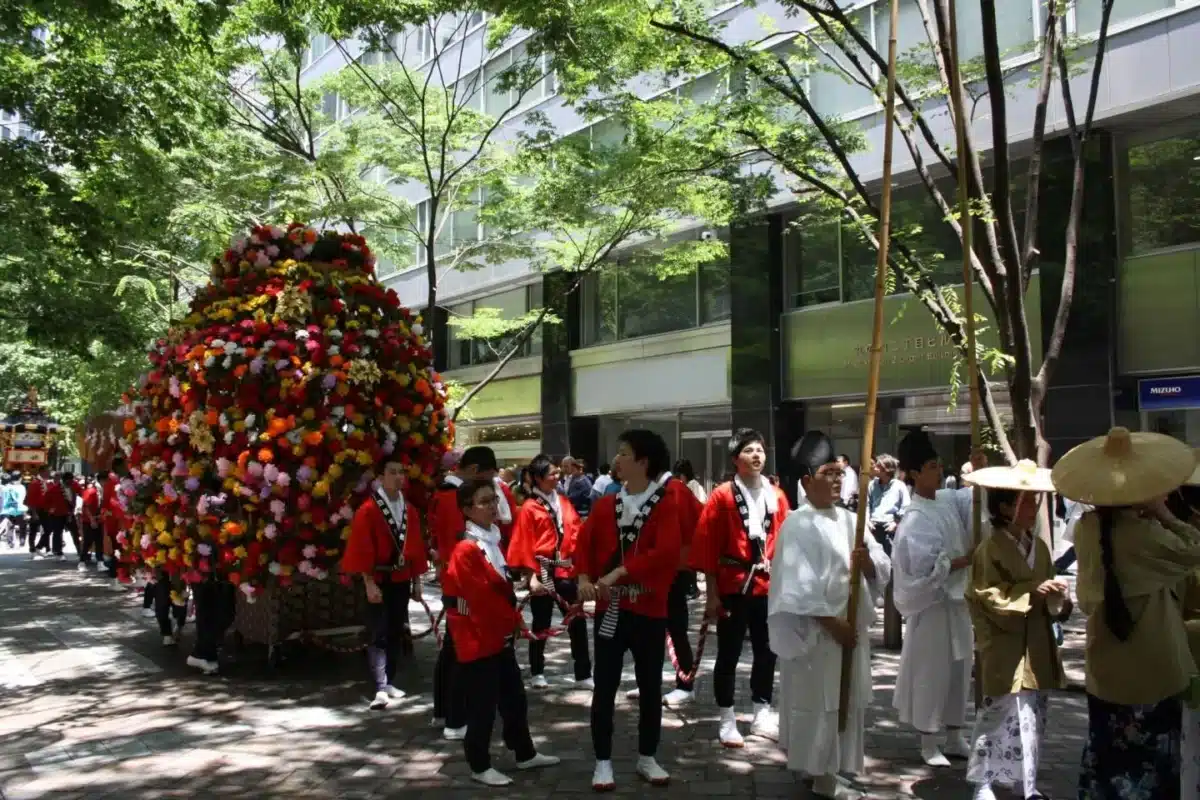
Sanno Matsuri, revered as one of the three most significant and historic Shinto festivals in Tokyo, stands as a grand testament to the city’s Edo-period heritage. Originating during the reign of the Tokugawa shoguns, the festival was historically a unique event where portable shrines were paraded into the Edo Castle grounds, allowing the rulers of the nation to observe the spiritual grandeur of the capital’s guardian deity. Today, it remains an essential cultural cornerstone, meticulously maintained by the historic Hie Shrine in the Chiyoda district.
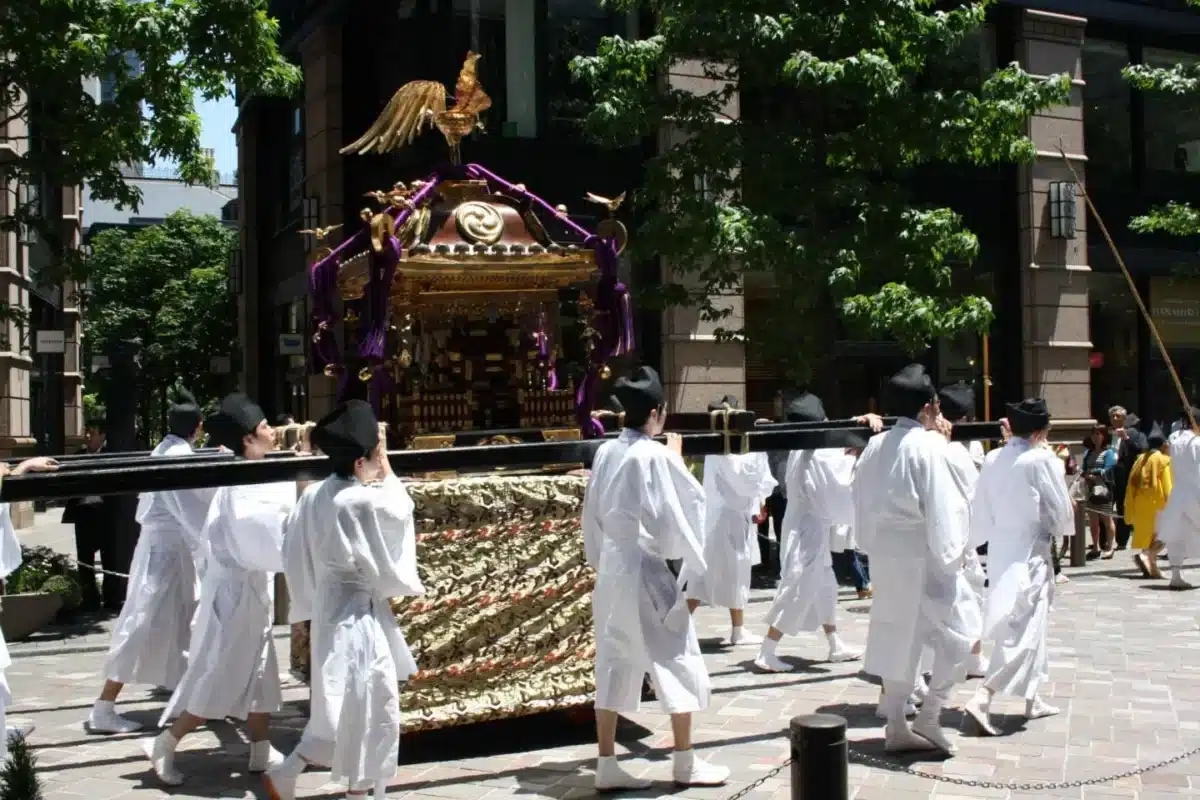
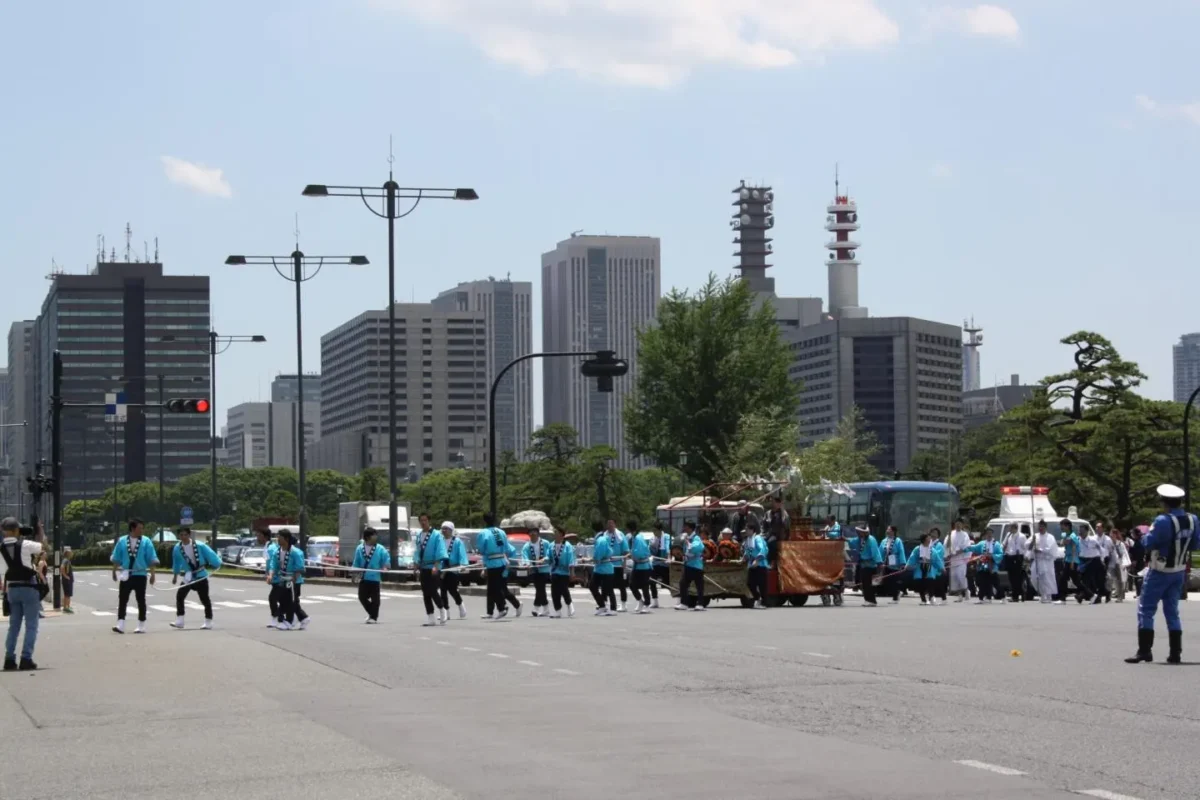
The festival encompasses a wide range of events transforming the heart of Tokyo into a vibrant stage for ancient traditions. As a major biennial event held in even-numbered years, the 2028 edition represents a grand festival year. The central highlight is the Shinkosai, a magnificent and solemn procession where sacred objects and portable shrines are carried through the city’s modern business districts. This juxtaposition of ancient court regalia and 21st-century urban architecture creates a powerful, timeless atmosphere that connects contemporary residents with the deep spiritual history of the region.
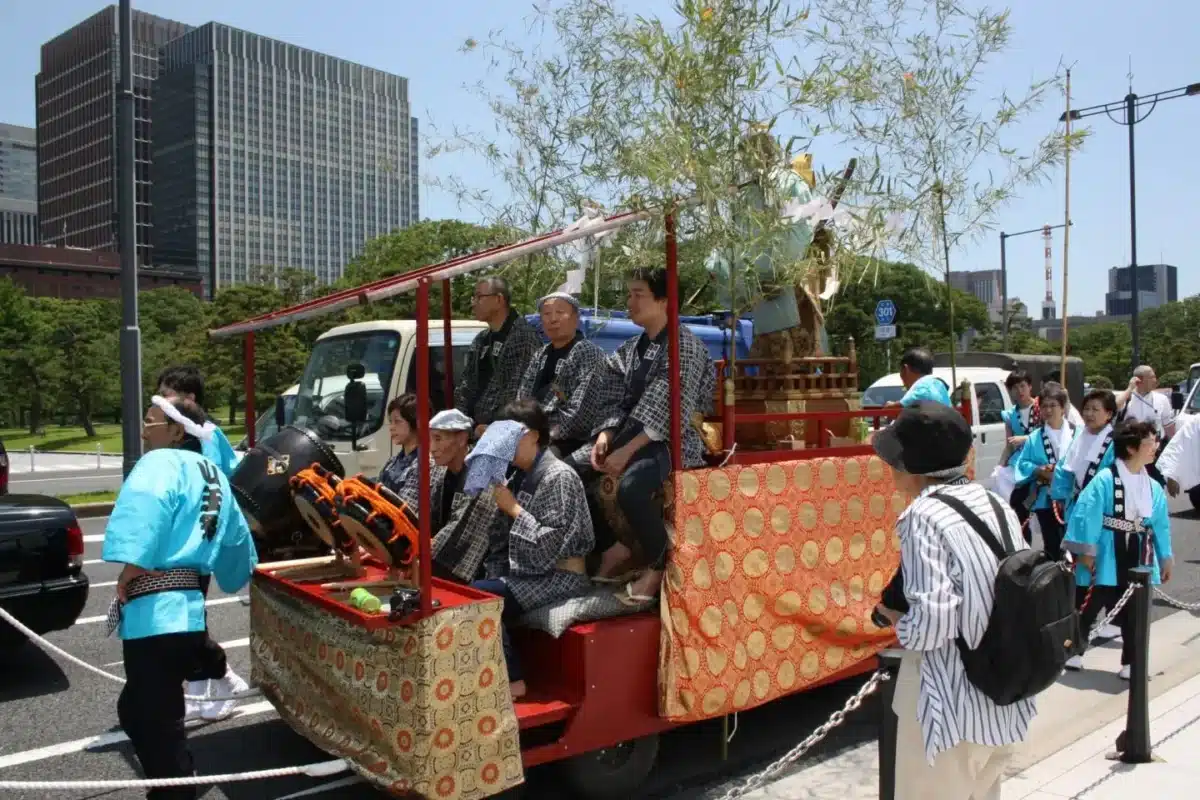
Participating in this grand festival year allows visitors to immerse themselves in a world of taiko drums, traditional music, and elegant costumes. It serves as a rare bridge to the past, inviting visitors to witness the enduring devotion that has protected the city and its people for centuries. The festivities bring a unique level of pageantry to Tokyo’s streets, inviting all to witness the cultural vibrancy that defines the capital’s spirit.
Enjoy Your Event Stress-Free with Japan Travelo
Do you know? Planning events, festivals, concerts, and cultural experiences in Japan can be overwhelming. Japan Travelo brings everything together in one place, helping you manage your itinerary, transport, and accommodation with ease—so you can enjoy Japan without the stress of planning.
Event Highlights
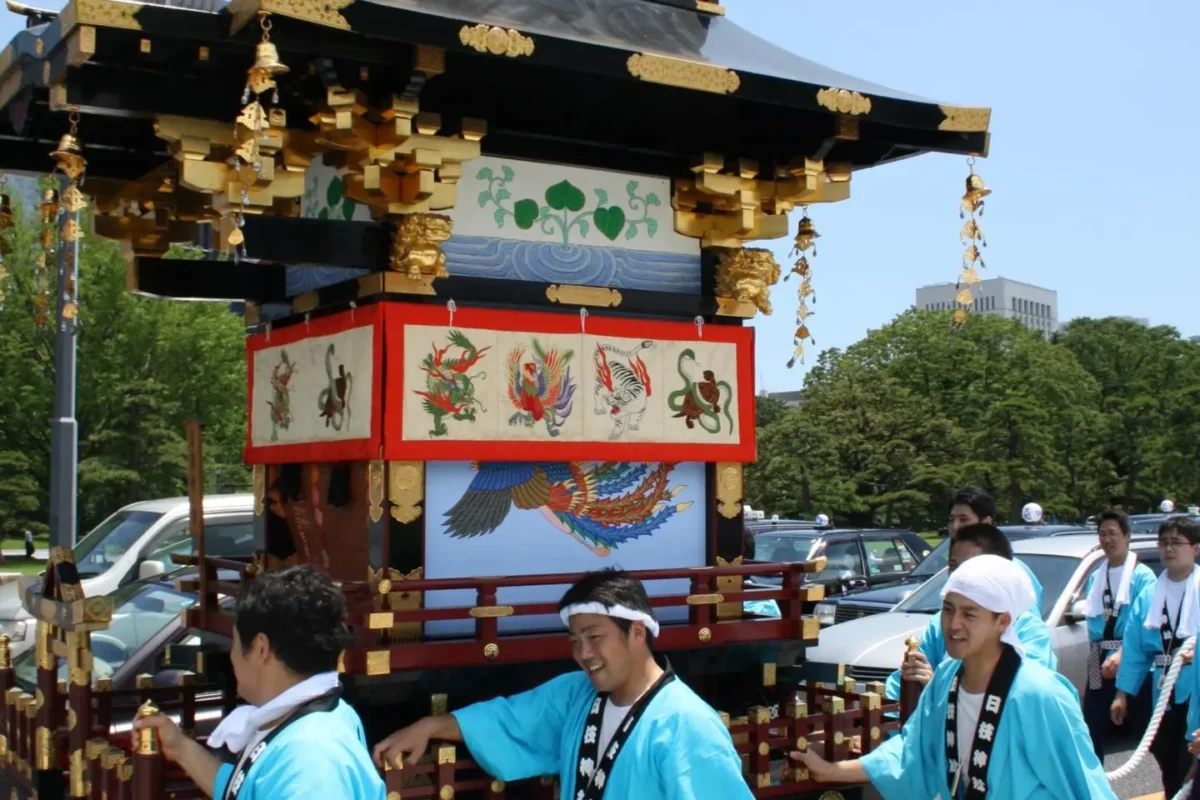
- The grand Shinkosai procession, a majestic parade featuring hundreds of participants dressed in authentic, vibrant Heian-period court attire.
- Three ornate portable shrines, known as mikoshi, which carry the enshrined deities through the historic streets and past the iconic Imperial Palace grounds.
- Traditional artistic displays including mesmerizing taiko drum performances, rhythmic flute music, and ritualized Shinto dance ceremonies.
- The stunning departure ritual from Hie Shrine, where the procession moves through iconic torii gates before embarking on its city-wide journey through central Tokyo.
Why Attend
Sanno Matsuri provides an unparalleled opportunity to witness the living history of Tokyo in an accessible and deeply moving way. It is an ideal experience for travelers, photography enthusiasts, and culture seekers who want to see the capital’s modern financial districts through the lens of ancient Shinto tradition. The festival offers a rare glimpse into the ritual life of Hie Shrine, which has served as the guardian of the city since before its formal foundation.
Beyond the historical significance, attending the festival during a grand year is a wonderful way to experience the communal joy of Tokyo. The vibrant costumes, the rhythmic pulse of traditional music, and the collective enthusiasm of the participants and spectators create a celebratory environment that is both welcoming and enlightening. It is a must-see event for anyone wishing to understand the soul of Edo-era Tokyo in a modern setting.
Date & Duration:
- Event Date: June 2028 (Exact Dates TBD)
- Event Duration: The festival spans over a week, featuring various daily rituals and events culminating in the grand Shinkosai procession.
Visiting this event? Don’t miss out on these amazing activities and local experiences while you’re here.
Ticket Information:
- How Tickets Are Sold: This is a public religious festival and does not require tickets for viewing.
- Admission Type: Free Admission.
- Ticket Pricing: Free Admission.
- Special Seating Options: No formal seating is provided as the event takes place across public streets and shrine grounds.
- VIP Options: There are no exclusive VIP ticket tiers or reserved viewing areas.
Venue / Location:
- City and Country: Tokyo, Japan.
- Venue Name: Hie Shrine and surrounding central Tokyo districts.
- Google Maps Address: 2 Chome-10-5 Nagatachō, Chiyoda City, Tokyo 100-0014, Japan.
Contact Information:
- Phone Number: 03-3581-2471.
- Website: https://en.japantravel.com/tokyo/sanno-matsuri-grand-parade/13479.
Accommodation Options:
The area surrounding Hie Shrine and the Chiyoda ward offers an extensive selection of accommodations, ranging from world-class luxury hotels to convenient business-class lodgings. Being centrally located, these options provide visitors with immediate access to the festival routes, allowing for easy transitions between the tranquil shrine atmosphere and the bustling parade viewing points.
Travelers staying in the nearby Akasaka or Nagatacho areas will find themselves perfectly positioned to catch the early morning departures of the procession. These districts are well-connected by public transport, ensuring that whether visitors want to stay in the heart of the action or explore other parts of Tokyo between festival events, they can do so with maximum efficiency and comfort.
Getting There:
- Nearest Airport: Haneda Airport is the most convenient, located approximately 20 to 30 minutes away by train or car.
- Nearest Train/Metro Station: Akasaka Station (Chiyoda Line) or Tameike-Sanno Station (Ginza and Namboku Lines).
- Bus Routes or Public Transport Options: Tokyo’s extensive metro and bus network provides frequent service to the Chiyoda and Nagatacho districts.
- Parking Availability: Public parking is extremely limited; utilize the city’s reliable and extensive public train and subway network.
- Directions by Car: Use the inner loop of the Shuto Expressway and follow local signage for the Nagatacho or Akasaka exits.
Dining Recommendations:
Breakfast Recommendations:
- Enjoy a classic Japanese breakfast featuring grilled salmon and miso soup at a hotel restaurant in Akasaka.
- Visit one of the many modern bakery cafes near Tameike-Sanno Station for fresh artisan breads and coffee.
- Sample traditional rice balls and tea at a local convenience or specialty shop near the shrine entrance.
Lunch Recommendations:
- Dine at a high-end Kaiseki restaurant in the Chiyoda ward to experience refined seasonal cuisine.
- Visit a local Tonkatsu specialty shop in the nearby business district for a satisfying and hearty lunch.
- Grab a bowl of fresh, authentic Soba noodles at a traditional shop along the festival route.
Dinner Recommendations:
- Experience the lively atmosphere of an Izakaya in Akasaka, offering a wide array of grilled meats and local refreshments.
- Enjoy a quiet dinner at a modern dining complex in the Roppongi or Akasaka area, featuring global and local culinary fusions.
- Try authentic Edomae sushi at a long-standing establishment in the heart of the city.
Local Specialties to Try:
- Traditional summer sweets, or wagashi, often available at stalls near Hie Shrine during the festive period.
- Savory street food snacks like yakisoba or grilled squid found at festival stalls during peak days.
- Refreshing matcha-based beverages or desserts that are synonymous with seasonal shrine celebrations.
What is this event?
Sanno Matsuri is one of the three great festivals of Tokyo, dedicated to the guardian deity of the city at Hie Shrine. It serves as a historic celebration that honors the spiritual protectors of Tokyo and dates back to the era of the Tokugawa shoguns.
The event features a variety of rituals, music, and dance performances that take place over a week-long period. Its main purpose is to foster community spirit and invoke blessings for the city while preserving the rich cultural traditions of the Edo period.
Why is it popular?
The festival is immensely popular due to its grand scale and its ability to blend ancient ritual with the modern urban landscape. Seeing participants in exquisite Heian-period costumes walk through major financial hubs is a unique and captivating spectacle.
It is also highly regarded for its deep historical roots and the prestige associated with Hie Shrine. Visitors are drawn to the rare opportunity to witness the Shinkosai procession, which is widely considered one of the most significant cultural events in Japan.
Tips before you go
- Wear comfortable shoes as you will likely be walking between different viewing spots along the parade route.
- Bring a portable fan or sun protection, as the mid-June weather can be quite humid and sunny.
- Check the official shrine website for updates on the specific procession schedule and route maps.
- Arrive early at Hie Shrine or key vantage points to ensure a good spot for photography and viewing.
- Respect the procession and the performers by following the instructions of local staff and staying behind designated barriers.
Tips for First-Time Visitors
- Spend time exploring the Hie Shrine grounds, including the famous tunnel of red torii gates, before the festivities begin.
- Take advantage of the metro system to move between different parts of the parade route, such as the shrine departure and the bustling Ginza stretch.
- Carry a small bag for your belongings, as the crowds can be dense and secure storage is not always available at public parade sites.
- Learn a few basic Japanese phrases to enhance your interactions with locals who are often eager to share the history of the festival.
- Stay hydrated and take breaks in the air-conditioned lobbies of nearby department stores or cafes when the parade is not passing through.
- If you are interested in photography, scout locations along the route where the contrast between ancient floats and modern skyscrapers is most prominent.
Attendee Experiences
- The sight of the traditional procession moving steadily past the glass-fronted buildings of central Tokyo was truly a surreal and beautiful experience.
- I was amazed by the intricate detail of the costumes and the sheer dedication of everyone involved in the parade.
- It is a wonderful way to see the heart of Tokyo and experience a side of the city that feels completely disconnected from its modern, fast-paced nature.
Video
Location
FAQ
What is the Shinkosai parade?
The Shinkosai is the central procession of the Sanno Matsuri where the spirit of the Hie Shrine deity is carried through the city. It features hundreds of participants in historic attire and serves as a symbolic purification of the capital.
Why is the festival held every two years?
The biennial schedule is part of a traditional rotation with other major Tokyo festivals, which allows for a more significant and grander scale of celebration during the main festival years. This ensures that the events remain special and maintain their high level of traditional quality.
Can I enter the Hie Shrine during the festival?
Yes, the shrine remains the primary hub for the festival and is open to visitors throughout the period. You can observe rituals, visit the grounds, and participate in the festive atmosphere, though some areas may be restricted during specific processions.
How long is the procession route?
The procession covers a significant portion of central Tokyo, traveling through districts like Nagatacho, Ginza, and Nihonbashi. It is designed to pass through both historic and modern hubs to bless the city and its residents.
What are the best viewing spots for the parade?
The Hie Shrine departure is perfect for those who want to see the ceremonial start, while the areas near Ginza and the Imperial Palace offer great views of the procession against a backdrop of iconic Tokyo landmarks.

Leave a Reply