
-
September 22, 2026
Event date:
-
September 23, 2026
Event end:
Film Story, Themes & Cultural Significance
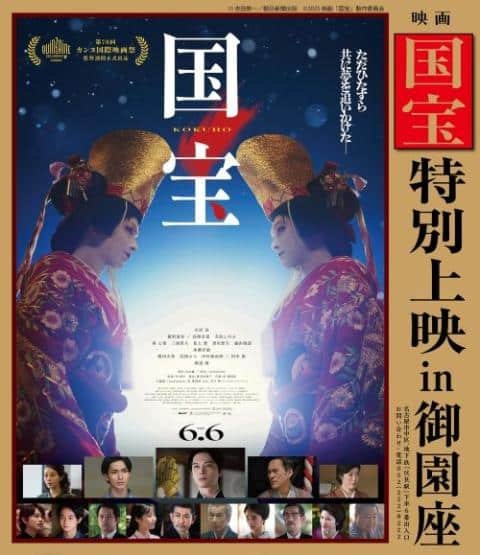
The cinematic masterpiece National Treasure traces a sweeping, half-century journey through the intense and uncompromising world of traditional Japanese classical theater. Adapted into a massive social phenomenon across Japan, the narrative follows Kikuo Tachibana, an orphan born into a yakuza family who is adopted into a legendary lineage of stage masters. His tumultuous progression from a scarred childhood to becoming a venerated master performer exposes the heavy personal sacrifices required to achieve ultimate artistic greatness.
The film delves deep into universal themes of relentless ambition, rivalry, creative obsession, and the psychological toll of pursuing absolute perfection. As Kikuo navigates the treacherous waters of institutional expectations and bitter peer rivalry with his adopted brother Shunsuke, the story questions what it truly means to forfeit one’s humanity for art. It paints a vivid portrait of isolation, revealing how the apex of cultural achievement often demands total emotional detachment.
- Traces a 50-year epic arc from 1960s underworld beginnings to the pinnacle of classical theater
- Explores the dark, obsessive psychological trade-offs of absolute artistic dedication
- Captures a complex brotherhood and rivalry forged under intense theatrical pressure
- Examines the rigid hierarchies and traditional preservation of Japanese classical arts
- Triggered widespread cultural fascination and historic box office milestones across Japan
- Won widespread international and domestic acclaim for its uncompromising narrative depth
Event Schedule
- Event Date: September 22, 2026 and September 23, 2026
- Event Duration: Approximately 210 minutes including intermission for this epic cinematic feature film screening
Visiting this event? Don’t miss out on these amazing activities and local experiences while you’re here.
Cinematography, Music & Visual Presentation
The visual language of the film is a masterclass in contrasting light and shadow, utilizing sumptuous cinematography to frame the vibrant colors of traditional stage costumes against the stark realities of post-war Japan. Sweeping camera angles capture the hypnotic fluidity of classical dance sequences, while intimate close-ups reveal the profound psychological isolation hidden beneath heavy stage makeup. Every frame is composed with meticulous architectural precision, echoing the formal symmetry and restraint inherent in Japanese aesthetic traditions.
Enjoy Your Event Stress-Free with Japan Travelo
Do you know? Planning events, festivals, concerts, and cultural experiences in Japan can be overwhelming. Japan Travelo brings everything together in one place, helping you manage your itinerary, transport, and accommodation with ease—so you can enjoy Japan without the stress of planning.
The acoustic landscape plays an equally vital role, weaving traditional shamisen rhythms and classical theatrical percussion with a soaring, contemporary orchestral score. Sound design emphasizes the heavy silence of backstage corridors versus the thunderous applause of packed auditorium halls, heightening the emotional immersion for the viewer. This seamless marriage of audio and visual elements elevates standard historical drama into a deeply sensory cinematic experience.
Director Sang-il Lee and his technical crew leverage advanced lighting and staging techniques to blur the line between reality and theatrical illusion. Performances on stage are shot with a hypnotic grace that allows audiences to feel as though they are seated in the best rows of a historic playhouse. The resulting aesthetic presentation leaves an unforgettable impression, anchoring the tragic narrative in overwhelming beauty.
Ticket Prices
- How Tickets Are Sold: Tickets are distributed online via primary platforms like Ticket Pia and through the official Misono-za booking system with strict anti-resale regulations.
- Admission Type: Reserved seating arrangements across the auditorium tiers, requiring one individual ticket per person regardless of age, with children under school age not permitted.
- Ticket Pricing: Ticket prices range from a minimum of $22.00 up to a maximum of $45.00 depending on seat tier selection and viewing angle configurations.
- Special Seating Options: Second-floor balcony seats are priced specially due to their specific downward viewing angle relative to the main projection screen.
- VIP Options: Accessible wheelchair spaces and designated companion seating options are available by direct phone reservation through the Misonoza Ticket Center.
Historical Setting, Japanese Culture & Traditional Aesthetics
The narrative spans pivotal decades of modern Japanese history, moving from the turbulent post-war era through the rapid economic expansion of the late twentieth century. This changing societal backdrop mirrors Kikuo’s personal evolution, illustrating how traditional arts adapted—or struggled to survive—amidst shifting cultural landscapes. The film serves as a historical capsule, documenting the resilience of traditional institutions against the relentless march of modernization.
At its core, the film champions traditional Japanese aesthetic philosophies, notably the concepts of mono no aware (the poignant awareness of impermanence) and yugen (profound grace and subtlety). The tragic beauty of the final performances, such as the iconic Sagimusume (Heron Maiden) dance sequence, encapsulates the fleeting nature of mortal brilliance. Every visual composition underscores the cultural belief that true art is inseparable from suffering and temporal decay.
Getting to the Venue
- City and Country: Nagoya, Aichi Prefecture, Japan
- Venue Name: Misono-za
- Google Maps Address: 1 Chome-6-14 Sakae, Naka Ward, Nagoya, Aichi 460-8403, Japan
Kabuki World & Traditional Japanese Performing Arts
Director Sang-il Lee plunges viewers directly into the mesmerizing, high-stakes universe of kabuki, meticulously recreating the rigorous training and aesthetic discipline required of its practitioners. The film focuses heavily on the specialized art of the onnagata—male actors who specialize in playing female roles—demanding extreme physical transformation and emotional grace. Every posture, glance, and step portrayed on screen reflects months of dedicated apprenticeship under veteran masters of the craft.
Behind the stunning visual facade of painted faces, elaborate silk kimonos, and sweeping stage sets lies a brutal ecosystem of rejection, hierarchy, and traditional pedigree. The movie sheds light on the generational passing of torches, detailing how families guard ancient performance secrets while pushing younger disciples to their absolute physical limits. This authentic depiction earned high praise from real-life kabuki authorities who recognized the rare accuracy in how the craft was honored.
Key sequences feature legendary classical repertoires, such as dramatic excerpts from classic tragedies, staged with breathtaking fidelity to traditional theater staging conventions. The contrast between the mesmerizing beauty witnessed by the audience and the grueling blood, sweat, and tears backstage forms the core tension of the production. Through this lens, classical Japanese performing arts are presented not merely as museum pieces, but as living, breathing crucibles of human emotion.
- Authentic portrayal of the rigorous training demanded of kabuki onnagata performers
- Exploration of rigid hereditary lineages and institutional hierarchies within classical theater
- Detailed exposition of traditional stage makeup, handmade costume crafting, and fitting
- Depiction of famous theatrical repertoires executed with authentic choreography
- Highlighting the stark contrast between public theatrical grace and private backstage struggle
- Endorsement from professional kabuki actors regarding the film’s technical accuracy
- Integration of traditional musical accompaniments including shamisen and narrative chanting
- Insight into the psychological pressures of maintaining centuries-old artistic standards
Cast, Characters & Acting Performances
- Ryo Yoshizawa delivers a career-defining lead performance as Kikuo Tachibana, capturing his transition from a traumatized yakuza orphan to a cold, peerless master
- Ryusei Yokohama portrays Shunsuke, the conflicted rival and adopted brother navigating the heavy shadow of a prestigious theatrical bloodline
- Ken Watanabe brings commanding gravity and emotional nuance as Hanjiro Hanai II, the legendary master who takes Kikuo under his wing
- Soya Kurokawa provides a striking physical and vocal foundation as the young Kikuo during the pivotal opening narrative chapters
- Supporting veteran ensemble cast members deliver grounded portrayals of backstage artisans, strict mentors, and rival family heads
- Meticulous physical transformations requiring the lead actors to undergo over a year of intensive kabuki training before rolling cameras
- Nuanced micro-expressions conveying decades of suppressed resentment, ambition, and unrequited longing between central rivals
Yoshida Shuichi’s Original Story & Film Adaptation
The film is grounded in the acclaimed 2018 epic novel by Akutagawa Prize-winning author Shuichi Yoshida, who famously spent three years conducting intensive research inside real kabuki theaters. Yoshida’s literary work is celebrated for its unflinching psychological depth and rich socio-cultural context, providing a robust narrative framework for the cinematic adaptation. Translating a massive multi-generational text into a coherent feature required careful compression while preserving the core emotional trajectory of its characters.
Screenwriter Satoko Okudera and director Sang-il Lee successfully distilled decades of complex plotting into a streamlined epic without losing the intricate nuances of the original text. Key narrative anchors—such as the haunting memory of the yakuza turf war opening in snow-covered Nagasaki—are preserved with striking fidelity to establish the protagonist’s lifelong emotional scars. The adaptation honors the source material’s meditation on obsession, ensuring that literary themes translate seamlessly into powerful visual storytelling.
The collaboration between novelist, screenwriter, and director resulted in a script that respects traditional sensibilities while maintaining modern cinematic pacing. Reviewers and book fans alike praised how effectively the screen version captured the suffocating yet intoxicating atmosphere of the original pages. This faithful yet daring translation remains a gold standard for literary adaptations within modern Japanese cinema.
- Adapted from Shuichi Yoshida’s critically acclaimed 2018 bestselling novel
- Built upon three years of immersive writerly research inside authentic kabuki institutions
- Expert screenplay adaptation balancing epic chronological scope with intense character focus
- Preservation of key symbolic motifs, such as the haunting snow-swept Nagasaki prologue
- Translation of complex literary themes regarding ego, sacrifice, and artistic isolation into film
- Seamless collaboration between original author and veteran filmmaking creatives
Audience Experience & Film Appreciation
- Captivating three-hour epic runtime that commands complete audience engagement from opening sequence to final credits
- Emotional resonance leaving viewers deeply moved by the tragic costs of artistic perfection
- Shared theatrical electricity among packed auditorium crowds experiencing cultural storytelling together
- Intellectual stimulation prompting post-screening discussions on the nature of obsession and legacy
- Visual awe inspired by the pristine preservation of classic costume and stage craftsmanship
- Rare opportunity to witness a contemporary box office phenomenon projected in a historic performance hall
Nagoya Screening Atmosphere & Special Cinema Experience
Hosting these special holiday screenings at the historic Misono-za theater in Nagoya provides an extraordinary environment that bridges cinematic projection with traditional theatrical heritage. As one of Japan’s premier performance venues, Misono-za offers an authentic cultural ambiance that mirrors the very world depicted within the film itself. Attendees step into a space steeped in theatrical history, making the viewing experience feel remarkably immersive and profound.
The gathering of passionate film enthusiasts and cultural supporters inside the grand auditorium creates a shared sense of community during the September holiday events. Audiences are enveloped in the venue’s world-class acoustic and projection capabilities, ensuring that every nuance of the musical score and visual design is delivered with pristine clarity. This special theatrical presentation transforms a standard movie watch into a grand celebratory event.
Screening this cultural phenomenon in Nagoya honors the regional rich traditions of Japanese performing arts history outside of Tokyo’s primary hubs. Patrons leave the historic hall with a renewed appreciation for both the film’s artistic achievement and the timeless grandeur of live theater architecture. It stands as a definitive highlight of the autumn cultural calendar for local and traveling cinephiles alike.
Event Information
- Email: support@misonoza.co.jp
- Phone Number: 052-308-8899
- Website: https://www.misonoza.co.jp/
- Ticketing Link: https://t.pia.jp/pia/event/event.do?eventBundleCd=b2670597
Location
FAQ
What is the main storyline focus of the film National Treasure?
The narrative follows an orphaned yakuza son who enters the demanding world of classical kabuki theater, rising through intense rivalries to achieve legendary status. It explores a half-century journey of artistic obsession, personal sacrifice, and the emotional toll of pursuing absolute perfection.
Are children permitted to attend the special theatrical film screenings?
Children under school age are strictly prohibited from entering the auditorium to maintain an undisturbed viewing environment for all patrons. Every single individual attending the screening must possess a valid, independently purchased ticket.
What specific seating considerations apply to second-floor balcony tickets?
Second-floor seats feature adjusted pricing options due to their specific downward viewing angle relative to the main projection screen. Guests selecting this tier should review sightline expectations beforehand to ensure a comfortable viewing experience.
How should wheelchair users arrange their venue access and companion spots?
Visitors requiring accessible wheelchair spaces or designated companion seating must contact the Misonoza Ticket Center directly by phone. Advance communication ensures that staff can properly reserve appropriate facilities and coordinate barrier-free entry.
What safety rules govern the prevention of ticket scalping and resale?
Reservations and ticket purchases intended for commercial resale purposes are strictly prohibited by event organizers and venue policies. Staff reserve the right to verify credentials and refuse entry to tickets obtained through unauthorized secondary channels.
Where can attendees find additional official updates regarding the venue guidelines?
Patrons seeking further important information regarding building regulations, security checks, and facility amenities can consult the official Misonoza website online. Checking these resources prior to arrival helps guarantee a smooth and pleasant visit.

Leave a Reply