
-
March 15, 2027
Event date:
-
October 15, 2027
Event end:
Overview
Spring and Autumn are two of the more visually appealing seasons in Kyoto, filled with the colors of nature and glorious food. In Kiyomizu-dera, a famous temple in Higashiyama, a blue dragon appears to welcome the season. The Seiryu-e festival is held every spring and early autumn since 2000.
This festival is held on March 15, April 3, and October 15 every year.
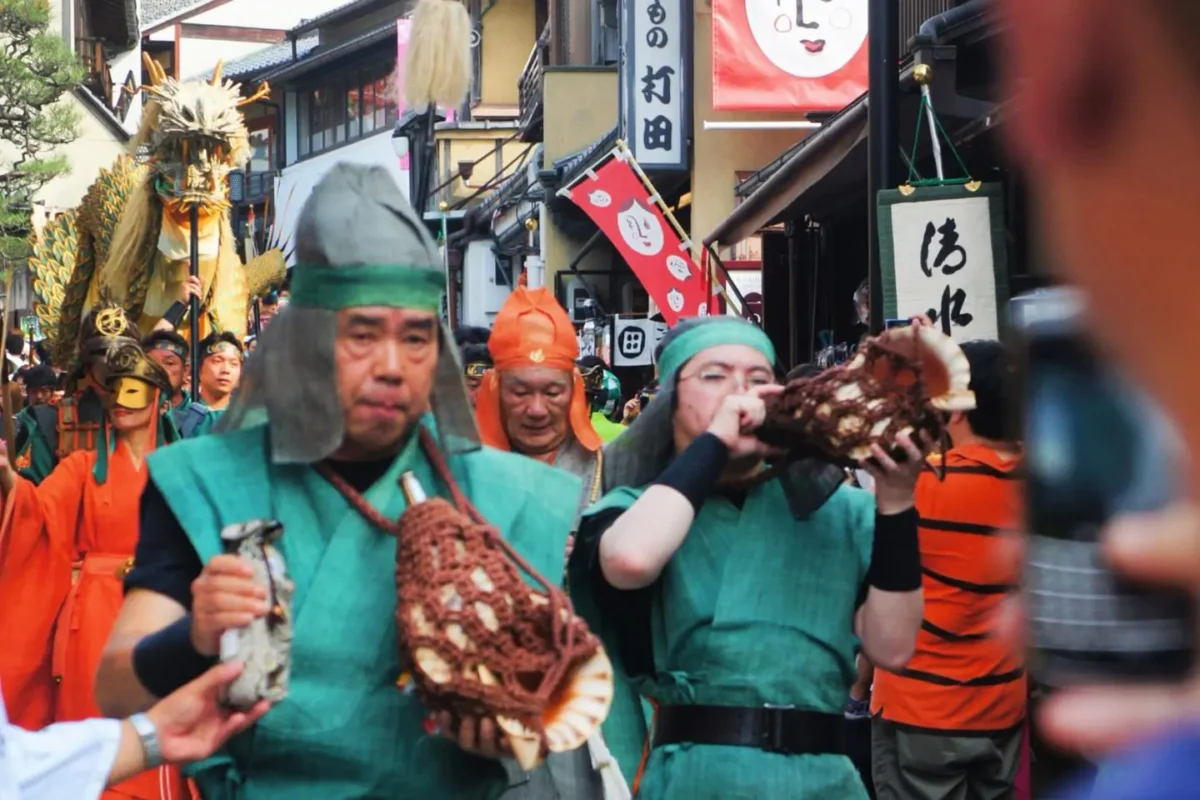
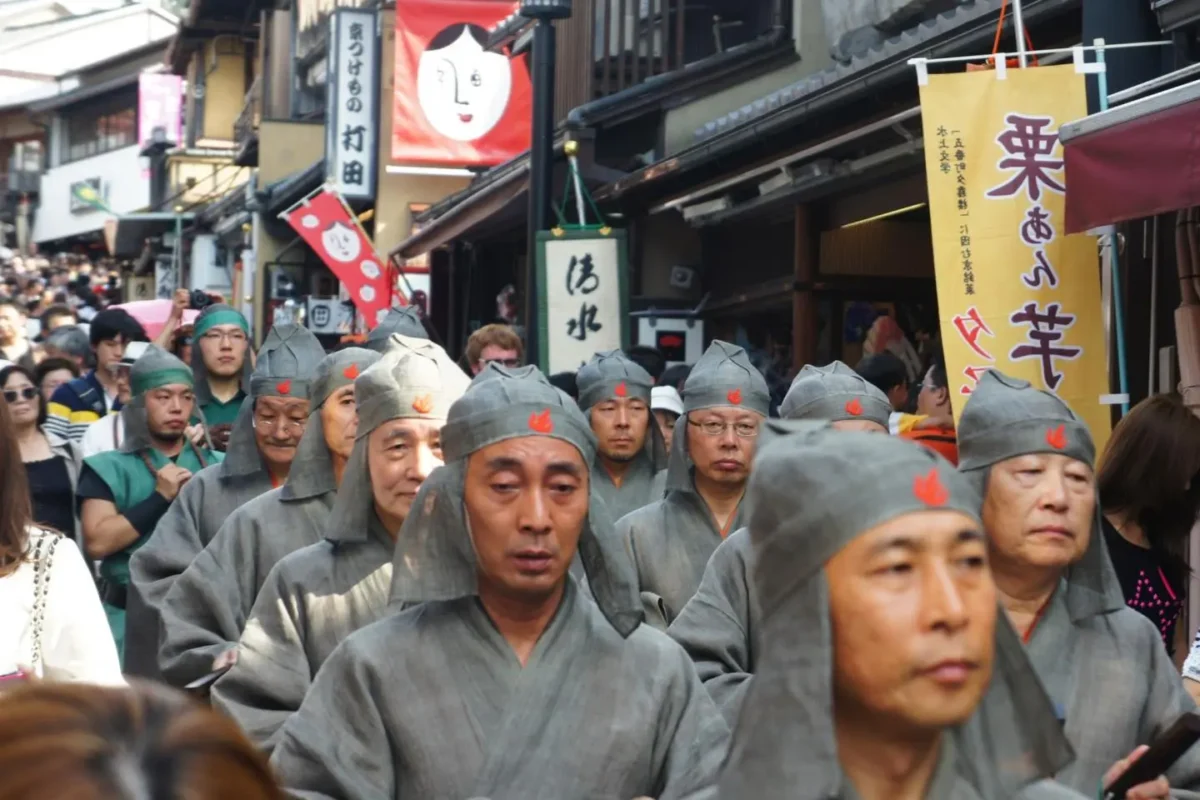
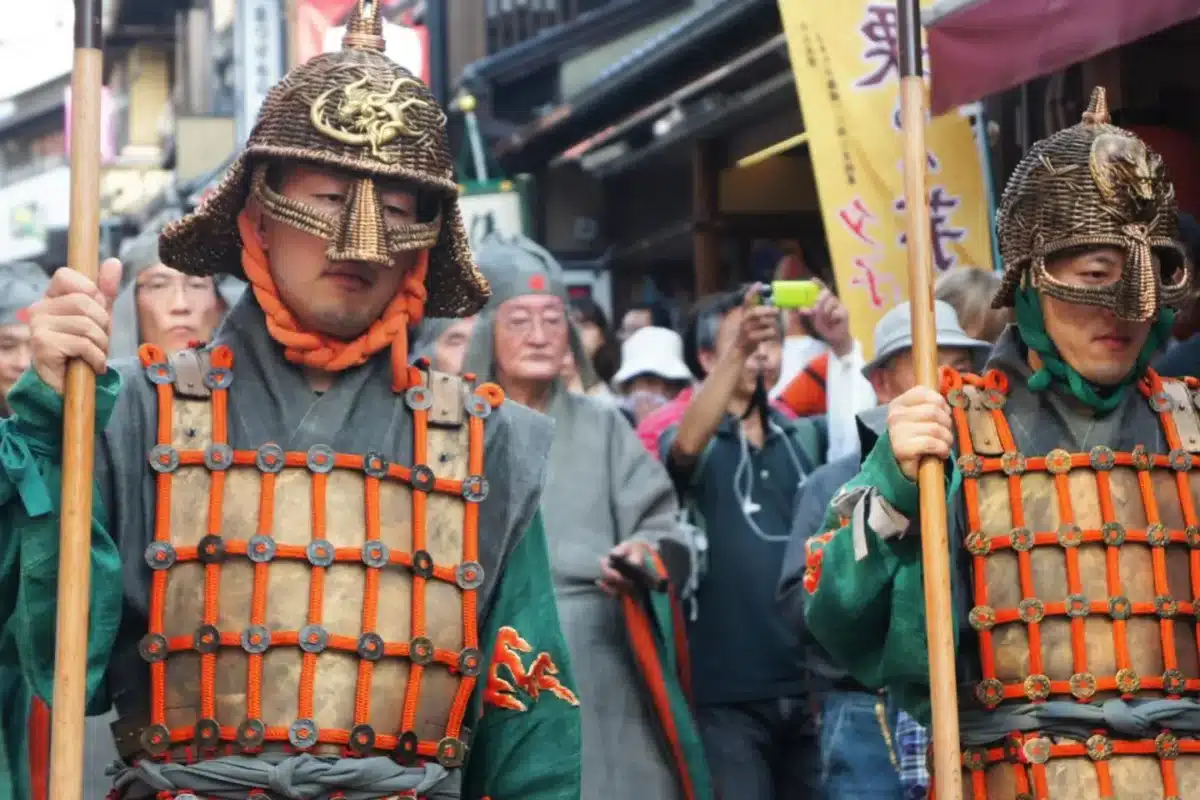
This dancing blue dragon marches from Okuno-in to the cobbled streets surrounding Kiyomizu-dera. The Seiryu or blue dragon is believed to be one of four Gods that protect Kyoto city. Besides the blue giant dragon, there are men dressed in traditional warrior clothes, and the streets are filled with music and spectacular dancing. It is truly magical!
Enjoy Your Event Stress-Free with Japan Travelo
Do you know? Planning events, festivals, concerts, and cultural experiences in Japan can be overwhelming. Japan Travelo brings everything together in one place, helping you manage your itinerary, transport, and accommodation with ease—so you can enjoy Japan without the stress of planning.
Seiryu-e, also written as Seiryu-e or Seiryuu-e and known in English as the Blue Dragon Festival, is one of Kyoto’s most photogenic and spiritually significant temple festivals. The centerpiece is an 18-meter-long blue dragon, said to be an incarnation of Kannon, the bodhisattva of compassion and mercy to whom Kiyomizu-dera is dedicated. The dragon is carried by multiple bearers and winds through the temple grounds in a powerful, undulating dance that mimics a dragon drinking from sacred water.
The festival honors Seiryu, the Azure Dragon, one of the four divine beasts that protect Kyoto from the four directions, with Seiryu guarding the east, where Kiyomizu-dera is considered its home base. The dragon’s procession is accompanied by monks, traditional attendants, taiko drummers, and masked characters that add a touch of the mystical to one of Kyoto’s most famous spots.
Cultural Significance & Origins
Kiyomizu-dera was officially founded in 778 AD by Sakanoue no Tamuramaro, inspired by the monk Enchin’s teachings, and is dedicated to Kannon. The temple belongs to its own independent Buddhist sect and is the 16th temple in the Saigoku Western Japan pilgrimage circuit, with its famous wooden stage dating from 1633.
Guardian of the East: In Japanese cosmology derived from Chinese tradition, Kyoto is protected by four divine beasts – Seiryu the Azure Dragon in the east, Byakko the White Tiger in the west, Suzaku the Vermilion Bird in the south, and Genbu the Black Tortoise in the north. Kiyomizu-dera is located in the Higashiyama mountains on the eastern edge of Kyoto, making it the natural home of Seiryu. The dragon is believed to reside in the Otowa Waterfall beneath the main hall.
Incarnation of Kannon: Given that Kiyomizu-dera is dedicated to worship of Kannon, the bodhisattva of peace and mercy, a dragon might seem out of place, but this particular dragon is in fact an incarnation of Kannon and the guardian of Kyoto. The legend states that the dragon emerges from the waterfall to drink and protect the city, and its appearance marks the changing of seasons.
Modern Revival: The Seiryu-e festival in its current form was established in 2000 to celebrate the temple’s history and to pray for peace, safety, and prosperity. It combines Buddhist ritual, Shinto guardian belief, and folk performance, making it a living example of Japan’s syncretic religious culture. The festival is also linked to Kiyomizu-dera’s role as a place of purification before travel to Kumano and other sacred sites.
Cultural Recognition: While not yet UNESCO-listed, Seiryu-e has become one of Kyoto’s signature seasonal events, photographed and shared worldwide, and represents the city’s ability to maintain ancient symbolism within a modern tourist context.
Traditions, Rituals & Customs
Seiryu-e follows a precise ritual order that blends Buddhist ceremony with folk entertainment.
Purification at Okuno-in: The procession begins at Okuno-in Hall, a sacred inner sanctuary behind the main hall dedicated to the founder Enchin. Monks offer incense, chant Heart Sutra, and purify the dragon with sacred water from Otowa Waterfall.
Dragon’s Drink Ritual: The central ritual is the dragon drinking from the Otowa Waterfall. Otowa Waterfall has three streams, each believed to grant different blessings – longevity, academic success, and love. The 18-meter dragon is maneuvered to bow and appear to drink from the waterfall, symbolizing Kannon’s compassion flowing into the city. Visitors watching this moment are said to receive protection.
Procession Route Tradition: The official program lists the procession beginning at about 2:00 PM from Okuno-in Hall, then moving towards Otowa Waterfall, Sai-mon Gate, the temple approach and Nio-mon before reaching the Main Hall at about 3:30 PM. This route allows the dragon to bless both sacred inner areas and public approach streets.
Warrior Attendants: Besides the blue giant dragon, there are men dressed in traditional warrior clothes called heian-period guards and monks. They carry swords, staffs, and banners, clearing the path and performing stylized martial movements.
Music and Dance: Streets are filled with music and spectacular dancing. Taiko drummers provide rhythmic base, while horagai conch shells are blown to signal dragon’s movement, creating atmospheric mountain temple sound.
What to Expect at the Festival
Visitors can expect a vibrant, mystical, and highly photogenic parade that transforms the usually serene Kiyomizu-dera into a stage for myth.
Dragon Dance: The 18-meter-long blue dragon puppet is the star. Made of indigo-dyed cloth and bamboo frame with detailed scales, long whiskers, and fierce eyes, it requires 8 to 10 bearers inside to manipulate its undulating motion. The dragon appears to fly, dive, and coil as it moves along cobbled paths. Its dance is powerful yet graceful, with moments of sudden stillness that emphasize its spiritual presence.
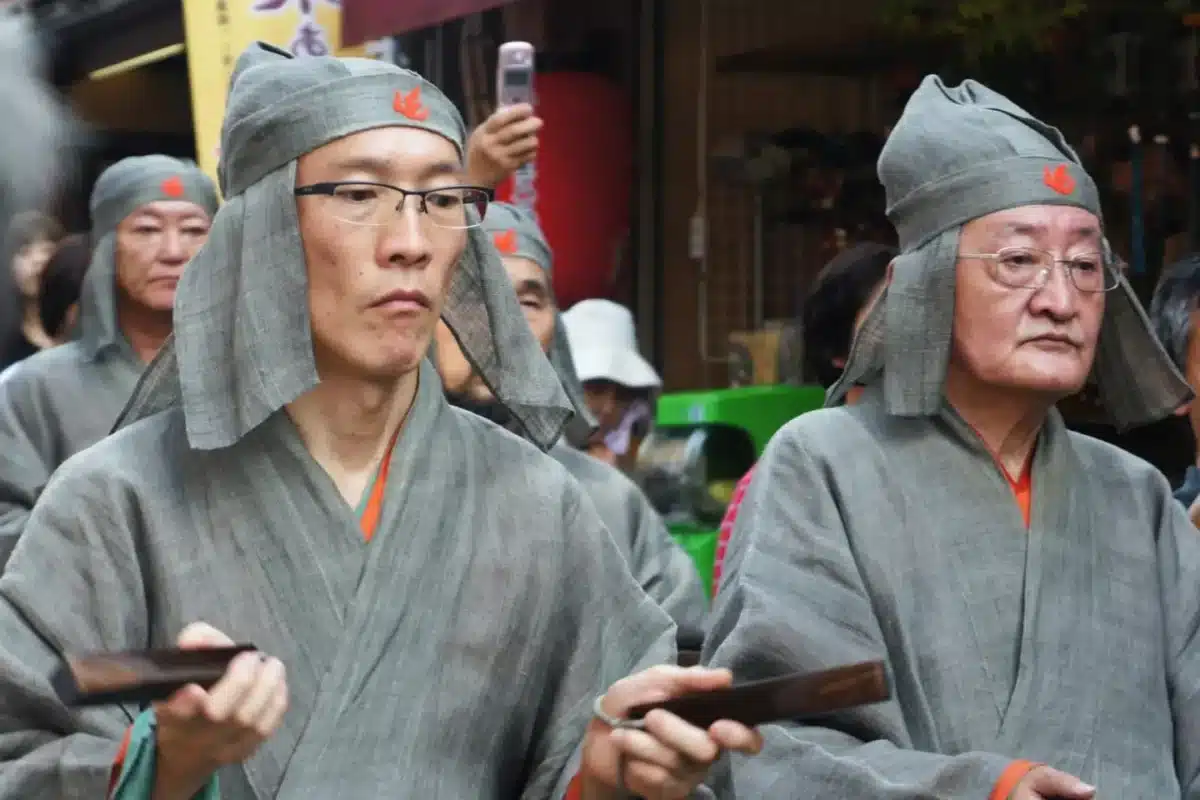
Procession Atmosphere: The dancing blue dragon marches from Okuno-in to the cobbled streets surrounding Kiyomizu-dera, accompanied by monks in black robes, men in warrior clothes, women in Heian court dress, and children dressed as temple attendants. The procession moves slowly, allowing crowds to follow and photograph from multiple angles.
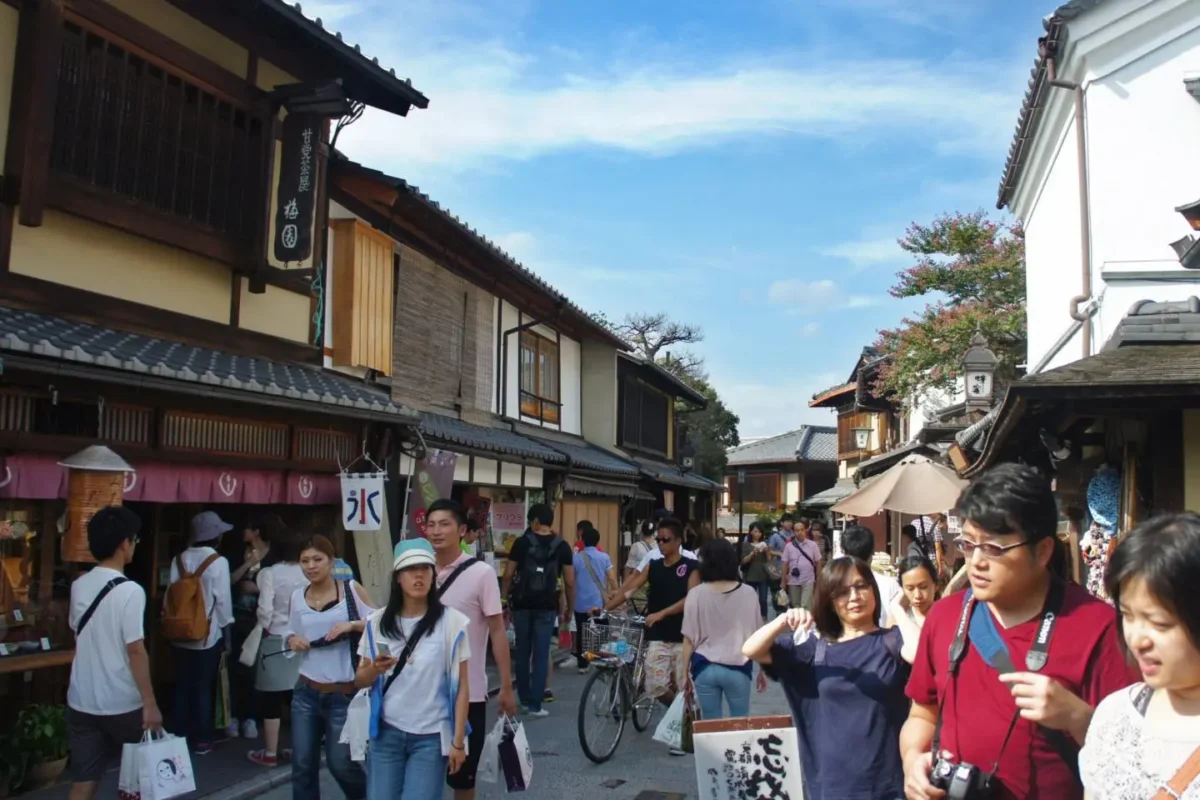
Temple Setting: Kiyomizu-dera’s famous wooden stage, supported by stilts without nails, provides dramatic backdrop. The festival takes place both on stage area and on the steep approach street called Sannenzaka and Ninenzaka, lined with souvenir shops. The contrast of blue dragon against vermilion temple gates and cherry or maple foliage depending on season is striking.
Crowd Experience: The temple is one of Kyoto’s most visited sites, and festival days draw large crowds, especially Japanese school groups and international tourists. However, the procession is free and visible from many points, and temple staff manage crowd flow.
Date & Schedule
Festival Dates: This festival is held on March 15, April 3, and October 15 every year 2027.
Spring and Autumn are two of the more visually appealing seasons in Kyoto, filled with the colors of nature and glorious food. In Kiyomizu dera, a famous temple in Higashiyama, a blue dragon appears to welcome the season. The Seiryu-e festival is held every spring and early autumn since 2000. This festival is held on March 15, April 3, and October 15 every year.
2027 Schedule Details Based on Previous Editions:
- March 15 – Spring Celebration: First performance of the year, welcoming spring. Cherry blossoms may be starting in Higashiyama area, providing pink backdrop. Procession begins at about 2:00 PM from Okuno-in Hall, moves towards Otowa Waterfall, Sai-mon Gate, temple approach and Nio-mon before reaching Main Hall at about 3:30 PM.
- April 3 – Full Spring Edition: Second spring edition, held at peak cherry blossom season in many years. Same timing 2:00 PM to 3:30 PM. Often combined with special temple night illumination in early April.
- October 15 – Autumn Edition: Autumn program gives fixed date at one of Japan’s best-known Buddhist temples. Autumn foliage may be beginning, with dragon’s blue contrasting with early red maples. Same schedule 2:00 PM to 3:30 PM. This is the most photographed edition due to clear autumn light.
Each festival day includes two to three circuits of the temple grounds, with brief pauses for prayers at Otowa Waterfall and Main Hall. Official program lists Seiryu-e on these dates alongside other traditional rituals at Kiyomizu-dera.
Visiting this event? Don’t miss out on these amazing activities and local experiences while you’re here.
Main Events & Programme
The programme is compact but intense, lasting about 90 minutes, with clear ritual phases.
Opening Purification – Okuno-in Hall – 2:00 PM:
- Monks gather at Okuno-in, offer incense and sutra chanting.
- Dragon puppet is unveiled and purified with Otowa water.
- Conch shells blown to announce beginning.
Procession to Otowa Waterfall:
- Dragon led by warrior-attired men and monks moves down stone steps towards Otowa Waterfall.
- At waterfall, dragon performs drinking ritual, bowing three times to three streams of waterfall.
- Visitors gather on lower platform to witness blessing moment.
Sai-mon Gate and Temple Approach:
- Dragon moves through Sai-mon West Gate, then onto Sannenzaka cobbled approach street.
- Crowds line streets, able to see dragon up close as it winds through shop fronts.
- Taiko drummers and horagai players perform continuously.
Nio-mon Gate and Main Hall Finale – 3:30 PM:
- Procession passes through Nio-mon main gate with its fierce guardian statues.
- Final dance performed on courtyard before Main Hall’s famous wooden stage.
- Monks offer final prayers for protection of Kyoto and all visitors.
- Dragon bows to audience and returns to storage.
Additional Mini-Events:
- Masked Characters: Alongside dragon, masked characters representing temple guardians and folk demons dance and interact playfully with children.
- Calligraphy Performance: Occasionally, monks demonstrate large brush calligraphy of character for dragon or compassion.
Traditional Dress, Arts & Crafts
The visual richness of Seiryu-e comes from its costumes and crafts.
Dragon Puppet Craft:
- Construction: 18-meter-long dragon made of indigo-dyed cotton and silk with hand-painted scales in varying shades of blue and turquoise, with golden accents on claws and whiskers. Frame is lightweight bamboo and aluminum, allowing undulation. Head is carved wood with glass eyes and moving jaw.
- Artisans: Created and maintained by Kyoto textile artisans and puppet makers from Kiyomizu area, using traditional dyeing techniques.
- Symbolism: Blue represents water, east, and spring in five-element theory. Dragon’s scales number 81, auspicious number in Buddhism.
Warrior Attire:
- Bushi Clothing: Men dressed in traditional warrior clothes wear Heian period hunting robes called kariginu, black lacquered hats eboshi, and carry wooden swords. Some wear armor-inspired vests.
- Monk Attire: Monks wear black kimono and kesa Buddhist stole, with white tabi and straw sandals.
- Court Ladies: Women participants wear junihitoe-inspired layered kimono in light spring or autumn colors, with long flowing sleeves.
Musical Instruments:
- Taiko Drums: Large wadaiko drums carried on shoulders or on carts, providing powerful rhythm.
- Horagai: Conch shell trumpets used in mountain ascetic tradition, blown to purify space and announce dragon.
- Kane Bells: Small hand bells used by attendants.
Craft Souvenirs: Kiyomizu-dera area is famous for Kiyomizu-yaki pottery. During festival, shops sell small blue dragon figurines, dragon-patterned tenugui hand towels, and goshuincho stamp books with dragon design.
Traditional Food & Local Specialties
While Seiryu-e itself does not have large food market like shrine festivals, the Higashiyama temple approach offers distinctive Kyoto foods.
Temple Approach Foods:
- Yatsuhashi: Kyoto’s most famous sweet, triangle-shaped rice flour dough with cinnamon and sweet bean paste, raw and baked versions. Many shops on Sannenzaka offer free samples.
- Kiyomizu-yaki Dango: Grilled rice dumplings with sweet soy or matcha glaze, sold from small stalls.
- Yudofu: Simmered tofu, specialty of Kyoto temple cuisine, served warm in broth.
Seasonal Specialties:
- Spring: Sakura-flavored yatsuhashi and sakura tea, taken during cherry season around festival.
- Autumn: Chestnut sweets, persimmon yokan, and maple-leaf shaped manju around October edition.
Local Restaurants Near Kiyomizu-dera:
- Tofu Restaurants: Okutan Kiyomizu and Yudofu restaurants serve multi-course tofu kaiseki using water from Otowa region.
- Soba Shops: Higashiyama soba shops serve hand-made buckwheat noodles with tempura.
Street Snacks:
- Matcha Ice Cream: Rich matcha soft serve sold along Sannenzaka.
- Pickles – Tsukemono: Kyoto pickles like shibazuke and senmaizuke sold in shops.
Location & Festival Areas
Main Venue: Kiyomizu-dera Temple, Higashiyama Ward, Kyoto City
Address: 1-294 Kiyomizu, Higashiyama-ku, Kyoto 605-0862 Japan
Festival Areas:
- Okuno-in Hall: Inner sanctuary behind Main Hall, starting point of procession, usually closed to public but opened for festival purification.
- Otowa Waterfall: Sacred waterfall with three streams beneath Main Hall, central ritual site where dragon drinks. Visitors normally drink from waterfall using long-handled cups, but during festival dragon takes precedence.
- Sai-mon West Gate: Vermilion gate marking entrance to temple’s western precinct, through which dragon passes.
- Sannenzaka and Ninenzaka Approach: Historic cobbled streets with preserved wooden machiya townhouses, shops, and tea houses. Dragon parades through here allowing public viewing.
- Nio-mon Main Gate: Massive vermilion gate with two fierce Nio guardian statues, final gate before Main Hall courtyard.
- Main Hall Stage – Hondo Butai: Famous wooden stage jutting out from hillside, built without nails, supported by 139 pillars. Final dance performed in courtyard before stage, with panoramic view of Kyoto city below.
Area Character: Higashiyama is Kyoto’s most atmospheric historic district, with narrow lanes, pottery shops, and tea houses. The temple sits halfway up Otowa Mountain, providing sweeping views.
Getting to the Festival
Kiyomizu-dera is located in eastern Kyoto, on hillside above Higashiyama district.
From Kyoto Station:
- City Bus 100 or 206: From Kyoto Station bus terminal, take bus 100 or 206 to Kiyomizu-michi or Gojo-zaka bus stop, then 10 minute uphill walk to temple. Fare approximately 2 USD. Most direct public transport.
- Taxi: From Kyoto Station to Kiyomizu-dera, 15 minutes, fare approximately 10 USD to 15 USD, drops at Gojo-zaka entrance.
- Walking: From Gion or Kiyomizu-Gojo Station, 20 to 30 minute walk uphill through historic streets.
From Central Kyoto – Gion, Kawaramachi:
- Walking: 20 minute walk from Yasaka Shrine through Sannenzaka, pleasant approach.
- Keihan Line: To Kiyomizu-Gojo Station, then 20 minute uphill walk.
From Osaka:
- Keihan Main Line: From Yodoyabashi or Osaka to Kiyomizu-Gojo Station, 50 minutes, fare approximately 4 USD, then walk uphill.
Festival Day Access: On festival days, Sannenzaka approach becomes extremely crowded. Arrive at least 60 minutes before 2:00 PM start to secure viewing spot near Otowa Waterfall or Main Hall. Temple staff restrict entry briefly during dragon’s passage through gates.
Where to Stay Nearby
Staying in Higashiyama or Gion allows easy access to festival and evening temple illuminations.
Higashiyama Area:
- The Ritz-Carlton Kyoto: Luxury on Kamogawa River, 15 minute walk to Kiyomizu, rooms from 400 USD to 700 USD per night.
- Park Hyatt Kyoto: Luxury in Higashiyama with views of Yasaka Pagoda, rooms from 500 USD to 900 USD per night.
- Piece Hostel Sanjo: Budget hostel, dorm beds from 25 USD, private rooms from 70 USD per night.
Gion and Kiyomizu Area:
- Traditional Ryokan – Gion Hatanaka: Ryokan with Maiko performance, rooms from 150 USD to 300 USD per night.
- Kyoto Higashiyama Ryokan – Shoraian: Mountain ryokan near Kiyomizu, rooms from 200 USD to 350 USD per night.
Kyoto Station Area: For budget and convenience, hotels near Kyoto Station with easy bus access to Kiyomizu.
- Mitsui Garden Hotel Kyoto Station: Rooms from 100 USD to 180 USD per night.
- APA Hotel Kyoto Station: Rooms from 60 USD to 110 USD per night.
Booking Advice: Spring festival days coincide with cherry blossom season, which is peak tourism season in Kyoto. Hotels should be booked 4 to 6 months ahead for March and April dates. October edition is slightly less crowded but still popular for autumn foliage.
What Visitors Can Participate In
Seiryu-e is primarily a viewing festival, but visitors can participate in several ways.
Procession Following: Visitors are encouraged to follow dragon procession along its route from Okuno-in to Main Hall. Moving with procession allows viewing from multiple angles and hearing different musical elements.
Otowa Waterfall Drinking: Before or after dragon’s ritual drink, visitors can drink from Otowa Waterfall’s three streams using long-handled cups. Each stream grants different blessing – longevity, academic success, love. It is customary to choose only one stream to keep blessing pure.
Prayer Offering: At Main Hall, visitors can offer prayers to Kannon, purchase omamori charms for protection, and receive goshuin temple stamp featuring blue dragon design for 3 USD to 5 USD. During festival days, special limited-edition goshuin with dragon ink is available.
Photo Participation: Photography and video of dragon dance is allowed and encouraged. Temple staff designate photo spots at Otowa Waterfall and Main Hall courtyard.
Chanting: Visitors can join monks in chanting Heart Sutra during opening and closing prayers, with sutra sheets provided in Japanese with phonetic English.
Pottery Workshop: After festival, many visitors participate in Kiyomizu-yaki pottery painting workshops in Higashiyama, painting blue dragon motifs on cups or plates, workshops cost 20 USD to 40 USD.
Things to Do Before or After the Festival
Higashiyama district offers many attractions to combine with Seiryu-e.
Before Festival – Morning:
- Sannenzaka and Ninenzaka Walk: Explore preserved historic streets with pottery shops, tea houses, and yatsuhashi shops before crowds arrive.
- Yasaka Shrine and Maruyama Park: 15 minute walk from Kiyomizu, famous for cherry blossoms in spring and autumn foliage.
- Kodai-ji Temple: Beautiful temple with zen garden and bamboo grove, 10 minute walk from Kiyomizu, often has its own illuminations.
After Festival – Afternoon:
- Kiyomizu-yaki Pottery Shopping: Higashiyama is center for Kiyomizu pottery. Shops sell tea bowls, plates, and dragon figurines.
- Higashiyama Temple Hopping: Visit nearby Otani Mausoleum, Ryozen Kannon, and Entoku-in Temple, all within walking distance.
- Gion District: 20 minute walk downhill to Gion geisha district, where you can have dinner and possibly spot maiko.
Full Day Combination: Combine Seiryu-e with Philosopher’s Path walk in spring or autumn, visiting Nanzen-ji, Ginkaku-ji, and other eastern temples, using Kiyomizu as southern anchor.
Local Food & Restaurants
Temple Area Restaurants:
- Okutan Kiyomizu: Famous yudofu tofu restaurant in former temple building, with garden views, tofu kaiseki courses from 25 USD to 60 USD per person.
- Tosai: Tofu and yuba restaurant near Kiyomizu, lunch sets from 15 USD to 30 USD.
- Inoda Coffee – Kiyomizu Branch: Historic Kyoto coffee shop with terrace overlooking city, coffee and cake sets 6 USD to 10 USD.
Sannenzaka Street Food:
- Yatsuhashi Shops: Shogoin Yatsuhashi and Otabe shops offer free samples and boxes from 5 USD to 15 USD.
- Dango Stalls: Mitarashi dango grilled rice dumplings with sweet soy, 3 USD to 5 USD.
- Matcha Stands: Matcha soft serve and matcha lattes, 4 USD to 6 USD.
Gion and Higashiyama Dining:
- Kaiseki Restaurants: High-end Kyoto kaiseki using seasonal ingredients, dinner from 80 USD to 200 USD per person, requires reservation.
- Soba and Udon: Higashiyama soba shops serving hand-made noodles, lunch 8 USD to 15 USD.
Ticket Information & Access
Admission: Free for festival viewing, but Kiyomizu-dera temple entry fee required.
- Kiyomizu-dera Temple Admission: Based on previous editions, adults 400 JPY which is approximately 2.70 USD, junior high and high school students 200 JPY approximately 1.35 USD, elementary school students 200 JPY approximately 1.35 USD. This fee grants access to Main Hall stage and Otowa Waterfall area where dragon performs. Festival procession itself is free to watch from approach streets even without temple ticket, but best views inside temple grounds require admission.
- No Separate Festival Ticket: No ticket required for Seiryu-e procession beyond normal temple admission.
- Goshuin and Charms: Special dragon goshuin stamp 5 USD to 7 USD, omamori charms 5 USD to 10 USD, blue dragon tenugui towel 10 USD to 15 USD.
Access Notes:
- Crowding: Festival days are extremely crowded, especially March and April editions coinciding with cherry blossom season. Arrive 60 to 90 minutes early.
- Accessibility: Kiyomizu-dera has many steps and steep slopes, not fully wheelchair accessible. Main Hall stage has elevator from lower level but approach streets are cobbled and steep. Strollers difficult.
- Payment: Temple admission accepts cash and IC cards. Shops on approach accept cash and credit cards.
2027 Pricing: Pricing for 2027 has not been announced. Prices above based on 2024 to 2026 editions. Expected to remain similar with slight increase possible.
Official Event Information
Event Name: Seiryu-e Dragon Festival – Blue Dragon Festival – Seiryu-e
Organizer: Kiyomizu-dera Temple with support from Kyoto City Tourism Association and Higashiyama Preservation Association
Venue: Kiyomizu-dera Temple, 1-294 Kiyomizu, Higashiyama-ku, Kyoto 605-0862 Japan
Official Website URL as text: en.japantravel.com/kyoto/kiyomizu-dera-temple-seiryu-e-dragon-festival/ and www.kiyomizudera.or.jp/en/event/seiryu_e.php and jal.japantravel.com/kyoto/kiyomizu-dera-temple-seiryu-e-dragon-festival/
Contact: Kiyomizu-dera Temple Office, Phone 075-551-1234. Email available via official website.
Notes: Browsing is temporarily limited, but information based on official temple schedule. Festival held on March 15, April 3, and October 15 every year since 2000. Procession begins at about 2:00 PM from Okuno-in Hall and reaches Main Hall at about 3:30 PM. Event held rain or shine but may be shortened in severe weather. Photography allowed. Please check official Kiyomizu-dera website for confirmed times and any changes due to temple construction or ceremonies.
Video
Location
FAQ
What is the Seiryu blue dragon and why does it appear at Kiyomizu-dera?
Seiryu is the Azure Dragon, one of four divine beasts protecting Kyoto, guarding the east where Kiyomizu-dera is located and considered its home base. The dragon is believed to be an incarnation of Kannon, the bodhisattva of compassion to whom Kiyomizu-dera is dedicated, and resides in Otowa Waterfall beneath the main hall. Its appearance during spring and autumn welcomes the season change, blesses the city, and reenacts the legend of the dragon drinking from sacred waterfall to bring compassion and protection to all.
Is Seiryu-e Festival free and do I need to buy Kiyomizu-dera temple tickets?
The dragon procession on the approach streets Sannenzaka and Ninenzaka is free to watch without any ticket, as it parades through public streets. However, to see the core rituals at Otowa Waterfall and the final dance in Main Hall courtyard, you need to pay Kiyomizu-dera temple admission of about 2.70 USD for adults. The temple ticket also gives you access to famous wooden stage with panoramic Kyoto views, making it worthwhile even without festival.
What is the best spot to watch the Seiryu-e dragon dance?
The two best spots are Otowa Waterfall platform where dragon performs drinking ritual and Main Hall courtyard where final dance occurs, both inside paid temple grounds and offering close-up views. If you prefer free viewing, Sannenzaka cobbled approach street provides excellent close interaction as dragon winds through shops, though more crowded. Arrive 60 to 90 minutes before 2:00 PM start to secure front row spot, especially for March and April cherry blossom editions that draw large crowds.
How long is the dragon and how is it operated?
The blue dragon is 18 meters long, made of indigo-dyed cloth and bamboo frame with detailed scales, whiskers, and glass eyes, requiring 8 to 10 bearers inside to create undulating motion. Its dance is powered entirely by human bearers who coordinate steps to make dragon appear to fly, dive, and coil, with no electronic mechanisms. The dragon's head is carved wood with moving jaw, and its body includes 81 scales, an auspicious number in Buddhism representing completeness.
Can I combine Seiryu-e with other Kyoto sightseeing?
Yes, Kiyomizu-dera is located in Higashiyama district which is Kyoto's most atmospheric historic area with many temples, pottery shops, and preserved streets. Before festival you can explore Sannenzaka and Ninenzaka, Yasaka Shrine, and Kodai-ji Temple, and after festival walk down to Gion geisha district for dinner. The temple is also close to Philosopher's Path and other eastern temples, allowing you to create full day of temple hopping with Seiryu-e as highlight of spring or autumn visit.

Leave a Reply