
What to expect in 2027
Sendai Grand Tea Ceremony 2027, also known as the Mori no Miyako Grand Tea Ceremony, is expected to bring the traditional Japanese art of tea into an open-air setting in Sendai, Miyagi Prefecture. The event provides visitors with an accessible introduction to Japanese tea culture, allowing both experienced tea enthusiasts and first-time visitors to enjoy tea, seasonal Japanese sweets, traditional utensils and the refined hospitality associated with the tea ceremony.
The event is held at Asuto Nagamachi Mori no Hiroba Park, creating a distinctive setting where tea ceremonies take place beneath outdoor tents rather than inside a conventional tea house. JapanTravel describes the event as an annual tea ceremony in Sendai where visitors do not need prior knowledge of tea-serving manners to participate.
The festival traditionally brings together multiple tea schools and styles. The most recent official programme featured 10 schools from the Miyagi Prefecture Arts Association Tea Ceremony Division, demonstrating different approaches to Japanese tea preparation and presentation.
Enjoy Your Event Stress-Free with Japan Travelo
Do you know? Planning events, festivals, concerts, and cultural experiences in Japan can be overwhelming. Japan Travelo brings everything together in one place, helping you manage your itinerary, transport, and accommodation with ease—so you can enjoy Japan without the stress of planning.
Visitors can expect to sit at a tea gathering, receive seasonal Japanese sweets and powdered green tea, observe the host’s carefully choreographed movements and learn about the utensils selected for the particular tea setting. The experience provides an opportunity to appreciate the atmosphere of tea culture without requiring specialist knowledge.
The 2027 programme has not yet been fully announced. The event is expected to retain its central focus on open-air tea gatherings, multiple tea schools, seasonal sweets and Japanese cultural hospitality, while the participating schools and individual programme details should be confirmed by the organizers.
Event dates
Late May 2027 (Dates TBD)
The 2027 event date has not yet been officially confirmed. JapanTravel currently lists the festival for late May and states that the organizers will update the event information when the official dates are announced.
The festival is an established annual tea event in Sendai. Visitors planning travel specifically around the ceremony should confirm the final schedule through the official event organizer before making non-refundable travel or accommodation arrangements.
Visiting this event? Don’t miss out on these amazing activities and local experiences while you’re here.
Venues & festival locations
The principal venue for the 2027 Sendai Grand Tea Ceremony is Asuto Nagamachi Mori no Hiroba Park, located in the Asuto Nagamachi district of Taihaku Ward, Sendai. JapanTravel gives the venue address as 1-2 Asuto Nagamachi, Taihaku-ku, Sendai City, Miyagi Prefecture.
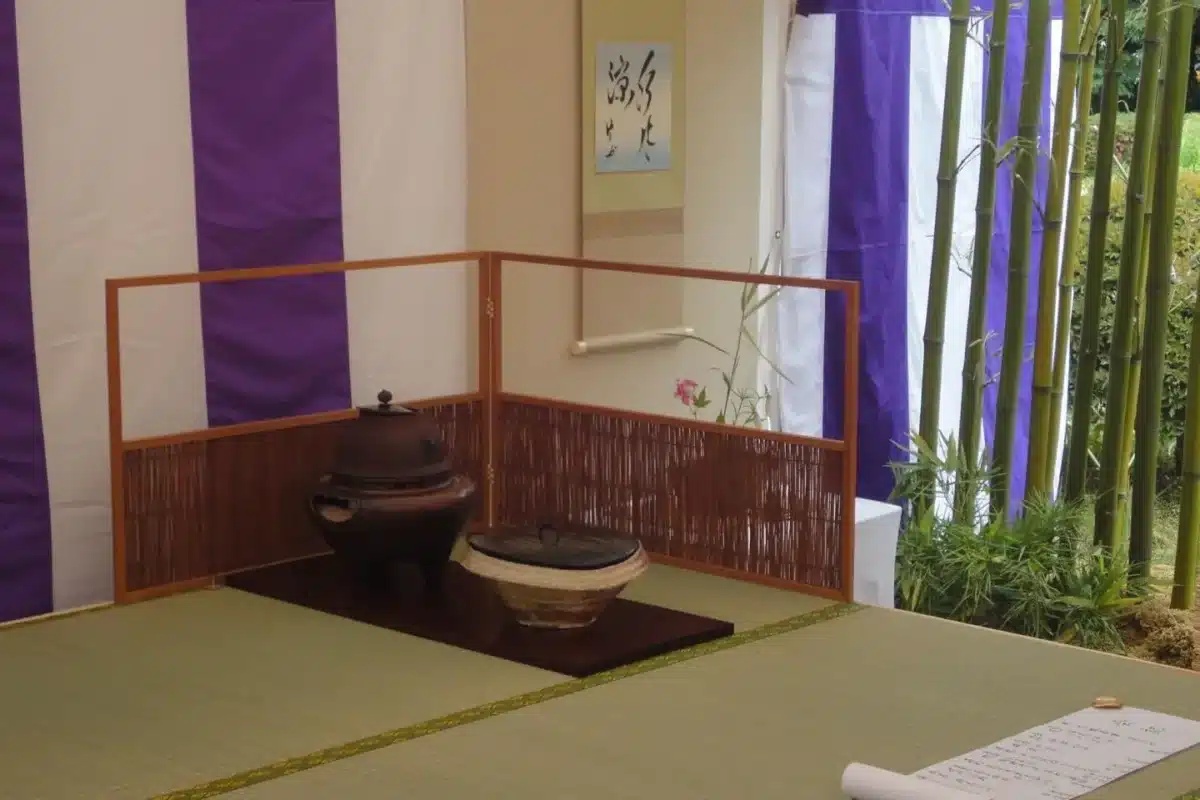
The park is particularly suitable for the event because its open public environment allows several tea gatherings to operate at the same festival site. Temporary tents are used to create dedicated tea spaces where individual schools can demonstrate their traditions.
The venue is close to Nagamachi Station, making the festival convenient for visitors arriving by rail. Official event information places the park approximately a five-minute walk from JR Nagamachi Station and the Sendai Subway Nagamachi Station.
The outdoor setting also contributes to the character of the event. Rather than experiencing tea culture in an enclosed museum or permanent tea house, visitors can enjoy the ceremony in a green urban park surrounded by the atmosphere of Sendai.
Full cultural programme
The central programme revolves around multiple tea gatherings presented by participating tea schools.
Traditional tea gatherings
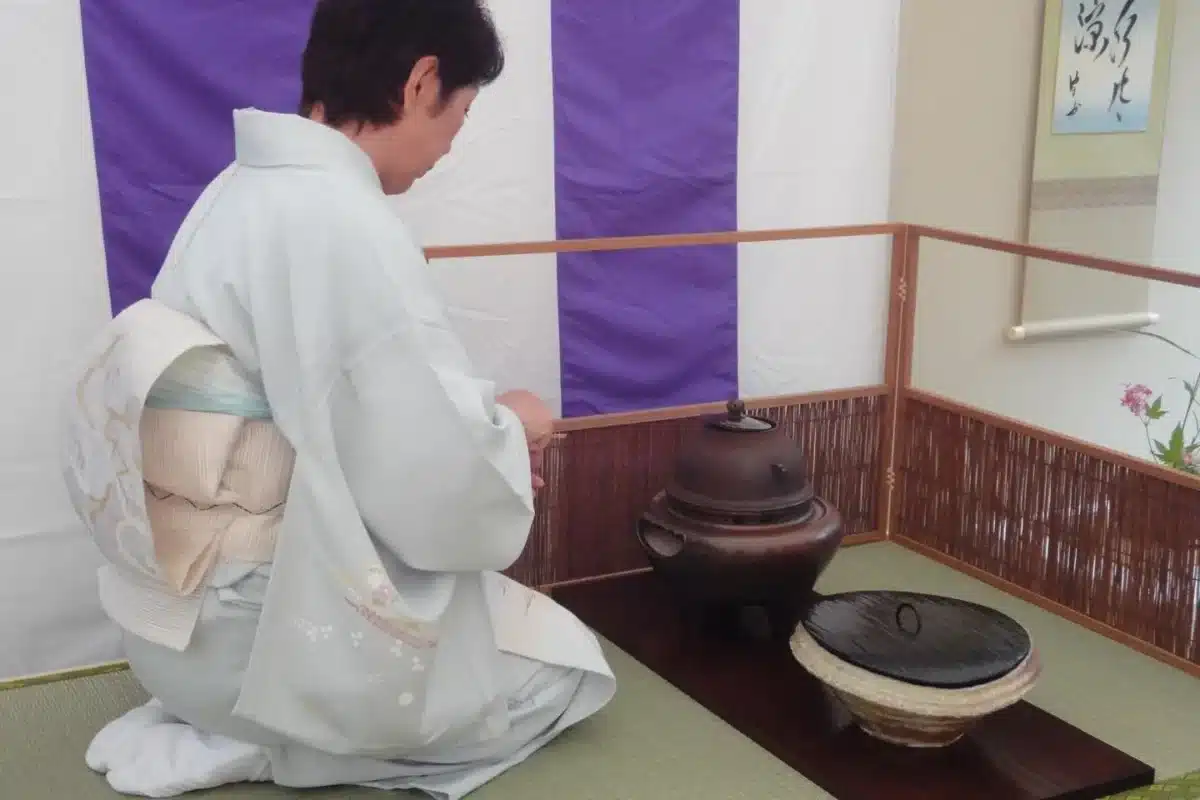
Visitors enter individual tea spaces where hosts prepare and serve powdered green tea according to the customs of their respective schools. The ceremony allows guests to observe the sequence of preparation and experience the etiquette surrounding the serving of tea.
Seasonal Japanese sweets
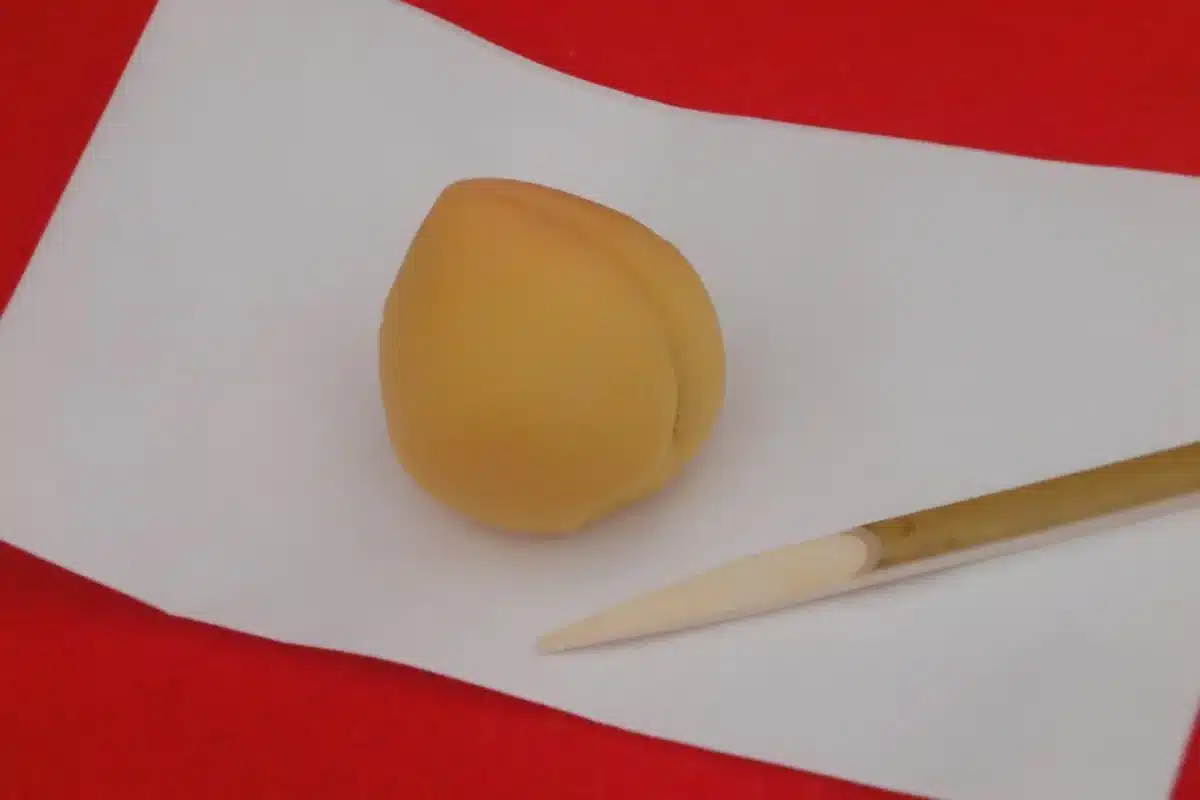
A traditional sweet is generally served before the tea. JapanTravel notes that seasonal sweets may represent fruits and other elements associated with the season, providing an additional connection between tea culture and the natural calendar.
Tea preparation demonstrations
Each tea school demonstrates its own approach to preparing and presenting tea. Visitors can observe the precise movements involved in handling the tea bowl, scoop, whisk and other utensils.
Tea utensils
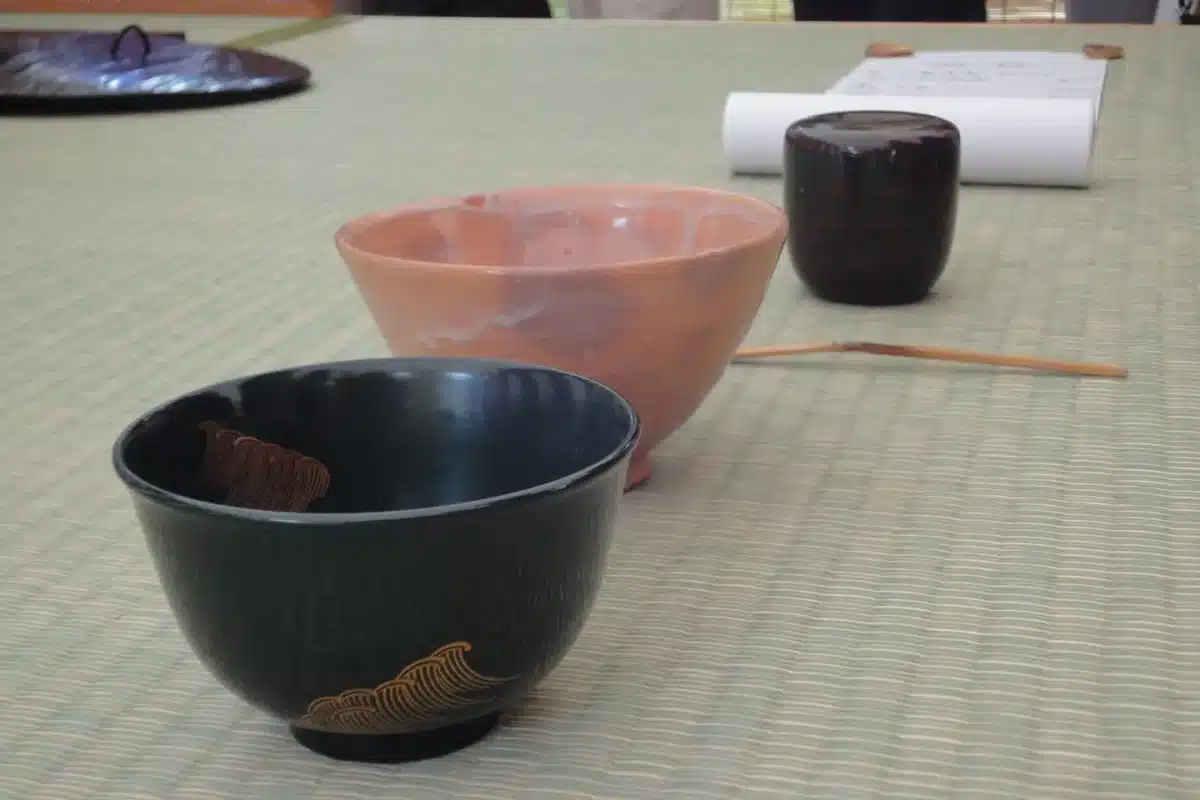
After the tea is served, hosts may introduce or display the utensils selected for the particular gathering. This can include tea bowls, tea containers, bamboo scoops, water vessels and other objects associated with the ceremony.
Seasonal decoration
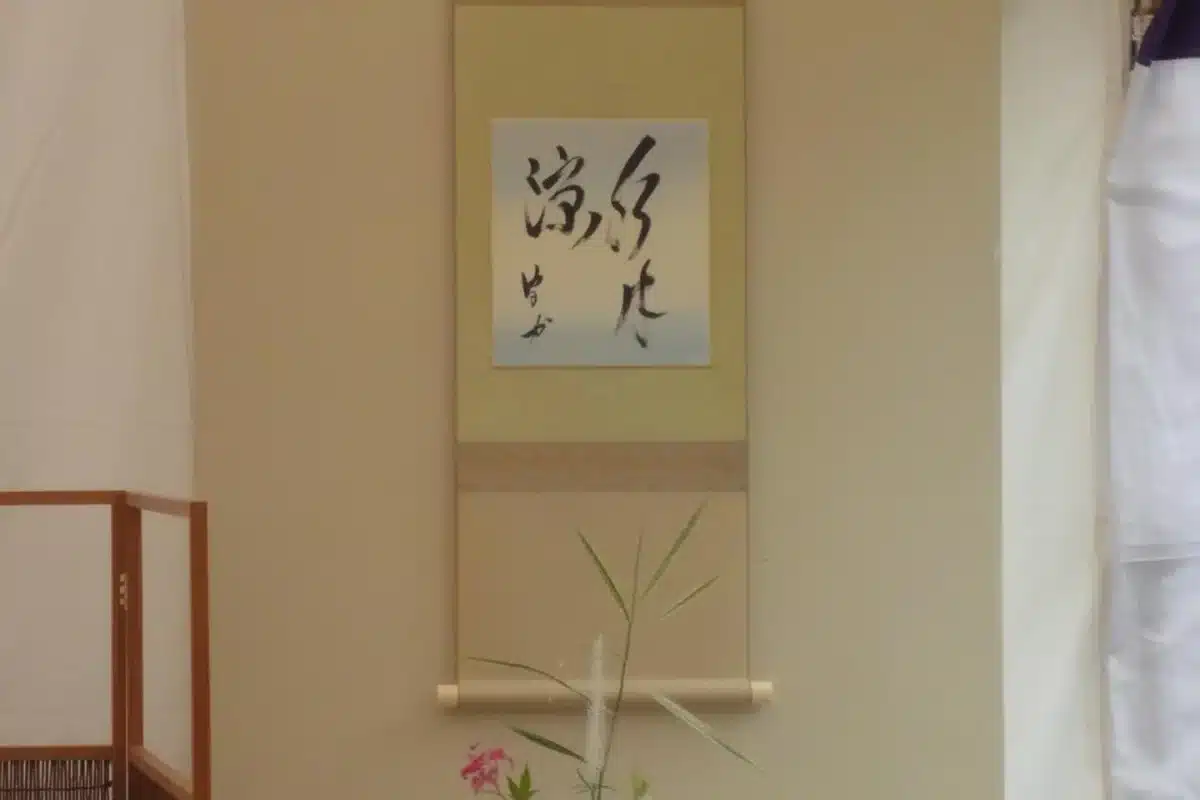
Tea spaces are traditionally arranged with carefully selected flowers, hanging scrolls and other decorative elements. These details are intended to reflect the season and create an appropriate atmosphere for the gathering.
Featured traditions & performances
The Sendai Grand Tea Ceremony is primarily a cultural tea event rather than a stage-performance festival. Its featured presentations are the individual tea schools and their demonstrations of tea preparation.
Different tea schools
The event traditionally provides an opportunity to compare different schools of Japanese tea culture. The recent official programme featured 10 participating schools, with different groups assigned to different parts of the festival programme.
Temae
The formal preparation of tea, known as temae, is central to each tea gathering. Visitors can watch the host perform carefully practiced movements while preparing the powdered green tea.
Kimono and traditional dress
Hosts and guests may appear in kimono or other traditional clothing. JapanTravel specifically highlights the seasonal colours and designs of kimono as part of the visual experience.
Tea utensils and craftsmanship
The utensils used during each gathering can be appreciated not only for their practical function but also for their shape, materials, decoration and relationship to the season.
Historical & heritage highlights
Tea culture has a long history in Japan, and Sendai has its own connection with the development and appreciation of chanoyu. Official Miyagi tourism information describes the Mori no Miyako Grand Tea Ceremony as an opportunity to experience the tea tradition that has been rooted in Sendai since the era of Date Masamune.
This historical connection is one reason the festival is more than simply a tasting event. The ceremony introduces visitors to a cultural system built around hospitality, attention to detail, seasonal awareness and respect between host and guest.
The festival also demonstrates how traditional culture can be presented in a modern urban environment. Instead of requiring visitors to travel to a historic temple or specialized tea house, the event brings tea culture into a public park where people of different backgrounds can experience it directly.
Events & activities schedule
The detailed 2027 schedule has not yet been released, but the programme is expected to follow the established format of tea gatherings operating throughout the festival.
Festival opening
Visitors arrive at the park and receive information about the participating tea schools and available tea seats.
Tea gatherings
Multiple tea spaces operate during the event, allowing guests to experience different styles and presentations.
Seasonal sweets and matcha
Each tea experience generally includes a Japanese sweet followed by powdered green tea.
Utensil appreciation
Hosts may explain or display the tea utensils used during their gathering, giving visitors a closer look at the objects and craftsmanship behind the ceremony.
Cultural atmosphere
Visitors can move between the tea spaces, observe the different approaches and enjoy the open-air park environment.
The final sequence, tea schools and operating arrangements for 2027 should be checked against the official programme once released.
Ticket types & entry options
The main tea gatherings are ticketed rather than operating solely as a free public viewing event.
One tea seat
The previous edition listed a one-seat ticket at approximately $7 USD based on the published Japanese price and a rounded exchange-rate conversion. This provides access to one tea gathering.
Two tea seats
The previous edition listed a two-seat ticket at approximately $15 USD. This option allows visitors to experience two separate tea gatherings and can be useful for those interested in comparing different schools.
Advance two-seat ticket
The previous edition offered advance two-seat admission at approximately $13 USD, making advance purchase slightly less expensive than the regular two-seat option.
The 2027 ticket prices have not yet been announced. The figures above are provided as previous-edition reference pricing and should not be treated as confirmed 2027 prices.
Guided tours & cultural experiences
The festival is designed so that visitors can participate without specialist knowledge of Japanese tea etiquette. This makes it suitable for international travelers and people attending their first formal tea gathering.
Beginner-friendly tea experience
Visitors do not need to know the correct tea-serving manners before arriving. Hosts and senior participants help guests understand what to do during the gathering.
Observe the host
Watching the host prepare the tea is an important part of the experience. Visitors can focus on the movement of the utensils, the sound of the whisk and the sequence of preparation.
Taste seasonal sweets
The sweet served before the tea is part of the ceremony rather than simply an additional snack. Its flavour balances the bitterness of the powdered green tea.
Learn about utensils
Visitors may have the opportunity to see the equipment used for the gathering and learn why particular objects have been selected.
Compare tea schools
Those purchasing multiple tea seats can use the opportunity to experience different approaches to tea preparation and hospitality.
Formal guided tours for international visitors have not been confirmed for 2027. Visitors requiring organized interpretation or private cultural instruction should check with the official organizers.
Special ceremonies & celebrations
The main special experience is the tea ceremony itself. Each tea gathering creates a carefully arranged environment in which host and guest share tea and seasonal sweets.
Host and guest interaction
Tea culture places considerable importance on the relationship between host and guest. The host prepares the setting and tea with attention to the visitor, while the guest responds with appropriate appreciation.
Seasonal awareness
Flowers, sweets, utensils and clothing can be selected according to the season. This creates a constantly changing cultural experience rather than a fixed performance.
Open-air ceremony
The outdoor setting is one of the festival’s defining characteristics. Temporary tea spaces allow traditional practices to take place in a contemporary public park.
Traditional hospitality
Visitors can experience the Japanese concept of hospitality through the careful presentation of tea, sweets, utensils and the tea room environment.
Festival rules
Visitors are expected to behave respectfully inside the tea gathering spaces.
Follow host instructions
Each tea school may have slightly different procedures. Guests should follow the guidance of the host and assistants.
Respect the tea space
Visitors should avoid touching utensils, decorations or tea equipment unless specifically invited to do so.
Quiet observation
Tea gatherings are calm cultural experiences. Conversation should be kept quiet while the host is preparing and serving tea.
Photography
Photography may be restricted inside individual tea spaces. Visitors should ask or follow signs before photographing hosts, guests, utensils or decorations.
Food considerations
The tea experience includes Japanese sweets and powdered green tea. Visitors with allergies or dietary restrictions should ask organizers or individual tea hosts whether suitable alternatives are available.
Weather
Because the event is held outdoors, visitors should be prepared for changing weather conditions. Official information for the recent edition stated that the festival would proceed in rainy weather, although future arrangements remain subject to the organizer’s instructions.
How to get there
The festival is located in Asuto Nagamachi in southern Sendai, making it straightforward to reach from central parts of the city.
By JR train
Nagamachi Station is the closest major railway station. From the station, the park is only a short walk. Official event information gives an approximate walking time of five minutes.
By Sendai Subway
Visitors can use the Sendai Subway Nanboku Line to Nagamachi Station and continue on foot to the park.
From Sendai Station
Travelers arriving in Sendai by Shinkansen can transfer to local rail services or the subway network and continue toward Nagamachi.
By taxi
Taxis provide another convenient option for visitors carrying luggage or traveling with people who prefer not to use public transportation.
Public transport & parking
Public transportation is strongly recommended because the festival venue is close to major rail connections.
JR Nagamachi Station
The station provides convenient access to the park and is approximately a five-minute walk from the venue.
Sendai Subway Nagamachi Station
The subway provides another direct way to reach the festival area, also with a short walk from the station.
Parking
The main festival venue does not have a dedicated event parking facility. Recent official event information specifically stated that there was no parking at the park.
Visitors arriving by car should therefore investigate nearby commercial parking facilities and allow additional time for walking. Public transport is the simpler option for most visitors.
Accommodation areas
Visitors staying overnight can choose from several areas depending on whether they want to remain close to the festival or explore more of Sendai.
Nagamachi
Staying around Nagamachi provides the most convenient access to the festival site and nearby transport connections.
Sendai Station
The Sendai Station area offers a large selection of hotels, restaurants and shopping facilities. It is also convenient for visitors arriving by Shinkansen.
Aoba-dori and central Sendai
Central Sendai is suitable for travelers who want to combine the tea ceremony with sightseeing, shopping and dining around the city’s main commercial districts.
Traditional Japanese accommodation
Visitors interested in Japanese culture can also consider a ryokan-style stay elsewhere in the Sendai area, particularly if they want to extend their cultural itinerary beyond the festival.
Food & traditional specialties
Food at the Sendai Grand Tea Ceremony is closely connected with the tea experience rather than being organized as a large food festival.
Seasonal wagashi
Japanese sweets are traditionally served before the powdered green tea. Their flavours, shapes and designs may reflect the season. JapanTravel highlights seasonal sweets as an important part of the visitor experience.
Matcha
Powdered green tea is the central beverage of the gathering. The tea is whisked and served according to the practices of each participating school.
Local Sendai cuisine
Visitors can explore Sendai’s wider food scene before or after the festival. Regional specialties include Sendai-style dishes and local products that can be found throughout the city’s restaurants and markets.
Tea-related products
Specialty tea shops and cultural retailers in Sendai can provide opportunities to purchase matcha, Japanese sweets, tea utensils and other traditional products.
Accessibility
The use of an outdoor public park makes the festival relatively straightforward to reach, particularly because Nagamachi Station is nearby.
Station access
The short walking distance from both JR and subway stations reduces the need for long transfers or complicated transportation arrangements.
Outdoor surfaces
The festival takes place in a park environment, so visitors should expect outdoor walking surfaces rather than the smooth floors of an indoor convention venue.
Seating
Tea gatherings traditionally involve seated participation, but the precise seating arrangements can vary between tea spaces. Visitors with mobility requirements should contact the organizers before attending if they need specific arrangements.
Weather preparation
Because the festival is outdoors, suitable clothing and protection from rain or strong sunlight may be necessary depending on conditions.
Assistance
Visitors who require wheelchair access, seating assistance, interpretation or other accommodations should confirm available arrangements with the organizers before purchasing tickets.
Best cultural experiences
Experience more than one tea school
If the 2027 programme offers multiple tea seats as in the previous edition, choosing two different gatherings provides a useful introduction to the variety within Japanese tea culture.
Watch the preparation carefully
The tea ceremony is not simply about drinking matcha. The movements, utensils, placement of objects and interaction between host and guest are all part of the experience.
Appreciate the seasonal sweets
Take time to look at the shape, colour and presentation of the wagashi before eating it. Seasonal sweets are deliberately connected with the time of year.
Observe the tea utensils
Tea bowls, scoops, containers and water vessels can be important artistic objects. Their selection often contributes to the theme of the individual gathering.
Look at kimono and flowers
Traditional clothing and floral arrangements help communicate the seasonal character of the tea gathering.
Ask questions respectfully
Visitors unfamiliar with tea culture can learn considerably by asking hosts or assistants appropriate questions after the formal portion of the gathering.
Previous year’s highlights
The previous edition featured a major gathering of tea schools from the Miyagi Prefecture Arts Association Tea Ceremony Division. Ten schools participated across the programme, giving visitors the opportunity to experience different tea traditions in one outdoor festival environment.
The programme demonstrated the variety of Japanese tea culture through schools including Omotesenke, Sanyaryu Senchado, Sohenryu, Tamagawa Enshu-ryu, Enshu-ryu, Urasenke, Edosenke, Sekishu Shimizu-ryu, Oda-ryu Senchado and the Dainihon Sado Gakkai.
One of the most appealing aspects was the beginner-friendly format. Visitors were able to experience tea outdoors without already knowing formal tea etiquette. Hosts and main guests provided guidance so that newcomers could participate comfortably.
The tea spaces also demonstrated the importance of seasonal presentation. Guests enjoyed Japanese sweets and powdered green tea while viewing traditional utensils, flowers and other elements selected for each gathering.
A related cultural workshop also offered visitors the opportunity to learn about Japanese sweets and prepare them alongside a matcha-based experience. The workshop was designed for beginners and demonstrated how tea culture extends beyond the tea bowl itself.
The previous edition therefore continued the event’s role as an accessible introduction to Japanese tea culture in Sendai. The 2027 programme is expected to retain this emphasis while introducing its own selection of participating schools, tea spaces and seasonal presentations.
Official tickets
The official event information is provided through the event organizers and the event page of khb East Japan Broadcasting. The previous edition sold tea-seat tickets through outlets including Ticket Pia, CN Play Guide, Fujisaki and selected tea retailers in Sendai.
For 2027, visitors should use the official event page to confirm when tickets go on sale, the final ticket prices, participating tea schools, available tea seats and any advance-purchase arrangements.
https://www.khb-tv.co.jp/event/daichakai2026/?
The official organizer information should be treated as the primary source for 2027 ticket availability and final participation instructions. JapanTravel currently identifies the event venue as Asuto Nagamachi Mori no Hiroba Park and notes that the 2027 date remains unconfirmed.
Location
FAQ
Do I need prior experience or knowledge of tea-serving etiquette to attend?
No prior experience or knowledge of complex tea ceremony manners is required to participate in the event. Friendly hosts and instructors guide all attendees step-by-step through the process directly at the benches. This welcoming approach ensures that absolute beginners feel completely comfortable and confident throughout.
What should visitors wear when attending the outdoor tea ceremony?
Casual, comfortable clothing suitable for an outdoor park setting is entirely acceptable for general visitors. Many enthusiastic participants choose to wear traditional seasonal kimono to enhance their cultural immersion experience. Dressing in layers is recommended to stay comfortable during changing late spring weather conditions.
Can children and families join the open-air tea ceremony sessions?
Families and children are warmly welcomed to observe and participate in the open-air tea ceremony gatherings. The relaxed park environment and supportive hosts make it an engaging educational outing for younger generations. It provides a wonderful opportunity to introduce kids to traditional Japanese arts gently.
Are English-speaking guides or translated instructional materials available on-site?
Basic directional signage and informational maps are provided around the park to help visitors navigate the different school areas. While formal guides may speak primarily Japanese, hosts are exceptionally welcoming and use universal gestures. Visual demonstrations make the ritual easy to follow regardless of language barriers.
What happens if unexpected rain occurs during the outdoor event schedule?
Outdoor festival schedules and open-air bench setups can occasionally experience adjustments during heavy rain or severe weather. Organizers monitor forecasts closely to ensure guest safety and comfort while protecting delicate tea utensils. Checking official local tourism updates on the day of your visit is advised.

Leave a Reply