


-
September 22, 2026
Event date:
-
September 22, 2026
Event end:
Overview
The Sendai Otsunahiki Great Tug of War is a monumental and storied festival held annually in Satsumasendai, Kagoshima, that encapsulates the profound spirit of historical Japanese culture. With ancient origins dating back over 400 years to the Sengoku period, this traditional spectacle was originally conceived as a powerful way to bolster the psychological fortitude and morale of samurai warriors before they engaged in decisive battles. Today, it has evolved into a vibrant, high-energy display of communal unity, physical strength, and local heritage, attracting thousands of eager spectators and local participants who gather to witness the masterful construction and deployment of one of Japan’s most gargantuan ropes.
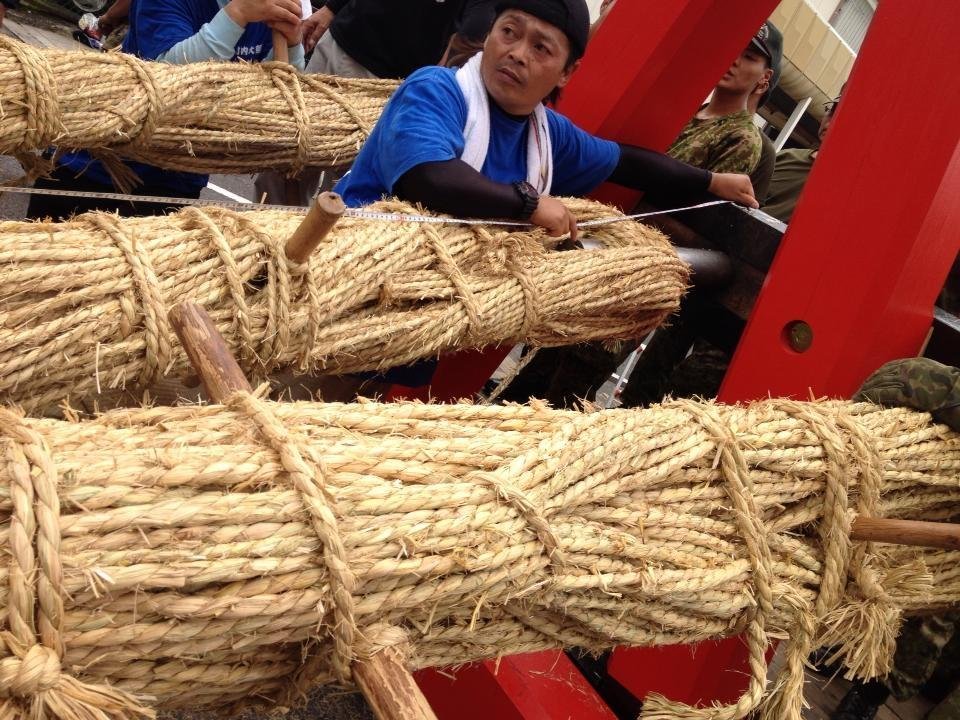
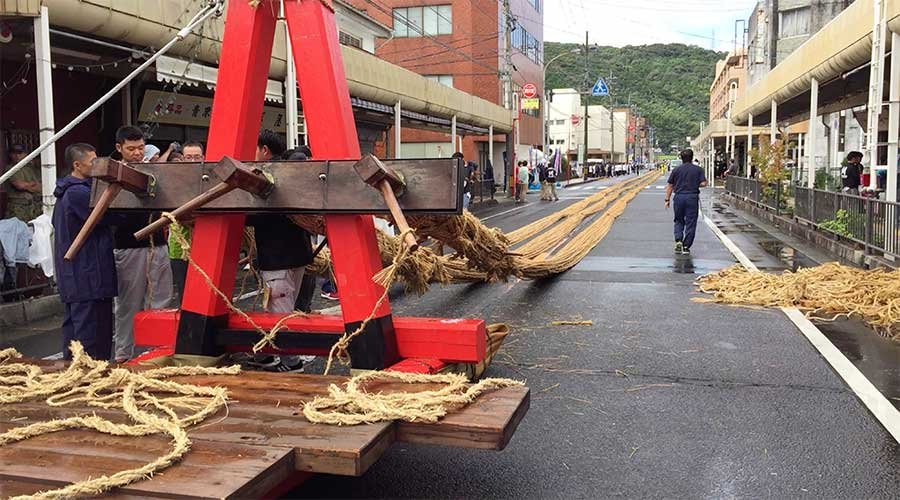
The festival’s centerpiece is the extraordinary physical display involving approximately 3,000 men, who engage in a high-stakes, epic tug of war contest. The rope itself is a breathtaking marvel of traditional engineering and collective teamwork, measuring an astounding 360 meters in length and weighing well over seven tons. Expertly constructed on the very morning of the event by a legion of over 1,500 dedicated volunteers, including spirited local students and seasoned adults, the rope is meticulously hand-woven from thousands of rice stalks and wheat, perfectly embodying the collective labor and unbreakable dedication of the entire Satsumasendai community.
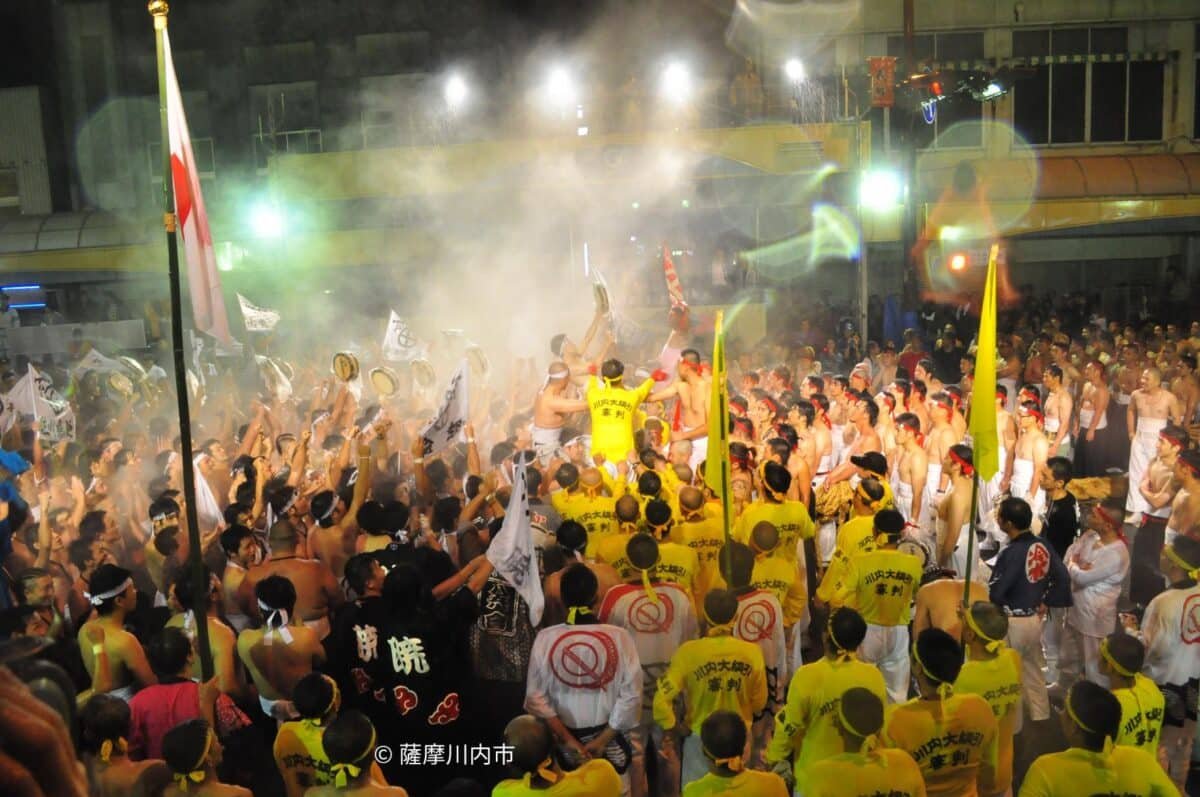
As the dusk settles, the atmosphere becomes truly electric, pulsating with the thunderous resonance of taiko drums and the intense, rhythmic chanting of the participants. Divided into two distinct red and white factions, the competitors engage in a fierce, grueling struggle that can endure for several hours of intense effort. The contest is far more than a simple test of raw power, as it involves strategic maneuvering and profound team coordination to shift the massive rope against the opposition. Following the conclusion of the epic competition, the rope is ritually severed, and attendees are invited to collect pieces to keep as sacred amulets for health and prosperity, concluding a day defined by deep history, community bonds, and unforgettable shared human experience.
Enjoy Your Event Stress-Free with Japan Travelo
Do you know? Planning events, festivals, concerts, and cultural experiences in Japan can be overwhelming. Japan Travelo brings everything together in one place, helping you manage your itinerary, transport, and accommodation with ease—so you can enjoy Japan without the stress of planning.
Event Highlights
- Witness the awe-inspiring construction of a massive seven-ton rope hand-woven by over 1,500 local volunteers.
- Experience the visceral energy of 3,000 participants engaged in a historic, high-stakes tug of war battle.
- Hear the thunderous, rhythmic pulse of taiko drums that guide the pullers and intensify the competitive fervor of the crowd.
- Participate in the cherished, traditional post-event ritual of securing pieces of the sacred rope as symbols of good fortune.
Why Attend
This historic event is exceptionally ideal for international travelers and culture enthusiasts seeking to immerse themselves in authentic, ancestral Japanese traditions that have been meticulously preserved for centuries. It offers a rare, once-in-a-lifetime opportunity to witness a community-led ritual that bridges the modern world with the storied legacy of the samurai era, providing a profound sense of cultural immersion and historical appreciation that is rarely accessible to visitors.
Attending this festival allows travelers to physically feel the electric energy of a city united by a single, monumental communal task. Beyond the grandeur of the spectacle, it serves as a unique chance to observe how a local community honors its heritage, business prosperity, and aspirations for a bountiful future through collective action, making it a highly rewarding and enlightening experience for anyone interested in sociology, historical preservation, or the raw vitality of Japanese festival culture.
Date & Duration
- Event Date: September 22, 2026
- Event Duration: The intricate rope preparation occurs throughout the day, with the climactic tug of war ritual taking place during the evening hours.
Visiting this event? Don’t miss out on these amazing activities and local experiences while you’re here.
Ticket Information
- How Tickets Are Sold: This event is an open-access public festival conducted along a city route and does not require the purchase of any tickets.
- Admission Type: General public access is provided, allowing all visitors to view the festivities from designated areas.
- Ticket Pricing: Free Admission.
- Special Seating Options: There are no designated special seating areas as the event is held in the open air along the public street.
- VIP Options: There are no VIP options or exclusive ticketed areas for this community-based festival.
Venue / Location
- City and Country: Satsumasendai, Kagoshima, Japan
- Venue Name: National Route 3, encompassing the vibrant Oshoji and Mukoda areas.
- Google Maps Address: Route 3, Satsumasendai, Kagoshima, Japan
Contact Information
- Phone Number: +81 996-21-1851
- Official Website: https://en.japantravel.com/kagoshima/sendai-otsunahiki-great-tug-of-war/71797
Accommodation Options:
Satsumasendai offers an array of comfortable and convenient accommodations for domestic and international visitors planning to stay overnight to witness the festival in its entirety. Many travelers prioritize securing lodging in the proximity of the Sendai station area, which provides seamless connectivity to the main festival route and essential local amenities.
Given that this spectacular festival attracts a significant number of visitors from across the country, it is highly recommended to finalize your lodging arrangements well in advance of your arrival. You will encounter various selections ranging from efficient business hotels featuring modern comforts to authentic, traditional ryokans that offer a more intimate, localized, and profoundly relaxing hospitality experience.
Getting There
- Nearest Airport: Kagoshima Airport, located approximately 50 kilometers from the festival venue.
- Nearest Train/Metro Station: Sendai Station, serviced by the efficient Kyushu Shinkansen.
- Bus Routes or Public Transport Options: Dedicated airport limousine buses operate frequent services directly from Kagoshima Airport to Sendai Station.
- Parking Availability: Public parking facilities are available in various locations throughout the city, although on-street parking in the immediate vicinity of the event route is strictly prohibited.
- Directions by Car: Utilize the Minamikyushu Expressway and proceed to exit at the Satsumasendai interchange, subsequently following the clearly marked signage toward the heart of the city center.
Dining Recommendations
Breakfast Recommendations:
- Local boutique cafes near Sendai Station offering traditional Japanese morning sets.
- Hotel breakfast buffets highlighting fresh, locally sourced Kagoshima produce.
- High-end convenience stores for quick, high-quality, and nutritious pre-event snacks.
Lunch Recommendations:
- Renowned local restaurants specializing in authentic Kagoshima-style ramen with rich tonkotsu broth.
- Specialty dining establishments showcasing exquisite and savory kurobuta pork dishes.
- Casual, welcoming eateries located near the city center serving fresh, seasonal, and locally grown vegetables.
Dinner Recommendations:
- Atmospheric izakayas situated around the station district, offering a diverse array of local skewers and savory appetizers.
- Sophisticated restaurants specializing in pristine, fresh seafood harvested from the nearby coastal regions.
- Traditional street food stalls set up strategically along the event route, providing authentic festival delicacies.
Local Specialties to Try:
- Jambo-mochi, a delightful and traditional sweet treat frequently featured at Kagoshima festivals.
- Satsuma-age, which are savory, golden-fried fish cakes uniquely characteristic of this region.
- Freshly caught, expertly prepared fish dishes sourced directly from the nearby coastal waters.
What is this event?
The Sendai Otsunahiki is a monumental, historic tug of war festival celebrated annually in Satsumasendai. It serves as a sacred, community-driven ritual intended to invoke blessings for a bountiful harvest and long-lasting prosperity.
Participants organize into two massive teams to pull a colossal, seven-ton rope through the public city streets. This extraordinary event elegantly bridges ancient samurai-era traditions with the resilient, modern spirit of the local community.
Why is it popular?
It is immensely popular because it remains one of the oldest, largest, and most physically impressive tug of war events found anywhere in Japan. Visitors are deeply drawn to the massive scale of the rope and the intense, palpable energy of the competitive struggle.
The festival offers an unparalleled, authentic look into Japanese heritage and deep-rooted local religious customs. Many travelers attend specifically to witness the breathtaking spectacle and to acquire pieces of the rope, which are believed to carry significant good fortune.
Tips before you go
- Wear supportive and comfortable walking shoes, as you will be navigating the festival streets on your feet for several hours.
- Carry a high-capacity portable power bank to ensure your mobile devices remain charged for capturing high-quality photographs and videos.
- Arrive early in the day to witness the masterful rope construction process performed by dedicated local volunteers.
- Regularly check the local weather forecast, as this magnificent event is held outdoors and is subject to changing environmental conditions.
- Maintain a focus on hydration, especially considering the density of the crowds during the evening hours when the temperature can feel warm.
Tips for First-Time Visitors
- Position yourself along the Route 3 sidelines well in advance to guarantee an optimal, unobstructed view of the main tug of war battle when it commences in the evening.
- Take the time to explore the charming surrounding city streets during the daylight hours, as local vendors often set up stalls selling exquisite artisanal food and regional souvenirs.
- If you encounter participants dressed in traditional white sarashi outfits, please remain respectful and maintain a courteous distance, as they are actively preparing for a serious and historically significant ritual.
- Keep all your personal belongings secure in a crossbody bag, as the event zones can become exceptionally crowded once the intensity of the tug of war reaches its zenith.
- When the massive rope is ritually severed at the conclusion of the event, observe the distribution of the rope segments, but ensure you remain clear of the primary, high-traffic action zones near the center.
- Utilize the public transportation arrival information to pre-plan your departure, as major city streets will be subject to closures during and after the completion of the main event.
Attendee Experiences
- The raw energy and vibration of the massive crowd when the rope begins to move are absolutely unmatched by any other festival I have visited in Japan.
- Witnessing thousands of local people work in perfect harmony to weave such a massive, seven-ton rope in the morning was even more impressive than the actual tug of war battle.
- Make sure you commit to staying until the very end, because the sacred ritual of cutting the rope and sharing the pieces with the grateful crowd is the absolute highlight of the day.
Video
Location
FAQ
When does the tug of war usually start?
The main tug of war event typically commences during the evening hours, usually around 8:15 pm, following the ceremonial rituals that take place earlier that afternoon. It is highly recommended to arrive at the designated venue well before the start time to secure a comfortable and clear viewing spot along the street route.
Can anyone participate in the tug of war?
General public participation is often warmly welcomed for those individuals who wish to join the teams pulling the rope, though you should verify the latest requirements with the local festival organizers. Participants are generally expected to dress appropriately in traditional working attire if they intend to join the actual pull.
Is the festival held in the same location every year?
The festival strategically alternates between two primary areas, the Mukoda side and the Oshoji side, on a defined cycle to share the cultural tradition across different parts of the city. You should always consult the latest official event announcements to confirm which specific area of Route 3 will host the primary battle for that calendar year.
What happens to the rope after the festival?
Once the head referee declares a victory and the massive rope is ceremonially severed, spectators and participants are enthusiastically encouraged to take home a segment of the rope. These pieces are widely considered to be powerful good luck charms and are frequently displayed prominently within households to invite health and prosperity for the upcoming year.
Is there English language support at the event?
Informational support provided specifically in the English language can be quite limited, so it is highly advisable to prepare all your travel logistics and bring digital translation tools before arriving. Most local information, including signage or public announcements, will be primarily in Japanese, accurately reflecting the deep, traditional nature of this local community celebration.

Leave a Reply