
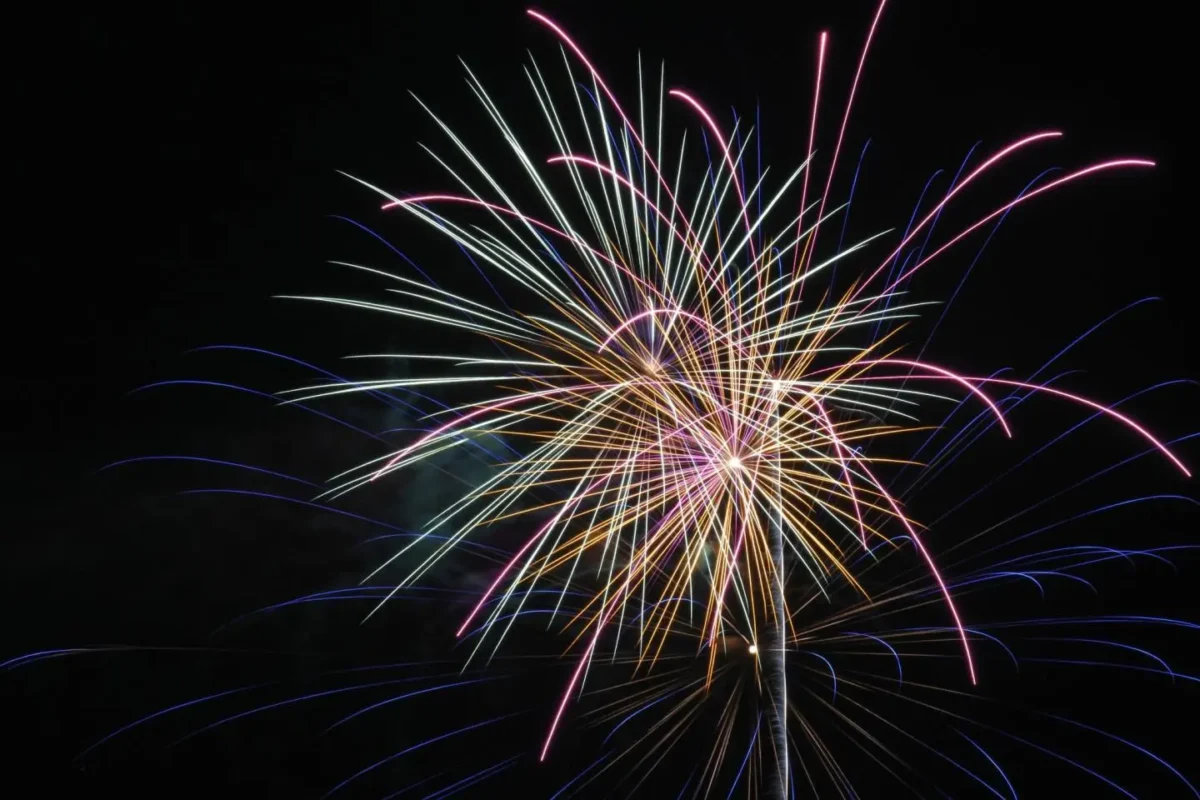
What to expect in 2027
Sendai Tanabata Festival Fireworks 2027 is expected to once again provide the spectacular opening to Sendai’s famous Tanabata season, filling the summer night sky above the Aobayama and Hirose River area with a large-scale fireworks display. The fireworks festival is traditionally held as the eve celebration for the Sendai Tanabata Festival, creating the transition from a city preparing for Tanabata into several days of colorful decorations, cultural activities and summer celebrations.
The fireworks event has developed into one of the major urban fireworks festivals in the Tohoku region. The official organizers describe it as a city-style fireworks event that has grown considerably since its origins in 1970, when the first edition launched 100 fireworks as part of a small Tanabata-related celebration. Recent editions have featured approximately 16,000 fireworks and attracted around 450,000 spectators.
The 2027 edition is expected to continue the established format of combining a major evening fireworks program with paid viewing areas, free viewing locations, food vendors and easy access from central Sendai.
Enjoy Your Event Stress-Free with Japan Travelo
Do you know? Planning events, festivals, concerts, and cultural experiences in Japan can be overwhelming. Japan Travelo brings everything together in one place, helping you manage your itinerary, transport, and accommodation with ease—so you can enjoy Japan without the stress of planning.
The fireworks are closely connected with the wider Sendai Tanabata tradition. The main Tanabata Festival traditionally fills the central shopping streets with elaborate handmade bamboo and paper decorations. The fireworks provide the opening spectacle before the decorated city becomes the main focus of the following festival period.
Visitors can therefore plan the fireworks as either a standalone evening attraction or as the beginning of a longer Sendai summer festival trip.
Event dates
2027 season
Early August 2027 (Dates TBD)
The exact 2027 calendar date has not been confirmed in the information currently available. The event is traditionally positioned immediately before the main Sendai Tanabata Festival, whose established annual festival period is based around the traditional seasonal timing of Tanabata.
Visiting this event? Don’t miss out on these amazing activities and local experiences while you’re here.
Evening programme
The main fireworks display traditionally takes place during the evening and lasts approximately one hour. In the most recent edition, the published launch period was approximately 60 minutes, with around 16,000 fireworks planned.
Weather policy
The established policy is that the fireworks can proceed in ordinary rain but may be cancelled in severe weather. The organizers state that severe-weather cancellation does not automatically mean a rescheduled event.
Visitors should check the official event website and social media shortly before travelling because the final 2027 schedule, weather arrangements and viewing information may change.
Venue & event locations
Aobayama Park area
The primary event area is around Aobayama Park in Aoba Ward, Sendai. The surrounding open spaces provide several viewing locations and connect the fireworks experience with the historic and cultural attractions of the Aobayama district.
Hirose River riverbank
The fireworks are launched and viewed around sections of the Hirose River and nearby Kawauchi area. The river environment gives visitors different perspectives on the fireworks and creates an open nighttime setting within the city.
Aobayama Exchange Plaza
Aobayama Exchange Plaza has been used as a paid viewing location. It is particularly convenient because it is close to International Center Station on the Sendai Subway Tozai Line.
Tohoku University grounds
Tohoku University grounds have also been used for paid viewing. This area provides designated seating and controlled access for ticket holders.
Omachi Nishi Park
Omachi Nishi Park is among the free viewing areas used for the fireworks. Its location close to Omachi Nishi Koen Station makes it accessible by subway.
Aobayama Park Oiwake area
Another free viewing area is the Oiwake section of Aobayama Park. The event map identifies this area as one of the public viewing locations.
Because the exact 2027 layout may change, visitors should consult the official venue map once the new edition’s traffic and safety plan is published.
Full holiday programme
The fireworks form part of a much larger Sendai Tanabata season rather than functioning as an isolated celebration.
Fireworks opening event
The principal attraction is the large-scale evening fireworks program. Recent editions have featured approximately 16,000 launches across an approximately one-hour program.
Tanabata Festival
Following the fireworks, Sendai’s central shopping streets become covered with enormous handmade Tanabata decorations. The main decorated areas extend from Sendai Station through the central arcades and Ichibancho shopping district.
Festival Square
The wider Tanabata program includes Festival Square, where visitors can find food, drinks, information, cultural activities and performances. Previous official festival guides have included tanzaku-making workshops and other participatory activities.
Suzume Odori
The Sendai Tanabata period also features the traditional Sendai Suzume Odori dance. Performances take place around the city’s shopping streets and provide an opportunity to experience local performing traditions alongside the decorative displays.
Cultural night events
Other related attractions can include Sendai Castle night events, Zuihoden Tanabata Night, illumination programs and seasonal performances. These are separate components of the wider Tanabata season and may have their own schedules and admission requirements.
Main attractions & highlights
Approximately 16,000 fireworks
Recent editions have presented approximately 16,000 fireworks, making the display one of the largest annual summer fireworks events in the Tohoku region.
Urban fireworks setting
Unlike fireworks events held far outside a city, the Sendai display takes place close to the central urban area. The official organizers describe this as a distinctive urban-style fireworks festival.
Hirose River scenery
The river and surrounding green spaces provide a natural contrast to the city environment. Depending on the viewing position, visitors can see fireworks above the river, parks and surrounding hills.
Aobayama atmosphere
Aobayama adds historical and cultural context to the evening. The wider area includes the Sendai Castle ruins, museums and other attractions that can be incorporated into a longer sightseeing itinerary.
Tanabata connection
The fireworks are particularly significant because they act as the opening celebration for the wider Tanabata season. The next stage of the festival transforms central Sendai with thousands of colorful handmade decorations.
Free and paid viewing
Visitors can choose between designated paid seating and free viewing areas. This allows travelers to experience the event according to their preferred budget and viewing style.
Markets, decorations & themed areas
The fireworks event itself is not primarily a decoration market, but the wider Tanabata season creates a much larger festive environment throughout Sendai.
Tanabata bamboo decorations
The most famous feature of Sendai Tanabata is its enormous handmade bamboo-and-paper decorations. The official festival describes the decorations as a defining part of the city’s summer celebration.
Central shopping arcades
The decorated route extends through major shopping streets from the Sendai Station area toward the central arcades and Ichibancho. Visitors can walk beneath large streamers, ornaments and colorful paper decorations.
Decoration competition
The major Tanabata decorations are judged as part of a competition. Visitors can identify prize-winning decorations displayed throughout the central shopping districts.
Festival food areas
Food vendors and temporary stalls provide traditional festival snacks, drinks and regional specialties. Recent fireworks editions have included multiple vendor areas around the viewing zones.
Paper crane displays
Previous Tanabata guides have included large displays of handmade paper cranes, providing another colorful photography location within the wider festival area.
Events & entertainment schedule
The precise 2027 schedule will be announced closer to the event. The established structure provides a useful guide to what visitors can expect.
Afternoon arrival
Visitors should arrive well before the fireworks if they want to explore the surrounding area, eat at festival stalls and reach their preferred viewing location without rushing.
Pre-fireworks atmosphere
Food vendors and festival facilities begin operating before the main fireworks. Recent editions have listed vendor operations from the afternoon onward.
Viewing period
The main fireworks display takes place during the evening and lasts approximately one hour in the recent official program.
Post-fireworks departure
Large numbers of visitors leave the viewing areas after the final fireworks. Visitors using the subway should expect crowding around nearby stations.
Following Tanabata programme
The fireworks are followed by the main Tanabata Festival, when the central city becomes the focus of decorations, dance, cultural experiences, shopping and food.
Admission & ticket information
The Sendai Tanabata Festival Fireworks event has both paid and free viewing options.
Free viewing
Free viewing areas have been provided around Omachi Nishi Park, the Ohanami Square area and Aobayama Park’s Oiwake section.
Tohoku University designated seat
For the most recent edition, a designated seat at the Tohoku University grounds was offered at approximately $30 per person based on the published previous-edition price of ¥4,500. This is a reference price for 2027 planning, not a confirmed 2027 price.
Aobayama Park box seating
A previous edition offered a table-style box seat for up to six people at approximately $234 for the full box, based on the published ¥35,000 reference price.
Aobayama Park two-person seating
A previous edition also offered a designated two-person table seat for approximately $87 for two people, based on the published ¥13,000 reference price.
2027 ticket status
The 2027 ticket categories and prices have not yet been announced. Visitors should use the previous-edition figures only as planning references and check the official ticket page when 2027 sales open.
Special experiences & activities
Reserved fireworks viewing
A paid seat provides a more organized way to experience the fireworks without needing to secure a free viewing position in advance.
Festival food experience
Visitors can combine the fireworks with local food from temporary vendors around the event area. Recent editions have included multiple food-vendor zones.
Tanabata decoration walk
A longer visit allows travelers to explore the central shopping arcades and see the elaborate Tanabata decorations that appear throughout Sendai.
Tanzaku-making
The wider Tanabata Festival has included workshops where visitors can write wishes on tanzaku paper strips. These participatory activities provide a simple way for travelers to engage with the cultural tradition.
Suzume Odori
Watching the traditional Sendai dance provides a cultural experience that complements the fireworks and decorations.
Zuihoden evening visit
The wider Tanabata program can include evening illumination at Zuihoden, where bamboo lanterns and music create a quieter cultural atmosphere away from the main fireworks crowds. Previous official guides have listed a separate admission of approximately $3.80, based on the published ¥570 reference price.
Family & children’s activities
The fireworks festival can be enjoyed by families, although parents should prepare for large crowds and a late evening.
Free viewing areas
Families can use designated free viewing areas if they do not want to purchase reserved seating.
Food stalls
Temporary food vendors offer familiar festival foods and drinks, making it easy to create a family-friendly evening around the fireworks.
Tanabata crafts
The wider Tanabata Festival includes participatory cultural activities such as tanzaku writing and decoration-related experiences.
City decorations
Children can enjoy walking beneath the enormous Tanabata streamers and searching for prize-winning decorations throughout the shopping arcades.
Crowd preparation
Families should establish a meeting point before entering crowded areas, keep children close during the fireworks and allow additional time for transportation after the event.
For very young children, ear protection can also be useful because fireworks can be loud, particularly close to the main viewing zones.
Event rules
Follow designated viewing areas
Visitors should use official free or paid viewing areas and follow any temporary barriers or crowd-control instructions.
Do not enter restricted zones
The fireworks require substantial safety areas around launch and operational locations. Restricted roads, river areas and event facilities must not be entered.
No unauthorized ticket resale
Commercial ticket resale is prohibited by the organizers. The official FAQ specifically warns that visitors involved in unauthorized resale may be refused entry.
Food and rubbish
Food may be brought into the venue under the published guidance, but visitors are responsible for properly managing their rubbish.
Weather
The event can proceed during ordinary rain but may be cancelled in severe weather. Visitors should check official announcements before travelling.
Respect local residents
The event takes place in and around an urban neighborhood. Visitors should keep pedestrian routes clear, follow traffic restrictions and avoid creating unnecessary disturbance after the fireworks.
How to get there
From Tokyo
The easiest long-distance option is the Tohoku Shinkansen to Sendai Station. The official Sendai Tanabata access information lists the journey from Tokyo as approximately 90 minutes by the fastest Tohoku Shinkansen services.
From Sendai Station
The main fireworks area is accessible from central Sendai using the Sendai Subway Tozai Line and walking routes toward Aobayama and the Hirose River.
To International Center Station
Paid viewing areas around Aobayama Exchange Plaza and Tohoku University grounds can be reached via International Center Station.
To Omachi Nishi Park
Omachi Nishi Koen Station provides convenient access to one of the main free viewing areas.
From Sendai Airport
Sendai Airport is connected with JR Sendai Station by the Sendai Airport Access Line. The official festival access information gives the airport-to-Sendai journey as approximately 17 minutes on the rapid service.
Public transport & parking
Sendai Subway Tozai Line
The Tozai Line is particularly useful for reaching the fireworks area. International Center Station serves the paid viewing areas, while Omachi Nishi Koen Station serves a major free viewing area.
JR Sendai Station
Sendai Station is the main regional transportation hub and connects the city with Tokyo and other Tohoku destinations.
Walking
Visitors should expect to walk considerable distances because traffic controls and crowd management can change the most direct routes.
Parking
Driving is not recommended for the fireworks because temporary traffic restrictions are imposed around the event area. The official access and venue information emphasizes controlled vehicle and pedestrian routes around the viewing zones.
Visitors who drive should use official or commercial parking outside restricted areas and expect spaces to become difficult to find during the busiest period.
After the fireworks
Subway stations can become extremely crowded immediately after the display. Visitors staying overnight in Sendai may find it easier to walk toward the city center and wait for the largest crowds to disperse before continuing their journey.
Accommodation areas
Sendai Station
The Sendai Station area is one of the most convenient bases for visitors because it provides extensive hotel choices, restaurants and direct rail connections.
Aoba Ward
Accommodation around central Aoba Ward places visitors relatively close to both the fireworks area and the main Tanabata shopping streets.
Ichibancho
Ichibancho is useful for visitors who want to combine the fireworks with the main Tanabata decorations, shopping arcades and restaurants.
Kokubuncho
Kokubuncho is a major entertainment and dining district in central Sendai. It can be convenient for visitors looking for evening restaurants after the fireworks.
Near International Center
Staying closer to the western side of central Sendai can reduce the distance to Aobayama and the Hirose River viewing areas.
Extended Sendai stay
Because the fireworks serve as the opening of the wider Tanabata season, staying for several nights allows visitors to experience both the fireworks and the elaborate daytime decorations throughout central Sendai. The main Tanabata Festival attracts more than two million visitors annually according to the official festival organization.
Video
Location
FAQ
What is the significance of the Sendai Tanabata Fireworks Festival?
The grand display serves as the vibrant opening prelude to the historic Sendai Tanabata Festival celebrations. It brings thousands of spectators together to enjoy massive pyrotechnics before the city's famous paper streamers go on display.
Where are the fireworks launched from during the event?
Approximately 16,000 fireworks are launched directly from the embankments along the scenic Hirose River in central Sendai. This aquatic positioning allows brilliant aerial displays to reflect beautifully across the water's surface.
How can visitors reach the primary viewing areas via public transport?
Attendees can easily access the festival grounds via a short 10-minute walk from Hirosedori or Kotodaikoen subway stations. Alternatively, travelers can enjoy a 30-minute scenic stroll through shopping arcades directly from JR Sendai Station.
Are there ticket requirements to view the fireworks display?
While numerous free public viewing zones line the open riverbanks, optional paid seating areas are available for purchase. Securing these reserved tickets provides guaranteed ground space and comfortable sightlines near the launch zones.
How should travelers manage transit congestion after the show concludes?
Because hundreds of thousands of spectators exit simultaneously, returning via subway requires patience and pre-loaded IC transit cards. Staying an extra hour to let peak crowds disperse or walking slightly further to alternative stations helps avoid long queues.

Leave a Reply