
-
September 13, 2026
Event date:
-
September 27, 2026
Event end:
Overview
The September Grand Sumo Tournament, reverently known as the Aki Basho, stands as one of the most distinguished pillars of Japan’s professional sports calendar. As the final of three major tournaments hosted annually in Tokyo, this event marks a climactic moment in the sumo year. For fifteen exhilarating days, the hallowed grounds of the Ryogoku Kokugikan transform into a vibrant epicenter of tradition, where the nation’s elite rikishi, or sumo wrestlers, engage in profound displays of strength, strategy, and spiritual discipline.
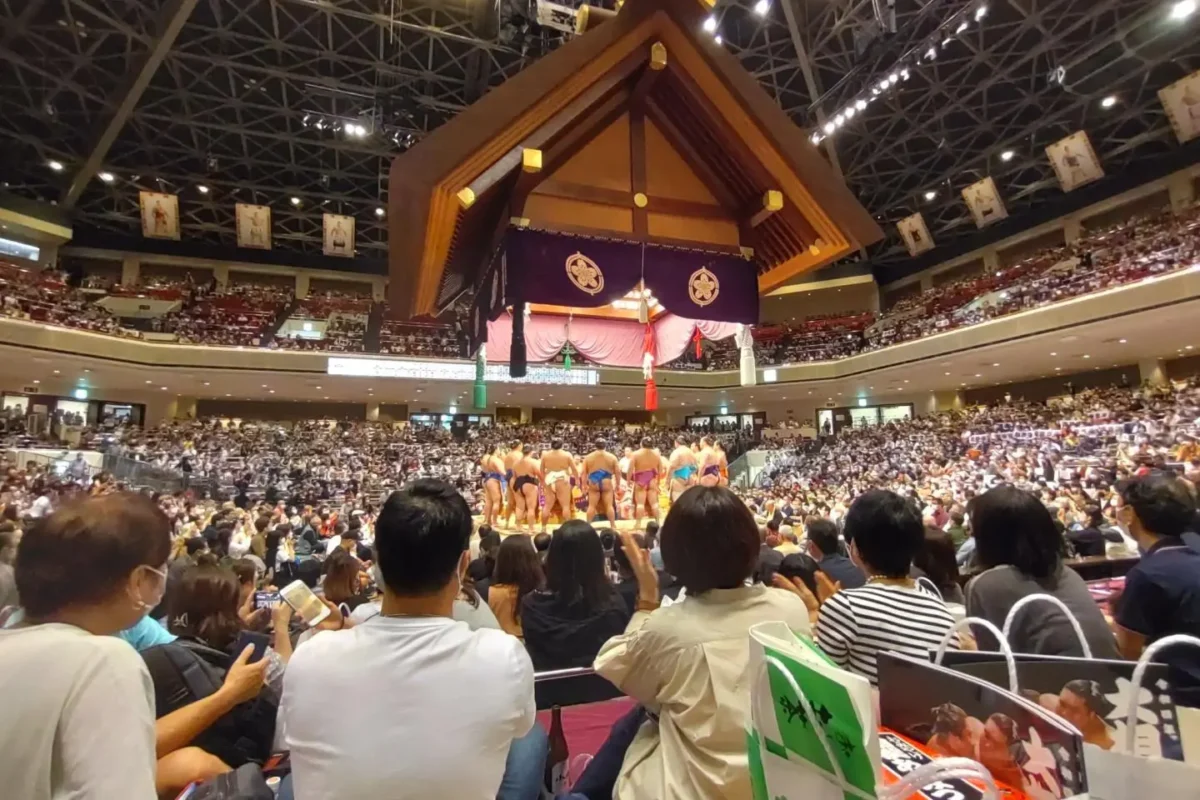
Stepping into the arena, spectators are enveloped by an atmosphere that feels both ancient and electric. The venue serves as the spiritual heart of professional sumo, and during the tournament, the air is thick with the scent of purification salt and the focused energy of the crowd. Every bout is preceded by intricate, centuries-old rituals that ground the high-stakes physical competition in deep cultural significance, providing an immersive experience that resonates far beyond the boundaries of a typical sporting match.
Attending the Aki Basho offers a rare, privileged window into the soul of Japanese heritage. Whether you are witnessing the dramatic dohyō-iri, the grand ring-entering ceremony where wrestlers display their colorful aprons, or the thunderous final bouts between the highest-ranking champions, the tournament captures a unique intersection of athleticism and artistry. It is a spectacle that captures the devotion of generations, inviting travelers from every corner of the world to partake in a living history that is as formidable as it is beautiful.
Enjoy Your Event Stress-Free with Japan Travelo
Do you know? Planning events, festivals, concerts, and cultural experiences in Japan can be overwhelming. Japan Travelo brings everything together in one place, helping you manage your itinerary, transport, and accommodation with ease—so you can enjoy Japan without the stress of planning.
Event Highlights
- Observe the grand dohyō-iri ceremony, where top-division wrestlers enter the ring in ceremonial silk aprons to demonstrate their prestige and focus.
- Experience the intense spiritual ritual of salt-throwing, performed by wrestlers to purify the ring before each match begins.
- Witness the power and agility of elite rikishi competing for the prestigious Emperor’s Cup, a symbol of ultimate victory in professional sumo.
- Explore the unique sumo architecture of the Ryogoku Kokugikan, complete with traditional stadium amenities and a dedicated museum of sumo history.
Why Attend
This event is the ultimate destination for those who seek to connect with the authentic spirit of Japan. It is ideally suited for cultural enthusiasts, sports fans, and travelers looking for a profound, once-in-a-lifetime experience. Attending provides the benefit of witnessing the physical peak of athletes who dedicate their entire lives to the perfection of their craft, all while submerged in the etiquette and solemnity of an ancient martial tradition.
Beyond the competition, spectators gain an appreciation for the meticulous order and respect that govern the sumo world. It is an opportunity to slow down and observe the quiet intensity of a sport that favors tactical intelligence as much as brute force. The environment is welcoming to international visitors, and the communal nature of the experience—sitting among passionate local fans—creates an unforgettable sense of belonging in the heart of Tokyo.
Date & Duration
- Event Date: September 13th – September 27th, 2026.
- Event Duration: The tournament spans 15 consecutive days of intense competition.
Visiting this event? Don’t miss out on these amazing activities and local experiences while you’re here.
Ticket Information
- How Tickets Are Sold: Tickets are primarily distributed through the official Japan Sumo Association portal, with limited allocations available at designated convenience stores and authorized travel agencies.
- Admission Type: Spectators can choose between various seating tiers, ranging from standard chair seating in the upper sections to exclusive floor-level options.
- Ticket Pricing: Costs vary based on proximity to the ring, with general entry points starting around 15 dollars and premium ringside experiences exceeding 135 dollars.
- Special Seating Options: Traditional floor-level box seating, known as masu seki, provides a private, partitioned space on cushions, perfect for small groups wishing to share a traditional meal during the event.
- VIP Options: Enhanced packages may include priority access to the venue, commemorative merchandise, or guided insights into the tournament’s history and rules.
Venue / Location
- City and Country: Tokyo, Japan.
- Venue Name: Ryogoku Kokugikan Sumo Arena.
- Google Maps Address: 1 Chome-3-28 Yokoami, Sumida City, Tokyo 130-0015, Japan.
Contact Information
- Website: https://en.japantravel.com/tokyo/september-grand-sumo-tournament-tokyo/70728
Accommodation Options:
The Ryogoku district offers a diverse array of lodging, ranging from streamlined, modern business hotels perfect for efficient travelers to intimate, historic ryokans that offer a more traditional Japanese hospitality experience. Staying in the immediate vicinity ensures you are within easy walking distance of the stadium, allowing you to maximize your time experiencing the local sumo culture.
Alternatively, nearby neighborhoods such as Asakusa or Ueno offer an even broader spectrum of accommodation. These areas are well-connected by rail, allowing you to enjoy the bustling tourist amenities of Tokyo by morning and reach the serene, tradition-focused atmosphere of the Ryogoku arena with total ease.
Getting There
- Nearest Airport: Haneda Airport, situated approximately 20 kilometers from the central Ryogoku area.
- Nearest Train/Metro Station: JR Ryogoku Station on the Sobu Line, which is located just a two-minute walk from the arena.
- Bus Routes or Public Transport Options: Extensive city bus networks and the Toei Oedo subway line offer direct and frequent access to the Ryogoku station hub.
- Parking Availability: While limited parking is located on-site, it is highly encouraged to utilize Tokyo’s world-class public transportation due to heavy congestion during tournament days.
- Directions by Car: Access the venue via the Shuto Expressway, utilizing the Komagata or Kinshicho exits and following signs toward the Sumida district.
Dining Recommendations
Breakfast Recommendations:
- Local neighborhood bakeries serving artisanal breads and fresh coffee for a light morning start.
- Traditional Japanese morning sets featuring savory grilled salmon, warm miso soup, and steaming white rice.
- Popular convenience store options offering nutritious rice balls and tea for those needing a quick, efficient meal.
Lunch Recommendations:
- Authentic chanko nabe restaurants located near the stadium, serving the traditional nutrient-dense stew favored by rikishi.
- Casual noodle houses in the vicinity of the arena offering handcrafted udon or soba dishes.
- Gourmet bento boxes filled with seasonal vegetables and regional delicacies, perfect for enjoying at the stadium.
Dinner Recommendations:
- Upscale chanko nabe dining rooms where you can experience the full variety of wrestler-inspired hot pots.
- Lively izakayas along the Sumida River offering grilled yakitori skewers and an extensive selection of local sake.
- Elegant sushi bars that specialize in Edomae-style seafood, showcasing the freshest catch from the Tokyo Bay region.
Local Specialties to Try:
- Chanko nabe, a hearty, protein-rich hot pot that is the quintessential dish of the sumo world.
- Edomae sushi, reflecting the historical roots of Edo-period culinary traditions.
- Mitarashi dango, sweet and savory glazed rice dumplings often found at local festivals and street stalls.
What is this event?
The September Grand Sumo Tournament is an official professional honbasho where the top-ranked wrestlers in Japan face off over two weeks. It is a showcase of the sport’s highest competitive level, where every win or loss dictates a wrestler’s official rank.
This tournament serves as a profound celebration of Japanese martial tradition and athletic endurance. It is a cultural institution that preserves the ceremonial beauty of the Edo period while maintaining a fierce, modern competitive spirit.
Why is it popular?
The tournament is globally renowned for its unique ability to fuse ancient ritual with heart-pounding athletic tension. Fans are mesmerized by the sheer scale of the athletes and the high-stakes nature of the rankings, which shift after every single bout.
Beyond the sport, it is a quintessential Japanese experience that offers a vibrant, social atmosphere. The opportunity to witness the discipline and reverence of the wrestlers in person creates an emotional connection that keeps fans returning year after year.
Tips before you go
- Book your tickets exactly when sales open, as premium box seats and ringside options for the final days are in extreme demand.
- Download a digital map of the venue beforehand, as the arena layout is extensive and features various souvenir shops and an on-site museum.
- Bring a portable cushion if you have purchased unreserved seating to ensure comfort during the long day of matches.
- Arrive well before the afternoon top-division bouts to appreciate the ritualistic progression of the day’s lower-division rankings.
- Familiarize yourself with the basic rules of sumo to deeply appreciate the complex psychological strategies used by wrestlers before they even touch.
Tips for First-Time Visitors
- Allocate time to visit the dedicated Sumo Museum located inside the Ryogoku Kokugikan to explore historic artifacts and the legacy of legendary champions.
- Pace yourself throughout the day by stepping out of the arena to walk along the nearby Sumida River, taking advantage of the surrounding cultural sites.
- Be observant of the crowd, as following the lead of seasoned fans helps you understand when to maintain silence and when to cheer for a particularly masterful bout.
- Try the various stadium snacks, especially the seasonal ekiben boxes, which are specifically prepared to reflect the unique cultural character of the tournament.
- Remember to keep your ticket secure if you leave your seat, as it is your gateway to re-entry and is required for accessing various facilities within the complex.
- Look for English-language information pamphlets at the visitor center, which provide essential context on the ranking system and wrestler profiles.
Attendee Experiences
- Seeing the wrestlers up close was an incredibly powerful experience that I will never forget.
- The atmosphere inside the arena during the final matches is truly electric and full of energy.
- It is a wonderful way to connect with Japanese culture and see a tradition that is so unique.
Video
Location
FAQ
How many days does the tournament last?
The tournament unfolds over a rigorous fifteen-day schedule, starting and ending on a Sunday, which allows for a comprehensive display of talent across all professional ranks. This duration provides ample time for the ranking hierarchy to fluctuate as wrestlers compete daily to solidify their professional standing.
Can I buy tickets at the door?
While a very limited number of same-day general admission tickets are sometimes released at the box office, they are rarely available for the highly popular weekend dates or the grand finale. To guarantee your attendance and avoid the disappointment of a sold-out arena, it is strongly advised to secure your seats through official channels well in advance.
Is there a dress code for the audience?
There is no formal dress code imposed on spectators, allowing for casual and comfortable attire throughout the day. However, many visitors opt for modest, respectful clothing to align with the dignified and traditional ambiance of the venue and the reverence shown by the local participants.
Are there English resources available at the venue?
The venue is remarkably accommodating to international guests, providing helpful signage and occasionally offering English-language program guides that explain the complex rules of the sport. The staff are accustomed to assisting foreign visitors, ensuring that you can easily navigate your seating area and understand the basic flow of the day’s festivities.
What happens if a match ends quickly?
Sumo bouts are famously rapid and explosive, often concluding in a matter of seconds through powerful strikes or tactical leverage. This brevity is a hallmark of the sport’s intensity; the excitement lies in the split-second decisions and raw displays of power that define these decisive moments of competition.

Leave a Reply