

Overview
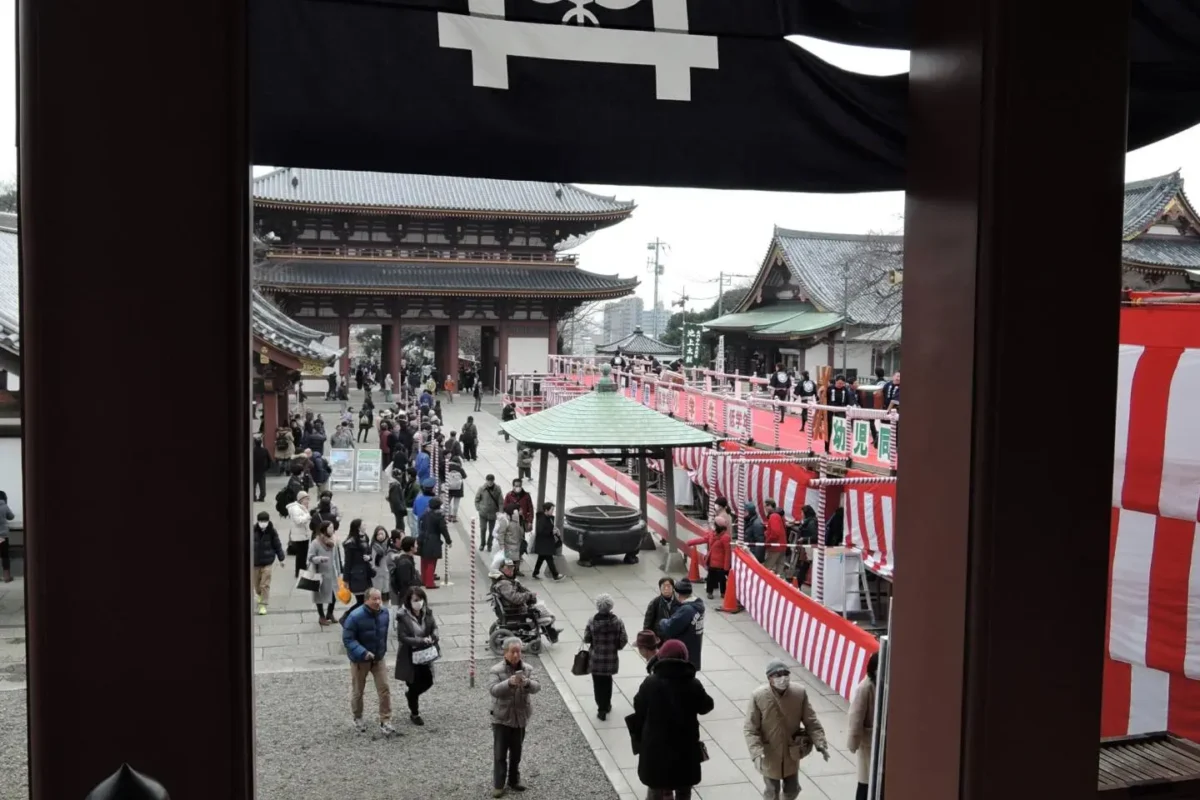
The Setsubun ceremony at Ikegami Honmonji is a magnificent and deeply spiritual winter festival held annually at one of Tokyo’s most historic and revered Buddhist temples in Ota City. This grand traditional event marks the symbolic transition from winter to spring on the lunar calendar, drawing thousands of enthusiastic participants and visitors seeking to drive away misfortune and invite good fortune into their lives. Set against the majestic backdrop of towering temple structures and sacred cedar trees, the festival transforms the sprawling temple grounds into a vibrant center of ancient ritual, community devotion, and joyous celebration.
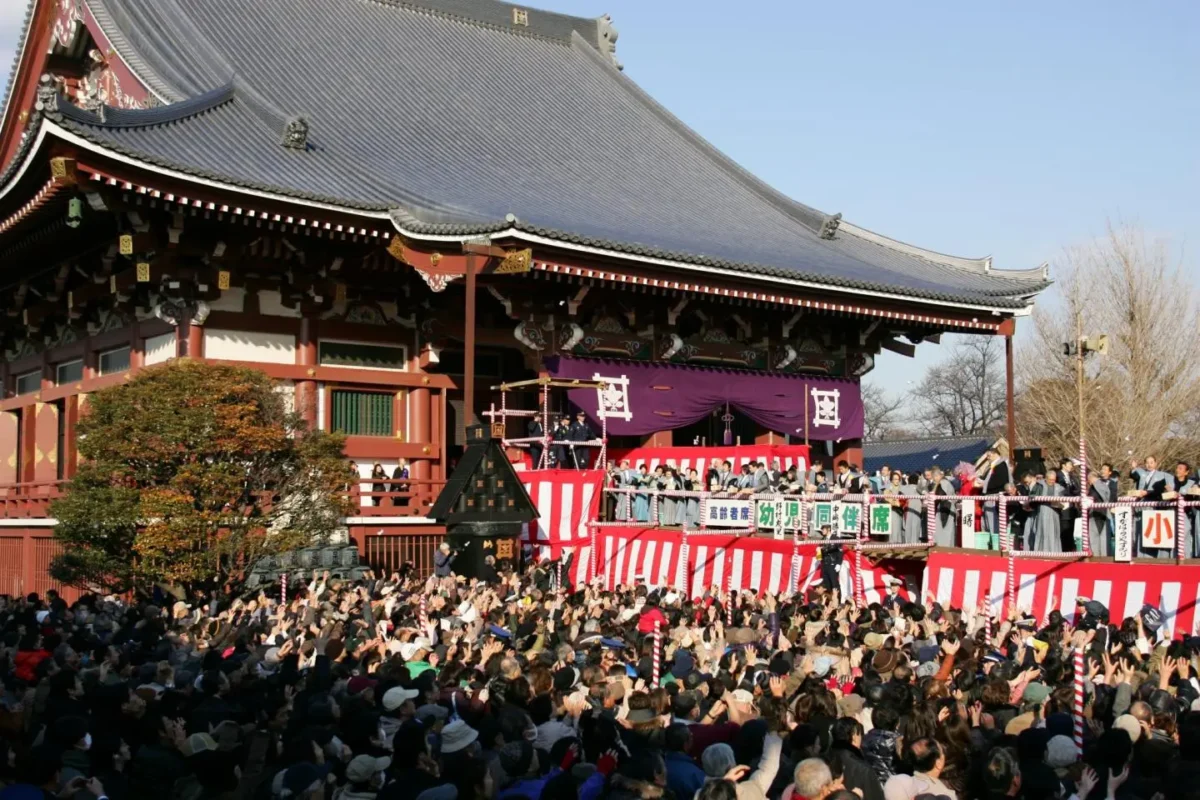
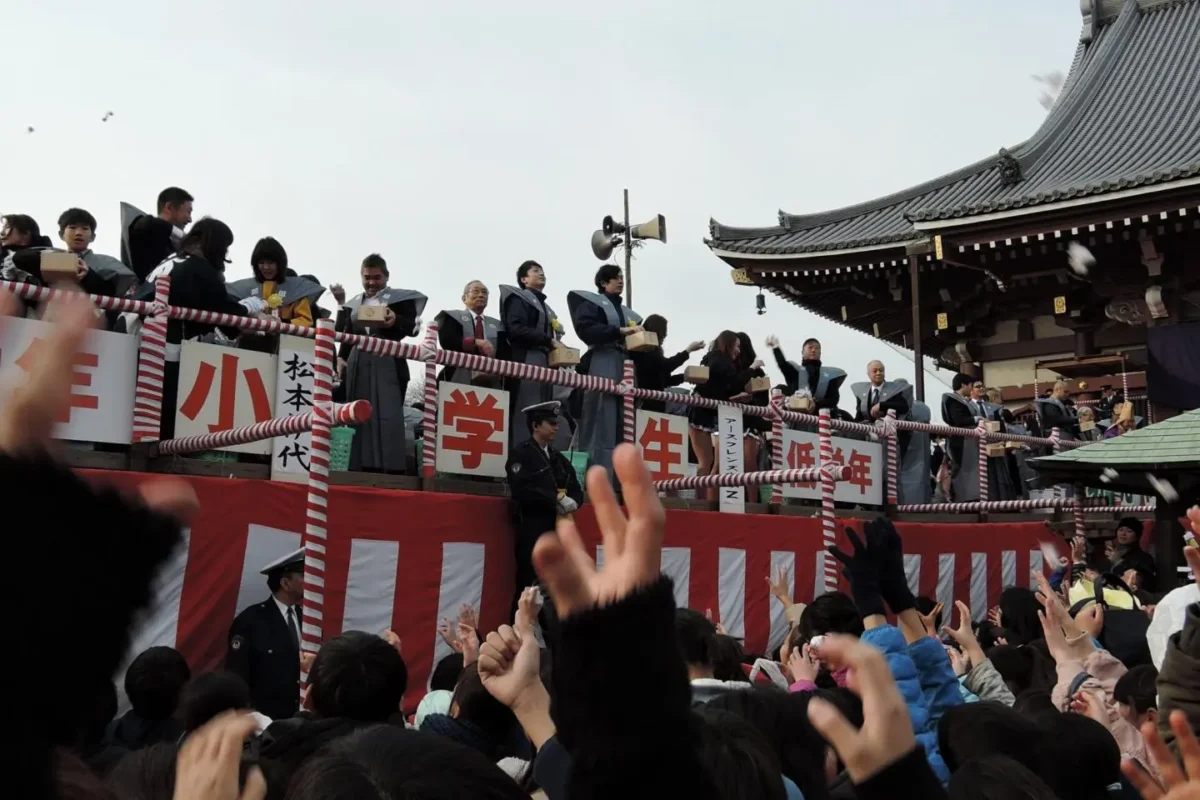
The centerpiece of the festival is the renowned bean-throwing ritual known as mamemaki, where priests, celebrity guests, athletes, and local dignitaries ascend the grand ceremonial stages to toss roasted soybeans and good-luck packets into the surging crowd. Chanting the traditional phrase “Devils out, fortune in,” participants eagerly reach out to catch the blessed beans, believing that gathering them brings health, prosperity, and protection for the coming year. The atmosphere crackles with electrifying energy and infectious joy as thousands of people unite in this centuries-old custom of renewal and hope.
Beyond the thrilling bean-throwing ceremonies, the festival offers a unique cultural window into the spiritual heritage of Nichiren Buddhism. Visitors can explore the magnificent five-story pagoda—one of Tokyo’s oldest surviving wooden architectural treasures—while soaking in the serene yet festive ambiance of the temple precinct. It stands out as one of the capital’s most exhilarating winter traditions, bridging ancient religious devotion with a lively, welcoming community celebration.
Enjoy Your Event Stress-Free with Japan Travelo
Do you know? Planning events, festivals, concerts, and cultural experiences in Japan can be overwhelming. Japan Travelo brings everything together in one place, helping you manage your itinerary, transport, and accommodation with ease—so you can enjoy Japan without the stress of planning.
Event Highlights
- Witness the spectacular bean-throwing mamemaki ceremonies led by revered Buddhist priests, cultural icons, and celebrity guests from grand temple stages.
- Experience the exhilarating energy of the surging crowd eagerly catching blessed beans and good-luck packets to ward off bad fortune.
- Explore the sacred grounds of Ikegami Honmonji, featuring the stunning five-story pagoda designated as an important national cultural property.
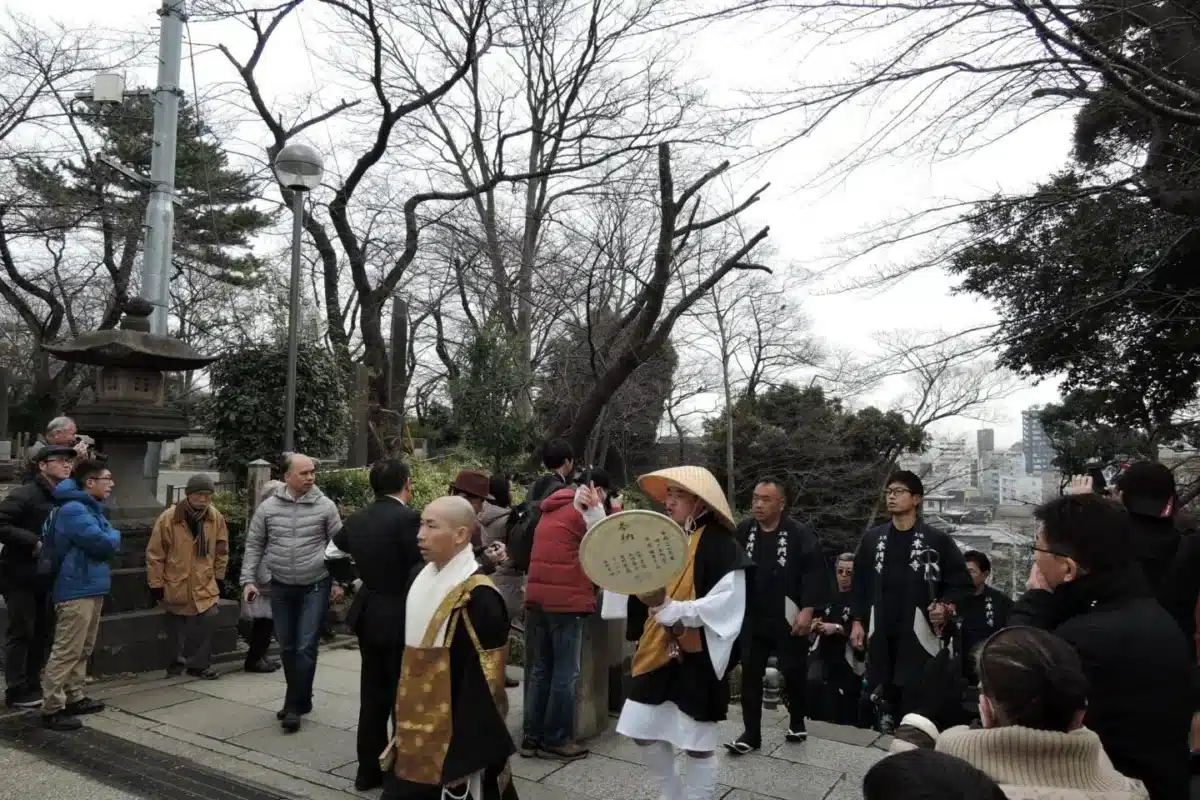
- Admire traditional priestly vestments, ceremonial rituals, and centuries-old Buddhist customs performed in an authentic temple setting.
Why Attend
This event is ideal for international cultural travelers, photography enthusiasts, and visitors seeking an authentic, high-energy immersion into traditional Japanese winter customs. Attending offers a rare opportunity to participate in one of Tokyo’s largest and most famous Setsubun celebrations, experiencing firsthand the vibrant community spirit that has thrived for centuries. The visual spectacle of the crowded temple stages and the joyful participation of thousands create an unforgettable cultural memory.
Furthermore, attending the festival allows travelers to explore the architectural splendor and tranquil gardens of a major historic temple complex while participating in a joyful seasonal rite. Whether you are eager to capture dynamic cultural photographs or simply want to take part in welcoming the arrival of spring, the festival provides a deeply rewarding and uplifting journey.
Date & Duration:
- Event Date: Early February 2027 (Dates TBD)
- Event Duration: The festive celebrations span a full day of scheduled prayer services, ritual performances, and multiple bean-throwing sessions.
Visiting this event? Don’t miss out on these amazing activities and local experiences while you’re here.
Ticket Information:
- How Tickets Are Sold: This is an open-air public temple festival conducted freely across the expansive grounds of Ikegami Honmonji, requiring no advance tickets for general attendance.
- Admission Type: Free Admission.
- Ticket Pricing: Free Admission.
- Special Seating Options: There are no reserved seating arrangements for general spectators as the event is designed for open public viewing around the main stages.
- VIP Options: There are no VIP ticketing tiers or exclusive viewing packages available for this open community temple event.
Venue / Location:
- City and Country: Ota City, Tokyo, Japan
- Venue Name: Ikegami Honmonji Temple
- Google Maps Address: 1 Chome-1-1 Ikegami, Ota City, Tokyo 146-8576, Japan
Contact Information:
- Email: info@honmonji.jp
- Phone Number: +81 3-3752-2331
- Official Website: www.honmonji.jp
Accommodation Options
Ota City and the surrounding districts offer an excellent selection of lodgings, ranging from comfortable modern business hotels near major railway stations like Kamata to traditional neighborhood inns. Securing accommodation close to Ikegami Station or Omori Station ensures effortless transit access directly to the temple area while keeping you well-connected to central Tokyo.
Because this major winter festival attracts numerous domestic visitors and cultural enthusiasts, booking your preferred accommodation well in advance is highly recommended. Choosing a hotel in this residential sector provides a wonderful base for exploring both the temple festivities and the broader attractions of south Tokyo.
Getting There
- Nearest Airport: Tokyo Haneda Airport, situated approximately six miles away from the Ikegami district.
- Nearest Train/Metro Station: Ikegami Station on the Tokyu Ikegami Line, located a short, pleasant walk from the temple grounds.
- Bus Routes or Public Transport Options: Comprehensive local bus networks connect Omori Station and Kamata Station directly to the Ikegami Honmonji area.
- Parking Availability: Public parking spaces are extremely limited around the temple during major festival days, so utilizing public rail transit is strongly advised.
- Directions by Car: Accessible via major metropolitan roadways and local thoroughfares leading through Ota City toward the Ikegami residential zone.
Dining Recommendations
- Breakfast Recommendations:
- Cozy local bakeries near Ikegami Station offering freshly baked pastries and hot coffee.
- Traditional Japanese cafes serving classic morning toast sets and soothing green tea.
- Hotel breakfast buffets featuring a delightful selection of Japanese and Western morning dishes.
- Lunch Recommendations:
- Historic local soba and udon noodle shops near the temple serving comforting hot broth bowls.
- Traditional neighborhood restaurants offering savory tempura and rice set meals.
- Local family-run eateries serving classic Japanese comfort foods in Ota City.
- Dinner Recommendations:
- Cozy local izakaya taverns serving grilled skewers, savory small plates, and warm beverages.
- Traditional dining establishments offering delicious katsu cutlets and regional specialties.
- Contemporary restaurants located near Kamata Station offering diverse culinary options.
- Local Specialties to Try:
- Traditional roasted soybeans packaged specifically for the Setsubun seasonal purification rituals.
- Steamed manju buns and local sweets available from historic confectioneries near the temple path.
- Hearty winter noodle dishes designed to warm you up after exploring the outdoor temple grounds.
What is this event?
Setsubun at Ikegami Honmonji is a major annual Buddhist festival held in early February to celebrate the eve of spring according to the traditional lunar calendar. It gathers thousands of people at a historic temple to perform purification rites and welcome good fortune.
This grand celebration is famous for its energetic bean-throwing ceremonies where priests and celebrity guests toss blessed soybeans into eager crowds. It serves to drive away evil spirits and pray for health and prosperity in the coming year.
Why is it popular?
The festival achieves widespread renown because Ikegami Honmonji is one of the most magnificent and historically significant temples in the Tokyo metropolitan area. The sheer scale of the gathering and the thrilling energy of the bean-throwing rituals draw massive crowds every winter.
It is also celebrated for its authentic spiritual atmosphere combined with the star-studded appeal of guest participants on the main stage. This unique blend of deep tradition and public festivity makes it an absolute favorite winter event.
Tips before you go
- Arrive early in the day to secure a safe and optimal viewing position near the main stages before the massive crowds assemble.
- Wear warm winter clothing, layers, and comfortable walking shoes, as you will be standing outdoors on temple grounds for extended periods.
- Stay mindful of your personal belongings and maintain awareness of your surroundings during the energetic bean-throwing rushes.
- Respect all temple structures, monks, and fellow attendees while participating in the historic grounds.
- Bring a small bag if you wish to collect blessed soybeans or commemorative good-luck packets tossed from the stage.
Tips for First-Time Visitors
- Plan your train transit in advance using the Tokyu Ikegami Line to arrive smoothly at the closest local station.
- Take time to explore the grand wooden temple halls and admire the ancient five-story pagoda before the main ceremonies begin.
- Familiarize yourself with the schedule of multiple bean-throwing sessions so you can plan your day at the temple effectively.
- Keep small cash denominations handy for purchasing warm drinks or traditional snacks from local street vendors near the entrance.
- Enjoy the welcoming atmosphere created by local volunteers and temple staff who assist visitors throughout the grounds.
- Respect quiet meditation zones within the temple complex while enjoying the lively festival atmosphere in open plazas.
Attendee Experiences
- Catching a blessed good-luck packet amid the cheerful, surging crowd was an exhilarating and unforgettable winter moment.
- Standing before the majestic five-story pagoda while traditional chants echoed through the crisp air felt deeply spiritual.
- The vibrant energy and communal warmth of thousands of people welcoming spring together made the visit truly special.
Location
FAQ
What is the cultural meaning behind throwing beans at Setsubun?
Throwing roasted soybeans during Setsubun is an ancient ritual called mamemaki, symbolising the purification of the home and the expulsion of evil spirits. The act cleanses misfortune from the past year and invites health, wealth, and good luck for the upcoming spring.
Why do people chant particular phrases during the bean-throwing?
Participants traditionally chant "Devils out, fortune in" while tossing or catching the beans to actively drive away negative forces and welcome prosperity. This playful yet meaningful chant unites the crowd in a shared expression of hope.
Is admission required to enter the Ikegami Honmonji temple grounds?
Access to the expansive temple grounds and the general public viewing areas for the Setsubun festival is entirely free for everyone. Visitors can freely walk through the precinct and observe the ceremonies without purchasing tickets.
What makes Ikegami Honmonji a special location for Setsubun?
As one of the head temples of Nichiren Buddhism and the site of Tokyo's oldest wooden pagoda, Ikegami Honmonji offers an exceptionally grand and historic setting. Its centuries-old heritage lends immense cultural gravity to the annual spring-welcoming rituals.
Are special items sold at the temple during the festival?
Numerous stalls and temple booths offer blessed roasted soybeans, protective amulets, and seasonal good-luck charms specifically consecrated for Setsubun. These items provide visitors with a meaningful memento of their participation in the ancient ritual.

Leave a Reply