
-
February 3, 2027
Event date:
-
February 3, 2027
Event end:
What to expect in 2027
Setsubun Mantoro Festival 2027 will take place at Kasuga Taisha in Nara on Setsubun, the traditional day marking the seasonal transition from winter toward spring in the Japanese calendar. The festival is one of Kasuga Taisha’s major annual lantern ceremonies and creates a distinctive nighttime atmosphere inside the historic shrine grounds.
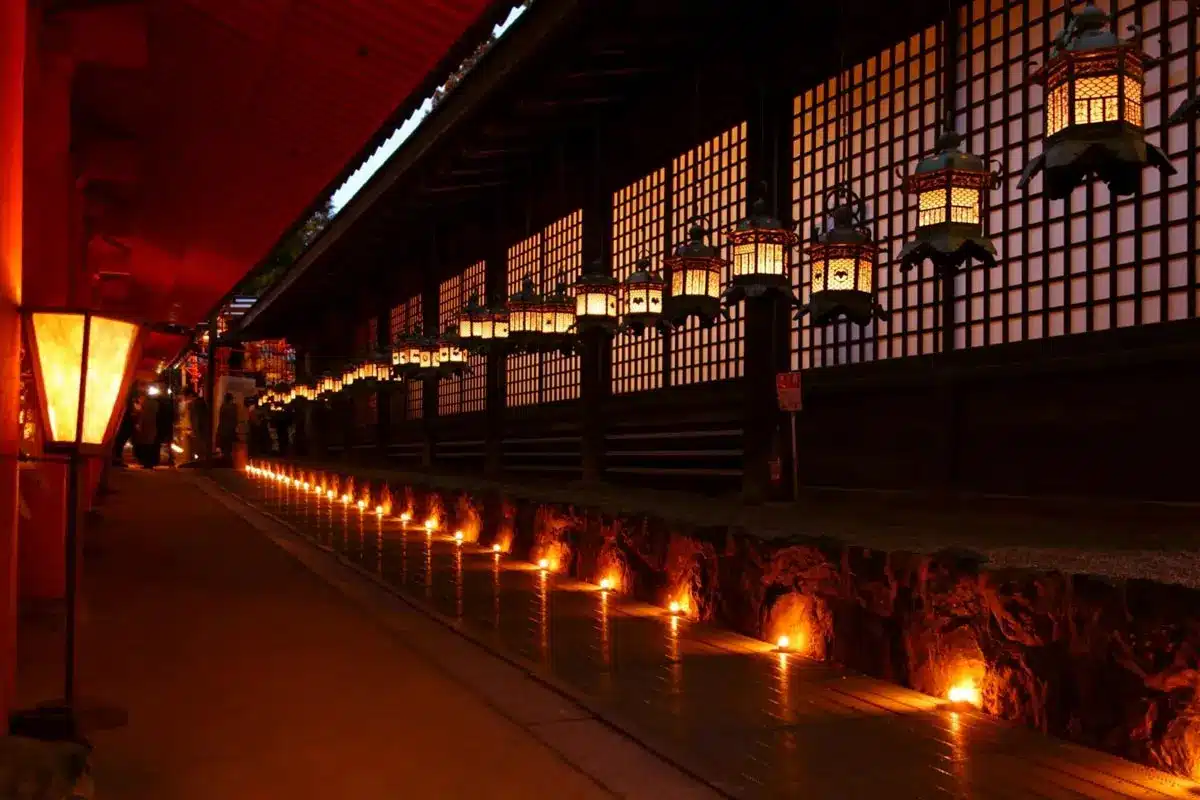
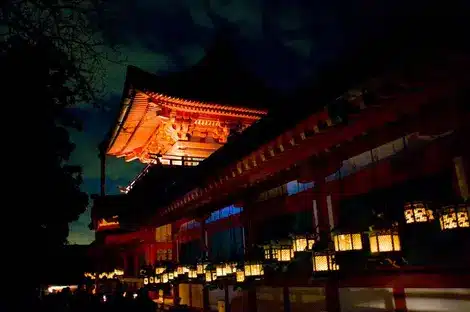
The central feature is the lighting of approximately 3,000 lanterns throughout the shrine precinct. Around 2,000 of these are stone lanterns and approximately 1,000 are hanging lanterns. Together, they illuminate the approach, shrine grounds and vermilion-painted corridors, creating one of Nara’s most atmospheric traditional evening scenes.
The lanterns are not simply decorative installations. They have been dedicated over centuries by people praying for wishes such as family safety, business prosperity, military success and the peaceful repose of ancestors. Some of the lanterns are associated with historical figures and dates reaching back to the Heian period.
Enjoy Your Event Stress-Free with Japan Travelo
Do you know? Planning events, festivals, concerts, and cultural experiences in Japan can be overwhelming. Japan Travelo brings everything together in one place, helping you manage your itinerary, transport, and accommodation with ease—so you can enjoy Japan without the stress of planning.
For visitors, the experience is primarily cultural and spiritual rather than a conventional festival with commercial stalls or a large entertainment programme. The evening centres on the shrine’s sacred environment, illuminated lanterns, traditional ritual atmosphere and special access to areas that are not normally experienced in the same way after dark.
The 2027 event is listed by the Nara City Tourism Association as taking place on February 3, with special viewing beginning at approximately 6:00 PM. Programme details can be adjusted according to shrine arrangements, so visitors should check the official information before travelling.
Event dates
Setsubun Mantoro Festival 2027 will be held on February 3, 2027, at Kasuga Taisha in Nara.
- Event date: February 3, 2027
- Festival: Setsubun Mantoro
- Venue: Kasuga Taisha
- City: Nara
- Prefecture: Nara Prefecture
- Country: Japan
- Main lantern period: Approximately 6:00 PM to 8:30 PM
- Special viewing: Begins at approximately 6:00 PM
The Nara City Tourism Association’s 2027 event listing confirms the date and indicates that special shrine viewing begins at approximately 6:00 PM. Kasuga Taisha’s annual calendar describes Setsubun Mantoro as an evening ceremony during which all of the shrine’s approximately 3,000 lanterns are illuminated.
Because the ceremony takes place outdoors and within historic shrine buildings and corridors, visitors should allow enough time to arrive before the main illumination period and follow staff instructions once inside the precinct.
Visiting this event? Don’t miss out on these amazing activities and local experiences while you’re here.
Venue & event locations
The main venue is Kasuga Taisha, one of Nara’s most important historic Shinto shrines. The shrine is located at 160 Kasuganocho, Nara City, within the Nara Park area.
The festival uses the wider shrine precinct rather than a temporary festival ground. The lanterns are positioned across the grounds, including the stone lanterns along approaches and the hanging lanterns associated with the shrine’s corridors.
Kasuga Taisha
Kasuga Taisha was established in the early Nara period and has a long connection with the history and religious traditions of the ancient capital. The shrine’s vermilion architecture, forest setting, stone lanterns and hanging lanterns provide the visual setting for Setsubun Mantoro.
Shrine approaches
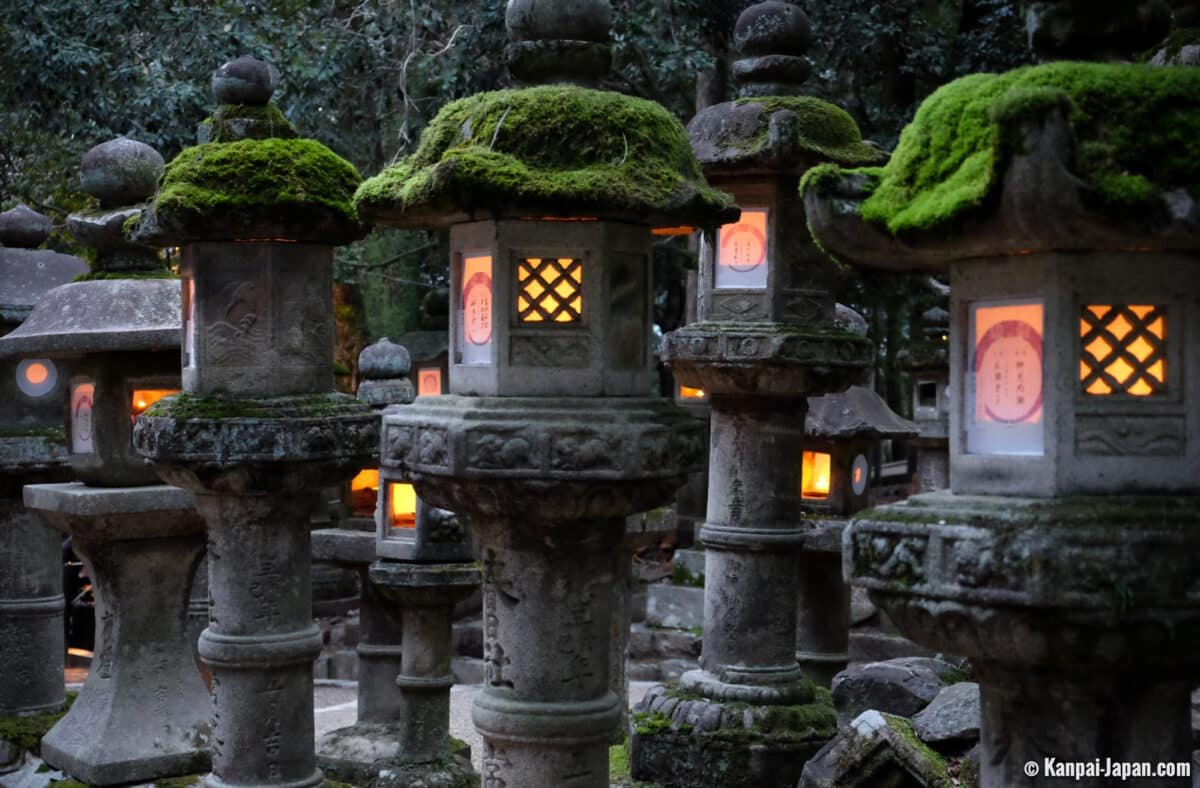
The stone lanterns along the approaches form an important part of the evening experience. When illuminated, they create a continuous path of warm light through the wooded shrine environment.
Main shrine and corridor area
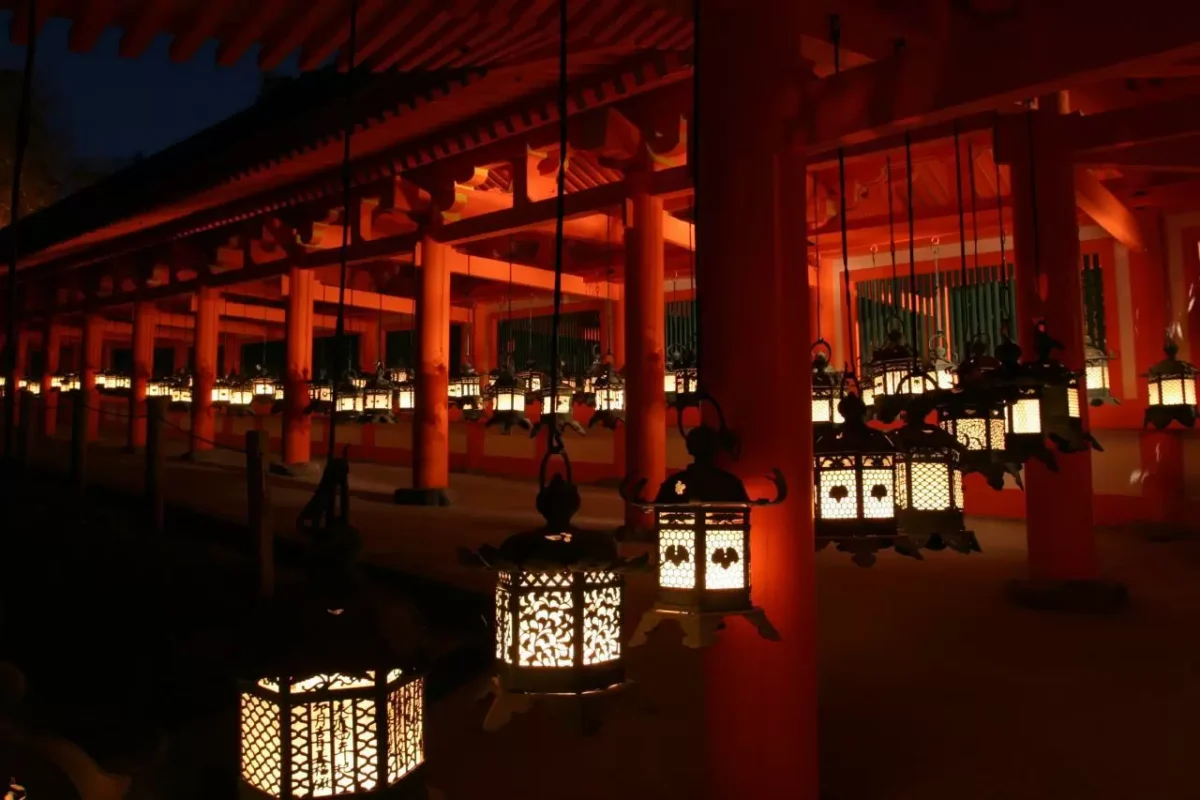
The hanging lanterns around the main shrine create the most distinctive visual experience. Special viewing allows visitors to experience the illuminated shrine corridors during the evening programme.
Full holiday programme
Setsubun Mantoro is primarily a religious and cultural observance, so its programme differs from a commercial winter festival. The central programme revolves around the ceremonial lighting of the lanterns and special access to the shrine precinct.
The established programme includes:
- Setsubun Mantoro observance
- Illumination of approximately 3,000 lanterns
- Special evening shrine viewing
- Illumination of approximately 2,000 stone lanterns
- Illumination of approximately 1,000 hanging lanterns
- Traditional shrine atmosphere after sunset
- Prayer for the fulfilment of people’s wishes
- Traditional performance associated with the ceremony
- Opportunities for lantern dedication
Kasuga Taisha’s annual event information also records a traditional Bugaku performance around 5:30 PM, followed by the lighting of the lanterns at approximately 6:00 PM and closure around 8:30 PM. Visitors should confirm the final 2027 operational schedule with the shrine because timings and arrangements can change.
The festival is therefore best understood as a concentrated evening cultural experience rather than a full-day fair.
Main attractions & highlights
Approximately 3,000 illuminated lanterns
The main attraction is the simultaneous illumination of approximately 3,000 lanterns throughout the shrine grounds. This includes around 2,000 stone lanterns and 1,000 hanging lanterns.
Historic stone lanterns
The stone lanterns have been dedicated to Kasuga Taisha over many centuries. Among the historically notable examples are the Yuzuki-style stone lantern traditionally associated with Fujiwara no Tadamichi and a Ruri lantern traditionally associated with Fujiwara no Yorimichi.
Hanging lanterns
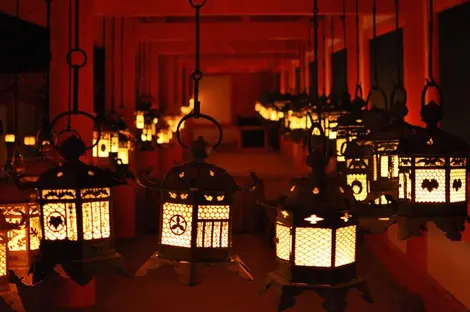
The approximately 1,000 hanging lanterns create a particularly atmospheric scene around the shrine’s vermilion corridors. Their warm illumination against the dark winter evening is one of the most recognisable visual features of the Mantoro ceremonies.
Traditional architecture
The illumination allows visitors to experience Kasuga Taisha’s architecture in a different setting from a daytime visit. The combination of vermilion corridors, lantern light and surrounding forest gives the evening a distinctly historic character.
Traditional performance
Kasuga Taisha’s established Setsubun programme includes a Bugaku performance before the lanterns are fully illuminated. Visitors interested in traditional Japanese performing arts should check the official schedule for the 2027 programme.
Markets, decorations & themed areas
Setsubun Mantoro is not primarily a market-style festival, and visitors should not expect a large commercial food market or rows of temporary festival stalls.
Instead, the shrine itself becomes the main illuminated environment.
The most important visual areas include:
- Stone lantern-lined approaches
- The shrine precinct
- Vermilion-painted corridors
- Hanging lantern areas
- Main shrine surroundings
- Traditional forest pathways
The lanterns themselves function as the principal decoration. Their significance comes from their history as offerings made by worshippers over generations rather than from temporary festival decoration. Kasuga Taisha explains that the lanterns were dedicated with prayers for family safety, business prosperity, military success and other wishes.
This makes the festival particularly different from modern illumination events. The lights are part of an established religious tradition and are integrated directly into the historic shrine environment.
Events & entertainment schedule
The evening programme traditionally follows a relatively focused sequence.
Traditional performance
A Bugaku performance is traditionally associated with the Setsubun Mantoro programme, with Kasuga Taisha’s annual information placing it around the period before the main lantern illumination.
Lantern illumination
The approximately 3,000 lanterns are traditionally illuminated from around 6:00 PM. This is the central moment of the evening and the point at which the shrine precinct changes into a fully illuminated nighttime setting.
Special shrine viewing
Special viewing inside the shrine corridor area begins at approximately 6:00 PM according to the 2027 Nara City Tourism Association listing.
Evening closure
The established schedule indicates closure at approximately 8:30 PM. Visitors should arrive early enough to experience the illumination without rushing toward the end of the evening.
Because this is a religious ceremony rather than a stage festival, the atmosphere remains quiet and contemplative compared with large public entertainment events.
Admission & ticket information
The general festival atmosphere around the shrine is not presented as a conventional ticketed festival. However, special viewing within the shrine corridors has an admission charge.
The established special-viewing price is:
- Special corridor viewing: $5 USD per person approximately
This USD figure is converted from the published 700 Japanese yen admission used for the special viewing. The shrine and Nara tourism information list the special viewing at 700 yen.
The price should be treated as the published admission level rather than a guarantee of the final 2027 charge, since event arrangements can change.
Kasuga Taisha also provides the opportunity to dedicate a lantern. The established offering for lantern dedication is from approximately 3,000 yen, equivalent to about $20 USD, although visitors should confirm the current offering arrangements directly with the shrine.
Visitors should distinguish between ordinary access to the shrine grounds and special access associated with the illuminated corridor area.
Special experiences & activities
The most distinctive experience is walking through the shrine environment while the lanterns are illuminated.
The special viewing area allows visitors to experience the hanging lanterns at close range, particularly around the vermilion corridors. This provides a different perspective from simply viewing the lanterns from the outer approach.
Another meaningful experience is observing the relationship between the lanterns and the history of Kasuga Taisha. Many lanterns represent offerings connected with prayers and personal wishes, giving the illumination a religious meaning beyond its visual appearance.
Visitors may also have the opportunity to participate in lantern dedication according to the shrine’s arrangements. The practice connects the visitor with the long tradition of people offering lanterns at Kasuga Taisha.
Photography is another popular activity, although visitors should remain respectful of worshippers and shrine rules. The contrast between the dark forest, illuminated stone lanterns and vermilion architecture creates distinctive nighttime photography opportunities.
Family & children’s activities
Setsubun Mantoro is suitable for families interested in Japanese cultural traditions, although it is not specifically designed as a children’s entertainment festival.
Children can experience:
- Traditional Japanese shrine architecture
- Illuminated stone lanterns
- Hanging lanterns
- Japanese religious customs
- Traditional performing arts
- The atmosphere of Nara’s historic shrine district
Families should be aware that the main programme occurs in the evening and during winter. Temperatures can be low, and some paths may be dark, uneven or slippery.
Parents should keep children close in crowded areas and avoid allowing them to touch lanterns, shrine structures or ceremonial equipment.
The event can be particularly educational for older children because the lanterns provide an opportunity to explain Japanese religious traditions, offerings and the seasonal meaning of Setsubun.
Event rules
Visitors should treat Kasuga Taisha as an active religious site rather than simply as an illumination attraction.
Important visitor considerations include:
- Follow instructions from shrine staff.
- Remain within areas open to visitors.
- Do not touch lanterns or shrine fixtures.
- Respect worshippers and ceremonial activities.
- Keep voices low in sacred areas.
- Follow photography restrictions where posted.
- Do not block pathways for photographs.
- Supervise children throughout the evening.
- Wear suitable footwear for winter pathways.
- Follow any temporary crowd-control measures.
Visitors should also understand that the programme can be changed because of circumstances at the shrine. The Nara City Tourism Association specifically notes that event contents may change and recommends checking the official shrine website before visiting.
How to get there
Kasuga Taisha is located in Nara Park and can be reached from both JR Nara Station and Kintetsu Nara Station.
According to the Nara City Tourism Association, visitors can take a bus from JR Nara Station or Kintetsu Nara Station toward Kasuga Taisha Honden. The journey is approximately 11 to 15 minutes, with the Kasuga Taisha Honden stop located directly by the shrine.
Another option is to take the city circular bus to the Kasuga Taisha Omotesando stop. From there, visitors walk approximately 10 minutes to reach the shrine.
Walking is also possible for visitors already sightseeing around Nara Park. However, because the festival is an evening event in winter, visitors should allow additional time and wear comfortable, warm footwear.
Public transport & parking
Public transportation is a practical choice for Setsubun Mantoro because the event takes place in the historic Nara Park area.
Bus services connect the main railway stations with Kasuga Taisha. Visitors using JR Nara Station or Kintetsu Nara Station can take the appropriate city bus toward the shrine.
The Kasuga Taisha Honden stop is particularly convenient because it is immediately by the shrine.
Visitors using the Kasuga Taisha Omotesando stop should allow approximately 10 minutes for the walk from the bus stop to the shrine.
Parking arrangements may be available at or around Kasuga Taisha, but winter event traffic and evening visitor numbers can make driving less convenient. Previous Kasuga Taisha event information has listed shrine parking operations during Mantoro events, but visitors should confirm 2027 parking arrangements directly with the shrine before driving.
Public transport also avoids the need to navigate unfamiliar roads around Nara Park after dark.
Accommodation areas
The most convenient accommodation areas are around Nara Station, Kintetsu Nara Station and the central Nara Park district.
Kintetsu Nara Station area
This area is particularly useful for visitors who want easy access to Nara Park, shopping streets and restaurants. It also provides convenient connections for visitors arriving by train.
JR Nara Station area
The area around JR Nara Station offers a wide selection of accommodation and provides direct bus connections toward Kasuga Taisha.
Nara Park area
Staying closer to the park can provide a quieter cultural atmosphere and reduce travel time to the shrine, although accommodation availability can be more limited.
Visitors planning to attend the evening ceremony should consider staying overnight in Nara rather than travelling back to another city immediately after the event.
Food, drinks & seasonal specialties
Setsubun Mantoro is not primarily a food festival, so visitors should plan meals separately from the main lantern ceremony.
Nara’s central districts provide restaurants, cafés and traditional food establishments where visitors can eat before or after visiting Kasuga Taisha.
Winter is a good season for warm Japanese dishes, noodles, rice dishes, tea and traditional sweets.
Visitors can combine the festival with a meal in the Nara Park or central Nara area, allowing enough time to reach Kasuga Taisha before the evening illumination begins.
Because the main ceremony takes place after sunset, eating beforehand can be particularly convenient. Visitors should not assume that extensive food stalls will be operating inside the shrine grounds.
Traditional Japanese sweets and tea can also complement a cultural visit to Nara, especially for visitors exploring the historic city during the same trip.
Accessibility
Kasuga Taisha is located within a historic shrine environment, and visitors should expect a mixture of paved areas, traditional pathways, uneven surfaces and outdoor routes.
Winter conditions can also affect walking surfaces. Visitors with mobility limitations should check the latest shrine information before attending and ask staff about accessible routes.
The special viewing area involves movement through historic shrine spaces, so visitors should allow additional time if they require assistance.
Families with strollers should also prepare for the possibility that some historic paths may not be as straightforward to navigate as modern tourist facilities.
The shrine’s staff and official visitor information should be consulted for specific accessibility requirements before travelling.
Best days & times to visit
Setsubun Mantoro 2027 takes place on a single day, February 3, so visitors do not have multiple festival days from which to choose.
The most important period is the evening illumination. The Nara City Tourism Association lists special viewing from approximately 6:00 PM, while Kasuga Taisha’s annual schedule indicates that the lanterns are illuminated around that time and the evening continues until approximately 8:30 PM.
Arriving before the main illumination can make the visit more relaxed because visitors can become familiar with the shrine grounds before darkness fully sets in.
Those interested in traditional performing arts should check the official programme for the Bugaku performance.
For photography, the period after the lanterns are fully illuminated offers the strongest contrast between the warm lantern light and the dark winter surroundings.
Visitors should also dress for cold weather because much of the experience takes place outdoors.
Previous year’s highlights
The established Mantoro tradition provides the foundation for the 2027 event. Kasuga Taisha’s annual information describes the Setsubun ceremony as one of the occasions when approximately 3,000 lanterns throughout the shrine precinct are illuminated.
The illuminated collection includes approximately 2,000 stone lanterns and 1,000 hanging lanterns. Many were dedicated over long periods by worshippers expressing prayers for family safety, business prosperity and other wishes.
Historic lanterns are an important part of the experience. Kasuga Taisha’s information identifies notable lanterns associated traditionally with historical figures including Fujiwara no Tadamichi and Fujiwara no Yorimichi.
The traditional programme has also included Bugaku before the lantern illumination, adding a performing-arts element to the religious ceremony.
Previous Mantoro arrangements have also offered special viewing inside the shrine corridors, allowing visitors to experience the hanging lanterns from a closer perspective.
The combination of ancient lanterns, shrine architecture, winter darkness and traditional ceremony remains the defining characteristic of Setsubun Mantoro.
Official event information
Setsubun Mantoro Festival 2027 will be held at Kasuga Taisha in Nara on February 3, 2027. The Nara City Tourism Association confirms the 2027 event and lists special shrine viewing beginning at approximately 6:00 PM.
Kasuga Taisha’s official annual calendar describes the ceremony as an evening event in which approximately 3,000 lanterns are illuminated, with traditional Bugaku associated with the programme and closure planned around 8:30 PM.
Official event information: https://narashikanko.or.jp/event/detail_10284.html
Venue: Kasuga Taisha, 160 Kasuganocho, Nara City, Nara Prefecture, Japan.
Visitors should check the official Kasuga Taisha website before travelling for the latest information about special viewing, ceremony arrangements, access, photography rules, parking and any changes to the programme.
Video
Location
FAQ
What is Setsubun Mantoro Festival?
The Setsubun Mantoro is a historic lantern festival held at Kasuga Taisha Shrine in Nara, Japan. It marks the seasonal transition from winter to spring (Setsubun) by simultaneously illuminating over 3,000 stone and bronze lanterns, recreating a mystical atmosphere that has been preserved for over 800 years.
When is Setsubun Mantoro held?
The festival is traditionally held in early February each year, coinciding with the official Setsubun holiday in Japan. The evening festivities generally run from approximately 5:30 PM to 8:30 PM.
Where does the festival take place?
The event takes place at Kasuga Taisha Shrine, situated inside the sprawling, sacred forested grounds of Nara Park in Nara Prefecture, Japan.
Is the event free to attend?
Yes, wandering the open shrine paths and viewing the illuminated exterior areas is completely free of charge. Access to the inner shrine corridor areas requires a special admission ticket costing 700 yen (approx. $4.73 USD).
How many lanterns are illuminated?
More than 3,000 individual lanterns—including stone lanterns along the pathways and hanging bronze lanterns in the shrine corridors—are lit by hand with candles for the event.
Can tourists visit Kasuga Taisha during the festival?
Absolutely. Domestic and international tourists are warmly welcomed to participate in the evening viewing, witness sacred dance performances, and purchase seasonal charms or written prayer papers.
What is the best time to arrive?
Arriving around 5:00 PM to 5:30 PM is ideal. This allows you to witness the sacred dance rituals and see the transition of the sky from dusk into deep night as the lanterns are lit at 6:00 PM.

Leave a Reply