
-
September 26, 2026
Event date:
-
September 27, 2026
Event end:
Overview
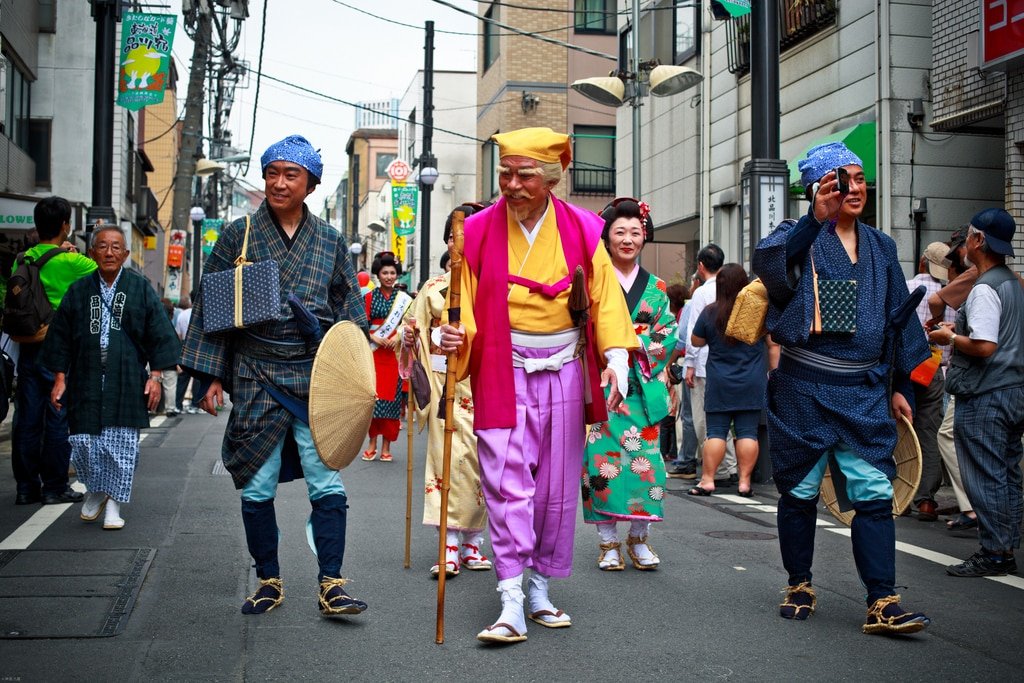
The Shinagawa Shukuba Matsuri is a vibrant historical festival that transports visitors back to the Edo period along the historic Tokaido highway. Held in Tokyo, this lively autumn celebration commemorates Shinagawa-juku, which was the very first of the fifty-three post stations along the ancient highway. The streets come alive with authentic period costumes, traditional music, and cultural exhibitions that honor the rich heritage of the area.
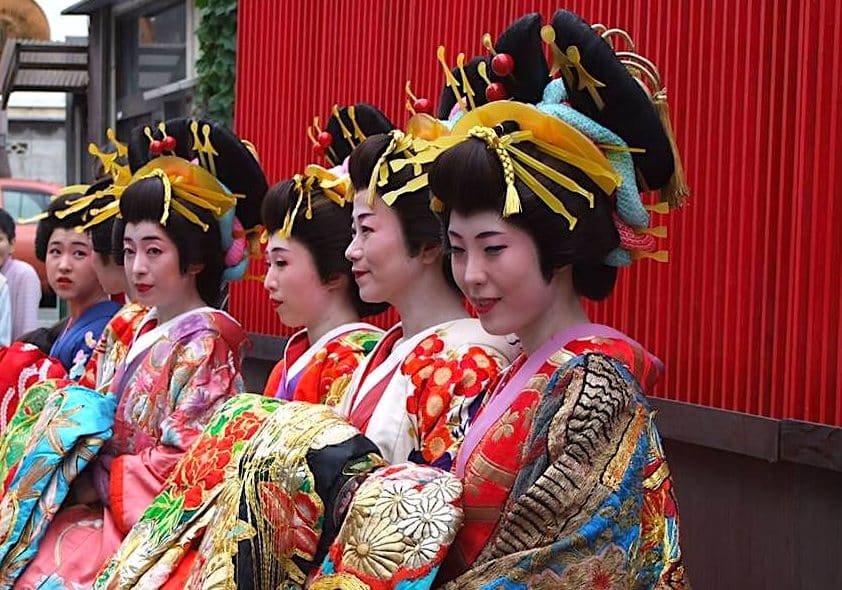
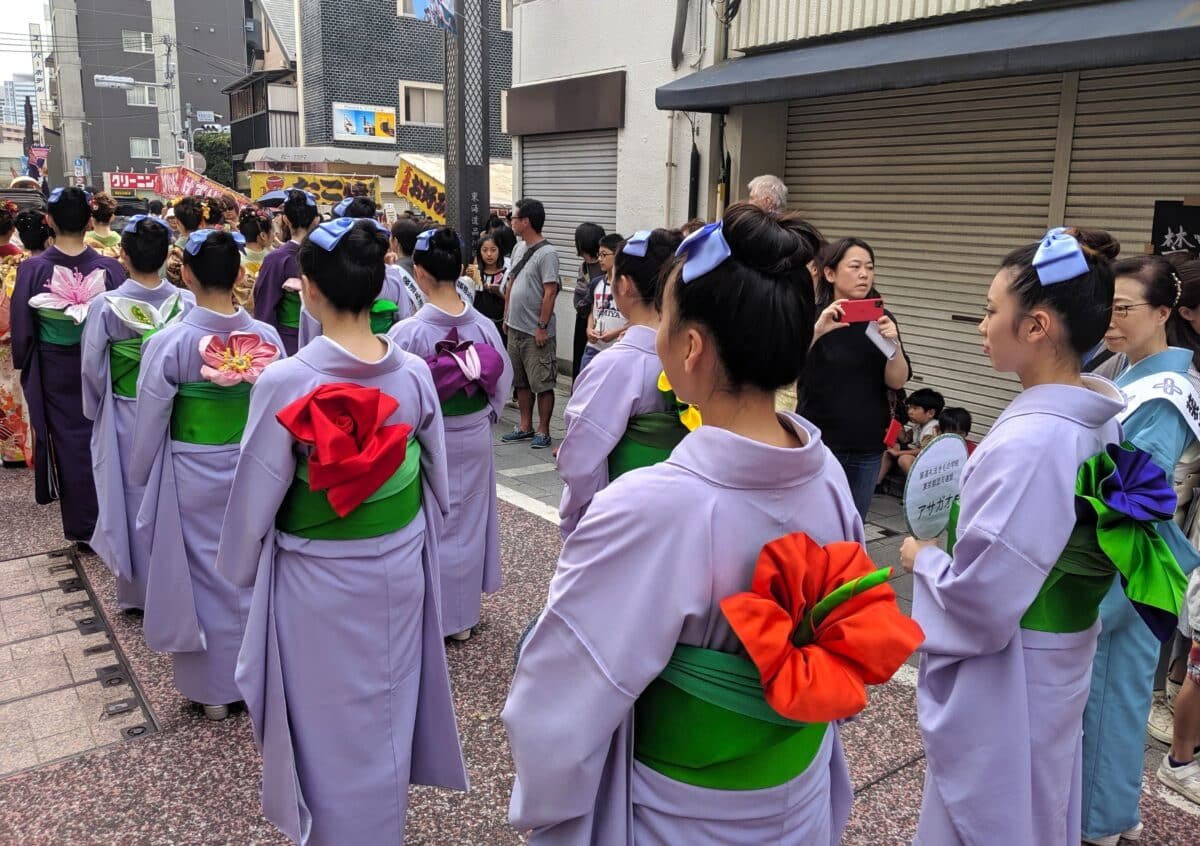
Locals and international visitors alike gather to witness the magnificent Oiran Parade, where performers dressed in elaborate, traditional attire recreate the dazzling processions of historical courtesans. The atmosphere is filled with the energetic beats of taiko drums, the chatter of festival-goers, and the enticing aromas of street food. It provides a rare and immersive window into Japan’s feudal past while maintaining a festive, community-driven spirit.
Beyond the historical pageantry, the festival serves as a wonderful gathering place for families and culture enthusiasts. Attendees can explore local craft booths, watch traditional dance performances, and experience the warm hospitality of the historic Shinagawa neighborhood. It remains an unforgettable celebration that beautifully bridges centuries of Japanese history with modern-day community joy.
Enjoy Your Event Stress-Free with Japan Travelo
Do you know? Planning events, festivals, concerts, and cultural experiences in Japan can be overwhelming. Japan Travelo brings everything together in one place, helping you manage your itinerary, transport, and accommodation with ease—so you can enjoy Japan without the stress of planning.
Event Highlights
- Witness the stunning Oiran Parade featuring performers in authentic and elaborate historical costumes.
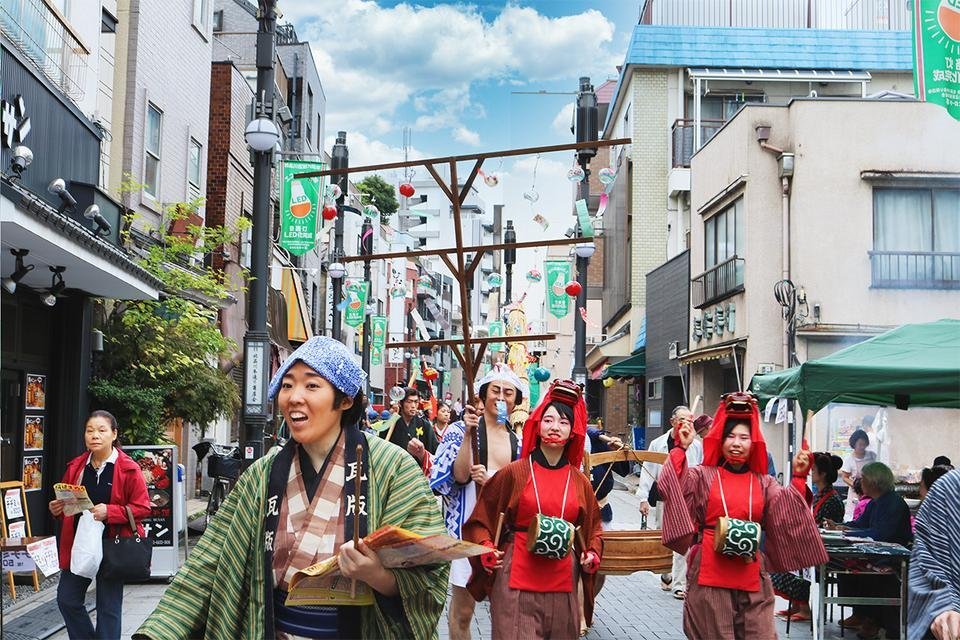
- Explore the historic Tokaido street lined with traditional food stalls and local craft vendors.
- Enjoy dynamic live performances of Japanese taiko drumming and classical folk dances.
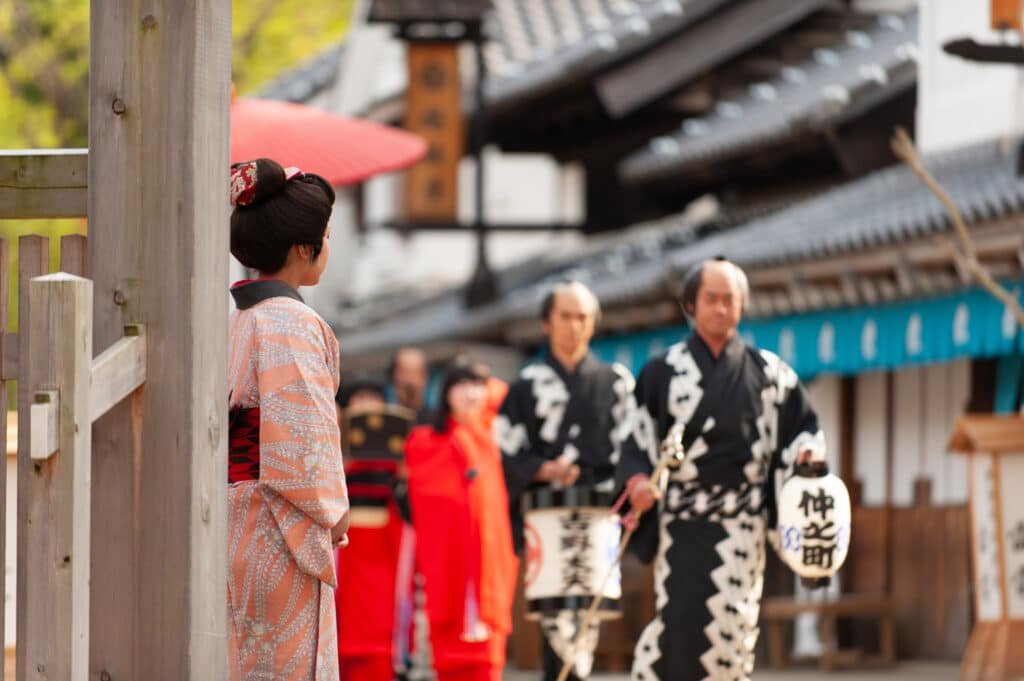
- Experience traditional Edo-period street culture and historical reenactments across the festival grounds.
Why Attend
This event is ideal for history enthusiasts, cultural travelers, and families looking to experience authentic Edo-period traditions in Tokyo. Attending provides a unique opportunity to witness rare historical processions and cultural performances that are seldom seen during ordinary sightseeing. It offers an engaging and educational day out that brings Japanese history vividly to life.
Furthermore, the festival creates a welcoming and lively atmosphere that allows visitors to connect directly with local community traditions. Whether you are passionate about photography, Japanese heritage, or simply seeking a vibrant cultural festival, the Shinagawa Shukuba Matsuri delivers a memorable experience.
Date & Duration
- Event Date: September 26th (Sat) and 27th (Sun), 2026
- Event Duration: A two-day weekend event running from morning through the evening hours.
Visiting this event? Don’t miss out on these amazing activities and local experiences while you’re here.
Ticket Information
- How Tickets Are Sold: No tickets are required as the festival takes place along public streets and is open to everyone.
- Admission Type: Free Admission allowing unrestricted public access to all outdoor viewing areas and street events.
- Ticket Pricing: Free Admission for all visitors with no charges required to enjoy the street processions and performances.
- Special Seating Options: No reserved seating is available, so spectators watch the parades from designated sidewalk viewing zones.
- VIP Options: No official VIP or premium viewing passes are offered for this community street festival.
Venue / Location
- City and Country: Tokyo, Japan
- Venue Name: Shinagawa-juku Historic Area
- Google Maps Address: 1 Chome Kitaishinagawa, Shinagawa City, Tokyo 140-0001, Japan
Contact Information
- Phone Number: 03-3472-4772
- Official Website: shinagawa-shukuba-matsuri.tokyo
Accommodation Options:
Staying in the Shinagawa station area or nearby districts like Gotanda provides exceptional convenience for visitors attending the festival. These central urban locations offer a wide selection of modern hotels with quick transit access to the historic venue.
Booking your accommodation well in advance is highly recommended because autumn festival weekends draw many travelers to Tokyo. Choosing a hotel near the Yamanote train line ensures seamless travel throughout the city during your stay.
Getting There:
- Nearest Airport: Haneda Airport is approximately fifteen kilometers from the venue.
- Nearest Train Station: Shinagawa Station or Kita-Shinagawa Station on the Keikyu Main Line are the closest transit points.
- Public Transport Options: Short walking distance from Kita-Shinagawa Station directly to the historic festival zones along the old highway.
- Parking Availability: No dedicated event parking is provided, and major street closures apply throughout the weekend.
- Directions by Car: Accessible via metropolitan expressways, though public transit is strongly advised due to extensive street restrictions.
Dining Recommendations
Breakfast Recommendations:
- Traditional coffee shops near Shinagawa Station serving freshly brewed coffee and morning toast sets.
- Bakery cafes offering light pastries and breakfast sandwiches before heading out to the festival.
- Hotel breakfast buffets providing a wide selection of both Western and Japanese morning dishes.
Lunch Recommendations:
- Vibrant street food stalls operating along the festival route offering classic Japanese festival snacks.
- Local eateries near the historic highway serving steaming bowls of soba and udon noodles.
- Casual dining spots in Shinagawa offering delicious set lunches featuring seasonal ingredients.
Dinner Recommendations:
- Traditional izakaya pubs near the station serving grilled skewers and comforting regional dishes.
- Local sushi restaurants offering fresh seafood and authentic culinary preparations.
- Dining establishments in the surrounding commercial complexes providing relaxing evening meals.
Local Specialties to Try:
- Shinagawa-style meshi, a traditional regional rice dish rich in local historical flavors.
- Freshly grilled yakitori skewers prepared by neighborhood street vendors during the festival.
- Classic Japanese festival treats like sweet dango dumplings and cotton candy.
What is this event?
The Shinagawa Shukuba Matsuri is an annual historical festival in Tokyo celebrating the heritage of Shinagawa-juku on the old Tokaido highway. It features traditional street processions, period costumes, and cultural performances that recreate the atmosphere of the Edo period.
Thousands of visitors gather along the historic streets to experience authentic Japanese traditions and community celebrations. The event serves as a vibrant tribute to the area’s significant role as a historic post town.
Why is it popular?
The festival gains immense popularity due to its spectacular Oiran Parade, which showcases stunning historical garments and meticulous attention to detail. It offers a rare and immersive cultural experience that brings feudal history directly into a modern Tokyo neighborhood.
People are drawn to the lively street atmosphere, delicious food stalls, and the opportunity to witness living history firsthand. The combination of cultural authenticity and festive energy makes it a beloved autumn highlight.
Tips before you go
- Wear comfortable walking shoes as exploring the long historic street route requires considerable walking on foot.
- Check the daily schedule in advance to secure a good curbside viewing spot for the main Oiran Parade.
- Carry cash in Japanese yen since many street food vendors and craft stalls do not accept card payments.
- Bring sun protection or an umbrella depending on the autumn weather forecast during the weekend.
- Plan your transit route ahead of time to account for temporary street closures in the historic district.
Tips for First-Time Visitors
- Arrive early before the afternoon processions begin to navigate the historic street pathways comfortably.
- Respect all crowd control guidelines and instructions given by local event staff and security personnel.
- Take time to explore smaller side alleys where local artisans display traditional crafts and exhibits.
- Keep your camera ready to capture the colorful costumes and vibrant street decorations throughout the area.
- Be mindful of large crowds along the main highway and keep personal belongings secure while walking.
- Familiarize yourself with the nearest station exits to ensure an easy return journey after the festivities end.
Attendee Experiences
- Seeing the magnificent Oiran Parade up close with all the traditional costumes was an absolute visual masterpiece.
- The historic street vibe mixed with amazing food stalls made for a wonderfully lively and authentic cultural day.
- It felt like stepping back in time while enjoying the warmth and friendliness of the local Tokyo community.
Video
Location
FAQ
What is the historical significance of Shinagawa-juku during the Edo period?
Shinagawa-juku served as the very first post station along the legendary Tokaido highway connecting Edo to Kyoto. Travelers and merchants traditionally gathered here before embarking on their long journeys across the country. The modern festival honors this rich heritage by recreating the vibrant culture of that era.
Is photography permitted during the Oiran Parade and street performances?
Photography is generally permitted from designated spectator viewing areas along the sidewalks of the festival route. Spectators are kindly requested to avoid using flash photography or blocking pathways to ensure performer safety. Respecting the personal space of participants in historical costume is also essential.
Are there English-language guides or information maps available on-site?
Information booths set up near the main festival entrances often provide basic maps and schedule guides for international visitors. Friendly local volunteers are frequently stationed nearby to offer directions and assistance in English. Checking the official website prior to your visit can also provide helpful planning details.
What happens in case of unexpected rain during the weekend event?
Light rain typically does not stop the festival, though certain outdoor procession schedules may be adjusted for safety. Visitors should monitor local weather updates and bring appropriate rain gear if showers are forecast. Indoor facilities and nearby station complexes offer convenient shelter if heavy weather occurs.
How can visitors avoid the heaviest pedestrian congestion during peak hours?
Visiting the historic street route during the morning hours before the afternoon parade crowds arrive offers a more relaxed experience. Alternatively, exploring the outer vendor zones can help you bypass the dense crowds gathered along the primary procession stages. Planning your arrival and departure times proactively ensures a smooth visit.

Leave a Reply