
Festival Food Stalls, Local Shops & Beer Garden
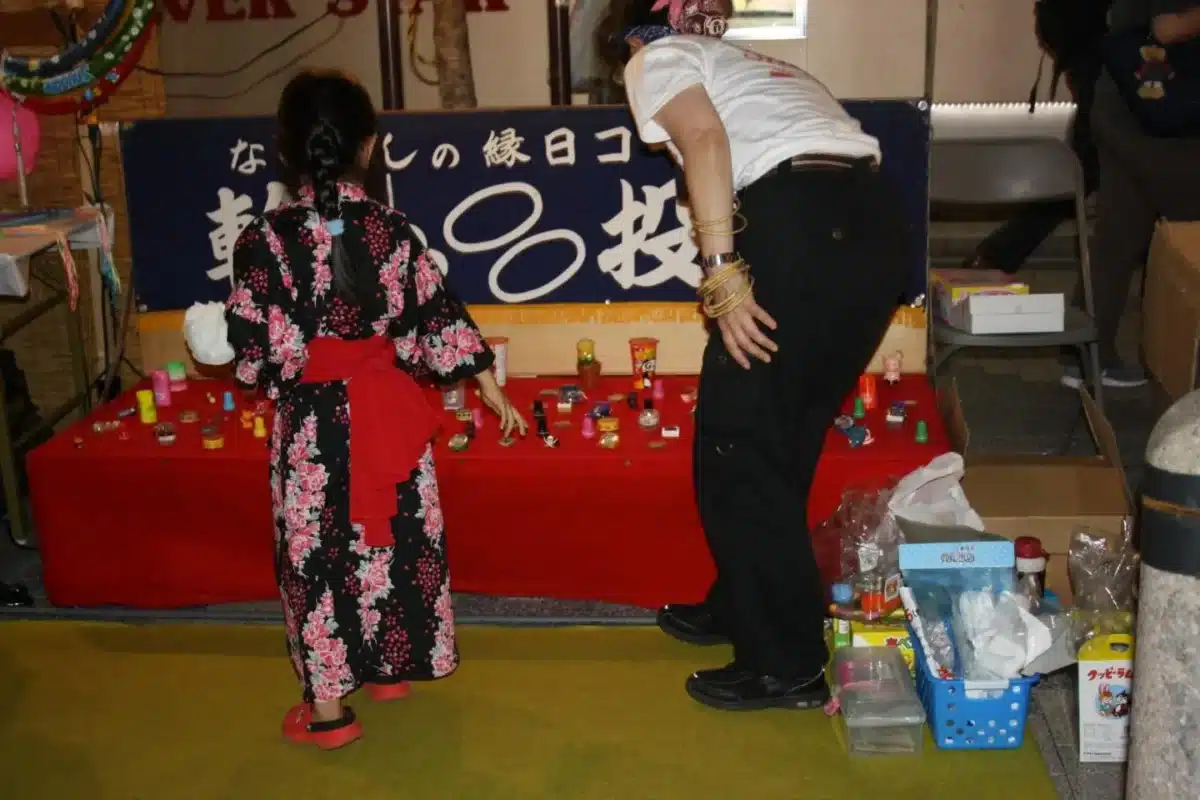
Food and drink form a central pillar of the celebration, with countless open-air stalls lining the streets, park walkways, and building terraces. Local vendors serve an expansive variety of classic street food favorites, including grilled yakitori skewers, savory okonomiyaki pancakes, crispy takoyaki, and fresh seasonal seafood delicacies. The mouthwatering aromas drift across the entire district, inviting hungry passersby to sample regional culinary delights prepared fresh on hot griddles.
Beverage options are equally diverse, featuring traditional cold draft beers alongside innovative seasonal concoctions served at pop-up bars. Visitors frequently rave about specialty offerings such as refreshing beers topped with frozen foam heads and creative tropical cocktails paired with playful local hospitality. These bustling drink stations provide a wonderful gathering space for colleagues, friends, and travelers to toast together under the summer night sky.
Complementing the food stalls, neighborhood merchants and pop-up boutiques offer unique souvenirs, festival goods, and artisanal crafts for browsing shoppers. The lively commercial activity extends upward into nearby building facilities, including popular terrace beer gardens that overlook the buzzing crowds below. This extensive culinary and retail marketplace ensures that every guest can indulge their appetite while soaking in the vibrant grassroots energy of the community.
Enjoy Your Event Stress-Free with Japan Travelo
Do you know? Planning events, festivals, concerts, and cultural experiences in Japan can be overwhelming. Japan Travelo brings everything together in one place, helping you manage your itinerary, transport, and accommodation with ease—so you can enjoy Japan without the stress of planning.
- Extensive rows of traditional street food stalls serving grilled delicacies
- Fresh seasonal seafood dishes prepared on open-air griddles
- Popular savory snacks including yakitori, takoyaki, and street noodles
- Innovative beverage bars offering frozen-head draft beers and cocktails
- Elevated terrace beer garden seating overlooking the plaza activities
- Artisan pop-up shops selling souvenirs and festival merchandise
- Bustling communal eating areas designed for social gathering
When to Attend
- Event Date: Late July 2027 (Dates TBD)
- Event Duration: Two-day festival format running across multiple designated community zones
Visiting this event? Don’t miss out on these amazing activities and local experiences while you’re here.
Yukata Beauty Contest & Summer Fashion
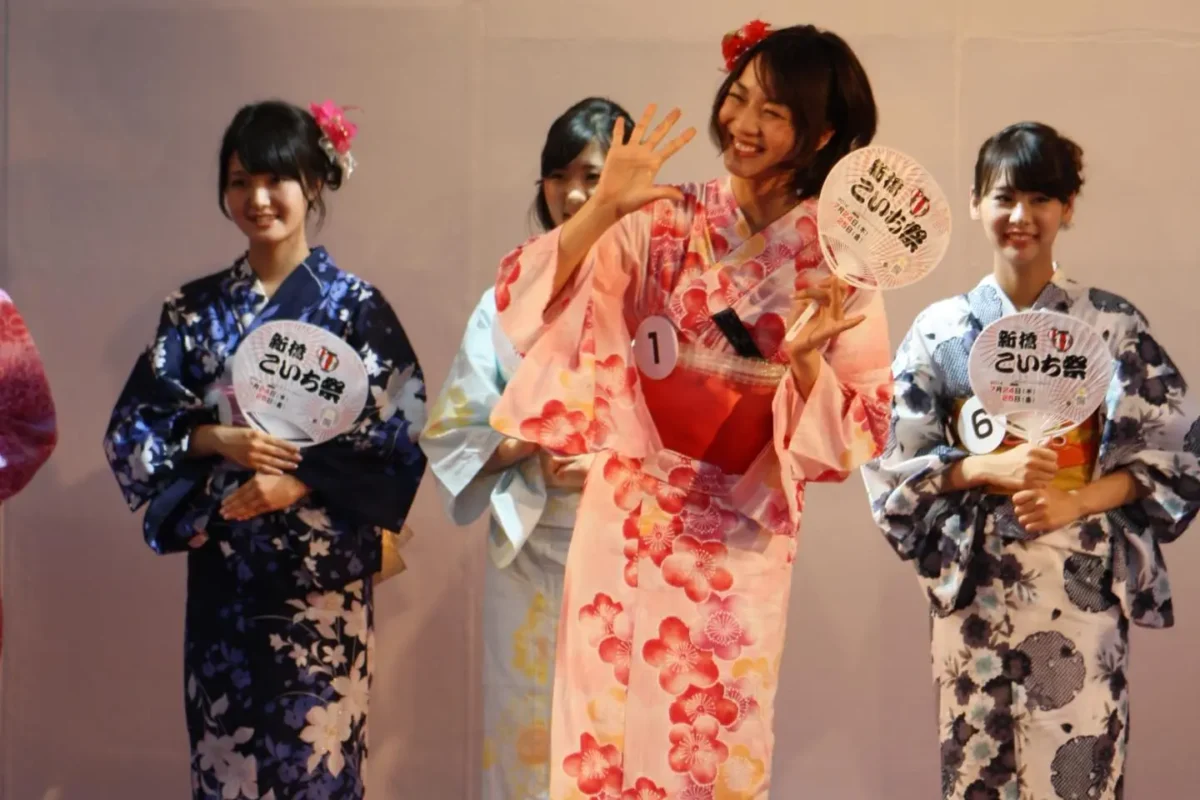
The main highlight at the primary SL Plaza stage is the prestigious Yukata Beauty Contest, which kicks off from the early evening on the first day of the festival. Contestants proudly showcase the elegance and vibrant colors of their yukata, which are traditional lightweight summer kimonos designed for warm weather comfort. Each participant is evaluated not only on their aesthetic presentation and traditional styling but also on their quick wit and charm when responding to lighthearted questions from the panel of judges.
- High-profile yukata beauty competition hosted on the main SL Plaza stage
- Evaluation based on traditional garment elegance and stage personality
- Grand prize rewards featuring cash awards and international travel packages
- Massive audience gatherings creating an energetic viewing environment
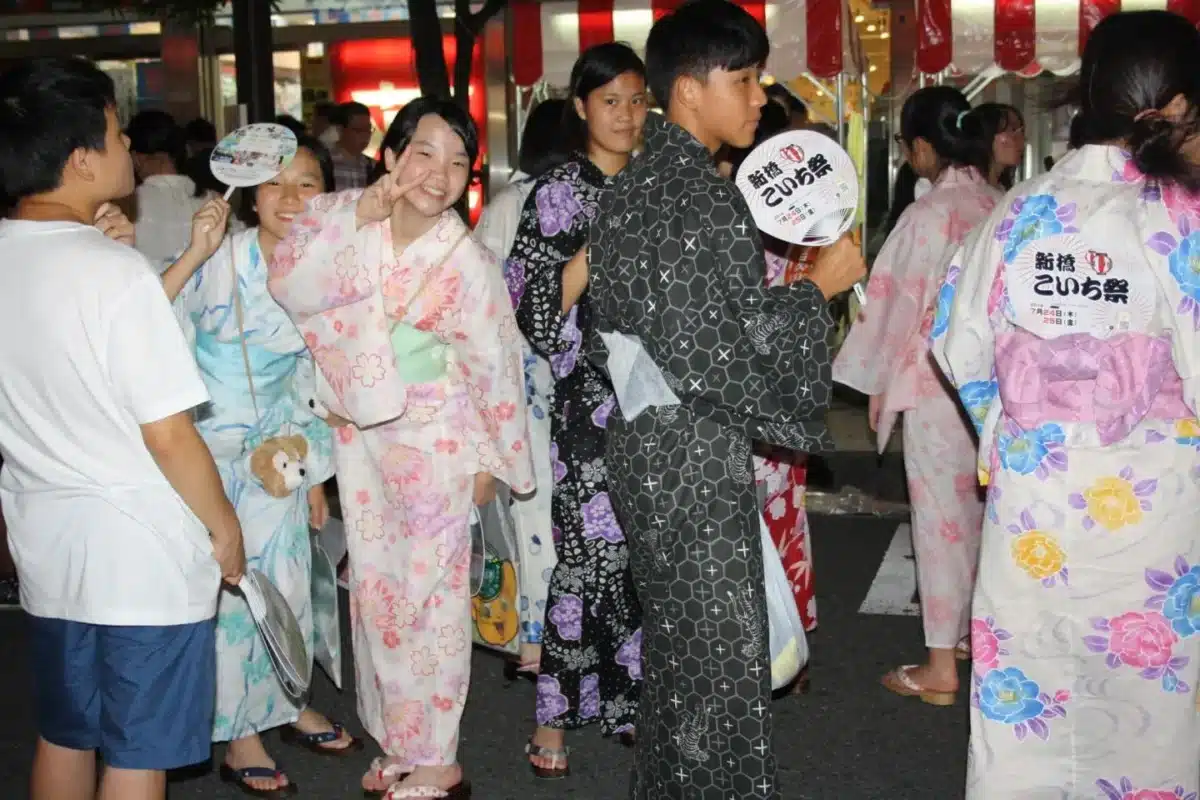
- Widespread public participation wearing casual summer kimono attire
- Striking visual contrast between traditional dress and modern urban architecture
Admission Details
- How Tickets Are Sold: General entry to the festival grounds and open public spaces requires no advance purchase or entry ticket
- Admission Type: Free Admission for all festival areas, open public plazas, parks, and street performance zones
- Ticket Pricing: Minimum price is $0.00 and maximum price is $0.00 as entry to the public street festival is completely free of charge
- Special Seating Options: Open public viewing areas around the main stages, communal park benches, and traditional dance circles
- VIP Options: No specific VIP seating tiers or exclusive packages are offered, ensuring an open community atmosphere for all visitors
Taiko Drumming, Stage Shows & Entertainment
The sonic landscape of the festival is powerfully shaped by thunderous taiko drum performances that echo through the commercial district on both event days. Skilled percussionists deliver intricate rhythms that resonate deeply through the open plazas, setting an electrifying tone for the evening festivities. These powerful drumming sessions are often paired with flute melodies and traditional folk songs that capture the timeless spirit of Japanese matsuri entertainment.
- Thunderous live taiko drum performances echoing across the plazas
- Complex traditional percussion rhythms paired with flute melodies
- Eclectic stage programming featuring music, dance, and local talent
- High-energy audience interaction and enthusiastic crowd participation
- Continuous daily entertainment schedules running across multiple event zones
- Seamless blending of ancient musical arts with modern festival energy
Where to Go
- City and Country: Tokyo, Japan
- Venue Name: SL (Steam Locomotive) Square
- Google Maps Address: 2 Chome-7-先 Shinbashi, Minato City, Tokyo 105-0004, Japan
Shinbashi SL Plaza & Festival Atmosphere
The physical heart of the festival is anchored by the iconic SL Plaza, named after the historic steam locomotive prominently displayed on site. This landmark serves as the original starting point of Japan’s first railway line, imbuing the modern transit square with profound historical significance. During festival days, this historic transport hub transforms entirely from a rushed commuter thoroughfare into a joyful pedestrian sanctuary filled with festive decorations and glowing paper lanterns.
SL Plaza is famously recognized across Japan as a popular media spot where television reporters frequently interview local office workers regarding current news topics. During the festival, this familiar broadcast backdrop becomes a lively meeting ground where thousands of urban professionals unwind after work. Volunteers stationed near the landmark enthusiastically greet arriving guests, distributing paper fans and detailed maps to help newcomers navigate the extensive event grounds.
The overall atmosphere crackles with a contagious sense of joy, camaraderie, and relaxed summer liberation. Older couples waltz gracefully through the dance circles, children delight in traditional carnival games, and groups of friends share hearty laughs over cold drinks. This unique blend of hardworking salaryman culture and carefree festival revelry creates an unforgettable urban celebration unlike any other in Tokyo.
Contact & Information
- Phone Number: 03-3813-1181
- Website: https://en.japantravel.com/tokyo/shinbashi-koichi-festival-tokyo/14217
Bon Odori & Traditional Summer Dancing
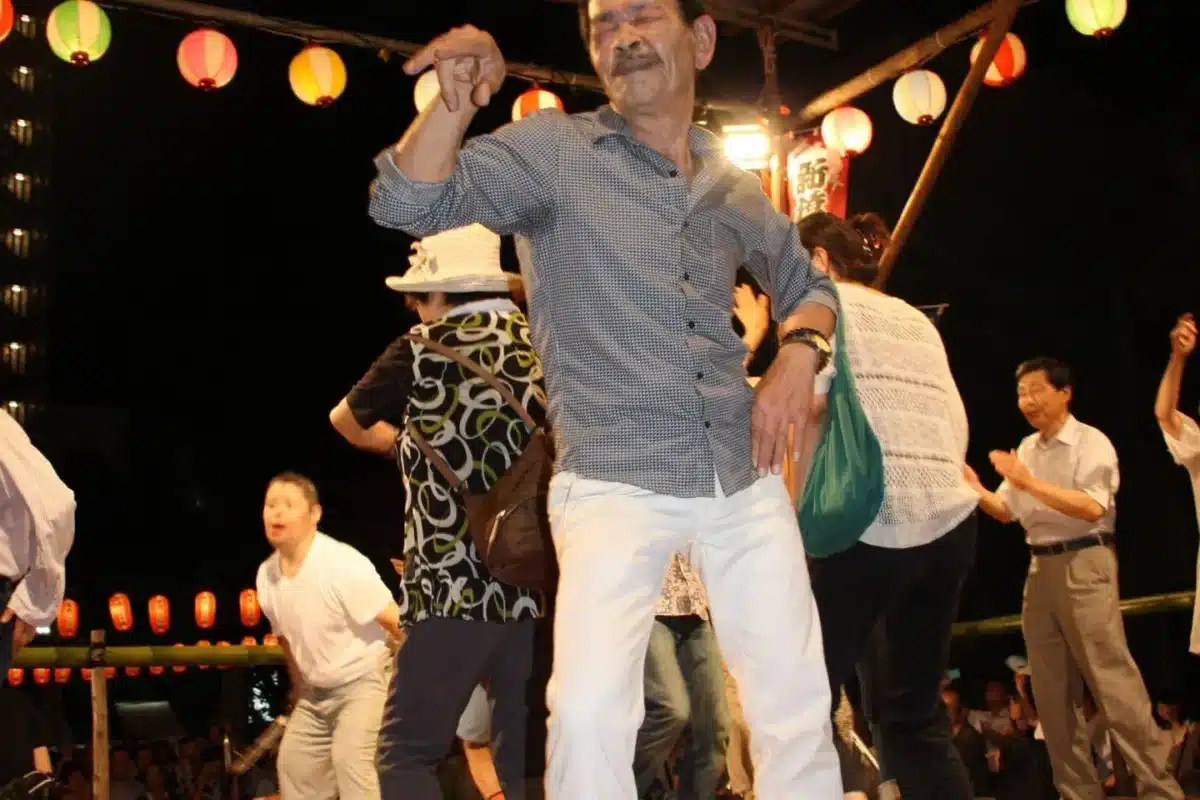
In the Sakurada Park area, a dedicated stage is set up specifically to host the vibrant Bon Odori dancing traditions that form the heartbeat of the celebration. Bon Odori is a historic style of Japanese folk dancing performed to honor the spirits of one’s ancestors during the summer season. The choreography, musical accompaniment, and rhythmic chants vary significantly across different prefectures and regions of Japan, bringing unique cultural flavors to the heart of the capital.
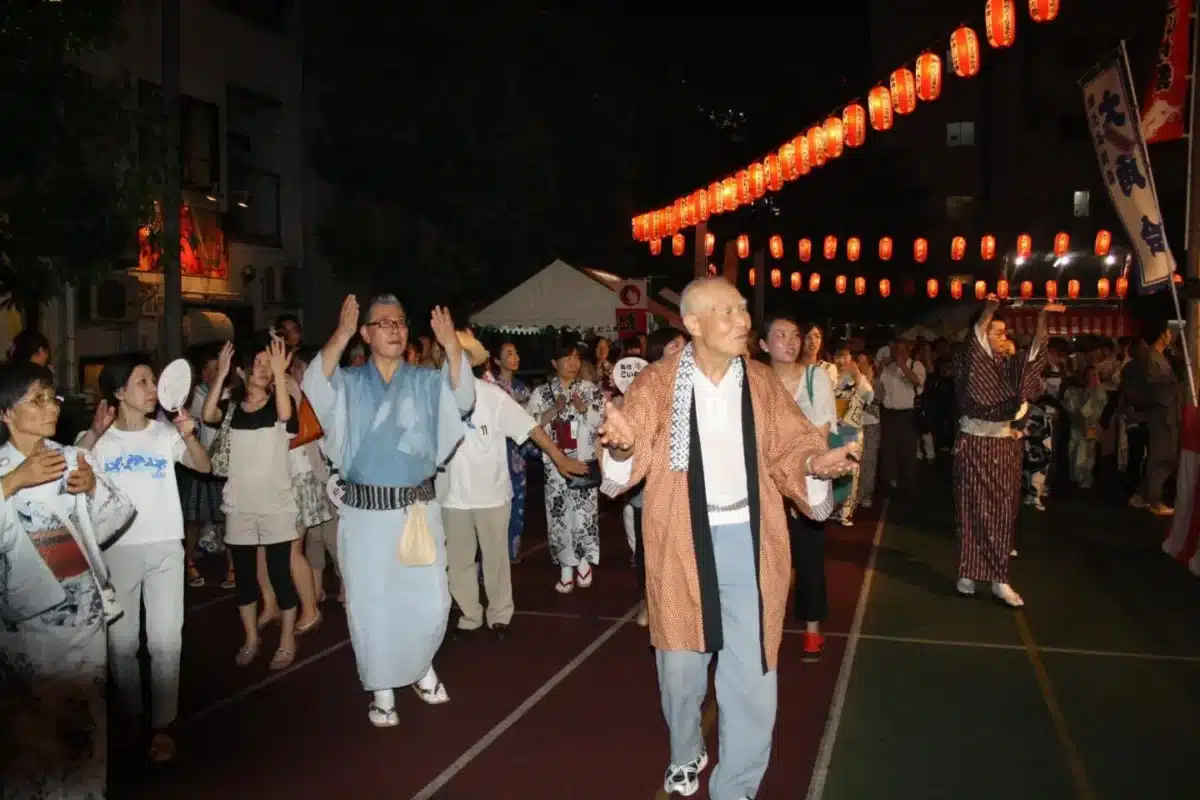
At the center of the dancing zone stands a traditional wooden scaffold structure known as a yagura, which accommodates the live musicians, traditional singers, and taiko drummers. Participants and festival-goers join hands and form large circles, moving in a continuous clockwise direction around the yagura under festive paper lanterns. People of all generations blend together seamlessly in the dance line, creating an inclusive and deeply communal atmosphere that honors centuries of Japanese folklore.
- Central wooden yagura stage constructed for live traditional musicians
- Clockwise community dance processions around the central tower structure
- Regional variations in folk choreography and musical accompaniment styles
- Inclusive participation welcoming dancers of all ages and skill levels
- Festive paper lantern illumination creating an authentic summer mood
- Live traditional chanting and rhythmic instrumental coordination
Video
Location
FAQ
What are the primary daily operational hours for festival activities?
The celebration typically runs from mid-afternoon through the late evening hours across all designated neighborhood zones. Evening sessions generally experience the highest energy and largest crowds as office workers arrive after standard business hours.
Is it necessary to purchase an entry ticket to access the festival grounds?
General admission to all public streets, park areas, stages, and plazas is completely free for everyone. Visitors can walk freely between venues without needing any pre-booked passes or entrance vouchers.
How can travelers easily commute to the main event venue via train?
The primary festival hub is located immediately outside the Hibiya Exit of the main transit station. Clear directional signage and short walking paths connect regional rail lines directly to the central SL Plaza.
Are there English language guides or assistance available for foreign visitors?
Information tents operated by local volunteers provide English maps and schedule guides near the main stage areas. Friendly staff members are readily available to help international guests navigate the various food stalls and attractions.
Can families with young children comfortably attend the evening events?
The festival welcomes attendees of all ages, offering traditional games, treats, and entertaining stage performances for kids. Families frequently enjoy the early evening atmosphere before peak late-night crowding occurs around the popular beer gardens.
What types of payment methods are accepted at the food and drink stalls?
Most open-air food vendors and pop-up game booths operate primarily on a cash-only basis for small transactions. Visitors are strongly advised to carry sufficient local currency in small bills for food and souvenir purchases.
Where is the secondary event zone located relative to the main plaza?
A secondary major event area is situated within nearby Sakurada Park a short walk away from the station square. This park zone hosts the dedicated traditional dance stages and additional community food vendor stalls.

Leave a Reply