
-
August 24, 2027
Event date:
-
August 26, 2027
Event end:
Overview
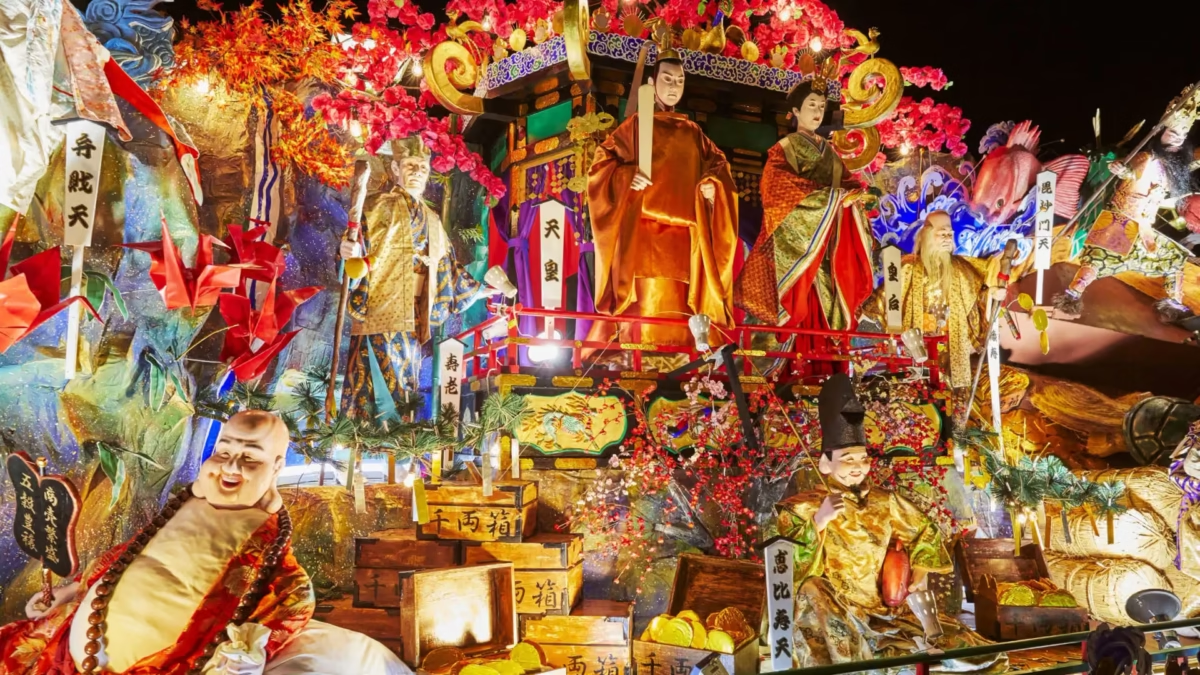
Shinjo Matsuri is a feast for the eyes and belly. Shinjo City in Yamagata is proudly home to Shinjo Matsuri, which is arguably the best festival in Tohoku. This festival, with its history of 250 years, is celebrated every year and consists of city-wide parades of giant floats, each depicting a story, over three days.
The Shinjo Matsuri is a Japanese festival celebrated in Shinjo, Yamagata Prefecture. Mikoshi and approximately twenty floats are drawn through the streets, accompanied by odori, drums, and other performers. It has a two hundred and fifty-year history and was designated as an Important Intangible Folk Cultural Property in 2009.
Shinjo Festival in Yamagata Prefecture is a historical painting of light and shadow. Every year, Shinjo City in Yamagata Prefecture holds the Shinjo Festival, which has a history of about 260 years. Various luxurious and gorgeous floats and queues compete for beauty, and there are also antique shrines parade. Among them, the Shinjo Festival floats are recognized as a world intangible cultural heritage.
Enjoy Your Event Stress-Free with Japan Travelo
Do you know? Planning events, festivals, concerts, and cultural experiences in Japan can be overwhelming. Japan Travelo brings everything together in one place, helping you manage your itinerary, transport, and accommodation with ease—so you can enjoy Japan without the stress of planning.
Shinjo Matsuri was first held in 1755 and in 2017 was registered by UNESCO as Intangible Cultural Heritage, as part of Yama, Hoko, Yatai float festivals in Japan. In 2016 the floats of Shinjo were entered, with thirty-two other float festivals around the country, on the UNESCO list of intangible cultural heritage. A festival with over 260 years of history, where 20 ornate floats themed on historical tales, legends, and kabuki parade through the streets with traditional music.
The festival takes place all around Shinjo Station. The area operated historically under the Shinjo Domain ruled by the Tozawa Clan during Edo period.
Cultural Significance & Origins
The origins of Shinjo Matsuri are rooted in feudal compassion and community resilience.
1755 to 1756 Origin – Cheering Up People After Poor Harvest: Shinjo Matsuri is believed to be started in 1756 by Tozawa Masanobu, the lord of Shinjo clan, to cheer up people in Shinjo who had been suffered by poor harvest in previous year. Tozawa Masanobu, lord of Shinjo Domain, ordered a festival with floats and music to lift spirits of townspeople after famine caused by crop failure. The festival brought hope and unity to domain.
250 to 270 Year History: More than 270 years of festival have followed since then. The festival has evolved from lord-sponsored consolation event into grand community celebration that showcases rich cultural heritage of Shinjo and Yamagata Prefecture.
Important Intangible Folk Cultural Property: Designated as Important Intangible Folk Cultural Property of Japan in 2009, recognizing its preservation of traditional float construction, music, and community organization.
UNESCO Intangible Cultural Heritage: In 2016 the floats of Shinjo were entered, with thirty-two other float festivals around country, on UNESCO Representative List of Intangible Cultural Heritage of Humanity as part of Yama, Hoko, Yatai, float festivals in Japan. Shinjo Festival floats are recognized as world intangible cultural heritage, highlighting importance of preserving traditional cultural practices. The UNESCO ID is RL/01059.
Community Organization – Wakaren: That is how festival started. Each of 20 wakaren, neighborhood festival organization groups in Shinjo, parade their own gorgeous handmade floats that reproduce stories of Kabuki and ancient Japan. The floats, highlight of Shinjo Festival, aren’t made by professionals; instead, members called Wakaren gather at float sheds after finishing their work in respective neighborhoods. This volunteer craftsmanship is core of festival’s cultural value.
Traditions, Rituals & Customs
The festival preserves Edo period float culture and samurai domain traditions.
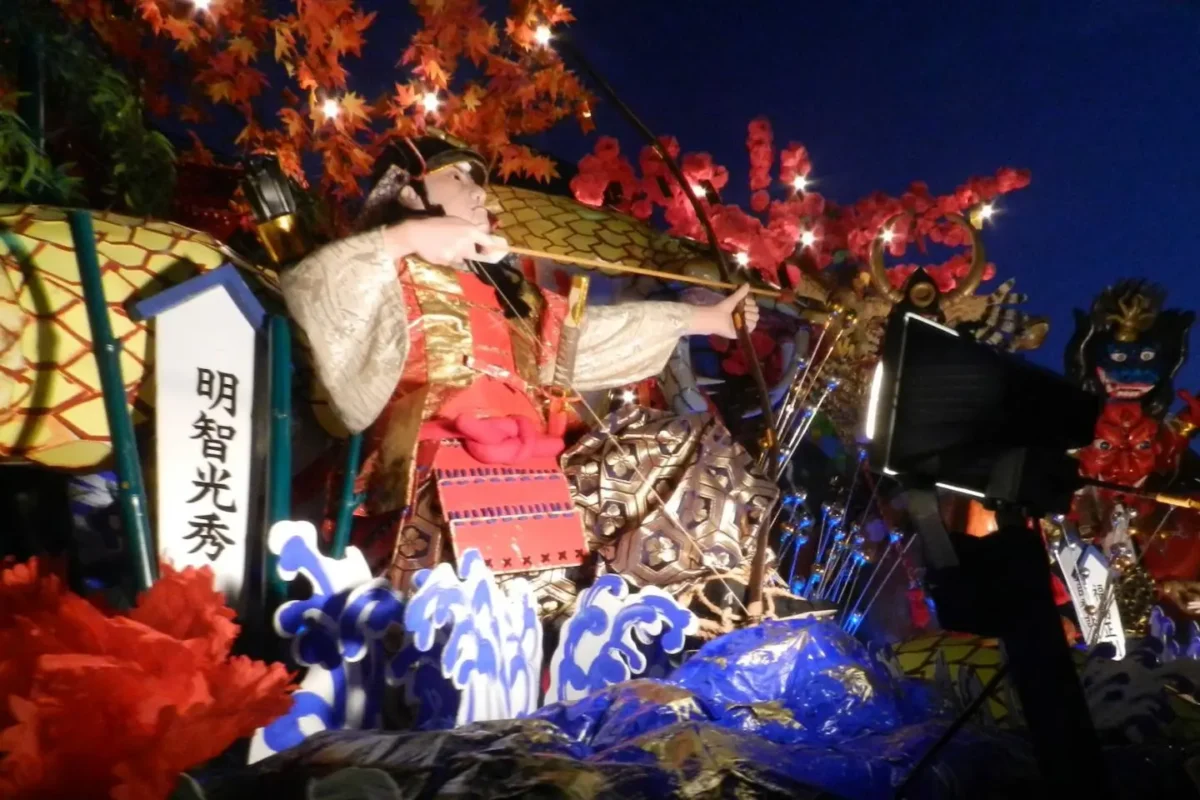
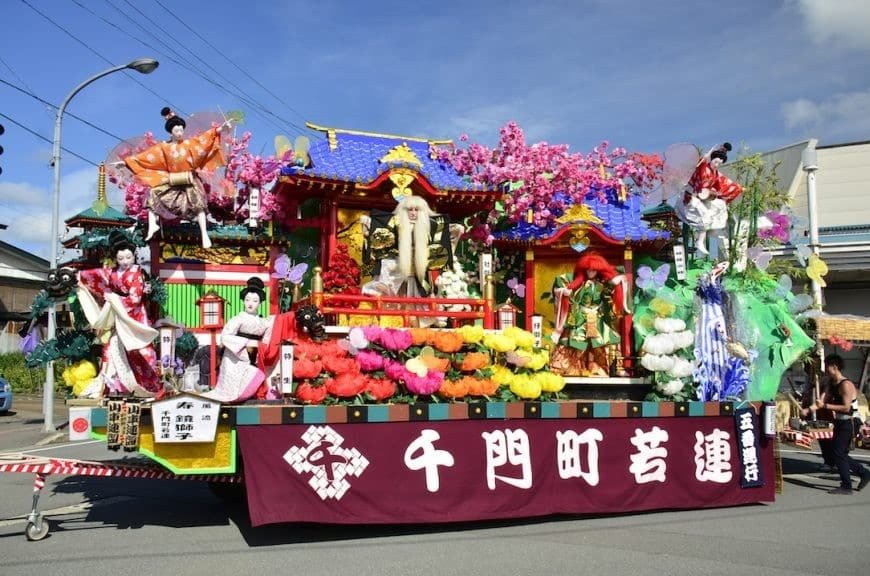
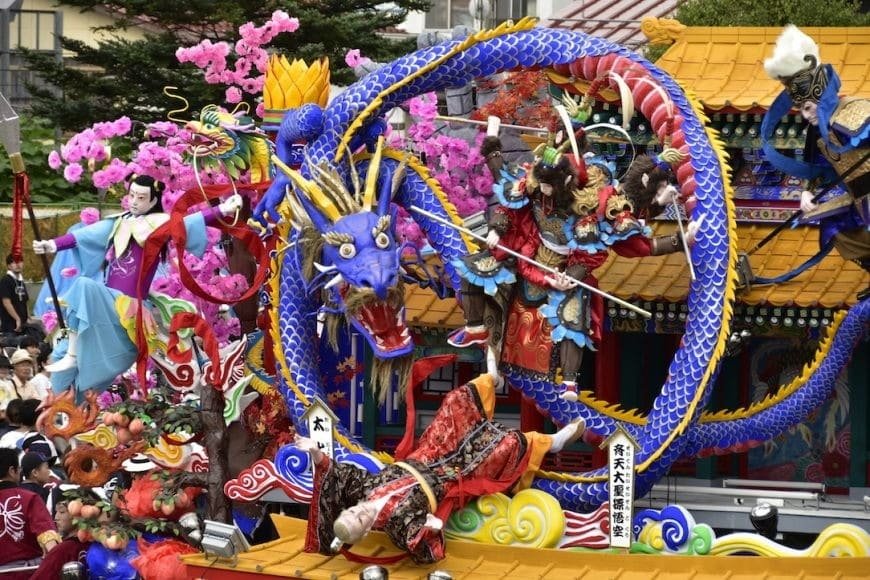
Wakaren Float Building Tradition: Each of 20 wakaren neighborhood groups builds own float each year in float shed called yatai-goya. Construction takes months after work hours, using traditional woodworking, papier-mache, lacquer, and painting techniques. On deck of each stands scene worked out in figures, from famous moment in kabuki play or story out of history. Figures are life-size or larger, with expressive faces, elaborate kimono, and dynamic poses depicting battles, legends, and historical tales.
Mikoshi and Samurai Guard: Shinjo Festival features mikoshi portable shrine carried through town guarded by men dressed as samurai of old domain. The mikoshi carries deity of Shinjo’s guardian shrine, and samurai guards in Tozawa clan armor represent Edo period domain’s military.
Hayashi Music – Festival Music: Hayashi music accompaniments make melodies all around town. Each float has its own hayashi troupe with taiko drums, flutes, and cymbals playing distinctive melodies passed down generations. The music includes rhythmic patterns that coordinate float pulling and dancing.
Odori Dance: Accompanied by odori, drums, and other performers. Local dance groups, including children and women in yukata, perform traditional dances alongside floats.
Antique Shrines Parade: There are also antique shrines parade, with small mikoshi from neighborhood shrines joining main parade.
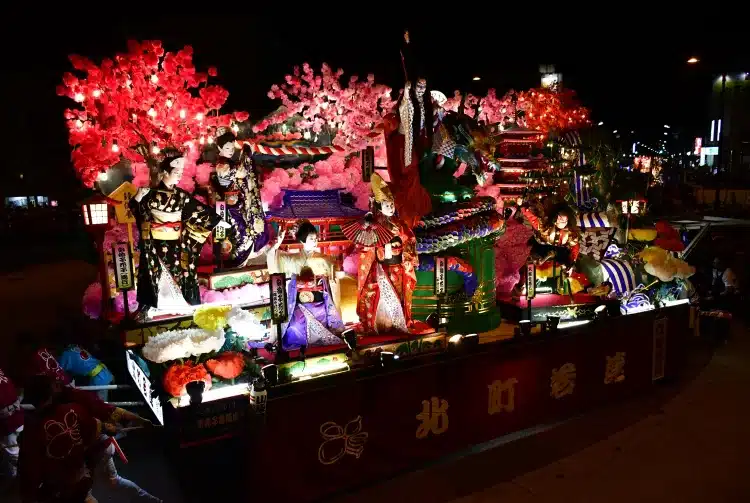
Day and Night Transformation: During day, floats show detailed craftsmanship and painted colors. At night, floats are illuminated with hundreds of paper lanterns and electric lights, creating historical painting of light and shadow, transforming into glowing moving theaters.
What to Expect at the Festival
Visitors can expect city-wide parades of giant floats, each depicting story, over three days, with streets filled with music, dance, and community pride.
Giant Floats Parade: Mikoshi and approximately twenty floats are drawn through streets, accompanied by odori, drums, and other performers. Floats are 6 to 8 meters tall, 4 meters wide, built on wheeled bases pulled by 100 to 150 people with thick ropes. Each float depicts different story, so watching entire parade is like watching 20 kabuki plays in succession.
Luxurious and Gorgeous Competition: Various luxurious and gorgeous floats and queues compete for beauty, with judges awarding prizes for best craftsmanship, most moving story, and best music.
Samurai Procession: Men dressed as samurai of old domain guarding mikoshi, carrying spears and wearing Tozawa clan helmets, add historical authenticity.
Street Festival Atmosphere: Festival site is within walking distance of Shinjo Station, and takes place all around Shinjo Station. Streets lined with food stalls, beer gardens, and craft shops. The festival is a feast for belly as well as eyes, with local foods.
Day and Night Views: Daytime allows appreciation of detailed woodwork and painting. Nighttime illumination creates magical atmosphere with floats glowing against dark sky, reflecting off streets.
Date & Schedule
Event Dates: August 24 to 26, 2027
The Shinjo Matsuri is celebrated from 24 to 26 August in Shinjo, Yamagata Prefecture. Observed by Shinjo, Yamagata Prefecture, Japan, type local religious, begins 24 August, ends 26 August, date August 24, August 25, August 26.
Based on official sources:
- 2027 Edition: August 24 to 26, 2027, exact date not confirmed yet but traditionally fixed dates. Listed as 24 to 26 Aug 2027.
- Daily Schedule Pattern Based on Previous Editions:
- August 24 – Day 1 – Yoi Matsuri – Eve Festival: Evening parade starts around 18:00, with illuminated floats parading through central Shinjo, from Shinjo Station area to city center, until 21:00. Opening ceremony at Mogami Park Shinjo Castle Park.
- August 25 – Day 2 – Hon Matsuri – Main Festival: Main day with both daytime and nighttime parades. Daytime parade from 13:00 to 16:00 through central streets, nighttime parade from 18:00 to 21:30 with fully illuminated floats. Mikoshi procession with samurai guards during day.
- August 26 – Day 3 – Go Matsuri – Last Festival: Final day with daytime parade from 13:00 to 16:00, closing ceremony at Mogami Park, and final mikoshi return. Evening may include smaller local parades.
Venue for Schedule: Mogami Park Shinjo Castle Park 6-86 Horibatamachi, Shinjo City, Yamagata 996-0085 and streets around Shinjo Station.
Festival is held over three days at end of August in Shinjo. Twenty floats are built for it each year and drawn through streets, and mikoshi portable shrine is carried through town guarded by men dressed as samurai of old domain.
Visiting this event? Don’t miss out on these amazing activities and local experiences while you’re here.
Main Events & Programme
Float Parade – Yatai Gyoretsu:
- Number of Floats: Approximately twenty floats, with some sources saying twenty floats are built for it each year, others mentioning twenty ornate floats, and historical mentions of thirty elaborately decorated floats, but current official number is 20 floats.
- Content: Each float reproduces stories of Kabuki and ancient Japan, including tales like Yoshitsune and Benkei, Battle of Kawanakajima, Momotaro, and local legends of Mogami River. Scenes worked out in figures, with life-size dolls in dynamic poses.
- Pulling: Floats drawn by 100 to 150 Wakaren members in matching happi coats, chanting and pulling ropes, accompanied by hayashi music.
Mikoshi Procession – Omikoshi Togyo:
- Content: Portable shrine carrying deity of Shinjo guardian shrine, carried by 50 to 80 bearers in white attire, guarded by men dressed as samurai of old domain in Tozawa clan armor, with spears and banners.
- Route: Through central Shinjo, from shrine to city hall and back, blessing town.
Hayashi Music Competition:
- Content: Each Wakaren float has own hayashi troupe playing taiko drums, fue flutes, and kane cymbals. Groups compete for best music, judged on rhythm, coordination, and preservation of traditional melodies.
Odori Dance Performances:
- Content: Local dance groups, including women’s groups and children’s groups, perform traditional dances in yukata alongside floats, adding elegance to parade.
Antique Shrines Parade:
- Content: Smaller mikoshi from neighborhood shrines and historic portable shrines parade, showcasing local shrine culture.
Illumination – Night Parade:
- Content: At night, floats illuminated with hundreds of chochin paper lanterns and electric bulbs, creating historical painting of light and shadow, with figures casting dramatic shadows, most photogenic time.
Traditional Dress, Arts & Crafts
Float Craft – Yatai Art:
- Construction: Floats aren’t made by professionals; instead, members called Wakaren gather at float sheds after finishing work in respective neighborhoods. Construction uses traditional techniques: wooden frame, washi paper mache for figures, lacquer for durability, and mineral pigments for painting. Each figure’s kimono made from real silk with embroidery.
- Ningyo Dolls: Life-size dolls with glass eyes, human hair wigs, and expressive faces, dressed in kabuki-style costumes with detailed armor and props.
- Reversible Scenes: Some floats feature reversible scenes, with different story on front and back.
Costumes:
- Wakaren Happi Coats: Each neighborhood group wears matching happi coats with group crest and float motif, with headbands and white tabi socks.
- Samurai Guards: Men dressed as samurai of old domain wearing Tozawa clan armor, kabuto helmets with deer antlers, and carrying yari spears, representing Edo period domain’s military.
- Hayashi Musicians: Musicians wearing colorful happi coats and headbands, playing drums and flutes.
- Odori Dancers: Women and children wearing yukata summer kimono with obi, and flower kanzashi hair ornaments.
- Mikoshi Bearers: White happi coats and shorts, with headbands.
Arts:
- Hayashi Music: Traditional festival music with distinctive Shinjo rhythms, preserved by each Wakaren.
- Paper Lantern Craft: Chochin lanterns hand-made with calligraphy of group names.
Community Craft Preservation: Float building preserves carpentry, painting, doll-making, and textile crafts, passed down through Wakaren families.
Traditional Food & Local Specialties
Shinjo and Mogami region is known for agricultural products and mountain foods.
Festival Stall Foods:
- Mogami River Ayu – Sweetfish: Grilled ayu sweetfish caught in Mogami River, salt-grilled whole, 5 USD to 8 USD per fish.
- Imoni – Taro Stew: Yamagata’s soul food, taro, beef, konnyaku, green onions in soy broth, cooked in large pots, 4 USD to 7 USD per bowl.
- Yakisoba, Takoyaki, Yakitori: Standard festival foods, 4 USD to 7 USD.
- Tama Konnyaku: Ball-shaped konnyaku in soy sauce, 2 USD to 4 USD.
Shinjo Specialties:
- Shinjo Ramen: Local ramen style with thick curly noodles, pork bone and soy broth, topped with local pork and green onions, bowls 7 USD to 11 USD.
- Mogami Soba: Buckwheat soba made with mountain water, served cold with grated daikon, 6 USD to 10 USD.
- Mountain Vegetables – Sansai: Bamboo shoots, warabi bracken, and zenmai flowering fern, tempura or simmered, 5 USD to 8 USD.
- Shinjo Beef: Local wagyu beef from Mogami area, skewers 6 USD to 10 USD, steak 20 USD to 40 USD.
Drinks:
- Local Sake – Hana no Iwa, Shinjo Sake Breweries: Sake from Mogami region, tasting cups 3 USD to 6 USD.
- La France Pear Products: Yamagata is famous for La France pears, pear juice, pear wine, and pear sweets, 3 USD to 6 USD.
Sweets:
- Kuzu Mochi and Dango: Rice dumplings with sweet bean paste, 3 USD to 5 USD.
Location & Festival Areas
Main City: Shinjo, Yamagata Prefecture, Tohoku region, mountain basin city in Yamagata Prefecture, historically under Shinjo Domain ruled by Tozawa Clan during Edo period
Festival Areas:
- Mogami Park – Shinjo Castle Park – Shinjō-jō Park: 6-86 Horibatamachi, Shinjo City, Yamagata 996-0085, historic site of Shinjo Castle, now park with stone walls, pond, and open lawns. Venue for opening and closing ceremonies, and starting point for some parades. Mogami Park is central park in Shinjo.
- Shinjo Station Area: Festival takes place all around Shinjo Station, with main parade route starting near station and going through central shopping streets. Station area has food stalls and spectator areas.
- Central Shopping Streets – Chuo-dori and Ekimae-dori: Main streets through Shinjo city center, closed to traffic during parades, lined with shops, food stalls, and spectator stands. Route where twenty floats parade.
- Tozawa Shrine Area: Shrine where mikoshi starts and returns, near Mogami Park.
City Layout: Shinjo is compact basin city surrounded by mountains, with Mogami River flowing nearby. Festival routes are walkable within 1 km radius of Shinjo Station.
Getting to the Festival
Shinjo is in northern Yamagata Prefecture, accessible via Yamagata Shinkansen.
From Tokyo:
- Yamagata Shinkansen Tsubasa: Tokyo Station to Shinjo Station, final station of Yamagata Shinkansen line, about 3 hours 30 minutes, fare approximately 90 USD to 130 USD one way. Most convenient, direct train. Shinjo Station serves as key transit hub.
- Highway Bus: Tokyo to Shinjo, 7 to 8 hours, fare 35 USD to 60 USD, overnight option.
- Air: Fly to Yamagata Airport, then bus to Shinjo, 1 hour 30 minutes.
From Yamagata City:
- Yamagata Shinkansen or Ou Main Line: Yamagata Station to Shinjo Station, 50 minutes to 1 hour 10 minutes, fare 15 USD to 25 USD.
From Sendai:
- JR Senzan Line and Ou Main Line: Sendai to Shinjo via Yamagata, 2 hours 30 minutes, fare 25 USD to 35 USD.
Local Transport During Festival:
- Walking: Festival site is within walking distance of Shinjo Station, and takes place all around Shinjo Station, so walking is best.
- Local Buses: Some buses rerouted due to street closures during parade hours.
- Taxi: Small number of taxis available, but streets closed, so walking faster.
Where to Stay Nearby
Shinjo offers small city accommodations and nearby onsen ryokan.
Shinjo City Hotels:
- Hotel Route Inn Shinjo Ekimae: Near Shinjo Station, business hotel, rooms from 60 USD to 100 USD per night, most convenient for festival.
- Shinjo Plaza Hotel: Near city center, rooms from 70 USD to 110 USD per night.
- Business Hotels: Several small business hotels around station, 50 USD to 80 USD per night.
Onsen Ryokan – Nearby:
- Shinjo Onsen and Yume no Onsen: Hot spring ryokan within 10 to 15 minutes drive from Shinjo, rooms from 80 USD to 150 USD per night including dinner with local cuisine, popular for relaxing after parade.
- Sasunoyu Onsen and Kijiyama Onsen: Historic onsen areas in Mogami region, 20 to 30 minutes drive, rooms from 100 USD to 200 USD per night.
Mogami Area Guesthouses:
- Mogami River Guesthouses: Small guesthouses along Mogami River, offering river views and local hospitality, 40 USD to 70 USD per night.
Booking Advice: End of August is summer festival season in Tohoku, but Shinjo is less crowded than Yamagata City or Aomori. Hotels in Shinjo should be booked 1 to 2 months ahead for August 24 to 26, especially near Shinjo Station. Many visitors stay in Yamagata City and day-trip via Shinkansen.
What Visitors Can Participate In
Shinjo Matsuri is community festival welcoming visitor participation.
Float Pulling – Wakaren Experience:
- How to Join: Some Wakaren groups welcome visitors, especially young people, to join rope pulling if you ask at float shed before parade. You will wear borrowed happi coat and headband and learn pulling chant. Members gather at float sheds after finishing work, so evening before parade is good time to visit sheds and ask.
- Experience: Pulling giant float through streets with 100 others, accompanied by hayashi music, is powerful experience.
Hayashi Music Try-Out:
- Try Taiko: Some hayashi troupes allow visitors to try taiko drums during rest stops or after parade at Mogami Park.
Odori Dance Participation:
- Join Dance: Women’s and children’s dance groups sometimes invite spectators to join simple dance steps at end of parade route, wearing provided yukata sashes.
Mikoshi Carrying:
- Limited Participation: Mikoshi carrying is usually reserved for local men, but some neighborhood mikoshi may allow visitors to join if arranged via tourist information.
Food and Shopping:
- Food Stall Tour: Sample countless stalls, from Mogami ayu to imoni, creating food tour of Mogami region.
- Craft Workshops: At Mogami Park during day, workshops making small paper lanterns and ningyo doll painting for children, 5 USD to 10 USD.
Photography and Judging:
- Photo Contest: Festival often holds photo contest for visitors, with best photos of floats winning prizes.
Things to Do Before or After the Festival
Shinjo and Mogami area offer rich nature and history.
Before Festival – Daytime:
- Mogami Park Shinjo Castle Park Exploration: Explore historic castle ruins, stone walls, and museum in Mogami Park before parade starts. Park has beautiful views and is venue for ceremonies.
- Shinjo Mogami Manga Museum: Shinjo City is known for having produced large number of famous manga artists, so visit to Shinjo Mogami Manga Museum is essential for manga and anime fans, admission approximately 4 USD to 6 USD, located near Mogami Park.
- Tozawa Shrine Visit: Visit shrine of Tozawa clan, founders of festival, to understand history.
After Festival – Evening:
- Mogami River Night Cruise: Some operators offer evening river cruises with views of illuminated floats from river.
- Shinjo Night Food Tour: After parade ends at 21:30, explore Shinjo’s izakaya and ramen shops around station.
Day Trips:
- Mogami Gorge – Mogami Kyo: Famous gorge on Mogami River, 20 minutes by train, with scenic boat rides on Mogami River, 20 USD to 30 USD per person, beautiful in summer.
- Sasano Senryu and Kokeshi Dolls: Mogami region famous for kokeshi wooden dolls and Sasano carvings, workshops available.
- Dewa Sanzan – Three Sacred Mountains: Sacred mountains of Dewa, 1 hour drive, with ancient temple on Mount Haguro.
- Ginzan Onsen: Famous hot spring town with historic wooden ryokan along river, 40 minutes drive from Shinjo, extremely photogenic at night.
Combine with Other Tohoku Festivals: End of August is just after peak festival week, but still close to Yamagata Hanagasa early August and other late summer festivals.
Local Food & Restaurants
Shinjo City Restaurants:
- Shinjo Ramen Shops: Many ramen shops around station serving Shinjo ramen, thick curly noodles in pork soy broth, bowls 7 USD to 11 USD. Popular shops include Shinjo Ramen Ten and Menya Mogami.
- Imoni Restaurants: Restaurants serving Yamagata’s taro stew, especially in autumn but available in summer, bowls 8 USD to 12 USD.
- Mogami River Fish Restaurants: Restaurants serving ayu sweetfish and iwana char, grilled or as sashimi, dishes 10 USD to 20 USD.
- Soba Shops: Mogami soba shops serving cold soba with mountain vegetables, 7 USD to 12 USD.
Mogami Beef:
- Yakiniku Restaurants: Serving Mogami beef, premium local wagyu, sets 25 USD to 50 USD.
Cafes and Sweets:
- La France Pear Sweets: Cafes serving La France pear parfait, cakes, and juice, 5 USD to 10 USD.
Festival Stalls:
- Street Foods: Yakisoba, takoyaki, yakitori, tama konnyaku, 3 USD to 7 USD, plus local sake tasting.
Ticket Information & Access
Admission: Free for float parades and shrine areas.
- Float Parades – Day and Night: Free to watch along central streets and around Shinjo Station, no tickets required.
- Mogami Park Ceremonies: Free entry to Mogami Park for opening and closing ceremonies.
- Mikoshi Procession: Free to watch.
- Paid Seating: Some paid spectator seats with chairs may be available along main route for 15 USD to 30 USD per seat, based on previous editions, allowing comfortable viewing of illuminated night floats.
- Food Stalls: Food items 3 USD to 10 USD, drinks 2 USD to 6 USD.
- Manga Museum: Admission 4 USD to 6 USD.
Access Notes:
- Crowds: Shinjo Matsuri is one of largest festivals in northern Japan, but Shinjo is small city, so crowds are manageable compared to Aomori Nebuta. Arrive 30 minutes early for front row along central streets.
- Accessibility: Central streets are flat and paved, accessible for wheelchairs, with accessible viewing areas near City Hall and Mogami Park. Shinjo Station has elevators.
- Payment: Cash is primary at food stalls, some accept IC cards. Restaurants accept credit cards.
If Pricing Not Announced for 2027: All USD prices based on previous editions 2024 to 2026, where festival remained free entry.
Official Event Information
Event Name: Shinjo Matsuri – Shinjo Festival – Shinjo Matsuri no Yama Gyoji
Organizer: Shinjo Matsuri Executive Committee, Shinjo City, Shinjo Chamber of Commerce, Wakaren Federation
Venue: Mogami Park Shinjo Castle Park 6-86 Horibatamachi, Shinjo City, Yamagata 996-0085 and streets around Shinjo Station, central Shinjo, Yamagata Prefecture
Access: Festival site is within walking distance of Shinjo Station. Shinjo can be reached in about three and a half hours from Tokyo on Yamagata Shinkansen.
Official Website URL as text: shinjo-matsuri.jp and en.japantravel.com/yamagata/shinjo-matsuri/ and www.kanko-mogami.jp and japan.travel/en/spot/1561/
Contact: Shinjo Matsuri Executive Committee, Shinjo City Tourism Division, Phone 0233-22-2111. Shinjo City Tourism Association, Phone 0233-22-2340.
Notes: Pricing for 2027 has not been announced. All USD prices based on previous editions. The Shinjo Matsuri is a festival celebrated from 24 to 26 August in Shinjo, Yamagata Prefecture. Mikoshi and approximately twenty floats are drawn through streets, accompanied by odori, drums, and other performers. It has 250-year history and was designated as Important Intangible Folk Cultural Property in 2009 and UNESCO Intangible Cultural Heritage in 2016. Check official shinjo-matsuri.jp website for confirmed schedule, float details, and any paid seating information.
Video
Location
FAQ
What are Shinjo Matsuri floats and why are they UNESCO heritage?
Shinjo Matsuri floats are giant yatai floats, approximately 6 to 8 meters tall, built by 20 neighborhood Wakaren groups, each depicting a story from Kabuki, history, or legend with life-size dolls in elaborate costumes. The floats are handmade by community members after work in float sheds, preserving 250-year-old carpentry, doll-making, and painting techniques. They were designated UNESCO Intangible Cultural Heritage in 2016 as part of Yama, Hoko, Yatai float festivals in Japan, recognized for preserving traditional craftsmanship and community organization, and Important Intangible Folk Cultural Property in 2009.
Can visitors pull floats or participate in the festival?
Yes, Shinjo Matsuri is community festival where some Wakaren groups welcome visitors, especially young people, to join rope pulling if you ask at float shed before parade, wearing borrowed happi coat and headband. Floats are drawn by 100 to 150 people with thick ropes, accompanied by hayashi music, and pulling giant float through streets is powerful participatory experience. Visitors can also join odori dance at end of parade route and try taiko drumming during rest stops at Mogami Park, making it interactive.
What is difference between day and night parade?
During daytime parade from 13:00 to 16:00, floats show detailed craftsmanship, painted colors, woodwork, and doll expressions in natural light, allowing close appreciation of artistry. At night, floats are illuminated with hundreds of paper lanterns and electric lights, creating historical painting of light and shadow, transforming into glowing moving theaters with dramatic shadows and reflections, which is most photogenic and magical time, especially for photography of light and shadow effects.
What is mikoshi and why are there samurai guards?
Mikoshi is portable shrine carrying deity of Shinjo's guardian shrine, carried by 50 to 80 bearers in white attire through town to bless community, guarded by men dressed as samurai of old domain in Tozawa clan armor with helmets and spears. The samurai guards represent Edo period Shinjo Domain ruled by Tozawa Clan, founders of festival in 1756, who ordered festival to cheer up people after poor harvest, adding historical authenticity and connection to domain's samurai heritage.
How do I get to Shinjo and where should I watch parade?
Shinjo can be reached in about three and a half hours from Tokyo on Yamagata Shinkansen Tsubasa to Shinjo Station, final station of line, fare approximately 90 USD to 130 USD, and festival takes place all around Shinjo Station within walking distance. Best viewing spots are along central shopping streets Chuo-dori and Ekimae-dori near station, and at Mogami Park Shinjo Castle Park where opening and closing ceremonies are held, with paid spectator seats sometimes available for comfortable viewing of night illuminated floats.

Leave a Reply