
-
November 22, 2026
Event date:
-
November 23, 2026
Event end:
Overview
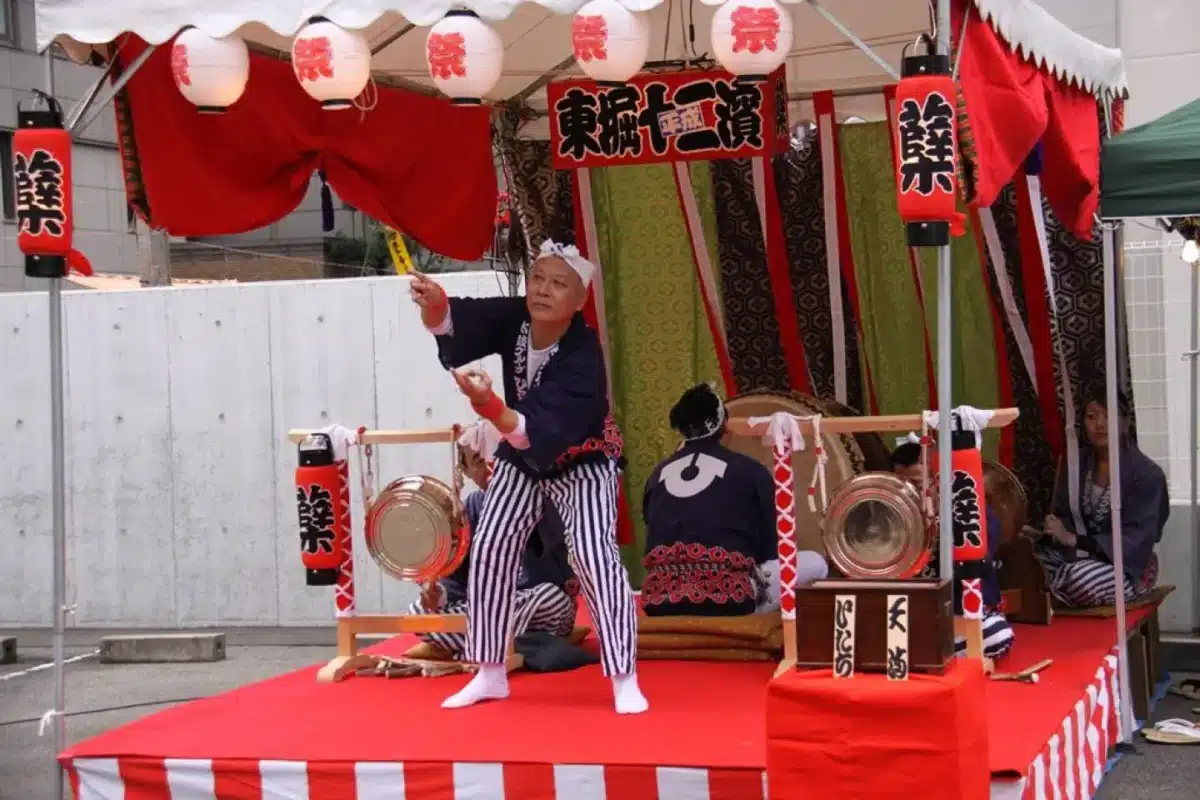
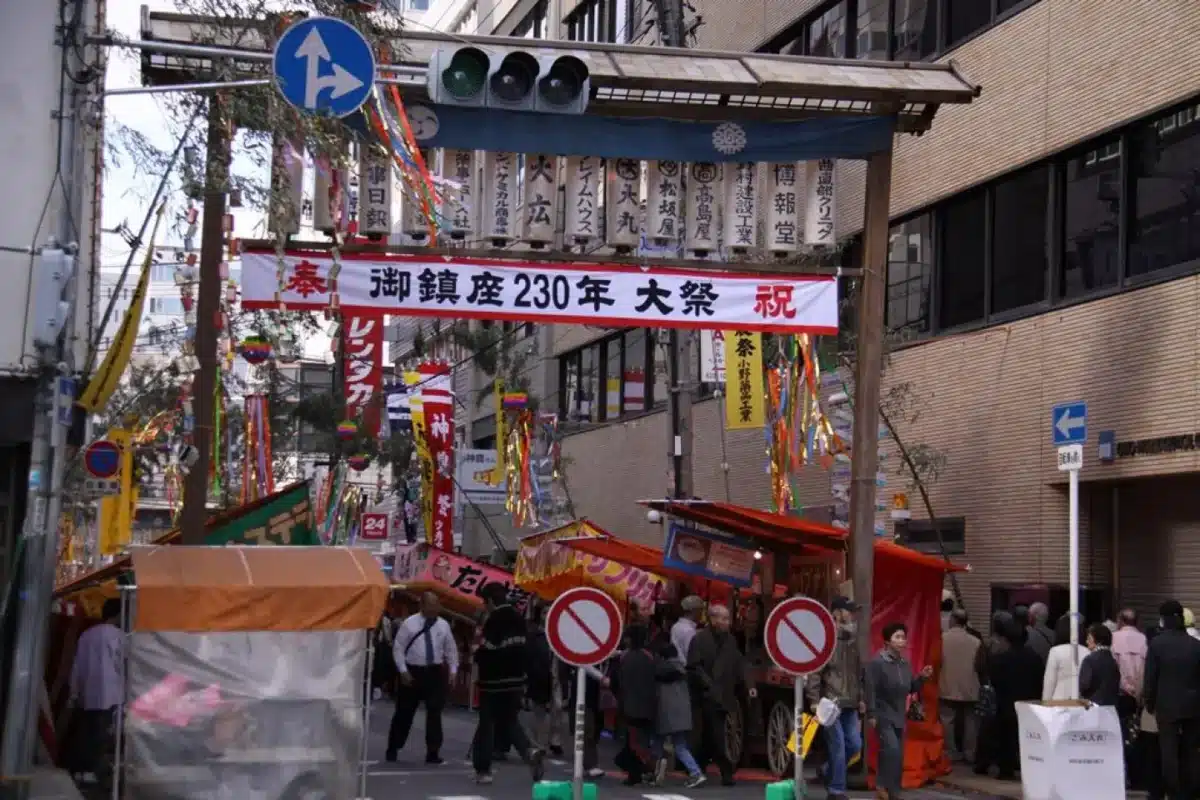
The Shinno-sai Festival is Osaka’s final festival of the calendar year, affectionately known as Tome-no-matsuri, meaning The Stop or The Last Festival. Held at the small but spiritually powerful Sukunahikona Shrine, hidden among the office buildings of Osaka’s pharmaceutical district, this intimate two-day celebration honors the gods of medicine and offers prayers for health, prosperity, and protection from illness.
A mere 20 minutes by foot from central Osaka, or just a 5-minute train ride from Osaka Station, Shinno-sai is one of the most accessible yet overlooked cultural experiences in the city. Unlike the massive, crowded summer matsuri that dominate Japan’s festival calendar, Shinno-sai is compact, community-driven, and deeply tied to the history of medicine in Japan. Sukunahikona Shrine itself is easily missed if not for its distinctive torii gate standing between modern office blocks. Due to its location in the middle of Osaka’s business area, the festival isn’t as big as your typical Japanese festival, but its atmosphere is uniquely autumnal and comforting.
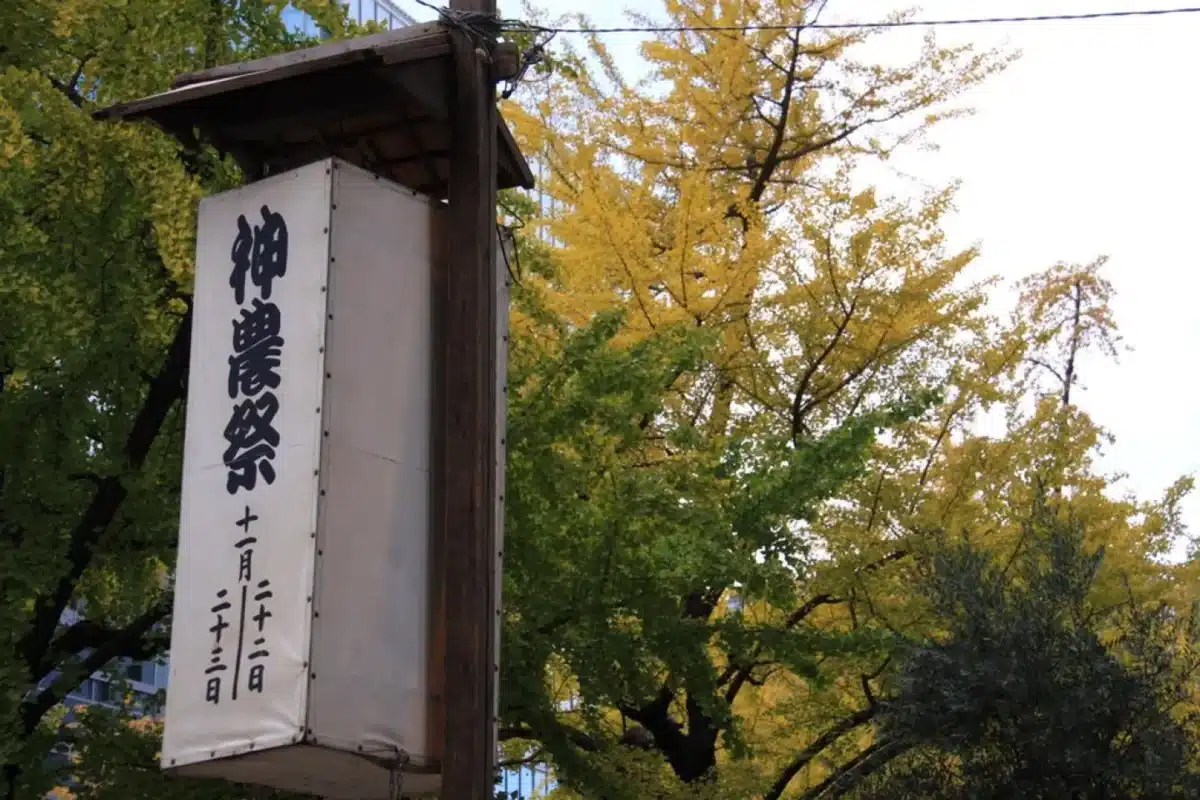
With the cool wind blowing through the row of golden-leaved ginkgo trees on Sakaisuji Street, and the street in front of the shrine lined with stalls selling warm foods and lucky charms, this is a festival worth visiting for those who are out to experience a culture-rich Japanese autumn. Nowadays, businesses especially those in the pharmaceutical industry come to the shrine to pray for health and prosperity. Even on a normal day, people commuting to their workplace will stop and bow in front of the shrine to pay a quick respect, showing how deeply embedded the shrine is in daily life.
Enjoy Your Event Stress-Free with Japan Travelo
Do you know? Planning events, festivals, concerts, and cultural experiences in Japan can be overwhelming. Japan Travelo brings everything together in one place, helping you manage your itinerary, transport, and accommodation with ease—so you can enjoy Japan without the stress of planning.
Cultural Significance & Origins
Shinno-sai is hosted by Sukunahikona Shrine, which enshrines two deities of medicine. The first is Shinno, the Chinese God of Medicine, also known as Shennong, and also meaning Divine Farmer, to commemorate his teachings on agriculture and herbal medicine. The second is Sukunahikona-no-mikoto, the Japanese God of medicine, a small but powerful deity in Shinto mythology known for healing and brewing sake.
The shrine’s location is no coincidence. It sits on Doshomachi Street, famously known as Medicine Town. For over 300 years, Doshomachi has been the center of Japan’s pharmaceutical trade, where many prominent Kansai-based pharmaceutical companies were founded during the Edo period. In the Edo period, medicine wholesalers from across the country gathered here to trade crude drugs and herbal medicines. The shrine became their spiritual guardian, and the festival became their annual thanksgiving and prayer for safety.
The festival’s most famous tradition began in the early 19th century. When an epidemic of cholera struck Osaka, the city suffered greatly. At that time, one of the most popular remedies was a pill containing a tiger cranium compound, and people made paper figures of tigers and prayed at Sukunahikona Shrine for immunity or a cure. Those who had the tiger amulets were said to be cured of the disease. This event cemented the tiger as the symbol of the shrine and gave rise to the Hariko-no-Tora tradition that continues to this day.
Because it is the last festival held in Osaka, it gained the name Tome-no-matsuri. It serves as a symbolic closing of the festival year, a moment to pray for a healthy winter and a fruitful year ahead. The two deities became pivotal figures in Japanese history of medicine, bridging Chinese and Japanese healing traditions.
Traditions, Rituals & Customs
The traditions of Shinno-sai blend Shinto ritual, pharmaceutical history, and folk belief in health protection.
Special Prayers for Health and Business: The core ritual is the special prayer ceremony called Shinno Festival Special Prayer at Sukunahikona Shrine. Companies, especially pharmaceutical companies, medical device makers, and pharmacies, send representatives in formal attire to receive blessings for Yakusoshin, the deity of herbal medicine. Individuals also pray for personal health, recovery from illness, and family safety.
Hariko-no-Tora Tiger Amulet: One symbol of the shrine is the Tiger Amulet. This paper amulet shaped like a tiger is distributed as a keepsake and said to prevent its owner from ill health. Made from papier-mache, the tiger is brightly painted with stripes and a fierce but friendly face. Since the tiger is said to split demons and ward off evil, it has been a symbol of health since the Edo period. People display it in their homes, offices, and pharmacies.
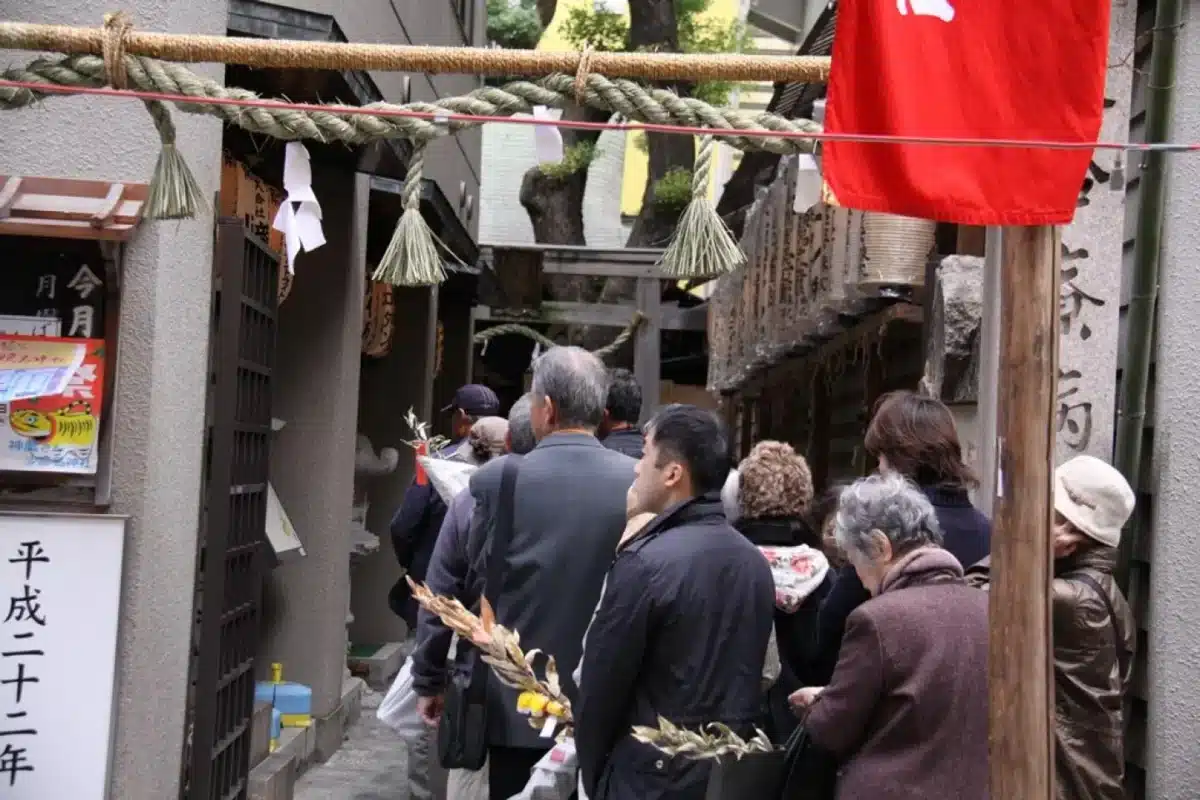
Shintora Bamboo Grass Charms: Alongside the paper tiger, people buy Shintora bamboo grass charms, a health amulet in the shape of a tiger attached to a bamboo grass branch. According to stories, this amulet symbolizes tiger bones which were once used in traditional medicine. The bamboo with a tiger is sold only during the festival and is carried home to be hung at the entrance.
Pharmaceutical Characters Parade: Around the shrine, there are parades and displays featuring pharmaceutical mascots and characters. Pharmaceutical companies set up stalls showcasing their history and offering free samples of traditional herbal teas and health drinks.
Ginkgo Avenue Setting: A unique custom is appreciating the festival under the golden ginkgo trees of Sakaisuji. The shrine approach is lined with ginkgo, and the fallen golden leaves create a carpet that visitors walk on while visiting stalls.
What to Expect at the Festival
Expect a cozy, nostalgic, and deeply local atmosphere that feels like stepping back into Edo-period Osaka.
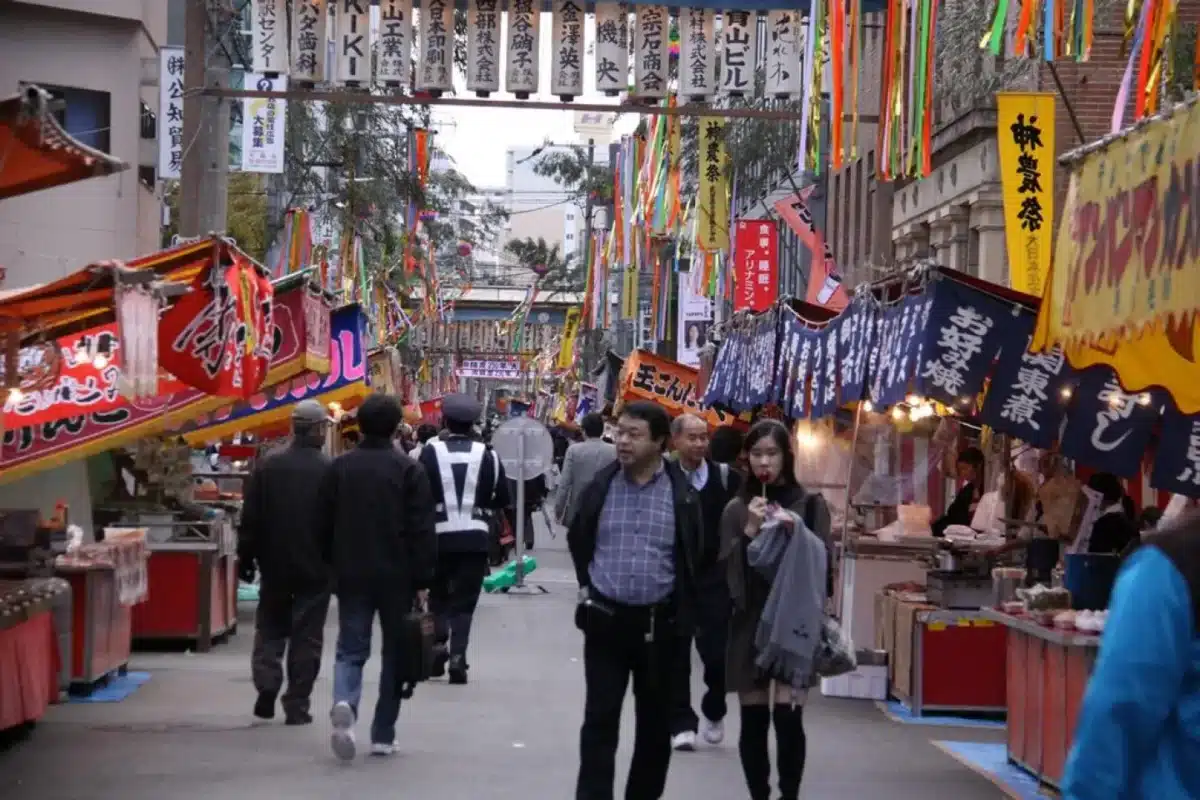
The shrine precincts are tiny, so the festival spills out onto Doshomachi Street. The street in front of Sukunahikona Shrine is lined with yatai stalls selling warm, comforting foods perfect for cool weather. You can get something warm to eat like oden simmered fish cakes, yakitori, taiyaki fish-shaped cakes filled with sweet bean paste, and amazake sweet sake while enjoying the festive atmosphere.
Pharmaceutical company employees in suits mix with elderly locals, young couples, and families with children. There is no loud taiko drumming or massive float procession. Instead, the soundscape is of gentle chatter, shrine bells, and the rustling of ginkgo leaves. Visitors queue to receive their tiger amulet, to have their business cards blessed, and to purchase bamboo tiger charms.
Just beside the shrine is the Museum of Medicine, also called Kusuri no Shiryokan. Although really small, this museum houses exhibits that date back 300 years. You can see tools used for dispensing and storing medicines, old signboards from the Meiji, Taisho, and Showa periods, medicine chests from the Edo period, and artifacts related to the history of medicines in Osaka. The museum lies on the third floor of the Sukunahikona shrine office and has a bronze tiger guarding the entrance. Explanations are in Japanese only, but it is fascinating for those interested in medical history.
The overall mood is one of gratitude and quiet hope for good health, rather than wild revelry.
Date & Schedule
Location: Sukunahikona Shrine
Official Festival Dates: November 22nd – November 23rd 2026
The Shinno-sai Festival is held annually on the same two days each year, making it one of the most predictable festivals in Osaka. It is known as Tome-no-matsuri, the last festival of Osaka’s calendar year.
November 22nd – First Day: The festival begins in the morning around 9:00 AM with the opening of stalls and the start of special prayer ceremonies at Sukunahikona Shrine. Throughout the day, visitors can receive blessings, purchase Hariko-no-Tora tiger amulets and Shintora bamboo charms, and visit the Museum of Medicine. The stalls along Doshomachi Street remain open until early evening, around 5:00 PM to 6:00 PM. Pharmaceutical company representatives often visit in the afternoon to offer formal thanks.
November 23rd – Second Day: The second day follows a similar schedule, from morning until late afternoon. This day often sees more family visitors and general public, as it coincides with a national holiday period. The final prayers are held in the afternoon, closing the festival year for Osaka. The shrine remains open for informal visits after the official stall closing.
Both days are free to attend and the shrine is located at 2-1-8 Doshomachi, Chuo-ku, Osaka City, just a short walk from Kitahama and Yodoyabashi stations.
Visiting this event? Don’t miss out on these amazing activities and local experiences while you’re here.
Main Events & Programme
The program is compact and centered on the shrine grounds and Doshomachi Street.
Special Prayer Ceremony – Shinno Matsuri Kitou: The main religious event held multiple times throughout both days inside Sukunahikona Shrine. Priests in traditional robes perform rituals to pray for health, healing, and business prosperity. Companies can reserve a special group prayer, while individuals can join general prayers. A wooden ema plaque is often offered.
Hariko-no-Tora Distribution: The distribution and sale of the paper tiger amulets at the shrine office. Visitors line up to receive the tiger, which is believed to protect from ill-health for the coming year. Each tiger is handmade and slightly different.
Shintora Bamboo Charm Sale: The sale of bamboo grass branches with tiger charms attached, sold at stalls in front of the shrine. These are the most popular souvenir and sell out quickly.
Pharmaceutical Company Thanksgiving: Many Kansai-based pharmaceutical companies located along Doshomachi Street hold small thanksgiving ceremonies, decorating their building entrances with lanterns and offering free health consultations or traditional herbal teas to passersby.
Museum of Medicine Open Exhibition: The small museum beside the shrine opens its doors for extended hours during the festival, displaying Edo period medicine artifacts, old pharmaceutical signboards, and tools for dispensing medicines. Admission is typically free during the festival.
Street Stalls and Food Vendors: Approximately 20 to 30 stalls line Doshomachi Street selling lucky charms, traditional sweets, warm foods, and health-related goods. The atmosphere is similar to a small town fair.
Traditional Dress, Arts & Crafts
The arts and crafts of Shinno-sai are focused on health talismans and pharmaceutical heritage.
Hariko-no-Tora Papier-Mache Tigers: The signature craft is the paper tiger. Made using hariko technique, layers of washi paper are pasted over a clay or wooden mold, dried, and then hand-painted with bright colors, bold black stripes, and gold details. Each tiger has a bobbing head. The craft is delicate and requires skilled artisans who have preserved the technique for generations. Two large papier-mache tigers guard the shrine entrance during the festival.
Bamboo Grass and Tiger Charms: The Shintora charms combine natural bamboo grass, known as sasa, with small tiger figures made from wood or paper. The bamboo is selected for its fresh green color and tied with red and white mizuhiki cords.
Medicine Signboards and Packaging: The Museum of Medicine displays beautiful vintage pharmaceutical signboards called kanban from the Meiji, Taisho, and Showa periods. These wooden signboards feature hand-painted calligraphy and illustrations of medicinal herbs, tigers, and deities, representing a lost art of commercial art in Japan.
Ema and Omamori: The shrine’s ema votive tablets feature tiger motifs and ginkgo leaves, where visitors write wishes for health. Omamori amulets for health and longevity are also available, embroidered with tiger stripes.
Ginkgo Leaf Art: During the festival, fallen ginkgo leaves are sometimes used by local artists to create temporary art installations along Sakaisuji Street, reflecting the golden autumn aesthetic.
Traditional Food & Local Specialties
The food at Shinno-sai is warming, nostalgic, and tied to Osaka’s merchant culture.
Oden: A must-have in cool weather, oden is a simmering pot of daikon radish, boiled eggs, konnyaku, and fish cakes in a light soy dashi broth. Vendors along Doshomachi keep large pots steaming throughout the festival.
Taiyaki and Imagawayaki: Fish-shaped cakes filled with sweet red bean paste or custard, and round imagawayaki cakes with similar fillings, are popular snacks sold hot from iron molds.
Amazake and Herbal Teas: Sweet, low-alcohol amazake made from fermented rice and herbal teas made from traditional Chinese and Japanese medicinal herbs are offered, many provided by pharmaceutical companies showcasing their products. These are believed to promote health.
Yakitori and Takoyaki: Grilled chicken skewers and Osaka’s famous octopus balls, takoyaki, are standard festival fare, providing hearty, warm bites as you walk.
Kusuriya Sweets: Some stalls sell traditional medicinal sweets like herbal lozenges and ginger candies that were historically sold by Doshomachi merchants.
Ties to Medicine Town Cuisine: The surrounding Chuo-ku area is known for its old merchant restaurants serving dishes like doteyaki beef sinew stewed in miso and udon, perfect for warming up after visiting the shrine.
Location & Festival Areas
The festival is extremely localized, making it easy to explore on foot.
Sukunahikona Shrine: The heart of the festival. Located at 2-1-8 Doshomachi, Chuo-ku, Osaka City, Osaka Prefecture. The shrine is small, wedged between modern office buildings, with a distinctive torii gate marking its entrance. The shrine precincts include the main hall, the shrine office where the Museum of Medicine is located on the third floor, and a small courtyard where prayers are held.
Doshomachi Street – Medicine Town: The street directly in front of the shrine, famous as the historic medicine district. During the festival, this street is partially closed to traffic and lined with stalls. Many prominent pharmaceutical companies have their headquarters or historic buildings along this street, and their facades are decorated for the festival.
Sakaisuji Street Ginkgo Avenue: The major boulevard one block east of the shrine, known for its row of ginkgo trees that turn brilliant gold in autumn. The golden-leaved ginkgo trees create a stunning backdrop and the fallen leaves carpet the sidewalks, enhancing the autumn festival atmosphere.
Museum of Medicine: Located just beside Sukunahikona Shrine, inside the shrine office building. This small museum is an essential part of the festival visit.
Getting to the Festival
The festival’s central Osaka location makes it one of the most accessible festivals in Japan.
By Train: The closest stations are Kitahama Station on the Keihan Main Line and Osaka Metro Sakaisuji Line, and Yodoyabashi Station on the Osaka Metro Midosuji Line and Keihan Main Line. From Kitahama Station, it is a 3-minute walk. From Yodoyabashi Station, about 5 minutes. From Osaka Station or Umeda Station, it is just a 5-minute train ride via the Midosuji Line to Yodoyabashi, or about 20 minutes on foot through the business district.
By Subway: Take the Osaka Metro Sakaisuji Line to Kitahama Station, Exit 1B, and walk west. The shrine’s torii is visible from the main street.
On Foot: From central Osaka areas like Shinsaibashi or Honmachi, the shrine is a pleasant 15 to 20-minute walk north through the office district. The walk along Sakaisuji with ginkgo trees is particularly beautiful.
Accessibility: The shrine is small but accessible, with flat entry. The surrounding streets are paved and easy to navigate. Since the festival is not as crowded as major summer festivals, it is comfortable for visitors with mobility concerns.
Where to Stay Nearby
Osaka offers a vast range of accommodation, and staying near the festival puts you in the heart of the city’s business and cultural center.
Near Kitahama and Yodoyabashi: The area around the shrine is Osaka’s central business district, with many business hotels like Mitsui Garden Hotel Osaka Premier, Hotel Nikko Osaka, and APA Hotel. These are ideal for festival access, with rates typically ranging from $80.00 to $180.00 per night. Staying here allows you to visit the festival multiple times throughout the day.
Umeda and Osaka Station Area: The main transport hub, about 5 minutes by train, offers everything from luxury hotels like InterContinental Osaka to budget hostels. Prices range from $70.00 for business hotels to $250.00 and above for luxury.
Shinsaibashi and Namba: The main entertainment and shopping districts, about 10 minutes by subway, offer vibrant nightlife and dining after the festival stalls close. Hotels here range from $60.00 to $200.00.
Booking Tips: Since the festival is in late autumn and coincides with Osaka’s beautiful autumn foliage season, hotels can be busy but not as sold out as summer festival periods. Booking 1 to 2 months ahead is usually sufficient. For those interested in pharmaceutical history, some hotels in Doshomachi offer packages including a guided walk of Medicine Town.
What Visitors Can Participate In
Shinno-sai is highly participatory and welcoming to all visitors, with no restrictions on participation.
Receive a Health Prayer: Visitors can enter the shrine hall to receive a personal prayer for health from Shinto priests. You can offer a small donation and receive a blessing, often including a small omamori amulet.
Purchase Tiger Amulets: The most popular participation is buying a Hariko-no-Tora paper tiger amulet and a Shintora bamboo charm. Visitors line up at the shrine office to select their tiger, which is then blessed. Displaying it at home is believed to prevent ill-health.
Write an Ema Plaque: Purchase a wooden ema plaque at the shrine, write your wish for health, family safety, or business prosperity, and hang it on the ema rack in the shrine courtyard.
Visit the Museum of Medicine: Enter the small Museum of Medicine beside the shrine to see 300-year-old medicine tools and signboards. It is free during the festival and offers a deep dive into the history of Japanese pharmaceuticals.
Bow and Pay Respect: Even on a non-festive day, commuters stop and bow in front of the shrine. Visitors are encouraged to follow this custom, bowing twice, clapping twice, and bowing once more before the main hall.
Taste Health Teas: Many pharmaceutical company stalls offer free tastings of traditional herbal teas and health drinks. Visitors can sample and learn about the medicinal properties of various herbs.
Things to Do Before or After the Festival
The festival’s central location makes it perfect to combine with other Osaka attractions.
Osaka Castle and Osaka Museum of History: Just east of the festival area, Osaka Castle is stunning in autumn with its surrounding park’s fall colors. The nearby museum offers insights into Osaka’s history from ancient times to the merchant era.
Nakanoshima Park and Rose Garden: Located between the Dojima and Tosabori rivers, Nakanoshima Park is beautiful in autumn with its ginkgo and maple trees. The Nakanoshima Library and Osaka City Central Public Hall are architecturally impressive.
Dotonbori and Shinsaibashi: Experience Osaka’s famous neon-lit entertainment district with its giant crab and octopus signs, street food, and shopping, just 15 minutes south by subway.
Kuromon Market and Hozenji Yokocho: Explore Kuromon Ichiba Market, known as Osaka’s kitchen, for fresh seafood and street foods, and the atmospheric Hozenji Yokocho alley with its moss-covered temple.
Umeda Sky Building: For panoramic views of Osaka, especially beautiful at sunset in autumn, visit the Floating Garden Observatory at Umeda Sky Building.
Pharmaceutical History Walk: Take a self-guided walk along Doshomachi Street to see the historic buildings of pharmaceutical companies, many with small museums or display windows showing their founding era artifacts.
Local Food & Restaurants
The Chuo-ku area around the shrine is one of Osaka’s best food districts, known for merchant-era cuisine.
Doshomachi and Kitahama Dining: The area has many old, established restaurants serving dishes like doteyaki, beef sinew stewed in miso and mirin, and tekka-don tuna bowls. Restaurants like Kitahama Restaurant and Doshomachi’s traditional kappo eateries serve set lunches from $10.00 to $20.00.
Osaka Soul Food: Try Osaka specialties nearby, such as okonomiyaki savory pancakes, takoyaki octmodel balls, and kushikatsu fried skewers. Popular chains and local shops around Yodoyabashi offer these for $6.00 to $12.00.
Festival Stall Food: During the festival, stalls sell oden for around $2.50 to $4.00 per item, taiyaki for $2.00 to $3.00, and amazake for $3.00 to $4.00.
Cafes with Ginkgo Views: Many cafes along Sakaisuji Street offer seasonal menus with views of the golden ginkgo trees, serving matcha lattes, seasonal parfaits, and sandwiches for $5.00 to $10.00.
Michelin and High-End: The Kitahama area has several Michelin-starred restaurants focusing on kaiseki and French-Japanese fusion, with dinner courses from $80.00 to $200.00, ideal for a special meal after receiving a health blessing.
Ticket Information & Access
The Shinno-sai Festival is completely free to attend.
Admission: All events, including entry to Sukunahikona Shrine, viewing of stalls, participation in prayers, and entry to the Museum of Medicine during the festival, are free of charge. There are no tickets required for general viewing. The shrine and its festival stalls are open to the public.
Prayer and Amulet Costs: While entry is free, special prayers and amulets have small fees based on previous editions. Special health prayer at the shrine: from $10.00 to $50.00 depending on individual or group prayer. Hariko-no-Tora paper tiger amulet: from $8.00 to $15.00 per tiger. Shintora bamboo grass charm with tiger: from $5.00 to $10.00 per branch. Ema votive tablet: from $5.00. Omamori health amulet: from $6.00 to $12.00. These are purchased at the shrine office.
Access: The shrine is located at 2-1-8 Doshomachi, Chuo-ku, Osaka City. It is a 3-minute walk from Kitahama Station Exit 1B and a 5-minute walk from Yodoyabashi Station. The festival area is wheelchair accessible, with flat streets and accessible shrine entry.
Hours: On both festival days, stalls and shrine activities typically run from around 9:00 AM to 5:00 PM. The Museum of Medicine follows similar hours. Even outside these hours, the shrine remains open for quiet visits.
Contact: Sukunahikona Shrine at 06-6231-6958 for inquiries about prayers and festival details.
Official Event Information
Festival Name: Shinno-sai Festival, also known as Shinno Matsuri, Tome-no-matsuri The Last Festival
Location: Sukunahikona Shrine, 2-1-8 Doshomachi, Chuo-ku, Osaka City, Osaka Prefecture
Shrine Deities: Shinno Chinese God of Medicine and Sukunahikona-no-mikoto Japanese God of medicine
Historic District: Doshomachi Street, Medicine Town
Organizer: Sukunahikona Shrine and Doshomachi Pharmaceutical Association
Official Website URL as Text: en.japantravel.com/osaka/shinno-sai-festival/439
Additional Official Information as Text: osaka.com/en/event/1297.html and travel.rakuten.com/must-see-fall-events-festivals-osaka/
Contact Phone as Text: 06-6231-6958
Museum: Museum of Medicine, 3rd floor of Sukunahikona Shrine office, free admission during festival
Location
FAQ
What is Shinno-sai Festival and why is it called the last festival of Osaka?
Shinno-sai is a historic health-focused festival held at Sukunahikona Shrine in Osaka's Medicine Town, honoring the Chinese and Japanese gods of medicine for health and prosperity. It is called Tome-no-matsuri or The Last Festival because it is traditionally the final festival held in Osaka each calendar year, serving as a symbolic closing of the festival season with prayers for a healthy winter and new year.
What is the Hariko-no-Tora tiger amulet and why is it important?
Hariko-no-Tora is a papier-mache tiger amulet that is the symbol of Sukunahikona Shrine and the most famous keepsake of Shinno-sai, believed to prevent ill-health and ward off evil. The tradition started in the early 19th century when a cholera epidemic struck Osaka and those who prayed with tiger figures were said to be cured, as tiger bone was a popular remedy at the time. Today visitors display the brightly painted tiger in homes and pharmacies as a protector of health.
Is the festival free and what can I do there?
The festival is completely free to attend, including entry to the shrine, viewing stalls, and visiting the Museum of Medicine beside the shrine. Visitors can receive special health prayers from priests, purchase tiger amulets and bamboo charms, write wishes on ema plaques, taste herbal teas from pharmaceutical companies, and enjoy warm street foods like oden and taiyaki while walking under golden ginkgo trees. No tickets are required for any part of the general festival.
Where exactly is Sukunahikona Shrine and how do I get there?
Sukunahikona Shrine is located at 2-1-8 Doshomachi, Chuo-ku, Osaka City, hidden among office buildings in the Doshomachi Medicine Town district. It is a 3-minute walk from Kitahama Station on the Keihan and Sakaisuji lines, and a 5-minute walk from Yodoyabashi Station on the Midosuji line, or about a 5-minute train ride from Osaka Station. The shrine's torii gate is the main landmark visible from the street.
What is Doshomachi Medicine Town and why is the shrine there?
Doshomachi is a historic district in central Osaka that has been Japan's pharmaceutical trading center for over 300 years, where medicine wholesalers gathered in the Edo period to trade herbal medicines. Sukunahikona Shrine became their spiritual guardian because it enshrines the gods of medicine, and pharmaceutical companies still come to pray for business prosperity and safety. Even on normal days, commuters stop to bow at the shrine, showing how deeply the medicine trade and faith are intertwined in this area.

Leave a Reply