
Overview
The rainy season has been an unseasonably wet one, but are you prepared for the blazing heat that is to come? Shizuoka Prefecture has got you covered with Chagori, a portmanteau of ocha, meaning tea, and kakigori, meaning shaved ice.
This event showcases over 60 tea shops and cafes across the prefecture. Each shop has their own take on the perfect tea-flavored frozen treat. While Shizuoka is known as the holy land for green tea in Japan, all kinds of tea are being represented, so you are sure to find the flavor that is right for you.
In Shizuoka Prefecture in central Japan, over sixty cafes and tea retailers have come together to create gourmet tea inspired shaved ice. Though Shizuoka is famous for its green tea, tea lovers will be able to find the flavor they are looking for, from matcha and sencha to hojicha roasted green tea, black tea, oolong tea, and genmaicha.
Enjoy Your Event Stress-Free with Japan Travelo
Do you know? Planning events, festivals, concerts, and cultural experiences in Japan can be overwhelming. Japan Travelo brings everything together in one place, helping you manage your itinerary, transport, and accommodation with ease—so you can enjoy Japan without the stress of planning.
Locations participating in this event range from Hamamatsu to Atami, so there is sure to be a store near you. The event is a prefecture-wide stamp rally and tasting tour, encouraging visitors to travel across Shizuoka, visiting tea farms, historic tea shops, and modern cafes while cooling down with tea kakigori.
What Makes This Food Event Special
What makes Shizuoka Chagori special is its combination of terroir, creativity, and prefecture-wide scale.
Holy Land of Green Tea: Shizuoka is known as the holy land for green tea in Japan. Forty percent of Japan’s green tea farm areas are located in Shizuoka. The prefecture has been reclaiming top tea status with a focus on matcha, including organic tencha that is seeing strong demand abroad. Chagori lets you taste that heritage in frozen form, made by the farmers and tea masters themselves.
Over 60 Shops, 60 Different Interpretations: With over 60 tea shops and cafes participating, each shop has their own take on the perfect tea-flavored frozen treat. No two Chagori are alike. Some are traditional, with hand-shaved ice and matcha syrup, others are avant-garde parfaits with tea jelly, warabimochi, kinako, and ice cream.
All Teas Represented: While Shizuoka is famous for green tea, all kinds of tea are being represented. You can find matcha, sencha, gyokuro, hojicha, which is a sweet stick roasted hojicha with no bitterness or astringency, black tea produced by farms like Shitajimaen in Tamagawa district of Shizuoka City, oolong tea, and genmaicha. This diversity reflects Shizuoka farmers who now produce several kinds of tea such as green tea, oolong tea, roasted tea, and black tea all from one farm.
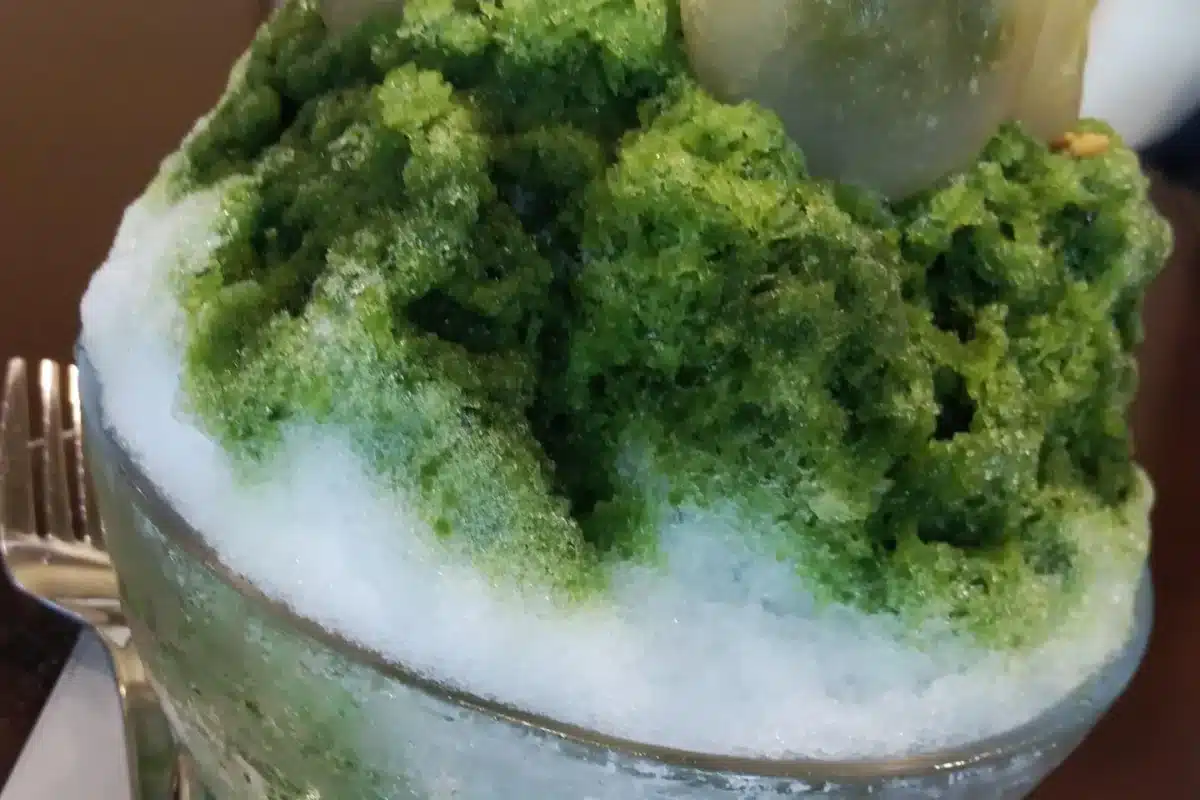
Fuji-esque Dessert Architecture: Chagori desserts are famous for their dramatic presentation. One signature dessert is a gigantic, Fuji-esque matcha mountain which is enough to feed two people, with four warabimochi boulders and a summit of ice cream with matcha kinako snow. The visual impact is as important as flavor.
Prefecture-Wide Journey: Unlike a single-venue festival, Chagori is a journey from Hamamatsu in the west to Atami in the east, from the tea fields of Makinohara and Kakegawa to the coastal cities of Shizuoka and Shimizu. It encourages slow travel, cycling to tea farms, and visiting 150-year-old farmhouses for tastings.
Food, Cuisine & Specialties
The cuisine is kakigori, but elevated through tea mastery.
Matcha Kakigori: The star of Shizuoka. Examples include:
Maccha Shaved Ice topped with Matcha Warabimochi and Kinako: This dessert from the tea specialty shop Gashoan in Shizuoka City is loaded with enough matcha to satisfy your sweet tooth. As your order arrives, you will realize that you are starting a trek up a gigantic, Fuji-esque matcha mountain, which is enough to feed two people. Then your eyes will peer upwards where four warabimochi boulders await. At the summit is a generous helping of ice cream with a layer of matcha kinako snow. Price is around $6.00 including tax.
Matcha and Cream Cheese Kakigori: Fluffy ice with modest sweetness, layered with matcha sauce, cream cheese, and shirataki-like warabimochi, keeping you engaged until the last bite.
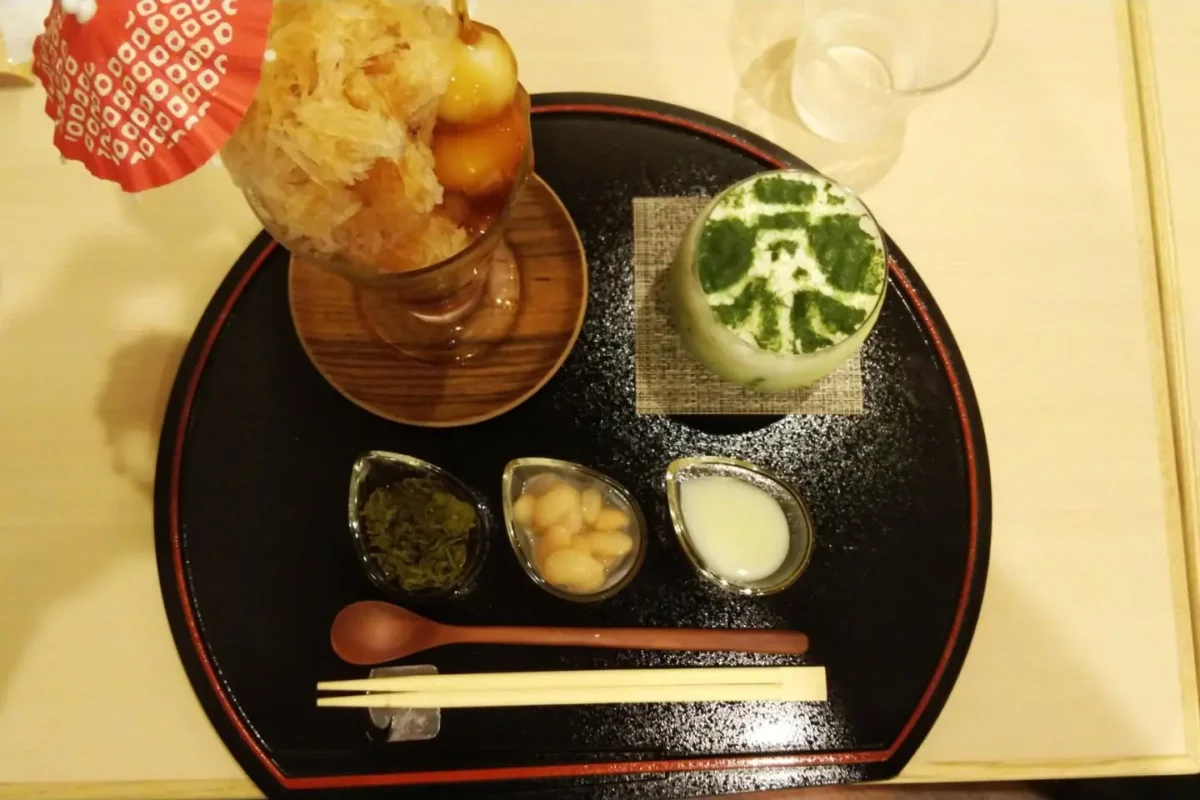
Black Tea and Strawberry Parfait Style: Aoi no Kyo variation made by T’s green omachi utilizes black tea to create a parfait style shaved ice dessert. The mitsu dango resting on top is just the appetizer. Dive to the bottom to try a delicious combination of black tea and strawberries. You can customize it further by using three toppings: daifuku beans, green tea leaves simmered with soy sauce, and renyuu condensed milk. A drink is included. Price around $7.00 excluding tax.
Hojicha Kakigori: Hojicha is roasted 100 percent Shizuoka kukicha, roasted for more than three years to maximize sweetness. Because it is stick tea and not leaf, it has no bitterness. Hojicha kakigori offers toasty, caramel-like flavors with low caffeine, so there is no need to worry about difficulty falling asleep at night. Hojicha shot beers with addition of matcha are also on some menus, adding richness that approaches stout.
Genmaicha, Sencha, and Oolong Kakigori: Genmaicha with roasted rice adds nutty flavor, sencha kakigori offers bright, grassy notes, and oolong kakigori provides floral complexity.
Toppings and Customization: The excitement of customizing your own dessert is what makes the shaved ice experience so appealing. Toppings include warabimochi, kinako roasted soybean flour, daifuku beans, mitsu dango sweet dumplings, green tea leaves simmered with soy sauce, condensed milk, ice cream, and matcha warabimochi.
Chefs, Restaurants & Food Vendors
The vendors are tea specialty shops, tea farmers, and cafes, not conventional chefs.
Gashoan – Gashoan Tea Specialty Shop: Located at Mukoshikiji 1198-1, Suruga-ku, Shizuoka-shi, this tea specialty shop is famous for its matcha mountain kakigori loaded with matcha warabimochi and kinako. They use high-grade matcha from their own tea fields.
T’s Green Omachi – Aoi no Kyo: Located at Shichiken-cho 16-7, Aoi-ku, Shizuoka-shi, this cafe creates parfait style shaved ice using black tea, strawberries, and customizable toppings, with a drink included and option to upgrade to matcha latte for full cafe experience.
Shizuoka Tea Farms: Many participating shops are actual tea farms offering tastings of several kinds of tea such as green tea, oolong tea, roasted tea, and black tea all made by the farmer. Farms in Makinohara, Kakegawa, and Tamagawa district run by families like the Sato family at Shitajimaen produce black tea that is gifted and stored before sale.
Hamamatsu to Atami Cafes: Participants range from coastal cafes in Atami and Ito to mountain cafes in Kawane and urban tea bars in Shizuoka City and Hamamatsu, each bringing local water and ice shaving techniques that affect texture.
Michelin-Inspired Kakigori Shops: Some Shizuoka shops take inspiration from Michelin-starred Tokyo kakigori shops, offering flavors like Matcha and Orange and Lemon and Chiboust with creative combinations.
Food Experience
The experience is cooling, educational, and deeply tied to place.
Manual Kakigori Texture: Official descriptions explain that the texture of manual kakigori is fluffy. Unlike machine-crushed ice, hand-shaved ice from pure natural ice creates feathery, snow-like texture that melts slowly and absorbs tea syrup without becoming watery.
Mountain Climbing Dessert: Eating a Chagori is described as a trek. You start at the base of a gigantic matcha mountain, work through layers of ice, warabimochi boulders, kinako snow, and finish at the summit ice cream. It is enough to feed two people and is meant to be shared.
Customize Your Own: Many shops offer customization. You can add toppings like daifuku beans, green tea leaves simmered with soy sauce, renyuu, and choose drinks like matcha latte. The ability to personalize makes each bowl unique.
Tea Farm to Bowl Journey: For a deeper experience, you can book guided bike tours to green tea farms in Shizuoka countryside, about 1 hour cycling to farm, with explanation by farmer, photos in farm, and move to farmer’s 150-year-old house for tasting of several kinds of tea. Then enjoy kakigori made from that same farm’s tea.
Cafe Experience: Shops offer full cafe experiences with jazz music playing at unexpected settings for shaved ice shops, views of tea fields, and pairing with other tea sweets like tea brulee and fujimatcha ice.
Stamp Rally: Many visitors collect stamps from participating shops, with maps provided on the Chagori website. Completing a certain number earns small tea gifts.
Date & Schedule
Location: Across Shizuoka Prefecture
Official Period: Early Jul – Late September 2027 (Dates TBD)
Chagori is a summer-long event designed to help visitors cope with blazing heat. The event goes from July until the end of September and showcases over 60 tea shops and cafes across the prefecture.
Typical Schedule Based on Previous Editions:
Opening Period: Shops begin offering Chagori from early July, right after the rainy season ends. Menus are launched simultaneously with posters and maps distributed at tourist information centers.
Peak Period: August is the busiest period, with all 60 plus shops offering their creations daily. Many shops extend hours and offer evening kakigori to enjoy after a hot day.
Late Season: September sees the final weeks with some shops introducing autumn flavors like hojicha and chestnut. The event officially ends at the end of September, though some popular shops continue selling their Chagori into October.
Hours: Individual shop hours vary, typically from 10:00 AM to 6:00 PM for tea shops and 11:00 AM to 8:00 PM for cafes. It is recommended to check each shop’s hours on the official Chagori website.
Language Note: As of late July, no English website is available, so checking Japanese site or tourist information is recommended.
Visiting this event? Don’t miss out on these amazing activities and local experiences while you’re here.
Location & Venue
The venue is not one place but an entire prefecture.
Shizuoka Prefecture-Wide: Locations participating range from Hamamatsu to Atami, covering the entire length of Shizuoka Prefecture. This includes major cities like Shizuoka City, Hamamatsu City, Shimizu, Fuji City, Numazu, Atami, and rural tea towns like Makinohara, Kakegawa, Shimada, and Kawane.
Key Areas:
Shizuoka City – Suruga and Aoi Wards: Home to Gashoan at Mukoshikiji 1198-1, Suruga-ku, and T’s Green Omachi at Shichiken-cho 16-7, Aoi-ku. These are easily accessible from Shizuoka Station.
Makinohara and Kakegawa: The heart of tea production, with vast tea fields and farm cafes where you can see tea being harvested.
Hamamatsu and Western Shizuoka: Coastal area with modern cafes offering innovative Chagori.
Atami and Izu Peninsula: Resort area where Chagori is served with ocean views.
Venue Types: Shops include traditional tea specialty shops, modern cafes, farm direct shops, and even some hotels and ryokan that create special Chagori for guests.
Access Note: Each shop has its own address. The official Chagori website provides a map with all participating locations.
Getting to the Event
Getting to Shizuoka Chagori depends on which shops you want to visit, but the prefecture is very accessible.
By Shinkansen: Shizuoka Prefecture is only 75 minutes from Tokyo to Shizuoka by bullet train on the Tokaido Shinkansen, and just a little more, 90 minutes, from Kyoto to Shizuoka. Major stations are Atami, Mishima, Shin-Fuji, Shizuoka, Kakegawa, and Hamamatsu. From each Shinkansen station, local buses and trains connect to participating cafes.
By Local Train: The Tokaido Main Line runs the length of the prefecture, connecting Hamamatsu to Atami, stopping at all major cities where Chagori shops are located.
By Car: Driving is the best way to visit multiple shops, especially tea farms in Makinohara and Kawane. The Tomei Expressway and Shin-Tomei Expressway run through the prefecture with interchanges at all major tea towns. Rental cars available at Shizuoka Station.
For Gashoan: From Shizuoka Station, take a bus or taxi to Mukoshikiji 1198-1, Suruga-ku, about 20 minutes. For Aoi no Kyo at Shichiken-cho 16-7, Aoi-ku, it is about 10 minutes on foot from Shin-Shizuoka Station.
Cycling: For an immersive experience, guided bike tours to tea farms are available, about 1 hour cycling to farm from central Shizuoka, with rental bicycles at tourist centers.
Where to Stay Nearby
Shizuoka Prefecture offers diverse accommodation for a tea-themed road trip.
In Shizuoka City: Business hotels such as Hotel Century Shizuoka, Daiwa Roynet Hotel Shizuoka, and Shizuoka Hotel Olive are near Shizuoka Station and central shops. Prices from $60.00 to $120.00 per night.
Tea Farm Stays: Some tea farms offer farm stays where you stay in a 150-year-old house and enjoy tastings of several kinds of tea. Prices from $80.00 to $150.00 per person including meals.
In Hamamatsu and Atami: Resort hotels in Hamamatsu and Atami offer onsen baths and ocean views, ideal for cooling down after hot days. Atami has many hot spring ryokan from $100.00 to $300.00 per night.
Camping and Glamping: Tea field glamping sites in Makinohara offer stays among tea fields.
Booking Tips: Summer is peak season for Shizuoka due to Mount Fuji climbing and beach resorts, so booking 1 to 2 months ahead is recommended. Many hotels offer Chagori maps at reception.
Things to Do Before or After the Event
Combine Chagori with Shizuoka’s many attractions.
Tea Farm Experiences: Visit tea farms for picking experiences, factory tours, and tasting of several kinds of tea. Learn about sencha, matcha, hojicha production.
Mount Fuji Views: Shizuoka offers some of Japan’s best Mount Fuji views from Miho no Matsubara pine grove, Nihondaira plateau, and Fuji City.
Green Tea Softcream Tour: Forty percent of Japan’s green tea farm areas are in Shizuoka, and many shops offer softcream flavors featuring sencha and hojicha. Do a softcream comparison tour.
Atami Hot Springs: Relax in Atami’s hot springs after a day of kakigori hopping.
Hamamatsu Castle and Lake Hamana: Explore Hamamatsu’s castle and lake area with eel cuisine.
Shizuoka Oden: Try Shizuoka’s other famous food, Shizuoka oden, a dark broth oden with skewered ingredients topped with fish powder, often enjoyed in winter but available year-round.
Restaurants & Local Food to Try
Beyond Chagori, Shizuoka is a food paradise.
Shizuoka Green Tea: Try premium teas including ceremonial matcha, sencha, hojicha, and black tea. Japanese premium ceremonial matcha 100 percent Shizuoka green tea ranges from $15.00 to $25.00 per tin.
Matcha Ice Cream: One green tea ice cream specialist in Shizuoka Prefecture offers ultra-premium green tea ice cream for $16.20 a scoop, made by tea producer Oyaizu Seiichi who diversified by opening a cafe. Their cafe offers matcha, hojicha, jasmine and Darjeeling teas.
Shizuoka Oden and Seafood: Try Shizuoka oden with dark soy broth and black hanpen fish cake, and fresh seafood from Suruga Bay including sakura shrimp and whitebait.
Hamamatsu Gyoza and Unagi: Hamamatsu is famous for gyoza dumplings and grilled eel from Lake Hamana, with meals from $10.00 to $20.00.
Wasabi: Shizuoka is one of Japan’s top wasabi producing areas, especially in Izu. Try fresh wasabi with soba.
Craft Beer and Sake: Shizuoka has craft breweries offering green tea beers, including hojicha shot beers with matcha, and sake breweries using tea-field water.
Dietary & Food Allergy Information
Chagori is generally accessible but contains common allergens.
Allergen Information: Most Chagori contains dairy through ice cream, condensed milk, and milk-based syrups. Warabimochi may contain soy and bracken starch. Kinako is roasted soybean flour, containing soy. Daifuku beans contain beans and may contain nuts. Mitsu dango contains wheat and soy. Always ask shops about specific ingredients.
Matcha Caffeine: Matcha contains caffeine, though hojicha is lower in caffeine because roasting causes leaf to shed caffeine. Some shops offer decaffeinated or low-caffeine options.
Gluten: Many toppings like dango contain wheat. Ice cream may contain gluten. Plain shaved ice with tea syrup may be gluten-free, but cross-contact possible.
Vegan and Vegetarian: Many Chagori contain dairy and may contain gelatin. Some shops offer vegan versions using soy milk ice cream and no dairy toppings. Ask for vegan options.
Halal: Halal-certified Chagori is rare. Tea itself is halal, but toppings may contain non-halal ingredients. Check with shops.
Language Support: Menus are primarily in Japanese with pictures. Some tourist-oriented shops have English menus. Translation apps help. As of late July, no English website is available for the event, so tourist information centers can help.
Ticket Information
Shizuoka Chagori is not a ticketed single venue but a prefecture-wide tour where you pay per shop.
Admission: There is no admission fee to participate in the Chagori event itself. You simply visit participating shops and purchase Chagori individually.
Chagori Pricing Based on Previous Editions:
Standard Chagori: Most Chagori desserts range from $6.00 to $9.00. The signature Maccha Shaved Ice topped with Matcha Warabimochi and Kinako from Gashoan is $6.00 including tax. Aoi no Kyo’s black tea parfait style is around $7.00 excluding tax, with drink included.
Premium and Large Size: Larger Fuji-esque mountains enough to feed two people, or those with extra toppings like ice cream and warabimochi boulders, range from $8.00 to $12.00. Some premium matcha ice cream from specialty producers may be higher, up to $16.20 per scoop for ultra-premium.
Drinks: Upgrading to matcha latte or hojicha latte costs additional $2.00 to $4.00.
Stamp Rally: Some shops offer stamp cards where collecting stamps earns free toppings or small tea gifts. No extra fee.
Payment: Most shops accept cash and many accept IC cards and QR payments. Bring yen in cash for rural farm shops.
No Reservation Needed: No reservation needed for most shops, though popular shops like Gashoan may have queues on weekends. Arriving early is recommended.
Official Event Information
Event Name: Shizuoka Chagori
Location: Across Shizuoka Prefecture, from Hamamatsu to Atami, including Shizuoka City, Makinohara, Kakegawa, and other tea towns. Example addresses: Mukoshikiji 1198-1, Suruga-ku, Shizuoka-shi and Shichiken-cho 16-7, Aoi-ku, Shizuoka-shi
Format: Prefecture-wide summer festival with over 60 tea shops and cafes offering gourmet tea-inspired shaved ice kakigori
Organizer: Shizuoka Prefecture Tea Industry Association, Shizuoka Prefecture Tourism Association, and participating tea shops
Official Website URL as Text: en.japantravel.com/shizuoka/shizuoka-chagori/63149
Additional Official Information as Text: Chagori official website for map and participating shops, and Shizuoka City official tourism website for tea farm tours
Contact: Shizuoka Prefecture Tourism Association and individual participating shops
Location
FAQ
What is Shizuoka Chagori and what does the name mean?
Shizuoka Chagori is a summer-long event across Shizuoka Prefecture where over 60 tea shops and cafes create gourmet tea-inspired shaved ice, with each shop having its own take on the perfect frozen treat. The name Chagori is a portmanteau of ocha meaning tea and kakigori meaning shaved ice, reflecting the fusion of Shizuoka's famous tea culture with the classic Japanese summer dessert of shaved ice.
How many shops participate and what teas are featured?
The event showcases over 60 tea shops and cafes across the prefecture, ranging from Hamamatsu in the west to Atami in the east, including tea farms, specialty shops, and modern cafes. While Shizuoka is known as the holy land for green tea in Japan, all kinds of tea are represented, including matcha, sencha, hojicha roasted green tea that has no bitterness and lower caffeine, black tea produced by local farms, oolong tea, and genmaicha.
What are some signature Chagori desserts I should try?
A signature is the Maccha Shaved Ice topped with Matcha Warabimochi and Kinako from Gashoan tea specialty shop in Shizuoka City, described as a gigantic Fuji-esque matcha mountain enough to feed two people with four warabimochi boulders and a summit of ice cream with matcha kinako snow. Another is Aoi no Kyo's parfait style black tea and strawberry shaved ice with mitsu dango on top and three customizable toppings including daifuku beans, green tea leaves simmered with soy sauce, and renyuu condensed milk.
Do I need tickets and how much does Chagori cost?
There is no admission fee for the Chagori event itself, you simply visit participating shops and purchase Chagori individually as you would any cafe dessert. Based on previous editions, most Chagori range from $6.00 to $9.00, with premium large sizes enough for two people or with extra toppings costing $8.00 to $12.00, and some ultra-premium matcha ice cream costing up to $16.20 per scoop.
How do I visit multiple Chagori shops across Shizuoka?
Locations participating range from Hamamatsu to Atami, so there is sure to be a store near you, and the official Chagori website provides a map with all participating shops, though as of late July no English website is available. Shizuoka is only 75 minutes from Tokyo by bullet train and 90 minutes from Kyoto, with the Tokaido Main Line connecting major cities, and driving via Tomei Expressway is best for visiting multiple rural tea farms, with guided bike tours also available for immersive farm visits.

Leave a Reply