
Overview
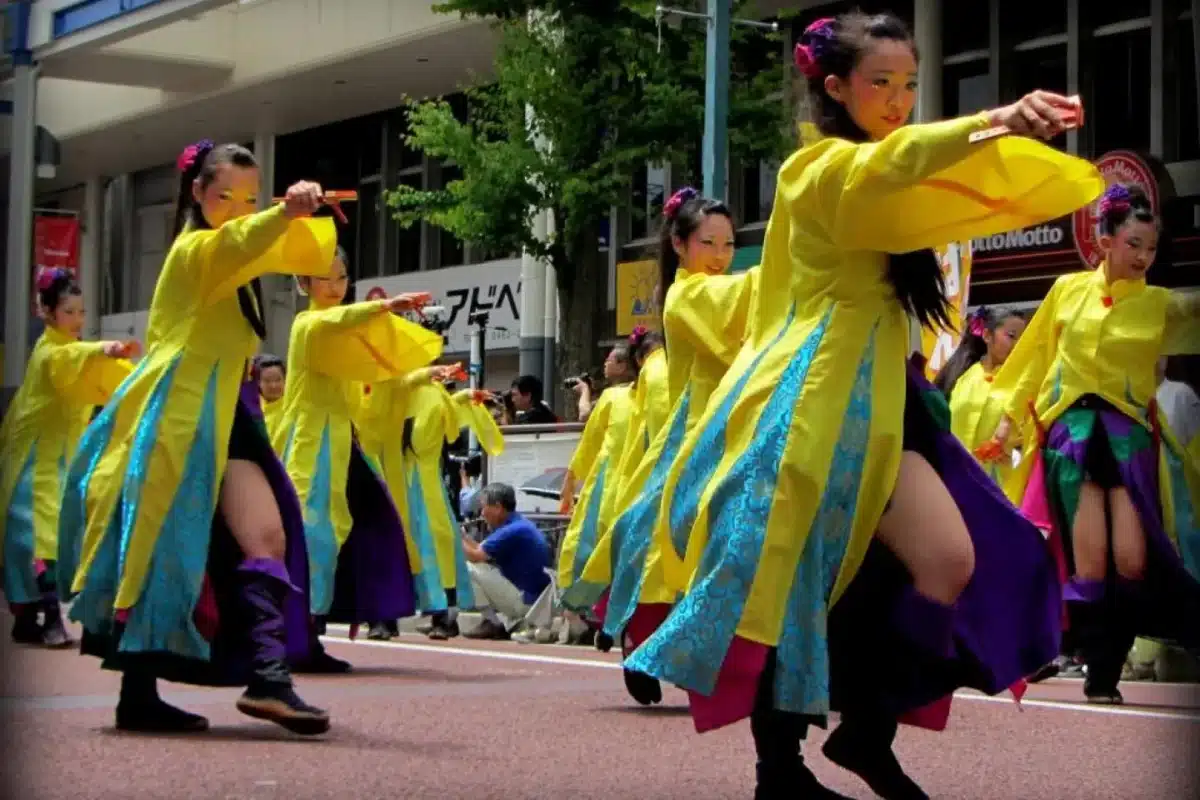
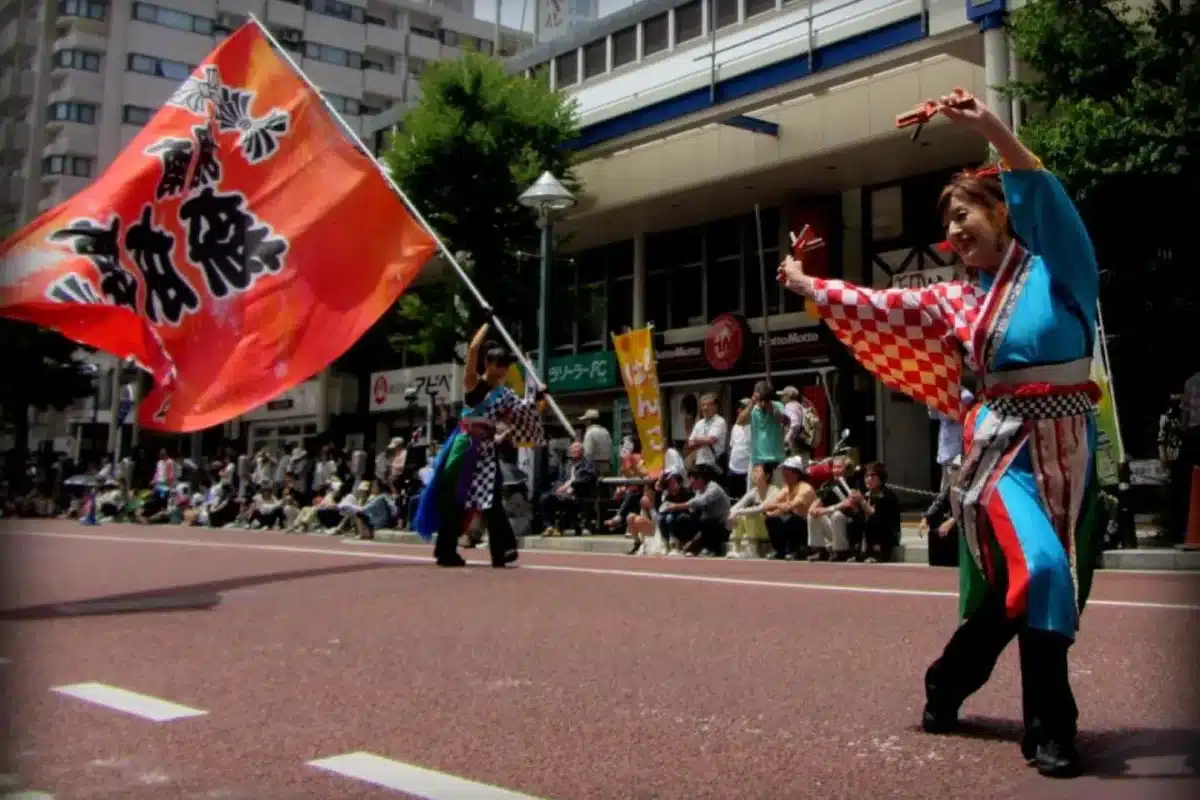
The Shonan Yosakoi Festival is a fairly new festival in Hiratsuka city, Kanagawa. It features dance groups from all over Japan, and is a really great spring festival. With over forty teams competing with their own song-and-dance routines, each one embodies the spirit of Japan and the country’s love of energy!
Held in early June, the dances range from traditional to modern, and of course there are all of the great festival foods to munch on while you watch. In the past, the festival has had teams from the Tohoku area and drew attention to the ongoing restoration effort. Feel free to join in with the dancing and let your feet lead you along with these frenzied crowds. You will soon find yourself lost in the crowd, cheering for the dancers!
The festival takes place at Mitsukedai Park and the Shonan Star Mall shopping arcade, creating a unique blend of open park stage and long covered parade route. The venue is Mitsukedai Hiroba with a stage of 20m x 14m and Shonan Star Mall stretch of 400m, allowing both stationary stage performances and flowing street parades. Dozens of teams perform their version of yosakoi, the famous, full of energy, traditional dance that has spread from Kochi Prefecture across Japan.
Enjoy Your Event Stress-Free with Japan Travelo
Do you know? Planning events, festivals, concerts, and cultural experiences in Japan can be overwhelming. Japan Travelo brings everything together in one place, helping you manage your itinerary, transport, and accommodation with ease—so you can enjoy Japan without the stress of planning.
Despite being a fairly new addition to Hiratsuka’s calendar, Shonan Yosakoi Matsuri has become one of Kanagawa’s most vibrant community festivals, drawing teams from Kanto, Tohoku, and beyond. It embodies Shonan coastal energy – bright, open, and welcoming – and offers an intimate alternative to massive metropolitan yosakoi festivals.
Cultural Significance & Origins
Shonan Yosakoi Matsuri belongs to the nationwide yosakoi movement that began in Kochi in 1954 and has since become a powerful form of community revitalization.
Origin of Yosakoi: Yosakoi was created in Kochi after World War II to cheer up the local economy and encourage citizens. The name comes from yosakoi, meaning come at night, from an old folk song. Its only original rule was to hold naruko wooden clappers, tools once used to scare birds from rice fields, while dancing. Over decades, it evolved into a highly creative festival where teams compose original music and choreography.
Birth of Shonan Yosakoi: Hiratsuka, known for its Shonan coastline and as one of the host cities of the famous Shonan Hiratsuka Tanabata Festival started in 1951 to promote businesses after wartime devastation, sought a spring counterpart that could energize the city center. Inspired by the success of Tokyo Yosakoi Matsuri and Hamakoi Matsuri in Yokohama, local organizers launched Shonan Yosakoi Matsuri in the early 2000s. It was designed to bring people to Mitsukedai Park and Shonan Star Mall, a 400m shopping arcade at 12-29 Beniyacho, Hiratsuka.
Tohoku Connection and Charity: In the past, the festival has had teams from the Tohoku area and drew attention to the ongoing restoration effort following the 2011 Great East Japan Earthquake. Teams from Miyagi, Fukushima, and Iwate have been invited to perform, using dance as a form of solidarity and to remind audiences in Kanagawa of Tohoku’s recovery. This charitable dimension has become a proud tradition of the festival, reflecting yosakoi’s original spirit of community support.
Shonan Identity: Shonan refers to the coastal region along Sagami Bay, known for surfing, music, and laid-back lifestyle. The festival embodies that spirit – energetic yet welcoming – and provides a stage for local youth, university circles, and professional yosakoi teams to showcase Shonan pride.
Traditions, Rituals & Customs
Shonan Yosakoi Matsuri follows core yosakoi traditions while developing its own local customs.
Two Core Yosakoi Rules: Like all authentic yosakoi festivals, teams must dance with naruko clappers held in both hands, clicking them rhythmically, and include original music that reflects team identity. Beyond that, complete creative freedom is allowed, which is why dances range from traditional to modern.
Stage and Parade Format: The festival uses two formats. At Mitsukedai Hiroba, a 20m x 14m stage hosts stationary performances where teams can use full formations, lifts, and props. At Shonan Star Mall, teams perform nagashi style, moving along the 400m covered arcade, interacting closely with spectators who line both sides. This dual format allows audiences to experience both theatrical and street intimacy.
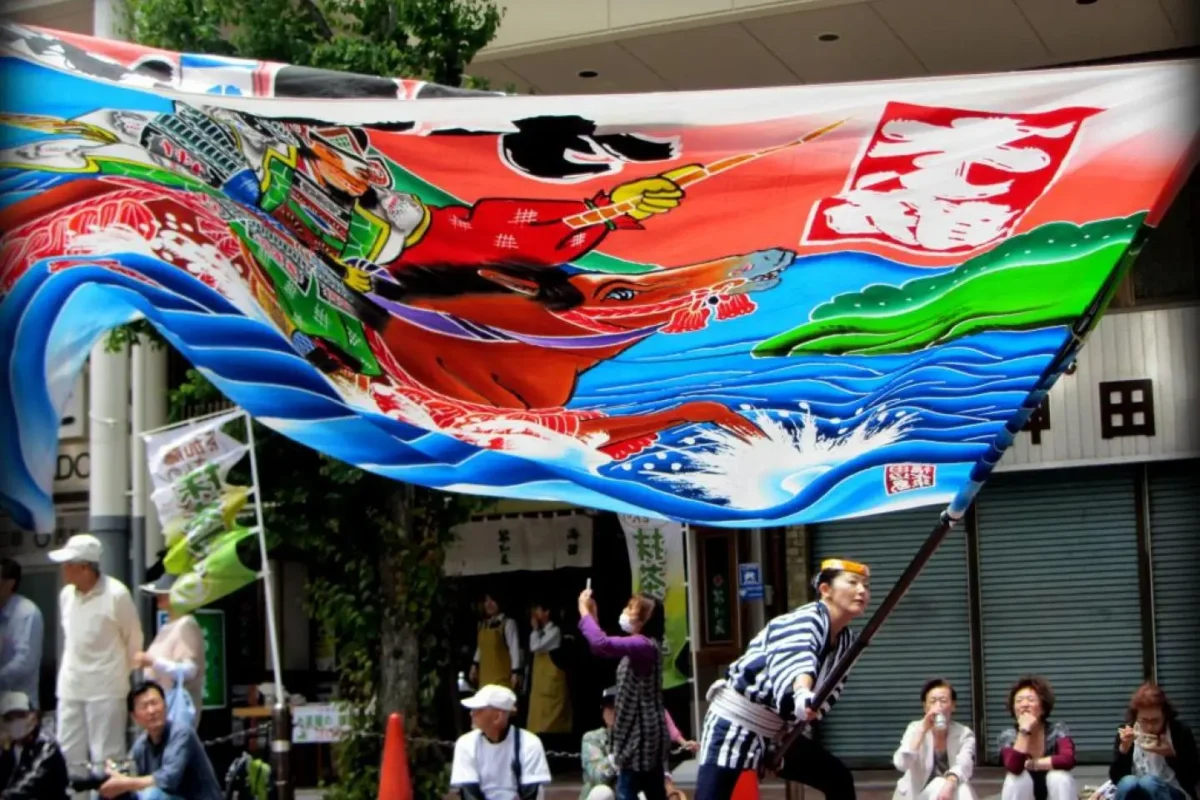
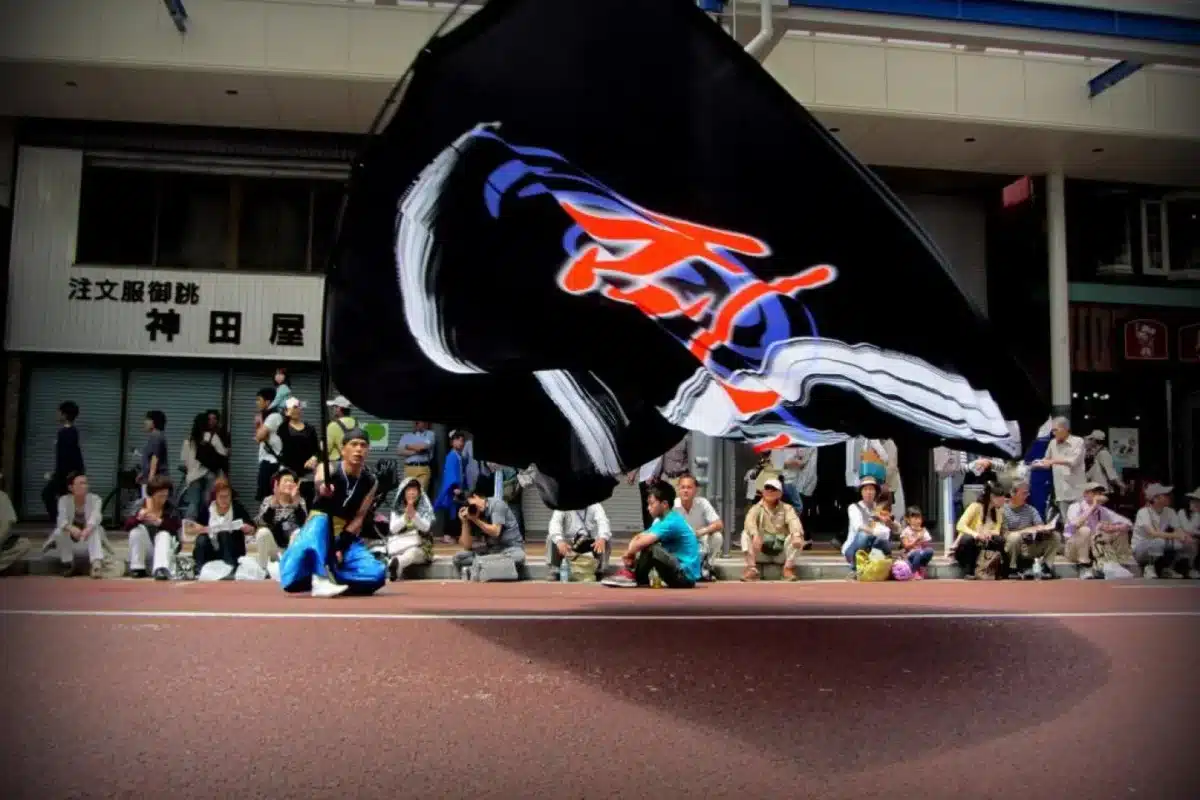
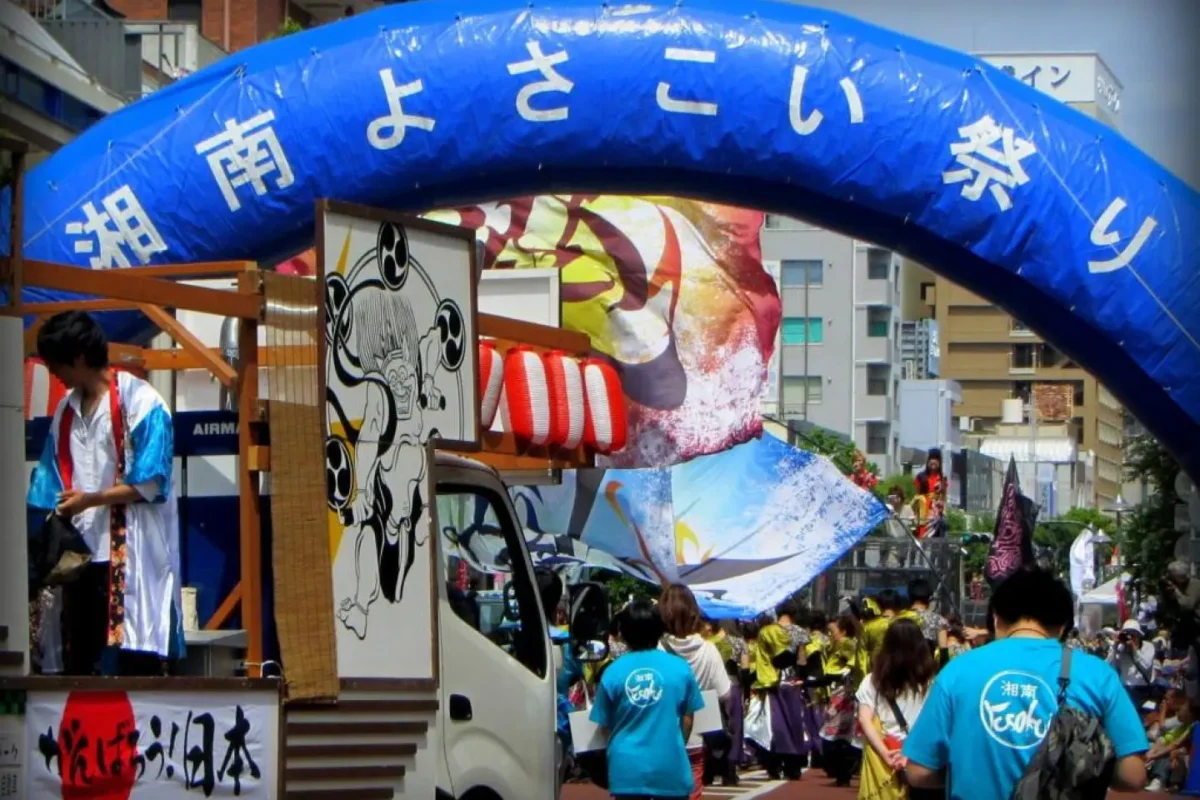
Team Structure: Each team includes dancers, musicians on a decorated truck called jikatasha with speakers and taiko drums, and flag bearers carrying giant flags several meters tall. Teams often consist of 20 to 100 members, including students, office workers, and families who practice for months.
Odori Teaching – Let Your Feet Lead: A key custom is invitation to join. Feel free to join in with the dancing and let your feet lead you along with these frenzied crowds. At designated times, instructors at Mitsukedai Park teach simple yosakoi steps to visitors, providing naruko for loan.
Cheering Culture: Spectators shout Kakkoii and shout team names, clapping to naruko rhythm. The atmosphere is participatory, not passive.
Opening and Closing Ceremonies: Festival begins with a joint warm-up where all teams dance a common Shonan Yosakoi song, and ends with a grand finale where winning teams are announced and all teams dance together, creating a sense of unity.
What to Expect at the Festival
Expect non-stop high-energy dance, close-up interaction, and a friendly community atmosphere.
At Mitsukedai Park, known as Mitsukedai Plaza or Mitsukedai Hiroba, you will find the main stage surrounded by grassy areas where families sit on leisure sheets. Performances run continuously from late morning to late afternoon, with teams changing every 10 to 15 minutes. Each team presents a 4 to 5 minute routine with original music mixing Japanese folk, rock, pop, samba, and hip-hop, all anchored by naruko percussion.
At Shonan Star Mall Shopping Arcade, the experience is more immersive. The 400m covered arcade amplifies music and naruko clicks, creating a tunnel of sound. Dancers pass within arm’s reach, smiling, shouting, and inviting cheers. You will soon find yourself lost in the crowd, cheering for the dancers, as the narrow space creates intense connection between performers and audience.
Food stalls line both venues, offering festival foods to munch on while you watch. The crowd is mixed – local families, university students, elderly residents who have watched festival since its early years, and yosakoi fans who travel from Tokyo, Yokohama, and Tohoku. Costumes are spectacular, ranging from traditional happi coats with Shonan blue wave patterns to elaborate headdresses with feathers and gold embroidery.
Between performances, you can browse stalls, buy naruko as souvenirs, and talk to dancers who are usually happy to explain their team’s concept. The overall mood is less competitive pressure and more celebration of energy and effort.
Date & Schedule
Event Dates: Early June 2027 (Dates TBD)
Official Timing: The Shonan Yosakoi Festival is held in early June. In past editions, the festival has been held on 3 June 2018 from 11:30 am to 5:00 pm, and similar Sunday schedules. The 2027 edition is listed as Early June 2027 and dates are to be confirmed. Please check official site for latest info.
Historical Pattern: Based on previous listings, the festival is typically held on a single day, usually a Sunday in early June, from late morning to late afternoon.
Typical Day Schedule Based on Previous Editions:
- 11:30 – Opening ceremony at Mitsukedai Hiroba with joint warm-up dance
- 11:45 – 12:30 – First block of stage performances at Mitsukedai Hiroba 20m x 14m stage
- 12:30 – 14:00 – Parade performances along Shonan Star Mall 400m arcade, alternating with stage
- 14:00 – 15:30 – Tohoku guest teams and special showcase performances highlighting restoration efforts
- 15:30 – 16:30 – Second block of competitive performances and audience participation teaching
- 16:30 – 17:00 – Closing ceremony, awards, and grand finale all-team dance
Venue Addresses: Mitsukedai Park, 16 Mitsukecho or 16-2 Mitsukecho, Hiratsuka, Kanagawa 254-0045 and Shonan Star Mall Shopping Arcade, 12-29 Beniyacho, Hiratsuka, Kanagawa.
Weather: Event held rain or shine, though stage may be covered. Shonan Star Mall arcade offers covered viewing.
Visiting this event? Don’t miss out on these amazing activities and local experiences while you’re here.
Main Events & Programme
The program centers on dance but includes community elements.
Main Stage Performances at Mitsukedai Hiroba: Over forty teams competing with their own song-and-dance routines, each one embodying spirit of Japan. Teams perform on 20m x 14m stage with full sound system. Judges evaluate originality, energy, and costume.
Shonan Star Mall Parade: Dozens of teams performing their version of yosakoi while moving along 400m shopping arcade. This nagashi style allows close interaction and is considered highlight for spectators who can see facial expressions and costume details.
Tohoku Support Showcase: In past, festival has had teams from Tohoku area and drew attention to ongoing restoration effort. Special time slot features guest teams from Tohoku with performances dedicated to recovery, often accompanied by fundraising for disaster-affected areas.
Audience Participation Corner: Feel free to join in with dancing. Scheduled teaching sessions at Mitsukedai Park where instructors teach basic yosakoi steps and naruko handling, open to all ages.
Team HIKA and Local Favorites: Local powerhouse teams such as Team HIKA, Team Shonan, and Suruga Resort regularly perform, showcasing high-level choreography. Their stage performances are often recorded and shared as examples of Shonan style.
Finale and Awards: Closing ceremony where all teams gather at Mitsukedai Park for announcement of awards, including Shonan Yosakoi Grand Prize, Audience Prize, and special Tohoku Friendship Prize. Ends with all participants dancing common piece together.
Shopping Arcade Festival: Shonan Star Mall shops participate with special sales and yosakoi-themed decorations, creating shopping festival alongside dance festival.
Traditional Dress, Arts & Crafts
Yosakoi costume is where tradition meets extreme creativity.
Naruko Clappers: The essential instrument, two wooden clappers held in each hand, originally bird scarers from rice fields. Teams paint them in team colors, often with team logo. Visitors can purchase naruko for 5 USD to 12 USD at stalls.
Happi Coats and Yukata Variations: Base costume is often happi coat or yukata-inspired top with bold kanji and Shonan motifs such as waves, sun, and Mount Fuji. Fabrics are lightweight for energetic movement.
Modern Fusion Costumes: Because yosakoi allows free design, costumes range from traditional to modern. You will see teams in samurai-inspired armor with gold helmets, Ainu pattern embroidery, surf-inspired board shorts mixed with kimono tops reflecting Shonan beach culture, hip-hop streetwear with naruko, and elaborate feather headdresses and face paint.
Jikatasha Trucks: Decorated trucks that accompany each team, painted with dragons, waves, team mascots, equipped with taiko drums and large speakers. They are moving art installations and sound systems.
Flags – Nobori: Giant flags several meters tall carried by flag bearers, featuring calligraphy of team name and artwork. Flag bearers perform acrobatic flag movements as part of choreography, requiring strength and skill.
Craft Stalls: Local artisans sell Shonan-themed crafts, including hand-painted naruko, tenugui towels with yosakoi patterns for 8 USD to 15 USD, and accessories made from local materials.
Traditional Food & Local Specialties
Of course there are all of the great festival foods to munch on while you watch, with Hiratsuka and Shonan offering distinct coastal flavors.
Festival Stall Classics: Standard Japanese matsuri foods include yakitori grilled chicken skewers 4 USD to 7 USD, takoyaki octopus balls 5 USD to 8 USD, yakisoba fried noodles 6 USD to 9 USD, okonomiyaki savory pancakes 8 USD to 12 USD, and frankfurters 4 USD to 6 USD.
Shonan Coastal Specialties: Shonan is famous for shirasu whitebait, served as shirasu-don rice bowl with fresh whitebait for 8 USD to 13 USD. Also available are grilled hamaguri clams, sashimi of local fish, and fried aji horse mackerel.
Hiratsuka Local Sweets: Sweets include cream puffs from local patisseries, crepes, and shonan gold citrus products. Shonan Gold is a local citrus hybrid, made into juice and jelly.
Drinks: Ramune marble soda 3 USD to 5 USD, draft beer from local breweries 5 USD to 8 USD, and shonan tea.
Shopping Arcade Food: Shonan Star Mall shops offer bakeries, coffee shops, and supermarkets where you can buy bento boxes for 5 USD to 9 USD to eat while watching parade.
Regional Support Food: Occasionally, stalls from Tohoku guest teams sell Tohoku specialties such as zunda mochi and gyutan skewers, with proceeds supporting restoration efforts.
Location & Festival Areas
Main Venue: Mitsukedai Park, 16 Mitsukecho, Hiratsuka, Kanagawa 254-0045, also listed as 16-2 Mitsukecho
Secondary Venue: Shonan Star Mall Shopping Arcade, 12-29 Beniyacho, Hiratsuka, Kanagawa, 400m covered shopping street connecting Hiratsuka Station area to Mitsukedai Park
Mitsukedai Hiroba – Mitsukedai Plaza: Open park with grassy areas, located near Hiratsuka City Cultural Center. Features 20m x 14m main stage with sound system and audience seating on sheets and benches. Also known as Mitsukedai Plaza, it is the central park stage.
Shonan Star Mall: Covered shopping arcade that serves as parade route. Lined with shops, creating intimate tunnel of sound. Audience lines both sides, close to dancers.
Hiratsuka City Context: Hiratsuka is a coastal city in Kanagawa Prefecture, part of Shonan region, about 60 km south of Tokyo. Known for Tanabata Festival in July, one of Kanto’s top three Tanabata festivals with 100 colossal streamers, and for beaches. Mitsukedai Park is located north of station, about 15 minutes walk.
Access Within Festival: Two venues are within 10 minutes walk of each other, allowing visitors to shuttle between stage and parade performances.
Getting to the Festival
Hiratsuka is easily accessible from Tokyo and Yokohama, making it a popular day trip.
By Train – JR Tokaido Main Line: Take JR Tokaido Line from Tokyo Station or Yokohama Station to Hiratsuka Station. From Tokyo, about 60 to 70 minutes, fare approximately 10 USD to 13 USD. From Yokohama, about 30 minutes, fare about 6 USD. From Hiratsuka Station, Mitsukedai Park is about 15 minutes walk north, or 5 minutes bus ride. Shonan Star Mall is directly north of station, 3 minutes walk from north exit.
By Bus: Local buses from Hiratsuka Station North Exit to Mitsukedai Park, routes to City Office or Cultural Center. Fare about 2 USD. Kanagawa Chuo Kotsu buses operate frequently.
By Car: From Tokyo via Tomei Expressway or Shin-Tomei, exit at Atsugi or Hiratsuka IC. Parking at Mitsukedai Park is limited during festival. Use coin parking around station, typically 8 USD to 15 USD per day. Shonan Star Mall area has no car access during parade.
From Haneda or Narita: From Haneda Airport, take Keikyu Line to Yokohama then JR Tokaido to Hiratsuka. From Narita, take Narita Express to Tokyo then Tokaido.
Walking Between Venues: Mitsukedai Park to Shonan Star Mall is flat and walkable, with signage during festival.
Accessibility: Both venues are wheelchair accessible. Mitsukedai Park has paved paths, and Shonan Star Mall arcade is flat and covered.
Where to Stay Nearby
Many visitors come as day trip from Tokyo, but staying overnight allows full enjoyment.
In Hiratsuka City:
- Hotel Route Inn Hiratsuka Eki Kita: 5 minutes walk from Hiratsuka Station North Exit, near Shonan Star Mall. Business hotel with breakfast, rooms from 70 USD to 110 USD per night.
- Hiratsuka Grand Hotel: Near station south exit, rooms from 80 USD to 130 USD.
- Super Hotel Hiratsuka Station South: With natural hot spring bath, rooms from 65 USD to 100 USD.
Coastal Shonan Area:
- Beach Hotels in Chigasaki and Fujisawa: Shonan Beach area offers resort hotels from 120 USD to 250 USD per night with ocean views.
Yokohama and Kamakura: 30 minutes north, offering extensive hotel options from 70 USD to 300 USD, ideal for combining Shonan Yosakoi with sightseeing.
Budget Options: Guesthouses and hostels in Hiratsuka from 30 USD to 60 USD per night for dorm, 70 USD to 100 USD for private.
Camping: Shonan Beach area has some camping options in summer, though not directly in Hiratsuka city center.
Booking Tip: While not as crowded as massive festivals, Mitsukedai Park area fills early, especially seating space. Arrive early morning to claim spot on grass.
What Visitors Can Participate In
The festival actively encourages participation, embodying yosakoi’s inclusive spirit.
Join the Dancing: Feel free to join in with dancing and let your feet lead you along with frenzied crowds. Participation corners at Mitsukedai Park teach basic steps with naruko loan.
Cheering and Support: Learn to shout Kakkoii and Dosukoi and cheer for favorite teams. Audience energy directly influences team performance.
Audience Judging: Some editions include audience voting for Audience Prize via ballot or QR code.
Buy and Play Naruko: Purchase your own naruko at stalls and practice clicking along with music from sidelines.
Tohoku Support Activities: Participate in fundraising and message boards supporting restoration effort, writing messages for Tohoku teams.
Food and Shopping: Support local shops in Shonan Star Mall shopping arcade during festival, as mall businesses offer special yosakoi sales.
Photo and Video: Teams are generally happy to pose for photos after performances in costume, especially if you cheered loudly.
Things to Do Before or After the Festival
Hiratsuka and Shonan region offer beaches, history, and famous festivals.
Shonan Hiratsuka Tanabata Festival: If you return in July, experience one of Kanto’s top three Tanabata festivals, with 100 colossal vibrant streamers decorating shopping arcades near Hiratsuka Station, started in 1951 after wartime devastation.
Shonan Beach and Enoshima: Hiratsuka Beach is 15 minutes bus from station, popular for surfing and sunset views. Enoshima Island with shrine and lighthouse is 20 minutes by train.
Hiratsuka Museum of Art and Cultural Center: Located near Mitsukedai Park, offering exhibitions and concerts.
Odawara Castle and Hakone: 30 to 50 minutes west, offering castle and hot springs.
Yokohama and Kamakura: Easy day trips north for Chinatown, Minato Mirai, and Great Buddha.
Local Sake and Beer: Shonan area has craft breweries and sake tasting.
Hiratsuka Hachiman Shrine: Historic shrine near Mitsukedai Park, worth visiting before festival.
Local Food & Restaurants
Beyond festival stalls, Hiratsuka offers Shonan coastal cuisine.
Shonan Shirasu: Whitebait specialty, served raw, boiled, or fried. Restaurants near station like Shonan Shirasu Center offer shirasu-don for 9 USD to 14 USD.
Seafood: Grilled fish, sashimi, and tempura from Sagami Bay. Restaurants along Shonan Star Mall offer teishoku set meals for 9 USD to 15 USD.
Ramen and Noodles: Hiratsuka has many ramen shops, including tonkotsu, shoyu, and shio varieties for 7 USD to 11 USD. Also soba and udon shops.
Cafes in Shonan Star Mall: Coffee shops, bakeries, and crepe stands for quick snacks during parade, 4 USD to 8 USD.
Izakaya: Evening izakaya pubs near station offer yakitori, sashimi, and drinks, dinner from 15 USD to 30 USD per person.
Hiratsuka Sweets: Local patisseries sell Shonan Gold citrus cakes and tarts for 3 USD to 6 USD.
Supermarkets and Convenience: Lawson, FamilyMart, and Seiyu near Mitsukedai Park for affordable bento and drinks.
Ticket Information & Access
Price of Admission: FREE
Tickets are listed as 0 JPY which converts to 0 USD. The Shonan Yosakoi Matsuri is free to watch at both Mitsukedai Hiroba and Shonan Star Mall. This has been consistent across previous editions including 2018.
Seating: Free seating on grass and benches at Mitsukedai Park, bring leisure sheet for comfort. Standing along Shonan Star Mall parade route is free, with no reserved seats.
Participation Fees: For dancers, team registration fees apply, typically 30 USD to 60 USD per team for administration and sound. Audience participation is free.
Food and Merchandise: Food stalls 3 USD to 14 USD per item, naruko 5 USD to 12 USD, tenugui towels 8 USD to 15 USD.
Access: Mitsukedai Park, 16 Mitsukecho, Hiratsuka, Kanagawa 254-0045. Shonan Star Mall Shopping Arcade, 12-29 Beniyacho, Hiratsuka, Kanagawa. Both venues open from late morning.
Time: Previous editions from 11:30 am to 5:00 pm. Single-day festival, rain or shine.
Official Event Information
Event Name: Shonan Yosakoi Matsuri 2027 – Hiratsuka, Japan
Venue: Mitsukedai Park, 16 Mitsukecho, Hiratsuka, Kanagawa 254-0045, Mitsukedai Hiroba 20m x 14m stage and Shonan Star Mall 400m arcade, 12-29 Beniyacho, Hiratsuka, Kanagawa
Organizer: Shonan Yosakoi Matsuri Executive Committee, Hiratsuka City and local shopping arcade association
Official Website: shonan-yosakoi.com
Additional Information: http://www.shonan-yosakoi.com/ and https://en.japantravel.com/kanagawa/shonan-yosakoi-matsuri/4805
Description: The Shonan Yosakoi Festival is a fairly new festival in Hiratsuka city, Kanagawa. It features dance groups from all over Japan, and is a really great spring festival. With over forty teams competing with their own song-and-dance routines, each one embodies the spirit of Japan and the country’s love of energy.
Contact: Hiratsuka City Tourism Association, Mitsukedai Park area. For latest updates, check official site shonan-yosakoi.com
Video
Location
FAQ
Do I need to buy tickets to watch the Shonan Yosakoi Matsuri?
No tickets are required as the entire festival at both Mitsukedai Park and Shonan Star Mall is free to watch, including all stage and parade performances. You can bring a leisure sheet to sit on the grass at Mitsukedai Hiroba or stand along the 400m shopping arcade to enjoy close-up dancing. Food, drinks, and souvenirs are available for purchase, but viewing itself has always been free.
How is Shonan Yosakoi different from other yosakoi festivals in Japan?
Shonan Yosakoi is a fairly new, community-focused festival that emphasizes intimacy and participation over massive scale, with over forty teams compared to hundreds at larger festivals. Its unique dual venue of an open park stage and a covered 400m shopping arcade creates both theatrical and street-level experiences within walking distance. It also has a strong tradition of inviting Tohoku teams to highlight ongoing restoration efforts, adding a charitable dimension not found at all yosakoi events.
Can I join the dancing as a visitor with no experience?
Yes, the festival actively encourages visitors to join, with scheduled teaching corners at Mitsukedai Park where instructors provide naruko clappers on loan and teach simple steps. The spirit of the festival is captured in the invitation to let your feet lead you along with frenzied crowds and get lost in cheering. No prior experience, Japanese language skill, or costume is needed, and families, children, and international tourists regularly participate.
What is the connection to Tohoku restoration efforts?
In the past, the festival has invited teams from the Tohoku area that was affected by the 2011 earthquake and tsunami, using the stage to draw attention to ongoing restoration and recovery. These guest teams perform special routines sharing their culture and resilience, and the festival sometimes includes fundraising stalls and message boards for support. This reflects yosakoi's original purpose of community revitalization and has become a meaningful tradition of solidarity.
What should I bring to enjoy the festival comfortably?
You should bring a leisure sheet or small chair for sitting on grass at Mitsukedai Park, sunscreen and hat for open park viewing, and comfortable shoes for walking between Mitsukedai Park and Shonan Star Mall. Cash is useful as many food stalls and craft vendors do not accept cards, and a small towel is handy for wiping hands after eating festival foods. If you want to participate in dancing, wear comfortable clothes and sneakers that allow easy movement.

Leave a Reply