

Overview
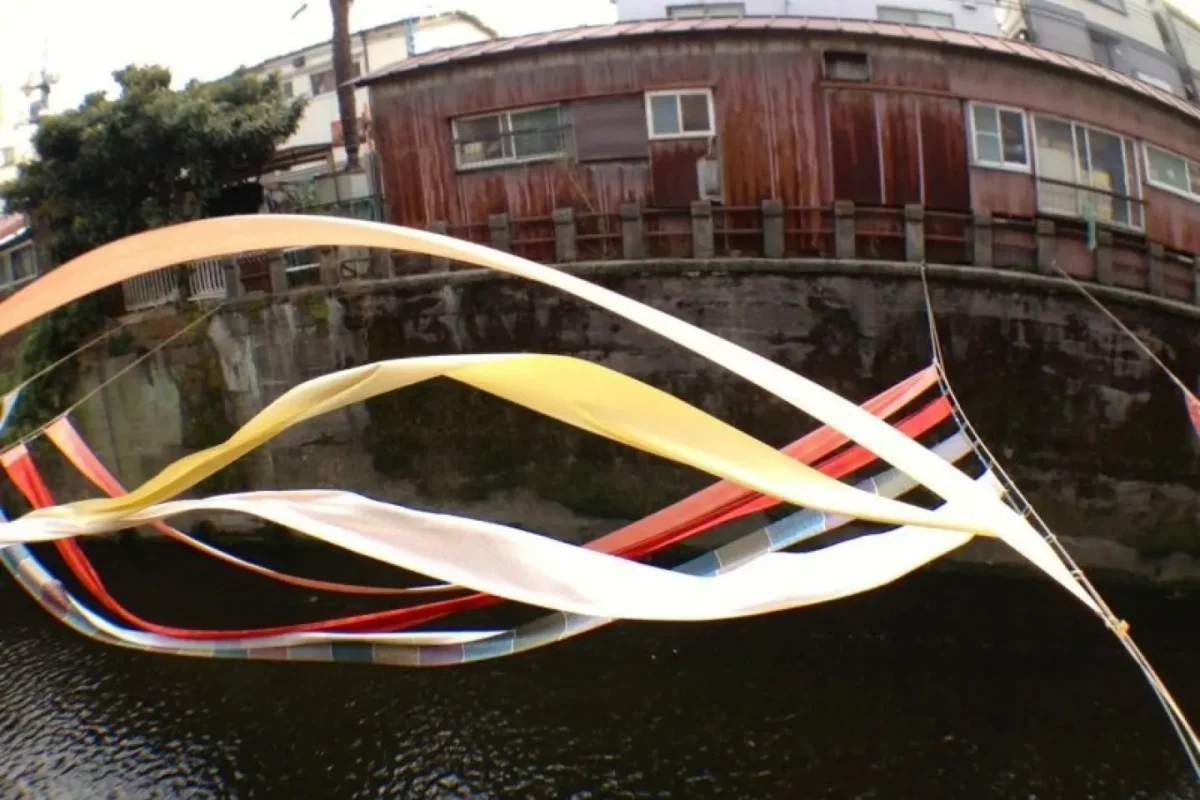
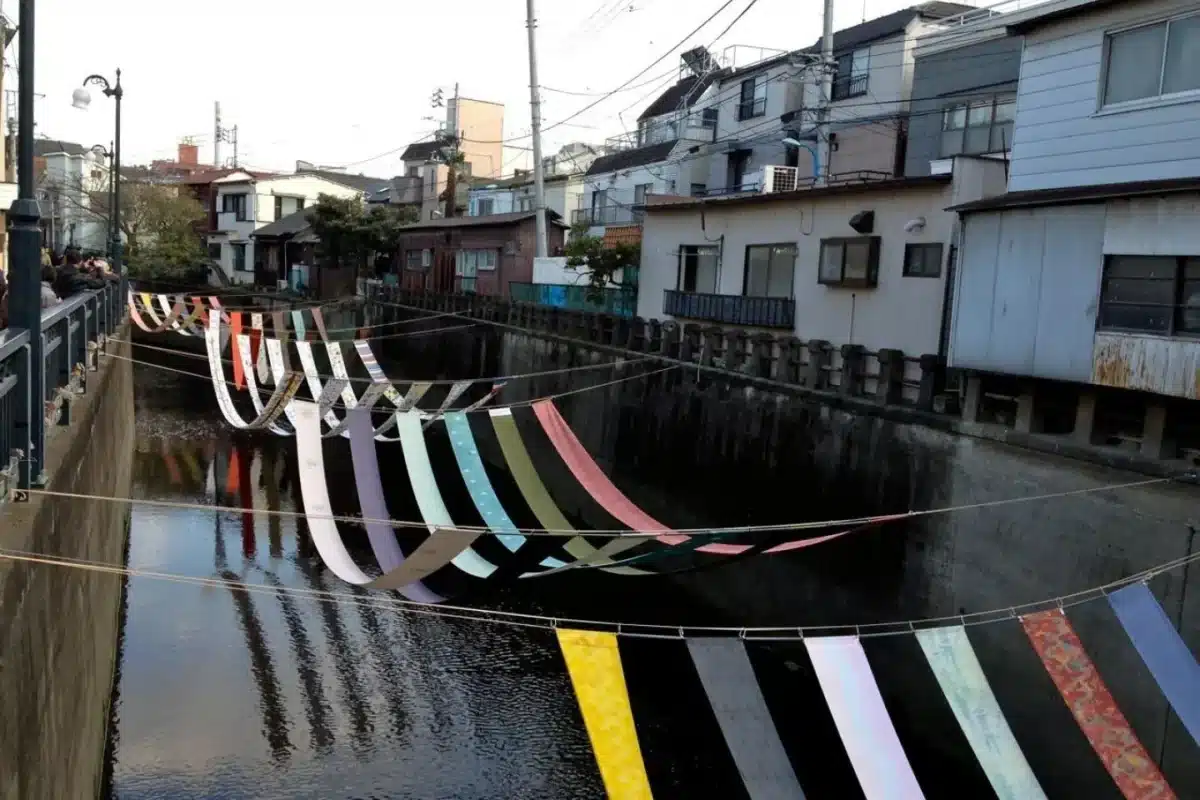
Some no Komichi stands as a vibrant, culturally significant annual festival held in the Nakai and Ochiai neighborhoods of Shinjuku, Tokyo. This event celebrates the district’s storied legacy as a premier center for traditional textile dyeing, a craft that flourished here since the Edo period and reached its peak in the early Showa era when hundreds of workshops lined the banks of the Myoshoji River. By reviving the tradition of hanging freshly dyed fabrics over the water to dry, the festival transforms the local landscape into a breathtaking, living open-air art gallery that connects modern city life with Tokyo’s rich artisan past.
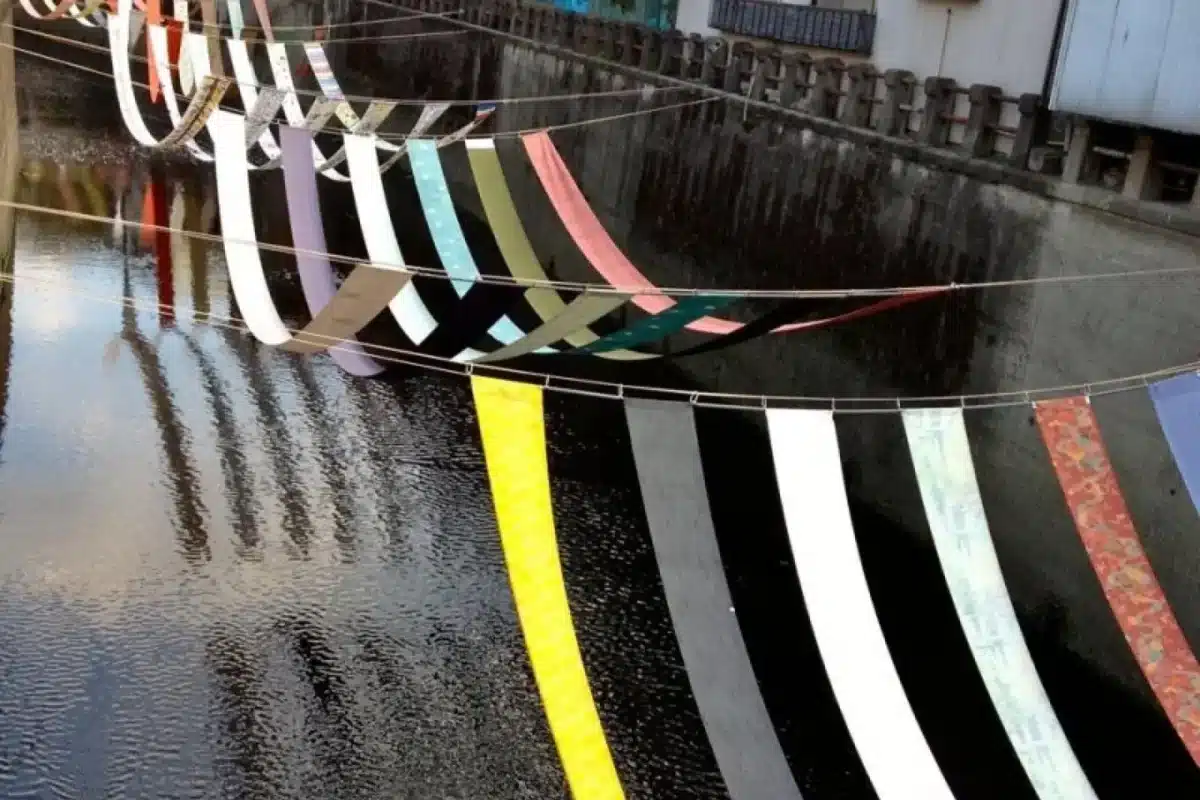
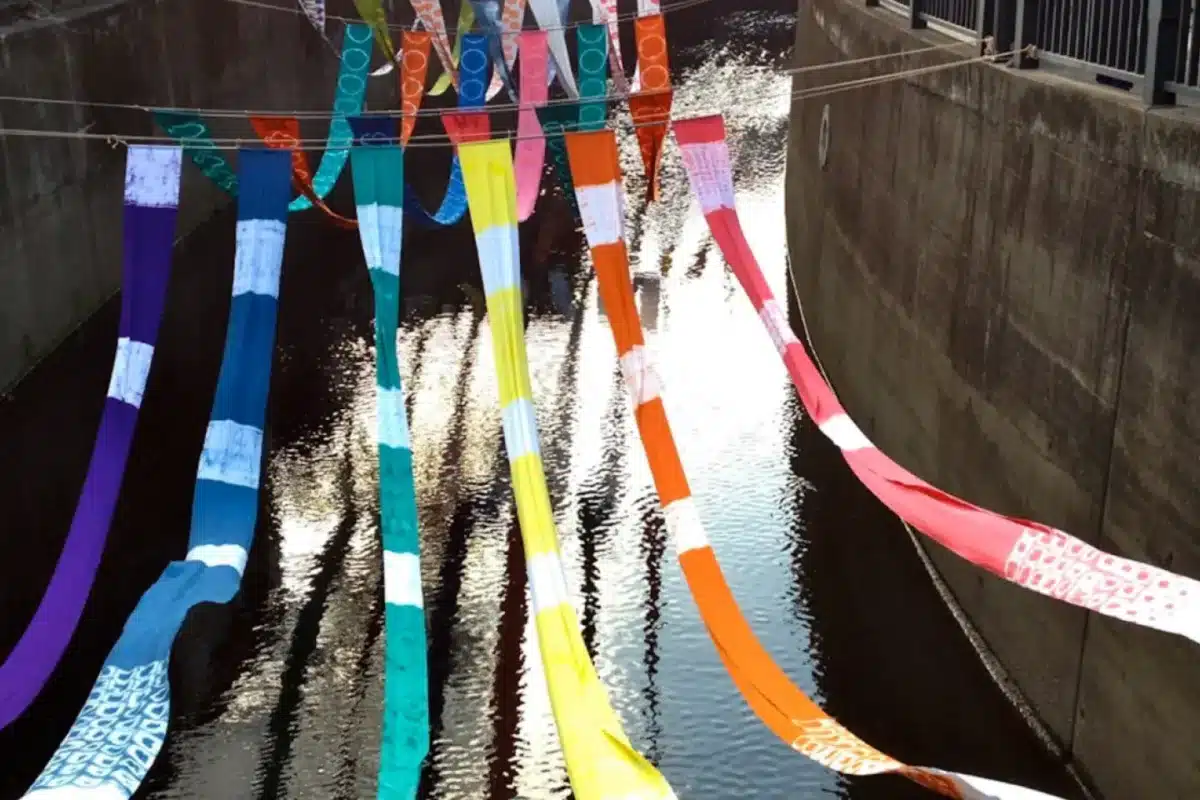
The three-day celebration centers on the artistic display of tanmono, which are long, colorful fabric strips measuring 12 meters in length, suspended gracefully above the Myoshoji River. These textiles feature a stunning array of both traditional Japanese motifs and contemporary designs, fluttering softly in the breeze to create a unique visual spectacle. Visitors are encouraged to stroll along the riverbanks and explore the surrounding residential streets, where the area’s remaining traditional dyehouses open their workshops to showcase authentic craftsmanship and share the history of this fading art form.
During the festival, the entire neighborhood undergoes a colorful transformation, with noren curtains created by local artists and residents displayed on store fronts throughout Nakai. The event is an immersive experience that invites guests to participate in hands-on workshops, watch live demonstrations of traditional techniques, and enjoy a nostalgic atmosphere often enhanced by local residents and visitors wearing elegant kimonos. It is a peaceful, community-driven gathering that offers a rare glimpse into a quiet, historic side of Tokyo preserved from the rush of mass tourism.
Enjoy Your Event Stress-Free with Japan Travelo
Do you know? Planning events, festivals, concerts, and cultural experiences in Japan can be overwhelming. Japan Travelo brings everything together in one place, helping you manage your itinerary, transport, and accommodation with ease—so you can enjoy Japan without the stress of planning.
Event Highlights
- Highlights: Magnificent displays of long, vibrant dyed fabrics suspended above the Myoshoji River, creating an iconic and photogenic landscape.
- Culture: A unique treasure hunt through the streets of Nakai to discover specially crafted noren curtains decorating various local shops and facilities.
- Activities: Interactive sessions led by master dyers where visitors can learn traditional techniques and create their own artistic fabric pieces.
- Demonstrations: Live exhibits of traditional skills, including displays of local textile heritage in active neighborhood dyehouses.
Why Attend
This festival is exceptionally ideal for cultural enthusiasts, history buffs, photography lovers, and travelers seeking an authentic, unvarnished connection to Tokyo’s traditional artisan roots. Attending offers a rare, privileged opportunity to witness centuries-old craftsmanship in an active neighborhood setting rather than a sterile museum, allowing guests to appreciate the skill and dedication required to preserve these historic techniques.
Furthermore, the event provides a wonderful way to explore a quiet, residential side of Shinjuku that feels like a pleasant journey back in time. It is a highly accessible and welcoming gathering for families, solo explorers, and anyone looking for a visually stunning, nostalgic experience that celebrates communal harmony and the enduring beauty of Japanese textiles.
Date & Duration
- Event Date: Mid – Late February 2027 (Dates TBD)
- Event Duration: Three immersive days of exhibitions, workshops, and street-wide cultural displays
Visiting this event? Don’t miss out on these amazing activities and local experiences while you’re here.
Ticket Information
- How Tickets Are Sold: General public access to the street exhibitions, river gallery, and neighborhood noren walk is entirely open to the public without tickets.
- Admission Type: Free Admission
- Ticket Pricing: Free Admission ($0.00 USD for general festival grounds access), while hands-on workshops at local dyehouses may involve small participation fees.
- Special Seating Options: None available, as the festival is an outdoor walking event with no reserved seating.
- VIP Options: None available, as the celebration is a neighborhood-wide community event designed for equal public participation.
Venue / Location
- City and Country: Shinjuku, Tokyo, Japan
- Venue Name: Myoshoji River
- Google Maps Address: 1-chome Nakai, Shinjuku City, Tokyo, Japan
Contact Information
- Phone Number: +81 3-3752-2331
- Website: https://en.japantravel.com/tokyo/some-no-komichi/35286
Accommodation Options
Finding a place to stay near Nakai offers a peaceful alternative to the hustle of central Tokyo while keeping travelers within quick reach of the festival area. Visitors often choose comfortable business hotels near major nearby transit hubs like Shinjuku Station or Takadanobaba, which provide seamless train connectivity to the Nakai neighborhood.
For those seeking a deeper cultural experience, there are various traditional guesthouses and ryokans located within the broader Shinjuku district. Booking accommodations in advance is recommended for late February to ensure proximity to the transit lines that serve the Ochiai area, making it easy to return to the riverbank for the atmospheric display views.
Getting There
- Nearest Airport: Haneda Airport, accessible via major rapid train networks and airport limousine buses connecting to Shinjuku.
- Nearest Train/Metro Station: Nakai Station, served by both the Seibu Shinjuku Line and the Toei Oedo Line.
- Bus Routes or Public Transport Options: Local community bus services operate throughout the Shinjuku ward, though the proximity of Nakai Station makes rail transit the most efficient route.
- Parking Availability: Public parking is extremely limited in the narrow residential streets of Nakai, so visitors are strongly encouraged to rely exclusively on Tokyo’s extensive public rail and subway networks.
- Directions by Car: Driving is highly discouraged due to the residential nature of the festival area, limited parking, and heavy pedestrian traffic; use trains for the most stress-free access.
Dining Recommendations
- Breakfast Recommendations:
- Enjoy artisanal drip coffee and fresh pastries at cozy neighborhood cafes near Nakai Station.
- Try a warm, traditional Japanese breakfast set featuring grilled fish and miso soup at local shokudo eateries.
- Visit local Tokyo convenience stores for high-quality seasonal onigiri and hot green tea.
- Lunch Recommendations:
- Savor freshly prepared soba or udon noodles at family-run shops that have served the community for decades.
- Enjoy affordable and delicious teishoku set meals at local restaurants scattered throughout the Nakai district.
- Try casual, quick-service ramen bowls featuring rich, comforting broths at local neighborhood haunts.
- Dinner Recommendations:
- Relax at small, friendly izakayas serving charcoal-grilled skewers and seasonal small plates.
- Sample local comfort foods in the warm, inviting atmosphere of traditional neighborhood taverns.
- Explore the diverse dining options near Takadanobaba, which offers a wide array of cuisines within a short commute.
- Local Specialties to Try:
- Taste seasonal Wagashi sweets crafted in traditional shapes and flavors by local confectioners.
- Enjoy regional pickled vegetables and side dishes that highlight the flavors of the Tokyo area.
- Refresh with hot, artisanal teas sourced from renowned Japanese tea regions.
What is this event?
Some no Komichi is an annual festival dedicated to the historic fabric-dyeing traditions of the Nakai and Ochiai districts in Shinjuku, Tokyo. It transforms the neighborhood into a vibrant outdoor gallery where thousands of visitors gather to admire long, colorful dyed textiles displayed over the Myoshoji River and throughout local streets.
The event bridges the gap between historical artisan craftsmanship and modern community engagement through exhibitions, hands-on workshops, and street art displays. It serves as a living tribute to the master dyers who once shaped the cultural identity of this serene corner of Tokyo.
Why is it popular?
This festival is popular because it offers a stunning, visually evocative scene that is perfect for photography and cultural appreciation. The sight of brilliant, dyed fabrics waving above the river provides a uniquely nostalgic atmosphere that can be found nowhere else in the busy metropolis.
Furthermore, its accessible nature and the genuine warmth of the local artisan community draw visitors who want to experience a quieter, more personal side of Tokyo. It is celebrated as a peaceful escape that successfully keeps traditional skills relevant and alive for a new generation of admirers.
Tips before you go
- Wear comfortable walking shoes, as you will likely spend significant time strolling along the riverbank and exploring the narrow, hilly residential streets of Nakai.
- Bring a camera or smartphone with plenty of storage space, as the colorful fabric displays create beautiful opportunities for unique photography.
- Dress in layers appropriate for late winter weather, which can remain quite brisk and chilly, especially when walking near the water.
- Carry some cash, as smaller workshops or local food stalls in the neighborhood may not accept digital payment methods.
- Arrive during the mid-morning to avoid the peak afternoon crowds and to fully enjoy the natural light hitting the suspended fabrics.
Tips for First-Time Visitors
- Spend time walking the complete noren curtain trail, as it provides the most comprehensive way to see the neighborhood and discover hidden shops.
- Engage with local artisans at the workshops, as they are often very welcoming and happy to explain the dyeing processes they have mastered.
- Visit the Myoshoji River gallery multiple times if possible, as the changing light throughout the day creates different moods for the suspended tanmono fabrics.
- Look for signs at Nakai Station for local maps or guides that help you navigate the festival route and highlight special demonstration areas.
- Consider wearing traditional attire to the festival to blend into the nostalgic atmosphere and fully embrace the cultural heritage being celebrated.
Attendee Experiences
- Seeing the river turned into a flowing canvas of color with the long fabric strips dancing in the wind was breathtakingly beautiful.
- I loved walking through the quiet residential streets and finding all the different noren curtains hanging in front of every small shop.
- The workshop at the local dyehouse was the highlight of my trip; learning how to dye my own fabric made the festival so much more personal.
Video
Location
FAQ
What is the significance of the fabrics displayed over the river?
The fabrics are called tanmono and represent the traditional dyeing industry that once defined the Nakai and Ochiai districts during the early Showa period. Historically, artisans hung freshly dyed cloth over the Myoshoji River to rinse and dry them, and this festival recreates that historic, picturesque tradition as a tribute to their skill.
Is there an admission fee to attend the Some no Komichi festival?
No, the festival is completely free to attend for all visitors who wish to explore the river gallery, view the street exhibitions, and participate in the neighborhood noren treasure hunt. Some specific hands-on dyeing workshops or specialized gallery exhibitions may require a small participation fee if you choose to join them.
How do I get to the festival area in Nakai?
The Nakai area is very accessible by public transport; you can take the Seibu Shinjuku Line or the Toei Oedo Line to Nakai Station. Once you exit the station, you will be within easy walking distance of the Myoshoji River and the main festival activity areas.
What can I expect to do at the festival besides viewing the fabrics?
Beyond viewing the outdoor installations, visitors can participate in interactive dyeing workshops, watch live demonstrations of traditional techniques, and browse local shops during the noren curtain hunt. It is also a great opportunity to explore the quiet, traditional residential streets and enjoy local food at small, reasonably priced eateries.
When is the best time to visit Some no Komichi?
The festival takes place annually during the late winter season, bringing colorful life to the neighborhood streets and riverbanks. Visiting during the daytime hours is recommended if you want to attend the widest range of creative workshops and demonstrations held at local spaces.

Leave a Reply