
Overview
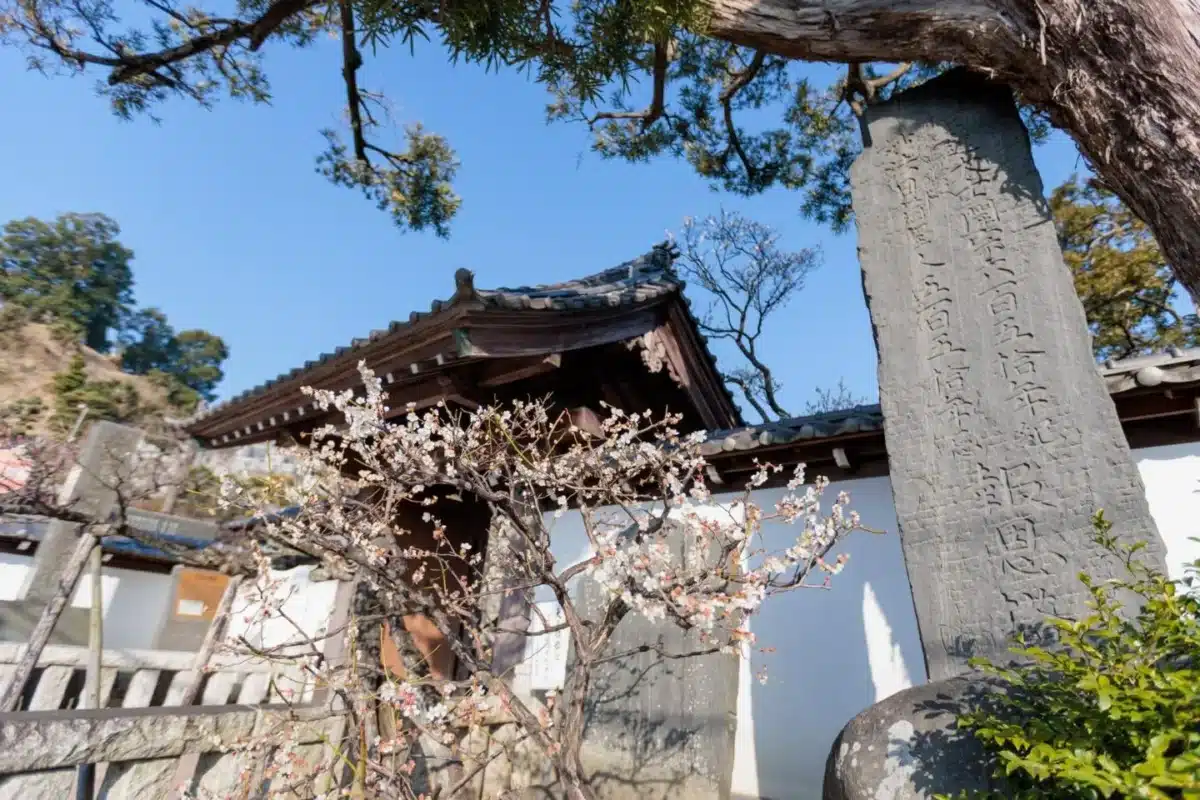
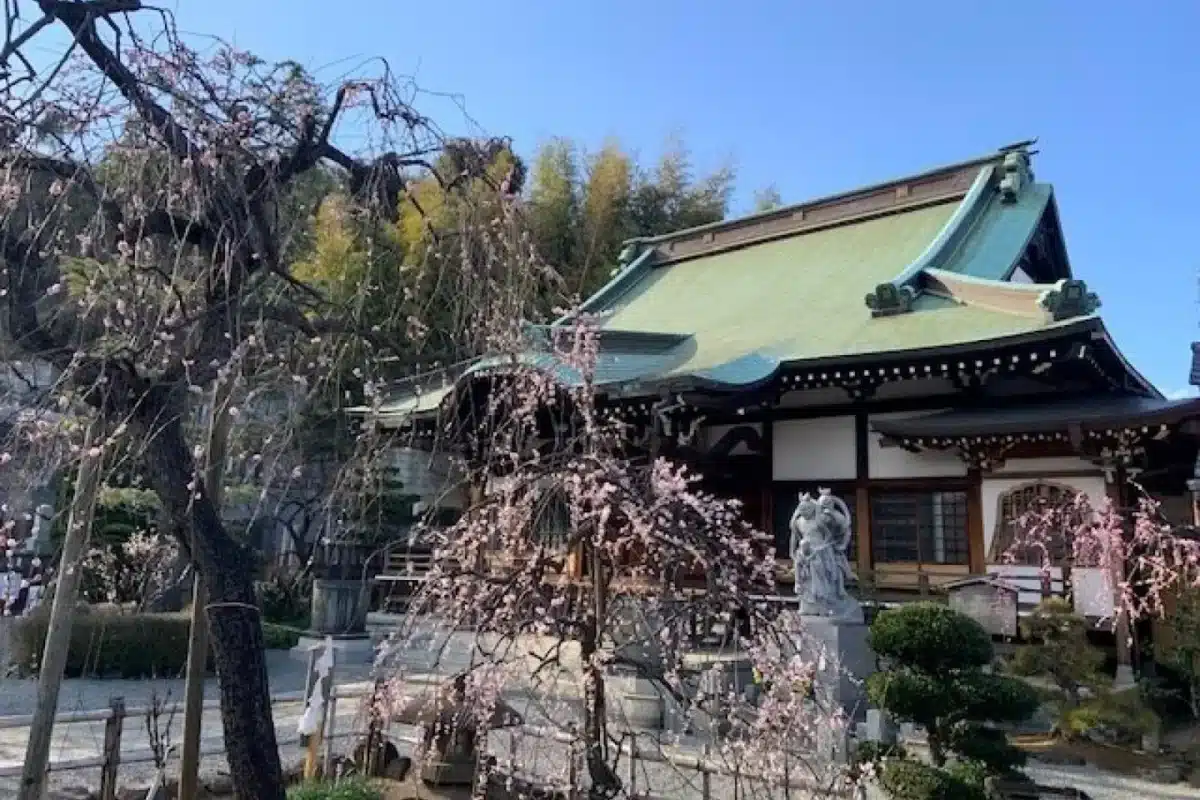
The Sugita Plum Blossom Festival is an exceptionally enchanting and deeply historical cultural celebration that highlights the breathtaking beauty and fragrant awakening of thousands of blossoming plum trees in Yokohama. Set against the magnificent and picturesque backdrop of Myohoji Temple and its surrounding historic precincts in Kanagawa, this extraordinary gathering invites enthusiastic visitors to experience the sublime sensory evolution of early spring. Attendees can fully immerse themselves in the rich, centuries-old history of plum blossom viewing in Sugita, which has long served as a celebrated destination for poets, artists, and nature lovers since the Edo period.
This vibrant annual event functions as a grand tribute to seasonal renewal, bringing together local community groups, artisans, and visitors to celebrate the arrival of warmer weather. Visitors are continuously encouraged to stroll leisurely beneath tunnels of delicate pink and white petals, mirroring a timeless cultural practice deeply embedded in traditional Japanese appreciation for ephemeral beauty. The overarching atmosphere is further elevated by the striking temple architecture and serene garden pathways, successfully transporting guests into a peaceful sanctuary while they simultaneously enjoy contemporary festival hospitality.
Beyond the immersive floral viewing experiences, the festival provides a comprehensive and educational look into regional horticulture, historic preservation, and traditional arts. Passionate enthusiasts have the rare opportunity to converse directly with local historians and garden caretakers, gaining insider knowledge regarding the distinct plum varieties and ancient trees that define Sugita’s botanical legacy. It is an indispensable, deeply enriching journey into the true heart of Japanese spring traditions, offering lasting memories for anyone eager to explore seasonal culture.
Enjoy Your Event Stress-Free with Japan Travelo
Do you know? Planning events, festivals, concerts, and cultural experiences in Japan can be overwhelming. Japan Travelo brings everything together in one place, helping you manage your itinerary, transport, and accommodation with ease—so you can enjoy Japan without the stress of planning.
Event Highlights
- Historic Temple Gardens: An unprecedented opportunity to wander through breathtaking groves of ancient plum trees in full bloom across the Myohoji Temple grounds.
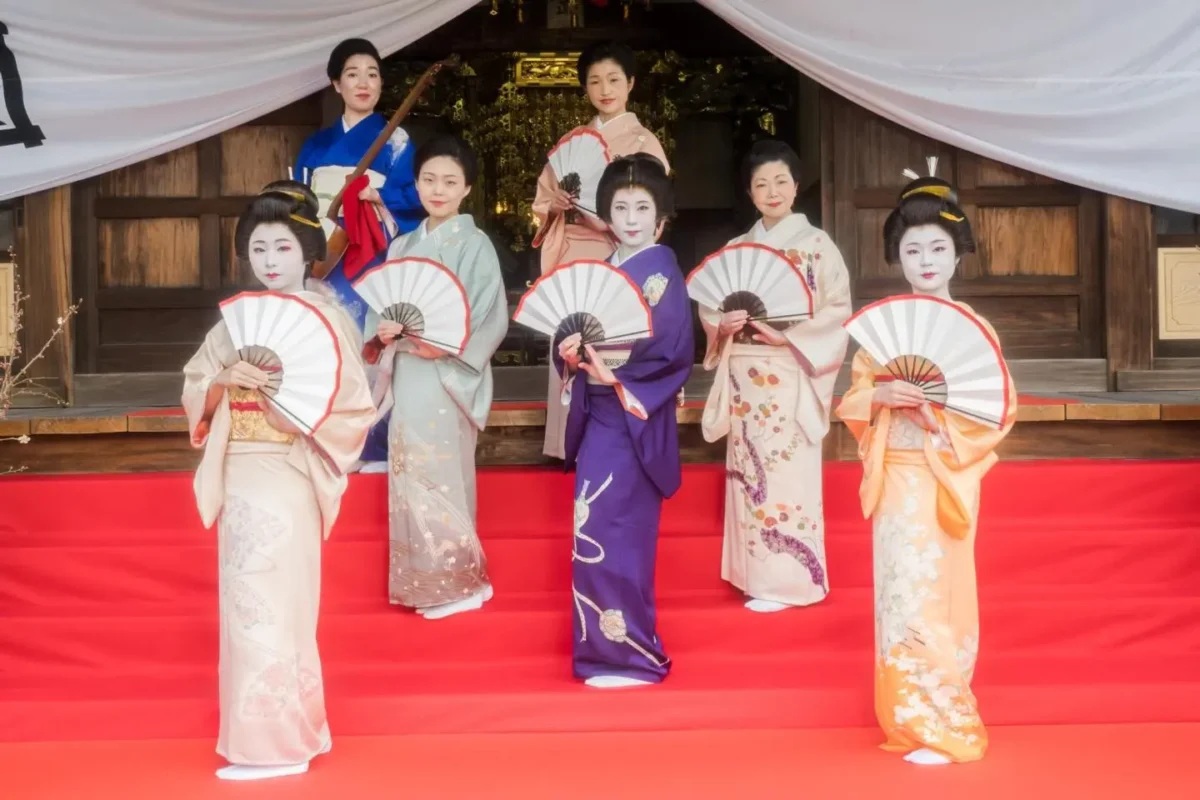
- Traditional Performances: Immersive cultural displays featuring seasonal music, poetry readings, and local arts celebrating the spring season.
- Botanical Ambiance: Breathtaking scenic walking paths set against the tranquil temple architecture and vibrant floral landscapes of Kanagawa.
- Local Craft Displays: Engaging exhibits showcasing handmade goods and regional artisan products created by community members.
Why Attend
This exceptional event is profoundly ideal for nature lovers, photography enthusiasts, and cultural travelers who appreciate traditional aesthetics and wish to witness the earliest signs of spring. By attending, you gain exclusive access to professional insights and personal philosophies from legendary regional caretakers, significantly enhancing your appreciation of Japanese botanical heritage. It serves as an unmatched environment for anyone looking to absorb the genuine, welcoming spirit of Yokohama in an atmosphere defined by tranquility, floral splendor, and shared appreciation.
The lifelong benefits of participating extend far beyond the immediate viewing paths, allowing you to become part of a community that passionately champions seasonal reflection and environmental preservation. Interacting face-to-face with local cultural experts provides a holistic perspective on how floral beauty and historic temples intertwine. This festival promises a transformative, memorable voyage through rich colors and seasonal history, rewarding you with a renewed respect for natural craftsmanship.
Date & Duration
- Event Date: Mid February 2027 (Dates TBD)
- Event Duration: Multi-day seasonal cultural program spanning several immersive weeks
Visiting this event? Don’t miss out on these amazing activities and local experiences while you’re here.
Ticket Information
- How Tickets Are Sold: Advanced and day-of access passes are securely distributed through authorized regional tourism partners and designated entry booths.
- Admission Type: Free Admission is granted for entry into the expansive temple festival grounds and public areas, allowing all visitors to soak in the vibrant atmosphere.
- Ticket Pricing: Free Admission
- Special Seating Options: Garden-facing rest areas and comfortable seating zones are available for guests desiring a relaxed pace during floral viewing.
- VIP Options: Premium tier access features priority walking tours and guided historical seminars led by local temple experts.
Venue / Location
- City and Country: Yokohama, Japan
- Venue Name: Myohoji Temple and surrounds
- Google Maps Address: Sugita, Isogo Ward, Yokohama, Kanagawa 235-0033, Japan
Contact Information
- Email: info@sugita-plum-festival.jp
- Phone Number: +81 45-771-1234
- Website: https://en.japantravel.com/kanagawa/sugita-plum-blossom-festival/69526
Accommodation Options
The charming urban and coastal area immediately surrounding Sugita boasts an impressive array of lodging choices, ranging seamlessly from modern international hotels offering sweeping city views to comfortable traditional inns. Securing a room within this Kanagawa district guarantees exceptional convenience to the festival grounds while maintaining immediate proximity to primary scenic railway links.
For travelers prioritizing contemporary comforts and swift transit connections, numerous modern hotels are strategically positioned within a very short train ride from the main temple grounds. These well-appointed properties deliver reliable amenities and effortless entry to the region’s bustling culinary spots, making them an optimal choice for global visitors aiming to balance festival days with urban sightseeing.
Getting There
- Nearest Airport: Tokyo Haneda Airport, situated within convenient rail travel distance from the Yokohama coastal region.
- Nearest Train/Metro Station: Sugita Station, served by the Keikyu Main Line, located within a very brief and scenic walk from Myohoji Temple.
- Bus Routes or Public Transport Options: Frequent local bus services connect neighboring Yokohama hubs directly to the Sugita temple precinct.
- Parking Availability: Designated public vehicle parking structures and municipal lots operate in close proximity to the broader temple perimeter.
- Directions by Car: Easily reachable via major regional expressways, transitioning smoothly onto well-marked urban roadways heading toward Isogo Ward.
Dining Recommendations
Breakfast Recommendations:
- Cozy neighborhood cafes serving freshly baked pastries, local coffee, and traditional morning sets.
- Traditional hotel breakfast spreads featuring balanced nutritional options and regional ingredients.
- Local bakeries located near the scenic railway stations and shopping streets.
Lunch Recommendations:
- Neighborhood eateries specializing in comforting bowls of noodles and traditional savory lunch dishes.
- Specialized dining rooms focusing on classic Yokohama comfort foods and seasonal set menus.
- Casual park-side food stalls serving seasonal delicacies during the festival period.
Dinner Recommendations:
- Authentic local dining establishments featuring multi-course seasonal culinary masterpieces.
- Vibrant izakaya establishments offering shareable small plates, grilled skewers, and relaxing drinks.
- Coastal seafood restaurants highlighting fresh catches from Tokyo Bay within a short transit distance.
Local Specialties to Try:
- Traditional plum-flavored sweets and treats crafted specially for the seasonal blossom festival.
- Classic Yokohama-style comfort foods served at historic local eateries.
- Fresh seasonal pastries available at neighborhood artisan bakeries.
What is this event?
The Sugita Plum Blossom Festival is an eagerly anticipated seasonal cultural celebration centered entirely around honoring the historic plum groves and spring awakening of Sugita. It successfully gathers local community members and nature enthusiasts together to display seasonal beauty within the serene ambiance of Myohoji Temple.
This unique event functions as an immersive educational journey for visitors to explore the vast horticultural history of Yokohama’s ancient plum trees. It underscores the profound connection between historic temple architecture, seasonal nature, and the generational preservation efforts applied by local caretakers.
Why is it popular?
The immense popularity of this festival stems from its flawless fusion of historic temple architecture, fragrant floral scenery, and peaceful springtime relaxation. Attendees deeply cherish the rare chance to wander through ancient blossom groves while experiencing a welcoming community atmosphere.
It attracts a diverse spectrum of domestic and international travelers who seek genuine connections with the living cultural heritage of Kanagawa. The festival is widely celebrated for its unwavering commitment to safeguarding traditional natural landscapes while maintaining an inviting environment for global discovery.
Tips before you go
- Dress in warm layers since mid-February weather patterns can feature crisp winter breezes under clear skies.
- Pack a compact pocket notebook or camera to capture the stunning pink and white plum blossoms.
- Utilize the Keikyu Main Line to navigate directly to Sugita Station and avoid local road traffic.
- Stay hydrated and enjoy warm beverages available near the temple throughout your visit.
- Arrive promptly during morning opening hours to experience the tranquil temple grounds before peak afternoon crowds assemble.
Tips for First-Time Visitors
- Take time to learn about the historical significance of Sugita’s ancient plum tree groves.
- Dedicate time to explore the peaceful Myohoji Temple courtyards and surrounding historic pathways.
- Avoid rushing through the viewing gardens, as the true philosophy encourages slow-paced seasonal appreciation.
- Engage proactively with local guides by asking questions about the distinct plum blossom varieties.
- Maintain an open mindset regarding participating in traditional poetry and cultural events on-site.
- Plan to devote a solid portion of your day to enjoy both the festival and the surrounding historic neighborhood.
Attendee Experiences
- Walking beneath the blooming plum branches while smelling the delicate fragrance across the temple grounds was magical.
- The local community members were exceptionally welcoming and shared wonderful stories about the history of the trees.
- Combining the peaceful floral festival with a relaxing stroll through Yokohama made for an unforgettable winter day.
Video
Location
FAQ
What is the primary cultural focus of the Sugita Plum Blossom Festival?
The festival centers entirely on celebrating the historic plum groves of Sugita and welcoming the arrival of spring through traditional floral appreciation. Temple caretakers and community members showcase the breathtaking beauty of thousands of blooming trees for visitors.
Where is this prominent seasonal celebration physically hosted?
The event takes place inside the scenic grounds of Myohoji Temple and its historic surroundings in Isogo Ward, Yokohama. This location ensures effortless navigation for travelers arriving via nearby railway lines.
Are novice visitors and individuals new to Japanese nature festivals welcome to join?
Beginners and floral enthusiasts alike are warmly welcomed, with local guides on hand to offer directions and historical insights. Visitors can comfortably explore the temple grounds and enjoy the scenery at their own relaxed pace.
Will there be food options accessible on the festival grounds?
Numerous food stalls and nearby neighborhood eateries operate across the venue, serving traditional regional specialties and comfort foods. Guests can experience delicious culinary options while enjoying the festive atmosphere.
What represents the most efficient method to arrive at the venue?
Riding the train on the Keikyu Main Line directly to Sugita Station provides the smoothest route straight to the festival area. Public transit reliably connects travelers from major Tokyo and Yokohama hubs right to the neighborhood gates.

Leave a Reply