
-
November 7, 2026
Event date:
-
November 7, 2026
Event end:
What to expect in 2026
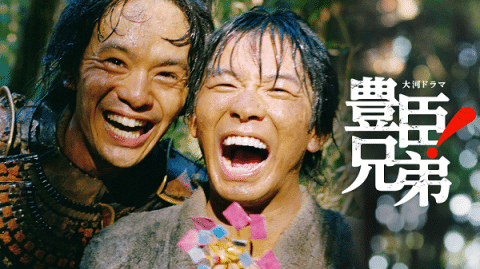
Taiga Drama “Toyotomi Kyodai!” Concert 2026 brings the world of NHK’s historical drama “The Toyotomi Brothers!” to the concert hall through a combination of live orchestral music, dramatic scenes from the series, and appearances by members of the production team and cast. The concert is designed to present the emotional power of the drama through a full orchestra, allowing audiences to experience its themes of history, family bonds, ambition, and the turbulent Sengoku period in a live setting.
The concert will take place on Saturday, November 7, 2026, at Tokyo Opera City Concert Hall: Takemitsu Memorial in Shinjuku, Tokyo. Doors are scheduled to open at 5:15 PM, with the performance beginning at 6:00 PM. The Tokyo Philharmonic Orchestra will perform under conductor Kanade Yokoyama, while composer Hideaki Kimura will appear as a guest alongside actors Atsushi Ogata, who plays Nobusumi Oda, and Reo Matsumoto, who plays Mitsunari Ishida.
Rather than functioning as a conventional television fan event, the concert is structured around the musical identity of the drama. Famous scenes are projected while the orchestra performs the associated music live, creating a cinematic concert experience in which the visual storytelling and orchestral score work together.
Enjoy Your Event Stress-Free with Japan Travelo
Do you know? Planning events, festivals, concerts, and cultural experiences in Japan can be overwhelming. Japan Travelo brings everything together in one place, helping you manage your itinerary, transport, and accommodation with ease—so you can enjoy Japan without the stress of planning.
The announced programme includes “Toyotomi Brothers!” as the main theme, “Two Monkeys,” “The Heavens Move,” and additional selections from the drama. The organizers note that the programme may change, so the final running order should be confirmed closer to the performance.
Event dates
Performance date: Saturday, November 7, 2026
Venue opening: 5:15 PM
Concert start: 6:00 PM
Location: Tokyo Opera City Concert Hall: Takemitsu Memorial, Tokyo
This is currently scheduled as a single-day Tokyo performance rather than a multi-day festival. That makes November 7 the only date for audiences wishing to experience the concert in person at this venue. The official event information and Ticket Pia both confirm the November 7 performance date and 6:00 PM start time.
The general ticket sales period is scheduled to run through November 6, 2026, at 11:59 PM, subject to availability.
Because the concert is built around a fixed performance date, visitors traveling from outside Tokyo should plan to arrive in the city early enough to reach Hatsudai and Tokyo Opera City comfortably before the 5:15 PM doors-open time.
Visiting this event? Don’t miss out on these amazing activities and local experiences while you’re here.
Venue & festival site
Tokyo Opera City Concert Hall: Takemitsu Memorial
3-20-2 Nishi-Shinjuku, Shinjuku-ku, Tokyo 163-1403, Japan
Tokyo Opera City Concert Hall is a dedicated classical concert venue located within the Tokyo Opera City complex. The hall opened in 1997 and was designed in a shoebox-style configuration intended to provide strong acoustic conditions for orchestral and classical performances. The hall has a total seating capacity of 1,632, including seating distributed across the first floor and upper balconies.
The concert hall is particularly appropriate for this production because the performance depends on the scale and detail of a full orchestra. The venue’s acoustical design allows the Tokyo Philharmonic Orchestra’s instrumentation to remain an important part of the experience while large-screen drama footage supplies the visual storytelling.
Tokyo Opera City also contains restaurants, shops, cultural facilities and the Tokyo Opera City Art Gallery, giving visitors options for spending time around the concert before or after the performance.
Full lineup
The announced creative and performing team includes:
- Conductor: Kanade Yokoyama
- Orchestra: Tokyo Philharmonic Orchestra
- Guest: Hideaki Kimura, composer of “The Toyotomi Brothers!”
- Guest: Atsushi Ogata, portraying Nobusumi Oda
- Guest: Reo Matsumoto, portraying Mitsunari Ishida
- Additional guests: Others may appear as announced by the organizers
Hideaki Kimura is especially important to the concert because he composed the music for the drama. His participation provides a direct connection between the original television production and its orchestral presentation on stage.
The Tokyo Philharmonic Orchestra will provide the full orchestral performance. The orchestra, founded in 1911, is one of Japan’s longest-established professional orchestras and regularly performs symphonic, operatic, theatrical and broadcast music.
Headliners & featured artists
Hideaki Kimura
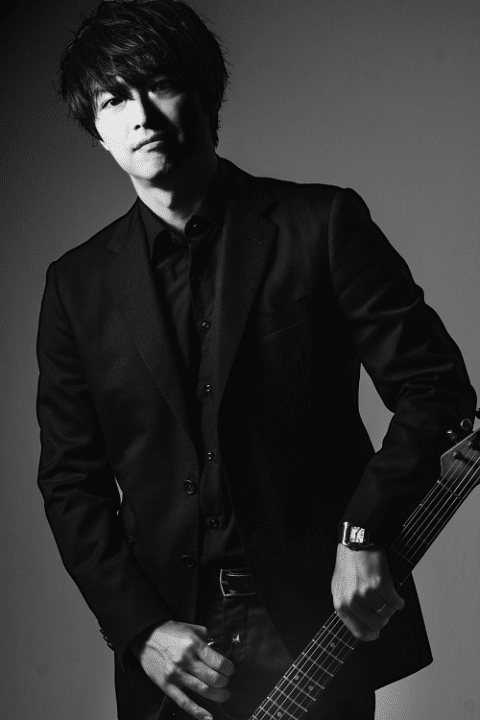
Hideaki Kimura is the composer responsible for the music of “The Toyotomi Brothers!” His appearance gives the concert an opportunity to connect the audience directly with the musical creator behind the television series. The concert’s focus on live orchestral performance means his compositions will be heard in a substantially larger live setting than their original television presentation.
Atsushi Ogata
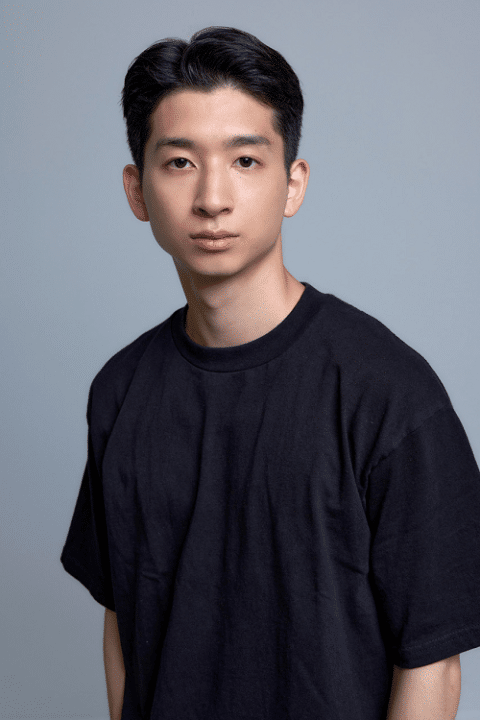
Atsushi Ogata appears as a guest in connection with his role as Nobusumi Oda in the drama. His presence adds an on-stage connection to the historical characters portrayed in the television series.
Reo Matsumoto
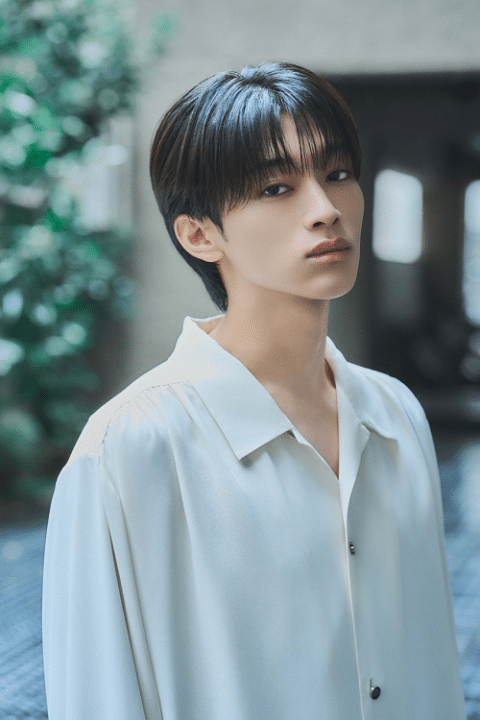
Reo Matsumoto joins the event as a guest associated with his role as Mitsunari Ishida. His appearance is expected to appeal particularly to viewers who have followed the drama’s characters and historical storyline.
Kanade Yokoyama
Conductor Kanade Yokoyama will lead the Tokyo Philharmonic Orchestra. His role is central to transforming the drama’s score into a live concert performance, coordinating the orchestra with the visual and dramatic elements presented during the show.
Tokyo Philharmonic Orchestra
The orchestra is the core musical force of the event. The organizers specifically emphasize that the emotions of “The Toyotomi Brothers!” can be fully conveyed through a full orchestra, making the live ensemble one of the main attractions of the performance.
Stages & performance areas
Unlike an outdoor music festival, this event does not use multiple stages. The entire production is centered on the main stage of Tokyo Opera City Concert Hall.
The stage will accommodate the Tokyo Philharmonic Orchestra and conductor, while the concert’s visual component will bring scenes from “The Toyotomi Brothers!” into the performance environment. The combination of orchestral sound and projected drama footage is a defining part of the concert concept.
The hall itself has a traditional concert-hall configuration, with the orchestra positioned at the main stage and audience seating extending across the first floor and upper balconies. The venue’s official specifications list 1,632 seats.
Some tickets are designated as annotated or restricted-view seats. These are located close to the stage and may have part or all of the projected video obscured because of their position.
Stage-by-stage schedule
Opening and arrival
Doors are scheduled to open at 5:15 PM. Visitors should arrive early enough to locate their seats and settle in before the orchestra begins.
Main concert
The performance begins at 6:00 PM. The orchestra will perform music from “The Toyotomi Brothers!” while selected scenes from the drama are presented, creating a combined concert-and-screening format.
Featured musical programme
The announced selections include “Toyotomi Brothers!” as the main theme, “Two Monkeys,” “The Heavens Move,” and other music from the series. The precise sequence has not been published, and the organizers state that the programme may change.
Guest appearances
Hideaki Kimura, Atsushi Ogata and Reo Matsumoto are scheduled to appear as guests. Their participation adds commentary and direct connections to the drama’s music and characters.
Closing performance
The concert concludes with the final portion of the orchestral programme. No separate after-show performance or encore has been officially announced, so visitors should not assume an additional segment.
Set times
The confirmed public timetable currently provides two key times:
- 5:15 PM: Doors open
- 6:00 PM: Concert begins
The organizers have not published a confirmed finishing time or detailed minute-by-minute set schedule. Because this is an orchestral concert with visual material, visitors should allow additional time after the scheduled start for the complete programme and any possible encore or closing remarks.
The announced song list is also not a fixed running order. “Toyotomi Brothers!” as the main theme, “Two Monkeys,” “The Heavens Move,” and additional selections are confirmed as planned pieces, but the final programme can change.
Ticket types
Tickets are assigned seating, with several main categories available.
S Seat: Approximately $76
S Seat with restricted view: Approximately $76
A Seat: Approximately $63
A Seat with restricted view: Approximately $63
B Seat: Approximately $51
B Seat with restricted view: Approximately $51
U25 same-day designated seat: Approximately $19
The dollar figures are approximate conversions of the officially announced ticket amounts using about ¥158.05 per US dollar.
The restricted-view categories are positioned near the stage, meaning that part or all of the projected video may be blocked depending on the seat. These tickets can therefore provide a different viewing experience from standard seats even when the live orchestra remains clearly audible.
The U25 option is intended for visitors aged 25 or younger and is handled through Kyodo Factory. Eligible visitors must bring identification proving their age on the performance day.
VIP & premium options
There is no separately announced VIP hospitality package with the standard public ticket categories.
However, an early premium lottery was offered for the Tokyo performance with a guaranteed seat within the first 20 rows on the first floor. This was a premium ticket-release arrangement rather than a separate backstage or hospitality package. The relevant early lottery is now closed, while general ticket sales remain listed through Ticket Pia subject to availability.
Visitors seeking the strongest combination of orchestra sound and projected visuals should pay attention to the standard seating position rather than simply selecting the closest possible seat. The organizers specifically warn that some seats close to the stage can have obstructed video views.
Event rules
Several important conditions apply to the concert.
- Preschool children are not permitted to enter.
- Tickets with annotations may have partial or complete obstruction of the projected video.
- The performance programme may change.
- Visitors should follow the venue’s instructions regarding photography, recording and mobile devices.
- Ticket holders should arrive in time to be seated before the performance begins.
- U25 ticket holders must bring valid age identification.
- Ticket changes and cancellations are generally subject to the applicable ticketing conditions.
The official Ticket Pia listing specifically confirms the preschool-age restriction and warns about the visual limitations of annotated tickets.
Tokyo Opera City also states that purchased tickets generally cannot be changed or cancelled through the venue after purchase, although performance-specific rules take precedence.
How to get there
From Shinjuku
Take the Keio New Line from Shinjuku Station to Hatsudai Station. Hatsudai is the first station from Shinjuku on the relevant Keio New Line route, making it one of the simplest ways to reach Tokyo Opera City.
From Hatsudai Station
Use the East Exit. Tokyo Opera City is connected to Hatsudai Station through an underground route, making the venue particularly convenient in poor weather. The complex’s official access information gives the walk as approximately two minutes from the station.
From other parts of Tokyo
Visitors can also use Nishi-Shinjuku-Gochome Station on the Toei Oedo Line or Sangubashi Station on the Odakyu Line, although these involve longer walks than Hatsudai.
The venue address is 3-20-2 Nishi-Shinjuku, Shinjuku-ku, Tokyo 163-1403.
Public transport & parking
Public transportation is the most straightforward option for the November 7 concert.
Train: Hatsudai Station on the Keio New Line is the closest and most convenient station, with direct underground access to Tokyo Opera City.
Bus: Several Keio and Toei bus services stop at Tokyo Opera City, Tokyo Opera City South or the nearby New National Theatre stops. Services connect the area with Shibuya and Shinjuku.
Car: Tokyo Opera City has a B2 underground car park. The facility lists approximately 400 spaces in the relevant parking area, with operating hours from 7:00 AM to 11:30 PM. The standard parking information lists charges based on time, with vehicle height limited to 2.1 metres.
Because the concert starts in the evening and the venue is directly accessible from Hatsudai Station, public transportation can be a practical choice for most visitors.
Accommodation areas
Shinjuku
Shinjuku is one of the most convenient areas for visitors attending the concert because of its extensive railway connections and short connection to Hatsudai. It also offers a very large selection of hotels, restaurants and late-evening facilities.
Nishi-Shinjuku
Nishi-Shinjuku is closer to the venue and is suitable for visitors who want to minimize travel time on concert day. The area has numerous business hotels and larger full-service properties.
Shibuya
Shibuya provides another useful base, particularly for visitors combining the concert with sightseeing and shopping. Bus services also connect the Shibuya area with Tokyo Opera City.
Hatsudai
Staying close to Hatsudai provides the shortest journey to the venue. It can be especially useful for visitors who want to arrive shortly before the concert and return to their hotel quickly afterward.
Food & drink
Tokyo Opera City is a large mixed-use complex containing restaurants and shops, so visitors have options for dining before or after the concert. The complex includes restaurants as well as cultural facilities, making it possible to combine the concert visit with a meal without traveling far from the venue.
For a pre-concert meal, allow sufficient time to finish dining before the 5:15 PM doors-open time. Visitors arriving from Shinjuku can also eat around Shinjuku Station before taking the short train journey to Hatsudai.
The concert hall foyer includes buffet counters on the first and second floors, although availability and opening arrangements can vary by performance.
After the concert, the surrounding Shinjuku and Nishi-Shinjuku districts provide a much wider choice of restaurants, cafés and evening dining options.
Accessibility
Tokyo Opera City Concert Hall provides several accessibility facilities.
The concert hall has designated wheelchair spaces, with official venue information listing wheelchair positions on the first and second floors. Visitors requiring wheelchair seating should communicate their requirements when purchasing tickets so that the appropriate arrangements can be made with the organizer.
Accessible toilets are available within the concert hall, and the venue provides an elevator for visitors who need step-free access. Wheelchairs can also be borrowed within the hall, subject to availability and advance inquiry.
Assistance dogs, including guide dogs, assistance dogs and hearing dogs, are permitted. Visitors are advised to notify the event organizer in advance.
The wider Tokyo Opera City complex also provides wheelchair-accessible facilities, including accessible toilets and wheelchair support.
Best days to attend
Because the 2026 concert is currently scheduled for only one performance, there is no choice between different concert days. The key date is Saturday, November 7, 2026.
For visitors traveling from outside Tokyo, arriving earlier in the day is recommended so there is enough time to reach Hatsudai, have a meal, collect or check tickets if necessary, and enter the venue before the 6:00 PM performance.
The Saturday date also makes it possible to build a broader Tokyo itinerary around the concert. Visitors can spend the daytime exploring Shinjuku, Shibuya or other central Tokyo districts before heading to Tokyo Opera City for the evening performance.
Previous year’s highlights
There is no previous edition of this specific “Toyotomi Brothers!” Concert to use as a direct year-on-year comparison. The 2026 performance is being presented as a dedicated orchestral concert based on the drama’s music and famous scenes.
The event’s concept is closely tied to the dramatic world of “The Toyotomi Brothers!” and its historical setting. The concert is designed to bring the drama’s scenes and musical themes together through a full orchestra, rather than simply presenting a conventional talk event or cast appearance.
The announced musical programme includes “Toyotomi Brothers!” as the main theme, “Two Monkeys,” “The Heavens Move,” and additional pieces. The inclusion of the drama’s composer Hideaki Kimura and cast guests Atsushi Ogata and Reo Matsumoto gives the event a direct connection to the television production.
For first-time visitors, the strongest point of the 2026 event is therefore its combination of three elements: live symphonic performance, selected drama footage, and appearances by people connected to the series.
Official tickets
Tickets are available through several authorized outlets, including Ticket Pia, ePlus, Lawson Ticket, Kyodo Factory Ticket Center and the Tokyo Opera City Ticket Centre. General sales opened on September 5, 2026, at 10:00 AM and Ticket Pia currently lists the general sale through November 6, 2026, at 11:59 PM, subject to availability.
Ticket Pia: https://t.pia.jp/pia/event/event.do?eventBundleCd=b2670243
The officially announced standard ticket prices convert to approximately $76 for S seats, $63 for A seats and $51 for B seats, while the U25 same-day designated-seat option is approximately $19. Restricted-view versions are offered at the same respective category prices.
Visitors should check the official ticket page immediately before purchasing because availability can change and the event organizers may update seating or ticket information.
Location
FAQ
What are the specific age restrictions and entry policies enforced at the venue for this concert?
Preschool children are strictly prohibited from entering the concert hall to maintain a quiet listening environment for all patrons. This guideline ensures that the delicate acoustic passages of the orchestral performance remain undisturbed throughout the entire event.
What does an annotated ticket designation mean regarding seating placement and viewing conditions?
Annotated tickets are designated for seats situated extremely close to the stage, which naturally results in part or all of the video screen projections being obstructed. Patrons purchasing these specific inventory tiers prioritize proximity to the live orchestra over unobstructed multimedia visibility.
How are ticket purchases processed and distributed for this high-demand Tokyo engagement?
Tickets are handled through authorized ticketing partners like Ticket Pia utilizing structured advance lottery systems and general public release windows. Buyers should carefully review platform terms regarding purchase limits, payment deadlines, and mobile or physical ticket delivery options.
Are there any special VIP packages or exclusive meet-and-greet sessions included with ticket purchases?
This specific production utilizes standard reserved seating tiers ranging from S-seats to B-seats rather than structured VIP upgrade packages. All attendees gain equal access to the main hall performance regardless of which standard seating tier they secure during sales.
What steps should attendees take if they require assistance or have inquiries regarding venue access?
Patrons seeking specific venue accessibility information or assistance should consult the official organizer website or customer service hotlines. Venue staff are available to guide visitors regarding station connections, elevator access, and facility amenities prior to arrival.
Can ticket holders transfer or resell their admission vouchers if personal schedules change?
Ticket holders must adhere strictly to the terms and conditions outlined by the authorized ticketing platform regarding transfer and resale policies. Unauthorized commercial resale or secondary market inflation may result in the invalidation of tickets without refund or venue entry.

Leave a Reply