
Overview
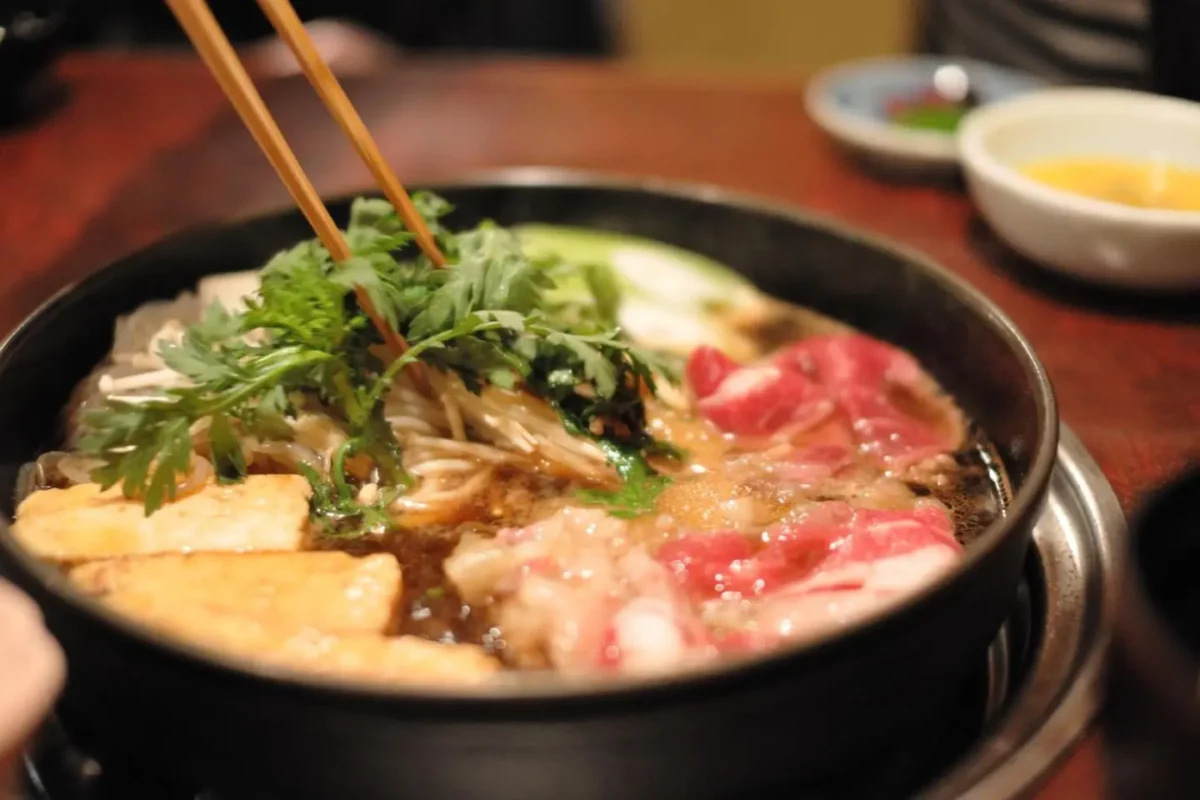
When it comes to warming winter dishes, nabe is one of the most popular picks in Japan. Also known as hot pot in English, nabe is a versatile meal that comes packed with a variety of ingredients depending on the recipe. It is comfort food, community food, and celebration food all in one bubbling pot.
The Sea of Japan Takaoka Hot Pot Festival, locally known as Nihonkai Takaoka Nabe Matsuri, has been running for almost 40 years now, where a variety of nabe types can be sampled in small cups. The event takes place around Takaoka Station and the city’s central shopping district, transforming the downtown area into an open-air food paradise where steam rises from rows of simmering pots.
Takaoka, being close to the Sea of Japan, has long been famous for its fresh seafood and locally sourced vegetables. These ingredients became the foundation for the wide variety of nabe dishes featured at the festival. What started as a regional winter feast to warm the hearts and bellies of locals during the cold Hokuriku winters soon became a symbol of community spirit and culinary pride and one of Toyama Prefecture’s most iconic food events.
Enjoy Your Event Stress-Free with Japan Travelo
Do you know? Planning events, festivals, concerts, and cultural experiences in Japan can be overwhelming. Japan Travelo brings everything together in one place, helping you manage your itinerary, transport, and accommodation with ease—so you can enjoy Japan without the stress of planning.
Today, the festival welcomes thousands of visitors each year who come to savor authentic Japanese comfort food while enjoying the festive atmosphere of downtown Takaoka. The streets around Takaoka Station and the central shopping mall become filled with laughter, live performances, and the irresistible aroma of dashi, miso, and seafood broths.
What Makes This Food Event Special
What makes the Takaoka Hot Pot Festival special is its incredible accessibility, affordability, and authentic local character.
Almost 40 Years of Community Tradition: The festival began nearly 40 years ago as a small community celebration and has grown organically without losing its local soul. It is not a commercial food expo but a genuine winter tradition run by the city, local shopping districts, and volunteer groups.
Over 30 Types of Nabe in One Place: Visitors can sample over 30 types of nabe, from rich miso-based soups and seafood blends to spicy kimchi hot pots, game meat hot pots, and regional specialties unique to Toyama. Each bowl offers a taste of local craftsmanship and culinary diversity.
Sea of Japan Ingredients: Takaoka’s location near the Sea of Japan means access to incredibly fresh seafood. Crab, cod, shrimp, scallops, and various white fish are featured prominently, often caught just off the coast of Toyama, Toyama Bay, and Himi. Combined with mountain vegetables, local rice, and Takaoka’s famous kombu meshi, the nabe reflects the full bounty of the region.
Station Front Convenience: The event takes place around Takaoka Station and the central shopping district, including Wing-Wing Takaoka shopping mall, Futaba building, and Marchen Square. The festival is literally steps from the train platform, so visitors can arrive, eat, and explore without needing a car.
Affordable Tasting Format: Instead of requiring a large commitment to one big pot, the festival uses a small cup tasting system. You can try many different nabe styles in small portions, comparing broths and ingredients at a very low cost.
Food, Cuisine & Specialties
The cuisine of the festival is centered on nabe, but the diversity is extraordinary.
Seafood-Based Nabe: The most famous category, leveraging Toyama Bay’s reputation as a natural fish tank. Highlights include crab soup, cod soup, fish stew, shrimp nabe, and Kaiyo Nabe loaded with multiple types of seafood. Crab soup is priced slightly higher due to the generous amount of crab meat and is considered the premium offering.
Miso and Soy Sauce Broths: Classic Japanese nabe bases. Miso nabe uses red or white miso from Toyama for a hearty, salty, slightly sweet broth. Soy sauce based nabe uses shoyu and dashi for a lighter, clearer broth that highlights vegetables and chicken. Kimchi hot pots offer a spicy Korean-inspired variation that has become very popular.
Regional Toyama Specialties: Unique local dishes include Totomaru nabe featuring local fish cakes, Takaoka kombu meshi nabe with kelp-flavored rice, and Himi udon nabe using thick udon noodles from nearby Himi. Chicken and Chinese cabbage miso hot pot is another local favorite.
Game Meat and Unusual Nabe: Reflecting Toyama’s mountainous interior, the festival has embraced game meat dishes. Bear hot pot, wild boar hot pot, game sausage, and chicken and miso variations are available, often supporting Noto Peninsula earthquake reconstruction efforts through local hunter associations.
Brazilian Nabe and International Flavors: Takaoka has a small Brazilian community, and Brazilian nabe featuring sausage, beans, and spices has become a beloved fusion offering, showing the festival’s inclusive spirit.
Sweet and Side Dishes: Alongside nabe, visitors can enjoy rice cake making called mochitsuki, Takaoka gourmet side street stalls selling totomaru fried fish cakes, and local sweets.
Chefs, Restaurants & Food Vendors
The vendors are not celebrity chefs but local heroes: shopping district associations, fishmongers, farmer cooperatives, ryokan cooks, and community groups.
Local Shopping District Groups: The central shopping district groups from Wing-Wing Takaoka and the central mall organize many stalls. These are often run by shop owners who have participated for decades, using family recipes passed down.
Seafood Vendors from Himi and Shinminato: Fishermen cooperatives from nearby Himi Port and Shinminato Port bring the freshest catch, cooking crab soup and fish stews in large aluminum and bronze pots right in front of visitors.
Ryokan and Restaurant Chefs: Local ryokan and restaurants such as those specializing in Toyama Bay sushi and kaiseki set up special stalls offering their signature nabe recipes that are normally only available inside their restaurants.
Community and Volunteer Groups: School groups, senior clubs, and volunteer organizations run stalls as fundraisers, often offering home-style nabe that tastes like a Japanese grandmother’s cooking.
Märchen Square Takaoka Gourmet Yokocho: A dedicated area called Takaoka Gourmet Side Street features permanent local food businesses that expand their menus for the festival, offering Takaoka kombu meshi, croquettes, and other snacks that pair well with nabe.
Game Meat Hunters: Members of local hunting associations from the mountains of Toyama provide game meat nabe, explaining the sourcing and preparation, offering a unique chance to try bear and boar in a safe, delicious format.
All vendors cook fresh on site in large pots, with steam rising dramatically in the cold air, creating a lively, aromatic market atmosphere.
Food Experience
The food experience is designed for winter warmth, comparison, and community sharing.
Cup Tasting System: You purchase tickets and exchange them for small cups of nabe at each stall. This allows you to try 8 to 10 different types in one visit without getting too full. Each cup is served steaming hot, perfect for holding with both hands to warm up.
Steam and Aroma Walk: Walking through the festival, you move from stall to stall through clouds of fragrant steam. The biting cold makes the hot broth even more appealing. Vendors call out their offerings, and you can see ingredients like whole crabs, large daikon slices, and chunks of fish simmering.
Stage Performances and Mochitsuki: While eating, you can enjoy stage performances, music, dance, and traditional rice cake making demonstrations. The festival includes many fun events that make it more than just eating.
Family-Friendly Seating: The central shopping mall and Marchen Square provide indoor seating areas with tables where families can sit, share nabe cups, and rest. Souvenir stalls sell local lacquerware and crafts.
Interactive and Educational: Many vendors explain their ingredients, showing fresh vegetables from Toyama farms and seafood from the Sea of Japan. You learn about regional food culture while you eat.
Free Shuttle and Accessibility: Free shuttle buses often run from Shin-Takaoka Station, making it easy to access. The festival is held in a flat, urban area that is easy to navigate even with snow on the ground.
Date & Schedule
Location: Takaoka Station
Official Period: Early – Mid January 2027 (Dates TBD)
The Takaoka Hot Pot Festival is traditionally held in mid-January, during the coldest and snowiest period in the Hokuriku region, when nabe is most needed and most delicious. The 2027 edition dates are to be determined, but based on previous editions, the structure is as follows.
Typical Schedule Based on Previous Editions:
Duration: The festival typically runs for 2 days over a weekend, though recent expanded editions have run for up to 10 days from around January 11 to January 20, from 11:00 AM to 4:00 PM daily.
Daily Hours: Stalls open at 11:00 AM and serve continuously until 4:00 PM. The busiest time is around noon to 2:00 PM. Arriving early ensures shorter lines and fresher pots.
Opening Ceremony: On the first day, a small opening ceremony is held at Wing-Wing Takaoka with local officials and a taiko drum performance to mark the start.
Stage Events: Throughout both days, stage performances including local dance, music, and mochitsuki rice cake making are held at Marchen Square and in front of the station.
Evening Wind-Down: While official food service ends at 4:00 PM, the shopping district remains lively into the early evening with many restaurants continuing to serve nabe specials.
Weather Note: The festival is held outdoors and indoors in the shopping arcades, so it proceeds rain or snow or shine. The cold is part of the experience.
Visiting this event? Don’t miss out on these amazing activities and local experiences while you’re here.
Location & Venue
The venue is centered on Takaoka’s urban core, making it extremely accessible.
Around Takaoka Station and Central Shopping District: The main venue includes the area around Takaoka Station, Wing-Wing Takaoka shopping mall, Futaba building, Marchen Square, and the central shopping district. Address is 6-1 Shimozekimachi, Takaoka, Toyama 933-0021, Japan.
Wing-Wing Takaoka and Futaba Building: These interconnected shopping malls provide indoor areas with heating and seating, where many nabe stalls are set up, allowing visitors to warm up between outdoor stalls.
Marchen Square Takaoka Gourmet Yokocho: A dedicated square that becomes the Takaoka gourmet side street, featuring local food businesses and souvenir stalls.
City Center Streets: Portions of the central shopping streets are closed to vehicle traffic and lined with stalls, creating a pedestrian food market.
Takaoka City Overview: Takaoka is Toyama’s second-largest city, known for its metal casting, lacquerware, and historic temples like Zuiryu-ji. The festival takes advantage of the compact downtown that is easy to explore on foot.
Facilities: Public toilets are available in Takaoka Station and Wing-Wing Takaoka. Coin lockers are available at the station for luggage. The area is fully paved and accessible.
Getting to the Event
Getting to Takaoka is straightforward via the Hokuriku rail network, and public transport is recommended.
By Train:
JR and Ainokaze Lines: Takaoka Station is served by several lines including the Ainokaze Toyama Railway Line, the JR Himi Line, and the JR Johana Line. From Toyama Station, take the Ainokaze Toyama Railway Line to Takaoka, about 20 minutes. From Kanazawa, take the Ainokaze Toyama Railway Line, about 40 minutes. From Shin-Takaoka Station, served by the Hokuriku Shinkansen, take the JR Johana Line for one stop to Takaoka Station, or take a free shuttle bus that runs every 30 minutes from Shin-Takaoka during the festival.
From Tokyo: Take the Hokuriku Shinkansen from Tokyo Station to Shin-Takaoka Station, about 2 hours 30 minutes, then transfer to JR Johana Line for one stop to Takaoka Station.
From Osaka: Take the Thunderbird Limited Express from Osaka Station to Kanazawa, then transfer to the Ainokaze Toyama Railway Line to Takaoka.
By Car: Driving is possible but not recommended in snowy conditions. The Hokuriku Expressway Takaoka Interchange is about 15 minutes by car from the station. Paid parking lots are available near Takaoka Station but fill quickly.
On Foot: Once at Takaoka Station, the festival area is immediately outside the station exits. Everything is within a 5 to 10-minute walk.
Free Shuttle Bus: During the festival, free shuttle buses run from Shin-Takaoka Station starting at 10:00 AM every 30 minutes, making Shinkansen access very convenient.
Where to Stay Nearby
Takaoka and nearby Toyama City offer a range of accommodation, from business hotels to traditional ryokan.
Near Takaoka Station: Business hotels such as Toyoko Inn Takaoka Station, APA Hotel Takaoka, Hotel Alpha-One Takaoka, and Wing-Wing Takaoka’s hotel are within 1 to 3 minutes walk of the festival. Prices typically range from $50.00 to $80.00 per night.
In Central Takaoka: Hotels near Zuiryu-ji Temple and Kanayamachi historic district offer more atmospheric stays in renovated townhouses.
In Toyama City: Toyama City, 20 minutes away by train, offers more luxury options including Hotel JAL City Toyama, ANA Crowne Plaza Toyama, and Toyama Excel Hotel Tokyu, with prices from $70.00 to $150.00 per night.
Ryokan and Onsen: For a traditional experience, stay at a ryokan in nearby Himi or at Kaikei Onsen area, where you can enjoy a hot spring bath after a cold day of nabe tasting. Prices for ryokan with dinner range from $120.00 to $250.00 per person.
Booking Tips: Mid-January is not peak tourist season, so availability is generally good, but hotels near Takaoka Station sell out for the festival weekend. Booking 2 to 4 weeks ahead is recommended. Many hotels offer nabe festival packages including advance tickets.
Things to Do Before or After the Event
Takaoka City has many attractions that complement the hot pot festival.
Zuiryu-ji Temple: A National Treasure Zen temple built in 1613, with beautiful architecture and gardens, a 15-minute bus ride from Takaoka Station. Its quiet, snowy garden in winter is stunning.
Kanayamachi Historic District: A preserved metal casting district with old townhouses, workshops, and galleries where Takaoka’s famous copperware is made. You can watch artisans at work and buy souvenirs.
Amaharashi Coast: One of Toyama’s most scenic spots, where you can see the 3,000-meter Tateyama mountain range rising over the Sea of Japan. At places such as Amaharashi Coast, Shinminato, and Himi, you can see the sun rising over the sea in winter, a famous view.
Takaoka Daibutsu Great Buddha: One of Japan’s three great Daibutsu statues, located in a small park near the city center.
Toyama Bay Sushi and Markets: Visit Himi Fish Market or Shinminato for incredibly fresh Toyama Bay sushi, including white shrimp, firefly squid, and yellowtail.
Takaoka Lacquerware Shopping: Takaoka is one of Japan’s famous lacquerware production centers. Visit shops in the city center to see and purchase beautiful lacquerware.
Noto Peninsula Support: The festival often includes stalls supporting Noto Peninsula earthquake reconstruction, allowing visitors to contribute while tasting game meat and seafood dishes from the affected area.
Restaurants & Local Food to Try
Beyond nabe at the festival, Takaoka’s food scene is rich.
Takaoka Gourmet Street Specialties: At Marchen Square, try totomaru fried fish cakes, Takaoka kombu meshi kelp rice, and Takaoka ramen with black soy sauce broth.
Toyama Bay Sushi: Takaoka and nearby Himi are famous for sushi using fish from Toyama Bay. Try shiro ebi white shrimp, hotaru ika firefly squid, and buri yellowtail. Sushi sets range from $15.00 to $35.00.
Himi Udon and Himi Beef: Himi Udon is thick, chewy udon noodles, and Himi beef is a local wagyu brand, both served in restaurants near Takaoka Station for $10.00 to $20.00.
Takaoka Ramen and Curry: Local ramen shops serve Toyama Black ramen, a salty, peppery soy sauce ramen, and curry shops offer spice-rich curries that warm you up.
Sweets: Try Toyama’s famous masu zushi trout sushi wrapped in bamboo leaves and local sake breweries such as Masuizumi and Wakatsuru.
Izakaya and Bars: After the festival ends at 4 PM, many izakaya around Takaoka Station continue to serve nabe specials and local sake, allowing you to extend the hot pot experience into the evening.
Dietary & Food Allergy Information
Nabe is generally hearty and contains common allergens, but options exist.
Allergen Information: Most nabe contains fish-based dashi from bonito and kelp, soy sauce, and often chicken or pork. Seafood nabe contains shellfish, crab, shrimp, and fish. Miso nabe contains soybeans. Kimchi nabe may contain shrimp paste. Crab soup is shellfish. Game meat nabe contains wild boar or bear. Always ask vendors about specific ingredients.
Gluten: Most nabe broths contain soy sauce which contains wheat. Miso may contain barley. Noodles like udon contain wheat. Gluten-free options are limited, but plain vegetable and seafood nabe without noodles may be safer, though cross-contact in broth is likely.
Vegetarian and Vegan: Most nabe contains fish dashi and meat, so vegetarian options are limited. Some vegetable-based nabe with kombu-only broth may be available from temple or community groups. Ask for shojin style if available.
Halal: Halal options are not typically available as most broths contain sake, mirin, and non-halal meats. Vegetarian vegetable nabe may be closer but certification is unlikely.
Language Support: Vendor menus are primarily in Japanese with pictures. English pamphlets are sometimes available at the information booth in Wing-Wing Takaoka. Translation apps help. Volunteers often speak some English.
Ticket Information
The Takaoka Hot Pot Festival uses a simple, affordable ticket system that makes tasting many nabe types easy.
Admission: Entry to the festival grounds around Takaoka Station and central shopping district is completely free. You only need to purchase tickets for the hot pots you wish to taste.
General Hot Pot Ticket Pricing Based on Previous Editions: Pricing has been very stable over nearly 40 years.
General Hot Pot Ticket: $2.00 per bowl when purchased on the day. This is for most nabe types including miso, soy sauce, kimchi, and vegetable nabe.
Advance Ticket Offer: 2 tickets for $3.30 when purchased in advance at convenience stores and other places around the city. Advance tickets are sold at convenience stores and participating shops before the festival begins.
Crab Soup Special: $3.70 per cup, priced slightly higher due to generous crab meat. This is the premium offering and very popular, often selling out.
Other Pricing: Tickets can be purchased at the event venue at ticket booths near Takaoka Station and in Wing-Wing Takaoka. Some stalls may accept cash directly without tickets during less crowded times.
Payment: Tickets are purchased with cash. Some advance ticket sales at convenience stores accept electronic payment. Bring yen in cash for smooth transactions.
No Reservation Needed: No advance reservation for entry is required. Simply arrive, buy tickets, and start tasting.
Official Event Information
Event Name: Takaoka Hot Pot Festival, also known as Nihonkai Takaoka Nabe Matsuri and Sea of Japan Takaoka Hot Pot Festival
Location: Around Takaoka Station and Central Shopping District, including Wing-Wing Takaoka, Futaba Building, and Marchen Square. Address 6-1 Shimozekimachi, Takaoka, Toyama 933-0021, Japan
Access: Served by Ainokaze Toyama Railway Line, JR Himi Line, and JR Johana Line. Free shuttle bus from Shin-Takaoka Station every 30 minutes from 10:00 AM
Format: Outdoor and indoor shopping arcade hot pot tasting festival with over 30 types of nabe, stage performances, mochitsuki, and local gourmet street
Organizer: Takaoka City, Takaoka City Tourism Association, and Takaoka Central Shopping District Cooperative
Official Website URL as Text: en.japantravel.com/toyama/takaoka-hot-pot-festival/69462
Additional Official Information as Text: city.takaoka.toyama.jp and jasumo.com/listing/takaoka-hot-pot-festival/ for schedule and pricing details
Contact: Takaoka City Tourism Association and information booths in Wing-Wing Takaoka during event
Location
FAQ
What is the Takaoka Hot Pot Festival and how long has it been running?
The Takaoka Hot Pot Festival, locally called Nihonkai Takaoka Nabe Matsuri, is a popular winter food event in Toyama Prefecture celebrating Japanese nabe hot pot cuisine with various regional recipes and local ingredients. The festival began nearly 40 years ago as a small community celebration intended to warm locals during cold Hokuriku winters and has grown into one of Toyama's most iconic food events featuring over 30 types of nabe.
Is there an entrance fee and how do tickets work?
Entry to the festival grounds around Takaoka Station and central shopping district is completely free, you only need to purchase tickets for the hot pots you wish to taste. Tickets can be purchased at the venue or in advance at convenience stores around the city, with general hot pot tickets costing a small fee per bowl and crab soup slightly higher, and advance tickets offering a discounted pair.
What types of nabe can I try at the festival?
Visitors can enjoy a wide variety including seafood-based nabe with crab and cod, miso and soy sauce broths, spicy kimchi hot pots, vegetable-based versions, chicken and Chinese cabbage miso hot pot, game meat nabe including bear and wild boar, Brazilian nabe, and local specialties like totomaru fish cakes and Takaoka kombu meshi, all cooked fresh by local vendors in large aluminum and bronze pots.
Where exactly is the festival held and how do I get there?
The festival takes place around Takaoka Station and the city's central shopping district, including Wing-Wing Takaoka shopping mall, Futaba building, and Marchen Square Takaoka Gourmet Yokocho. Takaoka Station is served by the Ainokaze Toyama Railway Line, JR Himi Line, and JR Johana Line, and free shuttle buses run every 30 minutes from Shin-Takaoka Station served by the Hokuriku Shinkansen starting at 10:00 AM.
Is the festival family-friendly and what else is there besides nabe?
The festival is very family-friendly with indoor seating areas in Wing-Wing Takaoka, souvenir stalls, stage performances including music and dance, mochitsuki rice cake making demonstrations, and the Takaoka Gourmet Side Street featuring totomaru and kombu meshi. Beyond eating, you can explore nearby attractions like Zuiryu-ji Temple National Treasure, Kanayamachi historic metal casting district, and Amaharashi Coast where you can see the sun rising over the sea with the Tateyama mountains in the background.

Leave a Reply