


-
November 28, 2026
Event date:
-
November 28, 2026
Event end:
What to expect in 2026
Takeshi Sato Hometown Concert Vol. 6 is an annual concert in Kagawa celebrating the connection between music, community and hometown. Tenor singer Takeshi Sato, a native of Sanuki City, Kagawa Prefecture, returns for the sixth edition of his Hometown Concert, creating a performance centred on gratitude, human connections and the role of music in bringing people together.
The concert is designed to welcome both experienced classical-music audiences and people who may be attending a concert for the first time. Rather than concentrating exclusively on opera or formal classical repertoire, the programme is expected to move across several musical styles, including opera, Japanese songs, musicals and Showa-era popular songs.
One of the defining features of the concert is Takeshi Sato’s commentary between musical selections. These explanations are intended to make the programme approachable and entertaining, allowing audiences to understand the background and meaning of the pieces while enjoying the performance.
Enjoy Your Event Stress-Free with Japan Travelo
Do you know? Planning events, festivals, concerts, and cultural experiences in Japan can be overwhelming. Japan Travelo brings everything together in one place, helping you manage your itinerary, transport, and accommodation with ease—so you can enjoy Japan without the stress of planning.
Sato’s connection with Kagawa is an important part of the event. He graduated from Kunitachi College of Music and completed graduate studies at Kagawa University. He subsequently spent approximately 10 years working as a music teacher before becoming representative director of the Orange Music Association, where he is involved in school-visit concerts and activities promoting regional music culture.
The Hometown Concert therefore goes beyond a conventional recital. It is presented as a musical expression of appreciation for the place where Sato comes from and for the people and relationships that have shaped his life.
The 2026 edition is particularly suited to families and mixed-age groups because the programme covers familiar and accessible musical styles alongside opera and classical selections. The combination of singing, commentary and varied repertoire should give the performance a broad appeal.
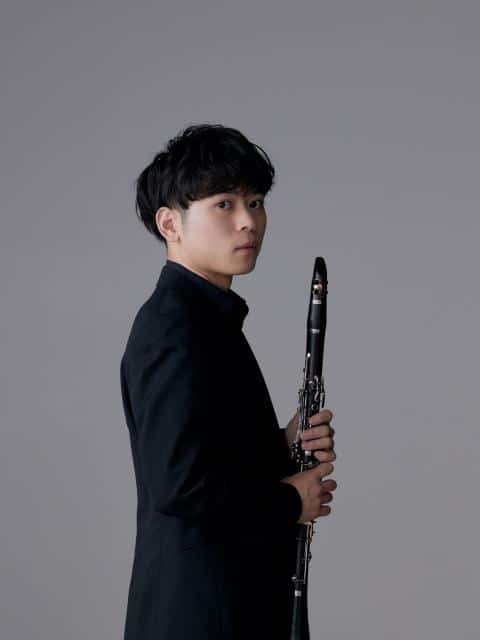
The announced performers include Orange Man, Happy Orange Choir, Mayuko Oda and Keigo Senda. Their participation expands the concert beyond a single-singer recital and provides opportunities for ensemble and collaborative performances.
The event also reflects Sato’s continuing involvement in regional music education. Through his work with school concerts and cultural-promotion activities, he has focused on making music accessible to wider communities. The Hometown Concert continues that approach by creating a performance that can be enjoyed by people of different ages and levels of musical experience.
Event dates
Takeshi Sato Hometown Concert Vol. 6 takes place on Saturday, November 28, 2026, in Kagawa Prefecture, Japan.
Date: Saturday, November 28, 2026
Event: Takeshi Sato Hometown Concert Vol. 6
Location: Kagawa Prefecture, Japan
Venue: Gennai Music Hall
The concert is a single-day performance rather than a multi-day festival. Visitors therefore only need to plan around the November 28 performance date.
The published event information does not provide a confirmed detailed admission and performance timetable in the supplied listing. Visitors should check the latest ticket information or contact the organiser for the exact doors-open and concert-start times before travelling.
Because all seats are unreserved, arriving with sufficient time before the performance is particularly useful. Early arrival allows visitors to complete admission procedures and find suitable seating without having to rely on a pre-assigned seat number.
The organiser also notes that performers and the programme may change because of unavoidable circumstances. Visitors should therefore check for any final programme announcements before the concert.
Visiting this event? Don’t miss out on these amazing activities and local experiences while you’re here.
Venue & festival site
The concert will be held at Gennai Music Hall in Kagawa Prefecture.
Venue: Gennai Music Hall
Prefecture: Kagawa, Japan
Unlike an outdoor festival, Takeshi Sato Hometown Concert Vol. 6 is presented as a traditional indoor concert. There is no large festival field, collection of temporary stages or outdoor performance village.
The concert experience will be centred on the main hall, where audiences can enjoy the vocal performances, choir appearances and other musical presentations in a dedicated concert environment.
The venue is particularly appropriate for a programme that combines opera, Japanese songs, musical selections and popular music because an indoor hall allows audiences to focus closely on the singers and musical details.
Visitors should check the venue’s latest access instructions before travelling because local transportation schedules and parking arrangements can change.
The event’s intimate hometown character is also reflected in the venue-based format. Rather than being a large commercial music festival, the performance is structured around the relationship between the performer, the local audience and the music.
Full lineup
The published performer information identifies the following artists and groups for the 2026 concert:
Orange Man: Featured performer/group
Happy Orange Choir: Choir ensemble
Mayuko Oda: Featured performer
Keigo Senda: Featured performer
Takeshi Sato is the central artist associated with the Hometown Concert series and is a tenor singer from Sanuki City in Kagawa Prefecture.
Sato’s musical background combines formal conservatory education with teaching and regional cultural activity. After graduating from Kunitachi College of Music and completing graduate studies at Kagawa University, he worked as a music teacher for approximately 10 years.
His current work through the Orange Music Association includes school-visit concerts and initiatives designed to promote music culture within the region. This background is reflected in the accessible concept of the Hometown Concert.
Happy Orange Choir adds a group vocal dimension to the programme. Choir participation can provide a different musical texture from solo tenor repertoire and can help create some of the larger ensemble moments of the performance.
Mayuko Oda and Keigo Senda are also listed among the performers. The exact allocation of individual pieces and the complete running order have not been published in the supplied event information.
The organiser reserves the right to change performers and programme content when unavoidable circumstances make changes necessary.
Headliners & featured artists
Takeshi Sato is the principal artist associated with the Hometown Concert series. His connection with Kagawa is central to the event’s concept because he was born in Sanuki City and has continued to contribute to regional music activities.
As a tenor, Sato’s repertoire can accommodate the different musical styles featured in the concert. The 2026 programme is expected to move between opera, Japanese songs, musical theatre and Showa-era popular music rather than remaining within one musical category.
His experience as a music teacher is also relevant to the concert’s approachable format. The event is intended to be enjoyable not only for people familiar with classical music but also for first-time concertgoers.
Orange Man and Happy Orange Choir contribute additional performance elements to the programme. The choir in particular can create ensemble sections that contrast with Sato’s solo singing.
Mayuko Oda and Keigo Senda are also named among the performers. Since a detailed piece-by-piece casting announcement has not been supplied, individual roles should be confirmed through the organiser’s final programme information.
The concert’s featured artists collectively support its central theme: using different forms of singing and musical performance to communicate gratitude, connection and affection for one’s hometown.
Stages & performance areas
Takeshi Sato Hometown Concert Vol. 6 is a single-stage indoor concert.
Main stage: Gennai Music Hall
There are no separately announced festival stages, outdoor stages, DJ areas or secondary performance zones.
The principal stage will accommodate the singers and ensemble performers throughout the concert. Depending on the final programme arrangement, performances may alternate between solo vocal numbers, ensemble pieces and choir appearances.
The variety of repertoire means that the stage presentation can change in character throughout the performance. Opera selections may provide a more formal classical atmosphere, while musical theatre and Showa-era popular songs can introduce more familiar and accessible material.
Because the event is built around music rather than a festival-style site experience, audiences should expect to spend the majority of the event seated inside the concert hall.
Stage-by-stage schedule
There is no multi-stage schedule for this event because all performances take place on the main stage at Gennai Music Hall.
The programme is expected to include several musical categories.
Opera: Classical vocal selections showcasing tenor singing and theatrical repertoire.
Japanese songs: Japanese-language repertoire offering a connection with familiar national and regional musical traditions.
Musicals: Selections from musical theatre designed to broaden the programme beyond classical opera.
Showa-era popular songs: Popular music associated with the Showa period, providing a nostalgic and accessible element.
Ensemble performances: Collaborative appearances involving the Happy Orange Choir and other listed performers.
The precise order of these sections has not been announced in the supplied event information. The organiser also states that the programme may change due to unavoidable circumstances.
Rather than following a stage-hopping festival format, audiences can expect one continuous concert programme with different performers and musical styles appearing throughout the performance.
Set times
The detailed set times for Takeshi Sato Hometown Concert Vol. 6 have not been provided in the supplied event information.
Event date: November 28, 2026
Performance location: Gennai Music Hall, Kagawa Prefecture
Doors open: Not announced
Concert start: Not announced
Expected finish: Not announced
Visitors should check their ticket information and the organiser’s final announcements for the confirmed schedule.
Because all seats are unreserved, arriving before the performance begins is recommended. This gives audiences time to enter the venue, locate available seating and settle in before the musical programme starts.
The concert is not structured around multiple daily sets, so visitors do not need to choose between different performance sessions unless the organiser announces additional information.
Ticket types
The event information states that all seats are unreserved. This means tickets do not provide individually assigned seat numbers and seating is generally taken according to the venue’s admission procedures.
General admission: Unreserved seating
Reserved seating: Not applicable according to the supplied event information
Seating arrangement: All seats are unreserved
The current ticket price has not been provided in the event information supplied for this listing. No reliable previous-edition price was included that could be used without risking an inaccurate figure, so a specific dollar amount should not be invented.
Visitors should confirm the current admission price and ticket purchasing conditions through the official organiser or ticketing channel before making travel arrangements.
The unreserved arrangement makes arrival timing more relevant than it would be for a concert with individually assigned seats. Guests who have particular seating preferences may want to arrive earlier.
The event also includes a specific accessibility instruction: visitors who require wheelchair-accessible seating should contact the organisers.
VIP & premium options
No VIP or premium ticket packages have been announced for Takeshi Sato Hometown Concert Vol. 6.
VIP tickets: Not announced
Premium seating: Not announced
Meet-and-greet: Not announced
Backstage access: Not announced
The supplied event information identifies the concert as an all-unreserved-seat performance rather than a tiered premium-seating event.
Visitors should therefore plan around the standard admission arrangements unless the organiser publishes additional ticket categories later.
If premium seating, special guest benefits or artist interaction opportunities are introduced, they should be confirmed through the official event information before purchase.
Event rules
Several important admission and participation conditions apply to the concert.
Children: Children under school age must be accompanied by a guardian.
Seating: All seats are unreserved.
Wheelchair seating: Visitors requiring wheelchair-accessible seating should contact the organisers.
Programme changes: Performers and programme content may change because of unavoidable circumstances.
Families attending with young children should make sure a guardian accompanies every preschool-aged child throughout the event.
As this is an indoor concert, visitors should also observe normal concert etiquette. Mobile phones should be silenced during performances, conversations should be kept to a minimum, and audience members should follow instructions from venue staff.
The organiser’s final admission instructions should be checked before the event, particularly if there are changes to the programme or venue procedures.
How to get there
Gennai Music Hall is the listed venue for the November 28 performance in Kagawa Prefecture.
Visitors travelling from outside Kagawa should plan their journey around the exact location of the hall and the concert’s final start time.
By train: Travellers arriving in Kagawa can use the regional rail network and continue toward the area surrounding the venue.
By car: Driving may be practical for visitors travelling from other parts of Kagawa, particularly families or groups.
By taxi: A taxi can provide a direct option from the nearest major station or transport hub when public transportation connections are inconvenient.
Because the supplied event information does not provide a detailed station-to-venue route, visitors should confirm the final walking and local transportation instructions before travelling.
It is also worth allowing extra time on concert day. Since all seats are unreserved, arriving before the main audience rush can make entry and seating more straightforward.
Public transport & parking
Public transportation is likely to be the most convenient option for visitors who do not know the local road network.
The precise nearest railway station, bus stop and parking conditions for the 2026 concert should be confirmed through the venue or organiser before travel.
Rail: Regional rail services provide connections across Kagawa and can be combined with local transport to reach the venue.
Bus: Local bus services may provide access depending on the final venue route and timetable.
Taxi: Taxis can be useful for the final part of the journey, especially for visitors carrying luggage or travelling with family members.
Parking: Current event-specific parking information has not been provided.
Visitors planning to drive should not assume that venue parking will be available unless it is confirmed by the organiser. If parking is limited, arriving early will provide more flexibility.
Public transport schedules should also be checked for the return journey, especially if the concert ends later in the evening.
Accommodation areas
Visitors travelling from outside Kagawa can choose accommodation based on whether they prioritise transportation, sightseeing or proximity to the concert venue.
Takamatsu: Takamatsu is the main urban centre of Kagawa and offers a wide range of accommodation, restaurants and transportation connections. It can be a practical base for visitors exploring the prefecture.
Central Kagawa: Staying closer to the venue may reduce travel time on concert day and can be convenient for visitors who want a quieter overnight stay.
Sanuki City: Since Takeshi Sato is from Sanuki City, visitors interested in the hometown theme may want to explore accommodation options in or around the city if practical for the venue location.
Kagawa’s major transport areas: Travellers arriving by rail may prefer accommodation near a major station so that they can combine the concert with sightseeing and simplify their return journey.
Because the performance is a single evening event, visitors can choose either a one-night stay or extend their trip to experience more of Kagawa.
Food & drink
The Hometown Concert is an indoor cultural performance rather than a food festival, so visitors should not expect a dedicated festival food village or large collection of temporary food stalls.
Instead, audiences can plan meals around the surrounding area or visit restaurants in a larger nearby town or city before the concert.
Kagawa is particularly associated with Sanuki udon, making a local udon meal a natural addition to a trip connected with a Sanuki-born performer.
Visitors should allow sufficient time for dinner if attending an evening performance. Restaurants can become busy at popular times, so advance planning may be helpful for groups.
Food and drinks inside the concert hall should be handled according to venue rules. Unless specifically permitted, visitors should avoid eating during performances.
Those travelling with children should also consider eating before entering the hall because the event requires preschool children to be accompanied by a guardian and the concert itself is intended to be experienced as a continuous performance.
Accessibility
Accessibility information supplied for the event specifically states that visitors requiring wheelchair-accessible seating should contact the organisers.
Wheelchair seating: Contact the organisers in advance
Family access: Preschool children must be accompanied by a guardian
Seating: All seats are unreserved
Because seating is unreserved, visitors who require a particular accessible seating arrangement should contact the organisers before the concert rather than relying on availability on arrival.
Advance communication allows the organisers to explain the available arrangements and any procedures that apply at Gennai Music Hall.
Visitors with other accessibility requirements should also contact the organisers before travelling so that they can receive current information about entrances, seating and venue facilities.
Best days to attend
Takeshi Sato Hometown Concert Vol. 6 has one announced performance date: Saturday, November 28, 2026.
There are no separate festival days from which to choose, so the best option is simply to plan around the November 28 performance.
Concert day: Saturday, November 28, 2026
The Saturday date may also make the event suitable for a weekend trip. Visitors travelling from another part of Japan can potentially arrive earlier on Saturday, attend the concert and remain overnight before continuing their trip on Sunday.
The weekend timing can also work well for families and groups because it avoids the need to take time away from weekday work or school, although preschool children must be accompanied by a guardian.
For visitors particularly interested in Takeshi Sato’s connection to Kagawa, adding time before or after the concert can provide an opportunity to explore the region associated with his hometown and his musical activities.
Previous year’s highlights
The sixth edition of the Hometown Concert series indicates that the event has developed as an annual musical presentation centred on Takeshi Sato’s connection with his home region.
The supplied 2026 information does not provide a verified detailed programme or performer list for the fifth edition, so specific 2025 songs or performances should not be presented as confirmed previous-year highlights.
The broader history of the concert series is nevertheless important to understanding the 2026 event. The Hometown Concert has been created around the idea of expressing gratitude to one’s hometown and communicating the importance of human relationships through song.
Sato’s career also provides context for the series. His education at Kunitachi College of Music and Kagawa University was followed by approximately a decade of work as a music teacher. His subsequent activities through the Orange Music Association have included school-visit concerts and regional music-promotion initiatives.
That combination of performance and education is reflected in the sixth concert’s programme concept. Rather than limiting the event to specialist opera repertoire, the programme brings together opera, Japanese songs, musicals and Showa-era popular songs.
The inclusion of commentary is another important part of the format. Explanations between pieces are intended to make the performance accessible to audiences who may not regularly attend classical concerts.
The 2026 edition therefore continues the series’ central concept of using a broad musical programme to create a welcoming concert experience for the local community and visitors.
Official tickets
The official ticket information should be checked through the organiser or the authorised ticketing channel associated with Takeshi Sato Hometown Concert Vol. 6.
Event: Takeshi Sato Hometown Concert Vol. 6
Date: November 28, 2026
Venue: Gennai Music Hall, Kagawa Prefecture
Seating: All seats are unreserved
The supplied event information does not provide a confirmed ticket price or a direct ticket URL. For that reason, a specific dollar price or unverified purchasing link has not been added.
Visitors should confirm the latest ticket availability, admission price, sales period and purchasing method before making travel arrangements.
It is also important to check the final performer and programme information because the organiser states that both performers and programme content may change due to unavoidable circumstances.
For wheelchair-accessible seating, visitors should contact the organisers in advance rather than relying on standard unreserved admission procedures.
Location
FAQ
What is the primary theme behind Takeshi Sato's annual Hometown Concert series?
The concert series serves as a heartfelt expression of gratitude to the artist's native Kagawa Prefecture. It celebrates local roots, community connections, and the unifying power of music across generations.
Are children under school age permitted to attend the concert at Gennai Music Hall?
Children under school age are welcome to attend provided they are accompanied by a responsible guardian. This policy encourages family participation while ensuring proper supervision inside the hall.
How should attendees requiring wheelchair-accessible seating coordinate their reservations?
Patrons needing wheelchair-accessible seating should contact the event organizers directly prior to the performance. Staff members will assist in securing appropriate spaces to ensure a comfortable concert experience.
What diverse musical genres are featured in the performance program?
The program features a wide-ranging selection including classical opera, Japanese art songs, and musicals. It also incorporates nostalgic Showa-era popular songs to ensure broad appeal for all listeners.
What role do the special guest performers play during the recital?
Special guests such as the Happy Orange Choir, Mayuko Oda, and Keigo Senda provide rich collaborative accompaniment. Their participation expands the concert's texture into dynamic ensemble and choral arrangements.
What seating arrangement is utilized for this specific regional event?
All seats within the hall operate on an unreserved general admission seating basis. Attendees are encouraged to arrive early to select their preferred seating locations prior to the curtain.

Leave a Reply