



-
July 23, 2026
Event date:
-
July 25, 2026
Event end:
Overview
The historic streets of Osaka burst into life every summer for one of the most magnificent cultural celebrations in Japan. This ancient festival pays tribute to Sugawara no Michizane, the patron deity of learning and scholarship, drawing millions of spectators to the heart of the city. For over a millennium, the local community has honored this legacy through a mesmerizing display of faith, art, and grand public performance that bridges the past and the present.
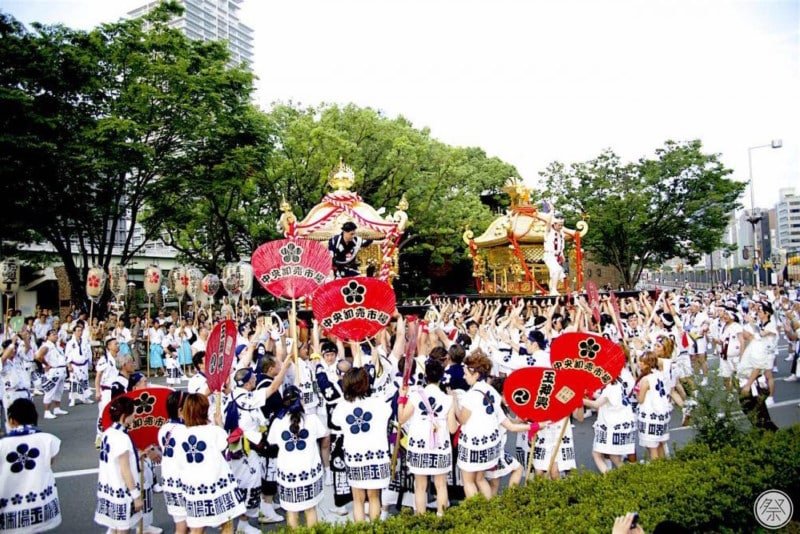
The celebration begins with sacred rituals at the historic shrine grounds before spilling out into the wider city. Spectators line the streets to witness thousands of participants parading in meticulous historical costumes that recall the splendor of the Heian and Edo periods. The air fills with the thunderous rhythm of traditional drums, the chiming of bells, and spirited festival chants as heavy, golden portable shrines are carried proudly through the crowds.
As night falls, the energy shifts seamlessly to the winding waterways of the city for an unforgettable aquatic spectacle. Over a hundred intricately decorated boats illuminated by lanterns navigate the river, creating a glowing highway of light. Musicians perform ancient court music on the water while a spectacular display of thousands of fireworks lights up the summer night sky, reflecting beautifully on the river surface.
Enjoy Your Event Stress-Free with Japan Travelo
Do you know? Planning events, festivals, concerts, and cultural experiences in Japan can be overwhelming. Japan Travelo brings everything together in one place, helping you manage your itinerary, transport, and accommodation with ease—so you can enjoy Japan without the stress of planning.
Event Highlights
- The Land Procession: Over three thousand participants dressed in elaborate imperial court attire and samurai armor march through the city streets alongside dancers and dynamic lion performers.
- The Sacred Boat Parade: A massive fleet of one hundred traditional vessels carrying portable shrines and classical musicians glides down the Okawa River in a stunning display of lantern light.
- The Ritual Offerings: Holy ceremonies take place at the main shrine where priests drop sacred pikes into the river waters to purify the souls of the community.
- The Grand Fireworks Display: Around three thousand custom fireworks are launched into the night sky, creating a breathtaking canopy of light over the illuminated boat procession.
Why Attend
This celebration offers an unrivaled opportunity to experience authentic Japanese heritage on an grand scale. Visitors can immerse themselves in the lively energy of Osaka, witnessing traditions that have been preserved meticulously for over a thousand years. It provides a unique lens into the spiritual and cultural heart of the region, making it an essential experience for travelers who want to see history come alive outside of a museum.
The gathering is ideal for cultural enthusiasts, families, photographers, and anyone eager to experience the electric atmosphere of a traditional summer festival. Attendees will benefit from viewing rare historical costumes up close, enjoying a world-class fireworks performance, and tasting legendary street food from hundreds of vibrant riverside stalls. It is a sensory feast that leaves an enduring impression of Japanese hospitality and community pride.
Date & Duration
- Event Date: July 23 to July 25, 2026
- Event Duration: Three consecutive days of ceremonies and public parades
Visiting this event? Don’t miss out on these amazing activities and local experiences while you’re here.
Ticket Information
- How Tickets Are Sold: General viewing along the public street parade and riverbanks requires no booking, while premium viewing seats are sold through online ticketing platforms and travel agencies.
- Admission Type: Free public admission for standard street and river viewing areas, with paid tickets required only for reserved grandstand seating and special hospitality zones.
- Ticket Pricing: Access ranges from 0 USD for public areas to 410 USD for premium reserved riverside seats and boat viewing options.
- Special Seating Options: Tiered circular plazas and reserved riverbanks are set up at Kema Sakuranomiya Park to offer clear lines of sight away from the main crowds.
- VIP Options: Exclusive hospitality packages include reserved seating directly opposite the fireworks launch site, inclusive drinks, and unobstructed views of the illuminated boat procession.
Venue / Location
- City and Country: Osaka, Japan
- Venue Name: Osaka Tenmangu Shrine and the Okawa River area
- Google Maps Address: 2 Chome-1-8 Tenjinbashi, Kita Ward, Osaka, 530-0041, Japan
Contact Information
- Email: info@osakatenmangu.or.jp
- Phone Number: +81-6-6353-0025
- Official Website: osakatenmangu.or.jp
Getting There
- Nearest Airport: Itami Airport is located approximately 9.3 miles from the venue, while Kansai International Airport sits around 31 miles away.
- Nearest Train/Metro Station: Minami-morimachi Station on the Tanimachi and Sakaisuji Metro Lines, or Osakatemmangu Station on the JR Tozai Line.
- Bus Routes or Public Transport Options: Multiple Osaka City bus routes service the Tenjinbashi precinct, though heavy festival traffic makes local trains the most reliable choice.
- Parking Availability: No dedicated festival parking is available at the shrine or riverbanks, and public vehicle access is highly restricted due to widespread road closures.
- Directions by Car: Drivers can access the general area via the Hanshin Expressway Route 12 Moriguchi Line, exiting at the Minamimorimachi interchange toward Federal Route 1.
What is this event?
This gathering is one of the three major traditional festivals in Japan, boasting a history that spans more than one thousand years. It honors the memory of a historic scholar elevated to a deity, serving as a vital celebration of local spirituality, community strength, and heritage.
The celebration consists of consecutive days of sacred shrine rituals, massive historical costumed street parades, and a sprawling lantern-lit boat procession. It culminates in a massive synchronized fireworks show over the city waterways.
Why is it popular?
The gathering is incredibly popular because it combines a deeply sacred spiritual tradition with an expansive, high-energy summer party atmosphere. It draws millions of global visitors who are eager to see the iconic image of glowing boats and fireworks together.
It also provides a massive showcase for traditional performing arts, including unique drumming routines, puppet theater, and classical dancing. The endless rows of local food stalls serving regional delicacies add immensely to the overall appeal.
Tips before you go
- Arrive at the riverbanks several hours before sunset if you want to secure a decent view without purchasing a premium grandstand ticket.
- Wear lightweight, breathable clothing or a traditional cotton yukata because the late July weather in the city is exceptionally hot and humid.
- Stay fully hydrated throughout the day by utilizing the numerous beverage vending machines and local convenience stores scattered around the neighborhood.
- Prepare for massive crowds at the train stations immediately after the fireworks finish, and consider waiting in a nearby cafe for traffic to ease.
- Carry a sufficient amount of physical cash because the majority of the traditional riverside food stalls do not accept credit cards or digital payments.
Attendee Experiences
- The energy of the drummers and the sight of the glowing boats under the fireworks was absolutely unforgettable.
- It was incredibly crowded and hot, but seeing the historical costumes up close made the entire experience worth it.
- Buying a reserved seat saved us hours of waiting in the heat and gave us a perfect view of the river parade.
Video
Location
FAQ
What happens if it rains during the outdoor festivities?
The main parades, boat processions, and fireworks displays are generally held as scheduled in light rain conditions. If extreme weather or severe storms occur, specific outdoor events may be postponed or modified for safety, while the indoor shrine rituals will always proceed as planned.
Are there specific areas where I can buy food during the celebrations?
Hundreds of traditional festival stalls line the banks of the Okawa River and the streets surrounding the main shrine grounds. These vendors offer a massive selection of regional street food, including grilled octopus balls, savory pancakes, and shaved ice treats throughout the afternoon and evening.
Is the main shrine accessible for visitors with limited mobility?
The historic shrine grounds feature flat surfaces, but the massive density of the festival crowds makes navigating the area very difficult for those with limited mobility. The riverside viewing areas also feature stairways and uneven terrain that can pose significant challenges during peak event hours.
Can I take photographs of the participants during the parades?
Photography for personal use is fully permitted and encouraged along the public parade routes and from the riverbanks. Visitors are expected to remain respectful, stay behind safety barriers, and avoid obstructing the path of the participants or the portable shrines.
What is the best time to visit the shrine to see the rituals?
Morning visits on the first two days offer the best opportunity to witness the traditional religious ceremonies in a relatively calm environment. The early hours allow you to see the priests and performers preparing for the grand processions before the general public crowds arrive.

Leave a Reply