


Overview
The Tenryo Kuse Sakura Festival is a captivating annual celebration held in the historic Kuse district of Maniwa City, located in Okayama Prefecture. This festival beautifully showcases the spectacular arrival of spring along the scenic Asahikawa riverbed, an area renowned for its deep cultural roots and natural beauty. Historically designated as a Tenryo, or direct imperial territory under the Tokugawa shogunate during the Edo period, the region infuses this seasonal flower viewing event with a proud sense of historical identity and local heritage.
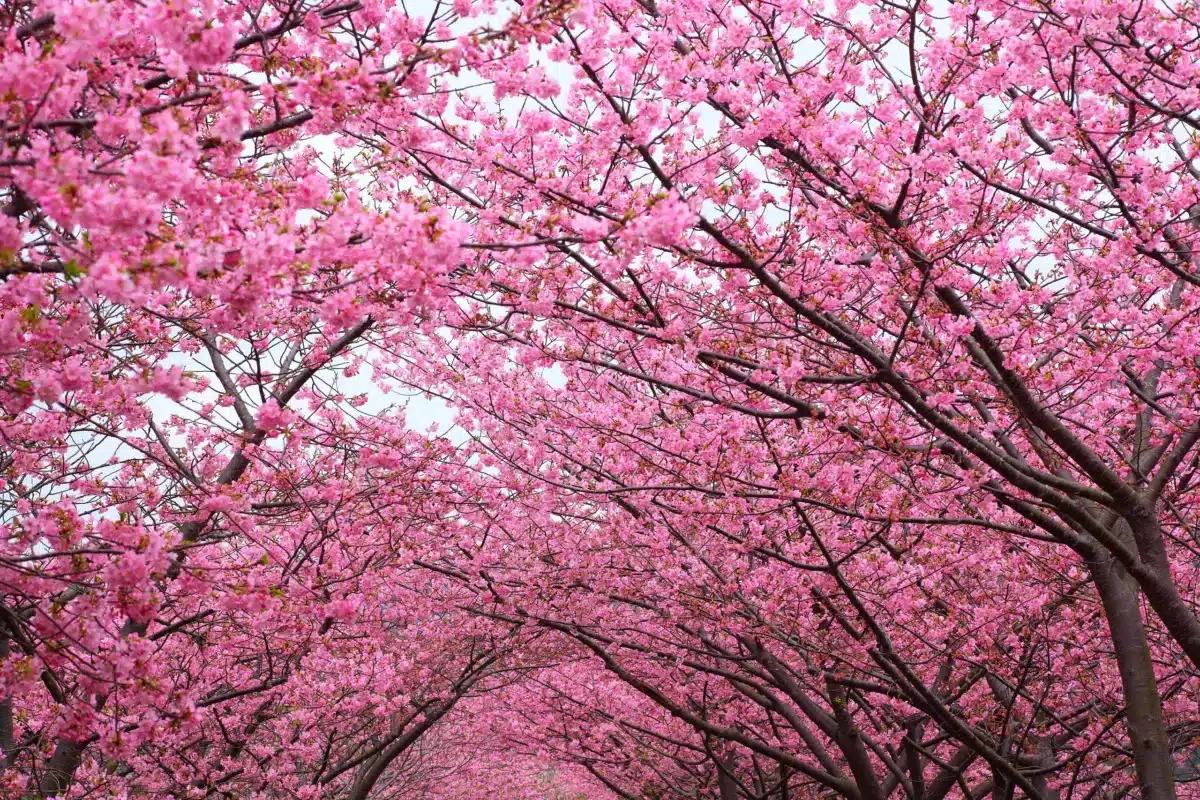
The centerpiece of the festival is the magnificent Kuse Tunnel of Cherry Blossoms, an extraordinary corridor of approximately 160 Somei-Yoshino cherry trees stretching along the river embankment. Planted over half a century ago, these mature trees feature grand, sweeping branches that arch completely across the pedestrian pathway, creating a dense, continuous roof of soft pink blossoms. Walking through this natural archway offers a profoundly immersive experience, where the gentle river breeze showers visitors with falling petals against the backdrop of rolling mountain ranges.
As a signature community gathering, the event goes far beyond simple nature viewing by serving as a vibrant marketplace for Maniwa’s exceptional agricultural and culinary traditions. The spacious riverbed transforms into a lively festival ground featuring traditional performing arts, family-oriented entertainment, and numerous vendor stalls. From daytime picnics under the sprawling canopy to the magical atmosphere of the evening illuminations, the festival offers an authentic, heartwarming slice of rural Japanese culture that deeply resonates with all who visit.
Enjoy Your Event Stress-Free with Japan Travelo
Do you know? Planning events, festivals, concerts, and cultural experiences in Japan can be overwhelming. Japan Travelo brings everything together in one place, helping you manage your itinerary, transport, and accommodation with ease—so you can enjoy Japan without the stress of planning.
Event Highlights
- Kuse Cherry Blossom Tunnel: A stunning one-kilometer pathway sheltered beneath a dense, overarching canopy of mature Somei-Yoshino cherry trees along the river bank.
- Riverbed Community Marketplace: A bustling open-air market featuring local agricultural products, handmade crafts, and specialized regional delicacies from across the Maniwa region.
- Traditional Tenryo Performing Arts: Live cultural stages on the riverbed showcasing historical regional dances, traditional drumming, and community folk music performances.
- Nighttime Lantern Light-up: A romantic evening illumination where hundreds of traditional lanterns cast a soft, enchanting glow over the blossoms and the river surface.
Why Attend
The Tenryo Kuse Sakura Festival provides an exceptional opportunity to experience the iconic beauty of Japan’s cherry blossoms in a remarkably authentic and unhurried rural setting. Free from the overwhelming crowds typical of major metropolitan parks, this festival allows visitors to slow down and truly connect with the local community. It offers a stunning combination of pristine river landscapes, mountain views, and historic prestige, making it an incredibly rewarding destination for cultural exploration.
This event is ideal for nature enthusiasts, family vacationers, photographers seeking pristine landscapes, and travelers interested in exploring the lesser-known regions of western Japan. It is especially beneficial for food lovers who want to sample distinct regional food traditions that are highly preserved within Okayama Prefecture. Attendees will enjoy a well-rounded experience that seamlessly blends active outdoor walking, relaxed riverside picnicking, and engaging encounters with living rural history.
Date & Duration
- Event Date: Late March to mid-April 2027
- Event Duration: Approximately three weeks, depending on the exact timing of the natural blooming period
Visiting this event? Don’t miss out on these amazing activities and local experiences while you’re here.
Ticket Information
- How Tickets Are Sold: No tickets or reservations are required to access the riverbed park areas or the cherry blossom tunnel
- Admission Type: Free Admission
- Ticket Pricing: Full price range is 0 USD to 0 USD for general access to the festival grounds and evening illumination walks
- Special Seating Options: None available as the open grassy riverbed operates entirely on a first-come, open-use basis for picnic blankets
- VIP Options: None offered for this public, community-organized countryside celebration
Venue / Location
- City and Country: Maniwa, Japan
- Venue Name: Asahikawa riverbed, Kuse district
- Google Maps Address: 84 So, Maniwa, Okayama 719-3204, Japan
Contact Information
- Email: kanko@city.maniwa.lg.jp
- Phone Number: +81-867-42-1033
- Official Website: https://www.maniwa.or.jp
Getting There
- Nearest Airport: Okayama Airport located approximately 38 miles south of the Kuse riverbed festival grounds
- Nearest Train/Metro Station: JR Kishin Line Kuse Station
- Bus Routes or Public Transport Options: Maniwa City community buses operating regular routes connecting the train station to major local community centers and surrounding neighborhoods
- Parking Availability: Ample temporary public parking spaces organized along designated flat sections of the Asahikawa riverbed and near the Kuse public library
- Directions by Car: Easily accessible from the Yonago Expressway by exiting at the Kuse Interchange and following Route 181 directly toward the central riverbank area
What is this event?
The Tenryo Kuse Sakura Festival is a traditional regional spring celebration centered around a historic riverside cherry blossom avenue in Maniwa City. It honors the area’s past as a historic imperial territory while welcoming the renewal of the spring season.
The event features a large gathering on the grassy banks of the Asahikawa River, combining flower viewing with local commerce and cultural performances. It functions as a key seasonal landmark that brings the entire rural community together to celebrate their natural surroundings.
Why is it popular?
The festival is highly popular because its mature cherry blossom tunnel creates a remarkably dense and photogenic overhead canopy that is considered one of the finest in the region. The vast, open space of the riverbed allows people to relax comfortably, making it a preferred spot for traditional family picnics.
Furthermore, its strong reputation for showcasing authentic Maniwa gastronomy and unique folk performances draws visitors from all over Okayama Prefecture. The addition of the atmospheric evening lantern illumination adds a distinct, nostalgic appeal that keeps people coming back year after year.
Tips before you go
- Bring a durable, waterproof picnic sheet with you if you plan to sit down because the grassy riverbed can retain morning dew and dampness from the river.
- Arrive in the late afternoon if you want to capture the exact transition when the setting sun highlights the mountains just before the lanterns light up.
- Pack warm outer layers because the open river valley experiences significant drops in temperature once the sun goes down behind the surrounding hills.
- Carry a small bag for your personal garbage since public waste bins are limited along the main embankment pathway to protect the natural river environment.
- Explore the historic town streets of Kuse just adjacent to the riverbed to see old merchant storehouses that date back to the historic Tenryo period.
Attendee Experiences
- Walking through the long tunnel of pink blossoms with the mountains in the background was an unforgettable experience.
- The local food stalls on the riverbed offered some of the best grilled regional specialties I have ever tasted.
- It was so peaceful to sit by the river under the lanterns at night without the frantic rushing of the big city festivals.
Location
FAQ
What is the best way to travel to the festival using public transportation?
The easiest method is to take the JR Kishin Line directly to Kuse Station, which leaves you just a pleasant, flat ten-minute walk away from the Asahikawa riverbed festival grounds. The walking route from the station is well-marked with signs, making it very simple for first-time visitors to find the blossom tunnel.
Are there any public restrooms available along the riverbed?
Yes, the festival organizers set up multiple temporary portable restrooms along the main event area of the riverbed, and permanent facilities are available at the nearby public parks and community buildings. Visitors are encouraged to locate these facilities early during peak weekend afternoon hours when the crowds increase.
Is the evening lantern illumination held every night?
The traditional lanterns are scheduled to light up every single evening from sunset until around 9 PM throughout the official duration of the blossom festival. This allows visitors ample time to enjoy an evening walk along the riverbank after standard business hours or dinner at nearby local restaurants.
Can we set up barbecue equipment on the riverbed?
Open fires and private charcoal barbecues are strictly prohibited along the cherry blossom embankment and immediate festival pathways to protect the ancient trees and ensure public safety. Visitors are welcome to bring pre-prepared meals, bento boxes, and snacks purchased from the local vendor market stalls to enjoy on the grass.
What should we do if the cherry blossoms have not fully opened yet?
Even if the blossom tunnel has not reached its peak bloom, the riverbed festival market stalls, stage performances, and community exhibitions still take place as scheduled on the main weekends. The surrounding Maniwa area also offers excellent alternative attractions including historic towns, sake breweries, and relaxing hot spring resorts just a short drive away.

Leave a Reply