
-
November 19, 2026
Event date:
-
December 27, 2026
Event end:
Overview
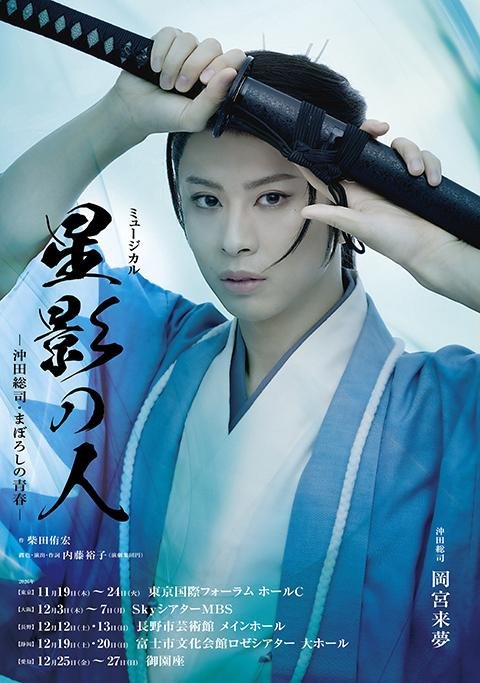
The celebrated theatrical masterpiece originally brought to life by the legendary Takarazuka Revue returns to modern stages in an exhilarating new production depicting the brief yet remarkably turbulent life of Okita Soji. As one of the most brilliant and formidable swordsmen of the legendary Shinsengumi, Okita’s journey is captured through a lens of dramatic intensity, youthful passion, and tragic destiny. This stunning revival features an exceptional principal cast led by the talented Okamiya Kurumu and Hana Yuuki alongside a dynamic ensemble of performers.
Audiences are treated to a deeply atmospheric theatrical experience that transports viewers back to the tumultuous closing days of the Edo period. The narrative balances intricate historical political intrigue with poignant personal struggles, showcasing the fierce loyalty, camaraderie, and ultimate sacrifice defining the era’s most iconic figures. Elaborate choreography, striking period costumes, and evocative lighting designs combine to recreate the turbulent atmosphere of Kyoto and Tokyo during a time of immense national transformation.
This extensive multi-city tour brings high-caliber theatrical artistry to regional fans across multiple major cultural hubs in Japan. Theatergoers can anticipate a deeply moving narrative driven by powerful emotional performances and masterfully staged sword combat sequences. The production successfully honors the romanticized legacy of the Shinsengumi while offering a fresh, contemporary perspective on a timeless historical legend.
Enjoy Your Event Stress-Free with Japan Travelo
Do you know? Planning events, festivals, concerts, and cultural experiences in Japan can be overwhelming. Japan Travelo brings everything together in one place, helping you manage your itinerary, transport, and accommodation with ease—so you can enjoy Japan without the stress of planning.
Event Highlights
- Brand New Stage Revival reimagining the classic Takarazuka Revue masterpiece for contemporary audiences.
- Star-Studded Principal Cast featuring acclaimed performers Okamiya Kurumu and Hana Yuuki in lead roles.
- Multi-City Tour spanning major cultural venues across Tokyo, Shizuoka, Aichi, and Osaka prefectures.
- Dynamic Action Sequences incorporating traditional swordplay choreography and dramatic historical storytelling.
Why Attend
This monumental theatrical event is ideal for passionate fans of Japanese historical drama, musical theater enthusiasts, and anyone captivated by the romanticized lore of the Shinsengumi. Attending offers a rare opportunity to witness a cherished theatrical classic reimagined by some of the most dynamic modern talents on the contemporary stage. The production delivers an unforgettable evening of high-caliber artistic entertainment blending intense emotional depth with thrilling martial arts choreography.
Beyond the sheer brilliance of the lead performances, experiencing the show live provides an electric communal atmosphere shared among dedicated arts patrons. Theatergoers benefit from exposure to top-tier historical set designs, intricate period costuming, and evocative musical arrangements that enhance every dramatic beat. It stands out as a premier cultural highlight of the winter season, promising a poignant and visually stunning journey through Japanese history.
Date & Duration
- Event Date: November 19, 2026, through December 27, 2026
- Event Duration: Approximately 2 hours and 35 minutes including a standard intermission
Visiting this event? Don’t miss out on these amazing activities and local experiences while you’re here.
Ticket Information
- How Tickets Are Sold: Tickets are distributed via official authorized ticketing agencies and primary venue box offices utilizing secure advance reservation systems.
- Admission Type: Reserved seating across multiple tiers corresponding to primary floor levels and upper viewing balconies.
- Ticket Pricing: Minimum price range starts around 45 USD up to a maximum range of 125 USD depending on tier selection.
- Special Seating Options: Wheelchair-accessible spaces and companion seating areas are available upon direct advance request through official customer service channels.
- VIP Options: Premium tier seating sections offer closer proximity to the main stage and optimal acoustic centering within each hall.
Venue / Location
- City and Country: Tokyo, Shizuoka, Aichi, and Osaka, Japan
- Venue Name: Tokyo International Forum Hall C, Fuji City Cultural Center Rose Theater, Misono-za, and Sky Theater MBS
- Google Maps Address: 3-5-1 Marunouchi, Chiyoda City, Tokyo 100-0005, Japan
Contact Information
- Email: support@starlight-stage.example.com
- Phone Number: +81 3 3215 9911
- Website: https://t.pia.jp/pia/event/event.do?eventBundleCd=b2669201
Accommodation Options
Visitors traveling across different cities for the tour will find a wide variety of lodging options situated conveniently near each major performing arts center. High-end international hotels, comfortable business accommodations, and boutique properties are clustered around central transit hubs and entertainment districts. Booking well in advance is highly recommended due to high seasonal tourism and simultaneous regional events taking place near the performance venues.
For attendees seeking a more immersive cultural stay, traditional Japanese inns and contemporary serviced apartments offer flexible alternatives within short commuting distances. Most primary venues provide direct indoor or covered access from neighboring transit stations and premier hotels. This ensures that travelers can easily transition between their accommodations and the theater regardless of winter weather conditions.
Getting There
- Nearest Airport: Tokyo Haneda Airport, located approximately 18 kilometers away from the primary Tokyo International Forum venue.
- Nearest Train/Metro Station: Yurakucho Station for the Tokyo venue, providing direct intercity rail and subway connections.
- Bus Routes or Public Transport Options: Extensive local municipal bus loops and high-speed highway coaches connect directly to all venue districts.
- Parking Availability: Public underground parking structures are available directly beneath or adjacent to the performance complexes.
- Directions by Car: Accessible via major metropolitan expressways and arterial ring roads leading directly into city center commercial zones.
Dining Recommendations
Breakfast Recommendations:
- Café de L’Ambre serves classic drip coffees and traditional morning toast selections in a historic setting.
- World Breakfast Allday offers rotating international morning platters inspired by global culinary traditions.
- Bills Omotesando provides bright, airy spaces overlooking urban greenery with gourmet avocado toast and pancakes.
Lunch Recommendations:
- Ichiran Shibuya specializes in customized tonkotsu ramen served in individual private dining booths.
- Maisen Aoyama Honten serves world-renowned tender tonkatsu cutlets in a converted historic bathhouse building.
- Uobei Shibuya Dogenzaka offers a high-tech conveyor belt sushi experience with fresh local catches.
Dinner Recommendations:
- Monja Street eateries provide interactive griddle-cooked savory pancakes unique to the local region.
- Gonpachi Nishiazabu features atmospheric traditional Japanese izakaya dining popularized by international cinema.
- Rokurinsha Tokyo Station delivers rich, flavorful tsukemen dipping noodles beloved by evening commuters.
Local Specialties to Try:
- Edomae Sushi featuring freshly sliced seasonal seafood sourced directly from regional morning fish markets.
- Monjayaki pan-fried batter mixed with vegetables, seafood, and broth cooked right at the table.
- Matcha green tea parfaits layered with sweet red bean paste and chewy rice flour dumplings.
What is this event?
The Man in the Starlight is a dramatic theatrical production depicting the legendary life and untimely demise of Okita Soji, a brilliant swordsman of the Shinsengumi. The narrative explores themes of fierce loyalty, youthful ambition, and the melancholic reality of an era coming to a violent end.
Through powerful acting, emotional dialogue, and dynamic stage combat, the production captures the spirit of historical figures who shaped Japan’s destiny. It stands as a major cultural revival of a classic theatrical script tailored for modern audiences.
Why is it popular?
The show draws large audiences due to its enduring fascination with the Shinsengumi and the tragic heroism of Okita Soji. Theatergoers are consistently drawn to the high-energy sword fighting sequences and the emotional depth brought by leading cast members.
Furthermore, the production benefits from a rich legacy inherited from its original Takarazuka Revue origins, ensuring a polished and visually striking presentation. The combination of historical romance and stellar performances guarantees widespread appeal.
Tips before you go
- Arrive at the venue at least thirty minutes prior to curtain time to clear security checks and find your seats.
- Review the official ticketing portal guidelines regarding entry policies and ticket verification before arrival.
- Note that pre-school children are not permitted inside the main auditorium during performances.
- Refrain from taking photographs or recording audio and video once the house lights dim.
- Check transportation schedules ahead of time, as evening performances conclude late at night.
Tips for First-Time Visitors
- Familiarize yourself with the historical background of the Shinsengumi and Okita Soji beforehand to better appreciate the narrative nuances.
- Take advantage of venue digital guides or information brochures available at the main guest services desk.
- Dress in comfortable layered clothing, as indoor theater temperatures can fluctuate between active staging sequences and intermission breaks.
- Plan your local transit route with extra time allocated to account for heavy pedestrian traffic around major metropolitan stations.
- Utilize cloakroom services to store bulky winter coats and large bags before entering the seating bowl.
Attendee Experiences
- The sword fighting choreography and dramatic tension kept the entire audience on the edge of their seats from start to finish.
- Seeing such a legendary historical tale brought to life by a phenomenal cast made the evening truly unforgettable.
- The atmosphere inside the grand theater hall was electric, and every emotional moment resonated powerfully.
Location
FAQ
What is the historical setting of the play?
The theatrical production is set during the closing days of the Tokugawa shogunate in nineteenth-century Japan. This era was characterized by intense political upheaval, social transformation, and frequent conflict among rival factions. The storyline closely follows the members of the Shinsengumi as they struggle to maintain order in Kyoto.
Who is the main protagonist of the production?
The narrative centers around Okita Soji, the brilliant, youthful captain of the first unit of the Shinsengumi. He is celebrated in Japanese history for his exceptional swordsmanship and tragic fate due to illness. The play portrays his dedication to his comrades alongside his personal internal conflicts.
Are cameras allowed inside the performance hall?
Photography, video recording, and audio capturing are strictly prohibited inside the main auditorium once the show begins. Audience members must keep all electronic recording devices powered off during the performance. Ushers enforce this rule to protect the intellectual property and concentration of the actors.
Is there an intermission during the show?
The production includes a standard intermission allowing attendees to stretch, visit the lobby, and purchase refreshments. Announcements are broadcasted in multiple languages to guide viewers back to their seats before the second act commences. Latecomers may have to wait until a suitable break in the performance to enter.
How long is the theatrical performance?
The total running time is approximately two hours and thirty-five minutes including the scheduled intermission break. Evening performances typically conclude late at night, so attendees should plan their return transit accordingly. Matinee shows follow a similar schedule with afternoon timings.

Leave a Reply