
-
October 2, 2026
Event date:
-
October 12, 2026
Event end:
Rossini’s The Italian Turk & Story
Gioachino Rossini’s brilliant opera buffa “The Turk in Italy” arrives at the New National Theatre for its highly anticipated premiere production. Written shortly after the phenomenal international success of “The Italian Girl in Algiers,” the opera sparkles with fast-paced comedic energy and intricate vocal ensembles. The plot revolves around a tangled web of romantic misunderstandings, romantic pursuits, and cultural clashes set against a vibrant Mediterranean backdrop.
At the core of the narrative is a clever playwright searching for inspiration who decides to turn the unfolding real-life dramas into a comic theatrical plot. This metatheatrical device allows characters to interact with the creative process itself, blurring the line between fiction and reality. The storyline tracks Selim, a playboy Turkish prince visiting Italy, who encounters the coquettish, free-spirited Fiorilla and her exasperated older husband.
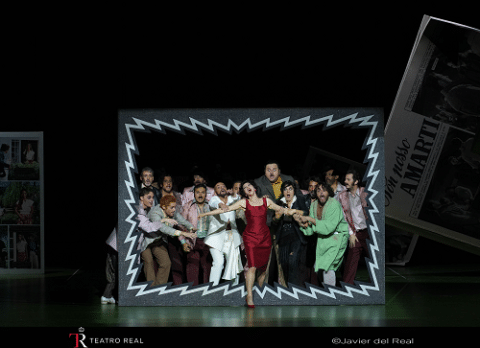
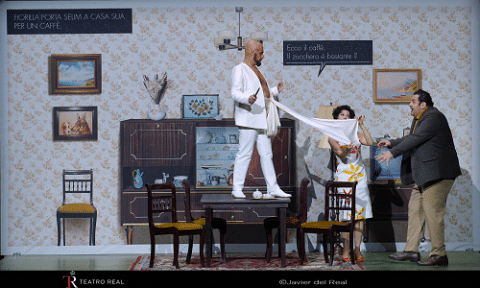
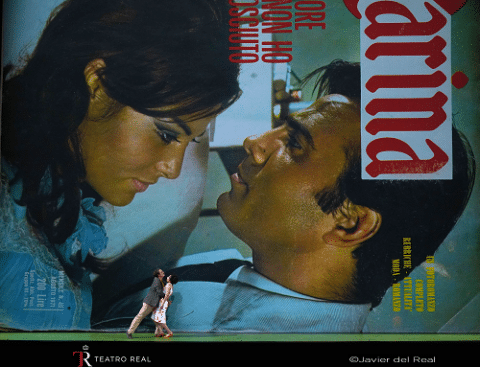
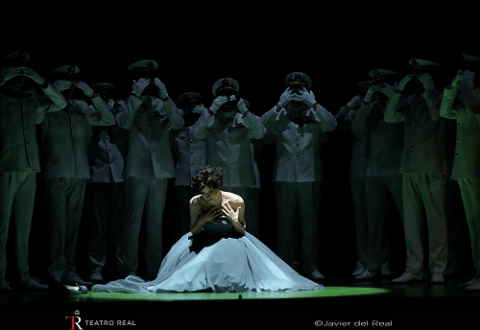
Laurent Pelly’s acclaimed staging introduces an innovative visual concept centered around the idea of a photonovel—a popular melodramatic romance narrative told through photographs and speech bubbles. This imaginative frame transforms the stage into a living, two-dimensional comic book page where the heroine’s romantic daydreams come to vivid life. Characters step in and out of panels, creating a visually stunning feast that matches the fizzy brilliance of Rossini’s musical score.
Enjoy Your Event Stress-Free with Japan Travelo
Do you know? Planning events, festivals, concerts, and cultural experiences in Japan can be overwhelming. Japan Travelo brings everything together in one place, helping you manage your itinerary, transport, and accommodation with ease—so you can enjoy Japan without the stress of planning.
As jealous ex-lovers, confused husbands, and scheming poets collide, the chaos escalates toward a joyous and dazzling masquerade finale. The production masterfully balances high comedy with genuine moments of emotional realization about freedom, fidelity, and true love. Audiences are treated to a thoroughly modern yet deeply respectful interpretation of a classic bel canto masterpiece.
- Blends fast-paced comic opera buffa traditions with innovative metatheatrical narrative devices
- Follows the romantic complications of a playboy Turkish prince arriving on the Italian coast
- Utilizes a clever framing device where a frustrated poet attempts to write a comedy from real events
- Features Laurent Pelly’s acclaimed photonovel visual concept with comic book staging aesthetics
- Explores themes of female independence, marital frustration, and cross-cultural misunderstandings
- Moves dynamically from witty duets and trios to chaotic, full-company masquerade ensemble finales
- Celebrates Rossini’s genius for transforming social absurdity into sparkling musical entertainment
- Delivers its premiere Japanese run at the prestigious New National Theatre Opera Palace
Event Schedule
- Event Date: October 2 through October 12, 2026
- Event Duration: Approximately 2 hours and 45 minutes including a standard intermission for comic opera productions
Visiting this event? Don’t miss out on these amazing activities and local experiences while you’re here.
Characters, Romance & Comic Misunderstandings
The comedic engine of the opera is driven by a colorful cast of eccentric characters caught in an escalating spiral of romantic confusion. Donna Fiorilla stands as the brilliant, capricious heroine who refuses to be constrained by traditional marital expectations. Her playful flirtations with the visiting Turkish prince send shockwaves through her straitlaced husband, Don Geronio, who is easily manipulated and endlessly exasperated.
Selim, the charismatic Turkish prince, breezes into town looking for exotic romantic adventures only to find himself completely captivated by Fiorilla’s rebellious charm. Complicating matters further is the arrival of Zaida, Selim’s abandoned Turkish ex-lover, who is desperately seeking reconciliation and revenge. Tossed into this mix are lovesick local suitors like Don Narciso, who feed the mounting confusion with their own theatrical jealousy.
The interpersonal dynamics are constantly poked and prodded by Poet Prosdocimo, who acts as an active instigator manipulating the characters to fuel his playwriting ambitions. Every character is trapped in a web of mistaken identities, secret rendezvous, and exaggerated emotional outbursts that parody high-society romance. The psychological portrait of each figure remains sharp and funny, ensuring that the comedy stems from genuine character quirks.
Brought to life by an internationally acclaimed cast including Claudia Muschio, Alejandro Bariñas Vietes, and Paolo Bordogna, these roles sparkle with theatrical vitality. The performers execute rapid-fire comedic timing while maintaining the rigorous vocal control required by Rossini’s demanding score. Their physical comedy and vocal agility turn every scene into a masterclass in opera buffa performance.
- Introduces Donna Fiorilla as an independent, capricious heroine challenging marital conventions
- Portrays Selim as a dashing, playboy Turkish prince seeking exotic romance abroad
- Defines Don Geronio as the easily flustered, older husband toyed with by his wife
- Features Zaida as the heartbroken former lover seeking to reclaim her place in the prince’s heart
- Incorporates Poet Prosdocimo as a manipulative narrator driving the comedic plot forward
- Demands expert physical comedy and rapid-fire vocal delivery from all principal cast members
- Highlights stellar performances by international guest artists and leading local opera singers
- Explores how romantic vanity and jealousy generate endless social misunderstandings
Ticket Prices
- How Tickets Are Sold: Available online through the official New National Theatre box office, major Japanese ticket agents, and telephone reservation desks
- Admission Type: Reserved seating across multiple hall tiers with strict entrance regulations excluding pre-school children
- Ticket Pricing: Ranging from a minimum of $22 to a maximum of $165 depending on seat tier and performance date selection
- Special Seating Options: Standard box office configurations featuring tiered tiers, balcony views, and accessible wheelchair spaces
- VIP Options: Premium orchestra center seating sections providing closest proximity to the stage action and conductor
Vocal Performances & Ensemble Chemistry
The vocal chemistry among the principal cast forms the beating heart of this production, elevating the comedy into an artistic triumph. Claudia Muschio returns to the Tokyo stage to deliver a sparkling, agile portrayal of Fiorilla, displaying effortless high notes and sparkling stage presence. Her vocal acrobatics capture the playful defiance of a woman exploring the boundaries of her freedom.
Alejandro Bariñas Vietes brings a rich, resonant bass-baritone and dashing presence to the role of Selim, perfectly embodying the charming foreign prince. His vocal lines blend seductive warmth with nimble comedic timing when facing unexpected romantic complications. Opposite him, veteran buffo specialist Paolo Bordogna commands the stage as Don Geronio, anchoring the laughs with his impeccable musical timing and expressive voice.
The supporting cast, featuring Luzil Gatin, Bruno Taddia, and Yuka Tajima, contributes stellar vocal musicianship that rounds out the ensemble harmonies. Every duet, trio, and large-scale chorus number benefits from rigorous rehearsal and deep mutual listening among the performers. This tight-knit ensemble coordination ensures that the frantic comic energy never compromises the musical integrity of Rossini’s score.
Getting to the Venue
- City and Country: Tokyo, Japan
- Venue Name: New National Theatre, Opera Palace
- Google Maps Address: 1 Chome-1-1 Honmachi, Shibuya, Tokyo 151-0071, Japan
Gioachino Rossini’s Music & Bel Canto Style
Gioachino Rossini’s musical score for “The Turk in Italy” represents the absolute pinnacle of early nineteenth-century Italian bel canto craftsmanship. The orchestration bubbles with infectious rhythms, sparkling woodwind textures, and trademark crescendo passages that build irresistible momentum. Every musical number is meticulously structured to showcase vocal flexibility while advancing the comic narrative at a breathless pace.
The opera is celebrated for its virtuosic ensemble numbers, where multiple characters sing conflicting emotions simultaneously over a driving orchestral accompaniment. Rossini weaves interlocking melodies that require absolute precision from the singers, turning musical chaos into an orderly work of art. Arias and duets demand sparkling coloratura runs, high notes, and agile breath control from the entire cast.
Conductor Alessandro Bonato leads the Tokyo Philharmonic Orchestra with dynamic authority, capturing the crisp, witty spirit of Rossini’s orchestral writing. The orchestra acts as an active comedic participant, accentuating pratfalls, sighing over romantic woes, and driving the frantic chases. The musical delivery honors historical performance practices while maintaining a vibrant, contemporary theatrical punch.
Listening to these sparkling melodies inside the premier acoustics of the New National Theatre provides an exhilarating experience for classical music fans. The seamless blend of orchestral elegance and vocal fireworks demonstrates why Rossini remains the undisputed master of comic opera. Every measure confirms his ability to turn sophisticated musical skill into pure entertainment.
- Showcases Gioachino Rossini’s signature bel canto style characterized by sparkling melodies and brisk tempos
- Features trademark orchestral crescendo passages that build irresistible theatrical excitement and tension
- Demands virtuosic coloratura agility, rapid articulation, and effortless high vocal ranges from soloists
- Highlights complex multi-character ensemble pieces that weave conflicting emotions into harmonic order
- Conducted with precision and vibrant energy by rising Italian maestro Alessandro Bonato
- Performed with crisp articulation and rich dynamic color by the Tokyo Philharmonic Orchestra
- Balances delicate, lyrical love moments with explosive, full-company comedic climaxes
- Serves as a textbook example of masterclass Italian opera buffa musical composition
Theatre Opera Format & Stage Performance
- Presented in a grand theatrical opera format utilizing state-of-the-art stage engineering at the New National Theatre
- Incorporates Laurent Pelly’s visionary direction and costume design inspired by vintage photonovels
- Features striking art direction and set configurations designed by Chantal Thomas
- Utilizes precise lighting design by Joel Adam to shift moods between comic farce and romantic introspection
- Employs seamless assistant direction and technical coordination by Christian Lehto and Jean-Jacques Delmotte
- Features robust choral backing provided by the professional voices of the New National Theatre Chorus
- Integrates two-dimensional comic book props and speech bubble stage elements for a unique aesthetic
- Delivers a polished, world-class international co-production shared with prestigious European opera houses
Comedy, Cultural Encounters & Dramatic Themes
- Explores humorous cultural clashes between traditional Italian society and foreign Ottoman sensibilities
- Satirizes the artificial conventions of nineteenth-century theatrical melodrama and romantic literature
- Examines the nature of artistic creation through the meta-narrative of a poet scripting real lives
- Celebrates personal freedom and the rejection of repressive social roles through the heroine’s eyes
- Contrasts genuine emotional vulnerability with performative jealousy and aristocratic posturing
- Delivers lighthearted farce laced with insightful commentary on human vanity and relationships
- Balances slapstick physical comedy with sophisticated musical wit for diverse audiences
Event Information
- Email: boxoffice@nntt.jac.go.jp
- Phone Number: +81 3-5352-9999
- Website: https://t.pia.jp/pia/event/event.do?eventBundleCd=b2668701
Location
FAQ
What is the unique visual concept used in Laurent Pelly's staging of the opera?
The production utilizes a creative photonovel concept that transforms the stage into a massive comic book page complete with speech bubbles. This imaginative aesthetic allows characters to step through two-dimensional panels, reflecting the heroine's romantic daydreams and love for melodramatic stories.
How does the framing character of the poet influence the progression of the plot?
The poet Prosdocimo acts as an active narrative catalyst who constantly scheme to turn real-life romantic triangles into a theatrical comedy. He interacts directly with the other figures, serving as an entertaining meta-theatrical guide who manipulates the chaos from the sidelines.
Are pre-school aged children permitted to attend performances at the Opera Palace?
Children under school age are strictly prohibited from entering the auditorium to maintain an undisturbed viewing environment for all patrons. This venue policy ensures complete audience concentration during delicate musical numbers and spoken recitative sequences.
What special steps should international visitors take regarding ticket purchases and collection?
Overseas attendees can conveniently book tickets online through the official New National Theatre reservation portal or authorized Japanese ticketing agencies. Patrons should review ticket delivery options carefully, as box office collections or convenience store issuance may require specific identification steps.
What should ticket holders do if they arrive late after the curtain rises?
Late arrivals face strict venue access regulations and may not be permitted to enter the main auditorium immediately upon arrival. Ushers will direct latecomers to designated holding areas until a suitable pause in the performance allows for seated entry.
Are there any changes to the published cast lineup for this 2026 Tokyo run?
Organizers have noted that George Manoshvili's scheduled appearance has been cancelled due to personal reasons, with alternative casting adjustments implemented. Patrons are advised to check the official theater website regularly for the most up-to-date cast lists and program details.

Leave a Reply