
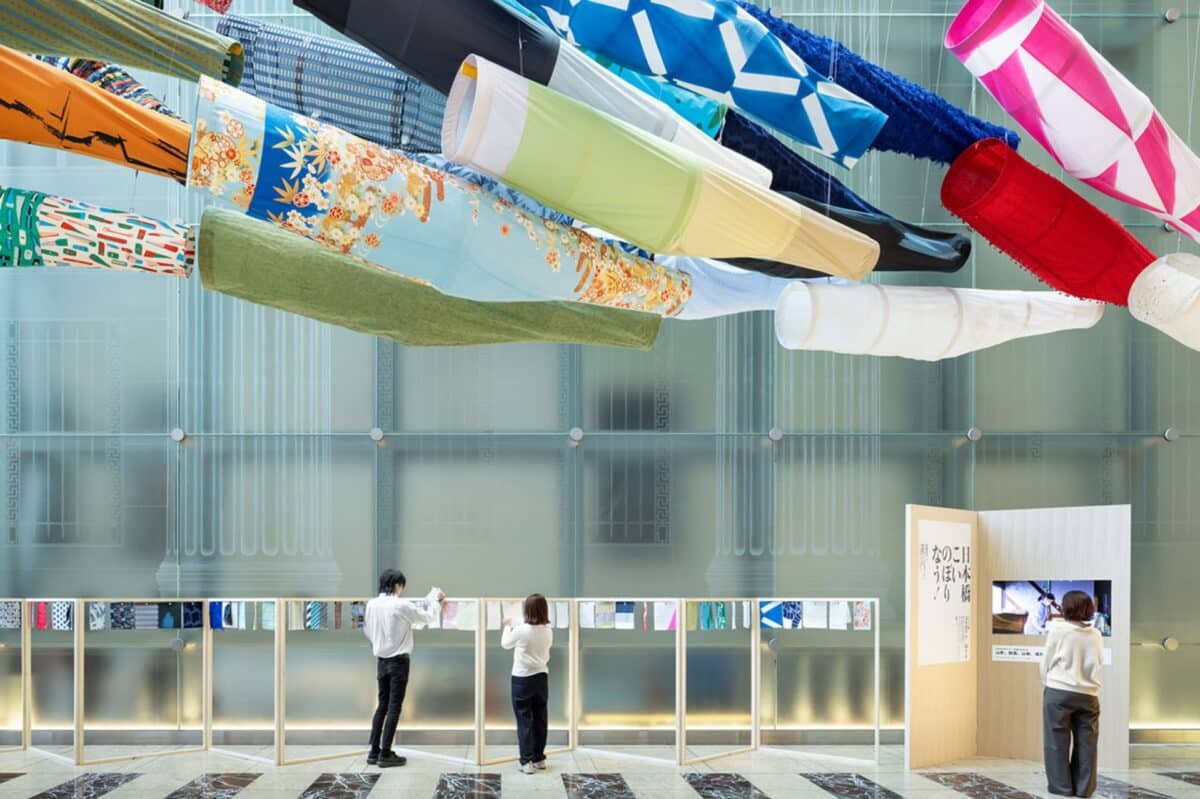
What to expect
Tokyo Creative Salon is Japan’s largest creative festival and the definitive city-wide showcase where fashion, design, art, craft, and technology converge during cherry blossom season. Launched in 2020, the event has rapidly evolved into a city-wide creative week originating from Tokyo, now welcoming over 1.25 million guests in its most recent edition, and spanning nine iconic districts of the capital.
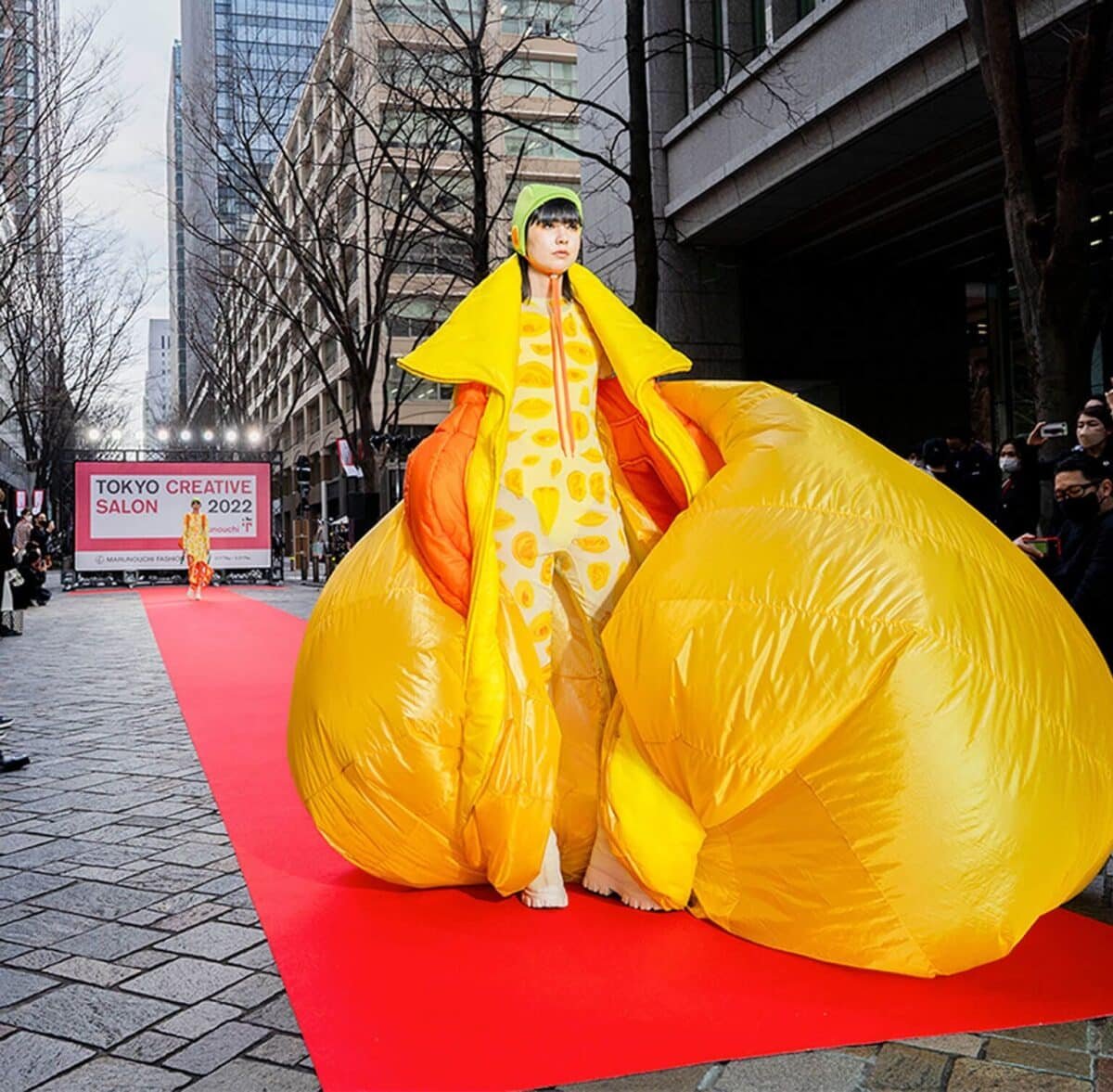
Expect not a single-venue fashion week, but Tokyo itself transformed into a salon. More than 100 artistic and creative presentations, performances, exhibitions, installations, and talks take place simultaneously across Marunouchi, Nihonbashi, Ginza, Akasaka, Roppongi, Shibuya, Harajuku, Shinjuku, and Haneda. Each area interprets the central theme through its own local character, creating a diverse cultural journey.
The festival has two main aims — to bring creative people together and to make Tokyo one of the world’s leading creative cities. To achieve these aims, Tokyo Creative Salon hosts various fashion and design-related events across the city, all free and open to the public. You will encounter runway shows in office lobbies, art installations in department store windows, craft exhibitions in historic streets, technology showcases in airport terminals, and talks by leading creators in cultural halls.
Enjoy Your Event Stress-Free with Japan Travelo
Do you know? Planning events, festivals, concerts, and cultural experiences in Japan can be overwhelming. Japan Travelo brings everything together in one place, helping you manage your itinerary, transport, and accommodation with ease—so you can enjoy Japan without the stress of planning.
It is fashion as urban experience, where you discover next season’s trends while walking through Tokyo’s most iconic neighborhoods under cherry blossoms.
Fashion week dates
Event Dates: March 2027 (Dates TBD)
Season: 2027 Spring Edition
Official Name: TOKYO CREATIVE SALON 2027
Venue Areas: Nine major areas of Tokyo — Marunouchi, Nihonbashi, Ginza, Akasaka, Roppongi, Shibuya, Harajuku, Shinjuku, and Haneda
Official Website: https://tokyo-creativesalon.com/
Organizer: Tokyo Creative Salon Executive Committee
Theme: Each year features a central creative theme. The recent edition theme was FUTURE VINTAGE — Carrying Memories of the Past into the Future, Inspiring New Creation. The 2027 theme will be announced on official website.
Admission: Free and open to the public for all area exhibitions and installations
Schedule Structure Based on Previous Editions:
Opening ceremony typically held at Marunouchi Building 1F Maru Cube or similar landmark venue
Daily program from 10:00 AM to 8:00 PM across all nine areas, with some evening talks and performances extending later
Ten-day duration covering two weekends
Closing events in each area with special performances
Exact timetable with opening ceremony location and daily program details is announced via official website and official X account @tokyo_c_s closer to event.
Visiting this event? Don’t miss out on these amazing activities and local experiences while you’re here.
Venues & show locations
Tokyo Creative Salon is unique in that it does not have one venue — it has nine.
Marunouchi: The business heart of Tokyo with Marunouchi Building and Shin-Maru Building. Known for elegant fashion installations, opening ceremonies, and high-end brand presentations. Maru Cube on 1F often hosts central exhibitions.
Nihonbashi: Historic merchant district where heritage meets contemporary design. Department stores and traditional streets host craft and textile exhibitions focusing on Japanese craftsmanship.
Ginza: Tokyo’s luxury shopping district. Ginza venues include Matsuya Ginza, Ginza Six, and main entrance and basement show windows that transform into art galleries during the festival. Matsuya Ginza has hosted special Japan Denim events alongside Creative Salon, celebrating denim craftsmanship through window installations and pop-up shops from Hiroshima and Okayama.
Akasaka: Cultural beacon combining heritage with contemporary entertainment. Akasaka hosts dynamic programs blending traditional and modern creativity, often with talks and performances.
Roppongi: Art and design hub centered around Roppongi Hills, Tokyo Midtown, and Mori Art Museum area. Focuses on contemporary art, design installations, and international creative dialogue.
Shibuya: Youth culture and street fashion center. Shibuya Sakura Stage SHIBUYA side 3F entrance and other Shibuya locations host street fashion presentations, creator talks, and vibrant installations targeting Gen Z.
Harajuku: Epicenter of kawaii and avant-garde street style. Harajuku venues include Jingumae and Omotesando areas with experimental fashion presentations.
Shinjuku: Entertainment and business district. Sankaku Hiroba Triangle Square at Shinjuku Sumitomo Building, 2-6-1 Nishishinjuku, Shinjuku-ku, near Tocho-mae Station, hosts large-scale installations and technology showcases.
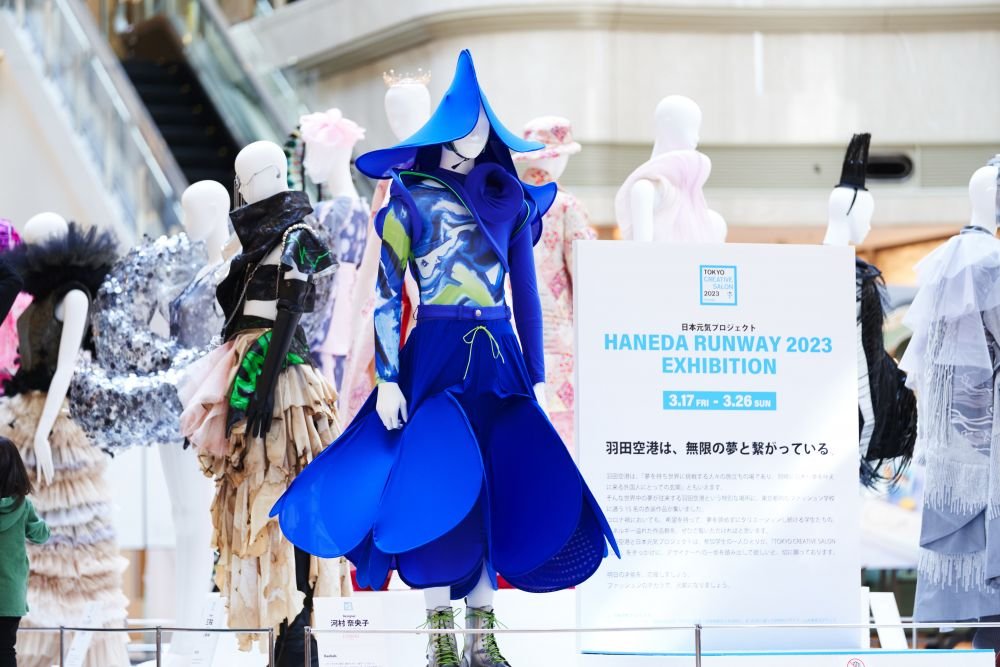
Haneda: Tokyo’s gateway airport area, showcasing travel, technology, and design innovation with installations in Haneda Innovation City and airport terminals.
Together, these nine areas create a city-wide circuit where each district reflects unique architecture and layout.
Full fashion programme
The full fashion programme for Tokyo Creative Salon 2027 is extensive, with more than 100 programs across disciplines.
Fashion Presentations: Includes runway shows, show window installations, pop-up shops, and designer exhibitions in department stores and commercial facilities. Fashion is presented not only on runway but as part of urban landscape.
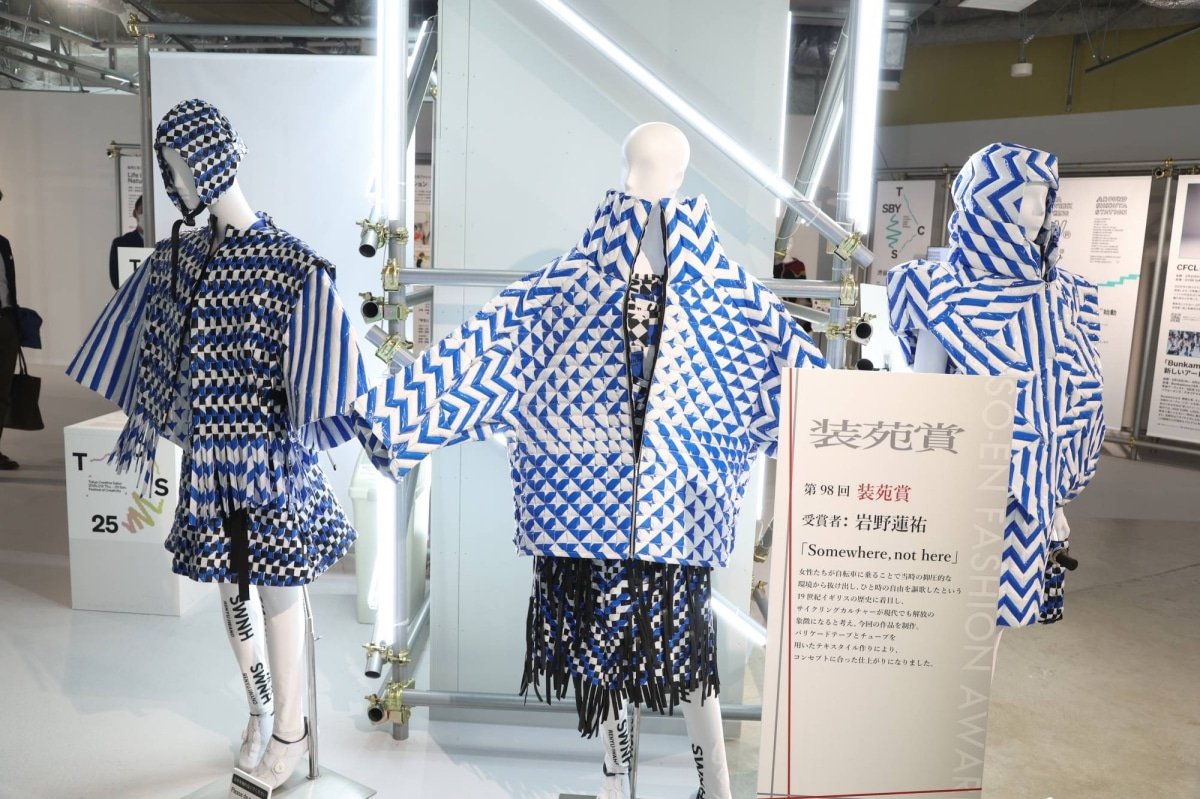
Design and Craft: Showcases Japanese craftsmanship, textile innovation, denim craftsmanship, and sustainable design. Exhibitions focus on carrying memories of the past into future creation.
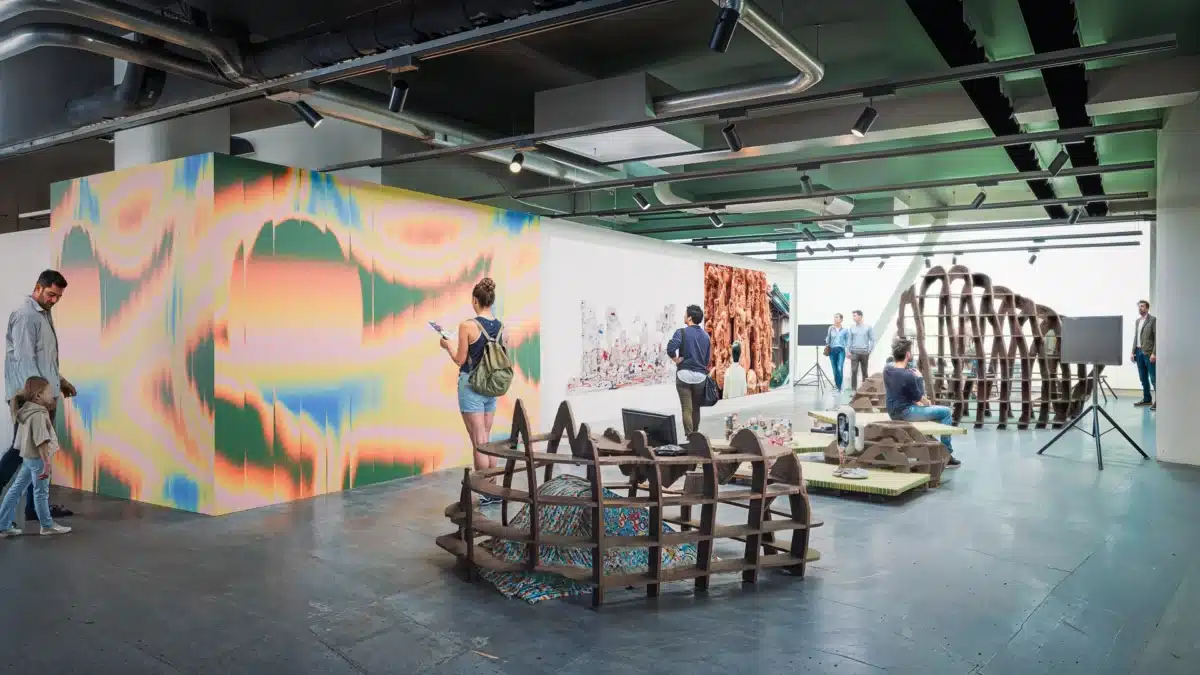
Art Installations: Contemporary art installations in public spaces, building lobbies, and parks, often interactive and photo-friendly.
Technology and Innovation: Exhibitions featuring fashion tech, wearable technology, and creative technology demonstrations, especially in Marunouchi and Haneda areas.
Talks and Symposiums: Engaging talks and exhibitions featuring leading voices in film, fashion, design, and entertainment. Topics include future of fashion, sustainability, and creative city development.
Performances: Live performances, fashion shows with live music, and dance performances in various venues.
Collaborative Events: Special collaborative events between areas, such as Japan Denim Event that runs alongside main festival, celebrating Japanese denim with window installations and souvenir tote offers.
All programs are free, encouraging spontaneous discovery as you walk through city.
Designers & fashion houses
Tokyo Creative Salon features a wide range of designers and fashion houses, from established Japanese brands to emerging creators, reflecting Tokyo’s diversity.
Japanese Apparel Brands: Organized by Japan Apparel-Fashion Industry Council (JAFIC) as part of Tokyo Metropolitan Government’s Fashion Industry Promotion focusing on local characteristics. Participants include leading Japanese fashion brands that showcase seasonal collections through installations and runway presentations.
Denim and Craft Houses: Special focus on Japanese denim craftsmanship, with participants from Hiroshima and Okayama prefectures, Japan’s denim heartlands. Brands present heritage techniques and modern interpretations.
Emerging Designers: Platform for young designers and fashion students to present work alongside established houses, especially in Shibuya and Harajuku areas.
International Guests: Through global series expansion, recent initiatives by The LeMarco Group have connected Tokyo Creative Salon with creative voices from Los Angeles, New York, Hong Kong, and London, bringing international designers to Tokyo.
Design and Lifestyle Brands: Beyond apparel, furniture, lifestyle, and technology brands participate, showcasing holistic creative lifestyle.
The emphasis is on creativity that reflects Tokyo’s unique character — blending traditional craftsmanship with futuristic innovation.
Runway shows & collections
Runway shows at Tokyo Creative Salon differ from conventional fashion week format.
Format: Instead of single tent, runway shows occur in diverse locations — department store atriums, office building lobbies, outdoor plazas, and airport terminals. This creates unique backdrop where city architecture becomes part of show.
Collections: Spring collections are showcased, reflecting cherry blossom season with light fabrics, pastel colors, and transitional outerwear. Collections carry theme of Future Vintage, incorporating memories of past into future creation, inspiring new creation through reinterpretation of heritage.
Presentation Style: Shows blend fashion with performance, art, and technology. Some presentations are static exhibitions in show windows where passersby can view styling over several days, while others are live runway with models.
Accessibility: Unlike invitation-only shows, many runway shows and exhibitions are open to public, allowing general fashion fans to experience front-row atmosphere without industry credentials.
Documentation: All shows are documented via official website and social media, allowing wider audience to experience collections.
Show schedule
Daily Schedule Structure:
Morning – 10:00 AM: Venues open across nine areas. Exhibitions, installations, and pop-up shops begin. Department store show windows illuminated.
Midday – Talks and Presentations: Talks by designers and creative leaders, often held in Marunouchi, Ginza, and Roppongi cultural facilities.
Afternoon – Fashion Shows: Runway presentations and performances occur in main venues such as Marunouchi Building, Ginza department stores, and Shibuya Sakura Stage.
Evening – Extended Programming: Some venues extend hours for evening illuminations and special night performances, especially in Marunouchi and Roppongi where building lighting creates dramatic backdrop.
Ten-Day Flow: First weekend focuses on opening events and ceremonies, weekdays feature design and business-focused programs, second weekend features closing events and family-friendly activities.
Detailed daily schedule with map is released on official website closer to event.
Ticket & invitation information
Tokyo Creative Salon is fundamentally a free and open public festival, which distinguishes it from ticketed fashion weeks.
General Admission: Free and open to the public for all area exhibitions, installations, show window displays, and most runway shows and talks. No ticket required for general viewing. This policy has been consistent since launch, with recent edition explicitly stating admission is free.
Special Ticketed Events: Some special talks, workshops, and limited-capacity performances may require free advance reservation via official website or Peatix due to venue capacity limits. These are also free but require registration.
Invitation Events: Opening ceremony and some VIP preview events are invitation-only for press, industry, and sponsors. General public can view opening ceremony live stream via official channels.
Pricing Converted to USD: Since main festival is free, pricing is $0 for general admission. For special paid side events that may be hosted within festival period by partner venues, such as department store special exhibitions, typical prices range $0 to $15. If a designer hosts a ticketed after-party or workshop, prices from previous editions have ranged $20 to $50.
Official Ticketing: No official ticket sales via Lawson or ePlus for main festival. Check official website https://tokyo-creativesalon.com/ for any reservation-required events.
VIP & industry access
Industry Access: Fashion industry professionals, buyers, and press can register via Tokyo Creative Salon Executive Committee for press credentials. Press credentials provide access to press preview hours, backstage interview opportunities, and reserved seating for opening ceremony and major runway shows.
VIP Preview: VIP and sponsor guests are invited to opening ceremony held at Marunouchi Building 1F Maru Cube or similar landmark. VIP guests include Tokyo Metropolitan Government representatives, JAFIC members, and leading designers.
Creator Access: Leading voices in film, fashion, design, and entertainment are invited as speakers and guests, with dedicated green room and networking opportunities.
General Public Benefits: Since festival is free, there is no formal VIP ticket that offers better viewing for general public. However, arriving early ensures best viewing spots for popular runway shows.
Global Series Connection: Recent expansion as part of global series spanning five cities including Los Angeles, New York, Hong Kong, and London creates additional industry networking opportunities for international guests.
Fashion exhibitions & presentations
Fashion exhibitions are core to Tokyo Creative Salon experience.
Show Window Exhibitions: Department stores in Ginza, Nihonbashi, and Marunouchi transform show windows into fashion galleries. For example, Matsuya Ginza has hosted 14-day Japan Denim Event alongside festival, celebrating denim craftsmanship through installations, pop-up shops from Hiroshima and Okayama, and souvenir tote bag offers.
Pop-Up Shops: Temporary pop-up shops from participating brands offer exclusive items available only during festival period, allowing visitors to purchase directly.
Craft Exhibitions: Exhibitions focusing on Japanese craft techniques such as denim weaving, textile dyeing, and traditional tailoring, connecting past memories to future creation.
Art Installations: Large-scale art installations in public spaces like Sankaku Hiroba Triangle Square in Shinjuku and Shibuya Sakura Stage entrance.
Technology Showcases: Fashion technology exhibitions showcasing wearable tech, sustainable materials, and innovative textile production.
Photo Documentation: All exhibitions are documented via official Instagram @tokyocreativesalon and website, creating digital archive.
Brands & participating companies
Organizer: Tokyo Creative Salon Executive Committee, including Japan Apparel-Fashion Industry Council (JAFIC), supported by Tokyo Metropolitan Government Fashion Industry Promotion program focusing on local characteristics.
Venues and Commercial Partners: Marunouchi Building, Shin-Maru Building, Ginza Six, Matsuya Ginza, Shibuya Sakura Stage, Shinjuku Sumitomo Building, Haneda Innovation City, and many other commercial facilities across nine areas.
Fashion and Design Brands: Wide range from luxury to streetwear, including Japanese apparel brands, denim brands from Hiroshima and Okayama, and emerging designers.
Technology Partners: Companies showcasing fashion tech and creative technology.
Media Partners: PR Newswire, fashion media outlets, and local tourism boards.
Global Partners: Recent editions have involved The LeMarco Group with entities operating in Tokyo, Hong Kong, and New York, producing global series connecting creative communities across Asia-Pacific, North American, and European markets.
Street style & fashion events
Street style is integral to Tokyo Creative Salon, especially given its timing during cherry blossom season.
Street Snap Culture: Areas like Harajuku, Shibuya, and Ginza become street snap hotspots where fashion media photograph attendee outfits. The festival encourages visitors to wear their most creative interpretations of Future Vintage theme.
City-Wide Fashion Walk: Unlike single-venue events, attendees naturally create fashion parade as they move between nine areas via train and on foot, showcasing personal style throughout city.
Cherry Blossom Integration: Festival coincides with cherry blossom season, with many installations incorporating sakura motifs and outdoor viewing spots offering fashion and flower viewing simultaneously.
Creator Events: Popular creators and influencers host meet-ups and styling sessions in Shibuya and Harajuku.
Related Events: Coincides with Rakuten Fashion Week Tokyo, creating double fashion week atmosphere where Tokyo Creative Salon provides public-facing creative festival while Fashion Week provides industry runway shows.
Event rules & access
Admission: Free and open to public for all main programs. No ticket required.
Photography: Photography allowed for most exhibitions and installations, with some runway shows restricting flash photography. Always follow staff instructions.
Behavior: Respect venue rules of each commercial facility. No smoking except designated areas, no littering, follow crowd control instructions.
Accessibility: Since events are spread across city, accessibility varies by venue. Major commercial buildings are barrier-free with elevators.
Weather: Many installations are indoors or in covered areas, but some outdoor installations may be affected by rain. Festival occurs rain or shine.
Pets: Pets may be restricted in indoor venues.
Language: Most exhibitions include English and Japanese signage. Talks may be in Japanese with some English translation for international guests.
How to get there
Marunouchi Area: Directly connected to Tokyo Station. Take JR Yamanote Line, Marunouchi Line to Tokyo Station, 1 minute walk to Marunouchi Building.
Nihonbashi Area: Nihonbashi Station on Ginza Line, Tozai Line, Asakusa Line, 1 minute walk.
Ginza Area: Ginza Station on Ginza Line, Marunouchi Line, Hibiya Line, 2 minutes walk to Matsuya Ginza and Ginza Six.
Akasaka Area: Akasaka Station on Chiyoda Line, Akasaka-mitsuke Station on Ginza and Marunouchi Lines.
Roppongi Area: Roppongi Station on Hibiya Line and Oedo Line, 3 minutes walk to Roppongi Hills and Tokyo Midtown.
Shibuya Area: Shibuya Station on multiple lines including JR Yamanote, Ginza, Hanzomon, Den-en-toshi, Toyoko, and Inokashira Lines. Shibuya Sakura Stage is directly connected.
Harajuku Area: Harajuku Station on Yamanote Line, Meiji-jingumae Station on Chiyoda and Fukutoshin Lines.
Shinjuku Area: Shinjuku Station on multiple lines, Tochomae Station on Oedo Line for Sankaku Hiroba, 1 minute walk from Tocho-mae Station.
Haneda Area: Haneda Airport area accessible via Keikyu Line and Tokyo Monorail to Haneda Airport stations, then shuttle to Haneda Innovation City.
All nine areas are connected via Tokyo’s extensive train and subway network.
Public transport & parking
Public Transport Strongly Recommended: Tokyo’s public transport is efficient and all nine areas are directly connected via metro and JR lines. Parking in central Tokyo is extremely limited and expensive.
Train and Subway: Use Tokyo Metro and JR lines to move between areas. A prepaid IC card such as Suica or Pasmo is convenient for seamless travel.
No Dedicated Festival Parking: There is no official festival parking due to city-wide nature. Use public parking lots in each area if driving is necessary, with rates typically $5 to $10 per hour.
Bicycle: Bicycle sharing services are available but not recommended for inter-area travel due to distances.
Accessibility Transport: All major stations have elevators and escalators. Commercial buildings are barrier-free.
Travel Between Areas: Allow 15 to 30 minutes travel time between areas via train. For example, Marunouchi to Shibuya takes about 25 minutes via train.
Accommodation areas
Best Areas to Stay for Festival Circuit:
Marunouchi and Tokyo Station Area: Luxury hotels like Palace Hotel Tokyo, Four Seasons Tokyo at Marunouchi, and business hotels near Tokyo Station offer easy access to Marunouchi and Nihonbashi venues. Rates range $200 to $500 per night for luxury, $100 to $200 for business.
Ginza Area: Hotels like The Peninsula Tokyo, Ginza Six area hotels, and boutique hotels offer proximity to Ginza exhibitions, ranging $150 to $400 per night.
Shibuya and Harajuku Area: Hotels like Shibuya Excel Hotel Tokyu, Trunk Hotel, and boutique hotels near Harajuku range $120 to $300 per night, ideal for youth culture and street style exploration.
Shinjuku Area: Hotels near Shinjuku Sumitomo Building such as Park Hyatt Tokyo, Keio Plaza Hotel, and business hotels range $100 to $350 per night, convenient for Shinjuku venue and nightlife.
Budget Options: Capsule hotels and hostels in Shibuya, Shinjuku, and Asakusa offer $30 to $70 per night.
Book well in advance as March is peak cherry blossom season and hotel demand is very high throughout Tokyo.
Accessibility
Venue Accessibility: Major commercial facilities hosting events — Marunouchi Building, Ginza Six, Shibuya Sakura Stage, Shinjuku Sumitomo Building Sankaku Hiroba, Haneda Innovation City — are fully barrier-free with elevators, accessible restrooms, and wheelchair access.
Outdoor Installations: Most outdoor installations in plazas are accessible via flat surfaces.
Language Accessibility: Official website https://tokyo-creativesalon.com/ offers English and Japanese information. Many exhibitions include bilingual signage.
Hearing and Visual Assistance: Some talks may offer hearing assistance and translation services. Contact organizer for specific needs.
Contact for Accessibility: Contact Tokyo Creative Salon Executive Committee via official website inquiry form for specific accessibility inquiries.
Previous season’s highlights
TOKYO CREATIVE SALON 2026: Held over ten days from mid to late March across nine areas — Marunouchi, Nihonbashi, Ginza, Akasaka, Roppongi, Shibuya, Harajuku, Shinjuku, and Haneda — with theme FUTURE VINTAGE — Carrying Memories of the Past into the Future, Inspiring New Creation. More than 100 artistic and creative presentations, performances, and exhibitions took place. Admission was free. Highlights included Matsuya Ginza Japan Denim Event celebrating denim craftsmanship, Shibuya Sakura Stage installations, and city-wide art and fashion exhibitions.
TOKYO CREATIVE SALON 2025 and Earlier: Since launch in 2020, festival has rapidly expanded each year. Initial edition in 2020 was planned for 15 to 31 March with opening ceremony at Marunouchi Building 1F Maru Cube, with venues including Nihonbashi, Marunouchi, Ginza, and Shibuya. Each subsequent year added more areas and programs, welcoming over 1.25 million guests in latest edition.
Global Expansion: In 2026, The LeMarco Group announced launch of Tokyo Creative Salon as first in global series of cultural events spanning five cities, starting in Tokyo and expanding to Los Angeles, New York, Hong Kong, and London, marking new chapter for festival as international cultural hub.
Cultural Impact: Recognized as Japan’s largest fashion and design festival, it has become annual tradition during cherry blossom season, showcasing Tokyo’s creativity to world.
Official event information
Official Website: https://tokyo-creativesalon.com/
Official Social Media: Instagram @tokyocreativesalon, X @tokyo_c_s
Organizer: Tokyo Creative Salon Executive Committee, including Japan Apparel-Fashion Industry Council (JAFIC), supported by Tokyo Metropolitan Government Fashion Industry Promotion program
Venue Areas: Marunouchi, Nihonbashi, Ginza, Akasaka, Roppongi, Shibuya, Harajuku, Shinjuku, Haneda
Admission: Free and open to public
Contact: Via official website inquiry form
Related Event: Rakuten Fashion Week Tokyo runs concurrently in some seasons
Video
Location
FAQ
How is Tokyo Creative Salon different from Rakuten Fashion Week Tokyo?
Tokyo Creative Salon is Japan's largest creative festival and is free and open to the public, spanning nine areas of Tokyo with fashion, design, art, craft, and technology programs during cherry blossom season. Rakuten Fashion Week Tokyo is primarily an industry-focused fashion week with invitation-only runway shows at Shibuya Hikarie and other venues. Creative Salon aims to bring creative people together and make Tokyo a leading creative city by engaging public through accessible installations, while Fashion Week focuses on seasonal collection presentations for buyers and press. Many visitors enjoy both events as they run in same period.
Can I attend Tokyo Creative Salon for free and do I need tickets?
Yes, admission to Tokyo Creative Salon is free and open to the public for all main exhibitions, installations, show window displays, and most runway shows and talks across nine areas. No tickets are required for general viewing, which has been consistent since its launch in 2020. Some special limited-capacity talks or workshops may require free advance reservation via official website due to venue capacity, but these are also free. This open access policy makes it one of Japan's most inclusive fashion festivals.
Which areas should I prioritize if I have limited time?
If you have limited time, prioritize Marunouchi for opening ceremony and elegant installations, Ginza for luxury department store show windows and denim exhibitions like Matsuya Ginza Japan Denim Event, and Shibuya for youth culture and street fashion at Shibuya Sakura Stage. These three areas offer diverse contrast between business district elegance, luxury shopping, and youth creativity. If interested in art and design, add Roppongi. All areas are connected via train and can be covered in two to three days.
What is the theme FUTURE VINTAGE and what does it mean?
FUTURE VINTAGE is the theme for recent edition, meaning Carrying Memories of the Past into the Future, Inspiring New Creation. It reflects festival's philosophy of honoring Japanese craftsmanship and heritage while looking toward future innovation. Programs under this theme showcase how traditional techniques like denim weaving and textile craftsmanship can be reinterpreted for contemporary fashion, and how memories embedded in vintage clothing and materials can inspire new sustainable creation. It connects past and future through creative lens.
How do I navigate nine areas of Tokyo during the festival?
All nine areas — Marunouchi, Nihonbashi, Ginza, Akasaka, Roppongi, Shibuya, Harajuku, Shinjuku, and Haneda — are connected via Tokyo Metro and JR lines, with travel times of 15 to 30 minutes between areas. Official website provides detailed map and area guides, and each area has information staff. Start with one area per half day, use IC card like Suica for seamless train travel, and check official X account @tokyo_c_s for real-time updates on crowded venues. Since admission is free, you can freely move between areas without ticket restrictions.

Leave a Reply