
-
November 5, 2027
Event date:
-
November 7, 2027
Event end:
What to expect
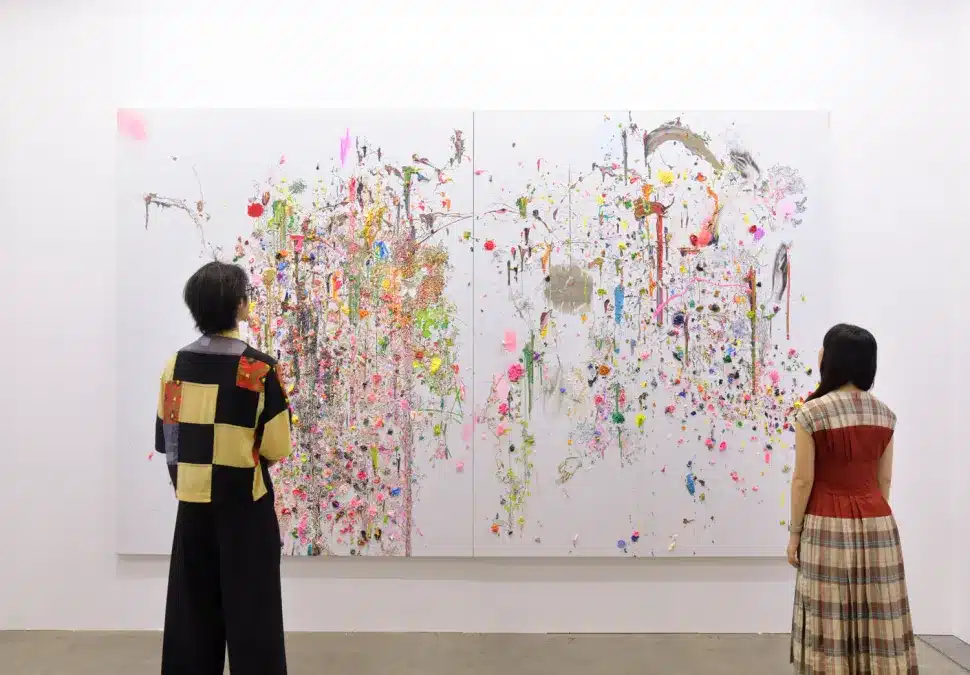
Tokyo Gendai is Japan’s leading international contemporary art fair and a major new platform for the global art market in Asia. Launched in 2023, the fair was established to galvanize cross-cultural exchange and welcome international audiences to experience the breadth and exceptional quality of contemporary art in Japan. It brings together exceptional galleries from around the globe to one of the most dynamic art and design scenes in the world, serving as a dynamic platform for commercial, artistic and intellectual exchange.
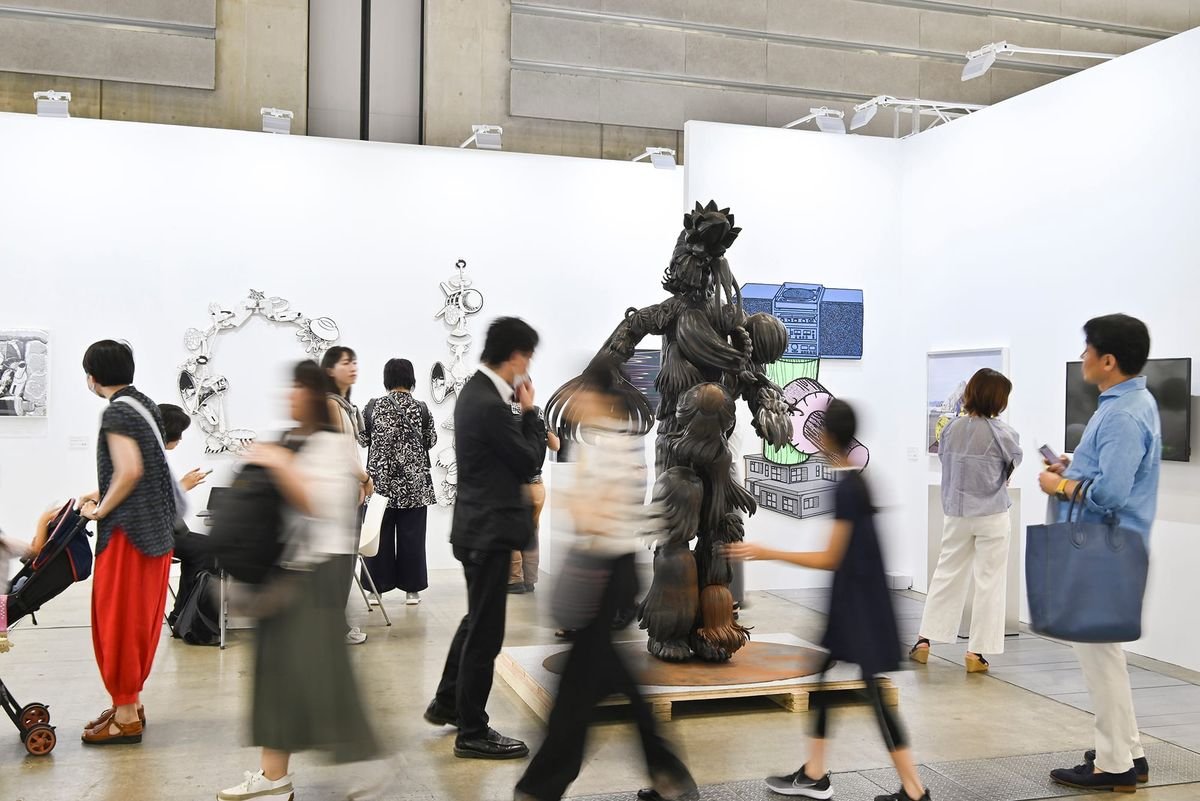
What to expect is a tightly curated fair with a strong emphasis on quality over scale. The most recent edition featured 63 galleries including 30 international exhibitors, with leading names such as Pace Gallery, Almine Rech, Sadie Coles HQ, Taka Ishii Gallery, Kotaro Nukaga, Kaikai Kiki, Tomio Koyama Gallery, and Mizuma Art Gallery. The move to Ariake GYM-EX in central Tokyo marks a milestone chapter for the fair, situating it within a moment of extraordinary cultural energy when the city comes alive with seasonal festivals, art activations and the natural spectacle of autumn foliage.
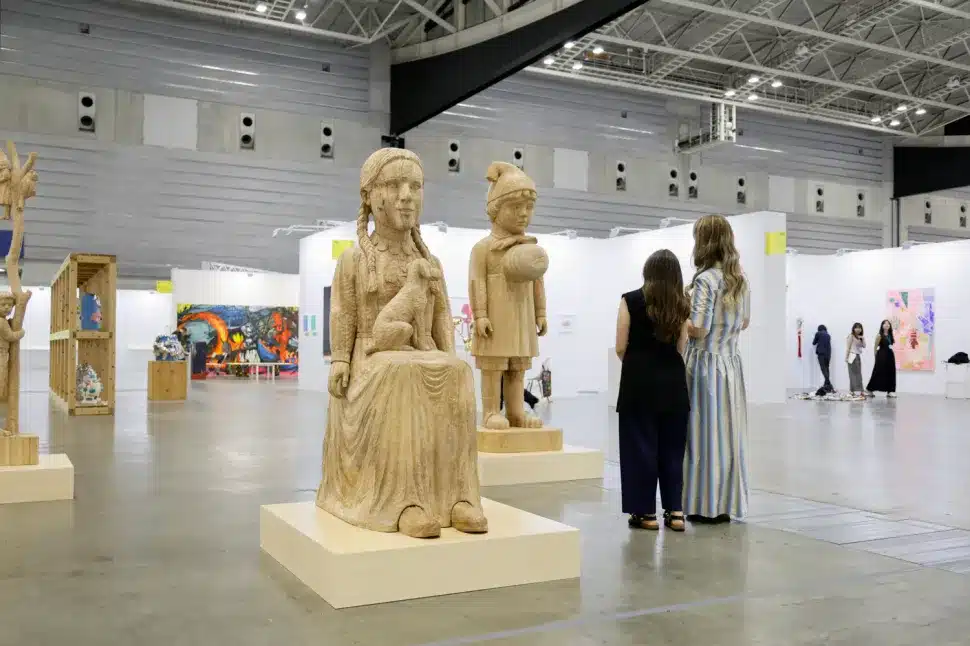
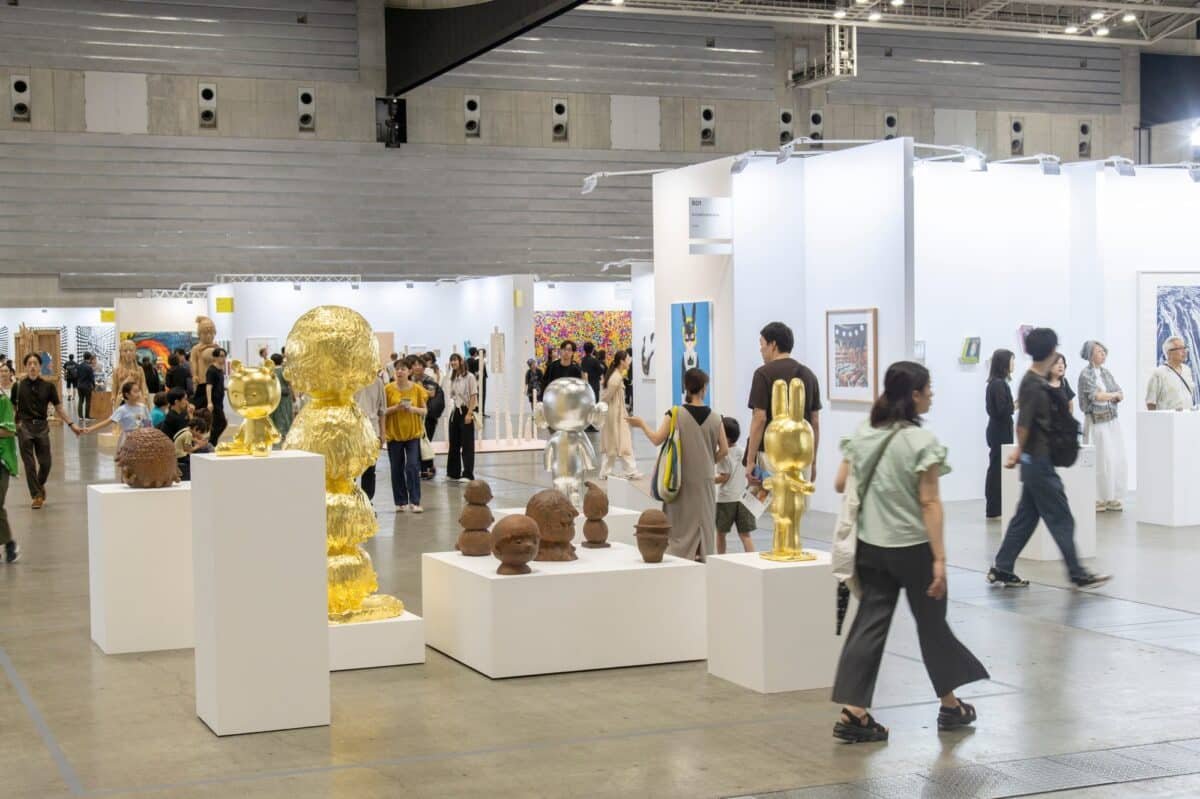
The fair is accompanied by an extensive VIP Programme as well as a robust lineup of private events across Japan, providing a means for deeper connection with Japan’s art community. Visitors can expect strong presentations of painting, sculpture, ceramics, photography, video, installation and performance, with galleries showcasing both established and emerging artists. The atmosphere is international yet distinctly Japanese, with a focus on thoughtful installation, hospitality, and opportunities for direct dialogue with dealers and artists. Tokyo Gendai is now a significant addition to the global art fair calendar and a key platform for contemporary art in Japan.
Enjoy Your Event Stress-Free with Japan Travelo
Do you know? Planning events, festivals, concerts, and cultural experiences in Japan can be overwhelming. Japan Travelo brings everything together in one place, helping you manage your itinerary, transport, and accommodation with ease—so you can enjoy Japan without the stress of planning.
Event dates
Public Days: 5–7 November 2027
VIP Preview and Vernissage: 4 November 2027, invitation-only preview followed by limited public vernissage access
Opening Hours: General admission typically 11:00 AM – 7:00 PM with extended evening hours on Friday until 8:00 PM. Vernissage hours are 5:00 PM – 8:00 PM. Last admission 30 minutes before closing.
Visiting this event? Don’t miss out on these amazing activities and local experiences while you’re here.
Venue & exhibition site
Venue Name: Ariake GYM-EX, Tokyo
Address: 3-11-1 Ariake, Koto-ku, Tokyo 135-0063, Japan
Venue Background: Ariake GYM-EX is a purpose-built exhibition hall with approximately 9,400 square meters of exhibition space, established by the Tokyo Metropolitan Government to promote small and medium enterprises. The facility was used for gymnastics during the 2020 Tokyo Olympic and Paralympic Games, and its nickname combines its location Ariake with its sporting history GYM and current role as an exhibition hall EX. The venue is located in the Tokyo Bay Zone, adjacent to Tokyo Big Sight, offering a modern, column-free hall ideal for large-scale installations and fair presentations.
Site Layout: The fair occupies a single expansive hall with clearly delineated sectors for gallery booths, large-scale installations, talks spaces, hospitality areas and a dedicated area for the Sato Meadow program of performances. The layout is designed for comfortable circulation and viewing, with wide aisles and high ceilings.
Full exhibition programme
Galleries Section: The main section presents leading contemporary art galleries from Japan and around the world. In the most recent edition, this was reduced to 17 exhibitors to allow greater focus and space, featuring galleries such as Taka Ishii Gallery, KOTARO NUKAGA, TARO NASU, and international galleries like Pace Gallery and Sadie Coles HQ.
Hana – Flower Section: Dedicated to solo or dual presentations of mid-career and established artists, Hana highlights focused curatorial presentations that allow deeper engagement with an artist’s practice.
Eda – Branch Section: Focuses on emerging galleries and early-career artists, providing a platform for discovery and for galleries at an early or mid-stage in their career. This section has showcased solo stands of new work created specifically for Tokyo Gendai, including presentations exploring symbols significant to Japan while referencing Western art historical chronologies.
Sata Section: Part of the collaborative project CONNECT with Art Busan, Sata brings together galleries from Korea, China and Southeast Asia, fostering regional exchange. Participating galleries have included Johyun Gallery, Gana Art, Gallery Baton, The Columns Gallery, ShanghART, PYO Gallery and Bank.
Miki – Trunk Section: A new sector introduced for the recent edition, focused on works on paper and photography, with exhibitors including Bangkok CityCity Gallery, Fabrik Projects and Revolver Galeria.
Tane – Seed Section: Introduced to focus on digital art and new media, showcasing exhibitors working at the intersection of art and technology.
Sato Meadow Program: Dedicated to dynamic, large-scale, site-specific installations and performances that activate the fair space beyond booth presentations, including performance works such as Yuichiro E Tamura’s The Cowboy on the Grass.
Featured artists & designers
Tokyo Gendai does not announce a single artist list in advance, as presentations are curated by participating galleries, but notable artists by edition provide a guide to the caliber of work shown.
Notable artists presented include: Adam Pendleton, Fu Nagasawa, Jose Parla, Tomokazu Matsuyama, Keita Morimoto, Elmgreen & Dragset, Sophie Barber, Trevor Shimizu, Yuichiro E Tamura, Shiro Tsujimura whose ceramics sold strongly with prices ranging from $6,221 to $7,465 for half his presentation on opening day, and leading Japanese contemporary artists represented by Kotaro Nukaga, Tomio Koyama Gallery, NANZUKA, Each Modern and Yoshiaki Inoue Gallery.
Gallery Highlights: Taka Ishii Gallery presenting new works by Adam Pendleton alongside paintings by Fu Nagasawa, KOTARO NUKAGA featuring works by Jose Parla, Tomokazu Matsuyama and Keita Morimoto, Pace Gallery announcing booth highlights, and galleries such as Kaikai Kiki presenting contemporary pop-inflected works.
Design and Ceramics: The fair has a strong showing of more traditional mediums including ceramics, with Kyoto-based gallery Imura Art Gallery and others showcasing important ceramic artists, reflecting Japan’s deep craft traditions within a contemporary context.
Galleries & exhibitors
Tokyo Gendai features around 63 to 66 galleries from across the globe, carefully selected by a selection committee. The exhibitor list for the most recent edition included 30 international galleries and a strong representation of Tokyo-based galleries.
International Exhibitors: Pace Gallery, Sadie Coles HQ, Almine Rech, Ceysson & Benetiere, Keteleer Gallery, Each Modern, Ingleby Gallery, Verduyn, Mizuma Art Gallery, The Page Gallery, ShanghART, BANK, PYO Gallery, The Columns Gallery and many others.
Japanese Exhibitors: Taka Ishii Gallery, Kotaro Nukaga, Taro Nasu, Tomio Koyama Gallery, PARCEL, NANZUKA, A Lighthouse called Kanata, Imura Art Gallery, Misako & Rosen, Ippodo Gallery Tokyo, Yoshiaki Inoue Gallery, EM Gallery, THEO, VODA Gallery and more.
Collaborative Project CONNECT: In partnership with Art Busan, the CONNECT project brought 11 galleries from Korea and China to participate across sectors, plus 6 galleries presenting in a satellite exhibition at Tennoz Contemporary in the Terrada Art Complex. This initiative strengthens cross-regional collector traffic and dialogue between Asian art markets.
Exhibition halls & sections
Main Fair Hall: Ariake GYM-EX provides approximately 9,400 square meters of uninterrupted exhibition space, allowing for clear sightlines and flexible booth configurations. The hall accommodates all sectors, including large-scale installations.
Sato Meadow: A dedicated area within the main hall for large-scale, site-specific installations and performances, designed to activate the fair space and offer moments of pause and spectacle.
Talks and Symposium Area: A programmed space for the curatorial symposium, panel discussions and artist talks that accompanies the fair.
Hospitality and VIP Areas: Dedicated lounges for VIP card holders, collectors and press, with catering provided by official partners including Perrier-Jouet champagne.
Satellite Venues: In addition to the main fair, official partner exhibitions take place at Tennoz Contemporary in the Terrada Art Complex and at Tokyo 8 Minutes Gallery & Bakery for special exhibitions such as Tokyo Gendai 58 Minutes, extending the fair experience across central Tokyo and Yokohama bay area locations.
Talks, workshops & special events
Curatorial Symposium: The inaugural curatorial symposium brings together curators, critics and museum directors to discuss contemporary issues and the evolving nature of art, reinforcing the fair’s role as a nexus for intellectual exchange.
Hana Artist Award: A new award program recognizing outstanding artistic achievement within the Hana sector, supporting mid-career artists with visibility and institutional recognition.
VIP Programme: An extensive VIP program of exhibition and museum openings, studio visits and cultural experiences across Japan, allowing collectors to sample a wide spectrum of what the Japanese art scene has to offer. The program includes private views at Mori Art Museum, teamLab, and leading private collections such as Taguchi Art Collection and Takahashi Collection.
CONNECT Talks: Joint programming with Art Busan focusing on regional collaboration, collecting practices in Asia and cross-border gallery models.
Special Events: Traditional tea ceremony experiences, katana sword performances, and other cultural activations that provide international visitors with deeper engagement with Japanese culture.
Public Program: Centered on art awareness and education, including guided tours, family programs and opportunities for interaction with dealers and artists.
Ticket types
Pricing is based on previous edition at Pacifico Yokohama and converted to USD. All prices include tax. Children of elementary school age or younger are admitted free when accompanied by a guardian holding a valid ticket, up to two children per adult ticket holder.
General Adult Ticket: $33. Admits one person for one day during the fair period. This is the standard public admission ticket.
Friday Evening Ticket: $20. Valid for entry from 4:00 PM to 8:00 PM on Friday only. Introduced to mark extended evening hours, offering discounted admission compared to regular adult ticket.
University Student Ticket: $10. Admits one university student for one day during the fair period. Valid student ID required at entrance.
Junior and High School Student Ticket: $6.50. Admits one junior high or high school student for one day. Valid student ID required.
Visitors with Disabilities Ticket: $6.50. Admits one person holding a disability certificate for one day. One accompanying companion is admitted free per certificate holder. Valid certificate required.
Vernissage Ticket – Invitation Preview: $200. Limited to 50 tickets sold to the public. Benefits include special admission to the Vernissage invitation-only preview, unlimited admission throughout the general admission period, priority entry at opening time during general admission days, one complimentary glass of champagne courtesy of Official Champagne Partner Perrier-Jouet, and the Tokyo Gendai Art Pass which provides free admission to a range of art and culture destinations including Soho House Tokyo and museums across Tokyo and surrounding areas. This ticket offers the most comprehensive access for serious collectors.
Group and Collector Packages: VIP Preview access is by invitation only for galleries, collectors, press and institutional partners. Collectors interested in VIP status should contact the fair directly.
VIP & collector access
VIP Preview: The VIP Preview takes place on the day before public opening, offering first access to gallery presentations. Access is by invitation only for invited collectors, curators, museum directors, advisors and press.
Vernissage: Following the VIP Preview, the Vernissage is an invitation-only preview open to Vernissage ticket holders, providing early access with champagne reception and first opportunity to acquire works.
Art Pass Benefits: Vernissage ticket purchasers receive the Tokyo Gendai Art Pass, which grants free admission to partner museums and cultural venues across Tokyo, including Soho House Tokyo and major museums, extending the fair experience beyond the exhibition hall.
Priority Entry: Vernissage ticket holders receive priority entry at opening time during all general admission days, avoiding queues and ensuring optimal viewing conditions.
Collector Lounge and Hospitality: Dedicated VIP lounges with refreshments, meeting spaces and concierge services for collectors and institutional partners.
Studio Visits and Museum Openings: The VIP program includes exclusive studio visits with leading Japanese artists, private views at major museums such as Mori Art Museum and contemporary art foundations, and access to private collections that are not normally open to the public.
Art Week Tokyo Alignment: The move to central Tokyo aligns Tokyo Gendai with Art Week Tokyo and Art Collaboration Kyoto, allowing collectors to experience multiple major events during a single trip with coordinated VIP programming and shuttle services.
Event rules
Admission Policy: Tickets are valid for one day only unless specified as Vernissage ticket with unlimited access. Tickets must be presented at entrance each time. Children must be accompanied by a guardian holding a valid ticket. Up to two children of elementary school age or younger admitted free per adult ticket holder.
Identification Requirements: University and junior/high school students must present valid student ID. Visitors with disabilities must present valid disability certificate for discounted admission and free companion entry.
Photography Rules: Photography for personal use is generally permitted in public aisles but may be restricted at individual booths at gallery discretion. No flash photography, tripods, or commercial photography without press accreditation. Respect gallery requests regarding photography of specific artworks.
Bag and Security Check: Large bags, backpacks and umbrellas may be required to be stored in cloakroom. Security screening at entrance. No outside food or drink inside exhibition hall.
Behavior: Respectful viewing of artworks, no touching of artworks unless explicitly permitted. Maintain clear aisles and follow staff instructions during busy periods.
Ticket Resale: Tickets are non-transferable and non-refundable. Resale is prohibited.
Age Policy: Fair is suitable for all ages, but parents are responsible for supervising children to ensure artworks are not touched or damaged.
How to get there
Ariake GYM-EX is located in the Tokyo Bay Zone, adjacent to Tokyo Big Sight and easily accessible from central Tokyo.
By Train: Take Yurikamome Line to Ariake-Tennis-no-mori Station, approximately 3 minutes walk to venue. Alternatively, take Rinkai Line to Kokusai-Tenjijo Station, approximately 5 minutes walk. Both lines connect to major hubs including Shimbashi and Tokyo Station.
From Haneda Airport: Take Tokyo Monorail to Tennozu Isle, transfer to Rinkai Line to Kokusai-Tenjijo Station, total journey approximately 30 minutes. Alternatively, take Keikyu Line to Daimon, transfer to Yurikamome Line.
From Narita Airport: Take Narita Express to Tokyo Station, transfer to Yurikamome Line via Shimbashi, total journey approximately 90 minutes.
By Bus: Direct airport limousine buses operate to Tokyo Bay area hotels, with short taxi ride to venue.
Public transport & parking
Public Transport Recommended: Due to limited parking and heavy traffic in Tokyo Bay area during events, public transport via Yurikamome and Rinkai lines is strongly recommended.
Subway and Train Day Passes: Tokyo Metro and Toei combined day passes provide unlimited travel on subway and Yurikamome lines, cost approximately $6 to $8, and are ideal for combining fair visits with museum visits during Art Week.
Parking: Ariake GYM-EX has limited paid parking available at approximately $2 per hour, maximum $15 per day. Spaces fill quickly during major events. Alternative parking available at Tokyo Big Sight and surrounding commercial facilities. Visitors are advised to use public transport.
Taxi and Ride Share: Taxi from central Tokyo such as Ginza or Roppongi costs approximately $25 to $35. Ride share services operate in Tokyo and are convenient for late evening returns during extended hours.
Accessibility Transport: All stations serving the venue have elevators and escalators. Low-floor buses operate on routes serving Ariake area.
Accommodation areas
Ariake and Odaiba: Hotels within walking distance of venue including Tokyo Bay Ariake Washington Hotel and Hotel Sunroute Ariake, rates from $120 to $250 per night. Ideal for fair exhibitors and collectors seeking proximity.
Ginza and Marunouchi: Luxury hotels and business hotels with direct Yurikamome access via Shimbashi, rates from $200 to $600 per night. Convenient for combined Art Week Tokyo activities and museum visits.
Roppongi and Azabudai: Contemporary art hub hotels near Mori Art Museum and teamLab, rates from $180 to $500 per night. Preferred by international collectors for evening events and gallery openings.
Shinjuku and Shibuya: Vibrant areas with wide range of accommodation from $80 to $400 per night, with good train connections to venue.
Booking Advice: Accommodation should be booked well in advance as the fair coincides with Art Week Tokyo and autumn tourism peak. Official partner hotels offer fair shuttle services and concierge support for collectors.
Food & refreshments
Inside Venue: Ariake GYM-EX offers cafe counters and food stalls within the exhibition hall, providing light meals, coffee, and refreshments for visitors and exhibitors. Official champagne partner Perrier-Jouet serves complimentary champagne to Vernissage ticket holders.
Tokyo Big Sight and Ariake Area: Numerous restaurants and cafes within Tokyo Big Sight complex and nearby shopping malls including Ariake Garden, offering Japanese, Western and Asian cuisine with average lunch prices from $10 to $20.
Odaiba and Toyosu: Waterfront dining options with views of Tokyo Bay, including seafood restaurants and international chains, approximately 5 to 10 minutes by Yurikamome line.
Vernissage Hospitality: Invitation-only preview includes catering and champagne reception for VIPs and Vernissage ticket holders.
Nearby Convenience: Convenience stores and vending machines available throughout venue and surrounding area.
Accessibility
Venue Accessibility: Ariake GYM-EX is fully barrier-free with level entrances, elevators to all levels, accessible restrooms and wide aisles suitable for wheelchair users. The facility was designed as an Olympic venue with full accessibility compliance.
Wheelchair Services: Wheelchairs available for loan at venue entrance free of charge. All gallery booths accessible via wide aisles.
Visitors with Disabilities Ticket: Discounted admission of $6.50 with one accompanying companion admitted free per certificate holder.
Visual and Hearing Support: Staff assistance available for visitors with visual or hearing impairments. Guide dogs and service dogs permitted inside venue.
Family Access: Stroller access permitted throughout venue. Nursing room available.
Language Support: Multilingual staff and information materials in Japanese and English. Most galleries have English-speaking staff during fair period.
Must-see exhibitions
Taka Ishii Gallery Presentation: Always a highlight for contemporary Japanese and international artists, with carefully curated booths featuring both established and emerging voices.
KOTARO NUKAGA Focus: Known for dynamic presentations of painters such as Jose Parla, Tomokazu Matsuyama and Keita Morimoto, often with new works created specifically for the fair.
Pace Gallery and International Blue Chips: Major international galleries bring museum-quality works by globally recognized artists, offering rare opportunity to see such works in Japan.
Ceramics and Craft Section: Kyoto-based galleries presenting contemporary ceramics, particularly Imura Art Gallery with artists like Shiro Tsujimura, showcasing the intersection of traditional craft and contemporary art that defines much of Japanese collecting.
Sato Meadow Installations: Large-scale site-specific installations and performances that transform the fair space, including past works like Yuichiro E Tamura’s performance piece, offering immersive experiences beyond traditional booth presentations.
CONNECT Collaboration: The joint initiative with Art Busan presenting Korean and Chinese galleries provides insight into broader Asian contemporary art scenes and regional collecting trends.
Previous year’s highlights
The most recent edition at Pacifico Yokohama featured 63 galleries with 30 international exhibitors, marking the final edition before the move to Ariake GYM-EX.
Strong Sales and Collector Engagement: Galleries showcasing more traditional mediums including ceramics did very well with collectors, with Kyoto-based gallery Imura Art Gallery selling half of Shiro Tsujimura’s ceramics on opening day. Contemporary painting and emerging artists also saw strong interest from both Japanese and international collectors.
New Sectors Debut: The introduction of Miki Trunk focused on works on paper and photography and Tane Seed focused on digital art expanded the fair’s scope and attracted new collector demographics.
CONNECT Project Launch: The collaborative project with Art Busan brought 11 galleries from Korea and China to participate across sectors, plus 6 galleries in satellite exhibition at Tennoz Contemporary, strengthening regional ties.
Curatorial Symposium and Hana Artist Award: The inaugural curatorial symposium and debut of Hana Artist Award added intellectual programming and recognition for mid-career artists, reinforcing Tokyo Gendai’s role as a platform for discourse.
Alignment with Regional Fairs: The fair previously shifted from July to September to align with Seoul Art Week to capture cross-regional collector traffic, a strategy that proved effective before the decision to move to November to coincide directly with Art Week Tokyo and Art Collaboration Kyoto.
Official tickets
Purchase Method: Tickets available via official website at https://tokyogendai.com/ through online ticketing platform. Advance purchase recommended, particularly for Vernissage tickets which are limited to 50 public tickets.
On-Site Sales: General admission tickets available at venue entrance during fair period, subject to availability. Cash and credit cards accepted.
Benefits Included: General tickets admit one person for one day. Vernissage tickets include unlimited admission throughout general admission period, priority entry, champagne, and Tokyo Gendai Art Pass for free admission to partner cultural destinations.
Contact Information: Email info@tokyogendai.com for inquiries regarding ticketing, VIP program and press accreditation. Official website https://tokyogendai.com/ provides updated exhibitor list, program details and travel information.
Group and Student Verification: Students must present valid ID at entrance. Disability certificates must be presented for discounted admission and free companion entry.
Video
Location
FAQ
What makes Tokyo Gendai different from other art fairs in Japan and why is the move to Ariake GYM-EX significant?
Tokyo Gendai was established to galvanize cross-cultural exchange and provide a high-quality platform for contemporary art in Japan, distinguishing itself through careful curation and a focus on both international and Japanese galleries. The move to Ariake GYM-EX in central Tokyo represents a milestone fifth edition, providing a more centrally located venue with excellent facilities and aligning the fair directly with Art Week Tokyo and Art Collaboration Kyoto for greater collector convenience.
How many galleries participate and what kind of art can I expect to see?
The fair features around 63 galleries including 30 international exhibitors, presenting a wide range of contemporary art including painting, sculpture, ceramics, photography, video, installation and performance. You can expect presentations from leading Japanese galleries such as Taka Ishii Gallery and Kotaro Nukaga alongside major international galleries like Pace Gallery and Sadie Coles HQ. The program includes both established and emerging artists, with special sectors for works on paper, digital art and large-scale installations.
What is the CONNECT collaboration with Art Busan and where are the satellite exhibitions?
CONNECT is a collaborative project between Tokyo Gendai and Art Busan that brings galleries from Korea, China and Southeast Asia to participate across fair sectors, fostering regional exchange and cross-regional collector traffic. In addition to the main fair at Ariake GYM-EX, satellite exhibitions take place at Tennoz Contemporary in the Terrada Art Complex and at galleries such as Tokyo 8 Minutes Gallery and Bakery. These satellite venues extend the fair experience across Tokyo's art districts.
Are there special programs for collectors and first-time art fair visitors?
An extensive VIP program offers invitation-only previews, museum openings, studio visits and cultural experiences across Japan for invited collectors and press. For public visitors, Vernissage tickets provide priority entry, unlimited admission and access to partner museums via the Tokyo Gendai Art Pass. The public program includes curatorial symposiums, artist talks and guided tours that help first-time visitors understand contemporary art and engage directly with dealers and artists.
How should I plan my visit to make the most of the fair and surrounding Art Week events?
Plan to spend at least one full day at the main fair to explore all sectors including Sato Meadow installations and talks program, and allow additional days for satellite exhibitions at Tennoz Contemporary and Art Week Tokyo events. Purchase tickets in advance online, particularly if you want Vernissage access which is limited to 50 public tickets. Use public transport via Yurikamome Line to Ariake-Tennis-no-mori Station for easiest access, and book accommodation early as the fair coincides with peak autumn cultural season in Tokyo.

Leave a Reply