
Participating Hula Teams & Dancers
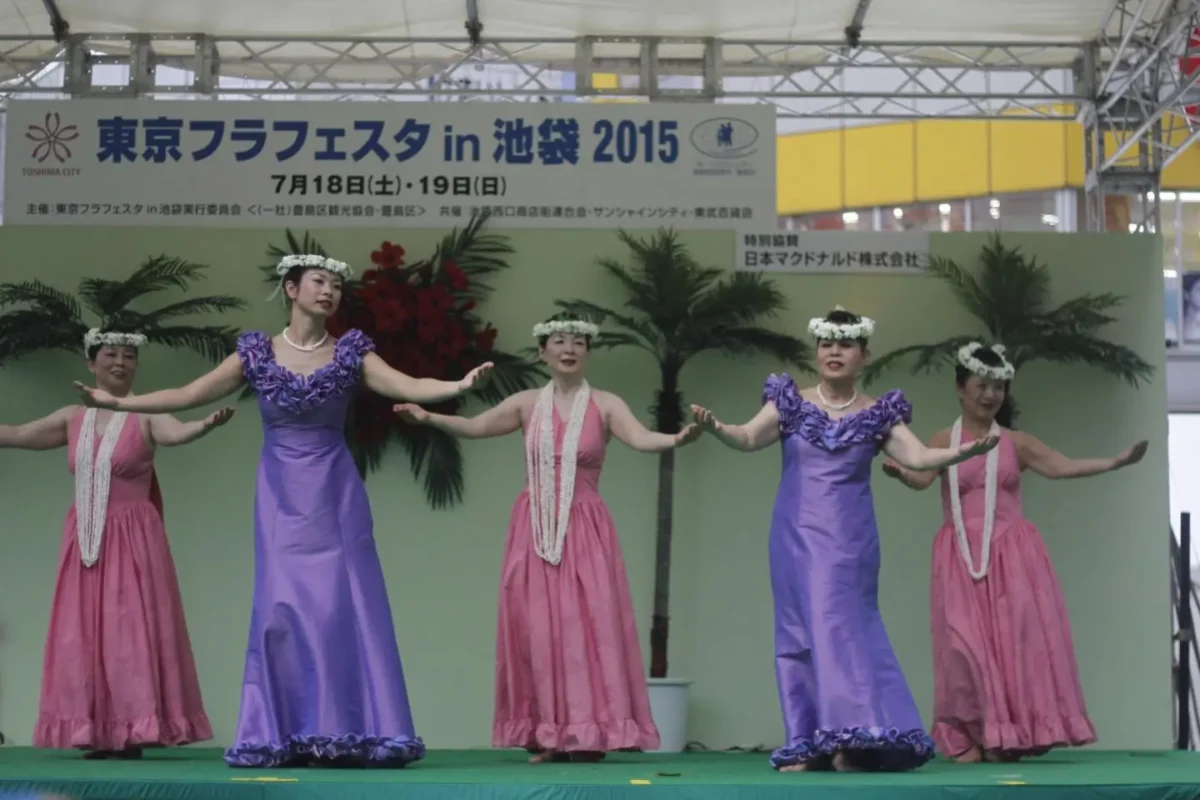
Hālau troupes travel from across Japan and beyond to take part in this grand summer celebration. Schools dedicate months of preparation to polish their group routines, ensure flawless synchronization, and design cohesive visual presentations. The camaraderie among different teams creates an encouraging environment where seasoned veterans and novice students share the spotlight equally.
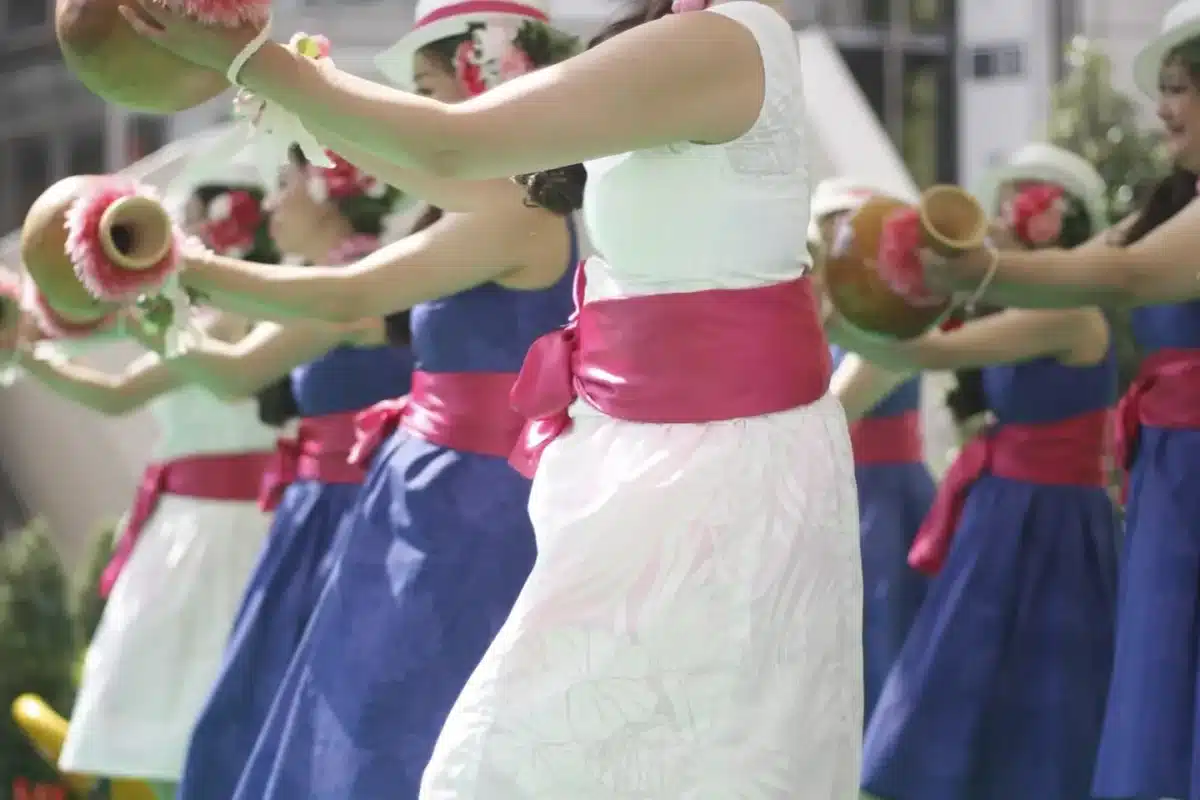
Performers span a wide range of ages, demonstrating that the art of hula transcends generations. Children, adults, and seniors alike take to the boards with infectious enthusiasm and deep dedication to Hawaiian traditions. This inclusive participation model strengthens cultural bonds and highlights the widespread popularity of hula culture throughout modern Japanese society.
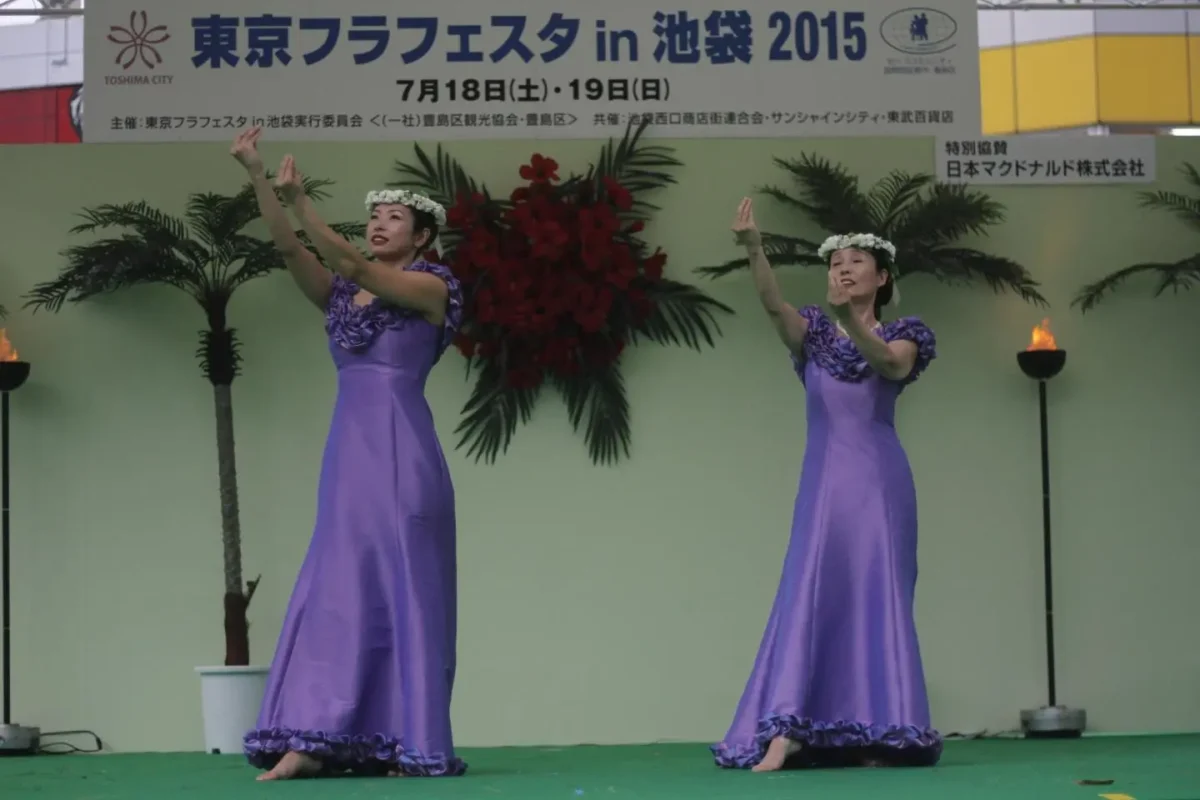
Behind every routine lies countless hours of rigorous studio practice focused on posture, hand motions, and emotional connection to the lyrics. Instructors guide their troupes with meticulous care, ensuring that historical and cultural nuances are respected in every step. The resulting performances offer a rich tapestry of styles that reflect both traditional roots and contemporary interpretations.
Enjoy Your Event Stress-Free with Japan Travelo
Do you know? Planning events, festivals, concerts, and cultural experiences in Japan can be overwhelming. Japan Travelo brings everything together in one place, helping you manage your itinerary, transport, and accommodation with ease—so you can enjoy Japan without the stress of planning.
- Diverse hula schools representing multiple prefectures across Japan
- Intergenerational casts featuring youth, adult, and senior practitioners
- Dedicated instructors leading troupes with authentic cultural methodology
- Collaborative group numbers showcasing synchronized regional unity
- Solo and small ensemble interludes highlighting exceptional technical skill
- Backstage preparation areas fostering community spirit among participants
- Post-performance community gatherings celebrating shared artistic achievements
Best Performances, Viewing & Photography
Securing an ideal vantage point requires early arrival, especially ahead of popular weekend afternoon slots. Spectators often line up along the perimeter of the main plaza well in advance to claim spaces with unobstructed views of the stage. The energy near the front rows is palpable, allowing photographers to capture intense emotional expressions and fine costume details.
Telephoto lenses and fast apertures prove invaluable for photographers working under changing natural light conditions. Respecting performer boundaries and maintaining consideration for fellow spectators ensures a pleasant visual experience for everyone in attendance. Catching the dancers mid-motion against the urban backdrop yields stunning, dynamic imagery.
Early morning slots offer softer natural lighting and smaller crowds, making them ideal for relaxed viewing and unobstructed wide-angle shots. As midday approaches, the sun intensifies, providing vibrant colors that make the floral costumes pop visually. Documenting the event offers a wonderful way to preserve memories of this unique cultural bridge in Tokyo.
When & How Long
- Event Date: Early June 2027 (Dates TBD)
- Event Duration: Multi-day summer celebration spanning an entire weekend
Visiting this event? Don’t miss out on these amazing activities and local experiences while you’re here.
Entry & Tickets
- How Tickets Are Sold: Open public access with no advance ticket booking or registration required for general attendance
- Admission Type: Free Admission
- Ticket Pricing: Free Admission
- Special Seating Options: Open-air public viewing areas surrounding the stage on a first-come, first-served basis
- VIP Options: No VIP ticket tiers or exclusive reserved seating sections are offered for this community event
Visitor Experience, Festival Atmosphere & Tips
- Wear light, breathable summer clothing to stay comfortable in the outdoor heat
- Apply sunscreen and carry a hat or portable fan for daytime sun protection
- Stay hydrated by utilizing nearby beverage stations and carrying water
- Plan travel routes in advance as nearby train stations experience heavy passenger volume
- Bring picnic sheets or small cushions if you plan to sit for extended periods
- Respect designated walkways and follow staff instructions regarding crowd flow
- Keep trash disposed of properly or utilize recycling bins provided on-site
- Familiarize yourself with basic festival etiquette and show appreciation with applause
- Arrive early to secure prime viewing spots near the main stage areas
Where It Takes Place
- City and Country: Tokyo, Japan
- Venue Name: Ikebukuro West Entrance Park
- Google Maps Address: 1 Chome-8-26 Nishiikebukuro, Toshima City, Tokyo 171-0021, Japan
Hula Night & Evening Entertainment
As the sun dips below the horizon, the festival takes on a magical nighttime ambiance. Professional lighting rigs illuminate the stage, casting dramatic glows over the dancers and creating striking silhouettes against the evening sky. Evening sets often feature signature performances by headline troupes and special collaborative numbers.
Cooler evening breezes sweep through the open-air venue, offering a refreshing relief from the daytime summer heat. Crowds swell as local residents finish their workdays and join the celebration, packing the viewing areas with vibrant energy. The combination of illuminated stages, live acoustic music, and rhythmic motion delivers an unforgettable nighttime spectacle.
- Dramatic stage lighting transformations designed for evening showcases
- Evening headline sets featuring advanced and award-winning hālau troupes
- Special musical collaborations combining live Hawaiian bands with twilight dances
- Illuminated park surroundings enhancing the romantic and festive mood
- Larger evening crowds contributing to an electric, communal atmosphere
- Evening announcement ceremonies recognizing participating schools and sponsors
- Final mass-participation numbers inviting collective celebration under the lights
Event Contact
- Website: hulafesta.tokyo
Hula Dance Performances & Main Stage Shows
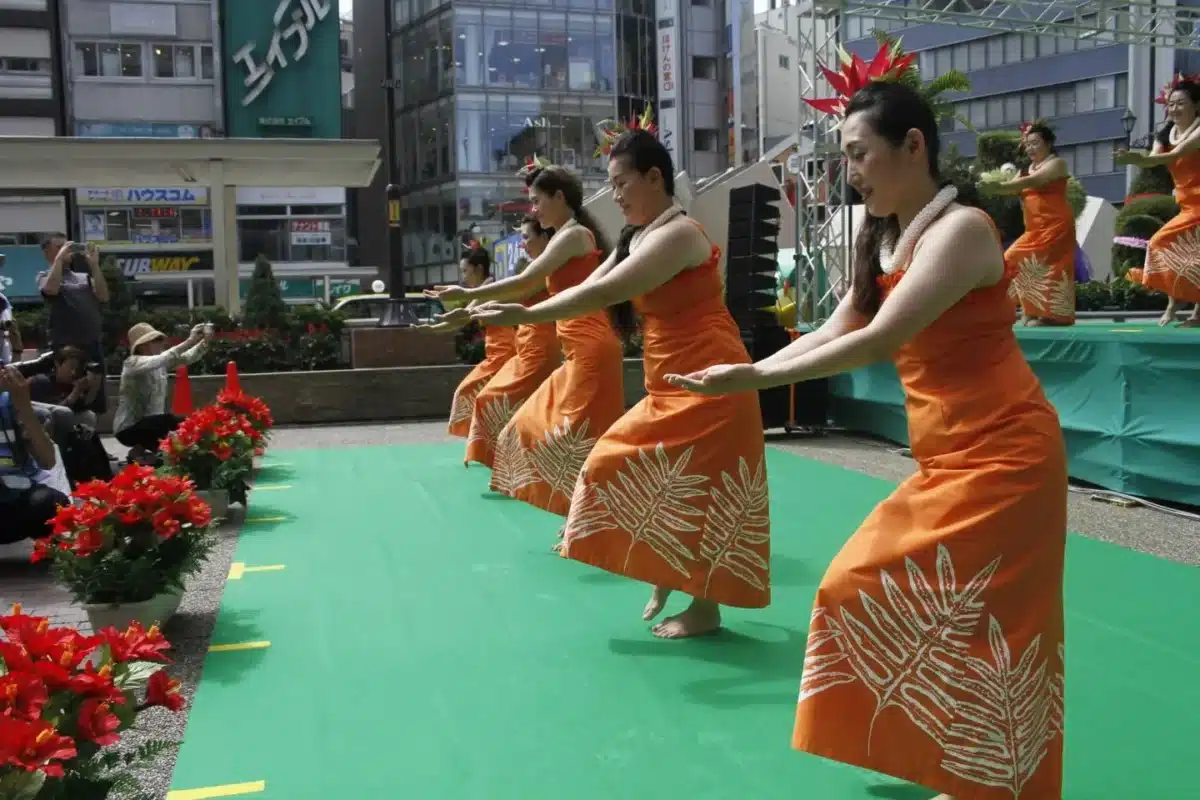
It is summertime and Ikebukuro is gripped by Hawaiian fever. The annual Hula Festival is hard to miss as the colors and sounds of the Pacific sweep the northwestern part of Tokyo. Up to 3,900 dancers show off their skills on stage, where the gentle sounds of Hawaiian music are playing to the elegant routines of the dancers. First held in 2002, the festival celebrates the friendship between Ikebukuro and Hawaii, where 13% of its residents are Japanese Americans.
The main stage serves as the vibrant focal point of the entire gathering, hosting back-to-back routines from morning until evening. Spectators can witness performers of all experience levels execute graceful movements, synchronized footwork, and expressive storytelling through dance. The scale of the production draws large, enthusiastic crowds who gather around the performance area to capture the electric energy of the showcase.
Professional lighting and sound engineering ensure that every nuance of the musical accompaniment and choreography reaches the audience clearly. As day turns into dusk, the stage transforms with dramatic illumination, creating a mesmerizing backdrop for the dancers. This centerpiece attraction encapsulates the spirit of aloha, bringing a authentic slice of island culture directly into the urban landscape of Tokyo.
Hawaiian Music, Live Bands & Performances
- Acoustic slack-key guitar melodies creating a relaxing island atmosphere
- Traditional ukulele performances setting rhythmic foundations for the dancers
- Live vocalists rendering classic Hawaiian ballads and modern island favorites
- Dynamic percussion segments featuring traditional ipu drums and feathered rattles
- Guest musicians traveling directly from Hawaii to collaborate with local artists
- Open jam sessions and impromptu musical circles forming around the park grounds
Different Hula Styles & Choreography
The festival showcases a rich spectrum of movement vocabularies, ranging from ancient ceremonial forms to modern interpretive expressions. Hula kahiko segments feature powerful, driving rhythms, chanting, and strict adherence to historical protocols. These traditional presentations honor ancestors and tell legendary stories of the islands through rigorous, grounded footwork.
In contrast, hula auana numbers introduce melodic string arrangements, flowing modern movements, and colorful floral costuming. Choreographers blend classical techniques with contemporary storytelling sensibilities, resulting in captivating visual spectacles. Each style offers viewers a distinct window into the evolution of Hawaiian expressive arts.
Workshops and demonstrations further unpack the technical differences between various schools of choreography. Instructors emphasize the significance of hand gestures, which act as a visual dictionary depicting nature, wind, rain, and human emotion. This deep attention to detail elevates the performances from simple dances into profound cultural narratives.
- Traditional hula kahiko featuring strict historical chants and grounded stances
- Modern hula auana incorporating melodic songs and flowing choreography
- Fast-paced kahiko routines driven by traditional ipu and pahu drums
- Graceful auana interpretations driven by contemporary steel guitar tracks
- Storytelling hand gestures translating natural elements and poetry into motion
- Regional variations in school choreography reflecting different hālau teachings
- Solo improvisation showcases highlighting dancer creativity and technical command
Multiple Festival Venues & Stage Experience
While the primary showcase centers around the main plaza, the surrounding district buzzes with satellite activity. Pop-up performance spots and cultural zones extend the festive footprint, allowing visitors to encounter music and dance at nearly every turn. This multi-zone layout helps distribute the large crowds smoothly across the urban park environment.
Each performance area is optimized to provide good sightlines, letting viewers appreciate the intricate footwork and detailed costuming up close. Soundscapes blend seamlessly from one zone to another, creating an immersive acoustic bubble of island rhythms. Event coordinators work diligently to maintain strict schedules across all stages, ensuring a seamless flow of entertainment.
The architectural contrast between modern Tokyo skyscrapers and the tropical aesthetic of the festival creates a striking visual atmosphere. Audience members can stroll between venues, discovering different hula schools and musical acts throughout the day. This dynamic spatial design encourages leisurely exploration and keeps the energy high across the entire site.
Hawaiian Culture, Costumes & Traditional Elements
- Elaborate handmade lei crafted from fresh flowers, leaves, and seeds
- Traditional bark cloth patterns and custom-printed fabrics utilized in attire
- Intricate ankle and wrist adornments made from shells and natural materials
- Educational displays explaining the historical significance of various regalia items
- Cultural booths offering insights into Hawaiian language, arts, and genealogy
- Ceremonial chanting practices opening daily festival proceedings with reverence
- Artisans demonstrating traditional crafts such as weaving and lei-making
Hawaiian Food, Drinks & Cultural Market
Food vendors line the festival perimeter, offering an array of mouthwatering culinary treats that capture the flavors of the Pacific. Visitors can savor classic island dishes, tropical fruit refreshments, and local fusion snacks prepared by specialized caterers. The aromatic scents of grilled meats and sweet treats mingle in the warm summer air, drawing hungry attendees from all corners of the park.
Adjacent to the dining area, a bustling cultural market displays an array of imported goods, handmade crafts, and tropical apparel. Stalls feature authentic ukuleles, carved wooden trinkets, aloha shirts, and specialized hula practice gear. This marketplace provides a wonderful opportunity for supporters to acquire unique souvenirs while directly engaging with island merchants.
- Authentic plate lunches featuring traditional savory meats and rice
- Tropical shaved ice desserts topped with vibrant fruit syrups
- Refreshing coconut water and island-inspired fruit juice blends
- Handcrafted Hawaiian jewelry made from shells, pearls, and wood
- Colorful aloha shirts and resort wear available from specialty vendors
- Specialized hula practice accessories, implements, and musical tools
- Artisan booths showcasing imported home decor and island artwork
Video
Location
FAQ
What is the best way to travel to the venue using public transport?
The main venue is situated directly outside the busy transportation hub of Ikebukuro Station. Visitors can easily access the park by taking major rail lines such as the Yamanote or subway networks. Clear signage exits lead pedestrians straight from the station platforms to the festival grounds within minutes.
Are there facilities available for storing large luggage or strollers?
The open-air park setting does not provide dedicated temporary luggage storage or cloakroom facilities. Attendees are strongly encouraged to utilize coin lockers located inside Ikebukuro Station prior to arrival. Traveling light ensures much easier mobility through crowded viewing zones and vendor markets.
Can visitors participate in any interactive dance sessions during the event?
Certain designated time slots feature open community workshops where audience members can learn basic steps. Instructors guide willing participants through simple hand motions and foundational footwork in a welcoming environment. These interactive segments encourage active engagement rather than passive observation alone.
What weather precautions should attendees keep in mind for the summer schedule?
Early June in Tokyo brings warm temperatures and high humidity under direct sunlight conditions. Guests should pack sun protection, umbrellas for sudden showers, and portable hydration gear. Taking regular breaks in shaded areas helps prevent fatigue during long viewing days.
Are pets allowed to accompany visitors inside the festival grounds?
While the outdoor park is generally public space, large crowds and loud sound systems can distress animals. Bringing household pets into densely packed performance areas is discouraged for their safety and comfort. Owners should consider alternative arrangements for pets before heading to the festival.

Leave a Reply