
What to expect in 2026
Tokyo Midtown Design Touch 2026 is a major autumn design event in Roppongi, Tokyo, bringing contemporary design, art, architecture, materials, lifestyle ideas, music, books and interactive experiences together throughout Tokyo Midtown. The event continues the long-running design program that began in 2007 and was reintroduced under the name TOKYO MIDTOWN DESIGN LIVE from 2025.
For the 2026 edition, the official theme is “みつめる,” meaning “to look closely” or “to gaze.” The concept encourages visitors to slow down and observe objects, spaces, landscapes and everyday experiences from different perspectives. Rather than treating design simply as something to look at, the program encourages visitors to interact with works and consider the ideas behind them.
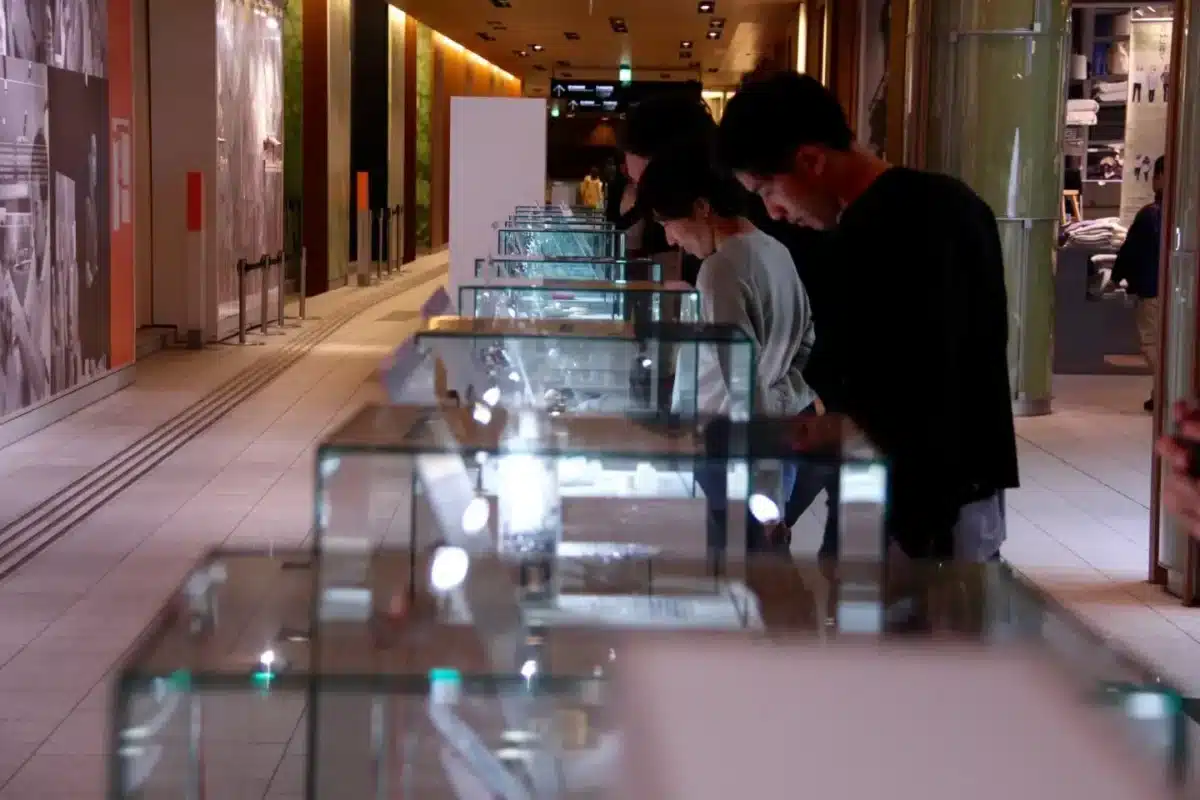
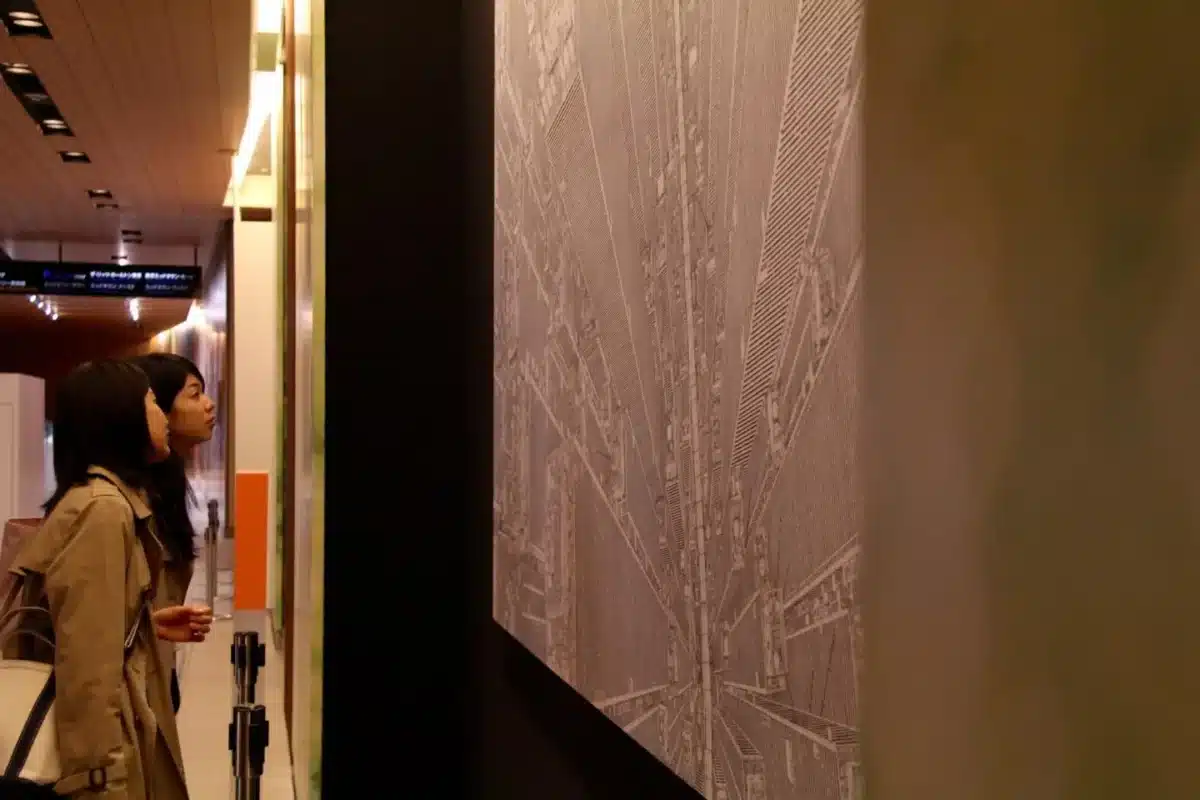
The main attraction is DESIGN LIVE EXHIBITION, featuring 19 creators from Japan and abroad. Works are presented across the Grass Square and the Galleria interior spaces, allowing visitors to move between outdoor installations and indoor displays.
Enjoy Your Event Stress-Free with Japan Travelo
Do you know? Planning events, festivals, concerts, and cultural experiences in Japan can be overwhelming. Japan Travelo brings everything together in one place, helping you manage your itinerary, transport, and accommodation with ease—so you can enjoy Japan without the stress of planning.
The event also expands beyond exhibitions. Music, books, talks, food-related experiences, furniture presentations and creative installations are incorporated into the wider program. This makes the event suitable not only for professional designers but also for families, travelers, architecture enthusiasts, students and visitors simply interested in contemporary Japanese culture.
The 2026 program also brings back “Umi no Hammock,” a large installation originally introduced at Tokyo Midtown as part of the earlier DESIGN TOUCH program. The installation was created by architect Yuko Nagayama and uses upcycled fishing-net material in a design intended for relaxing, playing and interacting with the space.
Event dates
2026 season
Early Oct – Early November 2026 (Dates TBD)
The Japan Travel listing describes the event as running from early October into early November, while the current official Tokyo Midtown program confirms the 2026 edition and its autumn design focus.
Main exhibition period
The central DESIGN LIVE EXHIBITION forms the backbone of the event, with works displayed across the Grass Square and Galleria B1 and first-floor areas. Exact operating hours can vary according to location.
Additional programs
Music, book-market activities, talks and supporter exhibitions operate on their own schedules. Visitors should check the official Tokyo Midtown event information before visiting because individual programs may have different opening hours or capacity requirements.
Visiting this event? Don’t miss out on these amazing activities and local experiences while you’re here.
Venue & exhibition site
Tokyo Midtown
Tokyo Midtown is the main venue for the event and is located in the Roppongi area of Minato City, Tokyo. The complex combines shopping, restaurants, offices, cultural institutions, outdoor spaces and design-focused facilities, allowing the event to spread naturally throughout the site.
Grass Square
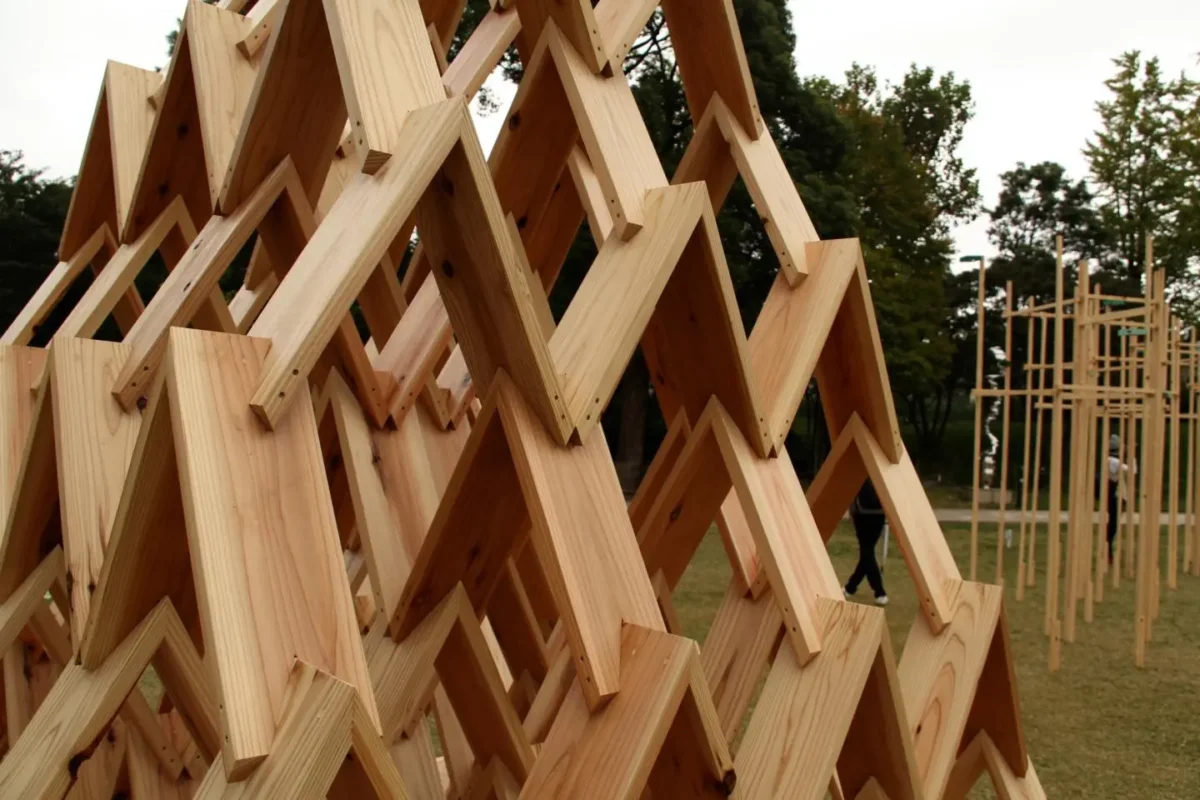
Grass Square is one of the main outdoor exhibition locations. Large installations can be viewed in an open landscaped environment, allowing visitors to approach works from different angles.
Galleria B1
The basement level of Galleria hosts indoor design displays and other event-related activities. The location is particularly useful when weather conditions make outdoor viewing less comfortable.
Galleria 1F
The first-floor Galleria area provides another major exhibition environment. Because this is integrated into the everyday shopping and dining complex, visitors can encounter design works while moving through the building.
Midtown Garden
Midtown Garden is used for large installations and outdoor experiences. The 2026 program includes Umi no Hammock and BTk Metal Garden among the outdoor design presentations.
International Design Liaison Center
The International Design Liaison Center in Midtown Tower provides a venue for the DESIGN LIVE TALK SALON, connecting visitors with designers and other creative professionals.
Full exhibition programme
The central exhibition is DESIGN LIVE EXHIBITION, curated by design journalist Takahiro Tsuchida and organized by Tokyo Midtown. The 2026 exhibition features 19 creators exploring the theme of “みつめる.”
The exhibition considers several different subjects.
Materials
Some works focus on the qualities, histories and possibilities of materials. Visitors can see how wood, glass, metal, plants and recycled materials can become the starting point for new design ideas.
Everyday life
Other projects examine ordinary objects and environments that people normally overlook. The exhibition encourages visitors to reconsider familiar surroundings through a designer’s perspective.
Nature
Several works explore the relationship between people, cities and natural environments. ForestBank by Yuma Kano, for example, uses discarded branches and leaves combined with water-based acrylic resin, including pruning material from Tokyo Midtown itself.
Social relationships
The exhibition also considers how design connects people with their surroundings, communities and social systems.
Experimental design
TAKT PROJECT presents an installation exploring dialogue with trees and the environment, incorporating 3D scanning and 3D-printed elements to encourage visitors to reconsider their relationship with the site.
Featured artists & designers
The 2026 DESIGN LIVE EXHIBITION features 19 participating creators.
Creative direction
Taku Satoh serves as creative director of TOKYO MIDTOWN DESIGN LIVE. Satoh is a prominent Japanese graphic designer and has worked across packaging, branding, graphic design and cultural projects. He is also associated with 21_21 DESIGN SIGHT.
Curatorial direction
Design journalist Takahiro Tsuchida serves as curator. His work focuses heavily on contemporary design, products, interiors and everyday objects.
Participating creators
The 2026 exhibition includes:
- Akasaki & Vanhuyse
- DAISY BALLOON
- ERINA CALDEIRA
- HIROAKI KAWANAMI
- James Kaoru Bury
- NAO IWAMATSU
- studio monoya
- TAKT PROJECT
- veig
- Yoshiaki Kanamori
- Yuma Kano
- Yoshino Takayama
- Shizuka Tatsuno
- Norihiko Terayama
- Mio Hatanaka
- Saaya Harue
- Naoko Kouchi
- Mao Honda
- Ryota Yokozeki
- Junichiro Yokota
The official material describes the participants as a mixture of established creators and emerging artists working in Japan and internationally.
Galleries & exhibitors
Tokyo Midtown Design Touch is not organized like a conventional trade fair with rows of commercial booths. Instead, works are integrated into the architecture, public spaces and cultural environment of Tokyo Midtown.
DESIGN LIVE EXHIBITION
The principal exhibition presents original works selected around the annual theme. Visitors can move freely between outdoor and indoor locations and experience the works at different distances.
DESIGN LIVE SUPPORTERS
Supporter programs bring manufacturers, companies and creative organizations into the event through exhibitions, demonstrations, products and interactive experiences.
JAPAN FURNITURE SHOW by IFFT
The program introduces furniture brands from different parts of Japan and explores contemporary Japanese furniture through displays, product presentations and related talks.
BTk Metal Garden
This outdoor presentation showcases advanced metalworking by BASE TIMES kawaguchi and participating metal-processing companies, combined with design work by Kazuto Ishida. The polished metal surfaces reflect the surrounding landscape and light.
Life Mobile
This project explores movable furniture units made with regional timber and considers new approaches to living in small urban spaces and natural environments.
Exhibition halls & sections
Grass Square
The outdoor Grass Square section is particularly important for large-scale installations. Visitors can walk around works and experience them in natural daylight and the surrounding city environment.
Galleria B1
The basement gallery section provides indoor exhibition space and is also connected to shops, restaurants and other facilities.
Galleria 1F
The first-floor area places design directly within the everyday flow of Tokyo Midtown visitors.
Midtown Garden
Large-scale outdoor projects occupy the landscaped garden, creating a setting where design, architecture and nature overlap.
Midtown Tower
Talks and professional discussions take place in facilities within Midtown Tower, giving visitors opportunities to hear directly from designers and creative professionals.
Talks, workshops & special events
The event extends beyond static exhibitions through talks, music and book-focused activities.
DESIGN LIVE TALK SALON
The Talk Salon brings together prominent creators to discuss their ideas, creative processes and approaches to contemporary design. The program is intended to reveal the thinking behind completed works rather than focusing only on the finished objects. Admission is free, although individual sessions can have limited capacity and may require advance registration.
Creative discussions
The program includes speakers such as Kazufumi Nagai, Manabu Mizuno, Kinya Tagawa, Kawakami Noriko and Gen Suzuki, among others.
Book market
DESIGN LIVE MARKET by Yomu no Ichi brings books and creative culture into the event. Visitors can browse books selected around design and creativity.
Children’s bookstore
The Ohisama Children’s Bookstore gives children the opportunity to choose books themselves while interacting with staff. Picture-book performances are also part of the program.
DESIGN LIVE MUSIC
Music is incorporated into the design program, creating an outdoor cultural experience where visitors can listen to performances within specially designed spaces.
Ticket types
The principal DESIGN LIVE exhibition is free to visit. Tokyo Midtown’s 2026 exhibition information describes the main exhibition and related public programs as free-access experiences.
General admission
$0 for the main public exhibition.
Outdoor installations
$0 for public access to the major outdoor design installations.
Indoor exhibition areas
$0 for the principal DESIGN LIVE EXHIBITION areas.
Talk programs
$0 for the announced Talk Salon sessions, subject to available capacity and any registration requirements.
Book market
Entry is free, although books and merchandise available inside the market must be purchased separately.
Paid cultural attractions
Tokyo Midtown contains separate museums, galleries and exhibitions that may charge their own admission fees. Those charges are not part of the main DESIGN LIVE admission.
VIP & collector access
Tokyo Midtown Design Touch is primarily a public cultural design event rather than a commercial art fair with a conventional VIP ticket program.
Collector opportunities
Visitors interested in design objects can encounter contemporary furniture, product concepts, material experiments and creative installations. Some participating stores and supporter programs may offer products or design goods for purchase.
Professional access
Designers, students, architects and creative-industry professionals can benefit from the talks and presentations, particularly the sessions that explore creative processes and design thinking.
Talk registration
Some special talks have limited capacity. The published Talk Salon information indicates approximately 80 participants per session, with advance registration used for the program.
There is no standard VIP admission tier publicly listed for the main exhibition.
Event rules
Visitors should follow Tokyo Midtown’s general facility rules and any instructions displayed around individual installations.
Respect the artwork
Visitors should not touch works unless an installation is explicitly designed for interaction.
Follow staff instructions
Some installations may have specific safety requirements, capacity limits or restricted areas.
Outdoor weather conditions
Outdoor installations and activities can be affected by rain or severe weather. Visitors should check the latest event notices before travelling.
Photography
Photography is generally an important part of the experience, but visitors should avoid blocking walkways or interfering with other guests.
Commercial use
Professional photography, filming or commercial recording may require permission from the venue or event organizers.
Purchases
Products and books sold through associated markets or shops are separate from free event admission.
How to get there
Tokyo Midtown is located in Roppongi and has excellent public transportation connections.
Roppongi Station
Tokyo Midtown is directly connected to Roppongi Station through the Toei Oedo Line and Tokyo Metro Hibiya Line. The Hibiya Line connection provides underground access into the complex.
Nogizaka Station
Visitors using the Tokyo Metro Chiyoda Line can walk from Nogizaka Station to Tokyo Midtown in approximately three minutes.
Roppongi-itchome Station
The Tokyo Metro Namboku Line provides another option, with the station located roughly ten minutes away on foot.
By taxi
Taxis can drop visitors near the Tokyo Midtown complex, making this a convenient option for visitors carrying luggage or requiring easier access.
Public transport & parking
Public transportation is the most convenient way to reach the event.
Toei Oedo Line
Take the Toei Oedo Line to Roppongi Station and use the direct connection toward Tokyo Midtown.
Tokyo Metro Hibiya Line
The Hibiya Line connects directly to Tokyo Midtown through an underground passage. The official access information notes that part of the underground route includes stairs, so visitors using wheelchairs or strollers are advised to consider the Oedo Line connection.
Tokyo Metro Chiyoda Line
Nogizaka Station provides another convenient approach, with Tokyo Midtown approximately three minutes away on foot.
Parking
Tokyo Midtown has underground parking facilities, but parking charges are separate from event admission and can vary according to length of stay and facility rules. Because Roppongi is a busy central Tokyo district, public transportation is generally more practical during popular event periods.
Accommodation areas
Roppongi
Staying in Roppongi places visitors within easy walking distance of Tokyo Midtown and nearby cultural attractions.
Akasaka
Akasaka offers hotels, restaurants and convenient access to Roppongi and central Tokyo.
Shibuya
Shibuya is a useful base for visitors combining the event with Tokyo’s shopping, nightlife and cultural attractions.
Shinjuku
Shinjuku provides extensive hotel choices and excellent railway connections across Tokyo.
Ginza
Ginza is suitable for visitors interested in luxury shopping, restaurants and central Tokyo sightseeing while still having convenient subway access to Roppongi.
Food & refreshments
Food is an important part of the wider Tokyo Midtown experience, and the design event deliberately includes food as one of its ways of connecting visitors with everyday design and culture.
Restaurants
Tokyo Midtown has numerous restaurants covering Japanese, international and contemporary dining.
Cafés
Cafés provide convenient places to rest between exhibition areas, especially for visitors spending several hours exploring the complex.
Food and design
The 2026 event treats food as part of the broader design experience rather than separating it completely from the exhibition program. Tokyo Midtown’s official event information specifically identifies food, books and music as ways visitors can encounter design through familiar parts of everyday life.
Seasonal refreshments
Autumn menus and limited offerings may appear at participating restaurants and cafés during the event period. Individual restaurants determine their own prices and availability.
Accessibility
Tokyo Midtown is a modern mixed-use complex with accessibility services designed for visitors with different mobility needs.
Wheelchair access
Visitors using wheelchairs can access the complex through designated accessible routes. The official access information specifically recommends the Toei Oedo Line for wheelchair and stroller users because the Hibiya Line underground route includes stairs.
Indoor accessibility
The Galleria and other major indoor spaces provide step-free routes in many areas, although individual exhibitions or installations can have their own spatial limitations.
Outdoor exhibitions
Grass Square and Midtown Garden are accessible outdoor environments, although weather and temporary installation layouts can affect the easiest route.
Family access
The complex is also suitable for visitors with strollers, with accessible routes available through the facility.
Visitors requiring specific assistance should contact Tokyo Midtown before arrival for the latest accessibility guidance.
Must-see exhibitions
DESIGN LIVE EXHIBITION
The main exhibition should be the first priority for visitors because it brings together all 19 participating creators under the “みつめる” concept.
ForestBank
Yuma Kano’s ForestBank project uses discarded branches and leaves from the Tokyo Midtown site to create a new material, encouraging visitors to reconsider the value of urban plant waste.
Dialogue with Trees
TAKT PROJECT’s installation explores how people interact with their environment and uses digital scanning and fabrication techniques to create a dialogue with trees and the surrounding site.
Spirale
Mio Hatanaka’s glass work uses traditional glassblowing movements and collaboration with craftsmen to create an object whose reflective surface encourages visitors to observe themselves and their surroundings.
Inscribed Time
Shizuka Tatsuno’s work contrasts different types of timber and focuses on the traces of growth and time recorded in wood grain.
Umi no Hammock
The returning Umi no Hammock installation gives visitors a more physical way to experience design. It was created using upcycled fishing-net material and is designed as a place to relax and interact with the installation.
BTk Metal Garden
This outdoor installation combines advanced Japanese metalworking with an urban garden setting, allowing visitors to observe how highly finished metal surfaces interact with the surrounding city landscape.
Previous year’s highlights
The event has a long history under the Tokyo Midtown DESIGN TOUCH name, which was held from 2007 through 2024. In 2025, the program was relaunched as TOKYO MIDTOWN DESIGN LIVE while retaining its emphasis on making design part of everyday urban life.
The earlier DESIGN TOUCH editions were known for large installations, design exhibitions and public activities throughout Tokyo Midtown. One notable example was Umi no Hammock, first presented as a major installation and later developed into a product through collaboration with a playground-equipment manufacturer.
The 2025 DESIGN LIVE exhibition brought together 27 participating creators under the theme “Shake, Switch-up, Activate,” using design to encourage visitors to question familiar values and observe everyday life differently. The exhibition occupied Grass Square and indoor Galleria spaces and was free to visit.
For 2026, the program moves toward the quieter concept of “みつめる.” Instead of emphasizing disruption, the organizers encourage visitors to slow down, observe details and discover new meanings in materials, landscapes, objects and everyday experiences. The official program describes the event as an opportunity to encounter design through exhibitions, music, food and books.
Official tickets
Main event admission
The main DESIGN LIVE exhibition is free, so no general admission ticket is required for the principal exhibition areas.
Talk Salon registration
Some talks have limited capacity and require advance registration. The official 2026 program indicates that registration information is provided through the event’s designated ticket and registration platform.
Book market
Entry to DESIGN LIVE MARKET is free, while books and other products available for purchase are charged separately.
Official event information
The official Tokyo Midtown event page provides the latest information about DESIGN LIVE 2026, including the exhibition, participating creators, additional programs, venue details and any schedule changes.
Video
Location
FAQ
What is the primary objective of Tokyo Midtown Design Touch?
The event aims to bridge the gap between creative industries and everyday public life through immersive exhibitions. It provides an accessible platform for people of all ages to experience modern design with all five senses.
Are admission fees required to enter the festival exhibitions?
Most outdoor installations in Midtown Garden and public gallery spaces throughout Tokyo Midtown are completely free to view. Visitors only encounter occasional charges when joining specialized hands-on workshops or select indoor programs.
What role does the Tokyo Midtown Award play during the event?
The award serves as a global competition recognizing brilliant international designers, architects, and artists. Winning entries and shortlisted drafts are proudly displayed on-site for public inspiration and critique.
How can travelers easily reach the venue via public transportation?
Visitors can access Tokyo Midtown directly through underground walkways connected to Roppongi Station and Nogizaka Station. This seamless transit integration makes it effortless to reach the heart of the festival from anywhere in the city.
What types of creative mediums are typically showcased?
The festival features a diverse mix of contemporary architecture, industrial product prototypes, and high-end graphic printmaking. Displays also incorporate ambient acoustic music, interactive digital art, and sustainable lifestyle innovations.

Leave a Reply