
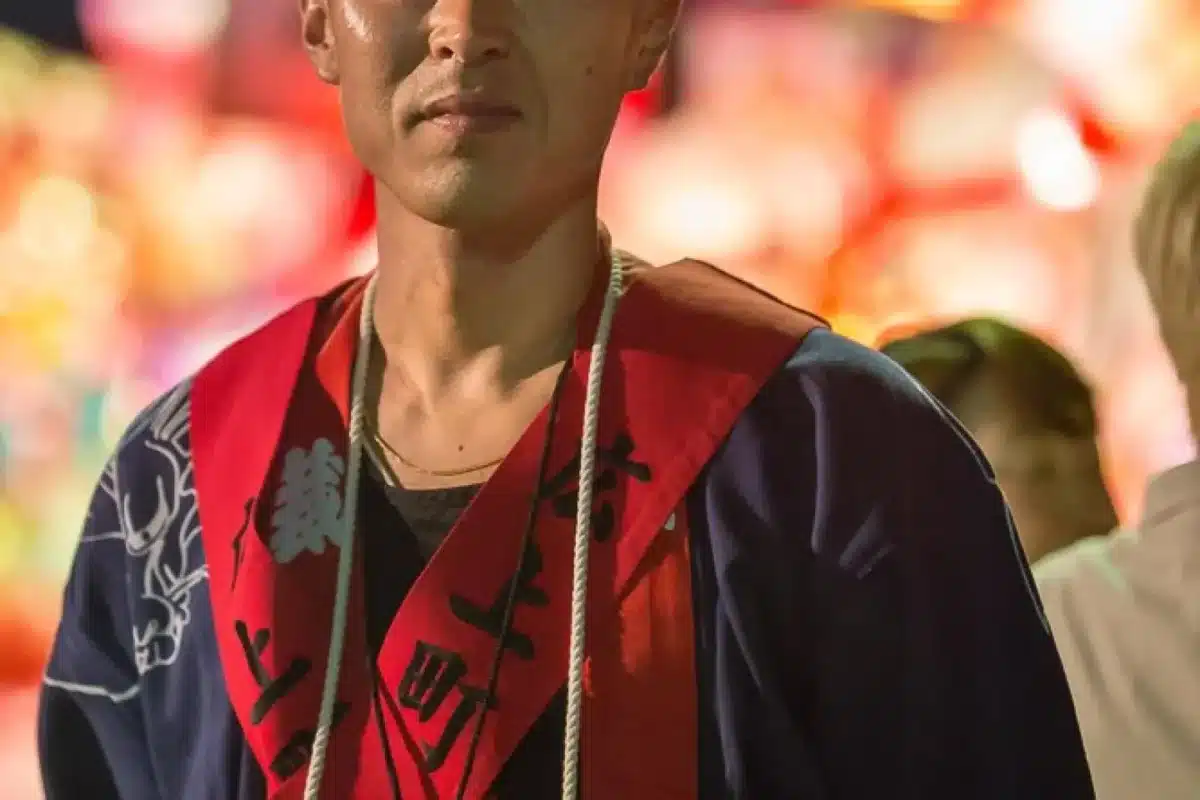
Festival History & Harvest Tradition
The Tonami Yotaka Festival stands as a celebrated traditional event deeply rooted in agricultural heritage and prayers for a bountiful harvest. Historically, farming communities in Toyama Prefecture gathered to express gratitude for fertile lands and to petition deities for favorable weather and abundant crop yields. Over generations, these earnest spiritual observances evolved into an energetic public gathering characterized by communal devotion and vibrant nighttime revelry.
The festival is held annually on the second Friday and Saturday of June, marking the height of the early summer agricultural season. As communities tended to their growing fields, the desire for divine protection and community prosperity sparked the creation of elaborate nocturnal processions. These early customs laid the groundwork for the spectacular lantern traditions that define modern Tonami today.
Through decades of cultural transmission, the event has preserved its core mission of honoring rural traditions while welcoming travelers from across the globe. The transition from quiet agricultural prayers to a roaring, high-energy spectacle demonstrates the dynamic nature of Japanese regional heritage. Today, participants and spectators continue this enduring legacy, keeping centuries-old customs alive with immense pride and passion.
Enjoy Your Event Stress-Free with Japan Travelo
Do you know? Planning events, festivals, concerts, and cultural experiences in Japan can be overwhelming. Japan Travelo brings everything together in one place, helping you manage your itinerary, transport, and accommodation with ease—so you can enjoy Japan without the stress of planning.
When
- Event Date: Mid June 2027 (Dates TBD)
- Event Duration: A vibrant two-day summer weekend celebration featuring dazzling night parades and fierce lantern clashes
Visiting this event? Don’t miss out on these amazing activities and local experiences while you’re here.
Lantern Contest, Music & Night Parade
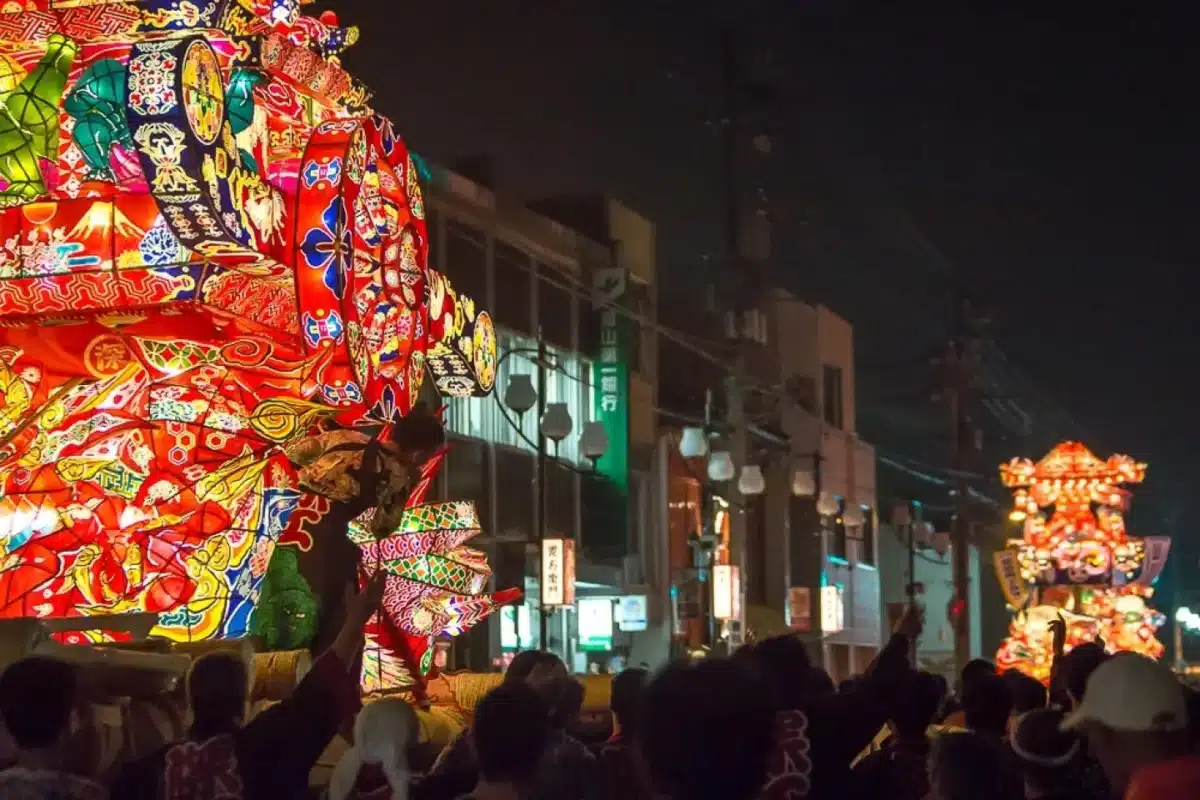
On the first evening, the main floats gather along Honmachi Boulevard to be judged for their beauty, artistry, and craftsmanship. When the sun goes down, the illuminated floats are paraded through the crowded streets of Tonami City to the cheers of enthusiastic spectators. This nocturnal procession transforms the urban landscape into a glowing river of traditional art and color.
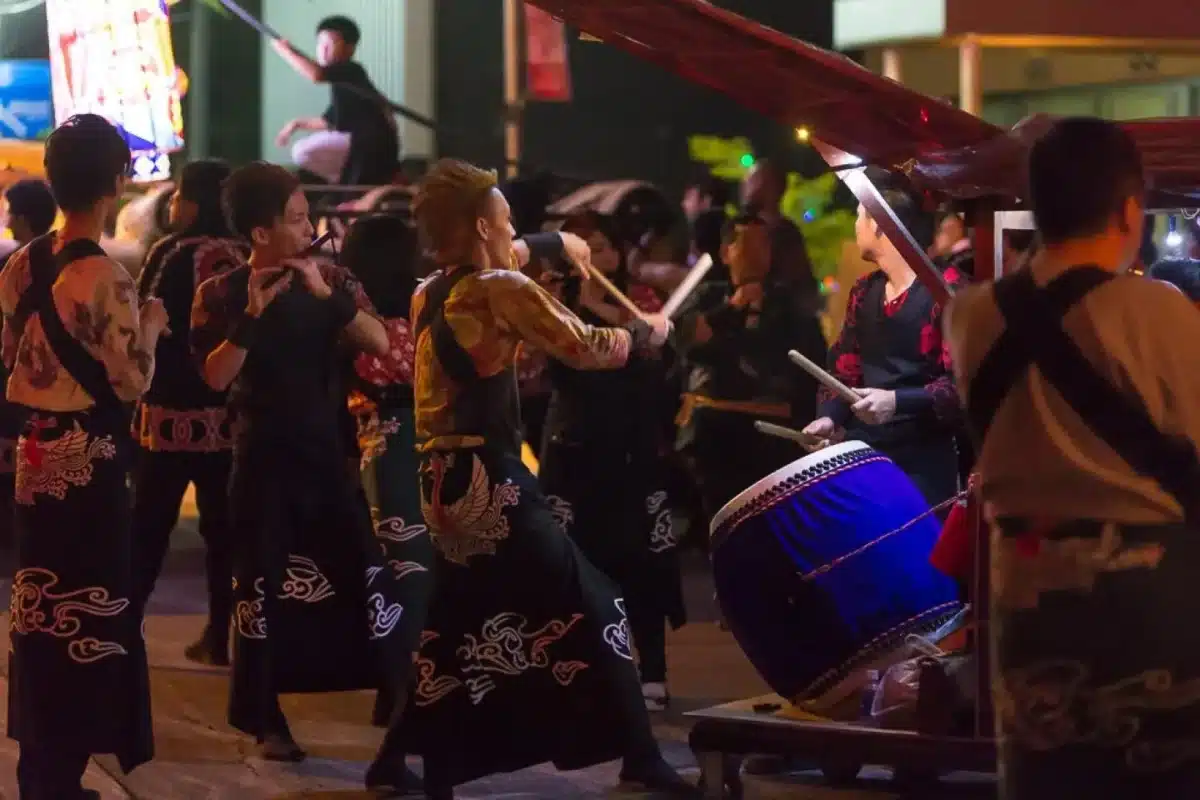
Festival goers enjoy traditional performances as drummers and flutists play rousing songs that set the rhythmic pace for the march. The sharp sound of wooden clappers and the resounding beats of taiko drums echo powerfully off nearby building facades. Interwoven with these sounds are the passionate, rhythmic chants of “Yoiya-sa” shouted by the marching crews.
The combination of glowing paper artistry, melodic flutes, and thunderous percussion creates an immersive sensory experience for everyone present. Spectators line the streets shoulder-to-shoulder, clapping along with the beat and cheering on their favorite neighborhood floats. This vibrant night parade captures the pulsating heart of traditional Japanese summer matsuri culture.
- First-night float beauty and craftsmanship judging competition along Honmachi Boulevard
- Nocturnal street processions featuring brilliantly illuminated giant paper lanterns
- Rhythmic taiko drum performances driving the energy of the marching participants
- Traditional Japanese flute melodies and sharp wooden clapper accents
- Passionate “Yoiya-sa” chanting echoing through the crowded humid night air
- Large enthusiastic crowds lining the parade route to cheer on teams
- Seamless integration of visual artistry and acoustic pageantry
Tickets
- Admission Type: Free Admission
- Ticket Pricing: Free Admission
Tsukiawase Lantern Collision
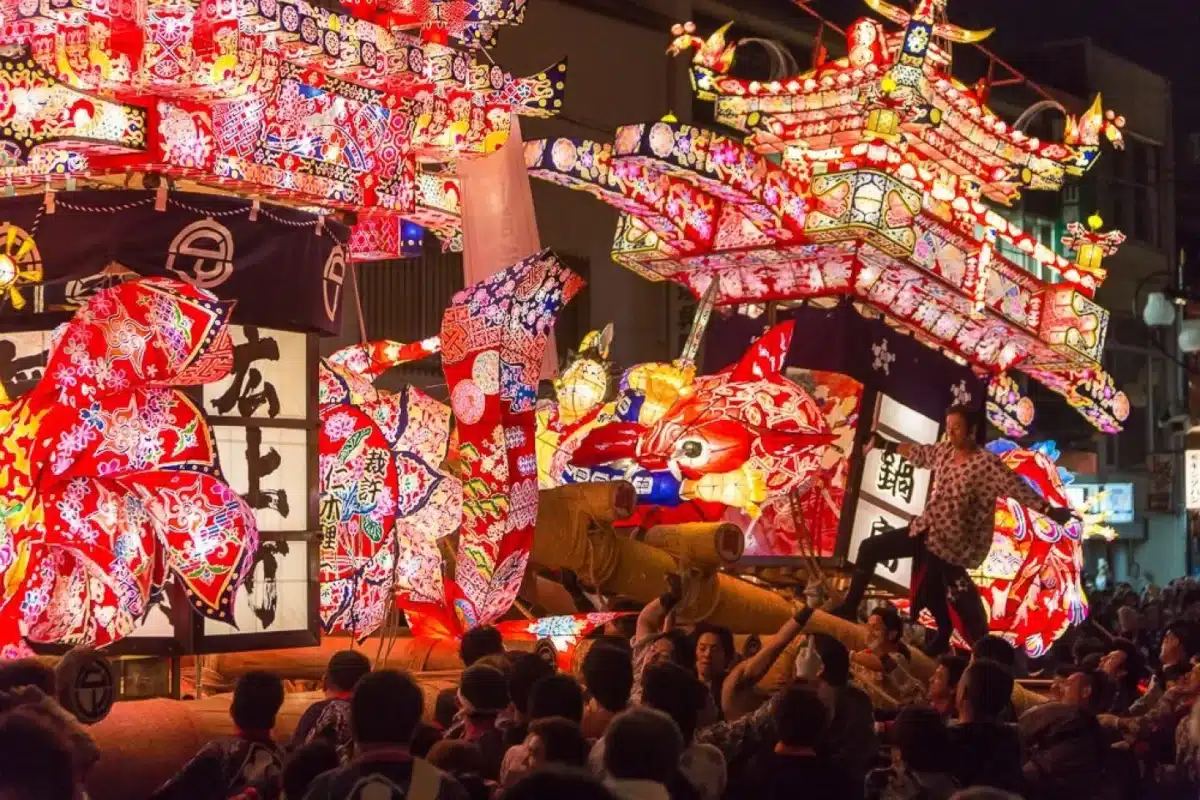
The festival builds to an exciting climax with the tsukiawase, featuring dramatic head-on collisions between giant Yotaka lanterns. It is a sweaty, drunken, dangerous night of massive lantern-covered floats intentionally crashing into one another in a contest of maneuvering and brute strength. Finally, after the crews responsible for steering the floats are sufficiently drunk, the action begins as teams prepare for impact.
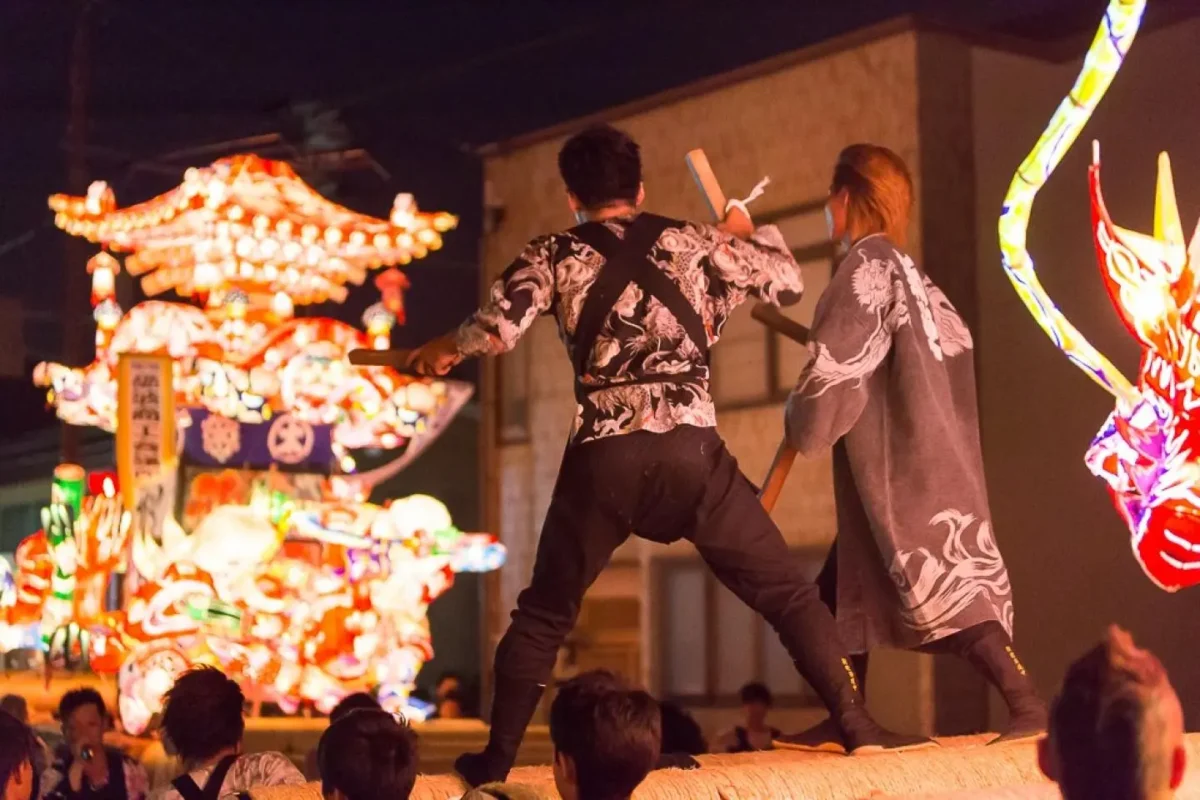
Two at a time the floats are pushed towards one another as fast as the crews can run down the boulevard. On the front are giant wooden poles, similar to battering rams, used to inflict as much damage as possible to the opposing team. The floats come crashing together with a loud bang, sending chunks of debris, and crew members, flying into the electrified air.
- Dramatic head-on collisions between massive six-meter-tall Yotaka lantern floats
- Heavy wooden battering ram poles mounted on the front of each structure
- High-speed running pushes driven by fiercely competitive neighborhood crews
- Explosive impacts sending wooden debris and participants flying through the air
- Intense post-crash shoving matches determining territory and eventual round winners
- Best-of-three collision formats establishing ultimate supremacy among rival teams
- Grand champion crowning ceremonies concluding the high-energy evening competition
- Exhilarating sights, sounds, and controlled danger defining the festival climax
Where It Takes Place
- City and Country: Tonami, Toyama Prefecture, Japan
- Venue Name: Tonami Station Square and Honmachi Boulevard
- Google Maps Address: 118-1 Omachi, Tonami, Toyama 939-1366, Japan
Local Community, Performers & Festival Atmosphere
Neighborhood residents, including young people and children, play an active role by helping operate the lanterns and participating directly in the festival. This deep community involvement ensures that generational knowledge, artistic techniques, and local pride are passed down continuously. Families work side-by-side from the early planning stages through the final night of celebrations.
The Yotaka Festival is a wild night of sights, sounds, and smells with more than a hint of raw energy in the air. The aromas of food vendors, the shouting of crews, and the glowing lights combine on the humid night to form an unforgettable atmosphere. This shared communal effort turns spectators and participants into one unified family celebrating their heritage.
- Active intergenerational participation involving children, youth, and elder residents
- Hands-on involvement in steering, pushing, and maintaining heavy lantern floats
- Neighborhood solidarity and teamwork fostered through months of joint preparation
- Bustling food vendor stalls offering local culinary treats along the perimeter
- Electric communal camaraderie uniting participants and awestruck visitors alike
- Preservation of local cultural identity through active youth engagement
Event Contact Details
- Website: https://en.japantravel.com/toyama/tonami-yotaka-matsuri/21275
Giant Yotaka Lanterns & Craftsmanship
The festival is renowned for its spectacular Yotaka lanterns, towering over six meters tall and illuminating the summer night sky. These magnificent structures are meticulously constructed by local neighborhood residents using traditional materials including bamboo frames, washi paper, and vibrant colored dyes. Each float represents months of dedicated craftsmanship, teamwork, and artistic vision shared among neighborhood participants.
The pride of each community is visibly poured into the intricate designs, which often depict legendary figures, mythical beasts, and auspicious symbols. Intricate hand-painted details and glowing internal lights ensure that every float commands attention as it rolls down the crowded streets. The sheer scale and architectural complexity of these structures require exceptional engineering to withstand the rigors of the festival night.
- Towering illuminated lantern floats soaring over six meters in height
- Traditional construction utilizing flexible bamboo frames and translucent washi paper
- Elaborate hand-painted artistic designs featuring mythical creatures and historical legends
- Meticulous neighborhood craftsmanship reflecting months of collaborative volunteer labor
- Internal lighting systems making the massive paper structures glow vividly in the dark
- Robust wooden framing built to endure physical impacts during festival competitions
- Distinct regional artistic motifs unique to each participating neighborhood team
Video
Location
FAQ
What is the primary significance behind the dramatic lantern collision events?
The dramatic clashes symbolize a powerful competition of strength and skill among local neighborhoods. Historically, these contests celebrated harvest efforts and fostered deep community unity and resilience. Today, they serve as the thrilling, high-energy focal point of the annual summer festival.
Are visitors allowed to participate directly in pushing the giant lantern floats?
General visitors are primarily encouraged to enjoy the spectacular procession and clashes from designated viewing zones. Active participation in handling the massive floats requires coordination and training with local neighborhood crews. Observers can best support the event by cheering enthusiastically along the street sidelines.
How can travelers conveniently travel to Tonami Station Square from major cities?
Visitors can take the Hokuriku Shinkansen bullet train to Shin-Tak岡 Station and transfer to the JRahana Line. Alternatively, regional bus networks and local rail connections provide direct access straight to Tonami Station. Planning transit routes ahead of time ensures a smooth arrival for evening festivities.
What kind of food and refreshments can attendees expect to find on-site?
A wide array of traditional Japanese festival food stalls line the streets surrounding the venue. Attendees can purchase popular street snacks, grilled specialties, refreshing beverages, and local culinary treats. These bustling booths provide delicious fuel throughout the humid summer evening.
Is the festival suitable for families with young children in attendance?
While the evening features intense and loud lantern clashes, the daytime exhibitions and early parades offer family-friendly fun. Parents should maintain a safe distance from active collision zones during the late-night competition segments. Overall, the vibrant atmosphere provides a wonderful cultural education for all ages.

Leave a Reply