



-
August 7, 2026
Event date:
-
August 8, 2026
Event end:
Overview
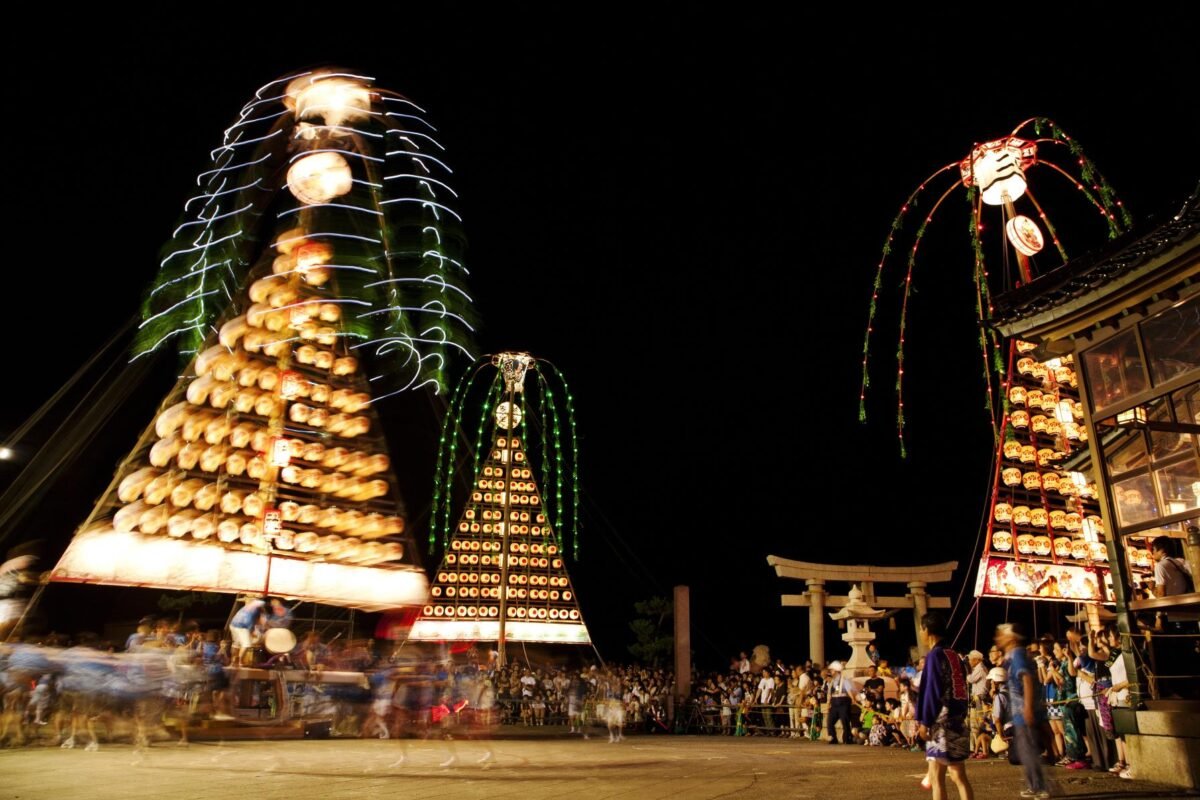
The Uozu Tatemon Festival is a breathtaking summer tradition held annually in Uozu, Toyama, serving as a vibrant spectacle that captures the spirit of the region’s maritime heritage. Designated as a UNESCO Intangible Cultural Heritage and a Nationally Important Intangible Folk Cultural Property, this event centers around seven massive, ship-shaped floats known as “Tatemon.” Standing approximately 16 meters tall, each float is adorned with nearly 100 glowing lanterns suspended in a triangular formation, creating a brilliant, towering silhouette that illuminates the night sky.
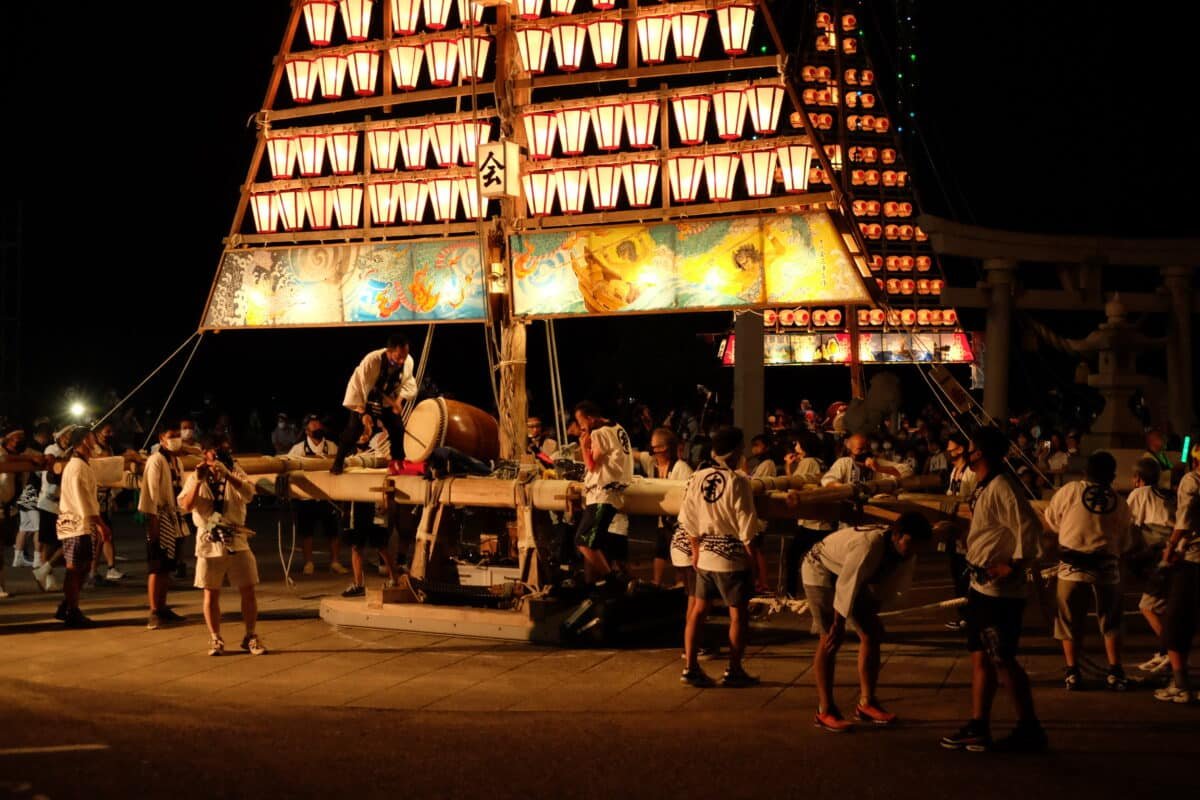
The festival’s origins date back over 300 years, rooted in the prayers of local fishermen for bountiful catches and safety at sea. As night falls, the Suwa Shrine precinct comes alive with the sound of spirited chants and the rhythmic movement of the floats. Roughly 100 men work in unison to pull and maneuver these gargantuan structures, their collective strength and dedication turning the festival into a powerful, heart-pounding experience that feels as though the very earth is moving. It is a true testament to the resilience and pride of the Uozu community.
Beyond the visual grandeur, the festival is a sensory journey into the heart of Japanese folk culture. The shimmering lights reflected against the summer darkness, combined with the echoing cheers of the participants and the festive atmosphere of the surrounding Jantokoi Uozu Festival, make this a highlight of Toyama’s summer calendar. It is a deeply authentic experience for visitors to witness a tradition that has remained a pillar of the local identity for generations, offering a rare window into the history and communal bonds of this coastal city.
Enjoy Your Event Stress-Free with Japan Travelo
Do you know? Planning events, festivals, concerts, and cultural experiences in Japan can be overwhelming. Japan Travelo brings everything together in one place, helping you manage your itinerary, transport, and accommodation with ease—so you can enjoy Japan without the stress of planning.
Event Highlights
- Witness the awe-inspiring sight of seven 16-meter-tall Tatemon floats, illuminated by hundreds of traditional lanterns.
- Experience the high-energy atmosphere as local participants pull these massive structures through the streets with incredible synchronized effort.
- Immerse yourself in the cultural significance of a UNESCO-recognized event that honors centuries of maritime history and prayers for safety.
- Enjoy the festivities in the heart of the Jantokoi Uozu Festival, which includes diverse entertainment, local dance, and communal celebrations.
Why Attend
The Uozu Tatemon Festival is an essential experience for travelers seeking an authentic encounter with Japan’s living traditions. It is ideal for photography enthusiasts looking to capture the striking visual contrast of the glowing lanterns against the night sky, as well as culture seekers interested in UNESCO heritage. Attending offers the unique benefit of witnessing a rare, community-driven event that emphasizes historical preservation and local pride, far from the typical tourist trails.
Families and groups will find the festival environment both exhilarating and welcoming, providing a fantastic opportunity to engage with local customs in a festive setting. Beyond just watching the parade, visitors gain a deeper appreciation for the communal cooperation required to maintain such an intricate cultural treasure. It is a perfect way to spend a summer evening in Japan, leaving participants with lasting memories of the energy, history, and communal warmth of Uozu.
Date & Duration:
- Event Date: August 7th – August 8th, 2026.
- Event Duration: The festival is primarily a nighttime event, with processions typically beginning around 20:30.
Visiting this event? Don’t miss out on these amazing activities and local experiences while you’re here.
Ticket Information:
- How Tickets Are Sold: General viewing is open to the public; for prime views, paid observation seats are available through advance reservation on a first-come, first-served basis.
- Admission Type: General standing access to the festival area is free.
- Ticket Pricing: Access to the festival grounds is Free Admission; please check the official tourism portal for pricing regarding specific reserved seating.
- Special Seating Options: Reserved viewing areas are available for those who wish to have a designated spot to watch the procession comfortably.
- VIP Options: There are no formal VIP tiers, though priority seating can be secured through the official advance booking system.
Venue / Location:
- City and Country: Uozu, Japan.
- Venue Name: Suwa Shrine and surrounding Suwamachi area.
- Google Maps Address: 1-16 Suwamachi, Uozu, Toyama 937-0056, Japan
Contact Information:
- Email: info@uozu-kanko.jp
- Phone Number: 0765-22-1020
- Official Website: https://uozu-kanko.jp
Accommodation Options:
Uozu offers a variety of accommodations ranging from convenient business hotels near the railway station to peaceful traditional inns that provide a more immersive Japanese experience. Staying in Uozu allows for easy access to the festival grounds at Suwa Shrine, ensuring you are never far from the heart of the action.
Visitors may also consider staying in nearby Toyama City or Kurobe, which offer a broader selection of high-end hotels and hot spring resorts. With the excellent train connectivity in the region, staying in these neighboring cities is a practical alternative that allows for comfortable day trips into Uozu for the festival evenings.
Getting There:
- Nearest Airport: Toyama Airport (TOY) is the closest, approximately 40-50 minutes away by car or train.
- Nearest Train/Metro Station: Ainokaze Toyama Railway Uozu Station (10-minute taxi) or Toyama Chiho Railway Dentetsu-Uozu Station (20-minute walk).
- Bus Routes or Public Transport Options: Local city bus services operate regularly; check the official Uozu tourism website for special festival-time shuttles.
- Parking Availability: Designated parking lots are provided by the Uozu Festival Organizing Committee for visitors traveling by car.
- Directions by Car: Accessible via the Uozu Interchange on the Hokuriku Expressway; the shrine is approximately 15 minutes from the exit.
Dining Recommendations
Breakfast Recommendations:
- Local cafes near Uozu Station offering classic Japanese-style morning sets.
- Hotel breakfast buffets in the city center featuring fresh, locally sourced ingredients from Toyama Bay.
- Traditional bakeries providing quick, freshly baked goods perfect for a day of exploring.
Lunch Recommendations:
- Seafood restaurants near Uozu Port specializing in “shinkiro” (mirage) inspired culinary creations.
- Casual eateries serving Toyama-style black ramen, a rich and savory local favorite.
- Food stalls at the Jantokoi Uozu Festival venue offering a variety of handheld snacks and street food classics.
Dinner Recommendations:
- Izakaya establishments in the Suwamachi area offering fresh sashimi caught from the nearby sea.
- Local restaurants featuring specialty dishes made with Toyama Bay white shrimp.
- Sushi bars that showcase the high quality of seasonal fish landed at the local port.
Local Specialties to Try:
- White Shrimp (Shiro-ebi), often called the “jewel of Toyama Bay,” served as sashimi or fried.
- Masuzushi, a famous traditional pressed trout sushi wrapped in bamboo leaves.
- Firefly Squid (Hotaru-ika), a regional delicacy known for its unique flavor and delicate texture.
What is this event?
The Uozu Tatemon Festival is an ancient summer rite dedicated to the deity of Suwa Shrine, focusing on the safe passage and abundant harvest of the local fishing community. It features seven massive, sail-shaped “Tatemon” floats decorated with nearly 100 lanterns.
This event is a cornerstone of the larger Jantokoi Uozu Festival, held annually to celebrate local heritage and communal spirit. It stands as a UNESCO Intangible Cultural Heritage site, preserved by generations of residents who take immense pride in its history.
Why is it popular?
The festival is renowned for its sheer visual impact, as the massive, glowing lanterns transform the dark summer night into a spectacle of light and sound. The raw energy and synchronized effort of the 100 men pulling each float create a powerful, unforgettable experience for every attendee.
It is a deeply nostalgic event that connects modern residents and visitors to the traditions of the Edo period. Its combination of historical reverence, festive energy, and unique maritime aesthetics ensures it remains a must-see event for cultural travelers in Japan.
Tips before you go
- Plan your travel to Uozu well in advance, as local hotels can book up quickly during the festival weekend.
- Carry a portable power bank for your phone, as you will likely be taking photos and videos for several hours.
- Stay hydrated, as the summer heat in Toyama can be intense even during the evening festivities.
- Check the weather forecast on the day of the event, as the festival may be canceled in the event of severe weather conditions.
- Respect the local participants and maintain a safe distance from the moving floats as they are maneuvered through the streets.
Tips for First-Time Visitors
- Arrive at the Suwa Shrine area well before the 20:30 start time to secure a good viewing position along the procession route.
- Wear lightweight, breathable clothing, as the crowds and the summer humidity can make the festival area feel very warm.
- Take time to visit the Uozu Buried Forest Museum or other local attractions during the day to fully appreciate the area’s geological and cultural history.
- If you have reserved seats, aim to arrive at the designated area at least 30 minutes before the procession begins to ensure your spot.
- Engage with the locals; many residents are very proud of their heritage and are often happy to share stories about the festival’s history.
- Do not miss the other events of the Jantokoi Uozu Matsuri, such as the street dance performances, which complement the festival atmosphere perfectly.
Attendee Experiences
- Seeing the massive lanterns glow against the night sky was truly mesmerizing and unlike any festival I have ever seen.
- The intensity and strength shown by the people pulling the floats were incredibly moving to witness in person.
- A fantastic cultural experience that made me feel like I was stepping back in time to traditional Japan.
Video
Location
FAQ
What is the significance of the Tatemon floats?
The floats are designed to resemble ships and are decorated with approximately 100 lanterns to honor the local sea deity. They represent centuries of prayers from the fishing community for safe navigation and prosperous harvests from the rich waters of Toyama Bay.
Is the festival appropriate for international tourists?
Absolutely, the festival is a welcoming event that attracts visitors from all over the world to witness its unique UNESCO-recognized heritage. While the main chants and proceedings are in Japanese, the visual spectacle is universally understandable and deeply impressive for everyone.
Are there other activities besides the lantern procession?
Yes, the Tatemon Festival is part of the larger Jantokoi Uozu Festival, which includes diverse activities such as street dances, music performances, and local food stalls. Visitors can enjoy a full weekend of cultural festivities throughout the city.
What should I do if it rains during the festival?
The festival procession is subject to cancellation or modification in the event of severe weather conditions. It is highly recommended to check the official Uozu tourism website or local event notices on the afternoon of the festival for any operational updates.
How can I best photograph the festival?
To capture the best shots, use a camera with good low-light performance to handle the glowing lanterns against the dark night sky. Since the floats are quite large and move through the streets, finding a spot slightly back from the route often provides a better perspective for the entire structure.

Leave a Reply