
Overview
The Vietnam Festival, held annually in Tokyo’s Yoyogi Park, is an exciting and delicious slice of Southeast Asian life. Like the other summer international festivals held at the park, this event provides a wealth of exotic foods, drinks, and entertainment, but this one has quickly become a crowd favorite. The first Vietnam Festival was held here in 2008, but in a few short years, it packed in over 150,000 visitors establishing itself as a major event on the summer international festival circuit at Yoyogi.
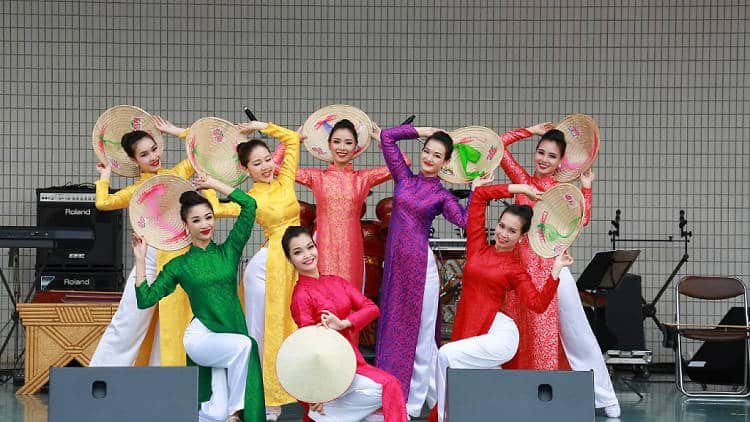
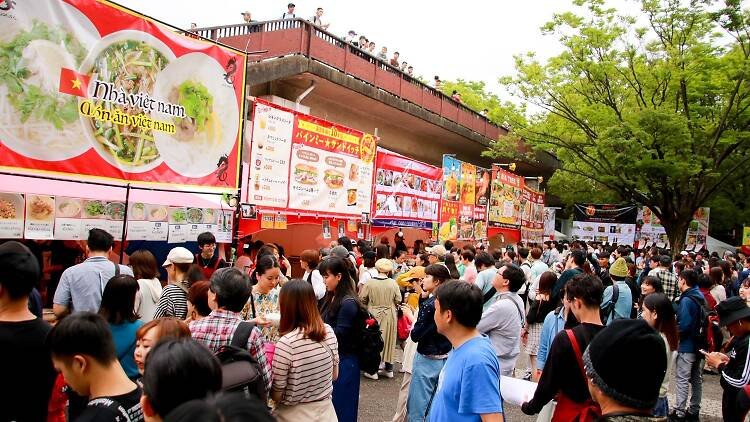
This festival is all about bustle. Visitors will quickly be impressed by its size and number of vendors selling, cooking, and entertaining. Everywhere, people are milling about in T-shirts featuring the Vietnamese flag design, and wearing non la, the Vietnamese name for the conical-shaped hat that the country is famous for. Performances are all over, and not limited to the main event stage.
The food, of course, is inescapable. There are rows and rows of Vietnamese food vendors sending delicious smells wafting through the air. Beyond the expected plethora of pho, there are plenty of places to score a banh mi, the Vietnamese name for a baguette, which is often filled sandwich-style with grilled meats and served in a Vietnamese newspaper wrapping. There are plenty of lesser-known regional foods as well. I came across some cao lau, a dish unique to central Vietnam, which was a delicious bowl of noodles, pork, and greens topped with a chili sauce. Vietnamese beer was also plentiful, especially Saigon Beer and its famous 333 brand.
Enjoy Your Event Stress-Free with Japan Travelo
Do you know? Planning events, festivals, concerts, and cultural experiences in Japan can be overwhelming. Japan Travelo brings everything together in one place, helping you manage your itinerary, transport, and accommodation with ease—so you can enjoy Japan without the stress of planning.
Since its inception in 2008, the Vietnam Festival has been held annually and is the only overseas exchange event officially recognized by the Vietnamese government. The first Vietnam Festival Programme was held in Japan in 2008 in commemoration of the 35th anniversary of diplomatic relations establishment between Vietnam and Japan, and attracted 150,000 visitors over three days. Since then, the annual event has been the rendezvous for hundreds of thousands of Vietnamese expatriates living in Japan and Japanese people loving Vietnam to enjoy Vietnamese performances and foods.
Today it stands as a key highlight on Yoyogi Park’s summer international festival circuit, with expected attendance of 180,000 to 200,000 over weekend, and up to 120 stalls offering Vietnamese food, drink, and merch.
Cultural Significance & Origins
The Vietnam Festival was created as cultural diplomacy and community celebration.
Diplomatic Anniversary Origin: The first edition in 2008 commemorated the 35th anniversary of diplomatic relations between Vietnam and Japan, which were established in 1973. The Vietnamese government officially supports the event, making it the only overseas exchange event officially recognized by Vietnamese government.
Community Bridge: Japan is home to one of largest Vietnamese diaspora populations, with hundreds of thousands of Vietnamese expatriates living, working, and studying in Japan. For them, the festival is a home away from home, a place to speak Vietnamese, eat hometown foods, and celebrate Tet and other traditions. For Japanese visitors, it is accessible introduction to Vietnamese culture without traveling abroad.
Cultural Education Mission: There was a clear effort to educate people about intricacies of Vietnam’s culture. The festival includes two tents filled with beautiful paintings displaying diversity of Vietnamese landscape, and tents displaying beautiful historic artifacts and crafts. Cultural displays showcase Vietnam’s 54 ethnic groups, traditional instruments, and historical items.
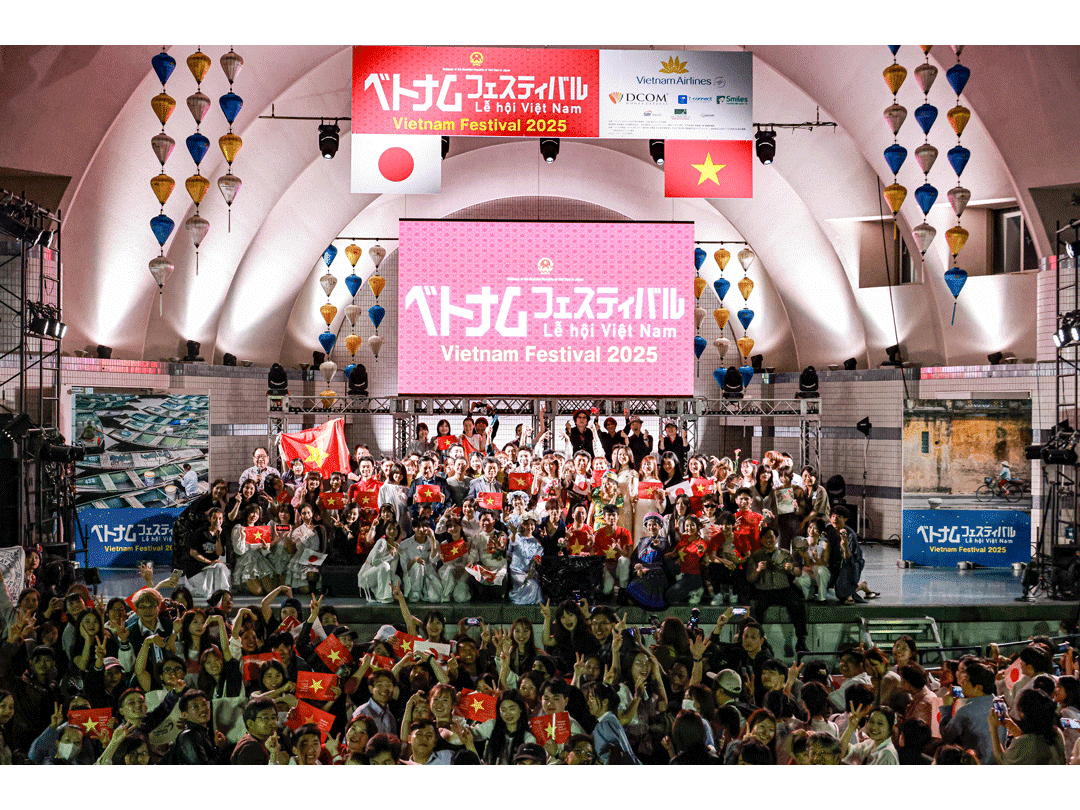
Friendship Symbol: Held at Yoyogi Park Event Plaza, the festival is designed as symbol of strong friendship and close ties between Vietnam and Japan, with attendance by ambassadors, city officials, and business leaders from both countries at opening ceremony.
Growth Story: From 150,000 visitors in early years to over 180,000 attendees in recent editions, and anticipated 200,000 visitors over weekend, the festival’s rapid growth reflects increasing interest in Vietnamese culture, cuisine, and tourism.
Traditions, Rituals & Customs
While not a traditional Vietnamese village festival, the Yoyogi event recreates key Vietnamese cultural customs for Tokyo audience.
Non La – Conical Hat Tradition: Everywhere, people are milling about in T-shirts featuring Vietnamese flag design, and wearing non la, the Vietnamese name for conical-shaped hat that country is famous for. Non la is made from palm leaves and bamboo, traditionally worn by farmers to protect from sun and rain. At festival, vendors sell authentic non la, and many visitors wear them for photos, creating sea of conical hats across park.
Water Puppetry – Mua Roi Nuoc: A signature Vietnamese art form, water puppetry originates from northern Vietnam villages. The Thang Long Water Puppet Theatre from Hanoi is frequently invited. In 2026, Thang Long Puppet Theatre performed at 18th Vietnam Festival with 21-member delegation. Puppets dance on water surface, telling stories of farming, fishing, dragon dancing, and legends, accompanied by traditional wooden percussion and bamboo flutes.
Ao Dai Elegance: Many Vietnamese women attend in ao dai, the long white or colorful tunic over pants, national dress of Vietnam. During stage shows, models and dancers showcase ao dai collections from different regions and eras.
Offering and Incense: Small Buddhist altars with incense are sometimes set up in cultural tents, reflecting Vietnamese Buddhist traditions.
Community Greeting: The festival begins with opening ceremony where organizers and embassy officials give thanks and wish for continued friendship, echoing Vietnamese tradition of community gathering before big events.
What to Expect at the Festival
Visitors should expect high-energy, bustling, deliciously fragrant market atmosphere that feels like stepping into Hanoi or Ho Chi Minh City.
Size and Bustle: This festival is all about bustle. Visitors will quickly be impressed by its size and number of vendors selling, cooking, and entertaining. Over 100 booths, including about 60 food stalls, line Yoyogi Park Event Plaza, outdoor stage, and Keyaki Namiki boulevard. Up to 200,000 visitors expected over weekend, so be prepared for big crowd.
Food as Main Attraction: Food is inescapable. Rows and rows of Vietnamese food vendors send delicious smells wafting through air. Everywhere people queue for pho, banh mi, bun cha, and fresh spring rolls.
Performances Everywhere: Performances are all over, and not limited to main event stage. While main stage hosts headliners, smaller stages and street corners host impromptu dance, martial arts, and music.
Family Atmosphere: Vietnamese families, Japanese couples, foodies, friends, and families all mix. Vietnamese language heard everywhere, mixed with Japanese and English.
Lively Vibe: There is a lively vibe and plenty to do, making this a high priority on your summer festival calendar. Expect loud music, laughter, beer cheers, and constant movement.
Date & Schedule
Event Dates: Late May 2027 (Dates TBD)
The Vietnam Festival is held annually in Tokyo’s Yoyogi Park as part of early summer international festival circuit.
For 2027, the event is listed as Late May 2027 Dates TBD. Recent editions provide reference:
- 2024 Edition: June 1 and 2, 2024 at Yoyogi Park, attracting over 180 thousand attendees.
- 2026 Edition: May 30 and 31, 2026 at Yoyogi Park Event Plaza, Saturday May 30 and Sunday May 31, 10:00 AM to 8:00 PM. Expected attendance 180,000, surpassing last year’s 140,000. Some listings show May 28 to June 2, 2026 for extended cultural program with Thang Long Puppet Theatre.
- 2027 Edition: Listed as Late May 2027, 10:00 AM to 8:00 PM, Free. Other listings show Early June 2027 as possible alternative if weather delays. The usual pattern is last weekend of May.
Typical Daily Schedule:
- 10:00 AM – Opening and Market Start: Stalls open, aroma of pho broth and grilled pork begins. Cultural display tents open with paintings and historic artifacts.
- 11:00 AM to 12:00 PM – Opening Ceremony: Embassy officials, organizers, sponsors like Smiles Mobile Remittance, Vietnam Airlines, and Vietnam National Administration of Tourism give speeches, followed by lion dance.
- 12:00 PM to 6:00 PM – Continuous Stage Performances: Packed schedule with performer after performer. 2013 lineup included wide variety of singers and dancers, funky jazz band that included some traditional Vietnamese instruments, rock band, and contortionist who didn’t seem to have any bones. Recent lineups include V-pop stars from Vietnam, traditional dan tranh zither players, Ao Dai fashion shows, and martial arts demonstrations.
- 6:00 PM to 8:00 PM – Evening Finale: Headline concerts, water puppet finale, and DJ sets. Food stalls continue serving until close.
Event runs rain or shine, with some tents covered.
Visiting this event? Don’t miss out on these amazing activities and local experiences while you’re here.
Main Events & Programme
Main Stage – Outdoor Stage at Yoyogi Park Event Plaza:
- Traditional Music: Performances on dan tranh 16-string zither, dan bau monochord, and t’rung bamboo xylophone, often fused with jazz band including traditional Vietnamese instruments.
- V-Pop and Modern Music: Top Vietnamese artists invited from Vietnam, including pop singers, rock bands, and rappers popular with young Vietnamese in Japan.
- Water Puppet Theatre: Thang Long Water Puppet Theatre signature traditional water puppetry acts, performing several times daily on special water tank stage.
- Dance: Traditional fan dance, lotus dance, lion dance, and modern hip-hop fusion.
- Ao Dai Fashion Show: Models showcase regional ao dai styles.
Street Performances:
- Contortionists and Circus: Acts like contortionist who didn’t seem to have any bones in her body, popular in early editions.
- Martial Arts: Vovinam Vietnamese martial arts demonstrations.
Cultural Display Area:
- Painting Exhibition: Two tents filled with beautiful paintings displaying diversity of Vietnamese landscape, from Halong Bay to Mekong Delta.
- Historic Artifacts and Crafts: Tents displaying beautiful historic artifacts and crafts, including lacquerware, ceramics, and ethnic minority textiles.
- Tourism Information: Booths ready to teach about and sell vacation packages to Vietnam, with Vietnam Airlines and travel agencies offering pamphlets.
Market Area:
- Food Stalls – About 60 Stalls: Rows and rows of food vendors.
- Merchandise Stalls – About 60 Stalls: Lines of vendors sold variety of products from clothing to jewelry to musical instruments.
Traditional Dress, Arts & Crafts
Non La – Conical Hat:
- Craft: Made from palm leaves, bamboo frame, and silk thread, handmade in villages like Chuong near Hanoi. Vendors sell authentic hats for 8 USD to 15 USD, and smaller decorative versions for 5 USD.
- Wearing: Visitors encouraged to try on and wear, providing shade and iconic photo prop.
Ao Dai:
- Design: Long tunic split to waist over wide pants, made from silk with embroidered flowers. Traditional white for students, colorful for festivals. Tailors at festival take measurements for custom ao dai, prices from 50 USD to 120 USD.
Lacquerware and Ceramics:
- Products: Vietnamese lacquer paintings, bowls, vases, and Bat Trang ceramics from Hanoi, prices from 10 USD to 80 USD.
- Demonstrations: Artisans demonstrate lacquer painting techniques.
Musical Instruments:
- Instruments for Sale: Dan tranh zithers, bamboo flutes, and small t’rung xylophones sold, 30 USD to 150 USD.
- Jewelry: Silver jewelry with ethnic Hmong designs, lacquer bracelets.
Clothing and Accessories:
- T-Shirts Featuring Vietnamese Flag Design: Popular souvenir, 10 USD to 20 USD, worn by many attendees.
- Embroidered Bags and Scarves: Hand-embroidered by ethnic minority women.
Traditional Food & Local Specialties
Food is centerpiece, offering comprehensive tour of Vietnamese regional cuisines.
Noodle Dishes:
- Pho – Flagship: Expected plethora of pho, beef pho bo and chicken pho ga, with aromatic broth simmered 12 hours, rice noodles, herbs, lime, chili. Bowls 7 USD to 10 USD. Most popular stall item, queues longest.
- Cao Lau: Dish unique to central Vietnam, Hoi An specialty, thick noodles, pork, greens topped with chili sauce and crispy croutons, 8 USD to 11 USD. Example of lesser-known regional foods highlighted at festival.
- Bun Cha: Hanoi specialty, grilled pork patties with vermicelli, herbs, dipping sauce, 7 USD to 10 USD.
- Bun Bo Hue: Spicy beef noodle soup from Hue, 8 USD to 11 USD.
- Mi Quang: Turmeric noodles from Quang Nam, 8 USD to 10 USD.
Sandwiches and Rolls:
- Banh Mi: Vietnamese name for baguette, often filled sandwich-style with grilled meats, pate, pickled carrots, cilantro, served in Vietnamese newspaper wrapping, 6 USD to 9 USD. Varieties include pork, chicken, tofu.
- Goi Cuon – Fresh Spring Rolls: Rice paper rolls with shrimp, pork, herbs, peanut sauce, 5 USD to 7 USD for two rolls.
Snacks and Other Dishes:
- Banh Xeo: Crispy turmeric crepes filled with shrimp, pork, bean sprouts, 6 USD to 8 USD.
- Cha Gio – Fried Spring Rolls: Crispy fried rolls, 5 USD to 7 USD.
- Xoi – Sticky Rice: Sticky rice with various toppings, 4 USD to 6 USD.
Drinks:
- Vietnamese Beer: Plentiful, especially Saigon Beer and its famous 333 brand, cans 4 USD to 6 USD, draft 5 USD to 7 USD.
- Ca Phe Sua Da – Vietnamese Iced Coffee: Strong coffee with condensed milk, 4 USD to 6 USD, served over ice.
- Sugarcane Juice – Nuoc Mia: Freshly pressed sugarcane juice, 4 USD to 5 USD.
- Che – Sweet Dessert Soups: Various sweet soups with beans, jelly, coconut milk, 4 USD to 6 USD.
Regional Diversity: Food stalls represent north, central, and south Vietnam, allowing visitors to compare flavors.
Location & Festival Areas
Main Venue: Yoyogi Park – Yoyogi Koen, Shibuya Ward, Tokyo
Address: 2-1 Yoyogi Kamizonocho, Shibuya 151-0052, Tokyo Prefecture. Event Plaza location often listed as 2-3 Jinnan, Shibuya-ku, Tokyo.
Festival Areas:
- Yoyogi Park Event Plaza – Main Plaza: Central area with main outdoor stage, largest concentration of food stalls, and standing area for 10,000+ visitors. Located near Harajuku entrance of Yoyogi Park.
- Outdoor Stage: Large stage with professional sound and LED screens for performances.
- Keyaki Namiki – Zelkova Tree Boulevard: Tree-lined avenue leading to Event Plaza, lined with additional stalls selling clothing, jewelry, and crafts, and smaller street performance spots.
- Cultural Display Tents: Two large tents for paintings, historic artifacts, crafts, and tourism information, located near Event Plaza.
- Food Stall Rows: Rows and rows of Vietnamese food vendors forming grid pattern, with communal picnic tables and standing tables, aromas mixing across area.
Park Setting: Yoyogi Park is one of Tokyo’s largest parks, with open lawns, forested areas, and proximity to Meiji Shrine. During festivals, Event Plaza transforms into bustling market while rest of park remains open for picnics.
Getting to the Festival
Yoyogi Park is in central Tokyo, easily accessible from Shibuya, Harajuku, and Shinjuku.
From Shibuya:
- Walking: 15 minute walk from Shibuya Station through Harajuku to Yoyogi Park Event Plaza.
- JR Yamanote Line: Shibuya to Harajuku Station, 3 minutes, then 5 minute walk to Event Plaza.
From Harajuku – Closest:
- JR Harajuku Station: 3 minute walk to Yoyogi Park Event Plaza, exit via Omotesando exit.
- Tokyo Metro Chiyoda Line and Fukutoshin Line – Meiji-jingumae Harajuku Station: 5 minute walk to Event Plaza.
From Shinjuku:
- JR Yamanote Line: Shinjuku to Harajuku, 6 minutes, fare approximately 2 USD.
From Other Areas:
- Tokyo Metro – Yoyogi-koen Station on Chiyoda Line: 5 minute walk to Event Plaza.
- Odakyu Line – Yoyogi-Hachiman Station: 7 minute walk.
Final Approach: Follow crowds wearing non la hats and Vietnamese flag T-shirts from Harajuku Station toward park. Event Plaza is near NHK Hall side of park.
Where to Stay Nearby
Staying near Harajuku, Shibuya, or Shinjuku allows easy access to festival and other Tokyo summer events.
Harajuku and Shibuya Area – Closest:
- Shibuya Stream Hotel – Formerly Shibuya Stream Excel Hotel Tokyu: Modern hotel near Shibuya Station, rooms from 150 USD to 300 USD per night.
- Henn na Hotel Tokyo Shibuya: Robot-themed hotel, rooms from 80 USD to 150 USD per night, 10 minute walk to Yoyogi Park.
- Piece Hostel Shibuya: Budget hostel, dorm beds from 30 USD, private rooms from 70 USD per night.
Shinjuku Area:
- Hotel Gracery Shinjuku: With Godzilla head, rooms from 100 USD to 200 USD per night, 10 minutes by train to Harajuku.
- APA Hotel Shinjuku Gyoenmae: Budget business hotel, rooms from 50 USD to 90 USD per night.
Yoyogi and Yoyogi-Uehara:
- Turn Table Hostel Yoyogi: Boutique hostel near Yoyogi Park, dorm beds from 25 USD, private rooms from 80 USD per night.
Booking Advice: Late May is pleasant season in Tokyo, with many international festivals at Yoyogi Park. Hotels should be booked 1 to 2 months ahead for weekend of festival, especially in Shibuya and Harajuku areas.
What Visitors Can Participate In
Vietnam Festival is highly participatory, designed for visitors to eat, wear, dance, and learn.
Food Participation – Eating Tour:
- Stall Hopping: Visitors can sample multiple regional dishes, moving from pho to banh mi to cao lau to che, creating personal food tour of Vietnam. Lines of vendors allow easy comparison.
- Beer and Coffee Tasting: Try Saigon Beer, 333 brand, and Vietnamese iced coffee side by side.
Cultural Participation:
- Non La Wearing: Buy and wear conical hat, joining many attendees wearing non la for photos.
- Ao Dai Photo: Try on ao dai at costume booths, with professional photographers offering photos for 10 USD to 20 USD.
- Water Puppet Interaction: After Thang Long Water Puppet Theatre performances, puppeteers sometimes demonstrate how puppets work on water.
Performance Participation:
- Dance Along: During stage performances, audience encouraged to clap, dance, and sing along, especially during V-pop and folk dances.
- Contortionist and Circus Workshops: Some years, performers offer small workshops for children.
Shopping Participation:
- Market Haggling: While not aggressive haggling like Vietnam, vendors often give small discounts for multiple items.
- Vacation Package Consultation: Booths ready to teach about and sell vacation packages, with staff giving detailed itineraries for trips to Halong Bay, Hoi An, Ho Chi Minh City.
Language Exchange: Many Vietnamese expatriates attend, offering chance for Japanese visitors to practice Vietnamese and Vietnamese visitors to practice Japanese.
Things to Do Before or After the Festival
Yoyogi Park area offers many attractions to combine with festival.
Before Festival – Morning:
- Meiji Shrine – Meiji Jingu: 5 minute walk from Event Plaza, one of Tokyo’s most important Shinto shrines, set in forested area, free admission. Visit early morning for serene forest walk before festival bustle.
- Harajuku Takeshita-dori: Famous street for youth fashion, crepes, and vintage shops, 5 minute walk from park.
- Yoyogi Park Morning Picnic: Arrive early to enjoy open lawns of Yoyogi Park before festival crowds peak at noon.
After Festival – Afternoon and Evening:
- Shibuya Crossing and Shibuya Sky: 15 minute walk to Shibuya, famous scramble crossing and observation deck with city views, tickets 12 USD to 18 USD.
- Omotesando Shopping: Luxury shopping boulevard with architecture by famous designers, 10 minute walk from Harajuku.
- Shinjuku Golden Gai and Omoide Yokocho: 10 minutes by train, narrow alleys with tiny bars and yakitori shops, perfect for evening after festival.
Full Day Combination: Combine Vietnam Festival with other Yoyogi Park international festivals often held same month, such as Thai Festival, Laos Festival, creating multi-country Southeast Asian tour in one park.
Nightlife: After festival ends at 8:00 PM, head to Shibuya or Shinjuku for dinner and drinks, continuing Vietnamese theme at Vietnamese restaurants in Shin-Okubo.
Local Food & Restaurants
Beyond festival stalls, Harajuku, Shibuya, and Shinjuku offer Vietnamese and other Asian restaurants.
Vietnamese Restaurants Near Yoyogi Park:
- Nha Viet Nam – Shibuya: Authentic Vietnamese restaurant, pho and bun cha sets 10 USD to 15 USD.
- Banh Mi Sandwich Company – Harajuku: Popular banh mi shop, sandwiches 6 USD to 9 USD.
- Pho Thin Tokyo – Shinjuku: Famous Hanoi-style pho, bowls 8 USD to 12 USD.
Japanese Food Options:
- Harajuku Gyoza Lou: Famous gyoza shop near Harajuku Station, gyoza 4 USD to 6 USD for 6 pieces.
- Afuri Ramen – Harajuku: Yuzu salt ramen, bowls 9 USD to 13 USD.
International Food:
- Thai and Lao Restaurants: Many Thai restaurants around Yoyogi Park due to Thai Festival also held there, curries 10 USD to 15 USD.
Festival Food Value: Festival stall food is generally good value, with generous portions and authentic flavors cooked by Vietnamese chefs, many from Vietnamese restaurants in Tokyo area.
Ticket Information & Access
Admission: Free
Vietnam Festival at Yoyogi Park is free entry, no tickets required. Free entry is standard for Yoyogi Park international festivals.
Costs Inside Festival Based on Previous Editions:
- Food: Pho bowls 7 USD to 10 USD, Banh mi 6 USD to 9 USD, Goi cuon spring rolls 5 USD to 7 USD, Cao lau 8 USD to 11 USD, Che desserts 4 USD to 6 USD.
- Drinks: Saigon Beer and 333 Beer cans 4 USD to 6 USD, Vietnamese iced coffee 4 USD to 6 USD, sugarcane juice 4 USD to 5 USD.
- Merchandise: Non la conical hats 8 USD to 15 USD, T-shirts featuring Vietnamese flag design 10 USD to 20 USD, lacquerware and ceramics 10 USD to 80 USD, ao dai custom orders 50 USD to 120 USD.
- Cultural Activities: Water puppet shows free, ao dai photo 10 USD to 20 USD.
Access Notes:
- Crowds: Up to 200,000 visitors expected over weekend, so be prepared for big crowd. Arrive before 11:00 AM for shorter food queues and good stage viewing spots.
- Payment: Cash is primary at food stalls, though some accept PayPay and IC cards. Bring cash yen, converted to USD equivalents above.
- No Reservation: No advance booking needed for general entry. Some premium cruises and workshops may require reservation.
If Pricing Not Announced for 2027: All USD prices based on previous editions 2023 to 2026. Festival remains free entry with similar food prices.
Official Event Information
Event Name: Vietnam Festival in Yoyogi Park – Vietnam Festa – Vietnam Festival
Organizer: Vietnam Festival Executive Committee, with official support from Embassy of Vietnam in Japan, Ministry of Culture, Sports and Tourism of Vietnam, and Japan-Vietnam Friendship Association. Sponsors include Smiles Mobile Remittance, Vietnam Airlines, and various Japanese and Vietnamese corporations.
Venue: Yoyogi Park Event Plaza, 2-1 Yoyogi Kamizonocho, Shibuya 151-0052, Tokyo. Also listed as Yoyogi Park Events Square, 2-3 Jinnan, Shibuya-ku, Tokyo, near NHK Hall.
Access: 3 minute walk from JR Harajuku Station, 5 minute walk from Meiji-jingumae Harajuku Station on Chiyoda and Fukutoshin Lines, 5 minute walk from Yoyogi-koen Station on Chiyoda Line.
Official Website URL as text: www.vietnamfes.net and en.japantravel.com/tokyo/vietnam-festival-in-yoyogi-park/ and tokyocheapo.com/events/vietnam-festival/
Contact: Vietnam Festival Executive Committee via website www.vietnamfes.net. Embassy of Vietnam in Japan, Phone 03-3466-3313.
Notes: First Vietnam Festival held in 2008, attracting 150,000 visitors over three days, establishing itself as major event on summer international festival circuit at Yoyogi. Today expected attendance 180,000 to 200,000 over weekend with over 120 stalls. Event stage schedule packed with performer after performer. Cultural displays include two tents filled with beautiful paintings displaying diversity of Vietnamese landscape and tents displaying historic artifacts and crafts. Check official website for confirmed dates, stage lineup, and Thang Long Water Puppet Theatre schedule.
Video
Location
FAQ
What is Vietnam Festival in Yoyogi Park and how big is it?
Vietnam Festival is an exciting and delicious slice of Southeast Asian life held annually in Tokyo's Yoyogi Park, featuring exotic foods, drinks, and entertainment from Vietnam. The first festival was held in 2008 and quickly packed in over 150,000 visitors, establishing itself as a major event on the summer international festival circuit at Yoyogi, and today expects up to 200,000 visitors over weekend with over 120 stalls. It is the only overseas exchange event officially recognized by the Vietnamese government and serves as rendezvous for Vietnamese expatriates and Japanese fans of Vietnam.
What foods can I try at Vietnam Festival?
The food is inescapable with rows and rows of Vietnamese food vendors sending delicious smells wafting through air, beyond expected plethora of pho, there are plenty of places to score a banh mi baguette sandwich with grilled meats, as well as lesser-known regional foods like cao lau unique to central Vietnam with noodles, pork, and greens topped with chili sauce. Other dishes include bun cha, bun bo Hue, fresh spring rolls goi cuon, banh xeo crepes, and drinks like Saigon Beer, 333 brand, Vietnamese iced coffee ca phe sua da, and sugarcane juice, offering comprehensive tour of Vietnamese cuisine.
Are there cultural performances and what kind of entertainment is there?
The event stage schedule is packed with performer after performer, including wide variety of singers and dancers, funky jazz band that included some traditional Vietnamese instruments, rock band, and contortionist who didn't seem to have any bones in her body. Recent editions feature Thang Long Water Puppet Theatre from Hanoi performing traditional water puppetry, V-pop stars, Ao Dai fashion shows, martial arts Vovinam demonstrations, and street performances all over park not limited to main stage, creating lively, bustling atmosphere.
Do I need tickets and how much does it cost to attend?
Admission is free with no tickets required, as is standard for Yoyogi Park international festivals. You only need money for food, drinks, and merchandise inside festival, with pho bowls around 7 USD to 10 USD, banh mi 6 USD to 9 USD, beers 4 USD to 6 USD, and non la conical hats 8 USD to 15 USD. Bring cash yen as most stalls accept cash primarily, though some accept electronic payments, and arrive before 11:00 AM to avoid longest queues for popular food stalls.
What should I wear and what can I buy at the festival?
Everywhere people are milling about in T-shirts featuring Vietnamese flag design and wearing non la conical-shaped hat that country is famous for, so wearing casual summer clothes, hat, and comfortable shoes for standing and walking is recommended. You can buy non la hats, flag T-shirts, ao dai tunics, lacquerware, ceramics, silver jewelry, embroidered bags, musical instruments like dan tranh zither, and paintings displaying diversity of Vietnamese landscape, as well as vacation packages to Vietnam from travel agency booths ready to teach about and sell trips.

Leave a Reply