
What to expect in 2027
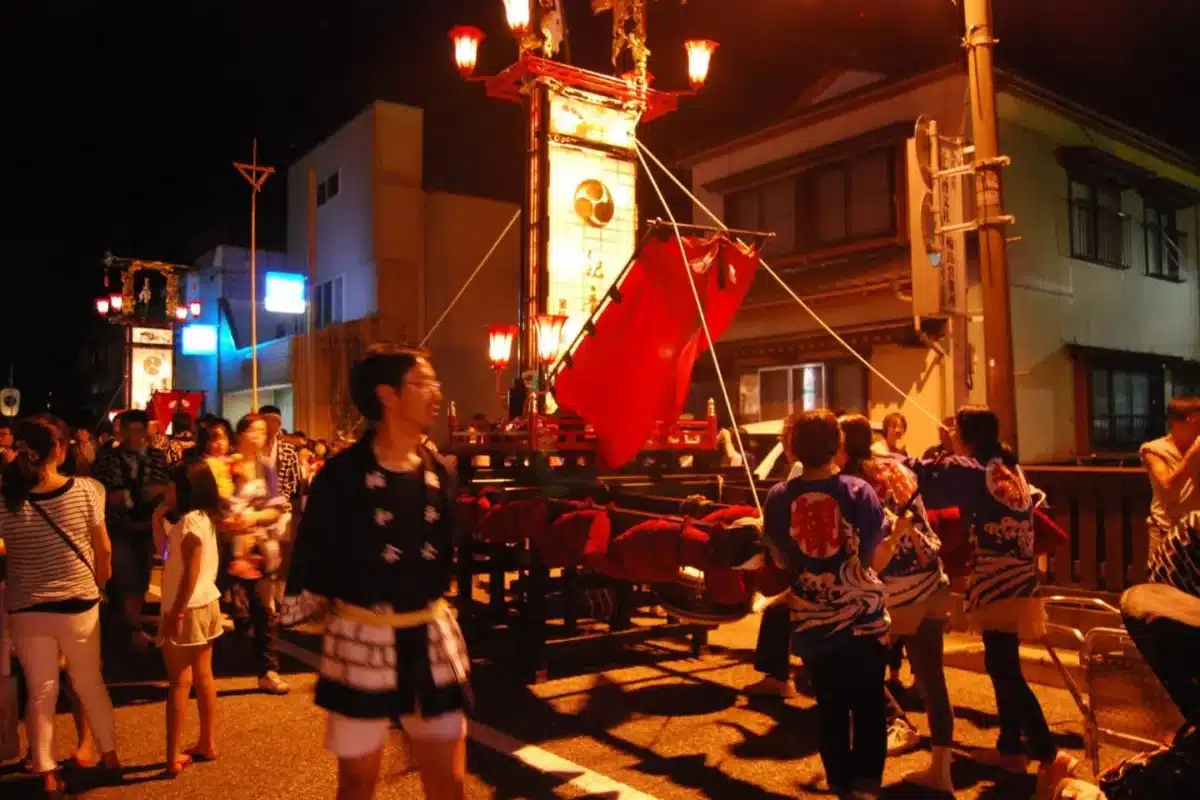
The Wajima Grand Festival is one of the major summer cultural celebrations on the Noto Peninsula, bringing together four traditional shrine festivals in the central area of Wajima City, Ishikawa Prefecture. The celebration is known for enormous kiriko lantern floats, portable shrines, traditional drumming, Shinto ceremonies, torch rituals and lively nighttime processions through the city’s neighborhoods.
Rather than being a single event at one venue, the Wajima Grand Festival is a sequence of four community celebrations associated with Okutsuhime Shrine, Shigekura Shrine, Sumiyoshi Shrine and Wajimasaki Shrine. Each has its own local traditions and visual style, while all four share the distinctive atmosphere of Wajima’s late-summer shrine festivals.
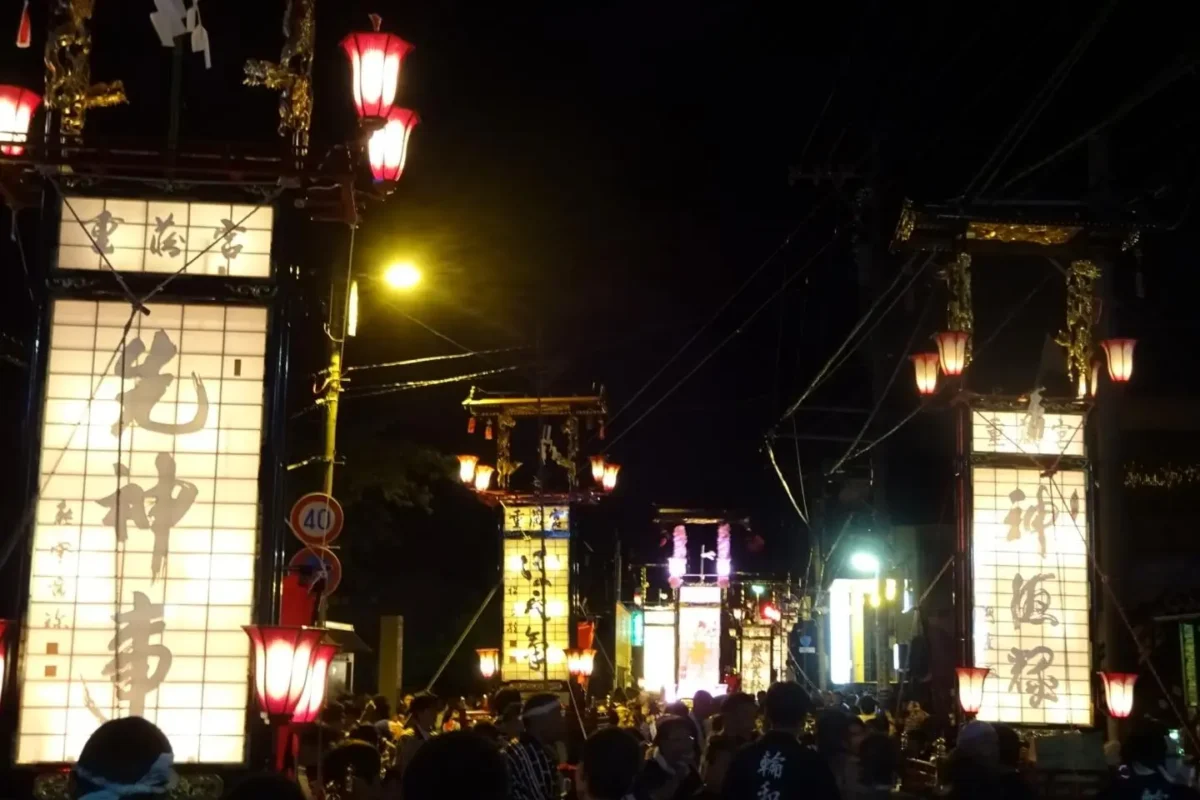
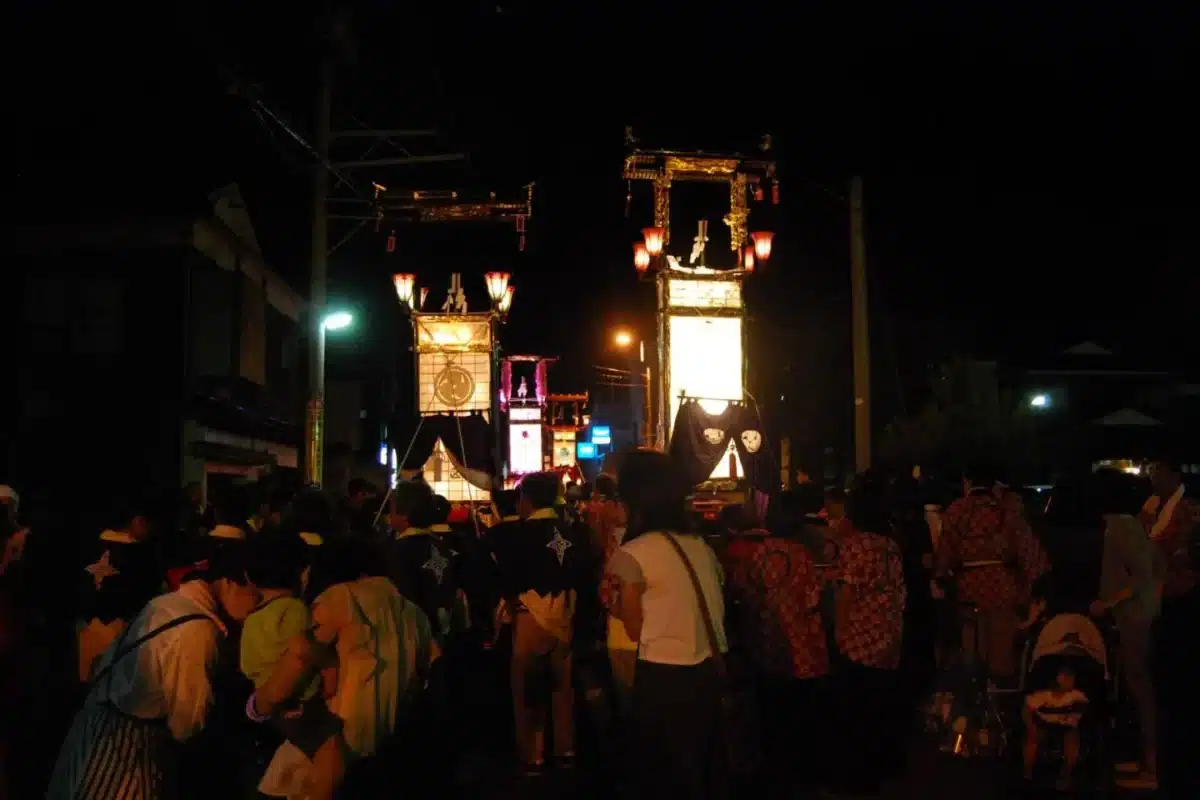
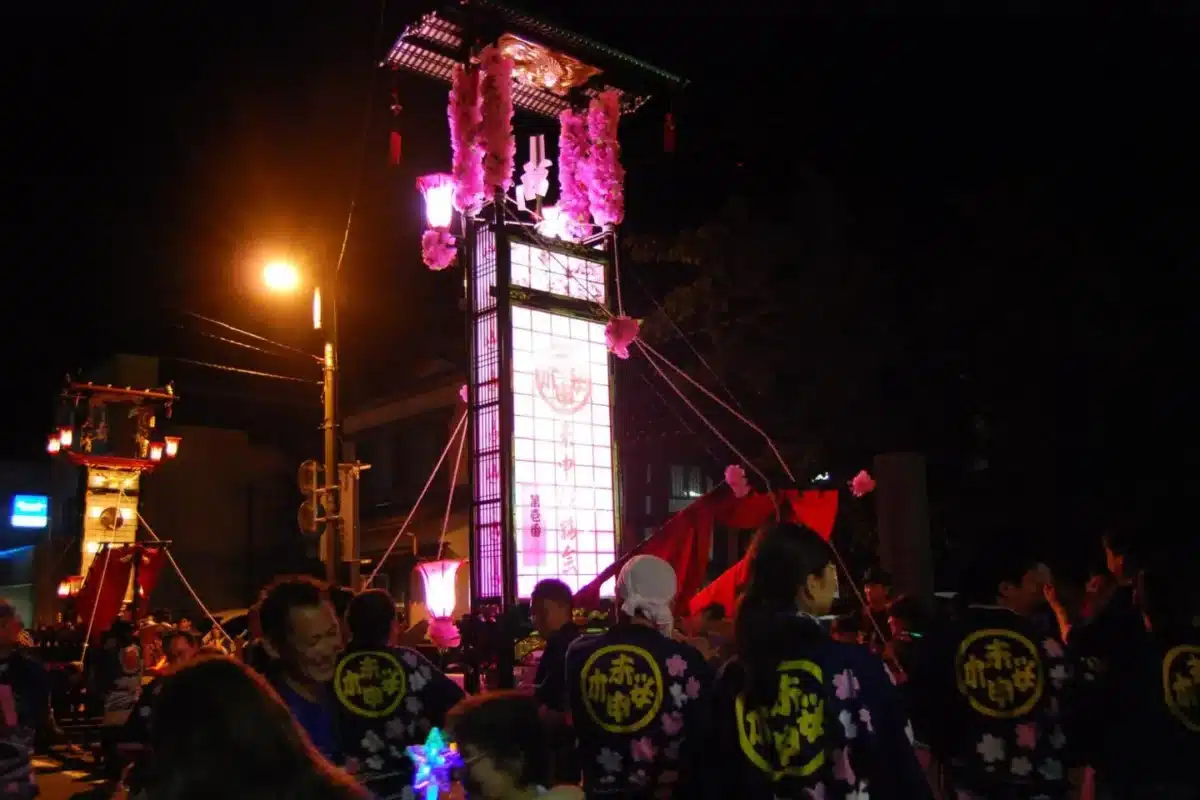
One of the defining features is the use of large kiriko lanterns decorated with Wajima lacquer. These illuminated floats are carried through the streets at night, creating striking scenes of light, music and movement. The official Noto Kiriko information describes the four festivals as summer celebrations in which the deities are traditionally entertained with the coolness of summer evenings.
Enjoy Your Event Stress-Free with Japan Travelo
Do you know? Planning events, festivals, concerts, and cultural experiences in Japan can be overwhelming. Japan Travelo brings everything together in one place, helping you manage your itinerary, transport, and accommodation with ease—so you can enjoy Japan without the stress of planning.
Visitors can expect a combination of:
- Giant illuminated kiriko lanterns
- Portable shrine processions
- Traditional taiko drumming
- Japanese flute performances
- Shinto purification ceremonies
- Large pillar torches
- Sacred gohei paper strips
- Traditional costumes
- Local chants and festival calls
- Community participation
- Nighttime processions through Wajima’s streets
The festival also provides an opportunity to experience Wajima’s traditional culture beyond its famous lacquerware. The city’s historic craft traditions, fishing heritage and shrine culture are closely connected with the atmosphere of the celebration.
Event dates
The Wajima Grand Festival 2027 is scheduled for August 2027, with the exact calendar dates to be confirmed.
The traditional festival consists of four connected celebrations held consecutively in central Wajima. The sequence begins with Okutsuhime Shrine and continues through Shigekura Shrine, Sumiyoshi Shrine and Wajimasaki Shrine.
For this 2027 listing:
- Event period: August 2027
- Exact dates: To be confirmed
- Location: Wajima City, Ishikawa Prefecture
- Festival type: Traditional Japanese shrine and cultural festival
- Main setting: Central Wajima neighborhoods
- Admission: Free public festival
Visitors planning a trip should check official information before travelling because the Noto Peninsula continues to undergo reconstruction and individual festival arrangements can change.
Visiting this event? Don’t miss out on these amazing activities and local experiences while you’re here.
Venues & festival locations
The Wajima Grand Festival takes place across four districts in central Wajima City. Each festival is centered on its own shrine and surrounding neighborhood.
Okutsuhime Shrine – Ama-machi
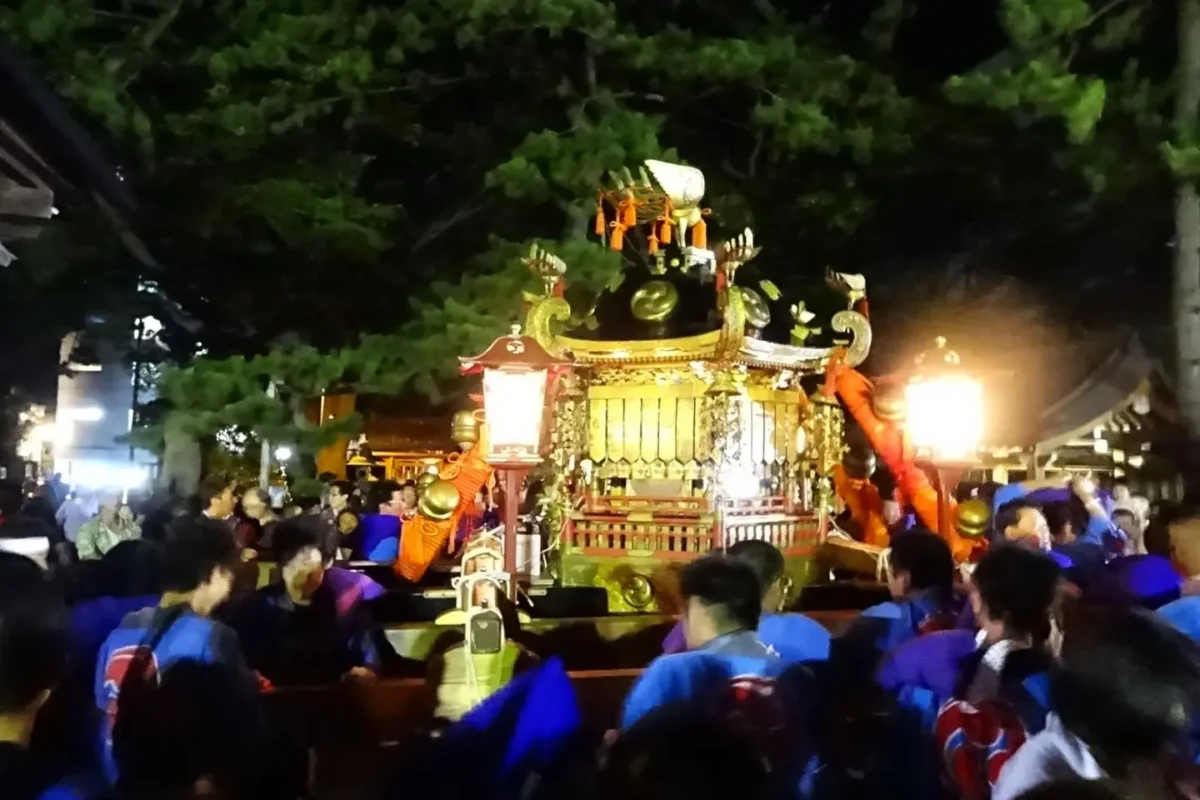
The first celebration is associated with Okutsuhime Shrine. The principal shrine is located on Hegura Island, while the mainland festival is held at the Satomiya in Ama-machi. One of the best-known traditions is the procession of the portable shrine toward Sodegahama Beach.
Shigekura Shrine – Kawai-machi
The second celebration is centered around Shigekura Shrine. It is particularly known for its large pillar torch ceremony and the competition to obtain sacred gohei attached to the torch.
Sumiyoshi Shrine – Fugeshi-machi
The third celebration takes place around Sumiyoshi Shrine. Its programme includes a procession of kiriko lanterns, drumming and a dramatic torch ceremony near the Wajima River.
Wajimasaki Shrine – Wajimazaki-machi
The final celebration is associated with Wajimasaki Shrine. Its portable shrine has a distinctive sea-bream shape, reflecting prayers for good catches and safe fishing.
Because the festival spreads across different neighborhoods, visitors should not expect a single enclosed festival ground. The streets, shrine grounds, river area and coastal locations become part of the celebration.
Full cultural programme
The Wajima Grand Festival programme combines four different local shrine traditions into one extended cultural celebration.
The overall programme includes:
- Shrine purification ceremonies
- Portable shrine processions
- Kiriko lantern processions
- Traditional taiko performances
- Japanese flute music
- Festival chants
- Large torch ceremonies
- Sacred gohei rituals
- Community processions
- Traditional costumes
- Nighttime street celebrations
- Local religious ceremonies
The first festival, Okutsuhime Shrine Grand Festival, is closely associated with the sea and fishing culture of Wajima. Its portable shrine is carried by young men in colorful women’s-style costumes before being taken toward the sea at Sodegahama Beach. Children traditionally pull ropes attached to the shrine from the beach.
The second festival, Shigekura Shrine Grand Festival, introduces the large pillar torch ceremony. A portable shrine is carried around the burning torch while participants compete to obtain the sacred gohei attached to it.
The third festival, associated with Sumiyoshi Shrine, has a strong focus on lanterns, drumming and a torch ceremony near the Wajima River.
The final celebration, Wajimasaki Shrine Grand Festival, features a portable shrine shaped like a sea bream. This unusual design expresses wishes for successful fishing and safety at sea.
Featured traditions & performances
The Wajima Grand Festival offers several traditions that are particularly distinctive within the Noto Peninsula’s extensive kiriko festival culture.
Kiriko lantern procession
The giant kiriko lanterns are among the festival’s most recognizable features. Their lacquered surfaces, illuminated interiors and large scale make the nighttime processions especially impressive.
Mikoshi procession
Portable shrines are carried through the local neighborhoods as part of the religious ceremonies. The movement of the mikoshi connects the shrine with the wider community.
Traditional drumming
Taiko drumming accompanies several of the processions. The rhythmic performances help create the energetic atmosphere for which Wajima’s summer festivals are known.
Japanese flute music
Traditional flute sounds accompany the procession and contribute to the distinctive musical character of the celebration.
Festival chants
Participants use loud calls and traditional festival expressions while carrying the heavy lanterns and portable shrines.
Torch ceremonies
Large torches form the climax of some of the individual festivals. Fire, illuminated lanterns and sacred objects combine to create dramatic nighttime scenes.
Gohei competition
At the Shigekura Shrine celebration, participants compete to catch gohei attached to the top of the large torch. Catching one is traditionally associated with good fortune.
Historical & heritage highlights
The Wajima Grand Festival is rooted in the religious and community traditions of the Noto Peninsula. The four festivals are associated with local shrines and are traditionally held to provide the deities with a cool and enjoyable summer evening.
The celebration also reflects Wajima’s identity as a historic coastal community.
Wajima lacquerware
The city is famous for Wajima lacquerware, and the kiriko lanterns used during the grand festivals reflect this craftsmanship. The official Noto Kiriko information emphasizes the use of lacquered kiriko as a distinctive feature of Wajima’s festivals.
Fishing heritage
Several festival customs express hopes for good catches and safety for fishermen. The sea-bream-shaped portable shrine at Wajimasaki Shrine is one of the clearest examples.
Shrine traditions
The four festivals preserve local religious customs in which portable shrines are taken through neighborhoods and communities gather around sacred ceremonies.
Noto Kiriko heritage
Kiriko festivals are a major part of the cultural identity of the Noto Peninsula. Their giant illuminated lanterns combine religious tradition, craftsmanship and community participation.
The wider Wajima area also contains important cultural attractions, including the Wajima Morning Market, traditional merchant houses, lacquerware workshops and museums.
Events & activities schedule
The detailed 2027 programme should be confirmed closer to the festival. The traditional sequence can be understood through the four main celebrations.
Opening celebration
The festival period begins with the Okutsuhime Shrine celebration in Ama-machi. The portable shrine and traditional participants move through the area before the important sea-related ceremony.
Shigekura Shrine celebration
The following celebration centers on Kawai-machi and features the large pillar torch ceremony. The illuminated kiriko and fire provide one of the festival’s most dramatic nighttime scenes.
Sumiyoshi Shrine celebration
The next stage moves to Fugeshi-machi. Kiriko lanterns, drummers and the portable shrine participate in the local procession, followed by a torch ceremony near the river.
Wajimasaki Shrine celebration
The final celebration takes place in Wajimazaki-machi and features the distinctive sea-bream-shaped portable shrine.
Across the festival, evening activities are particularly important. Visitors can spend daytime hours exploring Wajima’s cultural attractions before returning to the neighborhoods for the nighttime processions.
Ticket types & entry options
The Wajima Grand Festival is a traditional community festival rather than a commercial ticketed event. Japan Travel lists the festival as free to attend.
There are no standard admission categories such as VIP, general admission or reserved seating.
General public viewing
Visitors can watch the publicly accessible processions and ceremonies from suitable areas along the streets and around the festival locations.
Shrine areas
Some religious ceremonies may take place in areas reserved for participants or worshippers. Visitors should respect any restrictions established by shrine officials.
Street viewing
Much of the festival atmosphere can be experienced from public streets and neighborhood areas, although access may change during processions.
Because this is a religious and community celebration, visitors should not treat the event as a conventional ticketed entertainment show.
Guided tours & cultural experiences
There is no standard festival-wide guided tour included with admission. Visitors can instead create a cultural itinerary around Wajima’s historic center and the wider Noto Peninsula.
The official Noto Kiriko information recommends exploring Wajima’s cultural attractions alongside the festival. These include the Wajima Morning Market, Wajima lacquerware facilities, traditional residences and historic streets.
Wajima lacquerware experience
Visitors can explore traditional lacquerware workshops and learn about the techniques behind one of Wajima’s best-known crafts.
Wajima Morning Market
The historic market is an important part of the city’s cultural identity, with local seafood, vegetables and regional products.
Historic city walk
Waichi Street connects areas around the morning market and Juzo Shrine and includes traditional merchant and craftsmen’s houses.
Kiriko heritage
Visitors can learn more about the large lantern floats and their role in Noto’s religious festivals.
Special ceremonies & celebrations
The Wajima Grand Festival contains several ceremonies that distinguish it from ordinary summer street festivals.
Sea-related ceremony
The Okutsuhime Shrine celebration connects the portable shrine with the sea. Young men traditionally carry the shrine toward the water while children pull ropes attached to it from the shore. The movement is associated with hopes for a successful fishing season.
Pillar torch ceremony
The Shigekura Shrine celebration features a large pillar torch. The portable shrine is carried around the burning torch, after which participants compete for sacred gohei.
River torch ceremony
The Sumiyoshi Shrine celebration includes a torch ceremony near the Wajima River, accompanied by kiriko lanterns and traditional drumming.
Sea-bream portable shrine
The Wajimasaki Shrine celebration uses a portable shrine shaped like a sea bream. Its design symbolizes hopes for good fishing and safety.
These ceremonies demonstrate how the festival combines religious symbolism with local maritime traditions.
Festival rules
Visitors should remember that the Wajima Grand Festival is a religious and community celebration.
Respect shrine grounds
Follow instructions from shrine staff and do not enter restricted areas.
Keep clear of floats
Kiriko lanterns and mikoshi are large and heavy. Maintain a safe distance and never interfere with carriers.
Stay away from torches
Large flames and burning structures are an important part of some ceremonies. Follow barriers and instructions from officials.
Do not interfere with participants
Allow festival groups to move freely through the streets.
Photography
Photography is generally possible in public viewing areas, but visitors should avoid intrusive photography during sacred rituals.
Respect local residents
The festival takes place within ordinary residential neighborhoods. Keep noise, litter and obstruction to a minimum outside the organized celebration.
Follow temporary restrictions
Road closures, crowd controls and viewing restrictions may be introduced during the festival.
How to get there
Wajima is located at the northern end of the Noto Peninsula in Ishikawa Prefecture. The area is relatively remote compared with Kanazawa and other major Japanese destinations.
For visitors exploring several areas of the Noto Peninsula, travelling by car can be practical. The official Noto Kiriko information recommends rental-car travel for exploring Wajima and surrounding cultural attractions.
By car
A rental car provides flexibility for travelling between Wajima, coastal villages and other festival locations.
From Kanazawa
Visitors can travel from Kanazawa toward the Noto Peninsula by road or use regional express bus services toward Wajima.
From Noto Satoyama Airport
The official Noto Kiriko information lists Noto Satoyama Airport followed by a furusato taxi service as one access option for reaching Wajima.
From Tokyo
Visitors travelling from Tokyo can use the Hokuriku Shinkansen to reach Kanazawa and continue toward Wajima by express bus or other regional transportation.
Because the Noto Peninsula has undergone extensive earthquake-related reconstruction, visitors should check current road and transport conditions before travelling.
Public transport & parking
Public transport to Wajima is more limited than in Japan’s major metropolitan areas, so advance planning is important.
Regional buses connect Wajima with other parts of Ishikawa, while express bus services provide connections from Kanazawa.
Bus travel
Visitors should check the latest timetable and final return services, especially if planning to stay for the late-night festival activities.
Local travel
Walking can be useful once inside central Wajima, particularly when exploring nearby cultural attractions. However, the four festival districts are spread across different neighborhoods.
Parking
Visitors travelling by car should use designated parking areas where available. Avoid parking along procession routes or narrow residential streets.
Road closures
Temporary road restrictions can occur because kiriko lanterns and portable shrines move through the streets. Follow local traffic signs and instructions from staff.
Accommodation areas
Wajima is the most convenient base for visitors who want to experience multiple parts of the Grand Festival.
Central Wajima
Staying near the city center provides convenient access to shops, restaurants, the morning market and several festival locations.
Kawai-machi
This area is useful for visitors interested in the Juzo Shrine and the Shigekura Shrine celebration.
Fugeshi-machi
This is the area associated with Sumiyoshi Shrine and provides access to another part of the Grand Festival.
Wajimazaki-machi
Staying closer to the coastal side of Wajima can be useful for visitors interested in the final festival celebration.
Noto Peninsula
Visitors combining the Grand Festival with a wider Noto itinerary can also consider accommodation in other nearby communities.
Kanazawa
Kanazawa has a much wider selection of hotels but requires longer travel to Wajima, making it less convenient for visitors attending the late-night activities.
Accommodation availability can become limited around major local festivals, so early planning is advisable.
Food & traditional specialties
Food is not the central theme of the Wajima Grand Festival, but Wajima offers plenty of opportunities to experience local Noto cuisine.
Seafood
Wajima’s coastal location makes seafood an important part of the local food culture. Visitors can look for fresh fish, sushi, sashimi and seafood rice dishes.
Local vegetables
The Noto Peninsula is known for agricultural products grown in its distinctive satoyama and coastal environment.
Market foods
The Wajima Morning Market is one of the city’s best-known food destinations, offering seafood, vegetables, prepared foods and regional specialties.
Wajima lacquerware dining culture
Wajima’s famous lacquerware is also part of the local dining tradition, with traditional lacquer vessels and tableware representing the city’s craftsmanship.
Visitors should plan meals before the late-night festival activities because some local businesses may have limited operating hours during festival evenings.
Accessibility
The Wajima Grand Festival takes place across public streets, shrine grounds, river areas and other outdoor spaces. Accessibility therefore varies from one location to another.
Some festival areas can become crowded, particularly around major ceremonies and torch events.
Mobility considerations
Visitors with mobility limitations should check the surface conditions of specific viewing areas in advance. Streets, shrine grounds and outdoor festival spaces may include uneven surfaces or limited seating.
Crowds
The nighttime processions can attract large groups, making movement more difficult at peak moments.
Transport
Accessible transportation options should be confirmed before travelling because Wajima has fewer transport services than major Japanese cities.
Visitors requiring specific assistance should contact local tourism authorities or accommodation providers in advance to identify suitable routes and viewing locations.
Best cultural experiences
The Wajima Grand Festival offers several ways to experience the traditions beyond simply watching the lantern procession.
See the kiriko lanterns at night
The illuminated kiriko are central to Wajima’s festival identity. Seeing them moving through the streets provides a direct experience of the Noto Peninsula’s lantern-festival heritage.
Experience the torch ceremony
The large pillar torch associated with Shigekura Shrine creates one of the most dramatic moments of the festival.
Watch the gohei tradition
The competition to obtain the sacred gohei provides an unusual example of traditional festival symbolism.
Explore Wajima’s lacquer heritage
The city’s lacquerware tradition helps explain the craftsmanship behind many of the festival’s beautiful lantern decorations.
Visit the morning market
The historic market provides a useful daytime cultural experience before the nighttime festival activities.
Explore traditional streets
Waichi Street and the surrounding historic areas offer traditional merchant and craftsmen’s houses and provide context for the city’s heritage.
Experience all four celebrations
Visitors staying for the complete festival period can see how each shrine community maintains its own traditions while contributing to the larger Wajima Grand Festival.
Previous year’s highlights
Recent editions have continued to reflect the traditional structure of the Wajima Grand Festival while adapting to conditions in the Noto region.
The Japan Travel listing describes the Grand Festival as a sequence of four late-summer celebrations, with the Juzo Shrine celebration featuring a parade of a mikoshi and around 30 kiriko lanterns through the local area. The procession is accompanied by washoi festival calls, taiko drumming and Japanese flute music.
The Shigekura Shrine celebration remains particularly notable for its giant torch ceremony. Participants carry the mikoshi around the tall burning torch before competing for the sacred gohei.
The official Noto Kiriko information highlights the different identities of the four festivals: the sea ceremony at Okutsuhime Shrine, the torch and gohei tradition at Shigekura Shrine, the bamboo kiriko and torch ceremony at Sumiyoshi Shrine, and the sea-bream-shaped portable shrine at Wajimasaki Shrine.
Recent festival information has also indicated that some celebrations may be conducted on a reduced scale depending on local conditions. For 2027, visitors should therefore confirm the final programme before travelling.
Official tickets
The Wajima Grand Festival is a free public cultural festival rather than a conventional ticketed event. Japan Travel lists the event as free, and there are no standard admission tickets for general viewing.
Visitors do not normally need to purchase general admission, VIP or reserved-seat tickets.
https://en.japantravel.com/ishikawa/juzo-shrine-festival-in-wajima/27147
Location
FAQ
What are the exact dates of the Wajima Grand Festivals each year?
The grand festival series takes place consecutively from August 22 to 25 every single summer. Each of the four days features a distinct celebration hosted by a different local shrine in Wajima.
Do visitors need to purchase tickets to watch the processions?
No admission tickets or advance bookings are required since all street parades and shrine events are open to the public for free. Spectators can freely walk along the routes to observe the kiriko and mikoshi.
How many kiriko lanterns participate in the Juzo Shrine night parade?
The Juzo Shrine festival typically features a magnificent procession of around thirty glowing kiriko lanterns alongside a sacred mikoshi. This massive group winds through the local streets from evening until midnight.
What is the significance of the opening Okutsuhime Shrine festival?
The opening event features young men carrying a portable shrine directly into the ocean surf at Sodegahama Beach. Children on shore then pull long ropes to honor marine deities and pray for a bountiful fishing season.
How should travelers travel to Wajima on the Noto Peninsula?
Reaching Wajima involves taking express highway buses or driving rental cars from major transportation hubs like Kanazawa. Planning transit and accommodation arrangements months in advance is strongly advised due to high seasonal demand.

Leave a Reply