
Overview
Obanazawa City is home to Hanagasa Matsuri, the flower hat festival in which thousands of dancers flood the streets in a parade that goes all afternoon and well into the night.
The music and the dancing in Hanagasa Matsuri is said to have originated with the rice farmers of old and now ranges from complex and precise to wild and joyful. Every year in early August, people from all across the region come to Obanazawa to celebrate Hanagasa in its birthplace.
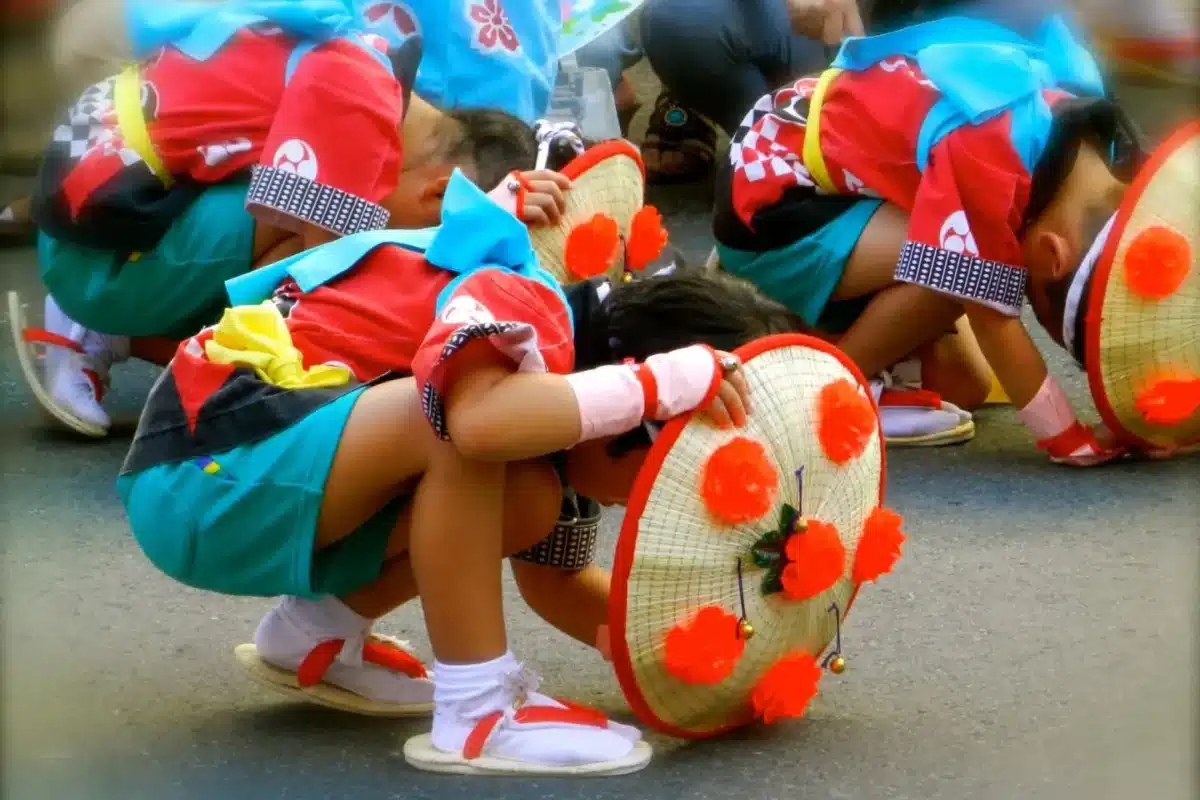
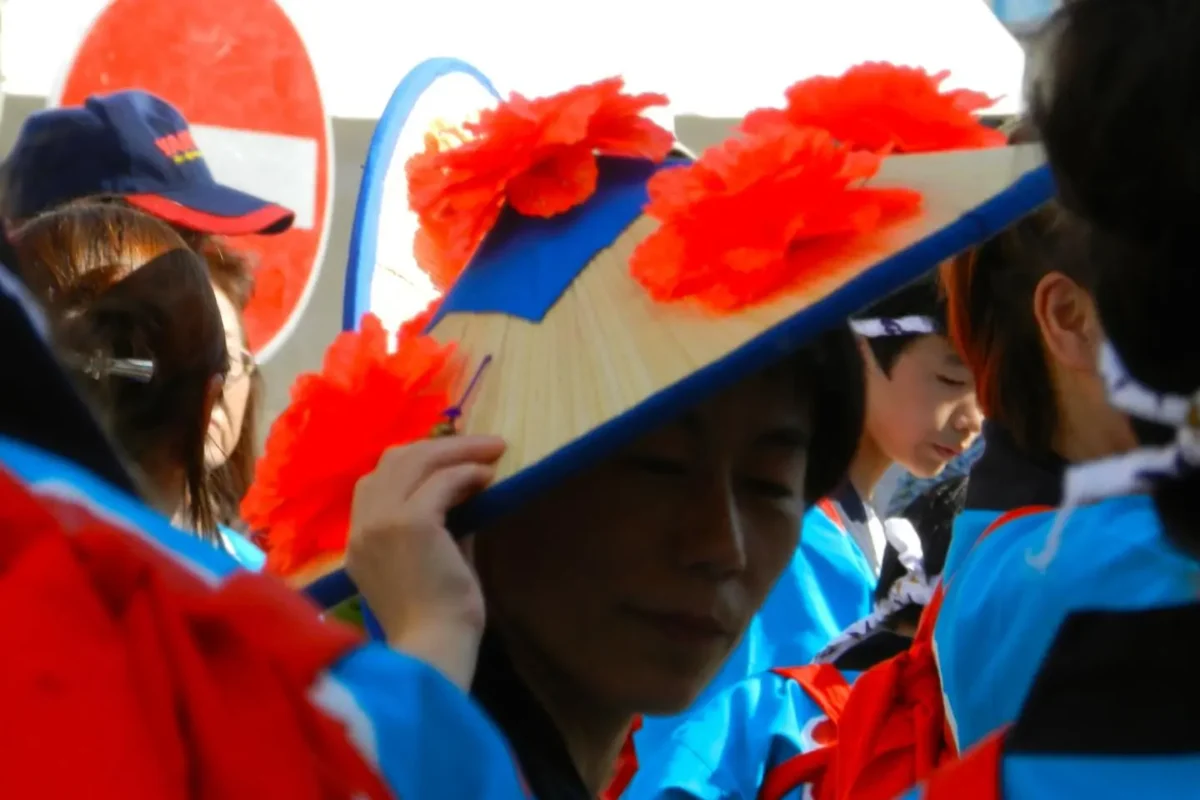
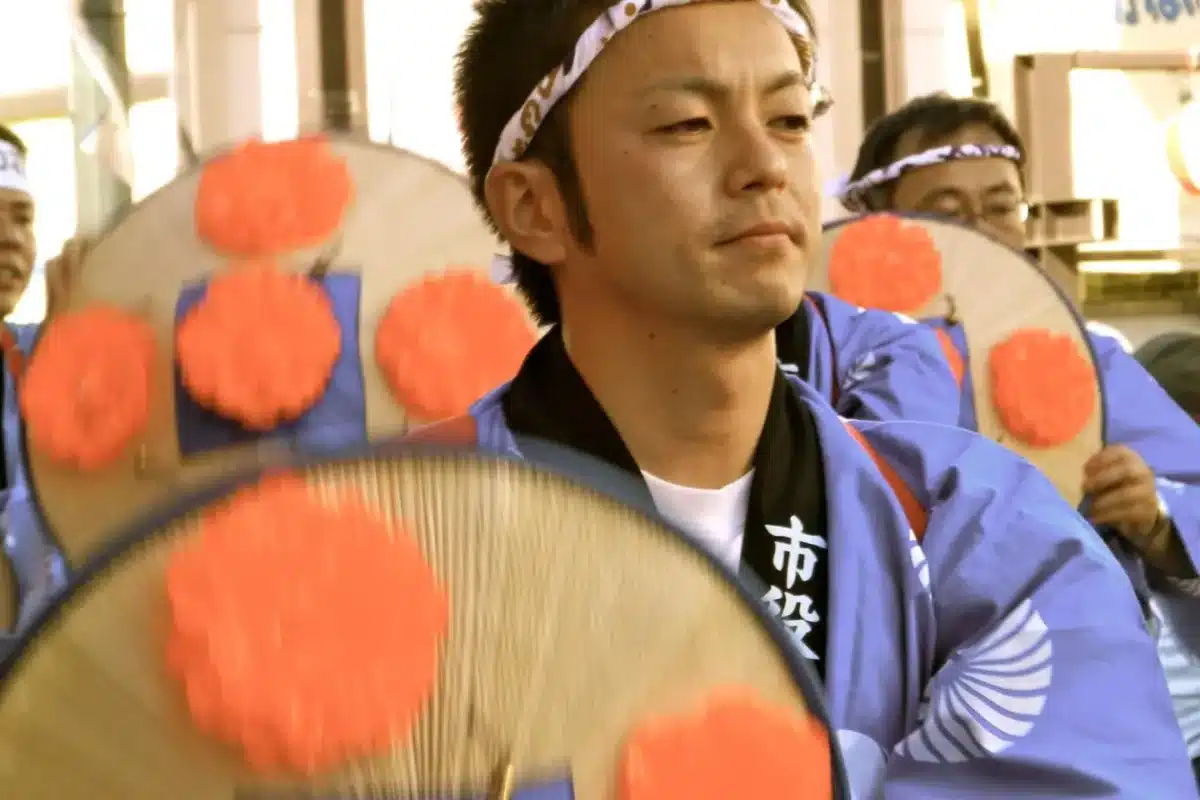
Every dancer wears a colorful happi coat to represent their group, and a wide straw hat adorned with bright fake flowers.
Enjoy Your Event Stress-Free with Japan Travelo
Do you know? Planning events, festivals, concerts, and cultural experiences in Japan can be overwhelming. Japan Travelo brings everything together in one place, helping you manage your itinerary, transport, and accommodation with ease—so you can enjoy Japan without the stress of planning.
As well as the dancers, there are floats, taiko drummers, and countless stalls selling food and drink.
Yamagata Hanagasa Festival is one of Tohoku’s major summer festivals and one of Japan’s most photogenic summer events. The festival sees the city come alive when up to 10,000 dancers parade through the streets holding hanagasa, straw hats decorated with artificial safflowers, the prefectural flower of Yamagata. Over 10,000 dancers, each carrying a flower-adorned hat, perform choreographed routines to the deep beat of taiko drums.
There are two main versions of the festival: the large city version held in Yamagata City, and the original birthplace version in Obanazawa City. Both celebrate same song and dance.
Cultural Significance & Origins
The origins of Hanagasa are rooted in agricultural labor and community celebration.
Lake Tokura Embankment Origin: The song’s creation is attributed to workers who were constructing an embankment in 1919 along Lake Tokura in the city of Obanazawa in northeastern Yamagata Prefecture. Workers used to sing to keep rhythm while tamping earth with tools called janda, and they wore straw hats decorated with flowers from local fields to keep cool. The work song evolved into Hanagasa Ondo, a traditional song representative of Yamagata.
Rice Farmer Tradition: The music and dancing is said to have originated with rice farmers of old. Obanazawa is farming region famous for rice and safflowers, beni-bana, which were once important cash crop for red dye. The flower hat with fake flowers represents beni-bana, the safflower that is prefectural flower of Yamagata.
Modern Festival Birth: Yamagata Hanagasa Festival began in 1960s. In 1963, Yamagata City created large-scale parade version to promote prefecture, inviting groups of dancers from companies, schools, and volunteers. It quickly grew into one of Tohoku’s six major festivals, alongside Aomori Nebuta, Akita Kanto, and Sendai Tanabata.
Birthplace Preservation: Obanazawa is home town of Hanagasa Ondo and Hanagasa Odori dances, both famous traditions of Yamagata Prefecture. The Obanazawa Hanagasa Matsuri is held to preserve original hat-twirling dance style called kasa mawashi, which is more acrobatic and individual than large group synchronized style in Yamagata City.
Cultural Symbol: Hanagasa means straw hat decorated with vibrant red flowers. The view of multitude of dancers in kimonos swaying with bright flowered hats in hand is stirring and has become symbol of Yamagata summer.
Traditions, Rituals & Customs
The festival preserves several distinctive dance customs.
Hanagasa Ondo Song: Central to festival is Hanagasa Ondo folk song, with lyrics praising Yamagata nature, safflowers, and Mount Zao. Song is sung live by singers on floats, with call and response chant Yassho Makasho or Yasho Makasho shouted energetically by dancers. This chant drives rhythm and energizes dancers.
Three Dance Styles:
- Group Synchronized Dance – Yamagata City Style: Thousands of dancers in groups wearing distinctive colorful happi coats perform synchronized movements, holding hanagasa in hand rather than wearing it, swaying, stepping, and spinning hats in unison. Ranges from complex and precise to wild and joyful.
- Hat-Twirling Dance – Kasa Mawashi – Obanazawa Style: The hat-twirling dance of Obanazawa, birthplace of Hanagasa Ondo, is highlight not to be missed. Dancers spin hats on various body parts, toss them, balance them, and perform acrobatic hat manipulation that originated from workers tossing hats during break.
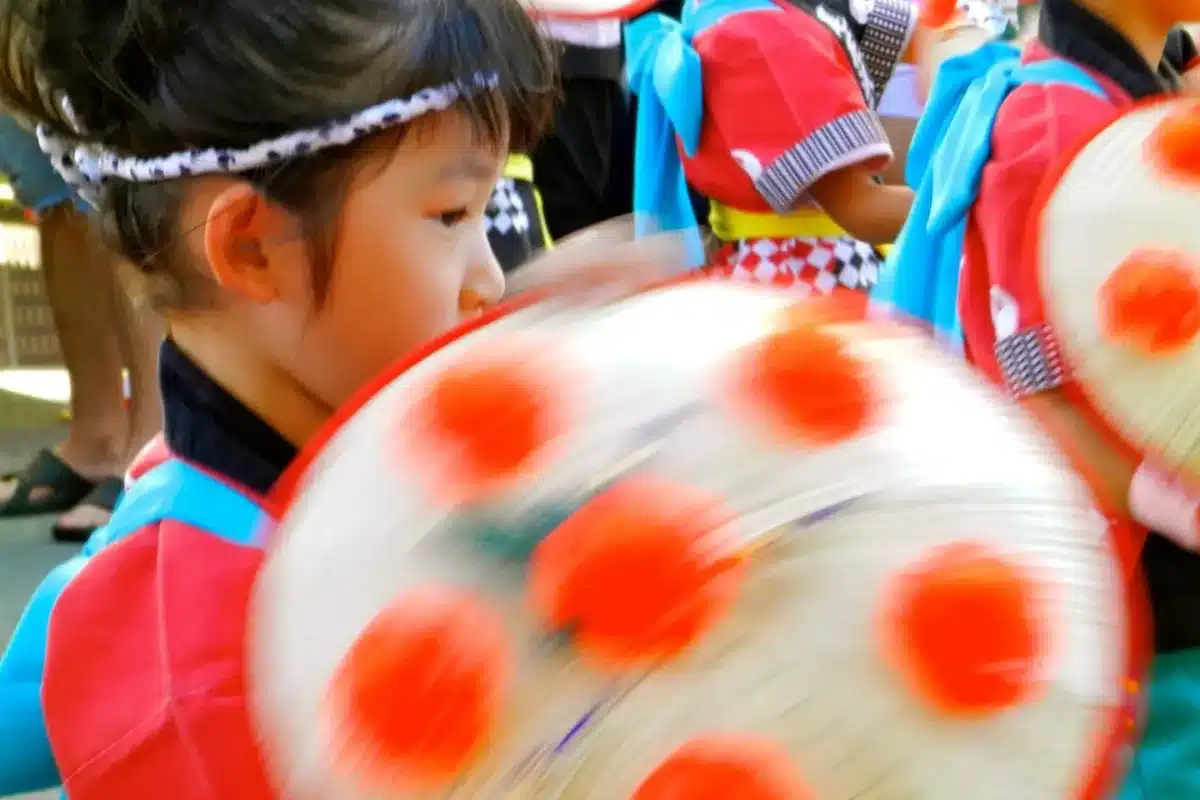
- Children’s Dance: Small children wearing mini flower hats perform simplified steps, adding charm.
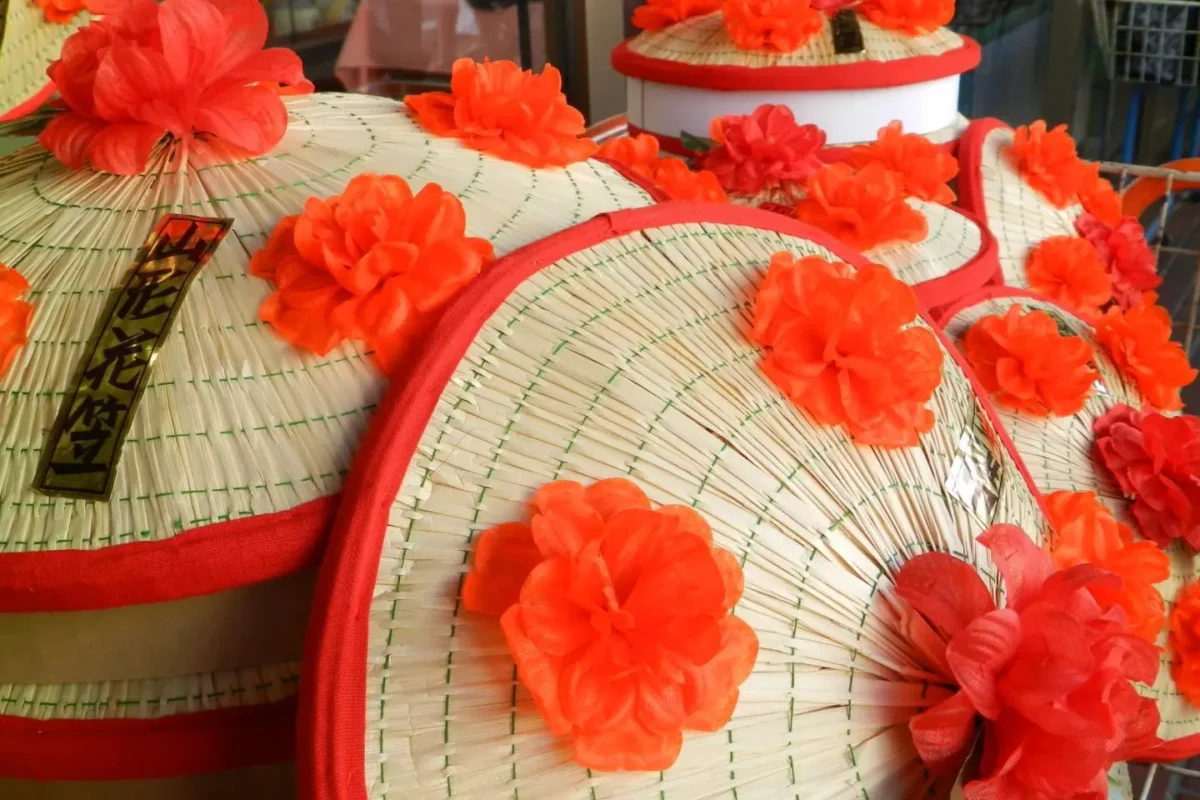
Hanagasa Hat Tradition: Every dancer wears wide straw hat adorned with bright fake flowers, typically red and yellow safflowers. Hats are handmade, with straw base and artificial beni-bana flowers attached. Some hats have additional long streamers.
Taiko and Floats: As well as dancers, there are floats, taiko drummers, and countless stalls. Taiko drummers on decorated yatai floats provide heroic rhythms, and singers on floats lead Hanagasa Ondo song.
Community Groups: Participating groups include companies, schools, and volunteers, each donning distinctive costumes and carrying Hanagasa adorned with safflowers, Yamagata Prefecture’s emblematic flower. Groups practice for months.
What to Expect at the Festival
Expect vibrant, energetic, and highly participatory street dance parade that goes all afternoon and well into night.
Thousands of Dancers: In Yamagata City, up to 10,000 dancers flood streets, while in Obanazawa, approximately 1,600 dancers from 52 groups perform, according to recent editions. The scale in Yamagata City is massive, with 1.2 km parade route filled with dancers for three hours each evening.
Colorful Happi Coats: Every dancer wears colorful happi coat to represent their group, with different groups in different colors and patterns, from corporate logos to school emblems to traditional patterns. This creates moving tapestry of colors.
Day and Night Atmosphere: In Obanazawa, parade goes all afternoon and well into night, starting in daylight with clear view of costumes, then continuing after dark with illuminated floats and lanterns. In Yamagata City, evening parade from 6:00 PM to 9:45 PM creates magical night atmosphere with street lights and float lights reflecting off hats.
Food and Drink Stalls: Countless stalls selling food and drink line streets, offering Yamagata specialties like imoni taro stew, tama konnyaku, grilled beef, and local sake.
Audience Participation: Guests can even join in, making it truly interactive festival experience. At end of official parade, spectators often invited to join circle dance.
Date & Schedule
Event Dates: Early August 2027 (Dates TBD)
Every year in early August, people from all across region come to Obanazawa to celebrate Hanagasa in its birthplace.
Based on previous editions:
- Yamagata City Hanagasa Festival: Held annually from August 5 to 7 in prefectural capital of Yamagata City. Dates for 2027 listed as 5 to 7 August 2027, not yet confirmed, with opening hours 18:00 to 21:45. This is main large-scale version with up to 10,000 dancers.
- Obanazawa Hanagasa Matsuri – Birthplace Festival: Held in Obanazawa, home of Hanagasa Ondo, on August 27 to 28 in recent years, though sometimes listed as part of early August celebrations. From 2018, held August 27 to 28, with grand parade on final day. For 2027, Obanazawa edition expected in late August.
- Early August Reference: General listings show early August for Yamagata Hanagasa, with Obanazawa as late August extension.
Typical Daily Schedule for Yamagata City Edition:
- 18:00 – Opening: Taiko drumming and opening ceremony at central stage.
- 18:15 to 21:30 – Parade: Continuous parade of groups dancing along 1.2 km route through central Yamagata, from Yamagata Station area to Bunshokan.
- 21:30 to 21:45 – Finale: All groups gather for final joint dance.
Typical Schedule for Obanazawa Edition:
- Afternoon – Start: Parade begins in early afternoon in center of Obanazawa City, continues until night.
- Evening – Grand Parade: On final day, grand parade of Hanagasa dancers takes place in center of city, with hat-twirling and dynamic dances.
For 2027, check official Yamagata tourism sites for confirmed dates.
Visiting this event? Don’t miss out on these amazing activities and local experiences while you’re here.
Main Events & Programme
Yamagata City Main Parade – Up to 10,000 Dancers:
- Route: Through streets of central Yamagata City, from near Yamagata Station along main street to Yamagata City Office area, approximately 1.2 km.
- Content: Groups of 50 to 150 dancers each, wearing distinctive happi coats, parade with hanagasa hats in hand, dancing to Hanagasa Ondo song played from floats. Dancers of all ages enjoying Hanagasa dance, from children to elderly.
- Music: Heroic rhythms of taiko drumming and shouts of Yassho Makasho, with live singers and recorded music from floats.
Obanazawa Birthplace Parade – Hat-Twirling Focus:
- Content: Approximately 1,600 dancers from 52 groups perform dynamic hat-twirling and other dances, showcasing Obanazawa’s origins as birthplace of dance, which is said to have stemmed from construction of embankment for artificial lake. The hat-twirling dance includes spirited and bold kasa mawashi moves.
- Route: Center of Obanazawa City, around City Hall and shopping streets.
- Atmosphere: More intimate and traditional than Yamagata City, with close-up view of hat manipulation skills.
Floats and Taiko:
- Yatai Floats: Decorated floats carrying taiko drummers and singers, illuminated at night.
- Taiko Performances: Heroic rhythms of taiko drumming as standalone performances between dance groups.
Food Stall Market: Countless stalls selling food and drink along parade route.
Traditional Dress, Arts & Crafts
Hanagasa Flower Hat:
- Construction: Wide straw hat base called amigasa, made from straw, decorated with bright fake flowers representing safflowers, beni-bana, prefectural flower of Yamagata. Flowers are artificial, red, yellow, and pink, with green leaves. Some hats have additional long red tassels. Hand-made, each hat slightly different.
- Wearing Style: In Yamagata City version, dancers carry hat in hand rather than wearing on head, using it as prop for dance movements. In Obanazawa kasa mawashi style, dancers wear hat and perform twirling tricks.
Happi Coats and Costumes:
- Colorful Happi Coat: Every dancer wears colorful happi coat to represent their group, short cotton coat with wide sleeves, with group name, logo, or pattern on back. Colors range from bright red, blue, yellow, to corporate colors. Underneath, dancers wear white or colored t-shirts and pants or shorts.
- Kimono Variations: Some traditional groups wear yukata or kimono with hanagasa, while modern groups wear matching company uniforms with flower hats.
- Footwear: White tabi socks and geta or zori sandals, or modern sneakers for comfort during long parade.
Taiko Drum Craft:
- Drums: Large Odaiko and smaller Shime-daiko drums made from cowhide and wood, crafted by local artisans, played with thick bachi sticks.
Safflower Crafts:
- Beni-bana Dyeing: Traditional craft of dyeing cloth with safflower petals to create red and yellow colors, demonstrated at festival stalls, with dyed handkerchiefs for sale.
Traditional Food & Local Specialties
Yamagata is known for excellent agricultural products and distinctive cuisine.
Festival Stall Foods:
- Imoni – Taro Stew: Yamagata’s soul food, taro root, beef, konnyaku, and green onions in soy sauce broth, cooked in large pots, 4 USD to 7 USD per bowl, especially popular in autumn but sold in summer festival as well.
- Tama Konnyaku: Ball-shaped konnyaku jelly simmered in soy sauce, chewy and savory, 2 USD to 4 USD.
- Yamagata Beef Kushiyaki: Grilled skewers of Yamagata beef, 6 USD to 10 USD.
- Soba and Ramen: Yamagata is famous for soba, cold soba with grated daikon, 6 USD to 10 USD.
Yamagata Specialties:
- Safflower Products: Beni-bana tea, safflower oil, and safflower sweets, reflecting prefectural flower.
- Cherries and Pears: Yamagata is Japan’s top cherry producer, cherry shaved ice and cherry sweets sold.
- Dadacha-mame: Yamagata’s famous edamame variety, sweet and aromatic, boiled and salted, 3 USD to 5 USD per bag.
- La France Pears: Famous Yamagata pear variety, sold as fresh fruit and juice.
Drinks:
- Yamagata Sake: Local sake breweries like Dewazakura, Juyondai, tasting cups 3 USD to 6 USD.
- Local Beer: Yamagata craft beer.
Location & Festival Areas
Main Locations:
- Yamagata City Edition: Yamagata City center, Yamagata Prefecture, Tohoku region. Parade route through central streets, near Yamagata City Office, 2-3-25 Hatagomachi, Yamagata-shi, Yamagata 990-0047. Access via Yamagata Shinkansen to Yamagata Station, then 10-minute walk.
- Obanazawa City Edition – Birthplace: Obanazawa City, Yamagata Prefecture, birthplace of Hanagasa Ondo. Center of Obanazawa City, around City Hall and main shopping street. More rural, surrounded by rice fields and mountains, with Lake Tokura nearby.
Festival Areas:
- Yamagata City Parade Route: 1.2 km stretch through central Yamagata, from near Yamagata Station to Bunshokan Museum area, lined with spectator stands and food stalls.
- Obanazawa Central Street: Main street through Obanazawa City center, closed to traffic during festival, with floats and dancers performing close to spectators.
- Food Stall Zones: Along parade routes, countless stalls selling food and drink.
- Stage Areas: Main stage at starting point for opening ceremony and taiko performances.
Access to Both: Many visitors attend both versions, with Yamagata City large parade and Obanazawa intimate birthplace version offering complementary experiences.
Getting to the Festival
Yamagata Prefecture is in Tohoku region, accessible via Shinkansen from Tokyo.
From Tokyo to Yamagata City:
- Yamagata Shinkansen Tsubasa: Tokyo Station to Yamagata Station, 2 hours 40 minutes to 3 hours, fare approximately 80 USD to 110 USD one way. Most convenient.
- Highway Bus: Tokyo to Yamagata, 6 hours, fare 30 USD to 50 USD.
- From Yamagata Station to Parade: 10-minute walk to central parade route.
From Tokyo to Obanazawa:
- Shinkansen to Oishida Station: Tokyo to Yamagata to Oishida Station via Tsubasa Shinkansen, about 3 hours 20 minutes, then local bus or taxi 15 minutes to Obanazawa center, fare additional 5 USD to 10 USD.
- Car: From Yamagata City to Obanazawa, 50 minutes drive via Route 13, 60 km.
Local Transport During Festival:
- Yamagata City: Parade route is walkable, no transport needed. Some streets closed to traffic during parade hours 18:00 to 22:00.
- Obanazawa: Small city, parade route walkable, local buses may be rerouted.
Where to Stay Nearby
Yamagata City Hotels – For Main Festival:
- Richmond Hotel Yamagata Ekimae: Near Yamagata Station, rooms from 70 USD to 120 USD per night, walking distance to parade.
- Hotel Metropolitan Yamagata: Connected to Yamagata Station, rooms from 90 USD to 150 USD per night.
- Yamagata Grand Hotel: Near city center, rooms from 80 USD to 130 USD per night.
Obanazawa Hotels – For Birthplace Festival:
- Obanazawa Onsen Hotels: Ryokan with hot springs, rooms from 60 USD to 120 USD per night, some including dinner with local cuisine.
- Business Hotels: Small business hotels in Obanazawa center, 50 USD to 80 USD per night.
Onsen Ryokan:
- Ginzan Onsen: Famous hot spring town 20 minutes from Obanazawa, with historic wooden ryokan along river, rooms from 150 USD to 400 USD per night, highly recommended to combine with festival.
Booking Advice: Early August is high season for Tohoku festivals, with Yamagata Hanagasa, Aomori Nebuta, Akita Kanto, and Sendai Tanabata all occurring within same week. Hotels in Yamagata City fill 2 to 3 months ahead for August 5 to 7. Book early, especially for rooms near parade route.
What Visitors Can Participate In
Yamagata Hanagasa Festival is highly participatory, with opportunities for visitors to dance.
Join the Dance:
- Open Participation Groups: Some groups allow visitors to join as part of group if they wear matching happi coat and practice briefly. Check with festival organizers at Yamagata City Tourist Information Center for volunteer groups accepting visitors.
- Finale Circle Dance: At end of official parade, spectators often invited to join large circle dance in street, wearing or carrying hanagasa hats provided by organizers. This is truly interactive festival experience.
Hat-Twirling Workshop:
- Kasa Mawashi Practice: In Obanazawa, local preservation groups offer short workshops on hat-twirling tricks during daytime before parade, teaching basic spins and balances.
Taiko Experience:
- Taiko Drumming Try-Out: Some taiko groups offer visitors chance to try drumming between parade groups.
Food and Shopping:
- Safflower Craft: Try beni-bana dyeing workshop to dye handkerchief red or yellow, 10 USD to 20 USD.
- Food Tasting: Sample countless stalls, voting for favorite group by cheering.
Photography: Photography allowed along parade route, with many photogenic moments of flower hats in motion.
Things to Do Before or After the Festival
Yamagata Prefecture offers rich cultural and natural attractions.
Before Festival – Daytime:
- Yamagata Castle Ruins – Kajo Park: Near Yamagata Station, park with stone walls and museum, free, good for afternoon before evening parade.
- Bunshokan Museum: Former prefectural office building, now museum of Yamagata history, near parade route.
- Risshaku-ji Temple – Yamadera: Famous mountain temple with 1,000 steps and panoramic view, 20 minutes by train from Yamagata City, one of most famous temples in Tohoku.
After Festival – Evening and Next Day:
- Yamagata Night Food Tour: After parade ends at 21:45, explore Yamagata’s izakaya and ramen shops around station.
- Ginzan Onsen Night Walk: After Obanazawa festival, drive 20 minutes to Ginzan Onsen to see historic ryokan illuminated at night, extremely photogenic.
Day Trips:
- Zao Onsen and Okama Crater Lake: Mountain resort with volcanic crater lake, 40 minutes by bus from Yamagata City, famous for autumn colors and winter snow monsters.
- Dewa Sanzan – Three Mountains of Dewa: Sacred mountains with 1,400-year-old temple, 1 hour drive.
- Yamadera and Oishida: Visit birthplace of Hanagasa Ondo at Lake Tokura, where embankment workers sang original song.
Combine with Other Tohoku Festivals: Early August is peak for Tohoku’s major festivals, so you can combine Yamagata Hanagasa with Aomori Nebuta, Akita Kanto, Sendai Tanabata, and Morioka Sansa Odori in one week trip via Shinkansen.
Local Food & Restaurants
Yamagata City Restaurants:
- Imoni Shops: Seasonal restaurants serving imoni taro stew, especially famous in autumn but available year-round, bowls 8 USD to 15 USD.
- Soba Shops: Yamagata is famous for soba, especially cold soba with grated daikon called oroshi soba, and ita soba served on wooden board, bowls 7 USD to 12 USD. Popular shops include Shonai Soba and Yamagata Soba.
- Yakiniku and Beef: Yamagata beef is premium wagyu, yakiniku restaurants around station serving grilled beef sets 20 USD to 40 USD.
Obanazawa Specialties:
- Obanazawa Soba and Ramen: Local soba made with mountain water.
- Safflower Sweets: Local confectionery shops selling beni-bana manju and cakes.
Festival Food Stalls:
- Countless Stalls: Along parade route selling yakisoba, takoyaki, grilled beef skewers, tama konnyaku, and shaved ice, 3 USD to 8 USD.
Sake Breweries:
- Dewazakura Sake Museum: In Tendo City near Yamagata, brewery with tasting, 20 minutes by train.
Ticket Information & Access
Admission: Free for parade viewing.
- Yamagata City Parade: Free to watch along streets, no tickets required. Some paid spectator seats with chairs may be available along route for 15 USD to 30 USD per seat, based on previous editions, allowing comfortable viewing without standing.
- Obanazawa Parade: Free to watch, no tickets, more intimate with close-up views.
- Food Stalls: Food items 3 USD to 10 USD, drinks 2 USD to 6 USD.
- Museums: Bunshokan and other museums 3 USD to 6 USD admission.
Access Notes:
- Crowds: Yamagata City parade attracts large crowds, arrive 30 to 60 minutes early for front row spot along 1.2 km route. Obanazawa is less crowded.
- Accessibility: Yamagata City parade route is flat and paved, accessible for wheelchairs, with accessible viewing areas near City Hall. Obanazawa streets also accessible.
- Payment: Cash is primary at food stalls, some accept IC cards. Restaurants accept credit cards.
If Pricing Not Announced for 2027: All USD prices based on previous editions 2024 to 2026.
Official Event Information
Event Name: Yamagata Hanagasa Festival – Hanagasa Matsuri – Flower Hat Festival – Obanazawa Hanagasa Matsuri
Organizer: Yamagata Hanagasa Festival Executive Committee, Yamagata City, Yamagata Prefecture, and Obanazawa City for birthplace edition
Venue: Yamagata City center, Yamagata City Office 2-3-25 Hatagomachi, Yamagata-shi, Yamagata 990-0047, and Obanazawa City center, Obanazawa-shi, Yamagata Prefecture
Access: Yamagata Shinkansen to Yamagata Station, then 10-minute walk to parade route. For Obanazawa, Shinkansen to Oishida Station, then bus or taxi 15 minutes.
Official Website URL as text: en.japantravel.com/yamagata/hanagasa-matsuri/6437 and www.hanagasa.jp and tohokukanko.jp/en/itineraries/detail_142.html and travel.gaijinpot.com/yamagata-hanagasa-festival/
Contact: Yamagata City Tourism Division, Phone 023-641-1212. Obanazawa City Tourism Association, Phone 0237-22-1111.
Notes: Pricing for 2027 has not been announced. All USD prices based on previous editions. Festival features 10,000 dancers parade nightly with flower-decorated hanagasa hats to taiko drums and folk song. Hanagasa are straw hats decorated with artificial safflowers, prefectural flower of Yamagata. Check official hanagasa.jp website for confirmed dates, parade map, and spectator seat tickets.
Video
Location
FAQ
What is Hanagasa and what does flower hat symbolize?
Hanagasa means flower hat, a straw hat decorated with artificial safflowers, beni-bana, which is prefectural flower of Yamagata and was once important cash crop for red dye. The hat originated from workers constructing embankment along Lake Tokura in Obanazawa in 1919 who wore straw hats decorated with flowers from fields to keep cool while singing work songs. Today, every dancer wears colorful happi coat and wide straw hat adorned with bright fake flowers representing safflowers, creating moving field of flowers during parade.
Where is best place to watch Yamagata Hanagasa Festival?
In Yamagata City, best place is along 1.2 km parade route through central Yamagata, especially near Yamagata City Office and Bunshokan Museum area where spectator stands and food stalls are concentrated, and near Yamagata Station for easy access. In Obanazawa birthplace version, center of Obanazawa City around City Hall offers intimate close-up view of hat-twirling dance kasa mawashi, which is highlight not to be missed, with parade going all afternoon and well into night, allowing both daylight and illuminated night viewing.
Can tourists participate in dancing and what is Yassho Makasho chant?
Yes, Yamagata Hanagasa Festival is truly interactive festival experience where guests can even join in. Some volunteer groups allow visitors to join if they wear matching happi coat, and at end of official parade spectators are often invited to join large circle dance. Yassho Makasho or Yasho Makasho is energetic chant shouted by dancers throughout parade, driving rhythm of Hanagasa Ondo folk song and energizing both dancers and spectators, similar to call and response in other Tohoku festivals.
What is difference between Yamagata City and Obanazawa Hanagasa Matsuri?
Yamagata City edition is large-scale modern festival held annually from August 5 to 7, with up to 10,000 dancers parade nightly in synchronized groups through city center, featuring colorful happi coats, floats, and taiko drummers, and is one of Tohoku's major festivals. Obanazawa edition is birthplace festival held in Obanazawa City, home town of Hanagasa Ondo, with approximately 1,600 dancers from 52 groups performing dynamic hat-twirling kasa mawashi dances that originated from embankment construction, more intimate, traditional, and focused on individual hat manipulation skills.
What food should I try during Hanagasa Festival?
As well as dancers, there are floats, taiko drummers, and countless stalls selling food and drink, offering Yamagata specialties like imoni taro stew with beef and konnyaku, tama konnyaku ball-shaped jelly in soy sauce, Yamagata beef skewers, cold soba with grated daikon, dadacha-mame sweet edamame, and La France pear products. Local drinks include Yamagata sake from breweries like Dewazakura and Juyondai, and safflower tea, reflecting prefecture's agricultural heritage and flower hat theme.

Leave a Reply