
Overview
The Yamashina Gishi Matsuri is a distinguished cultural commemoration that honors the legendary tale of the Forty-seven Ronin, a story that resonates as a definitive emblem of the samurai code of honor and loyalty. Every winter, the historic Yamashina district becomes the stage for this dramatic reenactment, centered around the Bishamondo-Monzeki Temple. The festival serves to memorialize the warriors who famously sought justice for their master’s forced suicide, a historical event that remains deeply embedded in the Japanese national identity and the cultural heritage of Kyoto.
The festivities take place in Yamashina because Oishi Kuranosuke, the leader of the forty-seven warriors, reportedly lived in this area for a time. During his stay, he famously cultivated a facade of a carefree life, feigning interest in local leisure to mask his secret preparations for the eventual strike against his master’s adversary. The festival beautifully reconstructs this history, transforming the modern neighborhood into a living timeline of samurai tradition, martial discipline, and deep philosophical devotion.
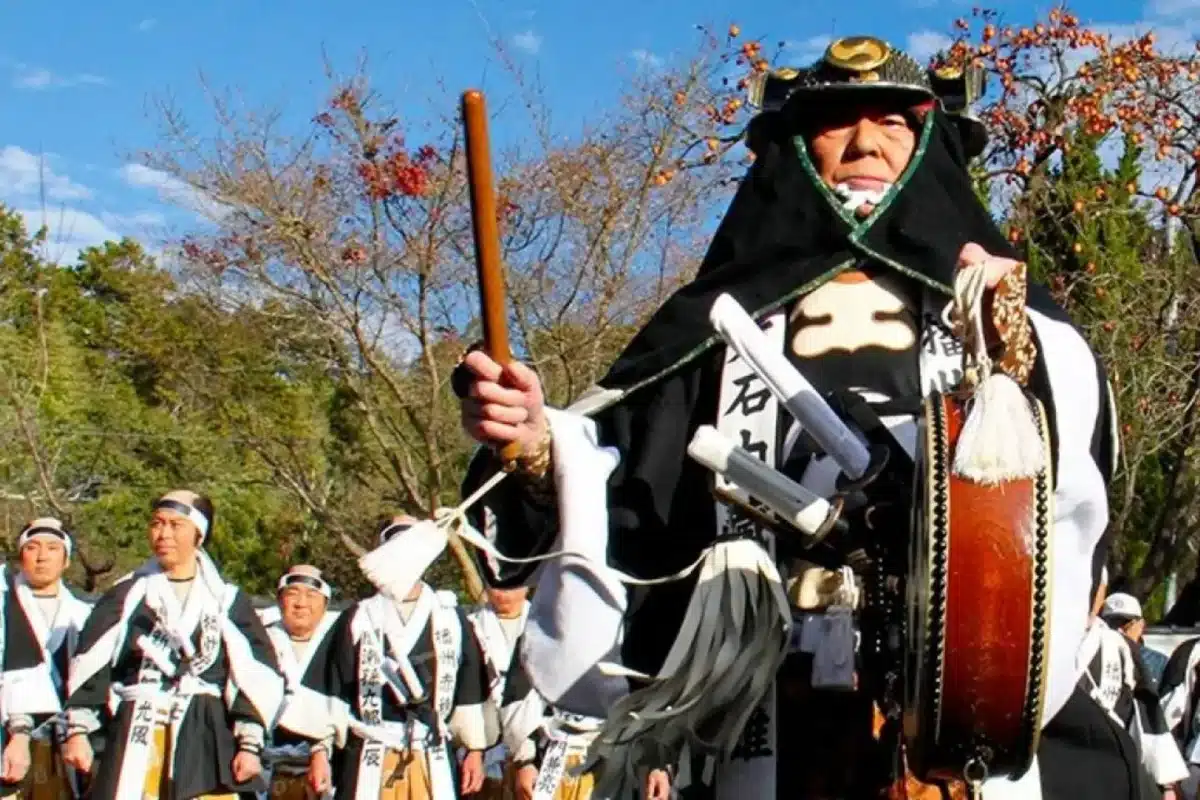
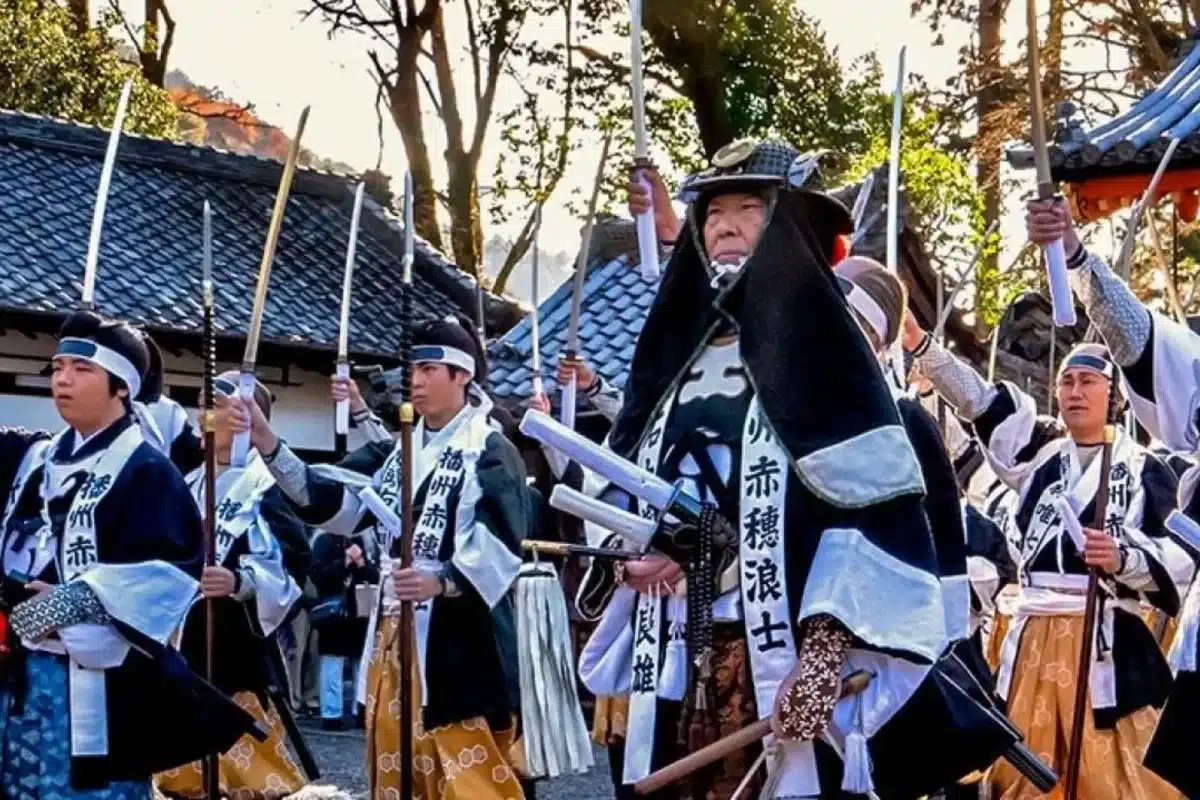
Participants and spectators alike are drawn into an immersive experience that features vibrant processions and solemn rituals. By donning traditional period-accurate armor and attire, local residents breathe life into the history of these iconic warriors. The event serves as both a respectful homage to the past and a community-led celebration that allows visitors to bridge the gap between contemporary Kyoto and its storied feudal history, offering a rare glimpse into the spirit of the samurai.
Enjoy Your Event Stress-Free with Japan Travelo
Do you know? Planning events, festivals, concerts, and cultural experiences in Japan can be overwhelming. Japan Travelo brings everything together in one place, helping you manage your itinerary, transport, and accommodation with ease—so you can enjoy Japan without the stress of planning.
Event Highlights
- Witness a grand, historical parade featuring local participants dressed in authentic samurai armor and period costumes traversing the local streets.
- Observe traditional martial arts demonstrations and skillful reenactments of key scenes from the legendary story of the forty-seven ronin, often performed by professional actors.
- Experience a powerful, rhythmic taiko drum performance that adds a visceral, energetic dimension to the historical commemoration.
- Visit the sacred grounds of Bishamondo-Monzeki Temple to participate in Buddhist services dedicated to the repose of the honorable departed warriors.
Why Attend
This festival is ideal for history enthusiasts, cultural travelers, and anyone interested in the intricate nuances of Japan’s samurai traditions. Attending provides an unparalleled opportunity to witness history through the eyes of the local community, which takes immense pride in preserving this significant narrative. It is particularly rewarding for those who appreciate storytelling through performance and want to experience a side of Kyoto that feels authentic, personal, and deeply rooted in the local topography.
The benefit of attending lies in the unique perspective it provides on the samurai code of bushido. Rather than just reading about history, you are invited to stand on the same paths where the legendary leader Oishi Kuranosuke once walked. It is a profoundly moving experience that contextualizes Japan’s history, making it a highly recommended addition for anyone looking to enrich their understanding of Kyoto beyond its famous shrines and temples.
Date & Duration
- Event Date: Mid December 2026
- Event Duration: One day
Visiting this event? Don’t miss out on these amazing activities and local experiences while you’re here.
Ticket Information
- How Tickets Are Sold: This is a traditional public festival held in open streets and temple grounds; no tickets are required for general attendance.
- Admission Type: Open, general access for all members of the public.
- Ticket Pricing: Free Admission.
- Special Seating Options: No formal reserved seating is provided; viewers generally line the streets or gather around the performance stages.
- VIP Options: There are no exclusive access or VIP packages; the event is intended to be enjoyed freely by all.
Venue / Location
- City and Country: Kyoto, Japan
- Venue Name: Bishamondo-Monzeki Temple, Yamashina
- Google Maps Address: 18 Anshuinariyamacho, Yamashina Ward, Kyoto, 607-8003, Japan
Contact Information
- Phone Number: 075-581-0328
- Official Website: https://en.japantravel.com/kyoto/yamashina-gishi-matsuri-at-bishamondo-monzeki/71075
Accommodation Options:
The Yamashina ward offers a peaceful alternative to the bustling center of Kyoto, with several quiet local inns and guesthouses. Staying in this area provides visitors with a more intimate view of the neighborhood and allows for easy access to the temple grounds in the crisp December air.
Alternatively, travelers frequently opt for accommodations near the central Yamashina Station, which serves as a major transit hub with direct links to Kyoto Station and beyond. Whether you choose a classic Japanese-style room near the mountains or a convenient modern hotel near the station, you will find excellent connectivity to both the festival site and the broader sights of Kyoto.
Getting There
- Nearest Airport: Kansai International Airport (KIX) is the primary entry point for international travelers, reachable via the Haruka express train.
- Nearest Train/Metro Station: Yamashina Station, served by the JR Tokaido Main Line, Kyoto Municipal Subway Tozai Line, and the Keihan Keishin Line.
- Bus Routes or Public Transport Options: Local buses operate regularly from Yamashina Station, though the temple is easily reachable via a pleasant 15 to 20-minute walk through the local neighborhood.
- Parking Availability: Limited parking is available in the vicinity; visitors are strongly encouraged to utilize the efficient public train and subway network.
- Directions by Car: Accessible via major local roads leading into the Yamashina ward; follow local signage toward Bishamondo-Monzeki Temple.
Dining Recommendations
- Breakfast Recommendations:
- Neighborhood kissaten cafes offering traditional morning toast sets with high-quality roasted coffee.
- Bakery shops surrounding the station area serving fresh, warm pastries.
- Traditional inn breakfasts featuring local Kyoto-style side dishes and pickled vegetables.
- Lunch Recommendations:
- Local soba and udon shops near the temple offering steaming, comfort-filled winter bowls.
- Casual eateries serving donburi rice bowls featuring fresh, locally sourced ingredients.
- Traditional tofu-focused restaurants, a hallmark of Kyoto’s refined culinary scene.
- Dinner Recommendations:
- Cozy local izakaya establishments serving grilled yakitori and seasonal small plates.
- Family-friendly dining venues featuring warming nabe hot pots, perfect for the December climate.
- Restaurants in the Yamashina area specializing in Kyoto-style kyo-ryori.
- Local Specialties to Try:
- Kyo-yasai, which are traditional heirloom vegetables grown specifically in the Kyoto region.
- Yudofu, or simmered tofu, a warming and simple local delicacy perfect for a winter visit.
- Tsukemono, Kyoto’s famous array of salt-cured or vinegar-cured pickles that pair excellently with regional rice.
What is this event?
The Yamashina Gishi Matsuri is an annual festival that commemorates the legendary tale of the forty-seven ronin, or masterless samurai. It serves as a living history reenactment that centers around the local connection to their leader, Oishi Kuranosuke.
The event allows the community to honor the samurai code of honor and loyalty through a series of rituals and processions. It turns the Yamashina district into a historic stage that tells the story of duty and sacrifice.
Why is it popular?
The festival is popular because it provides an authentic, community-driven look at one of Japan’s most beloved heroic legends. Visitors are drawn to the rare opportunity to see traditional samurai armor and ritual reenactments performed in a genuinely historic setting.
Its popularity also stems from the serene and beautiful atmosphere of the Bishamondo-Monzeki Temple. The combination of spiritual solemnity, cultural history, and the vibrant energy of the parade creates an unforgettable experience for attendees.
Tips before you go
- Dress in heavy, warm winter layers, as the festival takes place in mid-December and the temple area can be quite cold.
- Wear comfortable, sturdy walking shoes, as the route involves walking through local streets and around the temple grounds.
- Arrive well before the start of the parade to secure a good viewing spot along the procession route.
- Bring a camera, but ensure you are respectful during the religious ceremonies and do not obstruct the performers or participants.
- Check local Kyoto tourism websites close to the event date to confirm the exact schedule of the parade and performances.
Tips for First-Time Visitors
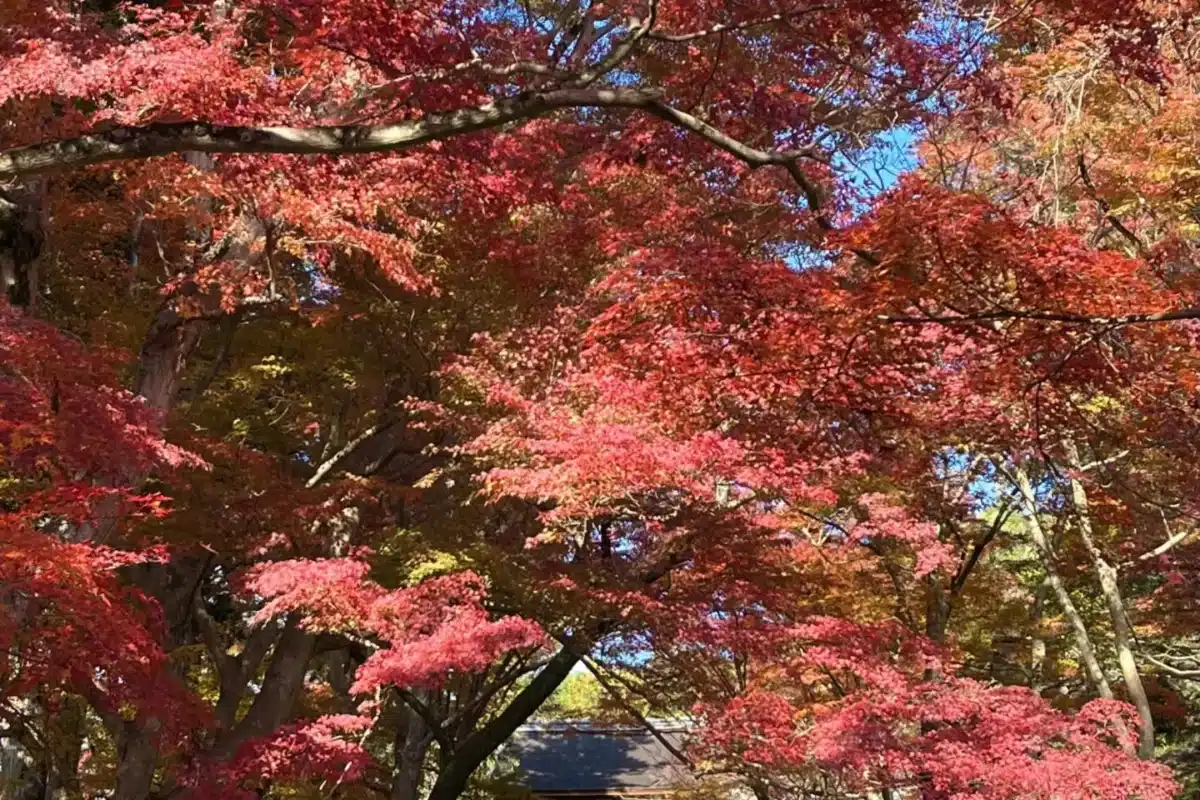
- Spend time exploring the temple grounds fully; Bishamondo-Monzeki is renowned for its architecture and beautiful seasonal scenery.
- Take a walk along the Yamashina Canal on your way to or from the station to see a different, scenic side of the ward.
- Use the Kyoto Municipal Subway Tozai Line to reach the festival, as it provides quick and convenient access to the Yamashina area.
- Remember to show respect and remain quiet when the parade enters the temple grounds for religious prayers.
- Seek out local tourist information centers at the station to pick up a map of the procession route to help you navigate the festival.
Attendee Experiences
- Seeing the residents so dedicated to preserving this history was truly moving and gave me a new appreciation for samurai culture.
- The taiko drums echoing through the quiet streets created an atmosphere that felt like stepping back in time three hundred years.
- It was a wonderful way to see a more authentic side of Kyoto that isn’t typically featured on the main tourist trails.
Location
FAQ
What is the connection between the Bishamondo-Monzeki Temple and the forty-seven ronin?
The temple serves as a central site for the festival because of the district's historical association with Oishi Kuranosuke. While he is famously enshrined at other locations, the festival held here honors his legacy and the spirit of loyalty that the forty-seven ronin represent in Japanese history.
Is there a specific dress code for attending the festival as a visitor?
There is no formal dress code for attendees, but visitors are expected to dress modestly and respectfully, as the event involves religious services at the temple. Because the event is held outdoors in December, wearing functional, warm winter clothing is the most important consideration.
How much of the festival is held in English for international travelers?
The festival is primarily conducted in Japanese, as it is a local community event focused on regional traditions. However, the visual nature of the parade, the costumes, and the musical performances are universally accessible and do not require language proficiency to appreciate.
Are there any specific cultural etiquette rules I should follow during the procession?
The most important rule is to remain behind the marked boundaries and not interfere with the participants as they march. If the parade reaches the temple for a service, maintain a quiet and respectful distance, as this is a solemn religious moment for the organizers.
Can I interact with the parade participants during the event?
While participants are often happy to be photographed, please ask for permission before taking close-up portraits. During the parade itself, participants are focused on their roles and duties, so it is best to refrain from interrupting their procession or asking them to stop for photos.

Leave a Reply