



Overview
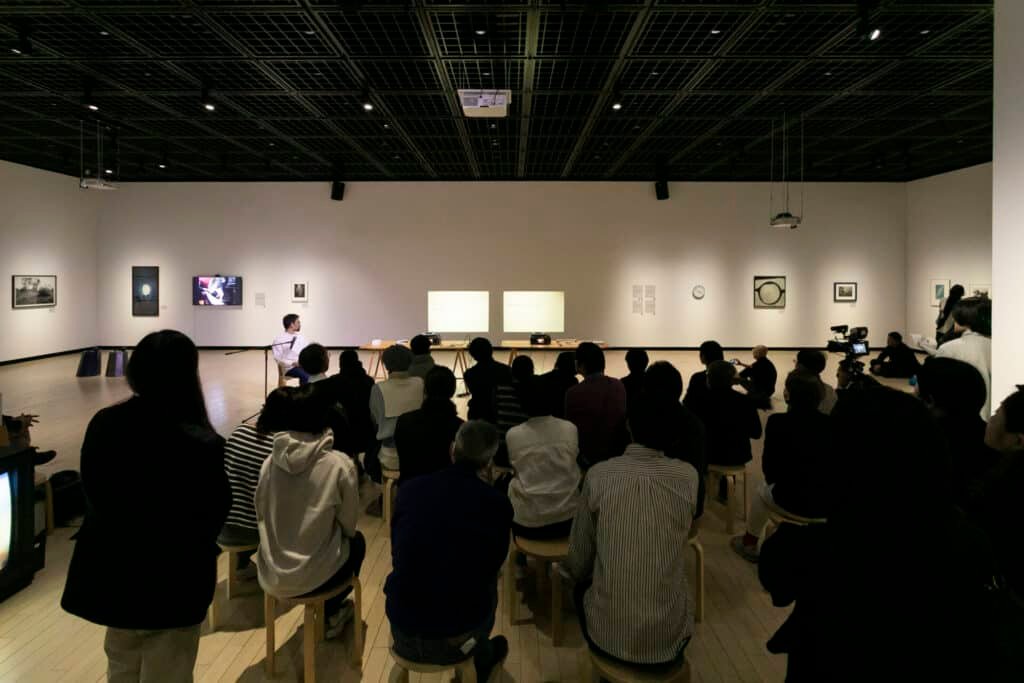
The Yebisu International Festival for Art & Alternative Visions, frequently referred to as Yebizo, stands as a premier annual cultural landmark in Tokyo dedicated to the exploration and evolution of moving images. Hosted primarily at the Tokyo Photographic Art Museum and extending across various venues in the vibrant Ebisu Garden Place, this festival transcends traditional definitions of film and photography. It invites audiences to reconsider the nature of visual media, blending sophisticated artistic exhibitions with screenings, live performances, and intellectual dialogue to challenge how we perceive reality and memory in a digital age.
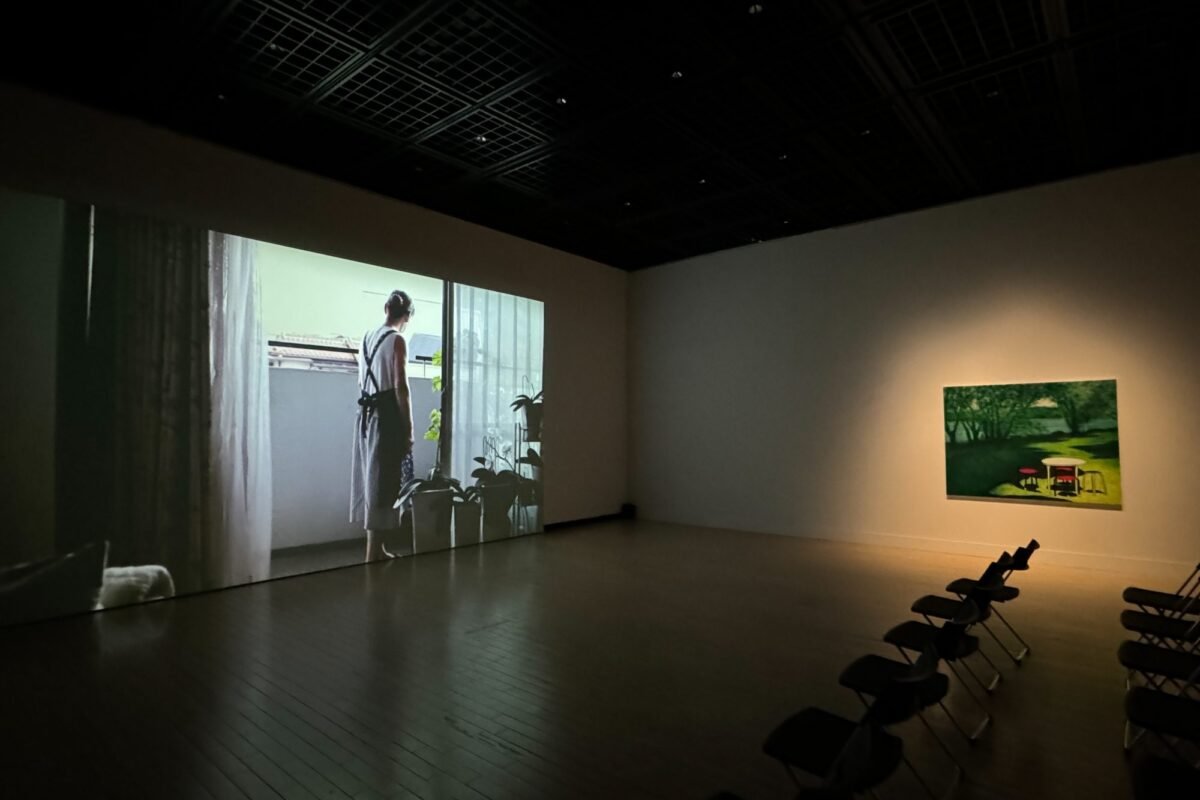
Since its inception, the festival has served as an experimental platform that interrogates the question, “What is the moving image?” by inviting an international assembly of artists, filmmakers, and performers. The event fosters a dynamic environment where contemporary social issues, historical records, and innovative technology intersect. By engaging with diverse mediums—ranging from immersive installations to experimental documentary and performance art—Yebizo provides a unique space for artists to showcase visions that deviate from mainstream narratives, encouraging viewers to contemplate the shifting frameworks of modern visual culture.
Each year, the festival adopts a new, thought-provoking theme that anchors its programming, creating a cohesive yet deeply layered experience. This curated approach attracts a wide array of visitors, including art connoisseurs, curious families, and media students, all drawn to the festival’s commitment to nurturing creative expression. By connecting the local community with global artistic movements, the Yebisu International Festival for Art & Alternative Visions cements its role as a vital hub for innovation, offering a reflective space where light, sound, and visual storytelling converge in the heart of Tokyo.
Enjoy Your Event Stress-Free with Japan Travelo
Do you know? Planning events, festivals, concerts, and cultural experiences in Japan can be overwhelming. Japan Travelo brings everything together in one place, helping you manage your itinerary, transport, and accommodation with ease—so you can enjoy Japan without the stress of planning.
Event Highlights
- Experience a world-class exhibition program featuring cutting-edge media art, experimental photography, and unconventional documentary cinema.
- Engage with interactive installations and live performance art that blur the boundaries between the audience and the creative process.
- Benefit from a diverse schedule of symposiums, artist talks, and workshops led by influential international figures in the fields of film and visual studies.
- Explore a multi-venue festival layout that integrates indoor museum galleries with creative outdoor installations throughout the iconic Ebisu Garden Place.
Why Attend
This festival is an essential destination for anyone interested in contemporary visual art, experimental media, and the future of storytelling. It is particularly ideal for students, professionals in the creative industries, and casual art lovers who appreciate thought-provoking, multi-disciplinary work. Attending offers the unique advantage of accessing high-caliber, museum-quality exhibitions and artistic programming that push the frontiers of what is considered “moving images” in a global context.
Beyond the content, the festival provides a rare opportunity for deep cultural enrichment in an accessible, inclusive environment. The collaborative spirit of the event encourages visitors to step away from passive viewing and instead participate in an active, intellectual exploration of current social and technological themes. Whether you are looking for inspiration for your own creative practice or simply wish to immerse yourself in one of Tokyo’s most sophisticated artistic gatherings, Yebizo offers a rewarding experience that resonates long after the festival concludes.
Date & Duration:
- Event Date: Early – Late February 2027.
- Event Duration: The festival generally spans approximately two to three weeks of continuous programming, exhibitions, and events.
Visiting this event? Don’t miss out on these amazing activities and local experiences while you’re here.
Ticket Information:
- How Tickets Are Sold: General access to main exhibitions is widely available to the public, while specific screenings, workshops, or special live performances may require advance ticket purchases through the official festival website.
- Admission Type: Most gallery exhibitions and general museum access are provided free of charge, ensuring the art remains accessible to all.
- Ticket Pricing: Exhibition entry is generally Free Admission; specialized screenings or live events typically range from 10.00 USD to 25.00 USD depending on the performance.
- Special Seating Options: Some film screenings or performance-based events in the museum hall offer reserved seating, which can be selected during the booking process.
- VIP Options: While there are no traditional VIP tiers, donors or corporate partners may occasionally have access to exclusive opening receptions or private artist previews.
Venue / Location:
- City and Country: Tokyo, Japan.
- Venue Name: Tokyo Photographic Art Museum (TOP Museum) and Yebisu Garden Place.
- Google Maps Address: Japan, 〒153-0062 Tokyo, Meguro City, Mita, 1 Chome−13−3 恵比寿ガーデンプレイス内.
Contact Information:
- Email: info@yebizo.com
- Phone Number: +81 3-3280-0099
- Official Website: www.yebizo.com
Accommodation Options:
Ebisu is one of Tokyo’s most upscale and convenient districts, offering a variety of lodging options that cater to international travelers. Staying near the Ebisu Station area provides seamless access to the festival venues and the rest of the city via the JR Yamanote Line, making it a highly practical base for your visit.
For those seeking luxury, the area surrounding the Yebisu Garden Place features premium hotels known for their impeccable service and panoramic city views. Alternatively, boutique business hotels within walking distance of the museum offer a blend of modern efficiency and comfort, perfect for visitors who plan to spend their days exploring the festival’s extensive gallery and screening programs.
Getting There:
- Nearest Airport: Haneda Airport (HND) is the closest, approximately 30-40 minutes away by train or taxi.
- Nearest Train/Metro Station: Ebisu Station (JR Yamanote Line and Tokyo Metro Hibiya Line).
- Bus Routes or Public Transport Options: The district is highly accessible by multiple local bus routes; a moving walkway also connects Ebisu Station directly to Yebisu Garden Place.
- Parking Availability: Public parking facilities are available at Yebisu Garden Place for those traveling by private vehicle.
- Directions by Car: Accessible via major city expressways including the Shuto Expressway, exiting at the Ebisu or Meguro ramps.
Dining Recommendations
Breakfast Recommendations:
- Sophisticated cafes in Ebisu Garden Place offering gourmet coffee and light French-style pastries.
- Neighborhood bakeries near Ebisu Station known for artisanal breads and seasonal fruit sandwiches.
- Hotel breakfast lounges providing refined, multi-course morning menus with Western and Japanese selections.
Lunch Recommendations:
- Casual bistros in the Ebisu area serving high-quality set lunches featuring fresh, local ingredients.
- Ramen shops near the station that have gained international acclaim for their rich, tonkotsu-based broths.
- Gourmet food halls within the department stores of Ebisu offering a wide selection of international and regional Japanese cuisines.
Dinner Recommendations:
- Elegant izakayas that pair creative small plates with a wide selection of premium sake and craft beer.
- Specialized restaurants in the vicinity of Ebisu Garden Place featuring refined charcoal-grilled dishes.
- Upscale dining venues providing contemporary fusion cuisine, combining traditional Japanese techniques with global culinary influences.
Local Specialties to Try:
- Premium Japanese Wagyu beef, frequently featured in high-end teppanyaki or yakiniku restaurants in the area.
- Seasonal Kaiseki, a traditional multi-course meal that emphasizes high-quality ingredients and artistic presentation.
- Artisan Matcha desserts, utilizing high-grade green tea powder in modern pastries and traditional sweets.
What is this event?
The Yebisu International Festival for Art & Alternative Visions is a premier annual showcase that examines the role of moving images in contemporary society. It brings together artists, filmmakers, and scholars to present a diverse array of exhibitions, screenings, and live performances in an intellectual and highly creative setting.
By posing the recurring question of “What is the moving image?”, the event explores how various technologies and media forms shape our understanding of reality. It is a vital platform for experimental art, bridging the gap between historical documentary work and avant-garde creative practice.
Why is it popular?
The festival is widely celebrated for its ability to transform the Tokyo Photographic Art Museum into a vibrant space for artistic discovery and international dialogue. It remains popular because it constantly evolves, introducing new themes each year that remain deeply relevant to current social and technological shifts.
Visitors are consistently drawn to the high quality of curated works and the chance to interact directly with world-renowned artists during symposiums and talks. This combination of academic rigor and accessible, experimental art makes it a must-visit for anyone eager to explore the cutting edge of visual culture.
Tips before you go
- Consult the official festival program online to identify specific screenings or workshops that require advance registration or tickets.
- Plan your visit to include time for exploring the outdoor installations at Yebisu Garden Place, which often complement the indoor exhibitions.
- Check the museum’s closure schedule, as the facility may have specific maintenance days during the festival run.
- Consider utilizing the museum’s guided tours if available, as they often provide excellent context for complex video art installations.
- Wear comfortable footwear, as you will likely spend significant time moving between various galleries and nearby affiliated venues.
Tips for First-Time Visitors
- Dedicate at least a full day to the experience, as the volume of work and depth of the curated themes are best appreciated without being rushed.
- Be prepared for non-traditional art formats; the festival frequently features long-form video, experimental soundscapes, and immersive digital projections.
- Do not hesitate to engage with the museum staff or festival volunteers if you have questions about the curatorial intent behind specific installations.
- Keep an eye on the schedule for live symposiums and artist talks, as these sessions often offer the most profound insights into the festival’s annual theme.
- Take advantage of the museum’s library or archive resources if you are interested in researching specific filmmakers or artists featured in the collection exhibitions.
- Explore the surrounding Ebisu area, which is known for its blend of historic charm and modern urban development, making it a wonderful neighborhood for evening reflection.
Attendee Experiences
- The variety of experimental media was breathtaking; I was able to see works that challenged everything I thought I knew about cinema.
- Attending the artist symposium was the highlight of my trip; hearing the creators explain their process gave me a completely new perspective on their art.
- A beautifully curated event that manages to feel both sophisticated and welcoming; I loved walking between the galleries and the outdoor garden installations.
Video
Location
FAQ
What is the core focus of the festival?
The festival focuses on the evolution of moving images, examining how photography, film, and media art intersect with modern life. It seeks to answer the fundamental question of what constitutes a moving image in a world where technology and artistic expression are constantly shifting.
Is the festival accessible to those who do not speak Japanese?
Yes, the festival is an international event with many installations, films, and exhibitions featuring English subtitles or bilingual documentation. It welcomes a global audience, and the visual nature of much of the art makes it highly accessible regardless of your native language.
How should I prepare for the experimental nature of the works?
The best way to prepare is to approach the installations with an open mind, as the festival celebrates unconventional and provocative storytelling. Many works are designed to be immersive, so take your time with each piece and allow the thematic context provided by the festival curators to guide your experience.
Can I visit the exhibition galleries multiple times?
Generally, general admission to the exhibition galleries allows for single-day entry, but visitors are encouraged to check the specific ticketing terms for each edition. If you have an interest in deep research or follow-up viewing, you can plan your time to focus on specific sections of the museum each day.
Does the festival offer programs for non-artists?
Absolutely, the festival is designed to be inclusive, offering workshops, public screenings, and talks that are suitable for anyone with an interest in culture and art. You do not need to be an expert in media studies to appreciate the visual impact and the social commentaries presented throughout the venue.

Leave a Reply