
-
September 21, 2026
Event date:
-
November 8, 2026
Event end:
What to expect in 2026
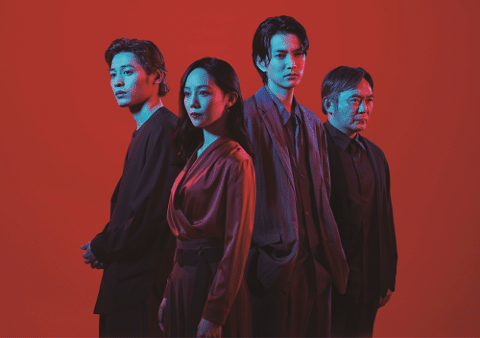
Yerma イェルマ is a contemporary Japanese stage production inspired by Federico García Lorca’s classic Spanish drama “Yerma.” Written by Mariko Ono and structured and directed by Yoshie Inaba, the new production moves the story away from Lorca’s 1930s Spanish village and places its central questions into the lives of people living in contemporary urban Japan. The production examines family, relationships, social expectations, identity and the difficult question of whether a person’s value should be connected to productivity or conventional ideas of success.
The central character, Yerma, is played by Miyu Sakihi. She has left her job because of physical and mental health difficulties and married Juan, hoping to build a family with him. She strongly wants to have a child, but her inability to become pregnant creates an increasingly painful sense of loneliness and uncertainty.
The story begins inside a detached house located slightly outside the city centre. After Yerma sees her husband Juan off, she discovers an elderly woman sitting in the living room. The unexpected presence of this woman becomes one of the elements that destabilises the household and encourages Yerma to speak about her loneliness.
Enjoy Your Event Stress-Free with Japan Travelo
Do you know? Planning events, festivals, concerts, and cultural experiences in Japan can be overwhelming. Japan Travelo brings everything together in one place, helping you manage your itinerary, transport, and accommodation with ease—so you can enjoy Japan without the stress of planning.
Her relationship with Juan is already under pressure. His lack of cooperation with domestic life and a secret of his own create further tension, while Juan’s sister also lives in the house. Yerma’s childhood friend Victor rents an unused room as a remote-work space, bringing another complicated relationship into the household.
The production uses Lorca’s original themes as a starting point while considering what they mean in a modern society where people can appear to have more choices but may still feel pressured to follow an expected path. Ono describes the play as a story about contemporary urban loneliness and the feeling of being trapped by an apparently “correct” route in life.
The result is a serious contemporary drama about the need for recognition, the pressures surrounding family and parenthood, and the search for a sense of personal worth.
Event dates
Yerma イェルマ runs from September 21 through November 8, 2026, with performances in Tokyo followed by a four-city regional tour. The complete confirmed tour is:
- Tokyo: September 21–October 12, 2026
- Hyogo: October 17–18, 2026
- Miyagi: October 31–November 1, 2026
- Aichi: November 7–8, 2026
The Tokyo production is presented at Theater Tram in Setagaya, while the regional tour visits Hyogo Performing Arts Center Hankyu Middle Hall, Tagajo City Civic Hall Main Hall and Tokai City Arts Theatre Main Hall.
Tokyo performances generally begin at either 14:00 or 18:30. The regional performances are scheduled mainly for 13:00. Doors for the Tokyo performances open 30 minutes before the performance, while the theatre lobby opens 45 minutes beforehand.
Visiting this event? Don’t miss out on these amazing activities and local experiences while you’re here.
Venue & performance locations
Theater Tram – Tokyo
The Tokyo production takes place at Theater Tram inside Carrot Tower at 4-1-1 Taishido, Setagaya-ku, Tokyo 154-0004. The theatre is directly connected to Sangenjaya Station, making it particularly convenient for visitors using Tokyo’s railway network.
Theatre Tram is known for its intimate atmosphere and flexible performance space. Its compact scale gives this production a close relationship between actors and audience, which is especially appropriate for a story built around private conversations, family tension and psychological uncertainty.
Hyogo Performing Arts Center Hankyu Middle Hall – Hyogo
The Hyogo performances take place at 2-22 Takamatsu-cho, Nishinomiya, Hyogo 663-8204. The venue is close to Hankyu Nishinomiya-Kitaguchi Station, while JR Nishinomiya Station is approximately 15 minutes away on foot. The venue has approximately 100 parking spaces.
Tagajo City Civic Hall Main Hall – Miyagi
The Miyagi performances are held at Tagajo City Civic Hall Main Hall, 2-27-1 Chuo, Tagajo, Miyagi 985-0873. The venue is approximately seven minutes on foot from Tagajo Station on the JR Senseki Line and has parking available.
Tokai City Arts Theatre Main Hall – Aichi
The Aichi performances take place at Tokai City Arts Theatre Main Hall within Yuunaru Tokai, 1016 Shimohamada, Ota-machi, Tokai City, Aichi 477-0031. The theatre is immediately adjacent to Otagawa Station, making rail travel particularly straightforward.
Full programme
The programme consists of the complete theatrical production of Yerma, rather than multiple independent plays.
The modern story follows Yerma as she attempts to understand her place within her marriage, family and wider society. Her desire to have a child gradually becomes connected to deeper questions about whether she has value as an individual.
The key story elements include:
- Yerma’s decision to leave her previous employment and marry Juan.
- Her desire to have a child with her husband.
- The appearance of a mysterious elderly woman in the family home.
- Growing tension between Yerma and Juan.
- The presence of Juan’s sister within the household.
- Victor, Yerma’s childhood friend, using a spare room as a remote-work space.
- The contrast between Yerma’s experience and friends who have managed to become pregnant while continuing to work.
- Yerma’s increasing concern that society may consider her less valuable because she has not followed an expected life path.
- The effect of Yerma’s uncertainty on Juan and their relationship.
The production uses these relationships to connect Lorca’s original concerns about fertility, marriage and social pressure with modern questions surrounding work, family, productivity and personal identity.
Featured productions & performers
The production is written by Mariko Ono and structured and directed by Yoshie Inaba. Set design is by Shusaku Futamura, lighting by Shigeo Saito, sound by Masahiro Inoue, costumes by Ayuko Takagi, hair and makeup by Miyuki Oho, staging by Shintaro Hirahara and music by Yukiko Nishii.
Miyu Sakihi as Yerma
Sakihi plays the central character, a woman whose longing for motherhood becomes inseparable from questions about her own existence. She has spoken about connecting with Yerma’s feelings of isolation and uncertainty while developing the role.
Keisuke Watanabe as Juan
Watanabe plays Juan, Yerma’s husband. Juan is less cooperative with domestic life and carries a secret of his own, making his relationship with Yerma increasingly fragile.
Ryota Kobayashi as Victor
Kobayashi plays Victor, Yerma’s childhood friend. His presence in the household creates an important emotional connection to Yerma’s past while also introducing another perspective on contemporary work and relationships.
Ikkei Watanabe as the old woman
Watanabe plays the mysterious elderly woman who appears in Yerma’s living room. The actor has described the role as an unusual character whose nature may not be entirely straightforward, adding an unsettling element to the production.
The wider cast includes Rintaro Hinotsu, Minami Oba, Sachiko Aoyama and Minae Maehigashi.
Shows & performances
Yerma is presented as a contemporary psychological and social drama rather than a traditional historical adaptation. Ono and Inaba use Lorca’s original work as the foundation but create a new story around people living in modern urban society.
The production asks what happens when social expectations become internal expectations. Yerma does not simply want a child; she increasingly connects motherhood with the question of whether she is accepted and whether her life has sufficient value.
This makes the household itself an important part of the drama. The detached house becomes a contained environment where family members, friends and unexpected visitors are forced into close contact.
The production also examines the changing meaning of work. Victor uses a room in the house for remote work, while Yerma remembers friends who have successfully become pregnant while continuing their professional lives. This contrast adds a specifically contemporary dimension to the adaptation.
Performance schedule
The Tokyo engagement runs from September 21 to October 12, with afternoon performances at 14:00 and evening performances at 18:30 depending on the date. There are scheduled rest days, private performances and an additional October 10 performance.
Important Tokyo performances include:
- September 21 – 18:30
- September 22 – 14:00
- September 23 – 14:00
- September 25 – 14:00
- September 26 – 18:30, followed by a post-show talk
- September 28 – 18:30, followed by a post-show talk
- October 6 – 18:30, followed by a post-show talk
- October 10 – 18:30 additional performance
- October 12 – final Tokyo performance
The Tokyo post-show talks are particularly useful for audiences interested in the production process. The September 26 talk features Yoshie Inaba and Akira Shirai, the September 28 talk features Inaba, Miyu Sakihi and Ikkei Watanabe, and the October 6 talk features Keisuke Watanabe, Ryota Kobayashi and Rintaro Hinotsu. Ticket holders for the relevant performance can attend the talks.
The regional schedule is:
- October 17 – Hyogo, 13:00
- October 18 – Hyogo, 13:00
- October 31 – Miyagi, 13:00
- November 1 – Miyagi, 13:00
- November 7 – Aichi, 13:00
- November 8 – Aichi, 13:00
A post-show talk is also scheduled after the October 17 Hyogo performance with Miyu Sakihi, Ryota Kobayashi, Minami Oba and Minae Maehigashi. The November 7 Aichi performance has a post-show talk featuring Miyu Sakihi, Keisuke Watanabe, Ryota Kobayashi and Ikkei Watanabe.
Ticket types
Ticket categories differ slightly between Tokyo and the regional venues.
Tokyo standard reserved seat
The regular Tokyo reserved seat is approximately $58. Theater Tram also offers the Tram Seat for approximately $51. The Tram Seat is not a conventional chair; it is a semi-standing area where visitors lean against a bar along the rear wall of the auditorium.
Tokyo youth tickets
High-school students and younger can purchase tickets for approximately $29, or approximately $26 for a Tram Seat, with identification required on the day. U24 member tickets are also approximately $29, or approximately $26 for the Tram Seat.
Hyogo
The Hyogo regional performance uses one general reserved-seat category at approximately $61.
Miyagi
The Miyagi performance has general reserved seating at approximately $70.
Aichi
The Aichi performances offer general reserved seating at approximately $64 and U-25 tickets at approximately $32. Wheelchair seating is also offered at approximately $64. U-25 tickets require proof of age and are exchanged for designated seats on the day.
The conversions use approximately 156.50 Japanese yen per US dollar as a reference rate. Actual exchange rates used by banks and card providers may vary.
Ticket release & booking
Tokyo general ticket sales opened on July 19, 2026 at 10:00. The official Tokyo channels include the Setagaya Public Theatre ticket service, Ticket Pia, ePlus, Lawson Ticket and Confetti.
Because Tokyo performances are already underway as of the current listing date, visitors should check the official site for remaining seats and same-day ticket arrangements. The official theatre has published same-day ticket procedures, including telephone reservations from 10:00 on the day of the performance until two hours before curtain and theatre-counter sales from 45 minutes before the performance.
The regional ticket releases were:
- Hyogo: July 25, 2026 at 10:00
- Miyagi: July 31, 2026 at 10:00
- Aichi: August 8, 2026 at 10:00
Current Ticket Pia listings show the Hyogo, Miyagi and Aichi performances available through their respective sales periods, subject to remaining inventory.
VIP & premium seating
Yerma does not advertise a separate VIP hospitality package with backstage access, premium lounges or meet-and-greet privileges.
Tokyo does, however, have different seating arrangements and member ticket categories. The regular reserved seat is the main conventional seating option, while the Tram Seat is positioned at the rear of the auditorium and uses a leaning bar rather than a conventional chair.
Ticket Pia has also listed a special Pia Seat arrangement for selected Tokyo performances, including a Pia-organised performance with seats guaranteed within a specified front section. This is a premium seating arrangement rather than a separate VIP package.
Visitors primarily interested in the most immersive theatre experience may prefer standard reserved seating in the intimate Theater Tram rather than the semi-standing Tram Seat.
Event rules
Age restriction
Preschool children are not permitted to attend the performances. This applies to the Tokyo production and is also stated in regional ticket information.
Late arrival
Visitors arriving after the performance has started may not immediately be taken to their original seats. Theatre staff may guide latecomers to temporary seating or another appropriate location until an entry point is available.
Photography and recording
Photography, audio recording and video recording inside the auditorium are prohibited. The production also asks audiences not to use cheering or support goods during the performance.
Ticket resale
Commercial ticket resale is prohibited. The Tokyo theatre states that tickets identified as having been resold may be refused at entry, and identity checks may be conducted.
Performer gifts
Visitors are asked not to bring flowers, food, fresh goods, letters or gifts for performers. The production has specifically requested that these items not be delivered to the theatre or sent by post.
How to get there
Tokyo
Theater Tram is directly connected to Sangenjaya Station. Visitors can use the Tokyu Den-en-toshi Line or Tokyu Setagaya Line. From the Den-en-toshi Line, the station is connected to the theatre through an underground passage, while the Setagaya Line provides essentially direct access.
Hyogo
Hyogo Performing Arts Center Hankyu Middle Hall is at 2-22 Takamatsu-cho, Nishinomiya. Hankyu Nishinomiya-Kitaguchi Station is the closest railway station, while JR Nishinomiya Station is approximately a 15-minute walk away.
Miyagi
Tagajo City Civic Hall is approximately seven minutes on foot from Tagajo Station on the JR Senseki Line. This makes the venue practical for visitors arriving from Sendai and other parts of the Miyagi region.
Aichi
Tokai City Arts Theatre is located within Yuunaru Tokai and is immediately adjacent to Otagawa Station. The theatre’s large hall is therefore particularly convenient for rail users.
Public transport & parking
Public transportation is recommended for the Tokyo performance because Theater Tram is directly connected to Sangenjaya Station and parking in central Tokyo can be inconvenient. The complex has access to Carrot Park, but parking conditions can change depending on the event.
For the Hyogo performances, the venue has approximately 100 parking spaces. Because the performance venue is close to Nishinomiya-Kitaguchi Station, rail travel is a practical alternative to driving.
Tagajo City Civic Hall has approximately 251 parking spaces and is also within walking distance of Tagajo Station. Visitors arriving from outside the city should allow additional time during busy periods.
Tokai City Arts Theatre has approximately 140 parking spaces and is located beside Otagawa Station. Visitors should consider rail travel when possible, particularly for the weekend performances.
Accommodation areas
Tokyo
Sangenjaya is the most convenient neighbourhood for visitors attending Theater Tram. Shibuya is another useful base because it offers extensive hotel choices and is only a short train journey from Sangenjaya.
Hyogo
Nishinomiya is the natural accommodation area for the Hyogo performances. Visitors may also stay around Umeda or central Osaka and travel to Nishinomiya by rail.
Miyagi
For the Tagajo performance, visitors can stay in Tagajo itself or choose Sendai for a larger selection of hotels, restaurants and transport connections. Tagajo Station makes the theatre accessible from the wider Sendai area.
Aichi
Visitors attending the Tokai City performances can stay around Otagawa or Nagoya. Nagoya provides a much wider range of hotels and is connected to Otagawa by Meitetsu railway services.
Dining & refreshments
Yerma is a theatre production rather than a food event, so there is no dedicated dining programme associated with the performance.
In Tokyo, Sangenjaya has a large selection of restaurants, cafés and casual dining establishments surrounding the station and Carrot Tower. Visitors attending the 18:30 performances can plan dinner before or after the show.
Hyogo audiences can find restaurants around Nishinomiya-Kitaguchi Station and the surrounding commercial area. Visitors travelling from Osaka can also dine in Umeda before taking the train to the theatre.
In Tagajo, restaurants and cafés around the station and central city provide options before the afternoon performances.
For the Aichi dates, Otagawa Station and the surrounding Tokai City area provide convenient places for lunch before the 13:00 performance. Because both Aichi performances begin at 13:00, visitors should consider arriving early enough to eat before entering the theatre.
Accessibility
The production provides several dedicated audience-support services, particularly for the Tokyo performances.
Wheelchair access
Theater Tram has wheelchair spaces where visitors can remain in their wheelchair during the performance. Reservations are required because capacity is limited. One accompanying person can attend free of charge under the published wheelchair-seat arrangement.
Hearing support
Subtitle tablets are available for selected Tokyo performances for audience members with hearing disabilities. The scheduled supported performances are September 29 at 14:00 and October 3 at 14:00. Advance application is required and availability is limited.
Sign-language support
Sign-language interpreters are scheduled at the reception for the September 29 and October 3 supported performances.
Visual support
Stage-description sessions are available for selected performances on October 7 and October 10 at 14:00. Advance application is required, and the theatre requests information about accompanying assistance and assistance dogs when booking.
Hearing assistance
The theatre can lend earphones to visitors who have difficulty hearing the performance. Requests should be made in advance, with the theatre asking for applications no later than three days before attendance.
Best performances to attend
September 26 Tokyo performance
The September 26 evening performance is one of the most interesting dates for audiences who want additional context because it is followed by a talk featuring Yoshie Inaba and Akira Shirai.
September 28 Tokyo performance
This performance includes a post-show conversation between director Yoshie Inaba, Miyu Sakihi and Ikkei Watanabe, providing an opportunity to hear directly from key members of the production.
October 6 Tokyo performance
The October 6 evening show is followed by a talk featuring Keisuke Watanabe, Ryota Kobayashi and Rintaro Hinotsu. It is particularly relevant for audiences interested in the three characters and their relationships within the story.
October 17 Hyogo performance
The opening Hyogo performance includes a post-show talk with Miyu Sakihi, Ryota Kobayashi, Minami Oba and Minae Maehigashi.
November 7 Aichi performance
The first Aichi performance includes a post-show talk featuring Miyu Sakihi, Keisuke Watanabe, Ryota Kobayashi and Ikkei Watanabe. It is the only announced Aichi performance with this additional programme.
Previous year’s highlights
There is no previous year’s edition of this particular production. Yerma イェルマ is a new 2026 stage adaptation created specifically by Mariko Ono and Yoshie Inaba.
The production instead has its artistic foundation in Lorca’s classic Yerma, a work originally concerned with a woman’s desire for motherhood and the social pressures surrounding fertility and marriage. The 2026 Japanese production deliberately changes the setting and circumstances to address contemporary urban life.
The creative team describes the new version as an exploration of modern loneliness and the pressure to follow a socially accepted route through life. The adaptation considers how ideas surrounding family, work, productivity and personal worth continue to influence people even as society changes.
Yoshie Inaba has also described the adaptation as an opportunity to examine why the original Yerma can feel difficult to identify with from a contemporary perspective. Her direction aims to create a version in which the central character actively searches for a way through the pressures surrounding her rather than simply reproducing the original tragedy.
Official tickets
Tickets should be purchased through the official theatre or authorised ticket services. The official Tokyo production page provides the main schedule, ticket information, accessibility arrangements and same-day ticket information.
Official Ticket Pia listings: https://t.pia.jp/pia/event/event.do?eventBundleCd=b2668064
Location
FAQ
What is the primary narrative premise of this theatrical production?
The play follows Yerma, a woman living in a remote suburban house who struggles with the crushing emotional weight of infertility. Having left her career due to health issues, she finds her marriage to Juan fracturing under the strain of unfulfilled expectations. This domestic crisis spirals into a profound existential battle over identity, meaning, and societal expectations.
How does Miyu Sakihime approach the challenging lead role?
Miyu Sakihime delivers a powerhouse performance that traces Yerma's psychological descent with fierce pride and raw vulnerability. She avoids cheap melodrama, instead grounding the character's profound agony in quiet dignity and explosive emotional truth. Her commanding stage presence anchors the entire multi-city touring production.
Who are the key creative forces behind the script and direction?
The play features a brilliant contemporary adaptation written by Mariko Ono, translating Lorca's classic themes for modern audiences. It is helmed by visionary director Yoshie Inaba, who emphasizes minimalist staging and suffocating spatial tension. Together, they create a stark, emotionally charged environment that highlights the tragedy.
What can audiences expect from the extensive multi-city tour?
Following its Tokyo flagship run at Theater Tram, the production tours Miyagi, Aichi, and Hyogo prefectures. Each venue is carefully selected to provide optimal acoustic and visual intimacy for intense dramatic theater. This extensive schedule ensures regional audiences across Japan can experience the landmark staging live.
What entry rules apply regarding age restrictions and ticket resales?
Children under school age are strictly prohibited from entering the auditorium to maintain an undisturbed viewing environment. Ticket transfers or unauthorized commercial resales are strictly banned under current Japanese anti-resale legislation. Patrons are advised to check official booking channels for specific venue admission guidelines.
How does the production modernize the classic Lorca masterpiece?
The adaptation seamlessly integrates contemporary elements like remote work spaces and modern lifestyle pressures into the original Spanish framework. By doing so, it highlights how timeless struggles regarding female autonomy and societal pressure persist today. This modern framing allows classic tragedy to resonate deeply with contemporary urban viewers.

Leave a Reply