
Kamakura Snow Houses & Mini Kamakura
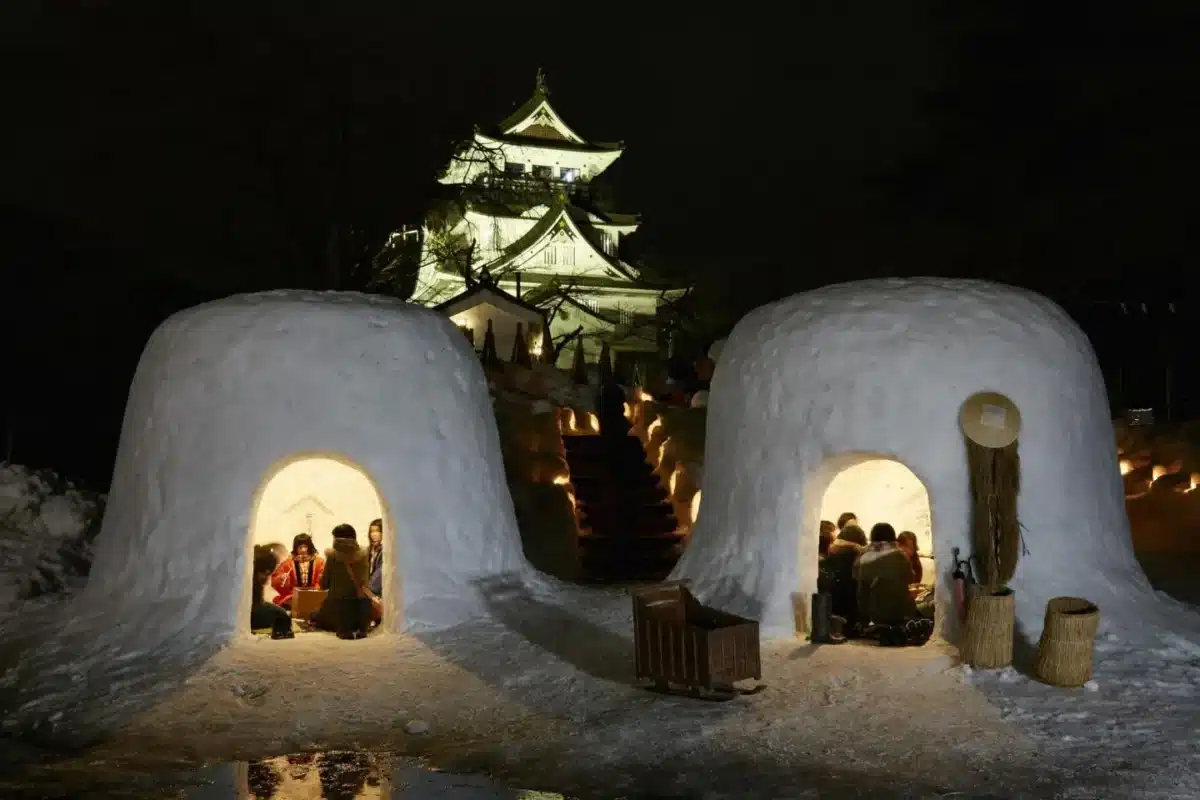
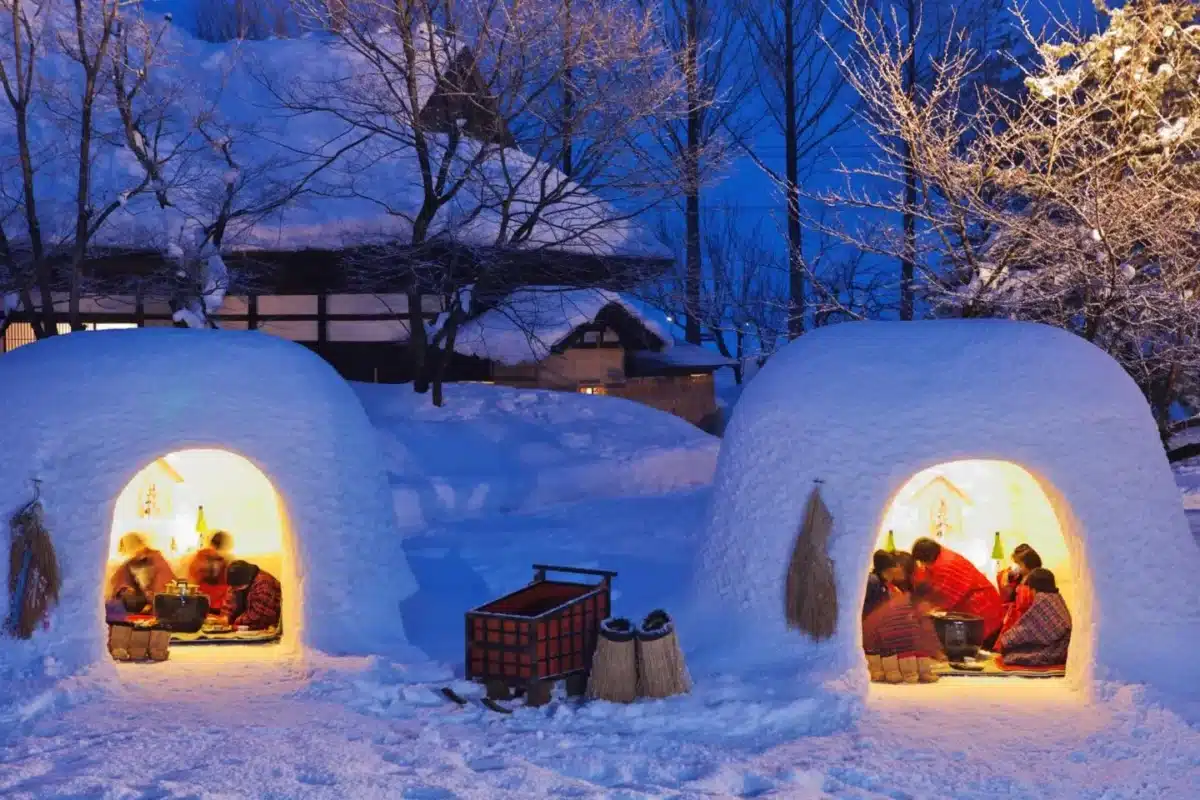
Every February, Akita’s Yokote transforms into a fairytale landscape dotted with igloo-like structures in a festival dating back 400 years. These snow houses are known as Kamakura and are built in various areas around the city. The largest Kamakura stand up to three meters high and four meters wide, with locals welcoming guests inside their candle-lit interior with offerings of mochi rice cakes and amazake (sweet sake). In each Kamakura you’ll also come across a small snow shrine, since traditionally these structures acted as refuge for local spirits—in times gone by, festival goers would pray for success and safety.
The construction of these architectural marvels requires expert compacting of heavy regional snowfall into solid structural domes, which are then meticulously hollowed out from within. Skilled builders carve smooth inner chambers and small altar ledges designed to house protective water deities, turning simple packed snow into sacred architecture. The contrast between the freezing exterior ice walls and the warm, glowing sanctuaries inside creates a striking architectural environment that captivates every arriving visitor.
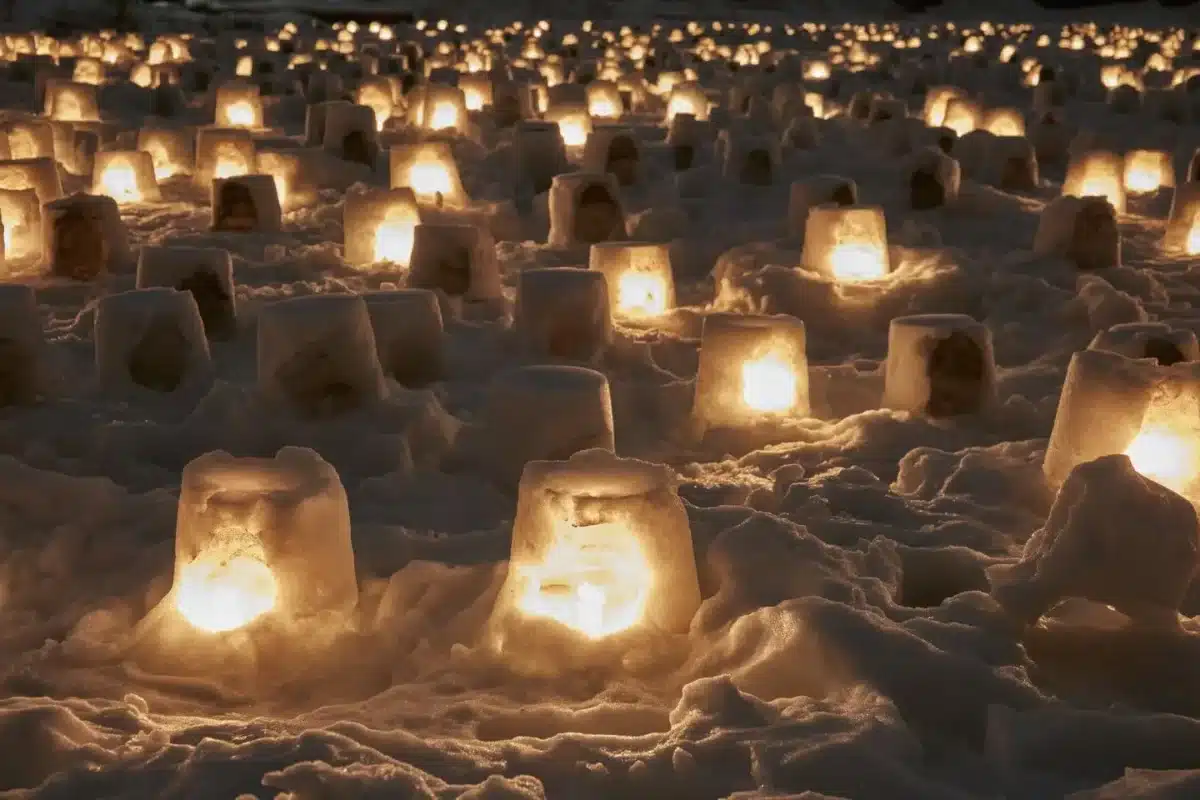
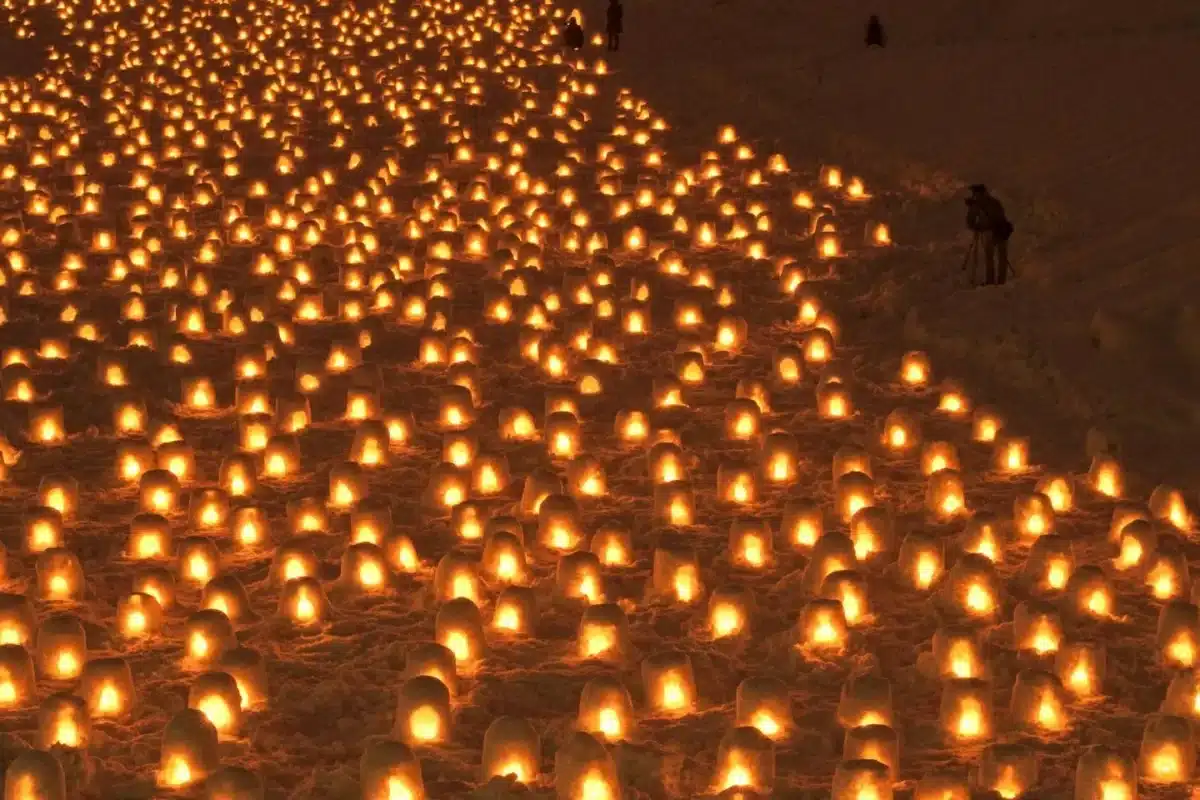
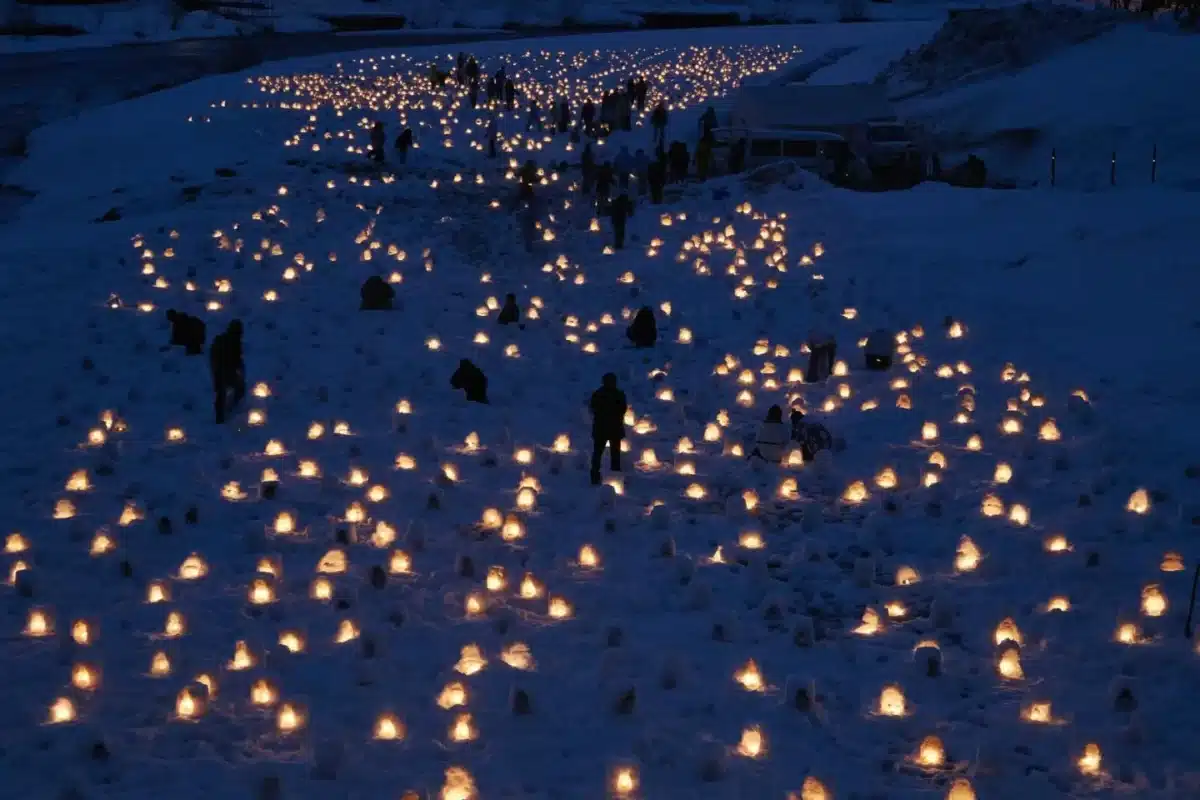
Complementing the large hospitality kamakura are vast fields of mini kamakura constructed along riverbanks, school yards, and residential pathways. Thousands of small hollowed snow cups are meticulously lined up and illuminated individually with flickering candles after sunset, creating an endless sea of floating golden light. Volunteers spend countless hours shaping these tiny snow sculptures, demonstrating an incredible community dedication to atmospheric artistry.
Enjoy Your Event Stress-Free with Japan Travelo
Do you know? Planning events, festivals, concerts, and cultural experiences in Japan can be overwhelming. Japan Travelo brings everything together in one place, helping you manage your itinerary, transport, and accommodation with ease—so you can enjoy Japan without the stress of planning.
Walking among these glowing fields offers a profoundly peaceful experience, as the soft candle flicker reflects off pristine white snow crystals across the entire valley floor. Visitors can explore these installations freely, moving from massive architectural domes where children call out friendly invitations to sweeping panoramas of tiny glowing lights. This diverse scaling of snow architecture ensures that every corner of the festival zone presents a completely unique visual perspective.
- Massive three-meter-high snow domes engineered to accommodate seated guests comfortably inside
- Dedicated snow altars built within every large structure to enshrine local water deities
- Thousands of hand-crafted mini kamakura lighting up riverbanks and school yards after dusk
- Skilled carving techniques utilizing compressed regional snowfall to ensure structural stability and insulation
- Warm candle-lit interiors providing cozy shelter against freezing outdoor winter mountain temperatures
- Open public access inviting travelers to step inside and converse directly with local hosts
- Strategic placement along historic streets, park zones, and samurai residence paths
- Collaborative community building efforts involving neighborhood associations, students, and municipal staff
Date & Duration
- Event Date: Mid-February 2027 (Dates TBD)
- Event Duration: A multi-day winter snow festival celebration highlighting traditional snow domes and regional cultural displays
Visiting this event? Don’t miss out on these amazing activities and local experiences while you’re here.
Ticket Information
- How Tickets Are Sold: General access to outdoor festival streets, public snow domes, and riverbank mini-kamakura displays requires no tickets, while select indoor facilities like the Kamakurakan Hall require nominal entrance tokens purchased directly at the door.
- Admission Type: Free Admission for outdoor street walking and exploring public snow dome areas
- Ticket Pricing: Free Admission ($0.00 USD) for festival site access, with optional indoor museum entry priced at approximately $0.67 USD (¥100 JPY) and food items purchased independently at local stalls ranging from $2.00 USD to $6.75 USD
- Special Seating Options: Open snow benches, communal seating areas inside participating neighborhood snow domes, and unreserved standing spaces near event stages
- VIP Options: None offered, as this historic community-driven winter festival welcomes all local residents and travelers equally under traditional hospitality customs
Visitor Experience, Photography & Winter Tips
Navigating the sprawling festival footprint requires comfortable pacing, warm preparation, and a strategic approach to visiting the various illuminated zones. Because the major sites—including the city hall plaza, Yokote Park, and the riverbank mini-kamakura—are distributed across different parts of the city, utilizing the free festival loop bus service saves considerable energy. Planning your itinerary to arrive just before sunset allows you to experience the magical blue-hour transition into full evening illumination.
Photography enthusiasts should equip their cameras and smartphones with cold-weather accessories, as low temperatures drain device batteries rapidly. Utilizing stable hand-holding techniques or compact pocket tripods helps capture sharp, low-light exposures of the glowing snow domes against dark winter skies without relying on harsh flashes that wash out ambient candle glow. Respecting queue lines to enter popular hospitality kamakura ensures a smooth and courteous experience for both hosts and fellow travelers.
Taking frequent breaks at indoor warming stations, local restaurants, or public rest hubs helps prevent fatigue during extended outdoor explorations. Stopping to chat with local volunteers and embracing the slow, gentle rhythm of the festival guarantees a deeply rewarding travel experience. By remaining flexible and patient, visitors can fully absorb the unique poetic sentiment that defines Yokote’s winter wonderland.
Visitor Etiquette & What to Wear/Bring
- Wear heavy winter parkas, insulated windproof outer layers, and thermal base layers to combat extreme northern cold
- Equip yourself with reliable snow boots featuring deep treads to prevent slipping on icy paths and packed snow
- Pack warm accessories including thick woolen beanies, wind-blocking neck gaiters, and insulated waterproof gloves
- Bring hand and foot chemical warmers to maintain circulation during extended outdoor night viewing
- Respect local children and hosts inside hospitality kamakura by removing wet outer footwear before stepping onto interior mats
- Keep camera flash disabled when photographing intimate snow shrine altars and seated children inside snow domes
- Dispose of all food wrappers and personal waste properly in designated station bins to keep snow venues pristine
- Carry essential cash Japanese yen, as many street food vendors and local craft stalls operate without digital payment options
- Protect electronic devices with insulated pouches or portable power banks to prevent sudden cold-weather shutdowns
- Maintain moderate noise levels and follow local guide instructions while walking through residential historic districts
Venue / Location
- City and Country: Yokote, Akita, Japan
- Venue Name: In front of Yokote City Hall Main Building, Yokote Park, and various historical districts across the city
- Google Maps Address: 8-12 Chuo-machi, Yokote-shi, Akita 013-8601, Japan
Traditional Food & Local Hospitality
Food plays an essential role in the festival experience, anchoring the hospitality offered inside the snow houses and across bustling street food stalls. The signature treat is amazake, a warm, sweet, non-alcoholic rice beverage that provides instant comfort against the biting winter cold. Sipping this comforting brew inside a glowing snow dome represents an iconic sensory memory for every traveler who makes the journey north.
Accompanying the sweet drinks are freshly grilled mochi rice cakes toasted over charcoal burners and served piping hot with savory or sweet toppings. In addition to these indoor offerings, outdoor vendor markets feature an abundance of regional Akita specialties, including steaming bowls of local udon noodles, grilled skewered meats, and hearty winter hot pots. These culinary delights highlight the rich agricultural and culinary heritage of the prefecture.
The warmth radiated by local vendors and children serving refreshments creates an atmosphere of profound human connection amidst freezing temperatures. Conversations flow freely across the low tables inside the snow houses, fueled by mutual curiosity and shared appreciation for regional traditions. Dining in this unique environment turns simple winter nourishment into a heartwarming cultural exchange.
Bonden Traditions & Related Ceremonies
- Magnificent Shinto offerings known as bonden crafted as massive, highly ornate ritual decorations
- Towering structures exceeding five meters in height and weighing over thirty kilograms adorned with colorful ornaments
- Intricate headdresses featuring artistic sculptures of Chinese zodiac animals and traditional dolls
- Competitive bonden exhibition contests where regional groups vie for craftsmanship supremacy
- Solemn dedication rituals held at the historic Asahiokayama Shrine following energetic processions
- Vibrant young men chanting spirited invocations while marching toward shrine grounds accompanied by fireworks
- Traditional triton shell horn blasts echoing through the winter air to announce ceremonial milestones
- Dynamic displays of physical energy and steam rising from crowds as participants push through snowy streets
Contact Information
- Email: yokote@yokotekamakura.com
- Phone Number: 0182-33-7111
- Website: https://www.yokotekamakura.com
Festival Background & History
- Traces its origins back approximately 400 to 450 years as a traditional regional lunar New Year folk event
- Developed originally as a sacred ritual dedicated to Shinto water deities to pray for family safety and good harvests
- Rooted deeply in the heavy snowfall climate of Yokote, transforming harsh winter conditions into an artistic cultural celebration
- Evolved over centuries from local children’s snow-play customs into one of the five major snow festivals of the Michinoku region
- Celebrates a unique blend of spiritual traditions, community hospitality, and exquisite snow architecture craftsmanship
- Involves meticulous advance preparation by local residents who construct massive snow domes across multiple city neighborhoods
- Fosters strong intergenerational community bonds by engaging school children as active hosts inside the snow houses
- Showcases traditional Akita heritage, attracting cultural explorers and winter travelers from across the globe
- Operates in close coordination with municipal tourism associations and neighborhood community groups to ensure seamless public access
- Recognized widely as a premier seasonal illumination and cultural landmark event in northern Japan
Traditional Activities & Local Experiences
Stepping inside a full-sized kamakura places visitors directly into the heart of authentic regional hospitality, where local children act as gracious hosts. Speaking in charming local dialects, young residents welcome passersby to sit on woven straw mats and share warm cups of sweet fermented rice drink. This interactive custom breaks down cultural barriers immediately, turning strangers into welcomed guests within a matter of seconds.
Beyond visiting the snow houses, travelers can participate in hands-on workshops where local artisans teach the fundamentals of shaping miniature snow sculptures. These sessions allow participants to craft their own tiny illuminated snow domes along the riverbanks, contributing personally to the illuminated landscape. Such participatory events ensure that visitors are not merely passive spectators, but active contributors to the evening’s communal art.
Exploring the various festival zones also offers opportunities to witness traditional winter games and regional craft demonstrations hosted near the main municipal squares. Visitors can engage with friendly local guides who share fascinating historical anecdotes about how ancestral communities survived harsh northern winters. These immersive touchpoints create lasting emotional connections to the culture and people of Akita Prefecture.
Lanterns, Snow Sculptures & Nighttime Displays
When twilight settles over Yokote, the entire city undergoes a magical transformation as thousands of lights illuminate the complex network of snow installations. Paper lanterns line the walking paths, casting a soft amber glow over towering snow sculptures carved by local businesses and artistic associations. These large-scale snow reliefs often depict mythological figures, zodiac animals, and regional folklore characters with astonishing sculptural precision.
The architectural illumination of Yokote Castle perched on the hill provides a breathtaking backdrop for the glowing kamakura fields spread across the valley below. Photographers find endless inspiration in the sweeping vistas where ancient castle walls meet fields of sparkling snow and flickering candlelight. The careful coordination of municipal lighting ensures that historic landmarks remain gracefully highlighted throughout the evening hours.
As night deepens, the combination of starry winter skies, rising wisps of hearth smoke, and glowing snow domes creates an ethereal atmosphere unlike any other urban light display. The ambient noise of the city fades into a tranquil quietude muffled by thick blankets of fresh powder snow. Walking through these illuminated corridors feels akin to stepping straight into a timeless folktale.
- Elaborate large-scale snow sculptures carved into detailed artistic reliefs by local organizations
- Strategic paper lantern lighting guiding pedestrian paths across all major festival zones
- Glowing panoramas featuring illuminated historic castle architecture overlooking the snowy valley
- Soft ambient illumination highlighting the natural texture of crystalline snow walls after dark
- Silent nighttime ambiance enhanced by natural sound muffling from deep regional snowfall
- Scenic viewing platforms offering sweeping elevated vistas of the entire illuminated city basin
Video
Location
FAQ
What is a kamakura and what is its traditional cultural purpose during the festival?
A kamakura is a large, dome-shaped snow house hollowed out from packed regional snowbanks. Traditionally built to enshrine local water deities, these structures serve as sacred sanctuaries where people pray for family safety, good business, and bountiful harvests.
Are visitors allowed to step inside the snow houses and interact with locals?
Travelers are warmly invited to step inside the large illuminated snow domes to sit on straw mats. Local children hosting the kamakura will greet you and offer warm cups of sweet fermented rice drink and grilled rice cakes.
Do visitors need to purchase tickets or pay admission fees to attend the festival?
Exploring the outdoor streets, public snow domes, riverbank mini-kamakura displays, and festival zones is entirely free of charge. Modest fees apply only if you choose to enter specific indoor municipal facilities like the local exhibition hall.
What is the best way to travel between the various festival sites scattered across Yokote?
While good walkers can navigate the city on foot, the festival operates a convenient free loop bus service that connects all major illumination zones. This shuttle system runs regularly throughout the evening hours to assist visitors.
How should travelers dress to stay warm during cold winter evenings in Akita?
Dressing in heavy multi-layered thermal clothing, windproof outerwear, and sturdy waterproof snow boots with deep traction is essential. Bringing insulated gloves, woolen hats, and chemical pocket warmers ensures comfort while standing outdoors in heavy snow.

Leave a Reply