
-
December 20, 2026
Event date:
-
December 20, 2026
Event end:
“Danse Macabre — Memento Mori” Concept
The overarching thematic concept of the recital centers on the profound philosophical idea of “Memento Mori,” prompting listeners to reflect on their own mortality as a pathway toward valuing the preciousness of human life. By examining mortality not with fear but with solemn contemplation, the program uses music to bridge the gap between earthly existence and spiritual eternity. This artistic framework allows the performers to explore deep existential questions through historical masterpieces that capture the human condition in all its complexity.
Throughout history, art and music have served as primary vehicles for processing grief, mortality, and the ultimate hope for transcendence. The concert pairs the terrifying yet whimsical imagery of Camille Saint-Saëns’s Danse Macabre with the deeply spiritual and devotional weight of sacred vocal transcriptions adapted for the pipe organ. This stark juxtaposition creates a dynamic tension between the physical reality of death and the metaphysical solace offered by prayer and artistic expression.
The inclusion of sacred and secular works under this thematic umbrella transforms a traditional classical recital into a deeply moving meditative journey for everyone in attendance. Listeners are invited to step outside the rush of daily life and enter a contemplative space where sound acts as a mirror to the soul. Every piece selected reinforces the core message that contemplating mortality ultimately inspires a more vibrant, compassionate, and meaningful appreciation of life.
Enjoy Your Event Stress-Free with Japan Travelo
Do you know? Planning events, festivals, concerts, and cultural experiences in Japan can be overwhelming. Japan Travelo brings everything together in one place, helping you manage your itinerary, transport, and accommodation with ease—so you can enjoy Japan without the stress of planning.
- Exploration of existential themes through historical classical compositions and sacred transcriptions
- Juxtaposition of mortal terror and spiritual hope via contrasting musical movements
- Meditative sonic framework designed to encourage deep personal reflection among audience members
- Integration of philosophical concepts regarding life, death, and human transcendence
- Narrative progression moving from worldly sorrow to ultimate spiritual peace
- Thematic focus on the historical significance of death imagery in European classical art
- Creation of a solemn and respectful concert environment tailored to introspective listening
Event Date
- Event Date: December 20, 2026
- Event Duration: Approximately 2 hours, including intermission
Visiting this event? Don’t miss out on these amazing activities and local experiences while you’re here.
Ticket Prices
- How Tickets Are Sold: Tickets are distributed through major Japanese ticketing platforms and authorized playguides via advance reservation windows and general public sales.
- Admission Type: General reserved seating tiers including designated levels across the concert hall galleries and floor tiers.
- Ticket Pricing: Prices range from a minimum of approximately $55.00 USD (JPY 8,000 for standard gallery seats) up to a maximum of approximately $85.00 USD (JPY 12,000 for floor S-seats) based on current currency conversions.
- Special Seating Options: Available tiers include S-seats, A-seats, and designated gallery positions offering unobstructed sightlines of the grand pipe organ console.
- VIP Options: Standard ticketing configurations apply for this classical recital without separate VIP upgrade packages or exclusive pre-show meet-and-greet tiers.
Getting to the Venue
- City and Country: Tokyo, Japan
- Venue Name: Tokyo Opera City Concert Hall: Takemitsu Memorial
- Google Maps Address: 3 Chome-20-2 Nishishinjuku, Shinjuku City, Tokyo 163-1403, Japan
Event Information
- Website: https://t.pia.jp/pia/event/event.do?eventBundleCd=b2670367
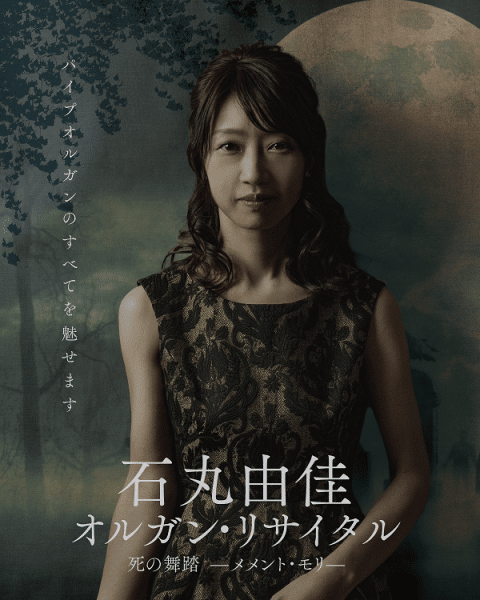
Yuka Ishimaru’s Organ Performance
Yuka Ishimaru stands as one of Japan’s most accomplished and expressive concert organists, renowned for her technical mastery and deep sensitivity to acoustic spaces. Her execution of complex pedalwork and intricate registration changes brings the massive sonic architecture of the pipe organ to vibrant, breathing life. In this recital, she navigates everything from the crystalline counterpoint of Bach to the flamboyant orchestral colors of French romantic transcriptions with absolute grace.
The physical demands of mastering a grand pipe organ require extraordinary coordination, stamina, and an intimate understanding of the instrument’s unique mechanics. Ishimaru commands the multi-keyboard console and massive stop lists with effortless precision, transforming raw air and metal pipes into an overwhelming wave of emotional sound. Her performance highlights the astonishing versatility of an instrument capable of whispering like a gentle breeze or thundering with earth-shattering power.
- Virtuosic command of multi-manual pipe organ consoles and complex registration choices
- Expert execution of intricate pedalwork and rapid contrapuntal lines
- Masterful handling of dynamic range spanning delicate whispers to full symphonic thunder
- Deep interpretive sensitivity to historical performance practices and emotional nuance
- Seamless integration of solo organ literature with collaborative violin textures
- Utilization of the venue’s magnificent acoustic environment to project clarity and warmth
- Dynamic stage presence bringing modern classical organ artistry to international prominence
Bach, Saint-Saëns & Classical Organ Repertoire
The recital program features an exquisite selection of foundational classical repertoire that showcases the evolution of keyboard and organ composition across centuries. Beginning with the rigorous intellectual architecture of Johann Sebastian Bach, the music establishes a bedrock of mathematical precision and spiritual devotion. Works such as the Prelude and Fugue in C major highlight the absolute pinnacle of Baroque counterpoint, where individual melodic voices weave together to form a seamless sonic universe.
Moving further into the program, the historical scope expands to embrace the dramatic flair of the romantic era through brilliant transcriptions of orchestral showpieces. The inclusion of Saint-Saëns’s Danse Macabre, arranged by E. Lemaire, demonstrates how the pipe organ can replicate the vivid colors, rhythmic drive, and eerie atmosphere of a full symphony orchestra. Similarly, the organ adaptation of movements from Bach’s St. Matthew Passion infuses the Baroque framework with profound dramatic sorrow and vocal lyricism.
This carefully curated progression of repertoire offers listeners a comprehensive masterclass in how keyboard instruments have been utilized to express the deepest ranges of human emotion. From the austere beauty of the German Baroque to the theatrical brilliance of French Romanticism, every piece is chosen to test the limits of the concert hall organ. The resulting musical journey honors the historical lineage of classical composition while offering fresh, modern interpretive insights.
- Rigorous Baroque counterpoint featuring foundational works by Johann Sebastian Bach
- Theatrical nineteenth-century orchestration adapted brilliantly for solo pipe organ performance
- Deep spiritual intensity derived from sacred choral and passion transcription literature
- Dynamic exploration of diverse national and historical composition schools
- Masterful balance of structural intellectualism and unbridled romantic emotional expression
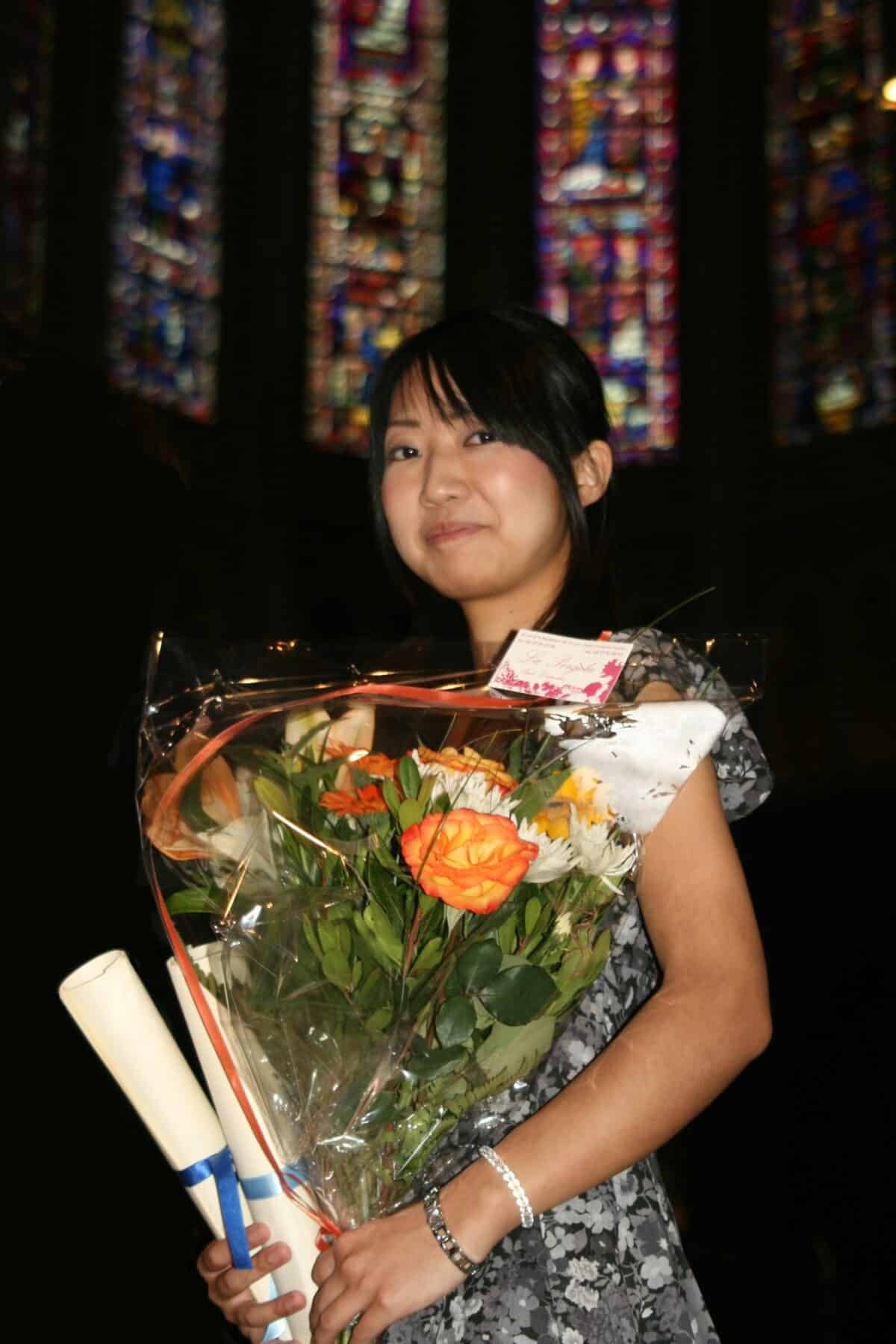
Violin Performance by Fuminori Shinozaki
- Masterful violin interpretation bringing lyrical warmth and expressive phrasing to the collaborative pieces
- Exquisite execution of Johan Svendsen’s Romance Op. 26 with delicate tonal control
- Soulful and reverent delivery of Charles Gounod’s iconic Ave Maria
- Seamless acoustic blending with the massive sonic output of the concert hall pipe organ
- Nuanced bow control allowing the violin to project effortlessly across large auditorium spaces
- Emotional depth and artistic maturity reflecting decades of distinguished orchestral leadership
- Sophisticated interplay between solo violin melodies and complex harmonic accompaniment
Organ & Violin Musical Dialogue
The combination of pipe organ and violin creates a fascinating acoustic dialogue, pairing the infinite sustaining power of wind-driven pipes with the organic, vocal expressiveness of bowed strings. This instrumental pairing requires a delicate balance of volume and phrasing to ensure neither force overwhelms the other within the vast space of the concert hall. Through careful listening and mutual artistic intuition, Yuka Ishimaru and Fuminori Shinozaki weave their instruments together into a single, unified voice.
Throughout the performance, the violin frequently takes the lead as an expressive soloist while the organ provides a rich, shifting harmonic blanket underneath. At other moments, the two instruments engage in intricate contrapuntal conversations, trading melodic fragments back and forth across the auditorium. This dialogue highlights the unique textural contrast between the metallic brightness of organ reeds and the warm, wooden resonance of the violin.
The collaborative pieces on the program, including romantic salon works and sacred meditations, benefit immensely from this dual-instrument approach. The organic vibrato and pitch-bending capability of the violin soften the rigid geometry of the organ pipes, creating a lush and deeply emotional soundscape. Audiences are treated to a masterclass in chamber music collaboration executed on a grand symphonic scale.
- Delicate acoustic balancing between massive pipe organ registration and solo violin
- Intricate contrapuntal conversations trading melodic motifs across the stage
- Harmonious blending of mechanical wind power with organic string resonance
- Shared interpretive phrasing enhancing the emotional impact of collaborative works
- Unique textural contrasts enriching standard classical recital programming
- Seamless execution of dynamic shifts within complex acoustic environments
- Collaborative synergy highlighting mutual respect between two master instrumentalists
“Memento Mori” Themes: Death, Prayer & Hope
The thematic triad of death, prayer, and hope serves as the emotional anchor for the entire concert experience, guiding the audience through a cathartic journey of reflection. By confronting the reality of human mortality head-on, the musical selections strip away superficial distractions and focus the listener’s attention on matters of ultimate importance. This contemplative space encourages a deeper appreciation for the fragile beauty of life and our shared human vulnerability.
Prayer acts as the natural human response to mortality, providing a vehicle for supplication, grief, and spiritual comfort within the program. Through sacred arrangements and devotional melodies, the music creates an atmosphere of sanctuary where listeners can process inner turmoil and find psychological release. The acoustic warmth of the organ and the singing tone of the violin combine to evoke a profound sense of sacred peace.
Finally, the program resolves in a posture of enduring hope, ensuring that the heavy contemplation of death ultimately lifts into a vision of light and renewal. The musical trajectory proves that acknowledging our temporal limitations does not lead to despair, but rather heightens our capacity for love, joy, and resilience. Attendees leave the hall uplifted, carrying the transcendent message of the performance long after the final notes fade.
- Direct confrontation with human mortality as a pathway to deeper self-awareness
- Musical representation of prayer as a sanctuary for grief and spiritual solace
- Gradual emotional ascent from existential contemplation to radiant hope
- Cultivation of a meditative atmosphere conducive to deep psychological healing
- Exploration of sacred traditions regarding the afterlife and human transcendence
- Harmonious integration of philosophical depth with accessible classical beauty
- Uplifting resolution designed to leave listeners inspired and emotionally renewed
Tokyo Opera City Concert Hall & Grand Organ Experience
The Tokyo Opera City Concert Hall stands as one of the premier acoustic environments in Asia, specifically designed to showcase symphonic and organ music with pristine clarity. The hall features a magnificent Shoji-inspired wooden interior and a soaring ceiling configuration that allows sound to envelop the audience from every angle. This architectural brilliance ensures that even the most delicate organ registration or subtle violin pianissimo reaches every seat in the house without losing its emotional impact.
At the heart of the auditorium resides the grand pipe organ, custom-built to dominate the rear stage wall with its gleaming array of pipes and commanding console. This massive instrument is engineered to handle everything from intricate Baroque polyphony to thunderous romantic symphonies with unmatched tonal richness. Experiencing this instrument live within its optimal acoustic home offers a sensory thrill that recordings simply cannot replicate.
The combination of the venue’s world-class architectural design and the physical presence of the grand organ creates an awe-inspiring environment for classical music lovers. Every physical vibration from the large bass pipes resonates through the floorboards, allowing patrons to feel the music as much as they hear it. This visceral connection transforms the concert hall into an immersive temple of sound where art and architecture unite.
- World-class acoustic design featuring warm wooden architectural finishes and optimal sound projection
- Custom-built grand pipe organ housing thousands of precision-crafted metal and wood pipes
- Visceral tactile experience allowing audience members to feel low-frequency bass vibrations
- Pristine sonic clarity ensuring every contrapuntal voice remains distinct and intelligible
- Magnificent visual presence of the organ console dominating the concert hall stage
- Renowned status as a premier global destination for high-end classical music performances
- Seamless integration of venue acoustics with the unique demands of organ and violin instrumentation
Immersive Classical Music & Audience Experience
- Total sensory immersion combining architectural grandeur with live acoustic mastery
- Amplified collective emotional resonance experienced within a silent, focused concert hall environment
- Deep psychological engagement prompted by profound thematic and philosophical programming
- Unobstructed visual connection to the intricate hand and footwork of master instrumentalists
- High-fidelity acoustic envelopment tailored specifically for classical organ and string performance
- Creation of shared contemplative touchstones for international classical music enthusiasts
- Unforgettable evening blending rigorous artistic discipline with transcendent spiritual exploration
Location
FAQ
What are the specific age guidelines and entry policies enforced by the venue for this classical recital?
Children under school age are strictly prohibited from entering the auditorium to ensure an undisturbed listening environment for all patrons and performers. This policy maintains the acoustic silence required for delicate musical passages and contemplative audience reflection.
What specific seating categories should wheelchair users select when purchasing tickets for this event?
Customers requiring wheelchair-accessible accommodations must first purchase standard S-seats or A-seats before contacting Sunrise Promotion to arrange proper seating placement. This step ensures venue staff can allocate appropriate platform space and coordinate barrier-free entry.
Are program contents and scheduled musical selections subject to modification prior to the performance date?
Program schedules, performer lineups, and specific musical arrangements are subject to change due to unforeseen operational or artistic requirements managed by the organizers. Ticket holders should check official venue announcements regularly for any updates regarding the recital program.
Can ticket holders transfer or resell their admission vouchers if personal schedules unexpectedly change?
Ticket holders must adhere strictly to the terms and conditions outlined by authorized ticketing platforms regarding transfer restrictions and anti-scalping policies. Unauthorized commercial resales or secondary market markups risk immediate invalidation without refund or entry privileges.
What steps should attendees take if they require assistance or have accessibility inquiries upon arrival?
Patrons seeking specific venue accessibility information, station navigation help, or facility assistance should consult official organizer help desks or venue staff. Ushers are stationed throughout the facility to guide visitors regarding elevator access and seating locations prior to showtime.
Are there any special VIP upgrade packages or exclusive meet-and-greet sessions included with ticket purchases?
This specific classical recital utilizes standard reserved seating tiers ranging from S-seats to gallery positions rather than structured VIP packages. All attendees gain equal access to the main hall performance regardless of which standard seating tier they secure during sales.

Leave a Reply