
Overview
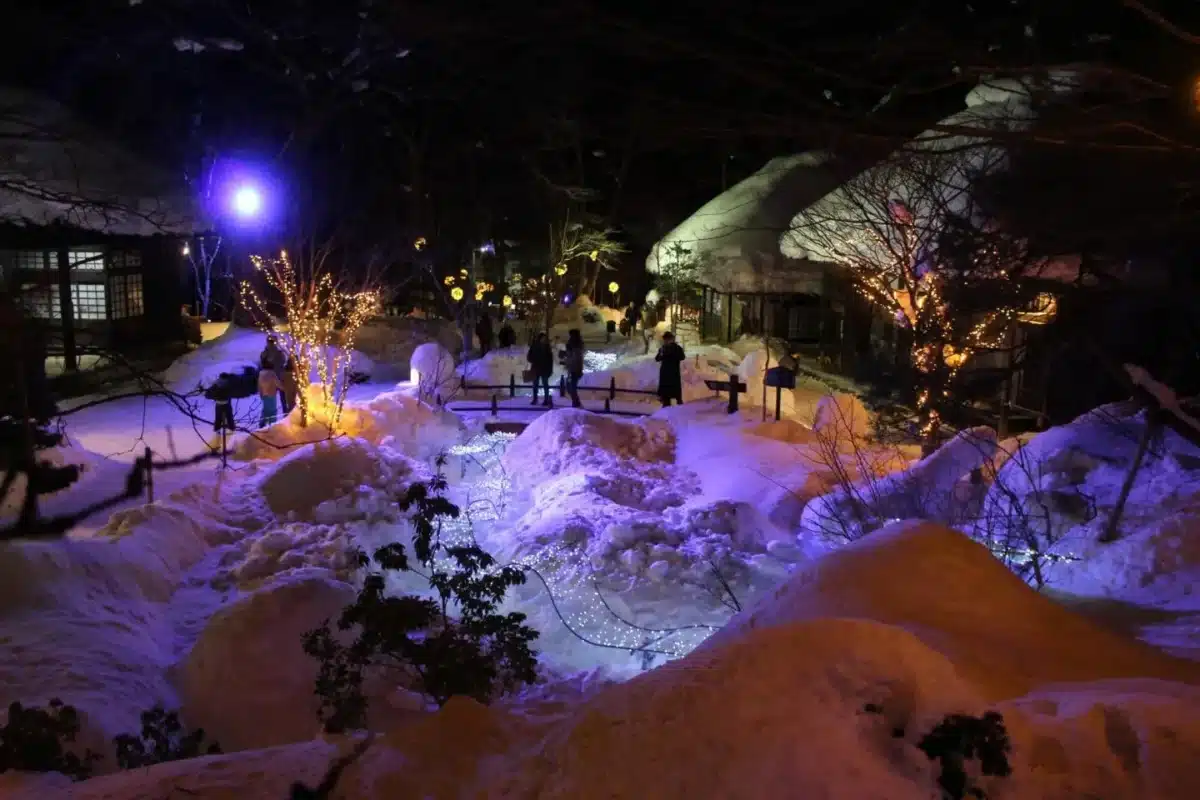
Yunishigawa Kamakura Festival stands as an enchanting and internationally acclaimed winter tradition hosted deep within the snow-blanketed mountains of Nikko, Tochigi Prefecture. Set against the rustic backdrop of the historic Yunishigawa Onsen village, this magical seasonal celebration transforms a remote valley into a breathtaking wonderland of glowing ice sculptures, traditional thatched-roof architecture, and glowing snow shelters. Visitors journey from near and far to experience an authentic sub-zero atmosphere steeped in local folklore, tranquil mountain beauty, and legendary Japanese hospitality.
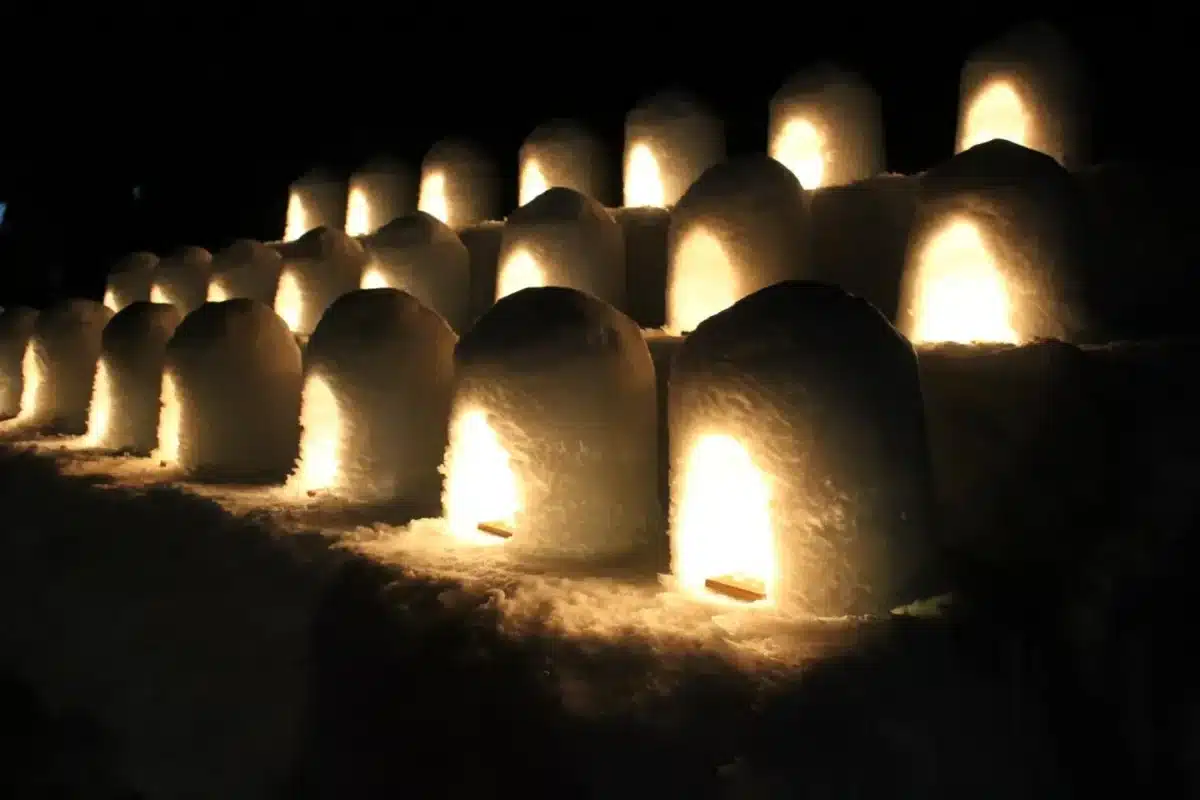
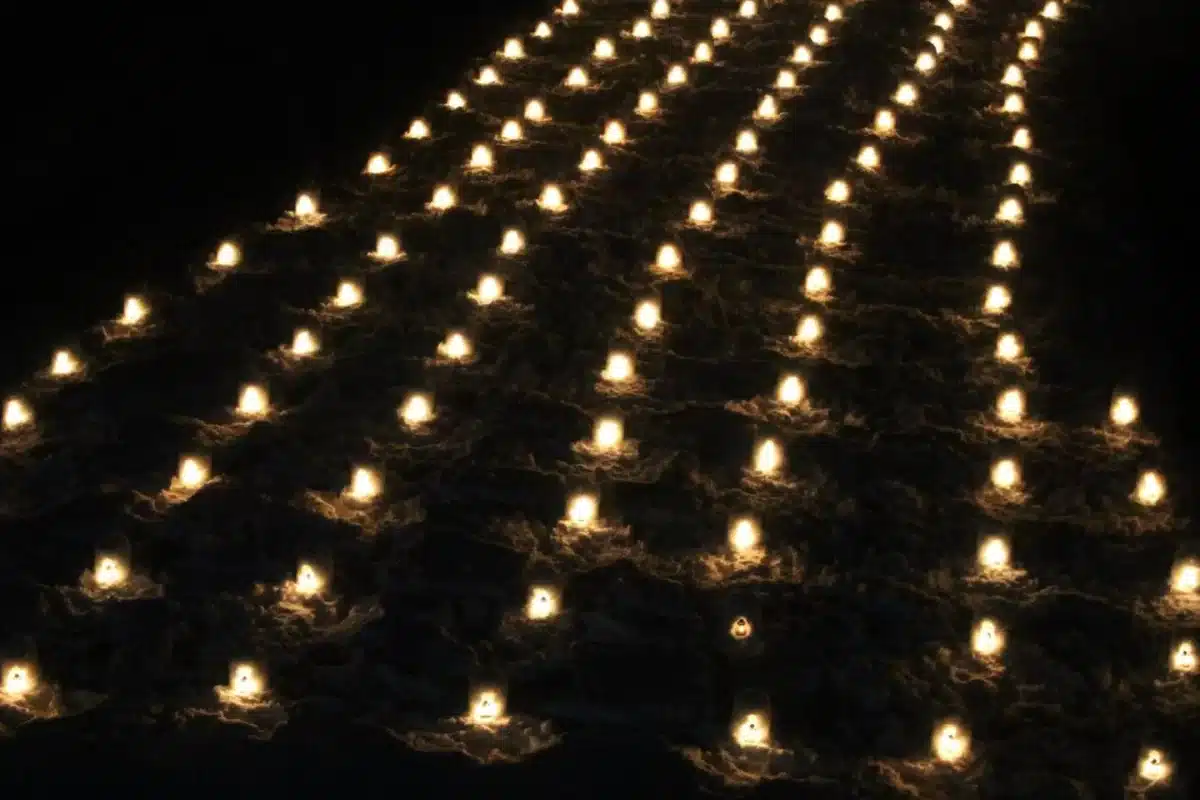
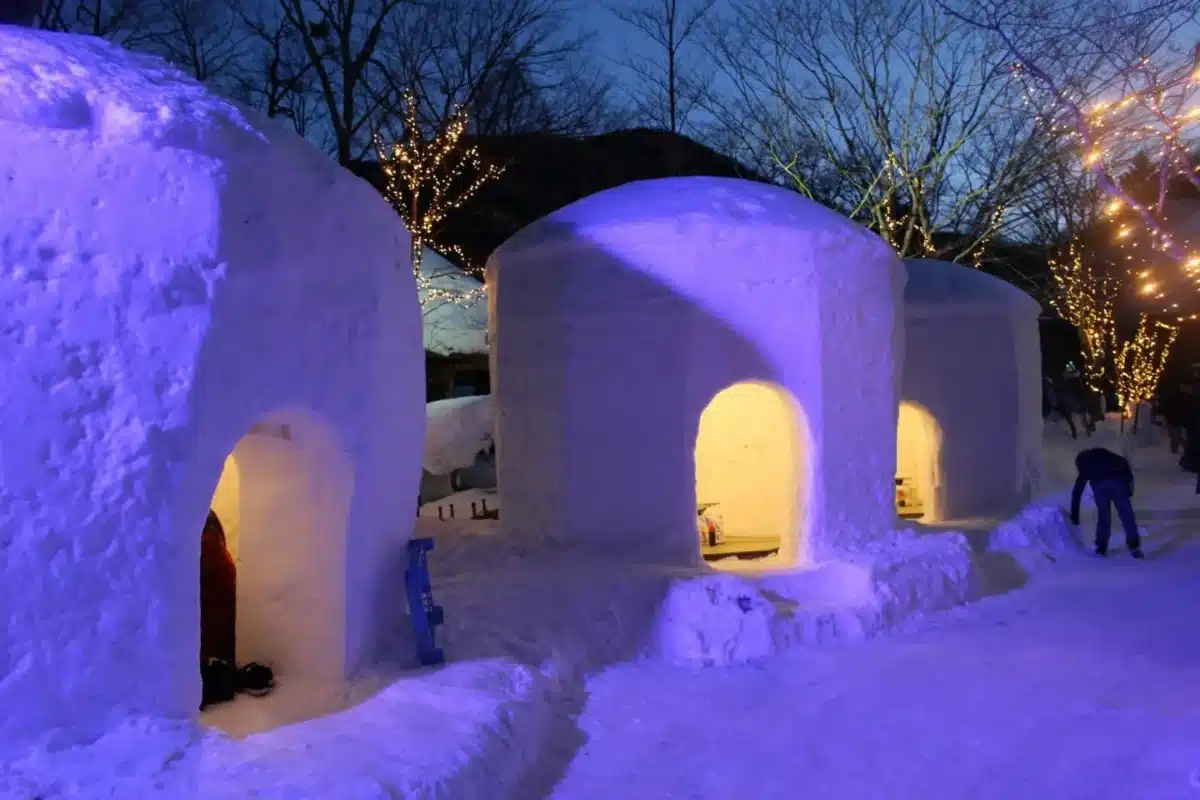
The centerpiece of the festival is the mesmerizing evening illumination along the Sawaguchi Riverbed, where hundreds of miniature snow houses are meticulously constructed and brought to life with flickering candlelight. Recognized officially as a cherished night view heritage site, this glowing corridor of handcrafted kamakura casts a romantic, ethereal reflection across the pristine snow and frozen banks. Nearby at the Heike no Sato cultural village, larger snow domes welcome guests to experience cozy regional dining inside the igloos while surrounded by centuries of preserved mountain history.
Beyond the illuminated night spectacles, the festival offers daytime winter recreation and deep cultural immersion across its multiple scenic venues. Attendees can explore snow parks featuring traditional sledding slopes, warm up in restorative hot spring baths, and sample rustic regional delicacies prepared by local villagers. It represents an extraordinary winter escape that blends artistic snow craftsmanship with the ultimate relaxation of historic thermal waters.
Enjoy Your Event Stress-Free with Japan Travelo
Do you know? Planning events, festivals, concerts, and cultural experiences in Japan can be overwhelming. Japan Travelo brings everything together in one place, helping you manage your itinerary, transport, and accommodation with ease—so you can enjoy Japan without the stress of planning.
Event Highlights
- Highlights: The magical evening illumination of hundreds of miniature candlelit snow houses lining the Sawaguchi Riverbed.
- Culture: Historic thatched-roof kominka houses and larger interactive snow domes preserved within the Heike no Sato village venue.
- Activities: Family-friendly snow play, exciting sledding runs, and winter recreation hosted at the regional snow park.
- Relaxation: Rejuvenating natural hot spring baths available to soothe travelers after exploring the chilly outdoor winter landscapes.
Why Attend
This extraordinary festival is exceptionally ideal for romantic travelers, photography enthusiasts, families, and cultural explorers seeking a unique and serene winter destination away from bustling urban centers. Attending offers a rare opportunity to witness breathtaking snow artistry and experience traditional mountain village life that traces its heritage back to ancient historical clans. Visitors can enjoy the rare delight of dining inside a glowing snow igloo and relax in healing thermal waters while surrounded by deep alpine snowdrifts.
Furthermore, the event provides a tranquil, magical atmosphere that captures the purest essence of a Japanese winter fairy tale. It serves as a wonderful occasion for anyone wanting to combine outdoor seasonal adventure with cozy culinary treats and traditional wellness customs. By joining the celebration, guests support a proud mountain community dedicated to preserving its remarkable cultural legacy.
Date & Duration
- Event Date: Late Jan – Early March 2027 (Dates TBD)
- Event Duration: Multi-week winter celebration featuring evening illuminations and daily snow park activities
Visiting this event? Don’t miss out on these amazing activities and local experiences while you’re here.
Ticket Information
- How Tickets Are Sold: General public areas and riverbed illuminations require no tickets, while specific cultural village and snow park venues require same-day admission passes purchased on-site.
- Admission Type: Mixed Access (Free public riverbed viewing; paid admission for Heike no Sato village and Mizunosato Snow Park)
- Ticket Pricing: Free Admission for riverbed viewing ($0.00 USD), with village entry passes available at approximately $3.50 USD for adults and $1.70 USD for children, and snow park passes around $8.00 USD
- Special Seating Options: None available, as viewing areas and snow park zones are open access for standing and walking visitors.
- VIP Options: None available, though private reservations can be booked in advance for dining inside the large interactive barbecue snow domes.
Venue / Location
- City and Country: Nikko, Tochigi Prefecture, Japan
- Venue Name: Yunishigawa Onsen
- Google Maps Address: Yunishigawa, Nikko, Tochigi 321-2601, Japan
Contact Information
- Phone Number: +81 288-22-1525
- Website: https://en.japantravel.com/tochigi/yunishigawa-kamakura-festival/35366
Accommodation Options
Securing lodging in a traditional hot spring ryokan within Yunishigawa Onsen provides travelers with the ultimate immersive winter experience, allowing guests to step directly from the snowy festival grounds into steaming indoor and outdoor mineral baths. These historic inns frequently feature exquisite local multi-course kaiseki dinners served near cozy hearths, making them extremely popular choices for winter visitors seeking authentic Japanese hospitality.
Reserving accommodations well in advance is essential because this highly rated winter festival attracts travelers from all across the country throughout its multi-week run. For those finding fully booked village ryokans, alternative accommodations are available further down the railway line near Kinugawa Onsen Station, offering convenient connecting transit options straight to the mountain festival valley.
Getting There
- Nearest Airport: Ibaraki Airport or Haneda Airport, situated several hours away with connecting railway networks leading toward Tochigi Prefecture.
- Nearest Train/Metro Station: Yunishigawa-Onsen Station on the Yagan Railway Kinugawa Line.
- Bus Routes or Public Transport Options: Direct local route buses operated by Tobu Bus run frequently from Yunishigawa-Onsen Station and Kinugawa-Onsen Station straight to the heart of the festival village.
- Parking Availability: Designated public parking lots are available near the event zones, though spaces fill up quickly during weekends and heavy snow conditions require proper vehicle preparation.
- Directions by Car: Accessible via the Nikko-Utsunomiya Road to the Imaichi Interchange, followed by a scenic drive along regional routes 121 and 249 directly into the mountain valley.
Dining Recommendations
- Breakfast Recommendations:
- Savor a traditional Japanese ryokan breakfast featuring steaming rice, grilled fish, and local mountain vegetables.
- Enjoy freshly baked bread and hot beverages from local specialty cafes near the village center.
- Pick up warm canned coffees and quick snacks from regional convenience shops before starting outdoor explorations.
- Lunch Recommendations:
- Indulge in hearty bowls of local handmade udon or soba noodles served in rich, steaming broths.
- Try local specialty game dishes and skewered river fish grilled slowly over open charcoal hearths.
- Warm up with comforting set meals featuring seasonal mountain vegetables and rice at family-run eateries.
- Dinner Recommendations:
- Experience a unique barbecue dinner inside a massive, glowing snow igloo at the festival site.
- Relish multi-course hot spring banquet meals highlighting fresh local ingredients and regional flavors.
- Enjoy comforting hot pot dishes featuring local mushrooms, leeks, and savory broths in cozy village taverns.
- Local Specialties to Try:
- Taste sweet Tochigi strawberries harvested fresh during the winter season.
- Sample rustic country-style dumplings simmered in savory local miso and root vegetable broths.
- Refresh with artisanal local sakes brewed with pure mountain spring water from the Nikko region.
What is this event?
Yunishigawa Kamakura Festival is a celebrated winter illumination event held annually across the snowy mountainscapes of Yunishigawa Onsen in Nikko. It showcases hundreds of handcrafted snow houses and miniature igloos that light up the crisp winter nights with glowing candlelight, creating a mesmerizing scene recognized for its outstanding beauty.
The multi-venue celebration combines historical preservation with festive winter recreation, offering visitors access to ancient thatched-roof villages and interactive snow parks. It serves as a wonderful cultural tribute to the region’s heritage while providing an unforgettable alpine escape for winter travelers.
Why is it popular?
This festival draws massive crowds because it delivers one of the most romantic and visually stunning winter landscapes in all of Japan. The breathtaking contrast of flickering candlelight illuminating thousands of handmade snow structures against the dark mountain night captivates photographers and romantics alike.
Furthermore, the rare opportunity to dine inside a real snow dome and immediately unwind in world-class hot spring waters creates an unbeatable leisure combination. Its remote mountain setting provides an authentic, peaceful retreat from city life that leaves lasting memories for every visitor.
Tips before you go
- Dress heavily in thermal layers, waterproof outerwear, warm gloves, and beanies because mountain temperatures drop well below freezing after dark.
- Wear sturdy boots with exceptional traction or attach crampons because walking paths become extremely slippery with packed snow and ice.
- Bring plenty of cash because many local food vendors and small craft stalls do not process digital or card payments.
- Check official weather and transit schedules frequently since heavy mountain snowfalls can occasionally impact local road conditions and train operations.
- Reserve your snow-dome dining experiences well ahead of time because limited slots fill up weeks before the festival opens.
Tips for First-Time Visitors
- Plan your travel itinerary carefully by checking direct train and bus connection times since public transport frequencies into the deep mountains are limited.
- Carry disposable chemical body warmers to stay comfortable while standing outdoors during the evening riverbed illumination hours.
- Allocate sufficient time to explore all distinct festival venues, including the riverbed lights, cultural village, and daytime snow park.
- Protect your camera and phone batteries from rapid draining caused by sub-zero mountain temperatures by keeping them close to your body heat.
- Combine your festival excursion with an overnight stay at a local hot spring inn to fully experience the restorative healing waters of Yunishigawa Onsen.
Attendee Experiences
- Standing beside the riverbank while hundreds of tiny snow lanterns flickered in unison felt like walking straight through a dream.
- Having a warm meal inside a giant snow igloo while snow fell gently outside was an extraordinarily cozy and unique memory.
- Soaking in an open-air hot spring bath surrounded by deep mountain snow after a chilly day of exploring was absolute perfection.
Video
Location
FAQ
When does the Yunishigawa Kamakura Festival take place each year?
The festival runs annually from late January through early March, bringing weeks of winter illumination and snow activities to the mountain village. Specific daily lighting schedules and venue hours depend closely on seasonal snow accumulation and weather conditions.
Do I need to buy tickets to visit the festival grounds?
General walking access to view the stunning evening miniature kamakura illuminations along the riverbed is entirely free for all visitors. Nominal admission fees apply only if you choose to enter the Heike no Sato cultural village or the Mizunosato Snow Park.
How can I travel to Yunishigawa Onsen from Tokyo?
Travelers can take a direct limited express train from Tokyo to Kinugawa-Onsen Station, then transfer to a local route bus that journeys directly into the mountain hot spring valley. The entire scenic journey typically takes approximately three to four hours total.
What are the main attractions to see during the event?
The primary highlights include the magical evening riverbed illumination of countless miniature snow houses, traditional thatched-roof displays at Heike no Sato, and interactive snow play zones. Visitors also thoroughly enjoy renting large snow igloos for unique indoor barbecue dining.
Is the festival appropriate for families with young children?
Yes, children delight immensely in the snowy wonderland, daytime sledding slopes, and spacious snow play areas available at the festival venues. Visitors should simply ensure children are dressed in warm, waterproof winter clothing to handle the cold alpine environment safely.

Leave a Reply