
-
September 4, 2026
Event date:
-
September 4, 2026
Event end:
Yusuke Kobori’s Tenor Voice & Solo Performance
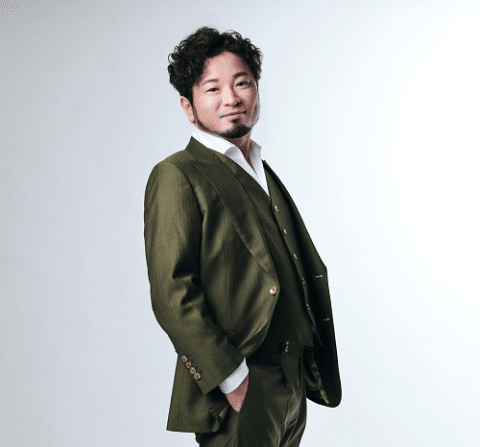
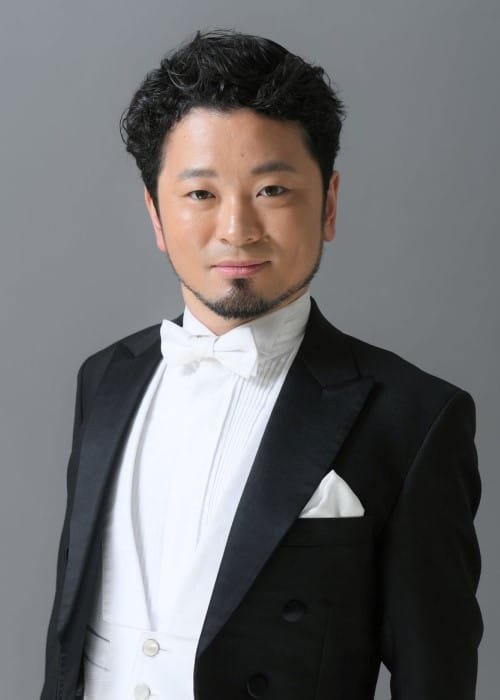
Yusuke Kobori stands out as a remarkably gifted tenor whose voice combines lyrical warmth, technical precision, and a striking emotional depth. His solo recital provides a rare opportunity to experience his vocal artistry up close, showcasing a pristine upper register and fluid agility. Every phrase he delivers is imbued with a thoughtful sensitivity that connects directly with the hearts of everyone listening in the hall.
As a rising star in the classical music world, Kobori commands the stage with quiet confidence and an impressive command of stylistic nuances. His performance style avoids unnecessary theatrical excess, opting instead for a pure, text-driven delivery that honors the original intentions of the composers. This commitment to vocal purity allows the natural beauty of his tone to resonate effortlessly throughout the acoustic space.
The recital format places the entirety of the artistic burden squarely on his shoulders, a challenge he meets with extraordinary stamina and musical maturity. From soaring bel canto runs to delicate art song whispers, his voice glides across contrasting emotional landscapes with seamless grace. Listeners witness a masterclass in vocal control, proving his status as one of the most compelling tenors of his generation.
Enjoy Your Event Stress-Free with Japan Travelo
Do you know? Planning events, festivals, concerts, and cultural experiences in Japan can be overwhelming. Japan Travelo brings everything together in one place, helping you manage your itinerary, transport, and accommodation with ease—so you can enjoy Japan without the stress of planning.
This solo performance marks a significant milestone in Kobori’s career, offering a comprehensive showcase of his artistic range and interpretive depth. His ability to sustain intense emotional concentration over a demanding multi-part program is truly captivating to witness live. Attendees leave with a profound appreciation for his dedication to the highest standards of classical vocal performance.
Event Schedule
- Event Date: September 4, 2026
- Event Duration: Approximately 2 hours including a standard intermission for classical solo recitals
Visiting this event? Don’t miss out on these amazing activities and local experiences while you’re here.
Diverse Recital Program & Musical Selection
The program for this solo recital has been meticulously curated to span centuries, languages, and musical styles, offering a truly diverse listening experience. By pairing early Italian art songs with complex modernist English song cycles and rapid-fire opera arias, Kobori demonstrates exceptional stylistic versatility. This thoughtful curation prevents monotony and keeps the audience thoroughly engaged throughout the afternoon or evening.
- Features a meticulously curated program spanning multiple centuries of classical vocal composition
- Combines delicate Italian art songs with dramatic operatic showpieces and modern English cycles
- Showcases rare repertoire selections including lesser-performed pieces by Donizetti and Rossini
- Balances the intimate poetry of chamber art songs with the explosive energy of baroque opera arias
- Highlights rapid stylistic shifts from nineteenth-century bel canto to twentieth-century avant-garde structures
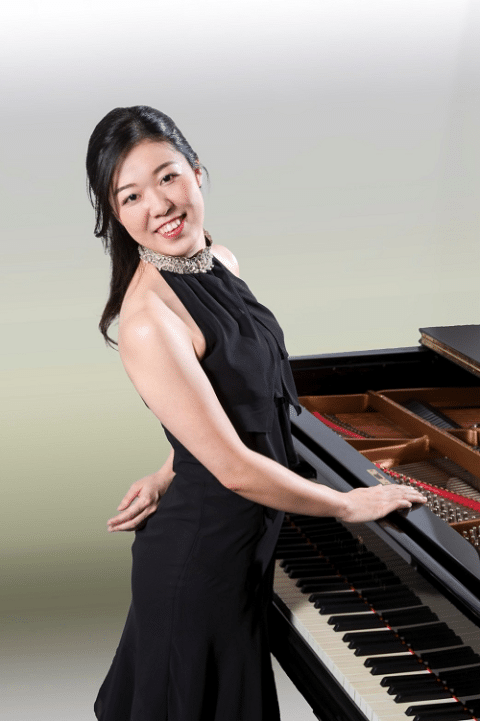
- Pairs intricate vocal phrasing with sophisticated collaborative piano arrangements by Natsumi Kuboyama
- Offers classical music lovers a uniquely varied and educational musical journey in Tokyo
Ticket Prices
- How Tickets Are Sold: Distributed through official Japanese ticket agencies, online platforms, and the Hamarikyu Asahi Hall box office
- Admission Type: Fully assigned general seating with strict entry policies prohibiting pre-school aged children from entering
- Ticket Pricing: Ranging from a minimum of $35 to a maximum of $75 depending on seat location and ticket tier availability
- Special Seating Options: Standard hall seating blocks positioned to ensure optimal acoustic projection and visual clarity
- VIP Options: Premium front-row center tiers offering the closest proximity to the performers and intimate stage engagement
Vocal Technique, Tone & Interpretation
Achieving the level of precision required for this demanding program demands a flawless foundation in classical vocal technique. Kobori displays an enviable mastery of breath support, enabling him to sustain long, spun-out phrases without any loss of core tonal quality. His transitions between chest voice and head voice are entirely seamless, creating a unified vocal register across his entire range.
Beyond mere mechanics, his interpretations are informed by a deep historical and emotional understanding of the texts he performs. He avoids superficial sentimentality, choosing instead to uncover the psychological truths hidden within the music’s harmonic structures. This intellectual rigor elevates every aria and art song into a profound human statement.
The warmth and brilliance of his tenor timbre remain consistent whether he is singing a whisper-quiet art song or a thunderous baroque climax. This sonic stability provides a comforting anchor for listeners, even when navigating the turbulent emotional waters of Rossini or Britten. His rigorous technical discipline ultimately serves the sole purpose of emotional communication.
- Exhibits flawless breath support and seamless register transitions across a demanding vocal range
- Avoids superficiality by grounding every musical interpretation in deep textual and historical analysis
- Maintains a warm, brilliant tenor timbre during both delicate chamber pieces and loud climaxes
- Implements rigorous technical discipline to serve transparent emotional and poetic communication
- Demonstrates masterclass control over dynamic shading, vibrato speed, and vowel modification
- Connects complex harmonic structures directly to human vulnerability and dramatic narrative truth
- Commands the stage with a mature artistic authority that belies his status as a rising talent
Getting to the Venue
- City and Country: Tokyo, Japan
- Venue Name: Hamarikyu Asahi Hall
- Google Maps Address: Japan, 〒104-8011 Tokyo, Chuo City, Tsukiji, 5 Chome−3−2 朝日新聞東京本社 新館2階
Opera Arias & Classical Vocal Repertoire
- Features dazzling operatic excerpts from Mozart’s majestic works including The Shepherd King and Mithridates, King of Pontus
- Incorporates dramatic baroque showcase pieces from Handel’s opera Tamerlano demanding intense vocal agility
- Showcases lightning-fast coloratura passages from Rossini’s beloved masterworks Semiramide and Otello
- Highlights Donizetti’s expressive vocal writing through charming selections like Sultan’s Woman
- Demands rigorous technical stamina, flawless breath support, and precise vocal flexibility across every aria
- Balances martial, heroic vocal outbursts with tender, melancholy prayers of longing and despair
- Represents the pinnacle of historical operatic training through challenging bel canto and baroque standards
- Delivers soaring high notes and intricate melodic ornamentations with effortless technical precision
Art Songs, Japanese Songs & Vocal Expression
The exploration of art song repertoire forms a vital emotional core of the recital, allowing Kobori to delve into intimate psychological spaces. Vincenzo Bellini’s Six Ariettas, featuring pieces like Malinconia and Forgive Me My Beloved, allow the tenor to showcase delicate legato phrasing. These Italian miniatures rely heavily on subtle shifts in vocal color and poetic delivery rather than sheer volume.
Equally compelling is the inclusion of Benjamin Britten’s settings from Michelangelo’s Seven Sonnets, which push the boundaries of modern vocal expression. These pieces demand sharp intellectual engagement and an ability to navigate angular melodies with absolute security. Kobori treats these complex song cycles with the same reverence and emotional weight as grand opera.
The seamless transition between different linguistic traditions highlights the singer’s linguistic aptitude and deep respect for poetic texts. Every vowel and consonant is articulated with clarity, ensuring that the poetry underlying each song resonates clearly in the intimate hall. This dedication to text-painting elevates the performance from mere singing to genuine storytelling.
- Explores the intimate, poetic world of chamber art songs through sensitive vocal interpretation
- Features Vincenzo Bellini’s exquisite Six Ariettas cycle highlighting melancholy and romantic devotion
- Incorporates Benjamin Britten’s complex modernist settings from Michelangelo’s Seven Sonnets
- Emphasizes precise linguistic articulation across Italian and English poetic texts
- Relies on subtle dynamic shading and delicate tone coloring rather than massive acoustic power
- Bridges traditional nineteenth-century romantic lyricism with twentieth-century avant-garde vocal techniques
- Demonstrates exceptional storytelling capacity through understated, highly focused musical expression
Event Information
- Email: support@asahi-hall.jp
- Phone Number: +81 3-3296-3993
- Website: https://t.pia.jp/pia/event/event.do?eventBundleCd=b2667357
Piano Collaboration & Musical Accompaniment
- Features world-class collaborative piano accompaniment provided by the highly accomplished Natsumi Kuboyama
- Treats the piano not as a mere background instrument, but as an equal, conversational musical partner
- Navigates complex harmonic shifts in Britten and Handel with absolute rhythmic and technical precision
- Provides a delicate, supportive sonic bed for the subtle nuances of Bellini’s chamber art songs
- Enhances the dramatic momentum of rapid-fire Rossini and Donizetti operatic accompaniment passages
- Highlights the deep musical synergy and mutual listening existing between the tenor and pianist
- Fosters a unified chamber music texture that elevates the entire recital experience in Tokyo
Hamarikyu Asahi Hall & Concert Atmosphere
Hamarikyu Asahi Hall is widely celebrated as one of Tokyo’s premier intimate chamber music venues, renowned for its pristine acoustics and elegant design. Located near the scenic Hamarikyu Gardens, the hall offers a peaceful cultural sanctuary away from the frantic pace of the surrounding metropolis. Its wood-paneled interior and carefully engineered sound distribution ensure that every acoustic detail reaches listeners perfectly.
The intimate spatial configuration of the hall eliminates the traditional barrier between performer and audience, creating a cozy communal atmosphere. Patrons are enveloped in a warm acoustic embrace that magnifies the emotional impact of quiet art songs and delicate piano notes. This architectural excellence makes it the ultimate destination for solo vocal recitals of this caliber.
Attending a performance in this esteemed venue is a cherished ritual for Tokyo’s dedicated classical music enthusiasts. The seamless venue management, refined aesthetic environment, and respectful listening culture combine to create an unforgettable afternoon or evening. For artists and audiences alike, Hamarikyu Asahi Hall represents the gold standard of chamber performance spaces.
- Operates as Tokyo’s premier chamber music sanctuary known for world-class acoustic engineering
- Features a refined, wood-paneled interior design optimized for pure vocal and piano projection
- Offers an intimate spatial layout that fosters a deep connection between artist and audience
- Located conveniently near historic urban landscapes with excellent public transit access
- Upholds a strict, respectful listening culture that guarantees absolute silence during performances
- Provides a peaceful cultural escape from the bustling energy of central Tokyo streets
- Serves as the ideal architectural home for high-caliber solo vocal and instrumental recitals
Yusuke Kobori’s Artistic Development & Career
Yusuke Kobori’s steady rise through the ranks of the classical music community is a testament to his relentless dedication and natural talent. Through rigorous training, international masterclasses, and numerous stage appearances, he has steadily refined his unique artistic voice. His willingness to tackle diverse and challenging repertoires has earned him the deep respect of his peers and critics alike.
Intimate Recital Experience & Audience Appreciation
The solo recital format offers a rare, highly intimate window into the soul of a classical artist, stripping away elaborate sets to focus entirely on sound. Attendees at Hamarikyu Asahi Hall experience a profound sense of shared vulnerability as Kobori bares his musical heart through song. This unfiltered connection leaves a lasting emotional mark on everyone present in the auditorium.
Audience appreciation for such meticulous artistry is palpable, filling the wood-paneled hall with an electric wave of gratitude after each major song cycle. The attentive silence maintained throughout complex pieces like Britten’s sonnets demonstrates the high level of musical literacy among Tokyo patrons. It is a celebration of live performance in its purest, most honest form.
Location
FAQ
What makes the acoustic design of Hamarikyu Asahi Hall special for vocal recitals?
The hall features specialized wood paneling and an intimate architectural layout engineered specifically for chamber music. This setup projects the pure timbre of the voice and piano without artificial amplification, ensuring crystal-clear sound in every seat.
Are pre-school aged children permitted to attend Yusuke Kobori's solo recital?
Children under school age are strictly prohibited from entering the concert hall to protect the quiet atmosphere. This policy guarantees that delicate art songs and soft piano phrases remain entirely free from background disruptions.
How can international visitors secure tickets if they are traveling from abroad?
Overseas fans can book tickets through major online Japanese ticket agencies or utilize specialized concierge services. Securing tickets well in advance is highly recommended due to the limited seating capacity of the chamber venue.
What special collaborative role does pianist Natsumi Kuboyama play during the event?
Natsumi Kuboyama serves as an equal musical partner rather than a background accompanist throughout the recital. Her precise timing and sensitive touch provide a seamless dialogue that anchors the diverse vocal program.
Why is the recital program considered unusually diverse for a tenor performance?
The concert bridges centuries by pairing early Italian art songs and baroque opera arias with modern English song cycles. This wide-ranging selection highlights the singer's extraordinary stylistic versatility and intellectual curiosity.
What is the recommended arrival time for patrons attending the performance?
Concertgoers are strongly encouraged to arrive at least thirty minutes prior to the scheduled curtain time. Arriving early ensures smooth ticket checks, cloakroom use, and stress-free seating before late-entry restrictions apply.

Leave a Reply