


What to expect
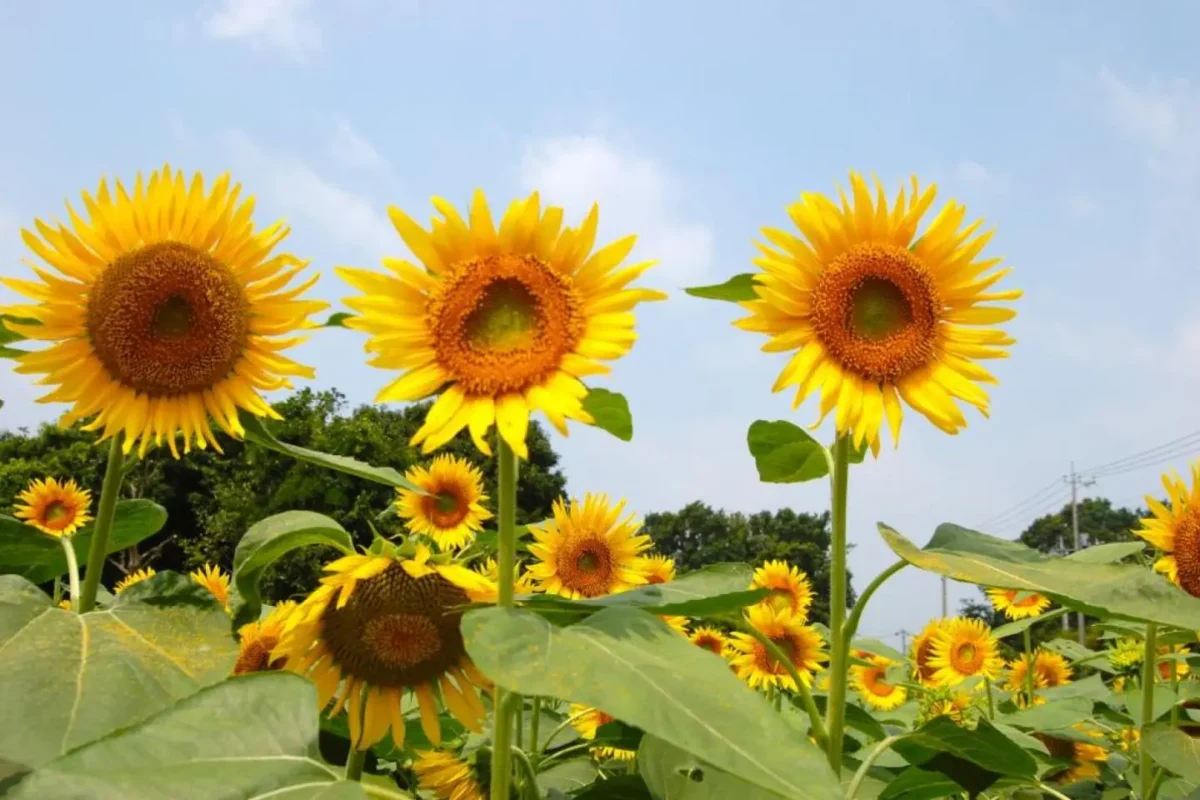
Zama Sunflower Festival is a bright, community-driven celebration centered on the city’s official flower, the sunflower. The city transforms fallow farmland into vast fields of golden blooms, with more than 550,000 flowers planted across two main sites in Kurihara and Zama. The festival offers a countryside experience just one hour from central Tokyo, combining natural beauty with local entertainment.
Visitors can expect wide-open fields where sunflowers stretch taller than a person in every direction, creating natural corridors for walking and photography. Observation decks and raised photo platforms are installed to capture the scale of the fields against the blue summer sky. The atmosphere is festive but relaxed, with families picnicking on field edges, couples taking portraits, and volunteers from the city and nearby military base helping maintain the fields.
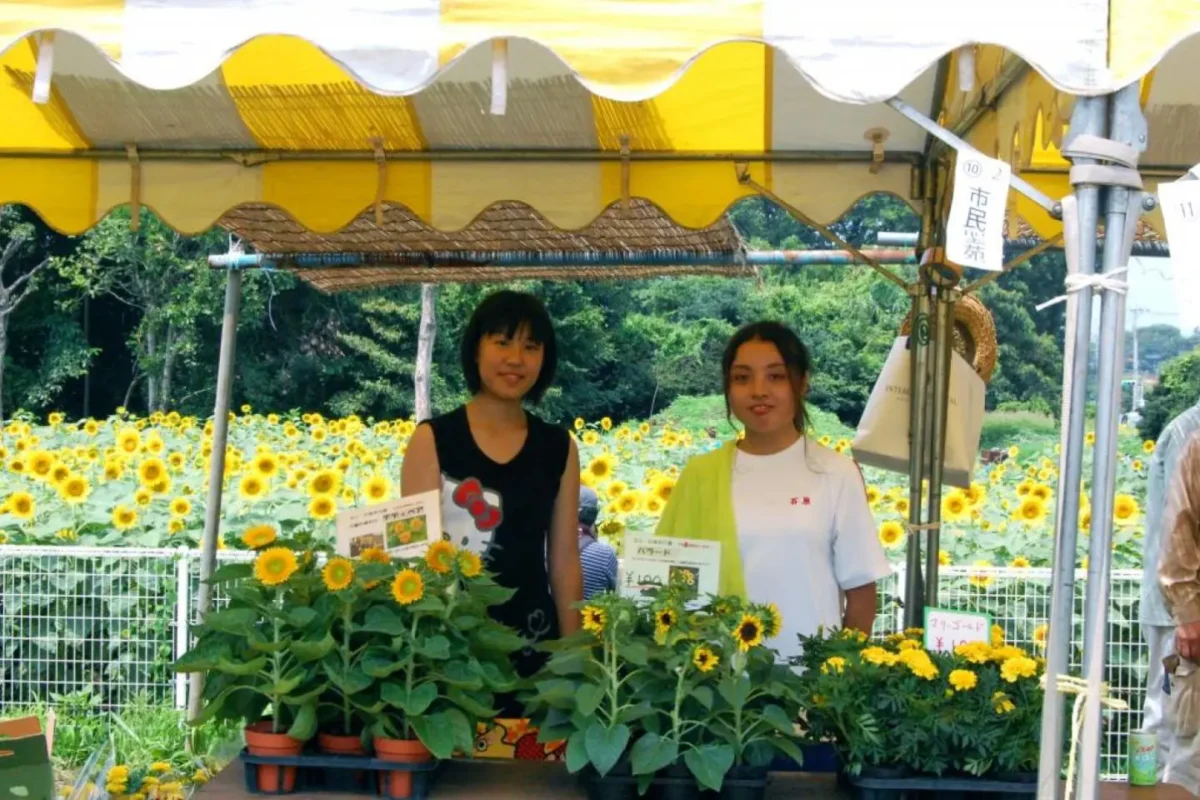
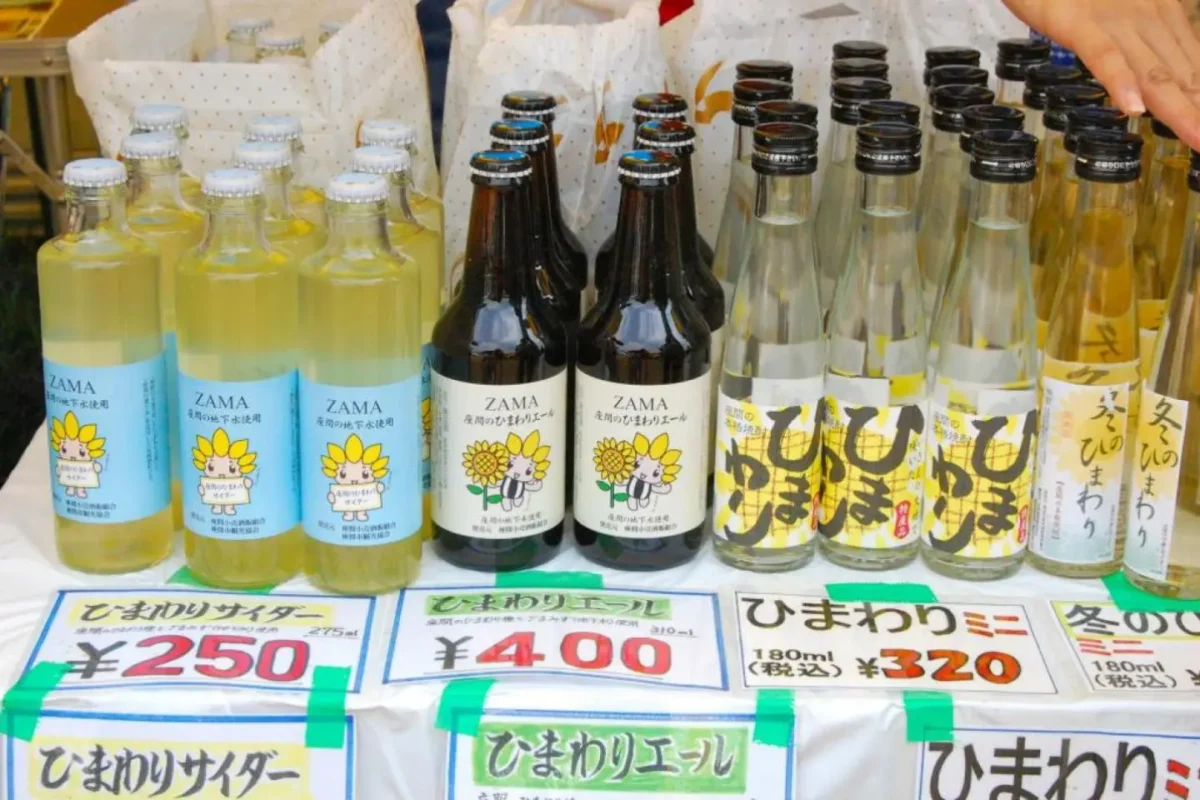
During the festival, you can enjoy live music and entertainment on small stages, eat local foods, and shop for farm-fresh produce directly from growers. A distinctive feature is the range of sunflower-themed products. You can sample sunflower pasta, crackers, beverages, sunflower beer, cider, and shochu, and purchase products ranging from roasted sunflower seeds to sunflower oil. The event also includes street shops selling local specialties, hands-on nature activities, and community performances.
Enjoy Your Event Stress-Free with Japan Travelo
Do you know? Planning events, festivals, concerts, and cultural experiences in Japan can be overwhelming. Japan Travelo brings everything together in one place, helping you manage your itinerary, transport, and accommodation with ease—so you can enjoy Japan without the stress of planning.
It is designed as a daytime outdoor festival suitable for all ages, with ample shade tents, hydration stations, and rest areas. The fields are working agricultural land, so paths are unpaved and natural, adding to the rural charm.
Event dates
Event Dates: Mid-August 2027 (Dates TBD)
Festival Structure Based on Previous Editions:
Part One Kurihara Area: This venue typically blooms first and hosts the opening segment of the festival. The Kurihara field is slightly smaller and more intimate.
Part Two Zama Main Area: The larger main venue in Zama, located at 2887-2 Zama 2-chome and surrounding Yotsuya district fields including 588-3 Nittajuku, blooms slightly later and hosts the main celebration. This is the location with approximately 440,000 blooms in the Zama area alone and the total of 550,000 across both sites.
Typical Daily Hours: Festival grounds and markets operate from 9:30 AM to 4:00 PM, with fields open for viewing from early morning until sunset. Peak bloom viewing is usually mid-morning when light is best for photography and temperatures are moderate.
Bloom Status Updates: Official bloom status and exact field opening is announced by Zama City Tourism Association at https://www.zama-kankou.jp/event/ via daily photo updates. Please check closer to the season for final field conditions.
Visiting this event? Don’t miss out on these amazing activities and local experiences while you’re here.
Venue & event locations
The festival is held in two distinct locations within Zama City, both utilizing fallow fields and agricultural land.
Kurihara Venue: Located in the Kurihara district of Zama. This site is the first to bloom and features a compact field layout with easy access from surrounding residential areas. It includes a small market area and stage.
Zama Main Venue: The primary and largest site, located in the Zama and Yotsuya district. Addresses frequently listed include 2887-2 Zama 2-chome and 588-3 Nittajuku, Zama City, Kanagawa Prefecture. This venue utilizes extensive fallow fields in the Yotsuya district. The terrain is flat with wide walking paths cut through the sunflowers. Observation decks, photo spots, and the main market area are located here.
Zama City Central Area: During the festival period, related displays and sunflower decorations are placed around Zama Station and City Hall, extending the festive atmosphere into the urban core.
Both venues are outdoor agricultural fields with temporary infrastructure including tents, portable toilets, first aid stations, and information booths. The fields are maintained by Zama City, local farmers, and volunteers including groups from nearby Camp Zama.
Full holiday programme
The holiday programme is designed to showcase agriculture, local culture, and community spirit across both venues.
Morning Field Opening: Fields open early for photographers seeking soft light. Volunteer guides stationed at entrances provide maps and information about field varieties. Some sunflower varieties are tall single-stem types, others are branching orange and yellow cultivars selected for extended bloom.
Midday Market and Food Fair: Local farmers sell fresh vegetables, sunflowers for cutting, and seasonal fruits. Food vendors prepare sunflower-themed dishes and local specialties.
Stage Entertainment Block: Local school bands, taiko drum groups, hula dance groups, and community choirs perform on temporary stages near the market areas. Performances run in 30-minute sets throughout the day.
Hands-On Experience Workshops: Activities including sunflower seed harvesting demonstrations, simple craft making using sunflower stalks and seeds, and agricultural education for children.
Afternoon Community Activities: Traditional activities such as sweetfish catching by hand in shallow pools set up for children, pony rides, and small petting areas have been offered in previous editions.
Sunset Viewing: Fields remain open until sunset for golden hour photography when the sunflowers face west and the light creates dramatic silhouettes.
Main attractions & highlights
550,000 Blooming Sunflowers: The core attraction is the sheer scale of planting. With more than half a million flowers covering multiple fields, the view of orange and yellow sunflowers against the blue sky is considered one of the largest sunflower displays in the Tokyo metropolitan area. The fields were selected as one of the 100 famous flowering points of Kanagawa.
Observation Decks and Photo Spots: Raised wooden decks allow visitors to look out over the sea of flowers. Official photo spots with frames and city mascot cutouts are installed for commemorative pictures.
Sunflower Product Exhibition: A dedicated area showcases products developed from Zama sunflowers, including sunflower oil, dressings, pasta infused with sunflower seeds, crackers, honey, beer, cider, and shochu distilled with sunflower. Many products are developed in cooperation with local breweries and food makers.
Agricultural Education: Signboards explain the role of sunflowers in crop rotation, soil improvement of fallow fields, and the involvement of U.S. Army volunteers from Camp Zama who help plant the fields each spring.
Community Stage: Live local entertainment adds cultural depth, with performances by senior citizen groups, children’s dance teams, and local musicians.
Markets, decorations & themed areas
Farmers Market: The central market area features direct sales from Zama farmers. You can purchase farm-fresh produce, cut sunflowers by the stem for approximately 2 USD to 4 USD per bunch, sunflower seeds for planting or roasting, and seasonal vegetables.
Sunflower Product Market: Vendors sell value-added products including sunflower oil for approximately 8 USD to 12 USD per bottle, sunflower crackers for approximately 4 USD to 6 USD, sunflower pasta for approximately 5 USD, sunflower beer for approximately 5 USD to 7 USD per can, sunflower cider, and sunflower shochu for approximately 15 USD to 20 USD per bottle.
Decoration Zones: Entrance gates are decorated with sunflower arches. Throughout the fields, scarecrows created by local schools, sunflower-themed windmills, and painted wooden boards provide playful decoration. The city mascot Zamarin appears on signage.
Themed Photo Areas: Areas designated for photography with props such as vintage tractors, hay bales, and sunflower mazes where paths are cut to create labyrinth-like walking experiences.
Local Specialty Stalls: Street shops sell Zama spring water products, local tofu, and handmade crafts.
Events & entertainment schedule
Live Music: Acoustic bands, elementary school brass bands, and traditional Japanese drum performances alternate on the main stage. Schedule is posted at the information tent each morning.
Dance and Cultural Performances: Hula dance groups, yosakoi dance teams, and Bon Odori demonstrations invite audience participation.
Talk Events: Agricultural experts and city officials give short talks about sunflower cultivation, sustainable farming, and the history of Zama’s city flower selection.
Children’s Activities: Organized activities have included catching sweetfish by hand, pony riding for approximately 5 USD to 7 USD per ride, and small stamp rallies where children collect stamps from different field locations to receive a small sunflower seed gift.
Volunteer Planting Story: A photo exhibition shows the spring planting process involving local residents, schoolchildren, and volunteers.
Evening Light: While the festival is primarily daytime, some evenings feature small lantern lighting near the observation decks.
Admission & ticket information
Field Viewing: Admission to view the sunflower fields at both Kurihara and Zama venues is free of charge. This free entry policy has been consistent in all previous editions, making it one of the most accessible flower festivals near Tokyo.
Parking: Free parking is not available directly at the fields due to agricultural land protection. Designated temporary parking lots are set up nearby with shuttle service or a short walk. Parking fee in previous editions was approximately 3.50 USD to 5 USD per vehicle per day. Some lots require advance reservation on busy weekends.
Paid Activities: While entry is free, certain activities have small fees. Pony rides and sweetfish catching activities typically cost approximately 3 USD to 7 USD per participation. Food and product purchases are pay-as-you-go.
Sunflower Cutting: Visitors can cut sunflowers to take home in designated picking zones for a small fee of approximately 2 USD to 4 USD per stem or bundle, depending on variety.
Observation Deck: Use of observation decks and photo platforms is free and included with entry.
Donations: Donation boxes for field maintenance and support for local farmers are placed at information tents. Suggested donation is approximately 1 USD to 3 USD.
Special experiences & activities
Sunflower Maze Walk: Paths are cut through the tallest sections of the field to create maze-like experiences where you are surrounded on all sides by sunflowers over 2 meters high.
Sunflower Product Tasting: Guided tasting of sunflower beer, cider, and shochu at product booths, with non-alcoholic options including sunflower tea and sunflower seed crackers.
Seed Harvesting Experience: Learn how to harvest and roast sunflower seeds, with samples to taste and packets to take home for planting next season.
Photo Contest: An annual photo contest is organized by Zama City Tourism Association. Visitors can submit photos taken at the festival via social media with official hashtags for a chance to win local product prizes.
Volunteer Experience: Information is available about joining the spring planting volunteer program for the following year, which includes U.S. Army volunteers and local residents planting the 550,000 bulbs together.
Spring Water Trail Connection: Combine sunflower viewing with a walk along Zama’s spring water trail, visiting nearby sacred springs including Suzuka Myojin Shrine spring, as the fields are located near these water sources.
Family & children’s activities
Educational Farm Experience: Children can learn about the importance of sunflowers in agriculture, pollination by bees, and how fallow fields are revitalized.
Stamp Rally: A popular activity where children receive a map and collect stamps from checkpoints around the fields, earning a small prize such as sunflower seeds or a sticker.
Pony Rides and Animal Interaction: Small pony rides and petting corners with rabbits and goats have been featured in the Yotsuya venue.
Sweetfish Catching: A shallow pool is set up where children can try catching sweetfish by hand, an exciting and cooling activity in summer heat.
Craft Corner: Make simple crafts such as sunflower bookmarks, seed art, and pressed flower cards for approximately 2 USD to 4 USD per craft kit.
Shaded Rest Areas: Family rest tents with benches, mist sprayers, and baby changing facilities are available near the market area.
Free Photo Props: Child-sized photo cutouts and mascot meet-and-greets with Zamarin, the city’s sunflower mascot.
Event rules
Stay on Designated Paths: Do not enter restricted growing areas or step on irrigation equipment. Walk only on mown paths and designated picking zones to protect the flowers and farmland.
No Picking Outside Designated Areas: Sunflower picking is only allowed where signs indicate and after paying the picking fee. Do not pick flowers from general viewing fields.
Photography Etiquette: Commercial photography with large equipment, tripods blocking paths, and drone photography are not permitted without prior permission from Zama City. Selfie sticks should be used carefully to avoid damaging flowers.
No Littering: Take all trash with you or use designated bins. The fields are working farmland and must be kept clean for soil health.
Heat Safety: The festival takes place in open fields with little natural shade aside from tents. Bring hats, sunscreen, water, and wear comfortable shoes for unpaved paths. Hydration stations provide water refills.
Pets: Pets on leashes are allowed in some areas but not in the dense flower corridors or food market tents. Check signage at entrance. Service animals are permitted throughout.
Smoking: Smoking is prohibited in the fields and market areas due to fire risk and farmland protection.
Parking Rules: Park only in designated temporary lots. Illegal roadside parking in farming areas will be towed and damages farmland.
How to get there
General Location: The venues are located in Zama City, central Kanagawa Prefecture, approximately 40 kilometers from central Tokyo and 15 kilometers from Yokohama. The city is situated near Camp Zama and Sagamihara.
From Tokyo: Take the Odakyu Odawara Line from Shinjuku to Soubudai-Mae Station or Zama Station. The fields are a short bus or taxi ride from the stations. Total travel time from Shinjuku is approximately 60 to 75 minutes.
From Yokohama: Take the JR Yokohama Line to Sagamihara or the Odakyu Line to Zama. Travel time is approximately 45 to 60 minutes.
Local Access: From Zama Station and Soubudai-Mae Station, take the Zama Community Bus or a taxi to the Kurihara or Zama venues. During festival days, a free or low-cost shuttle bus operates between the two venues and from the stations, typically costing approximately 1 USD to 2 USD.
By Car: Access via Tomei Expressway and Route 246 to Zama City. Navigate to temporary parking lots signposted as Himawari Matsuri Parking. Do not navigate directly to field addresses as roads are narrow and closed.
Public transport & parking
Public Transport:
Train: Odakyu Odawara Line to Zama Station or Soubudai-Mae Station is the main access. Trains run every 10 minutes. Fare from Shinjuku is approximately 4 USD to 6 USD one way.
Bus: Zama Community Bus and Kanachu Bus connect stations to the festival venues. Frequency increases during festival. Fare is approximately 1 USD to 2 USD per ride.
Shuttle Bus: A special festival shuttle connects Kurihara and Zama venues, operating every 20 to 30 minutes during festival hours. Fare is typically free or approximately 1 USD.
Parking:
Temporary Festival Parking: Designated lots near Nittajuku and Kurihara are opened for the festival. Fee is approximately 3.50 USD to 5 USD per day based on previous editions. Spaces are limited and fill early on weekends, especially after 10:00 AM.
No Fieldside Parking: Parking directly at the field edges is prohibited to protect farmland and prevent traffic congestion on narrow farm roads.
Bicycle Parking: Free bicycle parking is available near both venues. Rental bicycles from Zama Station area are a convenient option.
Accessibility Parking: Accessible parking spaces are reserved near the Zama main venue entrance for vehicles displaying disability permits.
Accommodation areas
Zama is a day-trip destination, but nearby areas offer accommodation for those wanting to combine sunflower viewing with other Kanagawa attractions.
Zama City Business Hotels: Small business hotels such as Hotel Route Inn Zama and local guesthouses charge approximately 50 USD to 75 USD per night and are within walking or short bus distance to venues.
Ebina and Sagamihara: Neighboring cities offer larger hotels including Rembrandt Hotel Ebina, Hotel Route Inn Sagamihara, and APA Hotels for approximately 60 USD to 90 USD per night. Ebina is a major transport hub with extensive dining.
Atsugi and Machida: Commercial centers 15 to 20 minutes by train offer more variety including Toyoko Inn and Dormy Inn chains for approximately 45 USD to 70 USD.
Tokyo Base: Many international visitors stay in Shinjuku, Shibuya, or Tokyo Station areas and travel to Zama as a day trip, returning in the evening. Tokyo business hotels range from 70 USD to 150 USD.
Yokohama: Staying in Yokohama allows combination of sunflower fields with harbor sightseeing. Hotels near Yokohama Station range from 80 USD to 160 USD.
Food, drinks & seasonal specialties
Sunflower-Themed Foods: The festival’s signature offerings include sunflower seed crackers for approximately 4 USD to 6 USD, sunflower pasta for approximately 5 USD to 7 USD per pack, sunflower honey for approximately 8 USD, and sunflower oil for approximately 8 USD to 12 USD.
Sunflower Beverages: Sunflower beer brewed locally for approximately 5 USD to 7 USD per can, sunflower cider, sunflower shochu for approximately 15 USD to 20 USD per bottle, and non-alcoholic sunflower tea.
Farm-Fresh Produce: Direct sales of tomatoes, cucumbers, corn, watermelons, and edamame harvested that morning, priced at approximately 2 USD to 5 USD per bag.
Festival Street Food: Standard summer festival foods including yakisoba for approximately 5 USD, yakitori skewers for approximately 3 USD to 4 USD, takoyaki for approximately 4 USD, kakigori shaved ice for approximately 3 USD to 4 USD, and frankfurters.
Zama Local Specialties: Zama is known for its spring water used to make tofu, as well as Zama pork dishes. Local tofu dengaku and pork bowls are sold at stalls for approximately 6 USD to 9 USD.
Cold Drinks and Ice Cream: Shaved ice flavored with local fruits, mikan orange juice, and soft serve ice cream with sunflower seed topping for approximately 3 USD to 5 USD.
Accessibility
Terrain: The festival takes place on flat agricultural land, but paths are unpaved, consisting of mown grass and compacted soil. The ground can be uneven after rain. Wheelchairs and strollers can navigate the main paths but may require assistance in narrower corridors.
Observation Decks: Observation decks are accessible via ramps at the Zama main venue. Staff assistance is available.
Rest Areas: Shaded rest tents with benches are located near entrances. Portable toilets include accessible units.
Visual Accessibility: The fields are highly visual with bright colors and wide-open spaces, suitable for visitors with hearing impairments. Information boards include large print and illustrations.
Service Animals: Service dogs are permitted in all public areas of the festival.
Transportation: Community buses and shuttle buses are low-floor and wheelchair accessible. Accessible parking is reserved near the Zama main venue.
Crowd Considerations: Weekends can be very crowded with narrow paths. Weekday mornings offer the most relaxed experience for visitors requiring extra space or time.
Best days & times to visit
Best Time of Day: Early morning from 8:00 AM to 10:00 AM offers the best light for photography, cooler temperatures, and fewer crowds. The sunflowers face east in the morning, creating uniform golden fields. Late afternoon from 3:00 PM to 5:00 PM offers warm golden hour light and beautiful backlit photos.
Weekday vs Weekend: Weekdays are significantly less crowded than weekends. If you prefer quiet viewing and easy parking, visit on a weekday. Weekends feature more stage performances and market vendors but require early arrival for parking.
Bloom Timing: The Kurihara venue typically reaches peak bloom slightly earlier than the Zama main venue. Visiting both venues on different days or using the shuttle allows you to see different stages of bloom and different field layouts.
Weather Considerations: Sunflowers bloom best in sunny weather. Overcast days provide softer light for portraits and cooler temperatures for walking. The festival continues in light rain, but paths become muddy, so waterproof shoes are recommended.
Avoiding Heat: The festival is held in open fields with limited shade. Bring hats, sunscreen, and water. Midday from 11:00 AM to 2:00 PM is hottest and most crowded. Use shaded market tents for breaks.
Previous year’s highlights
Record Bloom Scale: In recent editions, more than 550,000 sunflowers bloomed across both venues, creating the largest sunflower display in the Tokyo metropolitan area. The Zama main venue alone featured approximately 440,000 flowers.
Sunflower Product Innovation: Previous festivals introduced new products including sunflower-infused shochu, sunflower beer collaboration with local craft breweries, and sunflower pasta developed with local schools.
Community Volunteer Planting: The spring planting event involved U.S. Army volunteers from Camp Zama, local elementary school students, and senior citizen groups working together to plant the fields, showcasing international community cooperation.
Observation Deck Popularity: The newly installed observation deck in the Yotsuya district field became the most photographed spot, with visitors capturing panoramic views of the fields with Sagami mountains in the background.
Family Activities Success: Hands-on activities such as sweetfish catching, pony rides, and seed harvesting workshops were fully booked, especially on weekends, indicating strong family attendance.
Photo Contest Entries: The annual photo contest received thousands of entries via social media, with winning photos featuring children among towering sunflowers, couples in yukata, and dramatic sunset silhouettes.
Local Farm Sales: Direct sales of farm produce sold out daily by early afternoon, highlighting the popularity of farm-to-table experiences.
Official event information
Organizer: Zama City, Zama City Tourism Association, and local agricultural cooperatives, with support from Camp Zama community volunteers and Kanagawa Prefecture.
Official Festival Information URL as text: https://en.japantravel.com/kanagawa/zama-sunflower-festival/2209
Zama City Tourism Association Official URL as text: https://www.zama-kankou.jp/event/
Zama City Official Website URL as text: https://www.city.zama.kanagawa.jp/
Venue Addresses as text: Kurihara & Zama, 2887-2 Zama 2-chome, Zama City, Kanagawa Prefecture and 588-3 Nittajuku, Zama City, Kanagawa Prefecture
Contact: Zama City Tourism Association, Phone: +81 46-251-3530 based on previous listings
Information Center: Zama City Tourist Information located at Zama Station area and temporary information tents at both festival venues during festival hours
Spring Planting Volunteer Information: Available via Zama City Tourism Association website for participation in spring planting events
Video
Location
FAQ
Is there an entry fee to see the sunflower fields and how much does parking cost?
Viewing the sunflower fields at both Kurihara and Zama venues is free of charge with no ticket required, which has been the policy in all previous editions. Temporary parking lots near the fields charge a small fee of approximately three to five dollars per vehicle per day. Shuttle buses between venues and from stations are low cost or free.
Can I pick sunflowers to take home and are there any restrictions on photography?
You can pick sunflowers in designated picking zones for a small fee of a few dollars per stem or bundle, while general viewing fields are protected and picking is not allowed. Photography for personal use is encouraged, but commercial photography, tripods that block paths, and drones require prior permission from Zama City. Stay on marked paths to protect the crops.
What should I bring to comfortably enjoy the festival in the summer heat?
Bring a hat, sunscreen, sunglasses, and plenty of water as the fields are open with limited shade outside market tents. Wear comfortable closed shoes suitable for unpaved grass and soil paths that can become dusty or muddy. A small folding chair or picnic mat is useful for resting in shaded areas and enjoying market foods.
Are the two venues far apart and how can I visit both in one day?
The Kurihara and Zama main venues are located within the same city and are a short distance apart, connected by a special festival shuttle bus that runs every twenty to thirty minutes during festival hours. You can easily visit both venues in half a day by using the shuttle, which costs little or nothing. Many visitors start at Kurihara in the morning and move to Zama main venue for lunch and afternoon activities.
Is the festival suitable for small children and are there family facilities available?
The festival is very family friendly with flat terrain, wide paths for strollers, and numerous children's activities including stamp rallies, pony rides, and craft corners. Shaded rest tents, portable toilets including family accessible units, baby changing facilities, and mist sprayers are available near the market areas. Weekday mornings offer the most relaxed experience for families with young children.

Leave a Reply