

Overview
Zama Suzuka Shinto Shrine Festival, also known as the Zama Mikoshi Festival and locally as Suzukamyo or Suzuka Myojin Shrine Reitaisai, is one of Kanagawa Prefecture’s most authentic and physically intense summer Shinto celebrations. Held in the residential city of Zama, just south of Tokyo near the Sagamihara border, the festival centers on the carrying of heavy portable shrines through the city streets in a day-to-night procession that embodies community endurance and faith.
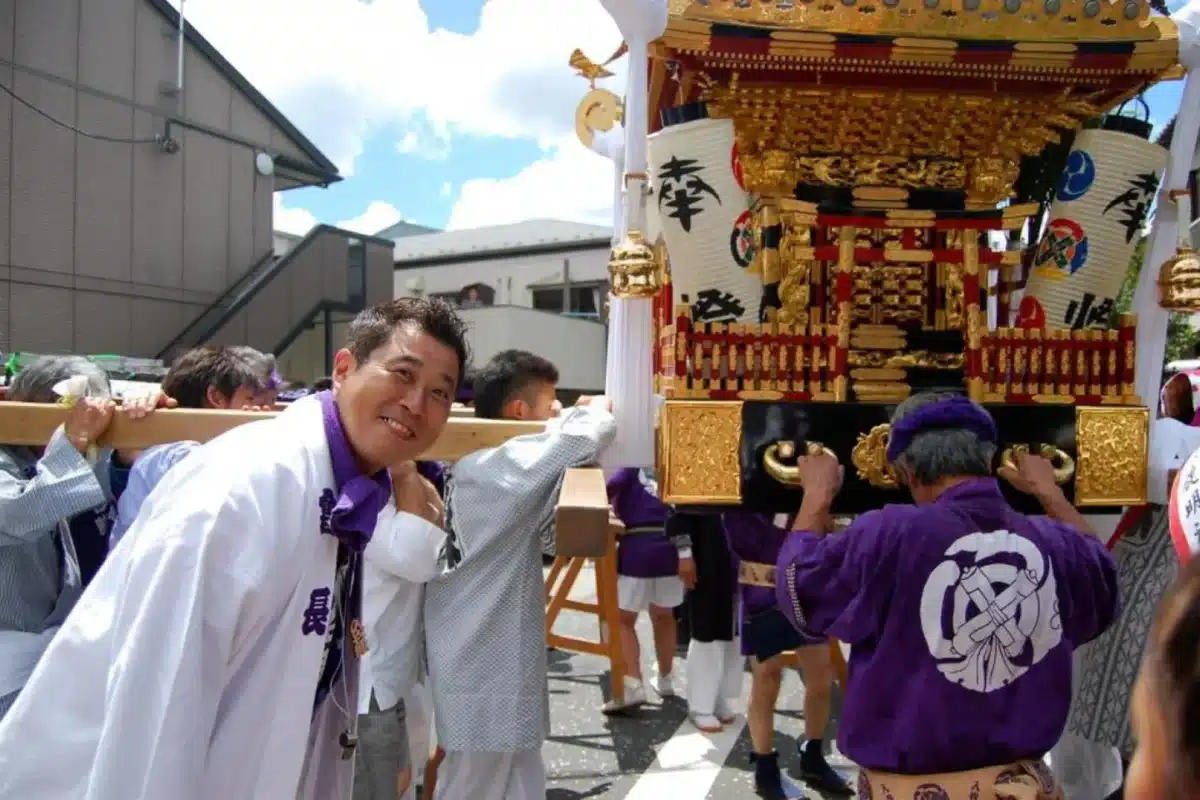
The heart of the event is the mikoshi togyo, the sacred procession where residents and mikoshi regulars from neighboring communities carry a portable shrine on their shoulders while chanting powerful rhythmic calls of “Say ya, Soi ya, Sah, Sorya” and “Dokkoi, Dokkoi, Dokkoi Sorya.” These chants are prayers to the Shinto gods for blessings of good health, prosperity, and successful procreation. The shrine is exceptionally heavy, and participants must take turns to sustain the weight under the intense heat, carrying it from midday deep into the night.
Unlike large tourist-oriented festivals in central Tokyo, Zama’s festival retains a deeply local, neighborhood character. Residents emerge from businesses and homes to make offerings, festival sponsors line the streets with tables of rice balls, fried chicken, croquettes, red bean buns, melon, beer, sake, water, green tea, and energy drinks to keep carriers energized, and commuters returning home from work join the procession as it passes Zama Station. The festival concludes back at Suzuka Myojin Shrine with a dramatic nighttime performance where the day mikoshi and a special nighttime shrine are tossed high into the air to delight the gods.
Enjoy Your Event Stress-Free with Japan Travelo
Do you know? Planning events, festivals, concerts, and cultural experiences in Japan can be overwhelming. Japan Travelo brings everything together in one place, helping you manage your itinerary, transport, and accommodation with ease—so you can enjoy Japan without the stress of planning.
Cultural Significance & Origins
Suzuka Myojin Shrine, formally known as Suzuka Myojinsha, is an ancient Shinto shrine located at 1-3500 Iriya, Zama City, Kanagawa Prefecture, with a history stretching back over 1,000 years. The shrine enshrines deities associated with safe travel, protection from misfortune, and family prosperity. Its name Suzuka refers to the Suzuka area and the clear spring water that emerges on the shrine grounds, which has been considered sacred since ancient times.
The tradition of mikoshi dates back to the Nara period. According to records, the first mikoshi was created in 720 to transport kami, Shinto deities, to the battlefield and to allow the kami to pass through the parish and bless the homes of the faithful. The mikoshi becomes the temporary abode of the kami during the festival. The symbolic transfer of the kami from the inner sanctuary to the ornate, gilded sacred palanquin is performed by Shinto priests in a private ceremony before the public procession begins.
Zama’s festival preserves the classic form of this theology of procession. As the mikoshi moves through the streets, it is believed to purify the neighborhoods it passes, driving away evil spirits and bringing blessings to each household. The act of carrying is itself a form of prayer and austerity, a demonstration of community devotion. Residents making offerings along the route place small coins, sake, and salt before the approaching shrine as a sign of respect.
The shrine is also known as a guardian for travelers and for its branch shrine of Itsukushima, reflecting Zama’s historical position on old travel routes. The festival’s emphasis on good health and procreation reflects agrarian roots, where community survival depended on physical strength and family continuity.
Traditions, Rituals & Customs
The festival follows a time-honored ritual structure that blends solemn Shinto rites with exuberant folk celebration.
Kami Utsushi Transfer Ceremony: Early in the day, priests in white robes and black lacquered hats perform a closed ritual to transfer the spirit of the deity from the honden main hall into the portable mikoshi. This is accompanied by kagura music and offerings of rice, sake, and seasonal fruit.
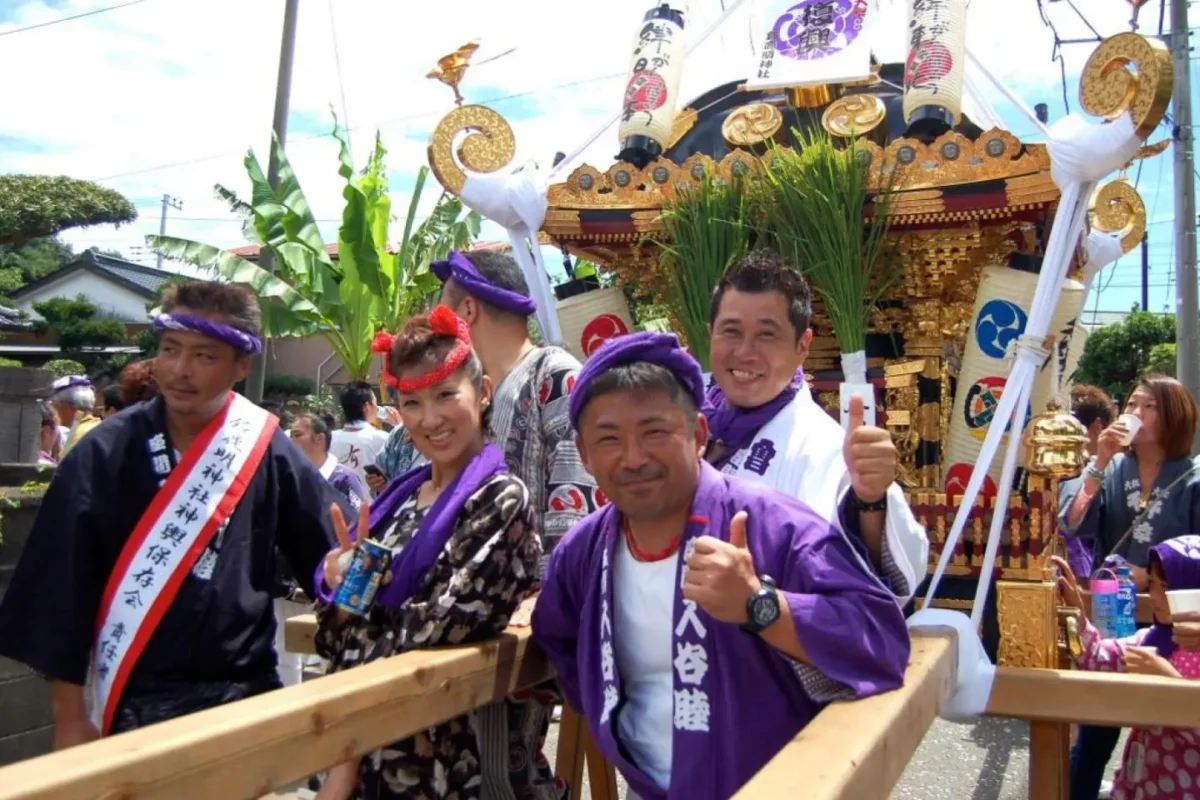
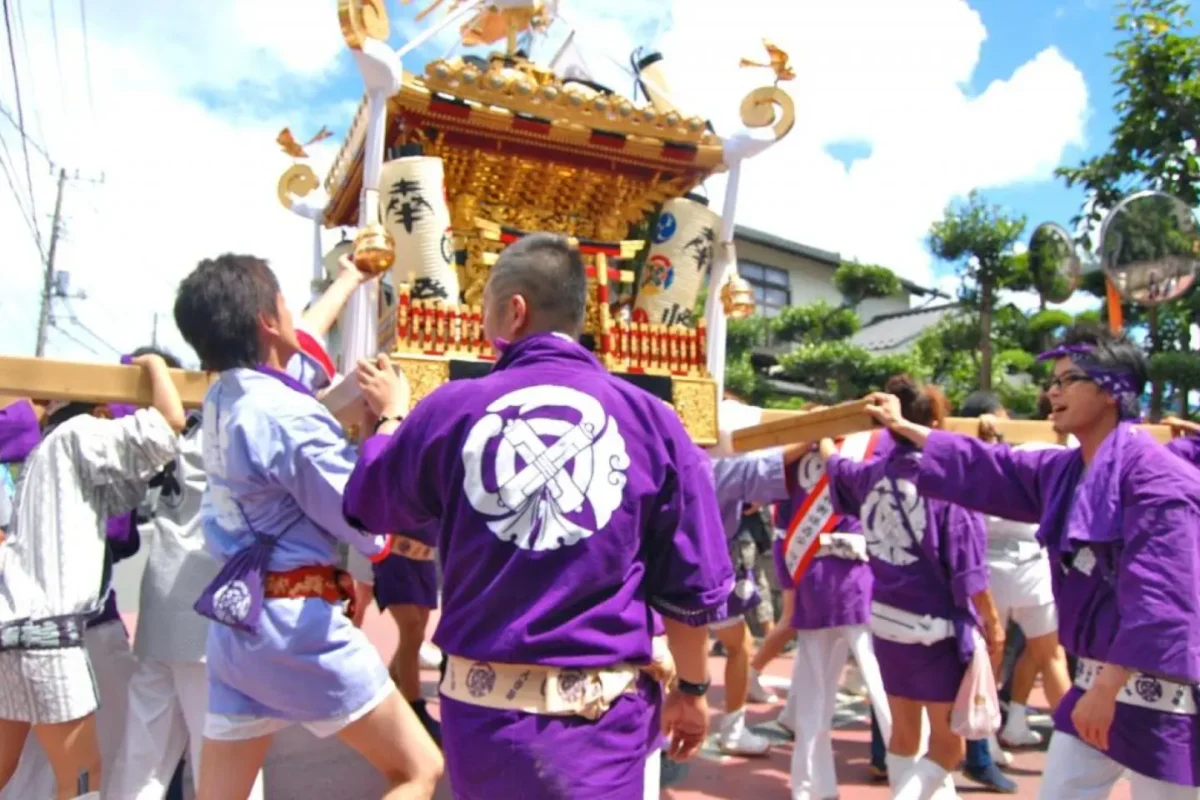
The Day Mikoshi Procession: The main daytime mikoshi is carried by several dozen men and women wearing matching happi coats, headbands, and tabi socks. The chanting follows two distinct patterns. “Say ya, Soi ya, Sah, Sorya” is used for steady forward movement, while “Dokkoi, Dokkoi, Dokkoi Sorya” signals a surge of energy when crossing intersections or approaching sponsor tables. The rhythmic pattern helps synchronize steps under heavy weight.
Clapping Ritual for Rest Stops: You know when the parade is about to rest when you hear a succession of claps. The leader performs a three-three-one handclap pattern known as Ippon Jime, and all carriers respond. The pattern is Tap, tap, tap… Tap, tap, tap… Tap, tap, tap… Tap. It is impossible not to join in, and after a few hours it becomes subconscious. The mikoshi is lowered onto wooden stands and participants hydrate.
Sponsorship Tables: Local businesses and neighborhood associations set up tables called kyuryo jo offering omotenashi hospitality. Trays include onigiri rice balls, karaage fried chicken, croquettes, anpan red bean buns, sliced melon, plus beer, sake, water, green tea, and energy drinks. This system ensures carriers can sustain the long journey and reflects the community support for the shrine.
Sunset Gathering at Zama Station: As the procession passes Zama Train Station around sunset, a surge of new participants occurs. Zama residents returning from work in Tokyo and Yokohama join the parade, often still in business clothes with happi coats thrown over. Tired carriers are cheered and re-invigorated by the crowd, transforming the procession into a vibrant evening party.
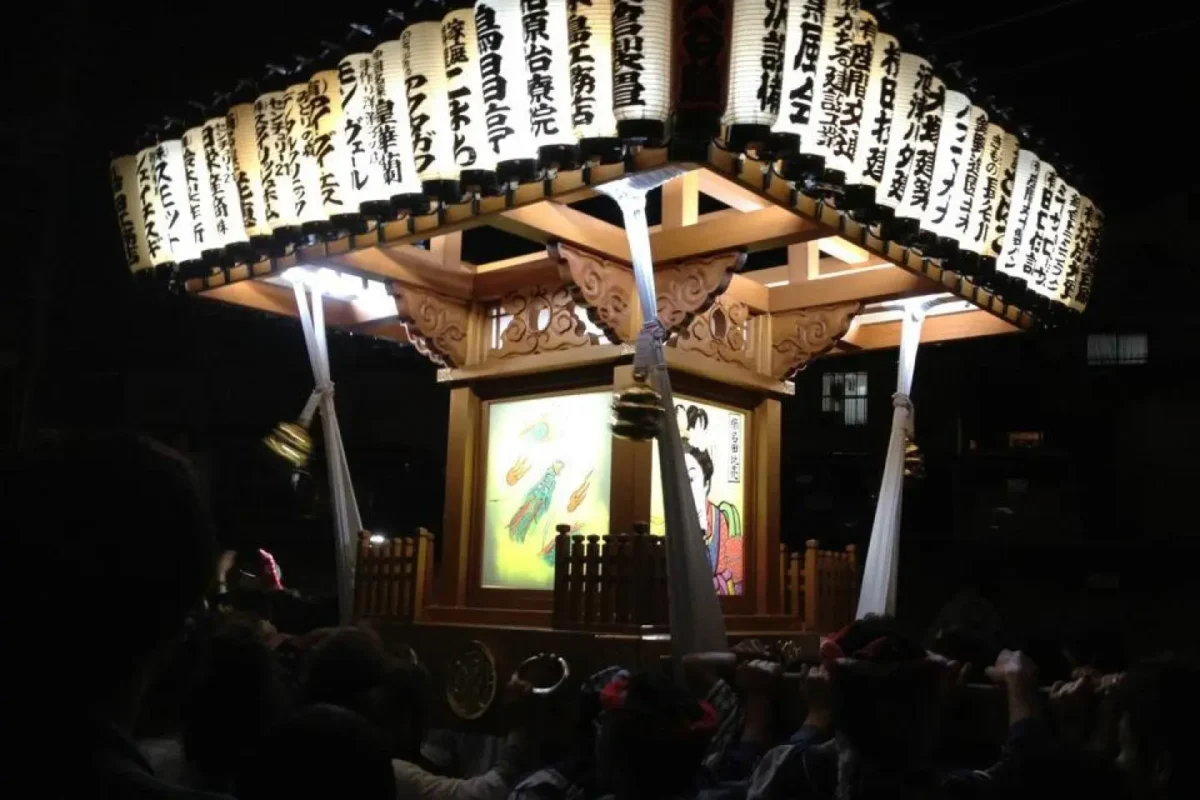
Night Mikoshi and Tossing Ritual: Back at Suzuka Shrine grounds, the nighttime shrine is brought out alongside the portable day shrine. The energy peaks as teams compete to see how high they can toss the portable shrines. Carriers move side to side, forward and back, and make wide circles that send the crowd running to avoid injury. The shrines are thrown into the air and caught, sometimes reaching several meters high. This dynamic action is meant to delight and excite the gods before returning them to the shrine for another year.
What to Expect at the Festival
Expect a long, physically demanding, and deeply participatory community event rather than a staged show for tourists. The festival is hot, loud, sweaty, and joyful.
During the day procession, you will see the mikoshi swaying as it moves through narrow residential streets, flanked by carriers whose happi coats are soaked with sweat. Spectators line the streets, many holding small children up to see the gold decorations. The chanting is continuous and infectious. Residents step out of their front doors to clap, offer water, and touch the mikoshi for good luck.
At rest stops, the atmosphere is convivial. Carriers sit on curbs drinking cold tea, sharing stories, and massaging shoulders. Festival sponsors chat with neighbors. You will hear the distinctive clap pattern repeatedly.
As evening approaches, the mood becomes more festive and energetic. Paper lanterns are lit on the mikoshi, and the route becomes illuminated by streetlights and lanterns. When the procession returns to the shrine precincts, the space becomes crowded with food stalls, taiko drummers, and families. The nighttime tossing ritual is thrilling and slightly dangerous, with the crowd surging back and forth as the mikoshi is spun in circles and launched upward.
The festival ends with a final offering ceremony inside the shrine, after which participants and spectators share drinks and food on the shrine grounds late into the night. The shrine office sells small omamori amulets for health, wealth, and family safety blessed during the festival.
Date & Schedule
Event Dates: Early August 2027 (Dates TBD)
Typical Schedule Based on Previous Editions:
Late Morning: Private Kami Utsushi ceremony inside Suzuka Myojin Shrine. Purification rites and preparation of day mikoshi. Participants gather and receive happi coats and safety instructions.
Noon Onward: Departure of day mikoshi from Suzuka Myojin Shrine. Procession begins through Iriya and surrounding neighborhoods. First rest stops with sponsor hospitality tables offering food and beverages.
Afternoon: Continuous procession through central Zama residential areas. Regular rest stops signaled by handclap ritual. Circulation through commercial streets.
Around Sunset: Arrival and passage near Zama Train Station. Large influx of returning commuters joining the procession. Peak participation period with cheering crowd.
Evening: Return approach to Suzuka Myojin Shrine precincts. Nighttime mikoshi is brought out from storage building.
Night: Dramatic mikoshi tossing performance, side to side movements, forward and back surges, and wide circles in shrine courtyard. Final blessing and return of shrines to storage. Community food, drink, and entertainment on shrine grounds until late night.
Please note times are based on previous editions and subject to official announcement.
Visiting this event? Don’t miss out on these amazing activities and local experiences while you’re here.
Main Events & Programme
Day Mikoshi Togyo: The main procession covering several kilometers through Zama City. The portable shrine is carried on shoulders using two long poles, with carriers rotating every few hundred meters. The route includes residential streets, shopping streets, and the station area, ensuring the kami blesses the entire parish.
Hospitality Rest Stops: More than a dozen designated rest points hosted by local businesses, neighborhood associations, and shrine supporters. Each provides free food and drink to carriers and often to spectators as well. This is a key social element of the festival.
Station Front Gathering: The most energetic section of the day route occurs as the mikoshi passes Zama Station. Crowds swell, office workers join, and the chanting reaches its loudest. This is the best spot for visitors to join the carrying if they wish to volunteer.
Night Mikoshi Performance: Held in the shrine grounds after dark, this is a separate, smaller but more acrobatic mikoshi. The performance includes high tossing, spinning, and competitive displays between different carrier teams. The nighttime shrine is decorated with lanterns and often carries taiko drummers on top.
Food and Entertainment at Shrine: After the procession, the shrine grounds host yatai stalls, beer gardens, and stage performances including local taiko groups and folk dance. The atmosphere becomes a summer matsuri party open to all.
Children’s Mikoshi: On the morning before the main procession, a small children’s mikoshi is carried by local elementary school children in a shorter route around the shrine neighborhood, marking their participation in community tradition.
Traditional Dress, Arts & Crafts
The festival dress is functional and symbolic rather than ornate court costume.
Happi Coats: Participants wear matching cotton happi coats with the Suzuka Myojin Shrine crest and their neighborhood association name printed on the back. Colors vary by group but commonly include indigo blue, white, and red. The coats are short, allowing freedom of movement, and are worn over shorts or tight pants.
Haragake and Obi: Under the happi, carriers often wear a traditional haragake apron with pockets for small towels and a wide obi sash to support the back while carrying heavy weight.
Hachimaki and Tabi: White or colored hachimaki headbands absorb sweat and show group unity. Split-toe tabi socks and straw zori sandals or white jika-tabi boots are worn for grip on asphalt.
Mikoshi Craftsmanship: The mikoshi themselves are exquisite folk art. The day mikoshi is a heavy wooden structure weighing several hundred kilograms, covered in gold leaf, black lacquer, carved phoenixes, and small mirrors to ward off evil. The roof is decorated with chrysanthemum and wave patterns. The portable shrine used at night is often more ornate with additional lanterns. The shrines are stored year-round in a special mikoshi storehouse on the shrine grounds that visitors can view outside festival days.
Omamori and Ema: The shrine office sells handmade omamori amulets embroidered with symbols for health, wealth, and childbirth blessings sought during the festival. Wooden ema plaques with Suzuka spring water motifs are available for visitors to write wishes.
Traditional Food & Local Specialties
Food during the Zama Mikoshi Festival is centered on practical, energizing hospitality rather than elaborate banquet cuisine.
Sponsor Hospitality Foods: During the procession, carriers receive onigiri rice balls wrapped in nori, karaage fried chicken, korokke potato croquettes, anpan sweet red bean buns, and fresh melon slices. These are provided free to participants by local sponsors.
Beverages: Tables offer cold beer and sake for after carrying, plus water, cold green tea, mugicha barley tea, and energy drinks for hydration. The combination reflects the need to sustain energy in extreme heat.
Shrine Ground Yatai: In the evening at Suzuka Myojin Shrine, standard summer festival stalls appear selling yakisoba noodles for approximately 5 USD, yakitori skewers for approximately 3 USD to 4 USD, takoyaki octopus balls for approximately 4 USD, kakigori shaved ice for approximately 3 USD, and frankfurters.
Zama Local Specialties: Zama City is known for its spring water, called Zama no Mizu, which is used to make local tofu and sake. Nearby restaurants serve Zama pork dishes and fresh vegetables from Sagamihara plateau farms. The Nissan Heritage Collection area nearby has cafes serving curry rice for approximately 7 USD to 9 USD.
Convenience Options: Around Zama Station, there are convenience stores, bakeries, and chain restaurants like Yoshinoya and CoCo Ichibanya for quick meals before or after the procession.
Location & Festival Areas
Main Shrine: Suzuka Myojin Shrine, also referred to as Suzukamyo, located at 1-3500 Iriya, Zama City, Kanagawa Prefecture 252-0029, Japan. The shrine grounds include the main hall, kagura hall, mikoshi storehouse, branch shrine of Itsukushima Shrine, war memorial, and sacred spring.
Day Procession Route: The route forms a large loop starting and ending at Suzuka Myojin Shrine, passing through Iriya neighborhood, central Zama shopping streets, around Zama Station East and West exits, and back via residential roads. Total distance is several kilometers, covered over approximately 8 to 10 hours including rest stops.
Key Viewing Areas:
Shrine Precincts: Best for opening and closing ceremonies and nighttime tossing performance. Paved courtyard with some shade.
Zama Station Area: Best for energetic evening participation and large crowds. Wide sidewalks allow good viewing.
Residential Streets: Quieter, intimate viewing where residents offer personal hospitality and you can see close-up carrying.
Zama Station: Odakyu Line station providing access from Tokyo Shinjuku area. The station plaza becomes a major festival hub during the evening.
Getting to the Festival
From Tokyo and Shinjuku: Take the Odakyu Odawara Line from Shinjuku Station to Zama Station or Soubudai-Mae Station. Express trains take approximately 50 to 60 minutes. Cost is approximately 4 USD to 6 USD one way. During festival evenings, extra local trains operate.
From Yokohama: Take the JR Yokohama Line to Sagami-Ono Station then transfer to Odakyu Line to Zama, total approximately 60 minutes, cost approximately 5 USD.
By Car: Zama is accessible via Tomei Expressway and Route 246. Parking near the shrine is extremely limited and road closures occur during procession hours. Use coin parking near Zama Station for approximately 5 USD to 8 USD per day and walk to shrine, about 15 minutes.
On Foot Within Festival: The entire festival is walkable. From Zama Station to Suzuka Myojin Shrine is approximately 12 to 15 minutes walk. The procession route is marked with paper lanterns and signs.
Bicycle: Rental bicycles are available at Soubudai-Mae Station area. Zama City is relatively flat and cycling between viewing spots is convenient.
Accessibility: The shrine grounds are mostly flat with some gravel areas. Residential sidewalks along the route are narrow in places but manageable. The nighttime tossing area can become very crowded and may not be suitable for wheelchairs at peak time, though daytime viewing is accessible.
Where to Stay Nearby
Zama is a commuter city, so most visitors stay in nearby larger hubs.
Zama City Hotels: Business hotels such as Hotel Route Inn Zama and Zama Station Hotel offer simple rooms for approximately 50 USD to 75 USD per night. They are within walking distance of the shrine and station and fill quickly during festival.
Sagamihara and Ebina Area: Hotels in neighboring Sagamihara City and Ebina City, such as Rembrandt Hotel Ebina and Hotel Route Inn Sagamihara, charge approximately 60 USD to 90 USD per night and are one or two train stops away.
Tokyo Base: Many international visitors stay in Shinjuku or Tokyo and travel to Zama for the day and evening, returning by late trains around 11:30 PM. Tokyo business hotels range from 70 USD to 150 USD.
Atsugi and Machida: Larger commercial areas 15 minutes by train offer more choice, including APA Hotel and Toyoko Inn chains for approximately 45 USD to 70 USD.
Camping: No camping at shrine grounds. Nearby Sagamihara parks prohibit overnight stays.
What Visitors Can Participate In
The Zama festival is notably open to outside participation compared to more closed community mikoshi.
Carrying the Mikoshi: Visitors, including foreign residents, can join as carriers if they register at the shrine office in the morning and wear appropriate clothing such as happi coat, which can be borrowed, and comfortable shoes. No prior experience is required but physical fitness is essential due to weight and heat. Women and men both participate.
Chanting and Clapping: Even without carrying, visitors can walk alongside the procession, learn the chants “Say ya, Soi ya” and “Dokkoi, Dokkoi,” and participate in the handclap rest ritual.
Offering at Homes: Residents along the route allow visitors to place small coins in offering boxes placed before homes as the mikoshi passes.
Nighttime Shrine Festivities: After the procession, anyone can enjoy food stalls, purchase omamori, write wishes on ema plaques for approximately 3 USD to 5 USD, and watch the nighttime tossing performance from the shrine courtyard.
Photography: Photography is allowed and encouraged from roadside. Avoid using flash directly in carriers’ eyes during night performance and do not block the procession path.
Spring Water Pilgrimage: Before or after the festival, visitors can walk the Zama spring water trail that includes the sacred spring at Suzuka Myojin Shrine, Banjin Spring, and Ryugen-in Spring, a peaceful nature walk.
Things to Do Before or After the Festival
Suzuka Myojin Shrine Exploration: Outside festival time, explore the shrine’s well-maintained grounds, mikoshi storehouse, Itsukushima branch shrine, and sacred spring. The shrine is known as a special place for pet blessings, and many locals bring dogs for purification.
Zama Spring Water Walk: Zama City promotes a spring water map with several natural springs emerging from the Sagamihara plateau. A self-guided walk takes approximately 2 hours and includes interpretive signs.
Nissan Heritage Collection: Located in eastern Zama, this exclusive collection showcases approximately 300 iconic Nissan cars spanning the company’s history. Viewing is by reservation only and costs approximately 7 USD.
Zama Yatoyama Park: A large park with hiking trails, cherry blossoms, and views over the Sagami plain.
Sagami River and Nearby Shrines: Visit nearby Sagamihara’s many shrines and temples or take a day trip to Enoshima and Kamakura, both approximately 40 minutes by train.
Odawara and Hakone: Zama’s position on the Odakyu Line makes it a convenient stop on the way to Odawara Castle and Hakone hot springs.
Local Food & Restaurants
Near Zama Station: The station area has numerous eateries including ramen shops, udon shops, conveyor belt sushi, and family restaurants. Average lunch costs approximately 6 USD to 10 USD.
Shrine Area: Small local shops near Iriya sell tofu made with Zama spring water and seasonal vegetables. The shrine neighborhood has a traditional wagashi sweets shop selling manju.
Ebina and Sagami-Ono: Larger dining hubs one stop away offer extensive options including yakiniku BBQ, izakaya, and international cuisine. Ebina’s Lalaport shopping mall has a food court.
Convenience Stores: Lawson, FamilyMart, and 7-Eleven along the procession route are useful for cold drinks, onigiri, and ice cream during the hot day.
Festival Night Food: At the shrine grounds, enjoy festival staples like yakisoba, grilled corn, and cold beer for approximately 3 USD to 6 USD per item.
Ticket Information & Access
Festival Admission: The Zama Suzuka Shinto Shrine Festival is free to observe and free to participate as a carrier. No tickets are required for viewing the procession along public streets or for entering the shrine grounds. This has been the tradition for all previous editions.
Mikoshi Participation: Joining the carrying is free, though participants are expected to wear a happi coat, which may be borrowed from the organizing committee with a small deposit of approximately 10 USD refundable, or purchased for approximately 25 USD to 40 USD.
Museum and Collection: Nissan Heritage Collection entry is approximately 7 USD by reservation. Other attractions like Zama Shrine are free.
Transportation Costs: Odakyu train from Shinjuku to Zama approximately 4 USD to 6 USD one way. Bus within Zama approximately 2 USD. Parking near station approximately 5 USD to 8 USD per day.
Omamori and Ema: Festival amulets and wish plaques at Suzuka Myojin Shrine cost approximately 3 USD to 7 USD depending on type.
Shrine Donation: Offering boxes accept any amount, typically 1 USD to 3 USD.
Official Event Information
The festival is organized by Suzuka Myojin Shrine, Zama City, and the Zama Mikoshi Preservation Association with support from local neighborhood associations and sponsors.
Official Shrine Website URL as text: http://suzuka.or.jp/
Official Festival Information URL as text: https://en.japantravel.com/kanagawa/suzuka-shrine-mikoshi-festival-2012/2335
Shrine Address as text: 1-3500 Iriya, Zama City, Kanagawa Prefecture 252-0029, Japan
Secondary Address as text: 2-chome-46-1 Iriya, Zama, Kanagawa 252-0029, Japan
Zama City Tourism Official URL as text: https://www.city.zama.kanagawa.jp/
Contact Phone for Shrine: +81 46-251-0245 based on previous listings
Access: 12 minutes walk from Zama Station on Odakyu Odawara Line, or 10 minutes walk from Soubudai-Mae Station
Location
FAQ
Can foreign visitors actually carry the mikoshi and what are the requirements?
Yes, the Zama festival is known for being open to mikoshi regulars from neighboring communities and welcoming to newcomers including international visitors. You need to register at the shrine office on the morning of the festival, wear comfortable clothes, closed shoes, and a happi coat which can be borrowed. Physical fitness and heat tolerance are important as the shrine is heavy and the procession lasts many hours.
Is the nighttime mikoshi tossing performance safe to watch up close?
The nighttime performance is thrilling but involves the heavy shrine being tossed, spun in circles, and moved side to side quickly, which can cause the crowd to surge. Organizers rope off a safety perimeter, but spectators near the front should be prepared to step back quickly. Watching from a slightly elevated position on the shrine steps offers a safer and clearer view.
What does the chanting mean and is there proper etiquette for spectators along the route?
The chants Say ya Soi ya and Dokkoi Dokkoi are rhythmic work chants rather than literal phrases, used to synchronize steps and invoke divine energy. As a spectator, you may clap along during the Ippon Jime rest ritual and offer a small bow when the mikoshi passes. Avoid touching the mikoshi without permission and do not block the carriers path.
Are there facilities and food available for families with small children?
Families are welcome and many local families participate with children in the morning children's mikoshi. During the day, sponsor tables provide free water and snacks, and convenience stores along the route offer additional supplies. The evening shrine grounds have food stalls and more space for strollers, though the daytime residential streets can be crowded and hot for young children.
How does this mikoshi festival differ from other mikoshi festivals held elsewhere in Japan?
While mikoshi festivals occur nationwide in summer, Zama's version is distinguished by its full day to night duration, the heavy weight of the shrine carried for many hours, and its strong community sponsorship system providing food and drink at rest stops. The finale nighttime high tossing competition is more acrobatic than many urban festivals, and the intimate residential setting creates a closer connection between carriers and local residents.

Leave a Reply