
-
June 9, 2026
Event date:
-
June 11, 2026
Event end:
Overview
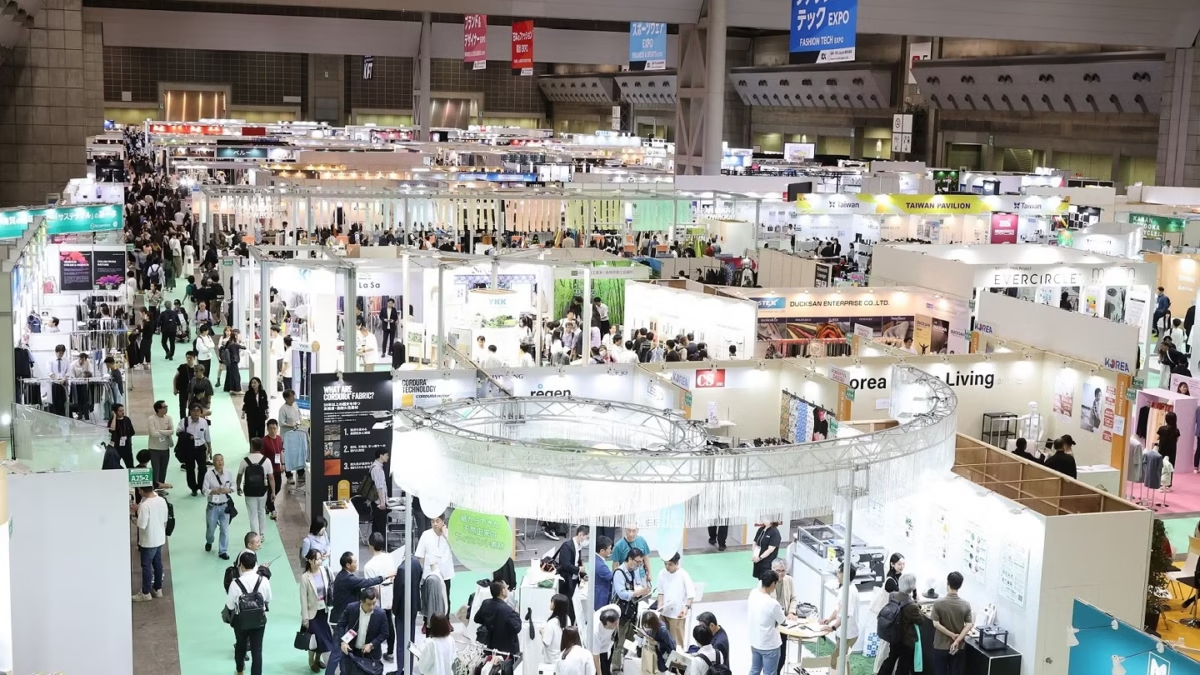
The Asia Fashion Fair stands as Japan’s largest and most influential business-to-business trade exhibition focused exclusively on textile and apparel Original Design Manufacturer and Original Equipment Manufacturer solutions. Established over two decades ago, this expansive trade show plays a vital role in connecting commercial manufacturing facilities from various parts of Asia directly with the highly specialized Japanese fashion retail market. Held biannually in key commercial cities, the seasonal event effectively converts the exhibition halls into a centralized procurement hub designed to fulfill complex corporate supply chain needs and establish long-term manufacturing agreements.
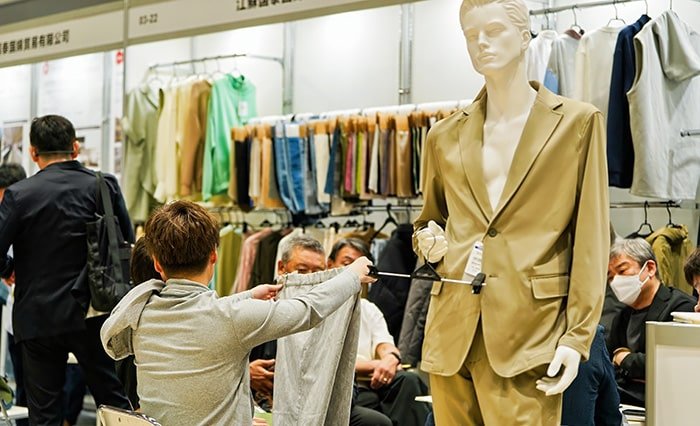
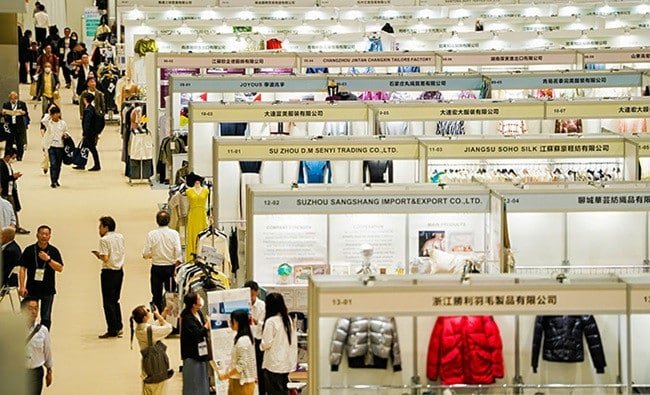
The organizational layout of the exhibition spans across multiple dedicated apparel categories to optimize the sourcing workflow for professional corporate attendees. The vast showroom spaces feature distinct sections for women’s fashion, heavy knitwear, high-end tailored suits, sportswear, child apparel, home textiles, and essential garment accessory elements or sub-trim materials. This structured arrangement allows professional visitors to quickly analyze factory production volumes, stitching quality standards, and material durability traits. Attendees can explore a diverse global supplier matrix consisting of prominent manufacturing clusters from mainland China alongside highly competitive production plants based in nations like Vietnam, Cambodia, Myanmar, and Bangladesh.
By maintaining an intensive focus on real-world transactional capabilities, the expo creates an ideal environment for accelerating cross-border trade and developing direct textile manufacturing networks. Participants can review physical material samples firsthand, evaluate automated production versatility, and negotiate flexible shipping deadlines with international factory operators who thoroughly understand Japanese quality control expectations. Organized by AFF Co., Ltd. in close cooperation with the Japan-China Economic and Trade Center, this prestigious sourcing fair continues to dictate efficiency parameters and guide regional production alignments within the international garment industry.
Enjoy Your Event Stress-Free with Japan Travelo
Do you know? Planning events, festivals, concerts, and cultural experiences in Japan can be overwhelming. Japan Travelo brings everything together in one place, helping you manage your itinerary, transport, and accommodation with ease—so you can enjoy Japan without the stress of planning.
Event Highlights
- Japan’s Ultimate OEM Platform: The exhibition holds a definitive industry reputation as the largest dedicated clothing manufacturing sourcing event in the country to establish factory networks.
- The AFF Selection Zone: A premium designated showcase highlights proven international manufacturers with verified track records of delivery reliability and strict quality control standards.
- Southeast Asian Factory Cluster: A dedicated international pavilion centers on highly productive, price-competitive production lines from manufacturing zones outside of mainland China.
- Comprehensive Sourcing Scope: The showroom spaces display the entire pipeline of textile production from raw materials and functional fabrics up to finished fashion pieces.
Why Attend
This highly specialized trade fair provides a crucial arena for apparel industry professionals aiming to diversify their production lines and secure reliable factory connections. Visitors can directly test fabric hand-feel, inspect garment stitching quality, and eliminate intermediary brokerage margins by entering contractual supply relationships straight with international manufacturers. The strictly professional layout guarantees that your time spent exploring the venue converts into actionable commercial manufacturing accounts and highly profitable product developments.
The event is ideal for fashion brand managers, apparel wholesalers, corporate retail buyers, supermarket clothing category managers, and e-commerce fashion store operators seeking low-minimum production alternatives. It is also highly advantageous for independent designers and corporate trading company agents who require high-flexibility manufacturing partners capable of meeting short delivery deadlines. By attending, trade buyers gain immediate access to major global productivity options, sustainable material innovations, and valuable insights into shifting regional textile production costs.
Date & Duration
- Event Date: April 7 to April 9, 2026, for the spring edition in Osaka, and June 9 to June 11, 2026, for the summer edition in Tokyo.
- Event Duration: Three complete business days with daily operational hours running from 10:00 AM to 5:00 PM, though closing early at 4:00 PM on the final day.
Visiting this event? Don’t miss out on these amazing activities and local experiences while you’re here.
Ticket Information
- How Tickets Are Sold: Tickets are distributed digitally through an advanced visitor pre-registration framework managed online through the official trade fair web portal.
- Admission Type: Strictly trade-only industry admission badge which permits full access to all exhibition floors, regional pavilions, and design showcases.
- Ticket Pricing: Free Admission is guaranteed to all industry buyers and brand professionals who register online or verify their professional status with business cards on-site.
- Special Seating Options: Not applicable because this commercial sourcing event utilizes a continuous corporate layout consisting of individual factory booths and meeting tables.
- VIP Options: Enhanced buyer status and entry privileges to designated corporate networking lounges are provided to large-scale retail buying delegations through selective organizer invitations.
Venue / Location
- City and Country: Tokyo, Japan
- Venue Name: Sunshine City Exhibition Hall C and Hall D, Bunka Kaikan Building
- Google Maps Address: Japan, 〒170-0013 Tokyo, Toshima City, Higashiikebukuro, 3 Chome−1−4 Bunka Kaikan Bldg., 3F
Contact Information
- Email: info@asiafashionfair.jp
- Phone Number: +81-4-8641-1898
- Official Website: https://www.asiafashionfair.jp/
Getting There
- Nearest Airport: Haneda International Airport, located approximately 28 kilometers away from the Sunshine City complex.
- Nearest Train/Metro Station: Higashi-Ikebukuro Station serving the Tokyo Metro Yurakucho Line or Ikebukuro Station running multiple JR East lines.
- Bus Routes or Public Transport Options: The Toei Bus service operates multiple routes from Shinjuku Station and Ueno Station directly to the Sunshine City bus terminal.
- Parking Availability: A massive underground public parking garage is integrated directly beneath the main building structures of the Sunshine City complex.
- Directions by Car: Access the venue using the Metropolitan Expressway Route 5 Ikebukuro Line and take the Higashi-Ikebukuro exit ramp directly into the area.
What is this event?
The Asia Fashion Fair is a dedicated business-to-business trade show focusing entirely on textile, garment, and apparel manufacturing solutions. It functions as a centralized commercial procurement platform linking textile factories, material suppliers, and clothing mills directly with brand managers and corporate apparel buyers.
The exhibition displays everything from women’s fashion, casual outerwear, and athletic uniforms to specialized sewing accessories, zippers, and home fabrics. It operates strictly as a professional corporate marketplace aimed at advancing supply chain optimization, manufacturing distribution, and production volume contracts.
Why is it popular?
The event is popular because it delivers immediate, comprehensive access to a vast network of competitive manufacturing factories that are specialized in serving the Japanese market. It provides an efficient platform for corporate fashion buyers to finalize global apparel sourcing requirements and establish direct production partnerships in one visit.
Its long-standing reputation for gathering highly international exhibitors with capabilities in small-lot orders and fast delivery times draws thousands of professional trade buyers every year. The strategic integration of factories with diverse regional bases gives businesses a simple way to implement risk-managed sourcing strategies.
Tips before you go
- Complete your digital visitor registration on the official website ahead of your trip to obtain your entry barcode and avoid long queues at gates.
- Carry a large volume of corporate business cards as they are required for scanning at booth entrances and verified contact exchanges with factory staff.
- Research the online factory directory before arriving to pinpoint the specific regional manufacturers that match your price points and production needs.
- Select supportive and professional business footwear to stay comfortable while walking between the multi-floor showroom layouts of Hall C and Hall D.
- Formulate your minimum order quantities and target technical specifications clearly before engaging in deep manufacturing talks with bilingual booth representatives.
Attendee Experiences
- Sourcing price-competitive knitwear was remarkably simple thanks to the concentrated layout of the Southeast Asian factory booths.
- The factory representatives I met with possessed extensive experience with Japanese quality standards, which made our design negotiations highly productive.
- I successfully established three new direct manufacturing options for our retail brand that will help reduce our production costs next season.
Video
Location
FAQ
What specific clothing categories and materials dominate the main exhibition halls?
The exhibition floors feature an expansive collection of women's fashion, woolen coats, tweed jackets, casual wear, infant garments, and formal suits. Visitors will also encounter specialized displays for functional fabrics, organic cotton materials, recycled polyester options, and essential garment subsidiary elements like labels and buttons.
Are independent boutique owners or general fashion enthusiasts permitted to attend?
This trade show functions strictly as a corporate business-to-business marketplace and entry is restricted to verified industry professionals, textile traders, and corporate brand buyers. General public fashion enthusiasts, consumer shoppers, and individuals under the age of eighteen are not allowed inside the exhibition halls to preserve the commercial sourcing environment.
Will exhibitors at the booths be able to communicate with international buyers in English?
The vast majority of international exhibitors from China and Southeast Asian garment clusters provide bilingual or trilingual sales staff who speak Japanese, English, and their native languages. This configuration ensures that cross-border corporate buyers can execute technical production negotiations, review compliance certifications, and finalize transaction details smoothly.
Can visitors buy individual sample garments or retail inventory directly from the booths?
The transactional structure of the exhibition floor is confined to commercial sample evaluation, volume manufacturing ordering, and long-term supply contract negotiations. Direct over-the-counter cash retail sales of product stock to individual attendees are completely prohibited by the show management regulations during the entire runtime.
How does the event help corporate buyers manage production risks like changing customs regulations?
The exhibition introduces buyers to verified factories operating out of diverse production bases including Bangladesh, Vietnam, Cambodia, and Myanmar alongside Chinese suppliers. This broad regional representation enables corporate procurement teams to easily diversify their supply chains, compare duty structures, and optimize logistics pipelines to guard against geopolitical shifts.

Leave a Reply