
-
April 13, 2027
Event date:
-
April 15, 2027
Event end:
What to expect
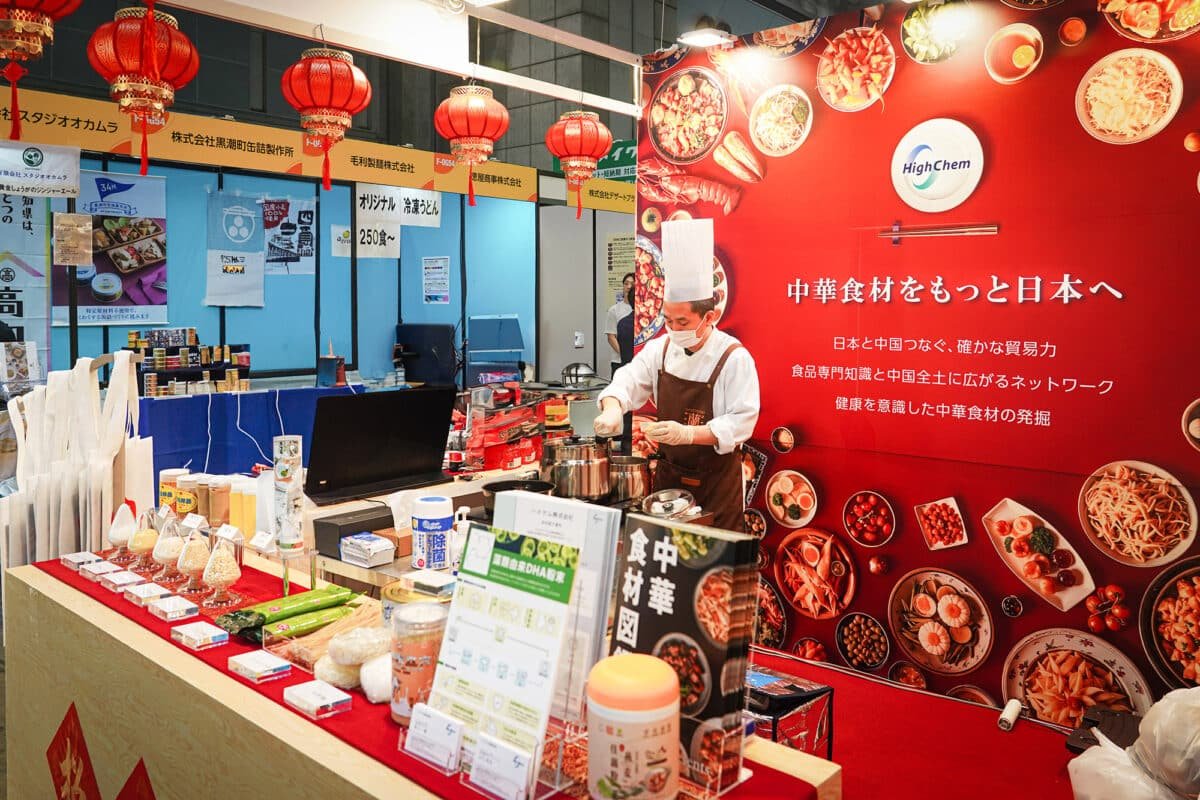
FABEX Tokyo 2027 – Japan, also known as The World Food and Beverage Great Expo, is one of the largest and most established trade shows in Japan, showcasing food ingredients, food products, equipment, and containers and packaging materials. Organized by Japan Food Journal, the special-interest publisher for the food industry, FABEX is held on an annual basis concurrently with a series of other trade fairs for gourmet food and beverages at Tokyo Big Sight, creating one of the most comprehensive food industry gatherings in Asia.
What to expect is a professional, business-focused exhibition that features vegetable delicatessen, bento boxes, prepared meals, restaurants, school lunches, food distribution, and food service innovations. The fair serves as a dedicated food networking business platform that reaches various cross segments of the Japanese food industry. The event is co-located with ISM Japan, Anuga Select Japan, Dessert Sweets & Bakery Festival, PB-OEM, Japan Noodles Industry Fair, and Premium Food Shows, allowing visitors to explore the entire value chain from ingredients to finished products with one ticket.
With strong support from many industry associations in Japan and synergies created by Koelnmesse and Messe Düsseldorf collaborations, FABEX attracts a large number of professional visitors and exhibitors, serving as a pivotal event for anyone seeking to expand food or beverage sales into Asia.
Enjoy Your Event Stress-Free with Japan Travelo
Do you know? Planning events, festivals, concerts, and cultural experiences in Japan can be overwhelming. Japan Travelo brings everything together in one place, helping you manage your itinerary, transport, and accommodation with ease—so you can enjoy Japan without the stress of planning.
Event dates
Trade Fair Name: FABEX Tokyo 2027 – The World Food and Beverage Great Expo
Alternative Name: FABEX – International Trade Fair for Food, Beverages, Technologies and Packaging in the Gastronomy Industry
Organizer: Japan Food Journal – Special-interest publisher, with co-location support from Koelnmesse Co., Ltd. and Messe Düsseldorf Japan for partner fairs
Venue: Tokyo Big Sight, Tokyo, Japan
Official Website: https://www.fabex.jp/
Event Period: April 13 to 15, 2027
Daily Schedule:
April 13, 2027: Tuesday, first exhibition day, opening of exhibition halls at Tokyo Big Sight, start of business meetings, product showcases, and trend presentations
April 14, 2027: Wednesday, second exhibition day, full programme of conference sessions, tastings, buyer meetings, and networking events across co-located fairs
April 15, 2027: Thursday, third and final exhibition day, closing in afternoon with final business appointments and conclusion of exhibition
Daily Hours: Typically 10:00 am to 5:00 pm, with last day entry before 2:00 pm as per previous editions
Frequency: Annual event
All main exhibition and conference activities are held within this three-day period at Tokyo Big Sight.
Visiting this event? Don’t miss out on these amazing activities and local experiences while you’re here.
Venue & exhibition site
Venue Name: Tokyo Big Sight – Tokyo International Exhibition Center
Address: 3-11-1 Ariake, Koto-ku, Tokyo 135-0063, Japan
Venue Profile: Tokyo Big Sight is the largest exhibition and convention center in Tokyo, renowned for its distinctive inverted pyramid architecture and waterfront location in Ariake. The venue offers vast, modern exhibition halls, conference facilities, and excellent transport links, making it the preferred location for international food trade fairs.
Exhibition Site Layout: FABEX occupies a dedicated hall within Tokyo Big Sight, alongside partner fairs including ISM Japan, Anuga Select Japan, Dessert Sweets & Bakery Festival, and others. The layout is designed for efficient business flow, with wide aisles, tasting zones, seminar stages, and business matching lounges.
Facilities: The site includes exhibitor service centers, business matching lounges, conference stages for trend presentations, demonstration kitchens, and catering facilities. Organizer Japan Food Journal ensures strong industry focus, while Koelnmesse and Messe Düsseldorf provide international exhibition expertise for co-located events.
Location Context: The central location facilitates access for international visitors, with direct connections to Haneda and Narita airports, major hotels, and Tokyo’s business districts. The venue is part of a larger complex that hosts concurrent food events, enhancing visitor flow and creating synergies.
Full event programme
The full event programme is designed to maximize business opportunities, product discovery, and industry knowledge across the food service and retail sectors.
Exhibition Programme: The core programme is the exhibition itself, where exhibitors present vegetable delicatessen, bento boxes, prepared meals, restaurant and food service products, school lunch solutions, food ingredients, and packaging materials. Exhibitors showcase innovations in ready-to-eat meals, frozen foods, and health-conscious offerings.
Conference Stage Programme: Dedicated stages host trend presentations, market analysis for Japanese food service industry, and expert talks on consumer behavior, bento culture, sustainability, and food safety regulations.
Tasting and Product Demonstration Programme: Live tasting sessions, chef demonstrations, and product launches allow visitors to experience new products firsthand, with focus on prepared meal solutions for convenience stores, supermarkets, and food service.
Business Matching Programme: Organized business matching service connects exhibitors with pre-qualified buyers, including supermarket chains, convenience store buyers, restaurant chains, and institutional catering buyers.
Co-location Synergy Programme: As part of a cluster of food shows including ISM Japan, Anuga Select Japan, Dessert Sweets & Bakery Festival, and others, visitors can attend multiple fairs with one ticket, exploring synergies across sweets, gourmet foods, and food service sectors.
Networking Programme: Evening networking receptions and business lounge meetings facilitate relationship building with key decision makers in Japanese food industry.
Key speakers & keynote speakers
Key speakers and keynote speakers at FABEX Tokyo are industry leaders and market experts providing insights into Japanese food service and retail trends.
Food Service Leaders: CEOs and senior executives from major bento manufacturers, prepared meal companies, convenience store chains, and restaurant groups share strategies for product innovation and operational efficiency.
Market Analyst Speakers: Representatives from market research firms present trends in ready-to-eat meals, bento consumption, health-conscious prepared foods, and sustainability in food service.
Retail and Buyer Speakers: Senior buyers from Japanese supermarkets, convenience stores, department stores, and institutional catering discuss sourcing criteria and consumer preferences for prepared foods.
Technology and Packaging Experts: Experts in food packaging, automation, and food safety address challenges in extending shelf life, sustainable packaging, and food processing technology.
Industry Association Speakers: Representatives from Japan Food Journal and supporting industry associations provide updates on regulations, food safety standards, and industry outlook.
Engagement Format: Keynotes, panel discussions, and trend presentations on dedicated stages within exhibition hall, with Japanese language presentations and translation support for international participants.
Conference sessions & tracks
Conference sessions and tracks at FABEX Tokyo focus on actionable insights for food service, retail, and prepared meal industries.
Track – Prepared Meals and Bento Innovation: Analysis of bento culture, ready-to-eat meal trends, premiumization, and health-conscious prepared foods.
Track – Food Service and Institutional Catering: Solutions for restaurants, school lunches, hospitals, and corporate cafeterias, including efficiency and nutrition.
Track – Ingredients and Product Development: New product development for delicatessen, frozen foods, functional ingredients, and flavor innovations.
Track – Packaging and Sustainability: Sustainable packaging for prepared meals, eco-friendly containers, and solutions for reducing food waste.
Track – Retail and Distribution: Strategies for entering Japanese retail channels, convenience store trends, and e-commerce for prepared foods.
Track – Food Technology and Food Safety: Production technology, hygiene standards, and food safety regulations for prepared meal industry.
Each track includes presentations by exhibitors, market experts, and retail buyers.
Session times & schedule
Session times and schedule are organized to optimize visitor flow and business efficiency.
Morning Sessions: Morning hours reserved for exhibition opening, first business appointments, and early trend presentations on main stage.
Midday Sessions: Late morning to early afternoon includes peak exhibition hours, product tastings, and panel discussions, with lunch networking in business lounges.
Afternoon Sessions: Afternoon periods continue exhibition activities, business matching meetings, and live cooking demonstrations.
Evening Networking: Late afternoon features networking receptions and informal business meetings before hall closing.
Daily Schedule Structure: Exhibition halls open mid-morning and close late afternoon, with conference stage sessions scheduled throughout the day to avoid conflict with key business hours. Detailed session schedule provided in official event guide and mobile app.
Co-event Timing: ISM Japan, Anuga Select Japan, and other partner fairs run concurrently, allowing visitors to move between halls during same operating hours.
Ticket types & registration
Ticket types and registration for FABEX Tokyo are designed for professional trade visitors, with previous edition pricing converted to USD. FABEX is a professional visitors only event.
Trade Visitor Ticket – Pre-registered:
Early Pre-registration: 0 USD – Free for qualified trade visitors who pre-register online via official website. Includes 3-day entry to FABEX and all co-located fairs including ISM Japan, Anuga Select Japan, and Dessert Sweets & Bakery Festival.
Standard Pre-registration: 0 USD – Free pre-registration typically remains available, encouraging early sign-up for business matching.
On-site Registration:
On-site Ticket: 45 USD – Equivalent to approximately 5,000 JPY for professional visitors registering at Tokyo Big Sight without pre-registration. Includes 3-day e-ticket valid for all co-located fairs. Entry on last day before 2:00 pm.
Exhibitor Passes: Exhibitor badges included in exhibitor package, with additional exhibitor staff badges available at 30 USD per extra badge.
Business Matching Service: Included in trade visitor registration, with optional premium business matching at 100 USD for guaranteed pre-arranged meetings with key buyers from major retail and food service chains.
Important Notes: All ticket times use exhibition’s local time. E-ticket delivery – No physical tickets needed, check My Tickets after payment to access e-ticket. Trade proof such as business card may be required at entrance to verify professional status.
Pricing Basis: Based on recent editions where FABEX attracted 56,685 visitors over three days and approximately 57,000 attendees, with free pre-registration policy for professional visitors.
Registration deadlines
Registration deadlines are enforced to ensure smooth entry and business matching.
Trade Visitor Pre-registration Deadline: Online pre-registration for free trade visitor ticket typically closes a few days before exhibition opening. Early pre-registration recommended to secure free entry and access to business matching platform.
Exhibitor Registration Deadline: Exhibitor applications must be submitted several months before event, with stand allocation on first-come, first-served basis. Early application offers preferred location.
Business Matching Registration Deadline: Registration for organized business matching service closes approximately two weeks before event to allow for meeting scheduling.
On-site Registration: On-site registration available at Tokyo Big Sight entrance during exhibition hours, with on-site fee applicable. Last day entry before 2:00 pm.
Visa Support Deadline: For international visitors requiring invitation letters for visa application, request must be submitted at least one month before event via organizer.
Exhibitor list & major companies
Exhibitor list and major companies at FABEX Tokyo reflect the diversity and quality of Japanese food service and prepared meal industry.
Exhibitor Categories: Exhibitors include manufacturers of vegetable delicatessen, bento boxes, prepared meals, frozen foods, food ingredients, food processing equipment, and containers and packaging materials, alongside food service solution providers.
Exhibitor Scale: In 2025 edition held at Tokyo Big Sight, FABEX attracted a large number of visitors, with total of 56,685 people attending over three days, and similar scale expected in 2026 with around 57,000 attendees. Exhibitor count typically reaches 900 to 1,000 companies across co-located fairs.
National and International Exhibitors: National exhibitors from Japan’s leading food manufacturers, bento companies, and packaging suppliers, alongside international exhibitors from China, South Korea, Singapore, Germany, India, Indonesia, Malaysia, Thailand, and other countries.
Major Company Profile: Exhibitors include well-known Japanese prepared meal brands, bento manufacturers, food ingredient suppliers, and packaging innovators, alongside emerging startups presenting health-conscious and sustainable solutions.
Industry Support: Event strongly supported by many industry associations in Japan, including Japan Food Journal network and food service associations.
Exhibition halls & floor plan
Exhibition halls and floor plan for FABEX Tokyo are designed for efficient business navigation.
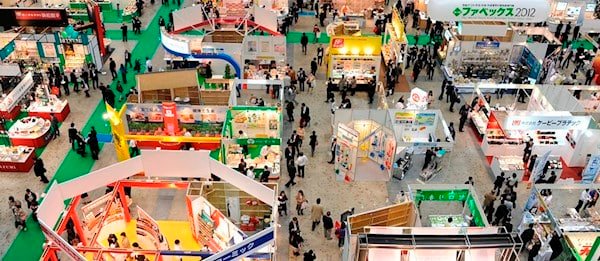
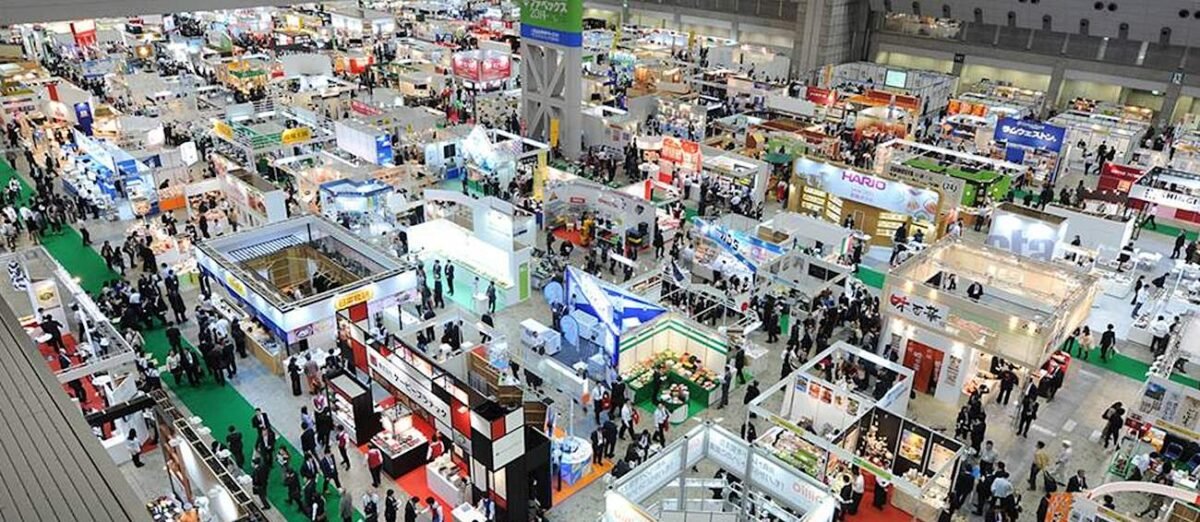
Hall Layout: Tokyo Big Sight hall for FABEX is divided into clearly marked zones based on product categories – delicatessen and prepared meals, bento and ready-to-eat, food ingredients, food processing equipment, and packaging materials. This segmentation allows buyers to quickly locate relevant suppliers.
Floor Plan Features: Wide aisles for easy movement, dedicated tasting areas, seminar stages located centrally for high visibility, business matching lounges near entrance, and demonstration kitchens for live cooking.
Co-location Layout: ISM Japan, Anuga Select Japan, Dessert Sweets & Bakery Festival, and other partner fairs located in adjacent halls, with connecting corridors allowing seamless movement between sweets, gourmet foods, and food service sectors.
Visitor Services: Information counters at hall entrances provide floor plans, exhibitor lists, and event guides. Digital floor plan available via official website and mobile app.
Logistics: Loading docks for exhibitors, storage areas, and exhibitor service centers located at rear of hall for smooth operation.
Networking & business meetings
Networking and business meetings are core to FABEX Tokyo value proposition as a B2B trade fair.
Business Matching Platform: Official online platform allows exhibitors and visitors to pre-arrange meetings based on product interests, with meeting tables provided in business lounge areas.
Buyer Programs: Hosted buyer programs invite key buyers from major supermarket chains, convenience stores, restaurant chains, and institutional catering buyers, with pre-scheduled meetings with exhibitors.
Networking Lounges: Dedicated business lounges provide quiet areas for meetings, with complimentary refreshments and meeting support services.
Evening Receptions: Networking receptions hosted by Japan Food Journal and sponsors provide informal environment for relationship building after exhibition hours.
Co-event Networking: Co-location with multiple food shows expands networking opportunities, allowing food service professionals to connect with wider food and beverage industry.
Industry sectors & highlights
Industry sectors and highlights at FABEX Tokyo reflect current trends in food service and prepared meals.
Prepared Meals Sector: Bento boxes, vegetable delicatessen, ready-to-eat meals, frozen prepared meals, and health-conscious offerings.
Food Service Sector: Restaurant solutions, institutional catering for schools and hospitals, and food distribution technologies.
Ingredients Sector: Food ingredients, seasonings, functional ingredients, and natural additives for prepared meals.
Equipment Sector: Food processing equipment, kitchen equipment, and automation solutions for food service industry.
Packaging Sector: Containers and packaging materials for bento, delicatessen, and prepared meals, including sustainable and eco-friendly options.
Highlights: Focus on convenience, health, sustainability, and efficiency in Japanese food service industry. Event highly recognized by industry buyers for showcasing practical solutions for bento culture, which is central to Japanese food service.
Event rules & visitor information
Professional Visitors Only Policy: FABEX Tokyo is exclusively for professional visitors. General public, including children under 18, not admitted. Proof of professional status such as business card or company registration may be required.
Badge Policy: Visitor badges must be worn visibly at all times within exhibition halls. Badges are non-transferable and must be presented at entrance. Lost badges require re-registration at on-site rate.
Photography Policy: Photography may be restricted in certain exhibitor booths at exhibitor’s discretion. General photography for personal business use allowed, but commercial photography requires permission.
Sampling Rules: Product sampling allowed within exhibitor booths following food safety regulations. Visitors should dispose of waste in designated areas.
Safety and Conduct: Professional conduct expected. Organizer reserves right to remove visitors violating event rules. Emergency exits and procedures clearly marked.
Payment and Currency: On-site purchases of tickets or services payable in Japanese Yen. Credit cards accepted for on-site registration. All pricing displayed in USD for international reference, but payment processed in JPY equivalent.
E-ticket Policy: No physical tickets needed. E-ticket QR code accessible via My Tickets after payment, to be scanned at entrance turnstiles.
How to get there
By Train: Tokyo Big Sight is accessible via Yurikamome Line to Tokyo Big Sight Station or Rinkai Line to Kokusai-Tenjijo Station, both within short walking distance of exhibition hall. From Tokyo Station, take JR Yamanote Line to Shimbashi, then Yurikamome Line to Tokyo Big Sight Station, travel time approximately 30 minutes, cost around 4 USD to 6 USD.
From Airports: From Haneda Airport, take Tokyo Monorail to Tennozu Isle, then transfer to Rinkai Line to Kokusai-Tenjijo Station, travel time approximately 30 minutes, cost around 5 USD to 7 USD. From Narita Airport, take Narita Express or Access Express to Shimbashi, then Yurikamome Line, travel time approximately 90 minutes, cost around 15 USD to 25 USD, or take limousine bus to Tokyo Big Sight area hotels.
By Taxi: Taxi from central Tokyo to Tokyo Big Sight takes 20 to 40 minutes depending on traffic, costing approximately 30 USD to 70 USD. From Haneda Airport, approximately 40 USD to 60 USD.
Walking: Within Tokyo Big Sight complex, internal walkways connect halls. Allow 10 to 15 minutes to move between halls.
Public transport & parking
Public Transport: Tokyo’s public transport is extensive. Yurikamome Line provides direct access to Tokyo Big Sight Station, while Rinkai Line serves Kokusai-Tenjijo Station. Both lines connect to major hubs such as Shimbashi, Toyosu, and Osaki, with frequent service.
IC Cards: Suica, Pasmo, and other IC cards accepted on Yurikamome, Rinkai Line, JR, and metro lines, allowing seamless travel.
Parking: Tokyo Big Sight has on-site parking facilities but spaces are limited during large events and rates are relatively high, typically 2 USD to 4 USD per hour with daily caps of 15 USD to 20 USD. Public transport is strongly recommended due to expected large attendance of over 56,000 visitors.
Bus Services: Shuttle buses may operate between major hotels and Tokyo Big Sight during exhibition period, with airport limousine buses serving nearby hotels.
Accessibility: Tokyo Big Sight is fully barrier-free with elevators, escalators, and accessible restrooms. Yurikamome and Rinkai Line stations have elevators and tactile guidance.
Accommodation areas
Ariake and Odaiba Area: Closest to venue, hotels ranging from 120 USD to 300 USD per night, including Tokyo Bay Ariake Washington Hotel, Hotel Trusty Tokyo Bayside, and Grand Nikko Tokyo Daiba. Highly convenient for early access to exhibition.
Shimbashi and Ginza Area: Central Tokyo business district, hotels from 100 USD to 250 USD, including The Prince Park Tower Tokyo, Park Hotel Tokyo, and numerous business hotels. Direct Yurikamome access to venue.
Tokyo Station and Marunouchi Area: Major hotel hub, hotels from 150 USD to 400 USD, including Palace Hotel Tokyo and Tokyo Station Hotel, ideal for international travelers.
Shinjuku and Shibuya Area: Entertainment and business districts, hotels from 80 USD to 200 USD, with vibrant dining and nightlife, accessible via JR and metro to Shimbashi then Yurikamome.
Booking Advice: Tokyo hotels during spring exhibition season are in high demand, early booking at least three months in advance recommended. Many hotels offer shuttle services to Tokyo Big Sight during major fairs.
Previous year’s highlights
Previous year’s highlights demonstrate FABEX Tokyo’s importance as Japan’s leading food service trade fair.
In 2025 edition held at Tokyo Big Sight from April 15 to 17, FABEX attracted total of 56,685 people attending over three days, with many companies showcasing latest products and innovations in vegetable delicatessen, bento boxes, prepared meals, and food service solutions. The 2026 edition scheduled for April 15 to 17 at Tokyo Big Sight expected similar scale with around 57,000 attendees.
Highlights included extensive showcases of bento innovations, prepared meal solutions for convenience stores and supermarkets, and food packaging innovations. The co-location with ISM Japan, Anuga Select Japan, and other partner fairs created a comprehensive food industry event covering entire value chain.
The event received strong recognition from industry buyers and support from many industry associations in Japan. As one of the largest trade shows in Japan showcasing food ingredients, food products, equipment, and containers and packaging materials, FABEX continues to grow as essential platform for food industry professionals seeking to expand in Japanese market.
Official registration & tickets
Official Website: https://www.fabex.jp/
Organizer: Japan Food Journal – Special-interest publisher, organizer of FABEX, with partner fairs organized by Koelnmesse and Messe Düsseldorf Japan
Trade Visitor Registration: Online pre-registration via official website for free trade visitor ticket. On-site registration available at Tokyo Big Sight entrance during exhibition hours, with on-site fee applicable.
Exhibitor Registration: Exhibitor applications via FABEX website, with stand booking, logistics, and support services provided by organizer.
E-ticket System: No physical tickets needed. E-ticket delivery via My Tickets after payment, QR code to be scanned at entrance. Important notes – All ticket times use exhibition’s local time, on last day enter before 2:00 pm.
Co-event Access: One ticket provides access to FABEX and all co-located fairs including ISM Japan, Anuga Select Japan, Dessert Sweets & Bakery Festival, PB-OEM, Japan Noodles Industry Fair, and Premium Food Shows.
All official information, including exhibitor list, floor plan, and conference programme, should be obtained from official website to ensure accuracy.
Video
Location
FAQ
What is FABEX Tokyo and who should attend this trade fair?
FABEX Tokyo, also known as The World Food and Beverage Great Expo, is one of the largest trade shows in Japan showcasing food ingredients, food products, equipment, and containers and packaging materials. It is designed for professional visitors including food manufacturers, buyers, importers, retailers, wholesalers, food service operators, and packaging suppliers. The event is professional visitors only, co-located with ISM Japan and Anuga Select Japan, and highly recognized by industry buyers for showcasing practical solutions for bento culture and Japanese food service industry.
Where is the venue and how can I access it easily?
The venue is Tokyo Big Sight, located at 3-11-1 Ariake, Koto-ku, Tokyo, Japan’s largest exhibition center in the waterfront Ariake district. It is accessible via Yurikamome Line to Tokyo Big Sight Station or Rinkai Line to Kokusai-Tenjijo Station, both within short walking distance, with connections from Tokyo Station via JR Yamanote Line to Shimbashi then Yurikamome. From Haneda Airport, Tokyo Monorail to Tennozu Isle then Rinkai Line provides direct access, while limousine buses serve nearby hotels, making it highly convenient for international visitors.
What ticket types are available and what do they cost?
Ticket types include free pre-registration for qualified professional visitors offering three-day entry to FABEX and all co-located fairs, and on-site ticket at approximately forty-five dollars equivalent to five thousand Japanese Yen for visitors without pre-registration. Exhibitor passes are included in exhibitor packages with additional staff badges at additional cost, and premium business matching service is available for guaranteed meetings. E-ticket delivery requires no physical tickets, with QR code accessible via My Tickets after payment, and trade proof such as business card may be required to verify professional status at entrance.
What exhibitors and products can I expect to see at FABEX Tokyo?
Exhibitors include manufacturers of vegetable delicatessen, bento boxes, prepared meals, frozen foods, food ingredients, food processing equipment, and containers and packaging materials, alongside food service solution providers. Recent editions attracted over fifty-six thousand visitors over three days and around nine hundred to one thousand exhibitors across co-located fairs, demonstrating scale and diversity. The fair features national exhibitors from Japan’s leading food companies and international exhibitors from China, South Korea, Singapore, Germany, India, and other countries, with strong support from industry associations.
How does FABEX benefit from co-location with other food fairs?
FABEX is held annually concurrently with a series of other trade fairs for gourmet food and beverages at Tokyo Big Sight, including ISM Japan, Anuga Select Japan, Dessert Sweets & Bakery Festival, and others, creating synergies that benefit exhibitors and visitors. This co-location allows professional visitors to explore the entire food value chain from sweets and snacks to healthy foods and food service solutions with one ticket. Organized by Japan Food Journal with support from Koelnmesse and Messe Düsseldorf for partner fairs, the cluster creates one of the most comprehensive food industry gatherings in Asia, attracting large numbers of buyers and facilitating cross-sector business opportunities.

Leave a Reply